Girona Beaches: The Best Costa Brava Sands and Coves
Plan a beach day from Girona with the best Costa Brava sands and coves, how to reach them, what each one suits and when the sea is warmest.
On this page
Girona is one of the best beach bases in Spain because the Costa Brava packs long town sands, sheltered family coves and wild headland inlets into roughly 200 kilometres of coast. The shoreline runs from Blanes in the south to Portbou by the French border, so you can pick a different beach each day without moving hotels. Families with small children, confident swimmers and quiet-seekers will each find a stretch that fits, provided you match the beach to your transport.
Why Girona works as a beach base
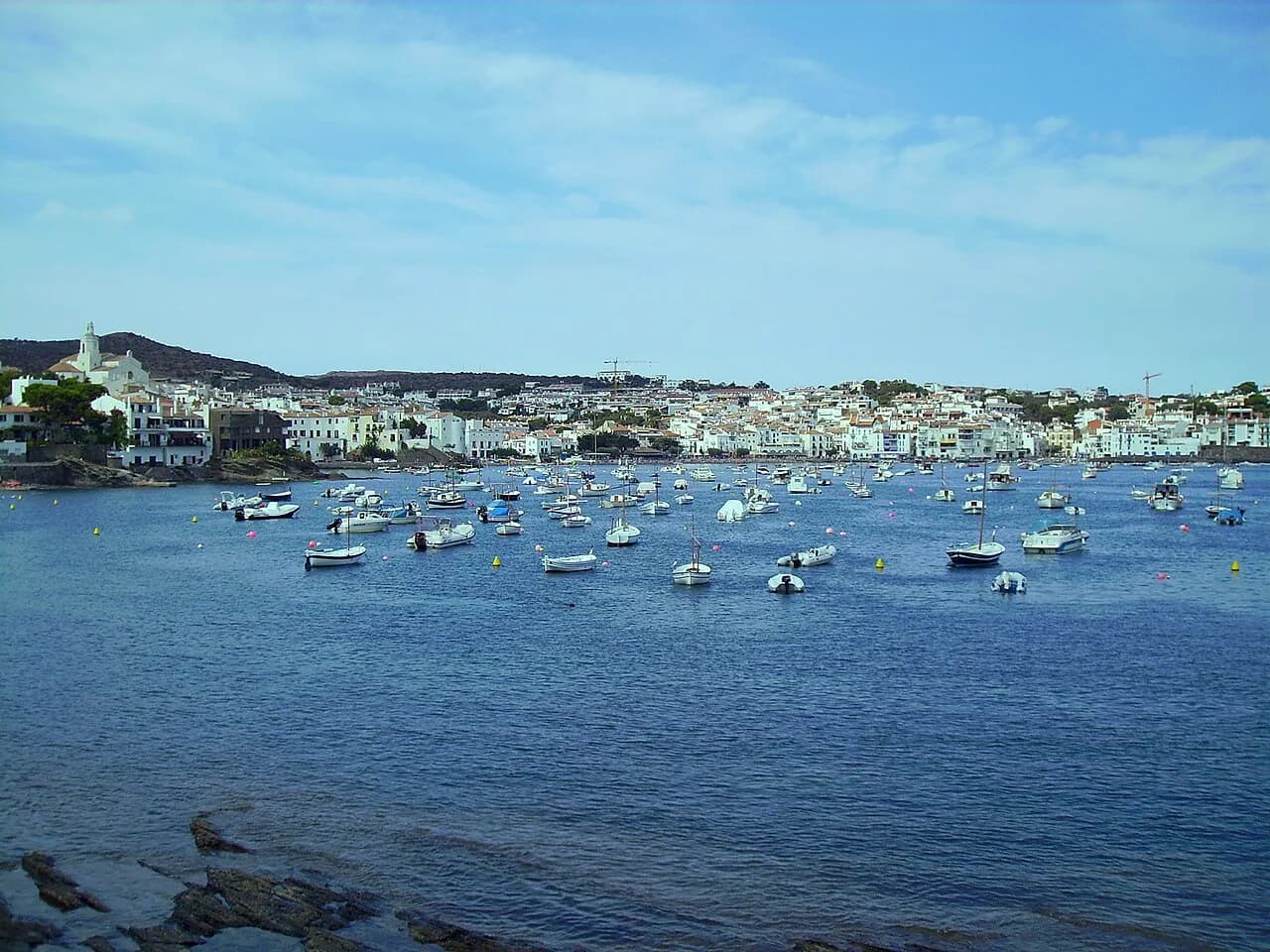
The Costa Brava's appeal is variety within a short drive or train ride. Cliffs, pine forests and vegetation wrap around many of the beaches, giving the coves a sense of enclosure that the bigger town sands lack. That geography is also the main trade-off: the prettiest inlets are often the hardest to reach, and the easiest beaches are the busiest.
The coast changes character as you move north. The southern stretch around Lloret de Mar and Blanes is built up and sandy, the middle section around Begur and Palafrugell hides small coves between headlands, and the far north near Roses and Cap de Creus turns rockier and more exposed. Deciding which section you want is the single most useful planning step.
How to choose your beach
Start with transport, not scenery. Town beaches such as Lloret de Mar, Tossa de Mar, Sant Feliu de Guíxols and Palamós are the simplest without a car, while coves like Sa Tuna or Aiguablava reward a drive or a longer walk along the coast path. If you are relying on public transport, build the day around one beach rather than trying to tick off several.
Match the beach to your group. Small children do best on gently shelving town sands with space to play, swimmers and snorkellers get more from the rocky coves, and quiet-seekers should head for shingle inlets reached on foot. The middle-ground option is a cove with a beach bar and a path to a second beach, so you can move on if the first is crowded.
The town beaches
Lloret de Mar is the largest and liveliest resort on this stretch, with a broad main beach backed by the town and plenty of places to eat within a few steps of the sand. It suits families who want facilities close by and travellers without a car, but it is also the least peaceful option in high summer.
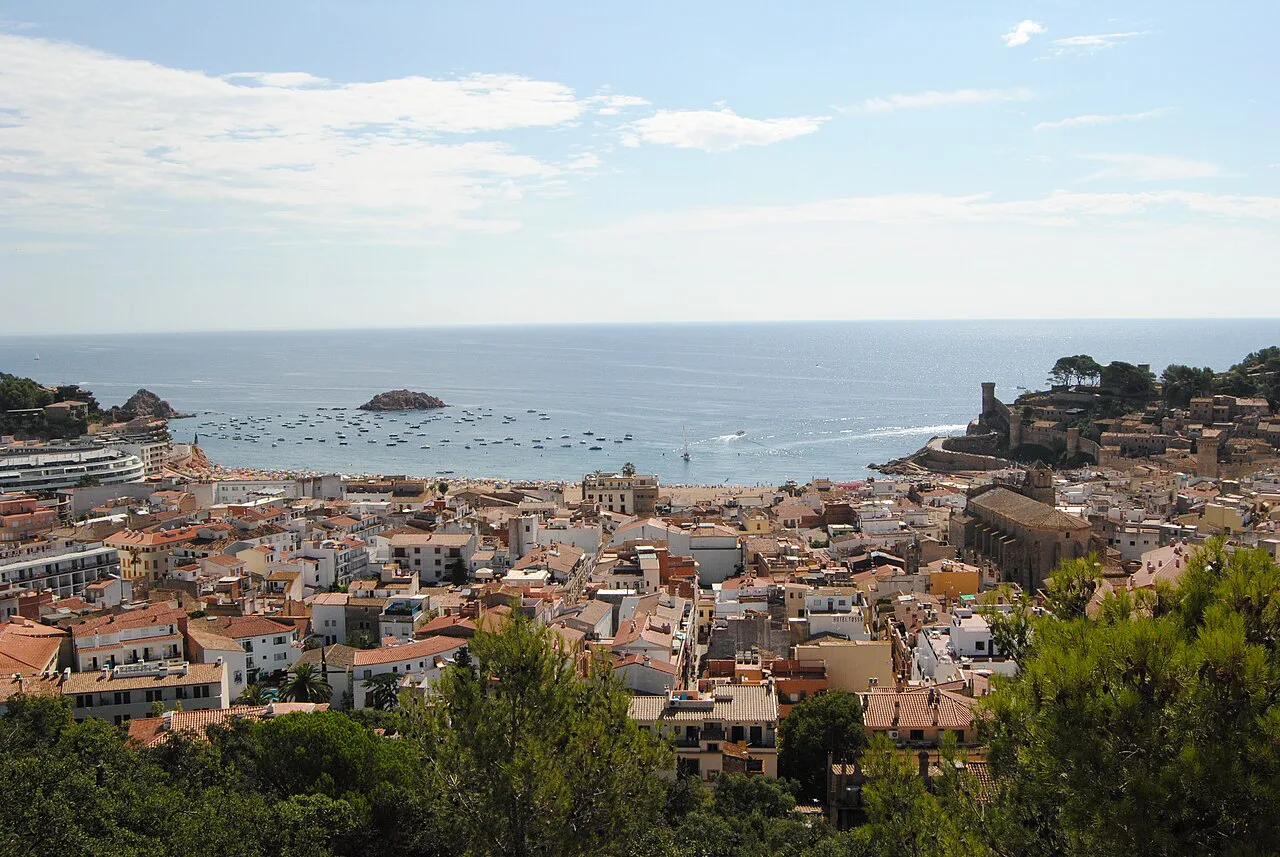
Tossa de Mar's Platja Gran sits below the walled old town, giving you a swim with a medieval backdrop and a choice of bars in the lanes behind. The beach is long enough to find space even when the resort is busy, and the seafront makes an easy base for a full day.
Sant Feliu de Guíxols and Palamós are working Catalan towns rather than pure resorts, which shows in their seafronts and their food. Both have substantial town beaches and are useful stops if you are travelling the coast by train or bus. Palamós prawns are a local speciality worth planning lunch around.
L'Estartit anchors the northern end of this group, with a long sandy beach and the Medes Islands offshore. Its position makes it a sensible base for combining a beach day with the Cap de Creus and Empordà coast further north.
The family sands around Begur and Palafrugell
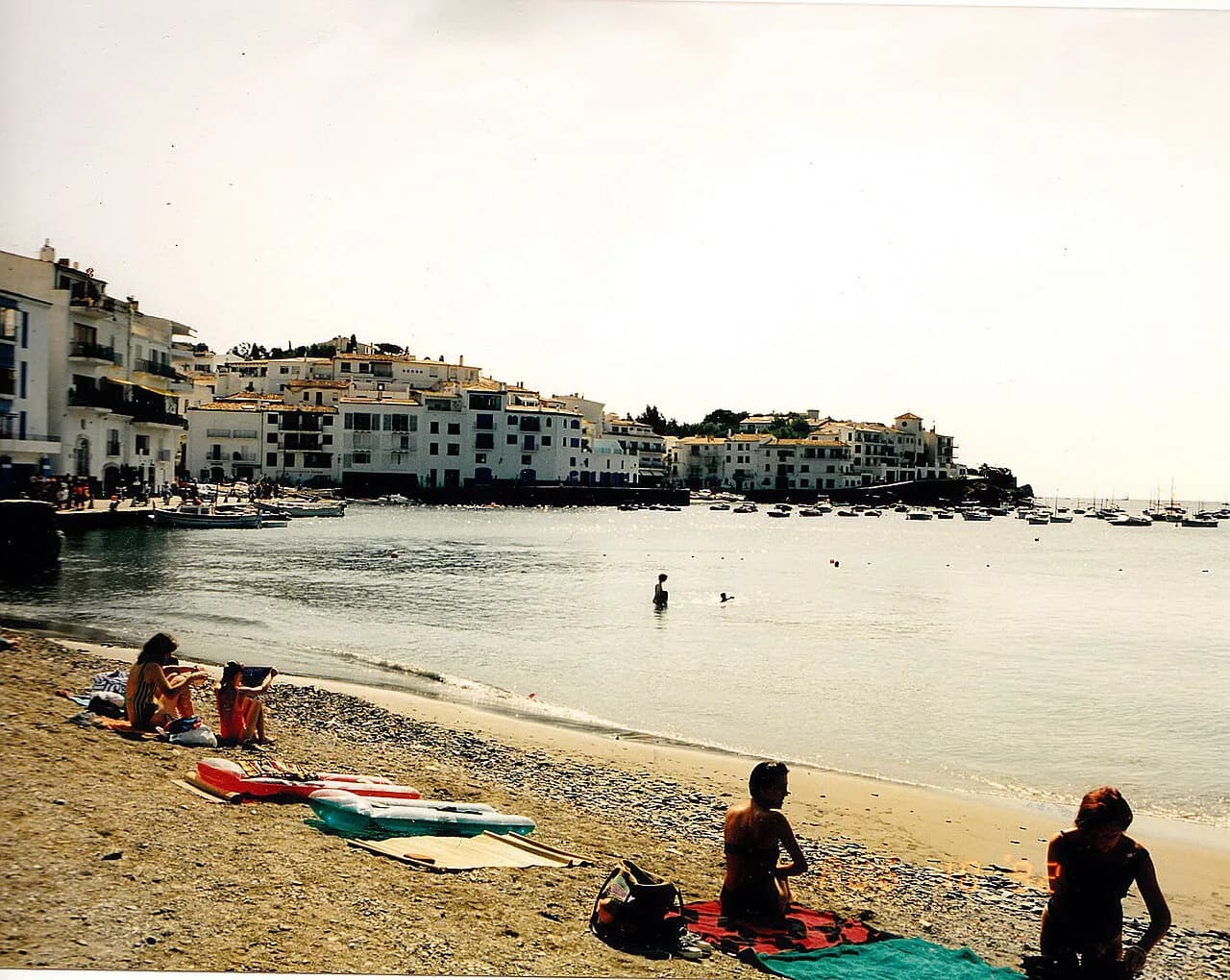
Calella de Palafrugell is the most complete family choice on this part of the coast: several small sandy bays, shallow water off the main beach and a village centre a short walk away. It is busier than the neighbouring coves, but the space and the facilities make it the easier day out with children.
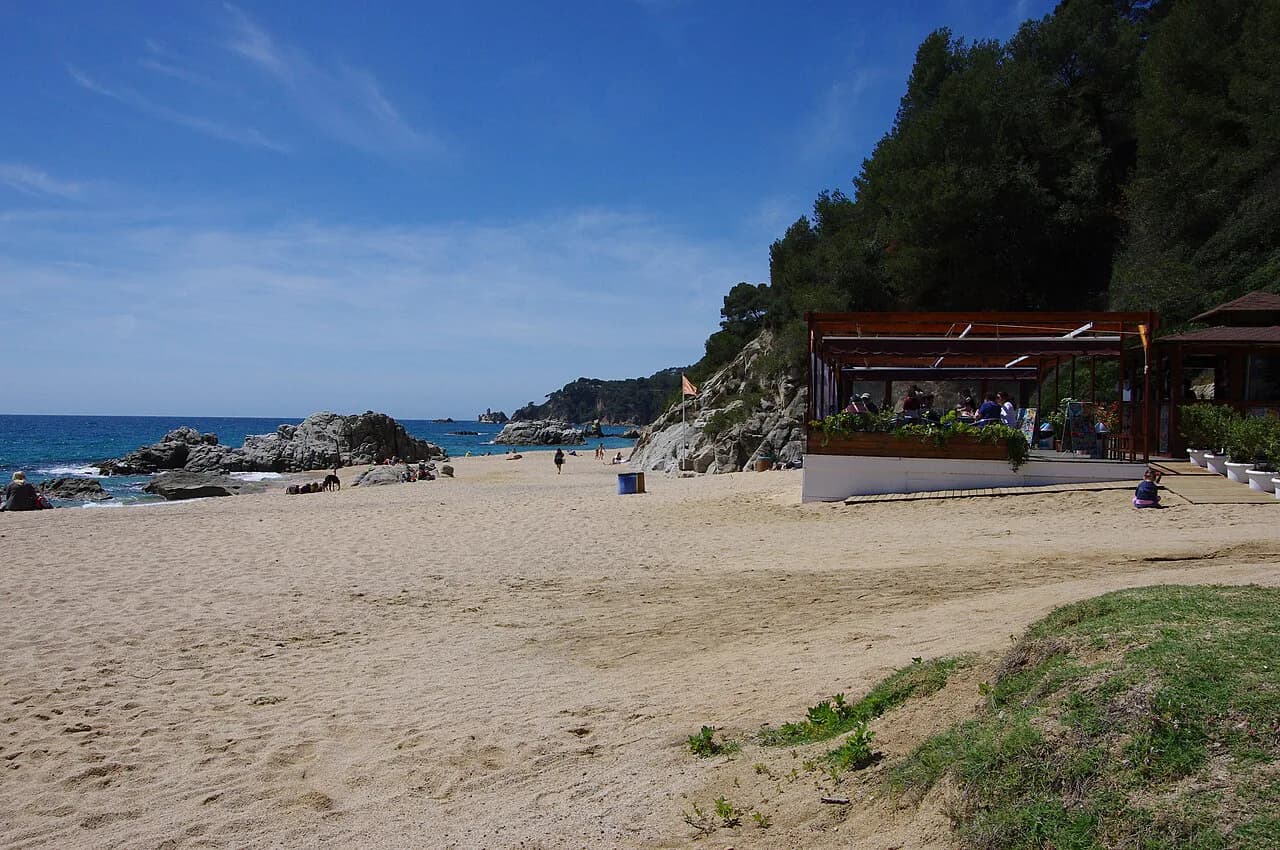
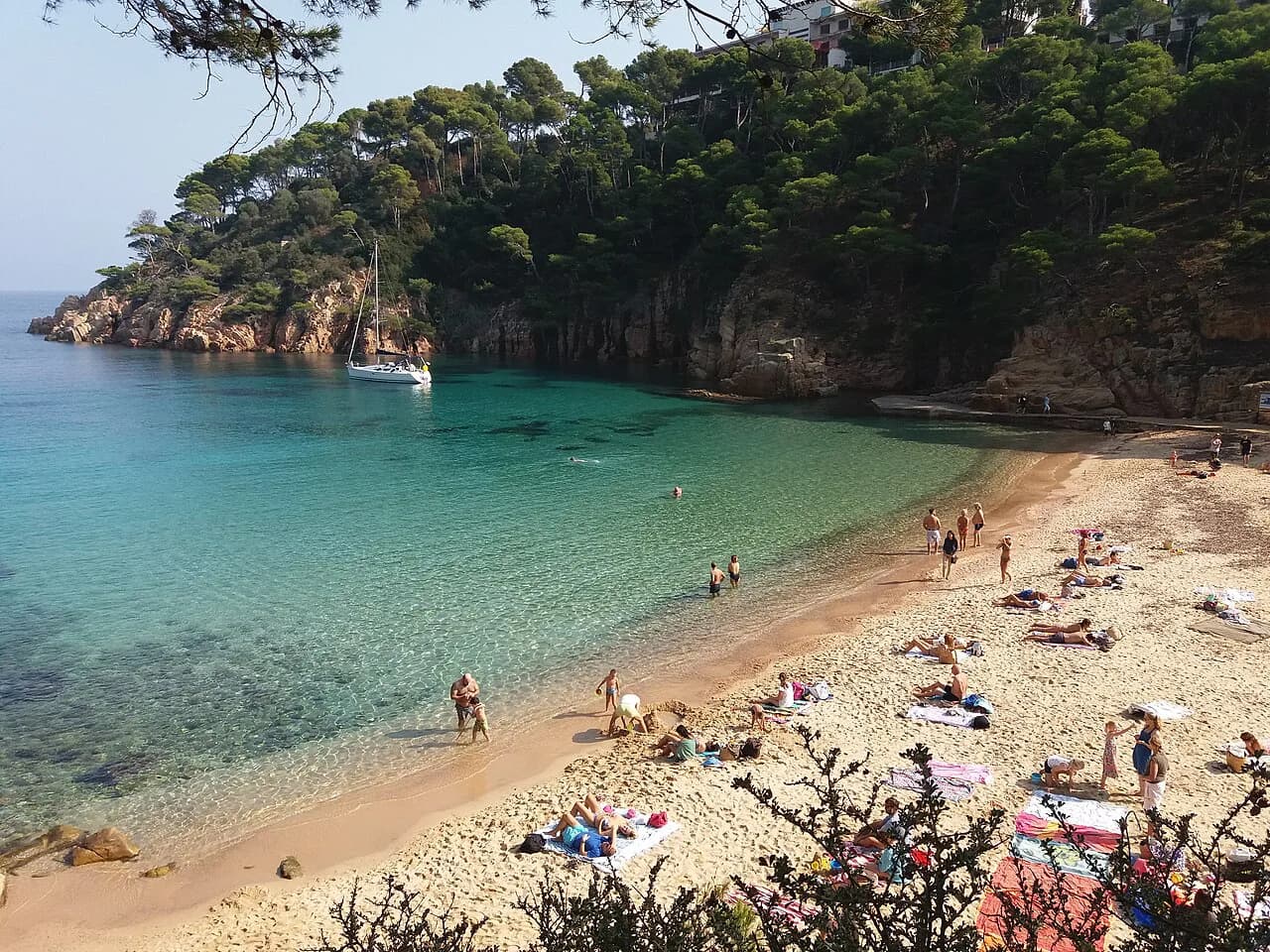
Tamariu is smaller and more enclosed, with a beach that suits a morning swim and a lunch in the village. Sa Tuna, further round the headland, is the quieter, more old-fashioned option, and Aiguablava has the clearest-looking shallow water of the group. All three are close enough to link by car or on foot if you start early.
Palamós and the southern coves
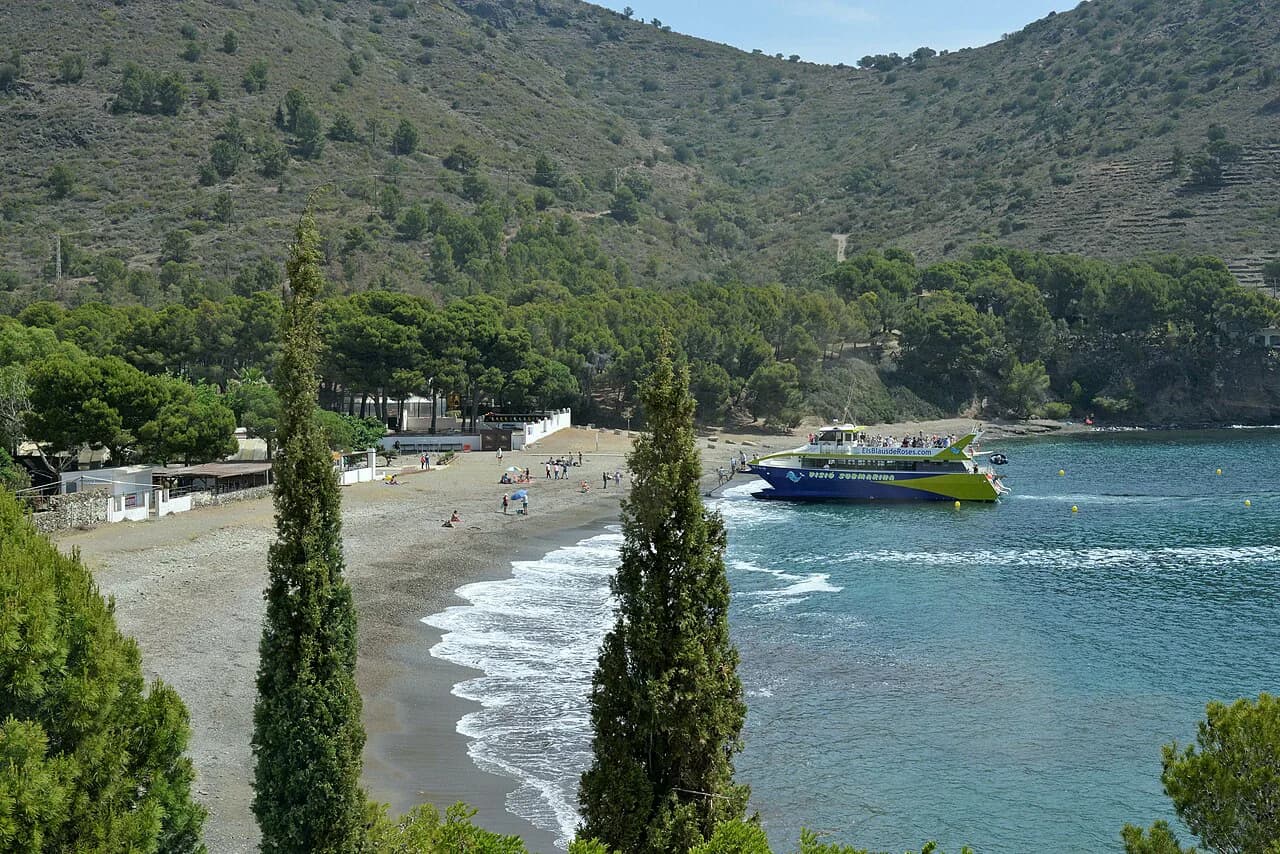
Platja de Castell and Fosca are the two coves to know south of Palamós. Castell is the more natural of the two, backed by pines rather than buildings, while Fosca sits closer to the resort and is easier to reach. Both reward an early start if you want space on the sand.
The cami de ronda, the coastal footpath also signed as the GR 92, runs from Lloret de Mar to Portbou and is the best way to link beaches without moving the car. A short section between two coves turns a single swim into a half-day walk, and the path often delivers views you miss from the road. Wear proper shoes rather than flip-flops for the rockier stretches.
The northern coast: Roses, L'Escala and Cap de Creus
Roses sits on a broad bay with long sandy beaches and a town behind them, which makes it the most straightforward northern base for families. Canyelles Petites, just along the coast, is a smaller cove with a more local feel and is a good alternative when the main bay is busy.
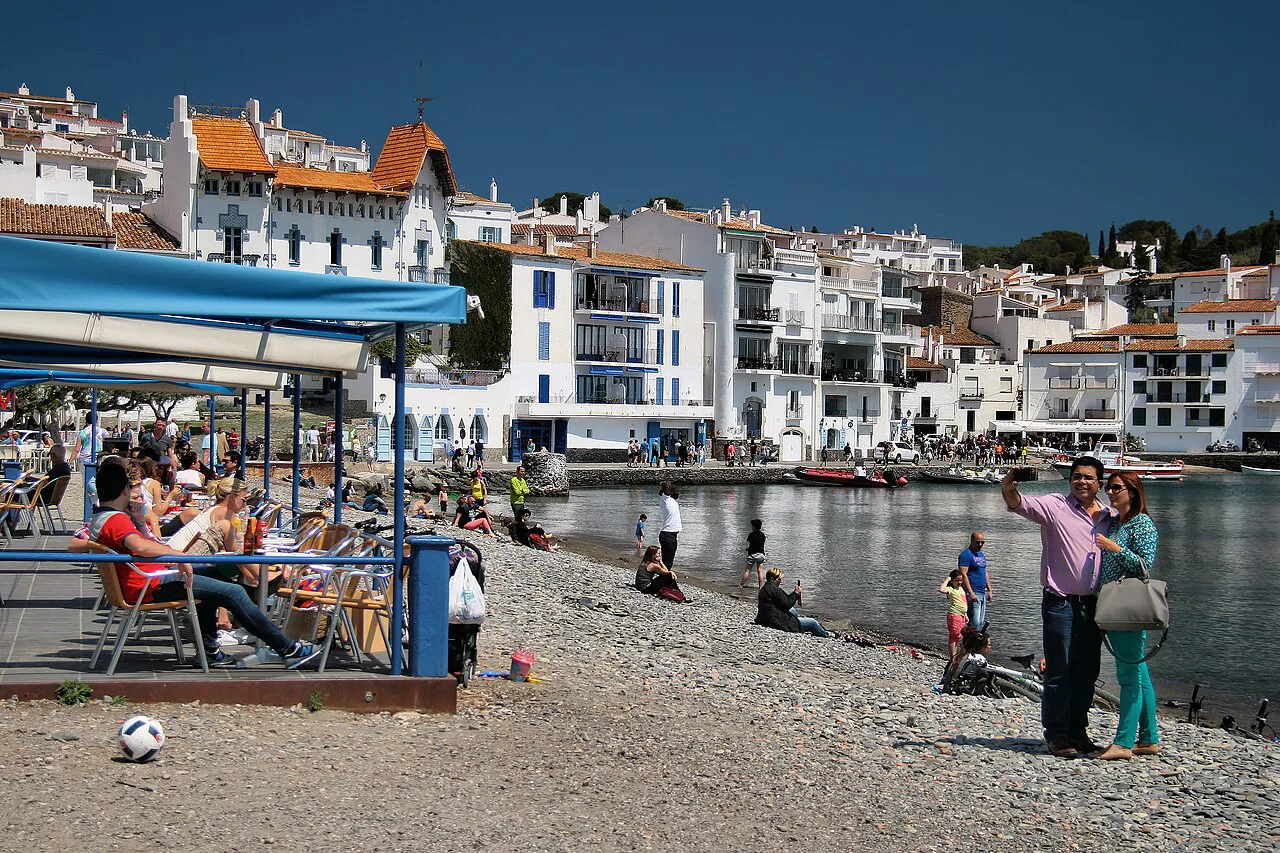
L'Escala's Cala Montgó is a sheltered sandy bay that works well for children, with the town's anchovy trade giving the resort a food culture beyond the beach. Further north, the Cap de Creus coves are rockier, wilder and reached by narrow roads or on foot, so they suit confident swimmers and walkers rather than families with beach kit.
Getting there
The coastal train line links Girona with the southern resorts, making Blanes, Lloret de Mar's nearest station and the Sant Feliu and Palamós area reachable without a car. Buses fill the gaps to the smaller resorts and coves, though services thin out outside July and August. Check the timetable for the route you want before you book, as the frequency of services varies considerably from line to line.
Driving gives you the coves, but parking is the constraint. Village car parks near Calella de Palafrugell, Tamariu and Sa Tuna fill early in summer, and some approach roads are narrow enough to make a small car an advantage. Arriving before mid-morning is the reliable way to secure a space.
The sand and the water
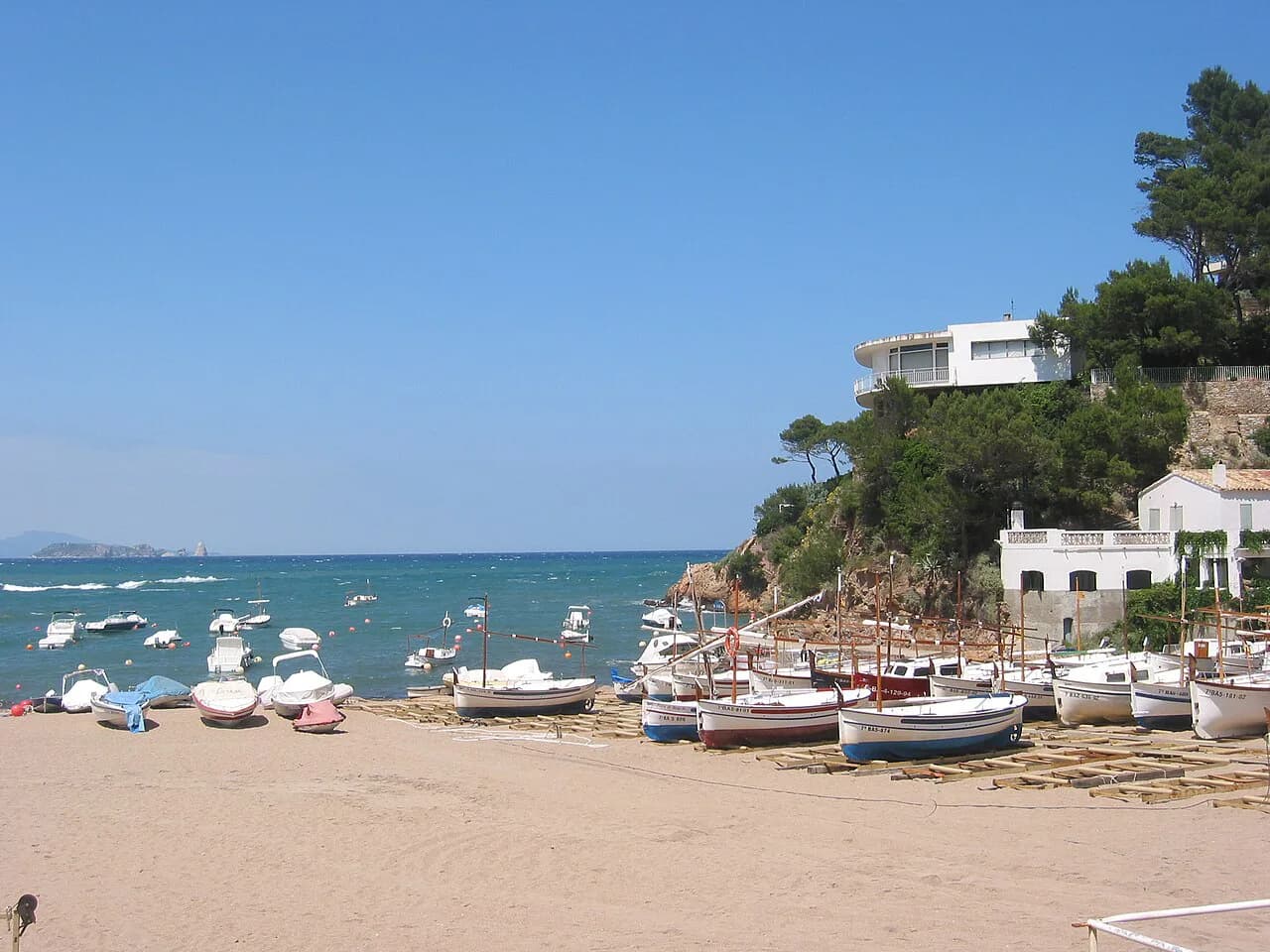
The Costa Brava mixes sand and shingle within a few kilometres. Town beaches such as Lloret, Tossa and Palamós are predominantly sandy, while several of the smaller coves have pebbles or coarse sand underfoot, so bring beach shoes if you plan to swim from them. The shingle is also what keeps some of these inlets quieter than the resorts.
Water generally deepens quickly off the rockier coves and more gently off the long town beaches, which is the main reason families gravitate to the latter. The enclosed coves offer more shelter from the prevailing wind, while the exposed northern beaches and headlands can be choppier. Ask at the beach bar or tourist office about conditions if the wind picks up.
Facilities
Facilities vary enormously by beach. The town beaches generally have beach bars, sunbed rental and seasonal lifeguard cover, while the smaller coves may offer only a single bar or nothing at all. Where lifeguards are present, follow the flag system rather than judging conditions for yourself.
For travellers with mobility needs, the Costa Brava tourist board publishes an annual list of accessible beaches, covering walkways, accessible toilets and parking, amphibious beach chairs, handrails in the water and assisted bathing. Services differ from beach to beach and are often active until mid-September. The tourist office can tell you which beach near your base currently offers what.
Best time to go
The sea is comfortably warm from late June through September, with August the busiest month across the coast. July and August bring the fullest beaches, the highest parking pressure and the longest queues for beach bars, so early mornings are worth the alarm.
June and September are the sweet spot for swimmers who want warm water without the crowds. May and October can still deliver good beach days, but the water is cooler and some seasonal facilities wind down, so plan around the beach rather than the facilities.
Nearby beaches to combine
A good pairing is Calella de Palafrugell with Tamariu or Aiguablava, all within a short drive of each other and each with a different feel. Start at the busiest, then move to a quieter cove as the day goes on. The coastal path lets you walk between some of them instead of reparking.
In the north, combine Roses with Canyelles Petites, or push on to L'Escala's Cala Montgó for a more sheltered swim. In the south, Platja de Castell and Fosca make a natural pair with Palamós as the lunch stop. If you want a change of coastline entirely, the sandy resorts of Alcudia beaches in Majorca and Alicante beaches on the Spanish east coast show how different Mediterranean beach days can be.
Where to stay if the beach is the point
Choose your base by how you plan to travel. Without a car, stay in Lloret de Mar, Sant Feliu de Guíxols or Palamós, where the train and buses put several beaches within reach. With a car, Calella de Palafrugell, Tamariu or Roses give you quicker access to the coves and a better chance of an early parking space.
Plan Your Visit
The best Girona beach day comes down to one decision: town sand or a cove. Town beaches deliver space, facilities and easy transport; coves deliver clear water, shelter and quiet, at the cost of parking and a walk. If you want to weigh the same town-sand-or-cove choice elsewhere, our guide to Santander beaches covers which sands and coves to choose on that coast too. Pick one of each for a two-day plan and you will have seen the Costa Brava at its most useful.
Pack beach shoes for the shingle coves, arrive early for parking, and keep one day free for the cami de ronda so you can walk between two beaches rather than drive. That combination covers most of what makes this coastline worth the trip.
Explore more Girona beaches
Frequently Asked Questions
What are the best beaches near Girona?
The strongest all-round choices are Calella de Palafrugell for families, Aiguablava and Sa Tuna for clear water in small coves, and Lloret de Mar or Tossa de Mar for a full town beach with facilities nearby. Palamós and Sant Feliu de Guíxols work well if you are travelling by train.
Can you get to Costa Brava beaches from Girona without a car?
Yes, using the coastal train line and local buses. The train serves the southern resorts and the Sant Feliu and Palamós area, while buses reach the smaller resorts and some coves. Services thin out outside July and August, so check timetables for your route before travelling.
Which Girona beaches are best for families?
Calella de Palafrugell, Tamariu, Cala Montgó at L'Escala and the long town beaches at Lloret de Mar and Palamós all suit families, with gentle water entry and facilities close to the sand. The rocky coves near Cap de Creus are better for confident swimmers than for small children.
When is the sea warm enough to swim on the Costa Brava?
The sea is comfortably warm from late June through September, with August the busiest month. June and September offer warm water with fewer crowds, while May and October are cooler and some seasonal facilities wind down.
Which Costa Brava beaches have accessible access and assisted bathing?
The Costa Brava tourist board publishes an annual list of accessible beaches covering walkways, accessible toilets and parking, amphibious beach chairs, handrails in the water and assisted bathing. Services vary by beach and are typically active until mid-September, so the tourist office can confirm what is available near your base.
Sources
Beach notes for your next trip
Optional updates when we add or revise beach guides.
You might also like
Continue reading
More guides you'll find useful