Sa Tuna Beach, Costa Brava: Cove Guide for a Begur Beach Day
Sa Tuna is a small pebbly cove near Begur with old fishermen's houses and clear water. Plan access, shade, facilities and the walk to the neighbouring inlet.
On this page
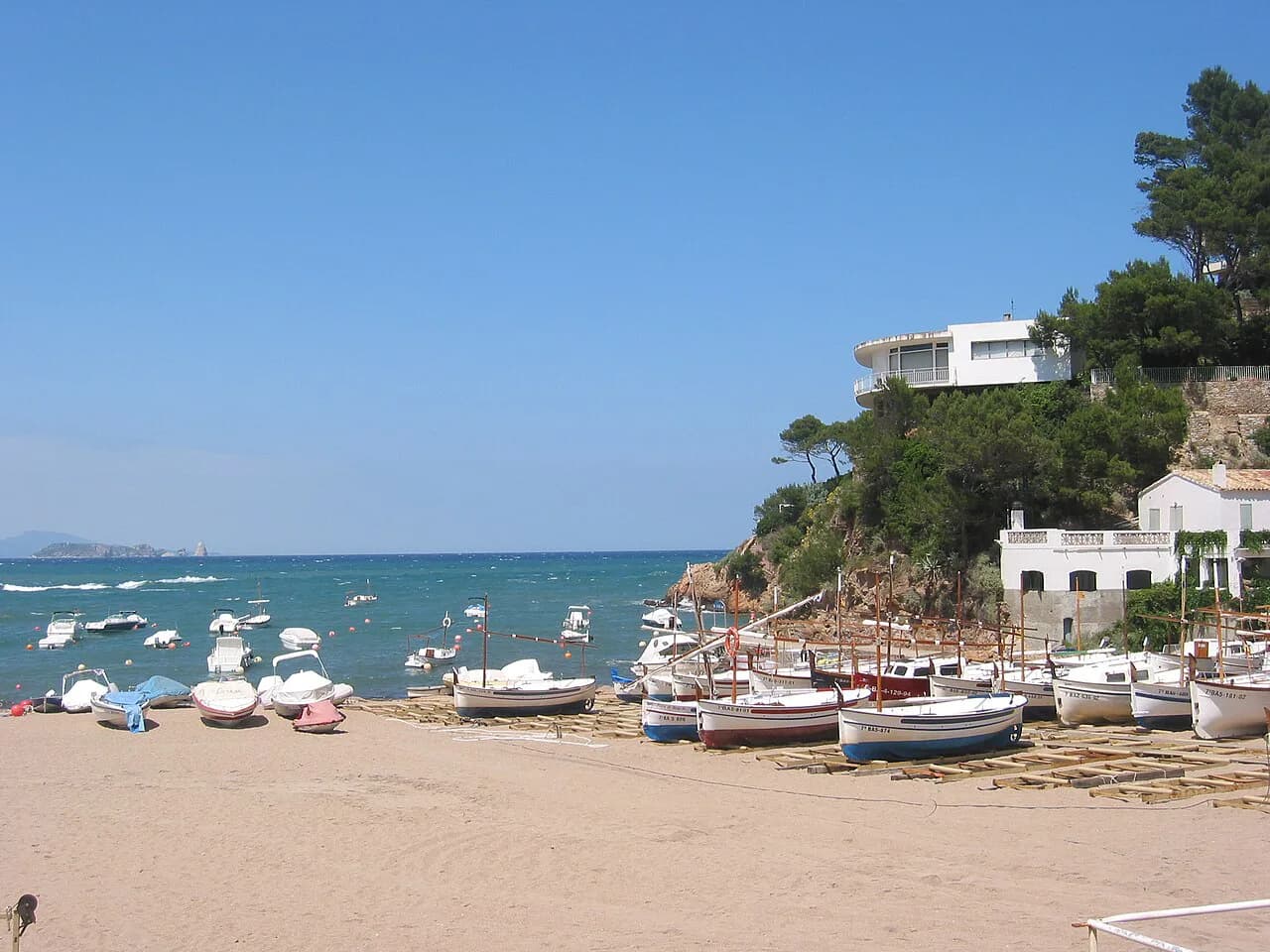
Sa Tuna is the kind of Costa Brava cove people picture before they arrive: a tight curve of pebbles, water that shifts from turquoise to deep blue, and whitewashed fishermen's houses stacked behind. It sits just outside Begur, below the coast road and path network, making it a natural stop on a day exploring the Begur headland. Its appeal is intimacy rather than scale, so it rewards travellers who arrive with the right expectations and a pair of shoes that can handle stones.
This guide treats Sa Tuna as an access-and-shade decision. You can drive down into the cove or walk in along the coastal path, and the difference shapes how long you stay and what you carry. It also explains why the neighbouring inlet to the right, reached via the s'Eixugador path, is the reason to linger rather than treat Sa Tuna as a quick swim stop.
What makes Sa Tuna worth the trip
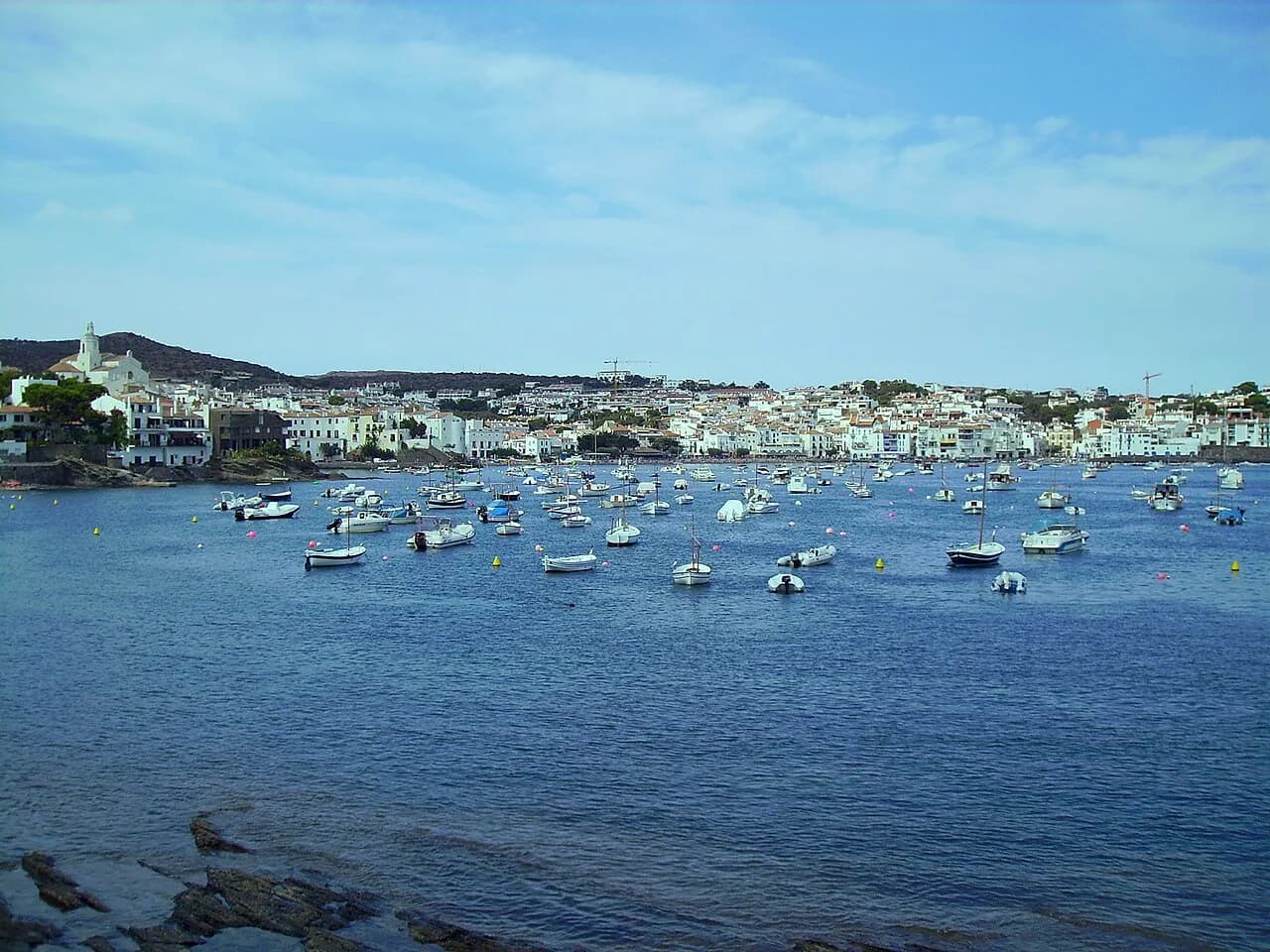
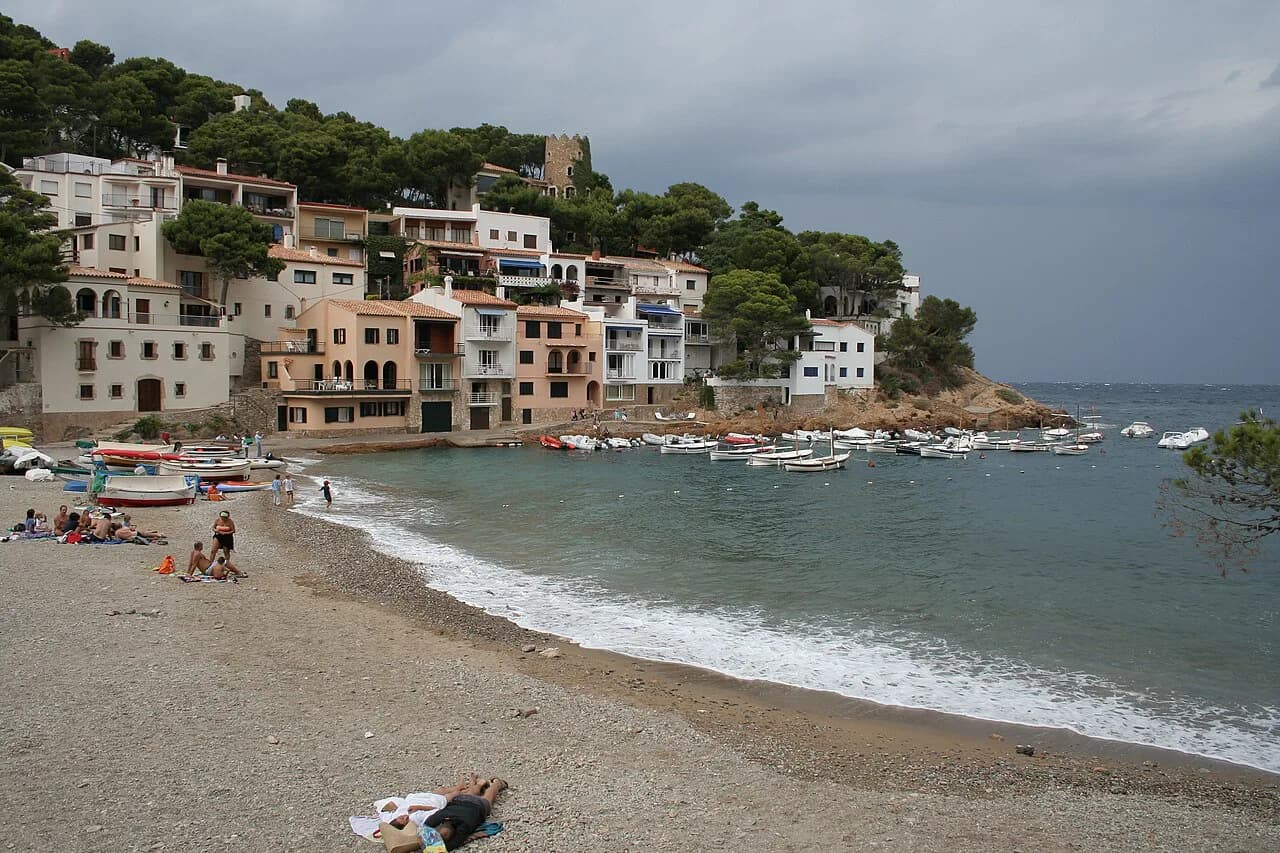
The cove has kept its old fishing-village character: former fishermen's houses sit close to the water, and pines and rocky slopes frame the back of the beach. Visit Begur's tourist pages describe Sa Tuna as a small cove that has preserved its old fishermen's houses, with an inlet on its right reached by the s'Eixugador coastal path. That combination of architecture, clear water and a second cove within walking distance is what separates it from a straightforward town beach.
Sa Tuna is not a long strip of sand. It is a compact pebble cove where the water deepens close to shore, so swimmers get clear water quickly and sunbathers get a smaller footprint to share. Visitors describe it as a beautiful little cove with an area that stays in shade and limited space. If you want room to spread out, arrive early or plan your day around the shaded side and the path to the next inlet.
Where Sa Tuna sits on the Costa Brava
Sa Tuna belongs to Begur, in the Baix Empordà section of the Costa Brava, north of Girona. The cove sits on the coast just east of Begur town, below the road that threads through the headland's pine-covered slopes. From here you can link to other Begur coves such as Sa Riera, Aiguablava and Tamariu without crossing the whole coast.
The coast path network is the real connective tissue. Sa Tuna sits on routes that lead along the cliffs to neighbouring inlets, so you can walk between coves rather than drive between car parks. For a wider sense of how the Begur coves fit together, the Girona beaches guide sets out the options along this stretch.
Getting there
By road, Sa Tuna is reached from Begur on the local road that drops down to the cove. Parking is in the cove itself, and in high summer it fills quickly because the village front is small. Arriving before mid-morning gives you the best chance of a space and a quieter beach; arriving after lunch often means waiting or parking further back and walking down.
On foot, Sa Tuna is a stop on the coastal path network around Begur. The s'Eixugador path leads from the cove along the rocks to the inlet on the right, and paths also connect back up towards Begur and on towards neighbouring coves. Walking in avoids the parking question entirely and gives you the cliff views that drivers miss.
The walk to the neighbouring inlet
Visit Begur's page on Sa Tuna highlights an inlet on the right of the cove, reached by the s'Eixugador coastal path. This is the detail that turns a short beach stop into half a day: swim at Sa Tuna, then follow the path around the rocks to a second, smaller swimming spot. The path is rocky and uneven, so trainers or sandals with grip are more useful than flip-flops.
The inlet is a natural extension of the cove rather than a separate destination, so treat the walk as part of the beach day. Carry water, wear sun protection and keep an eye on the path where it narrows. Swimmers who like exploring rock-lined water will get more from Sa Tuna by making this short detour than by staying put on the main pebbles.
The sand and the water
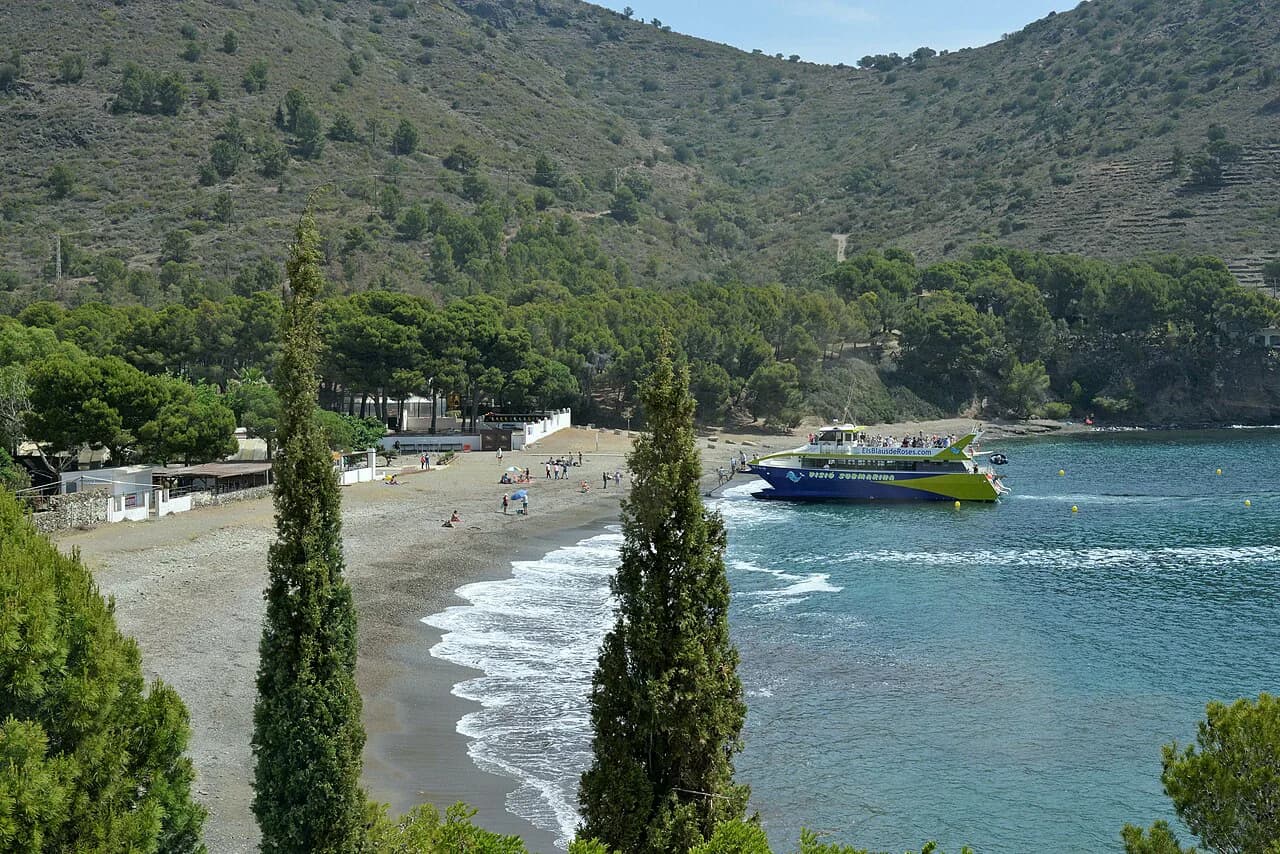
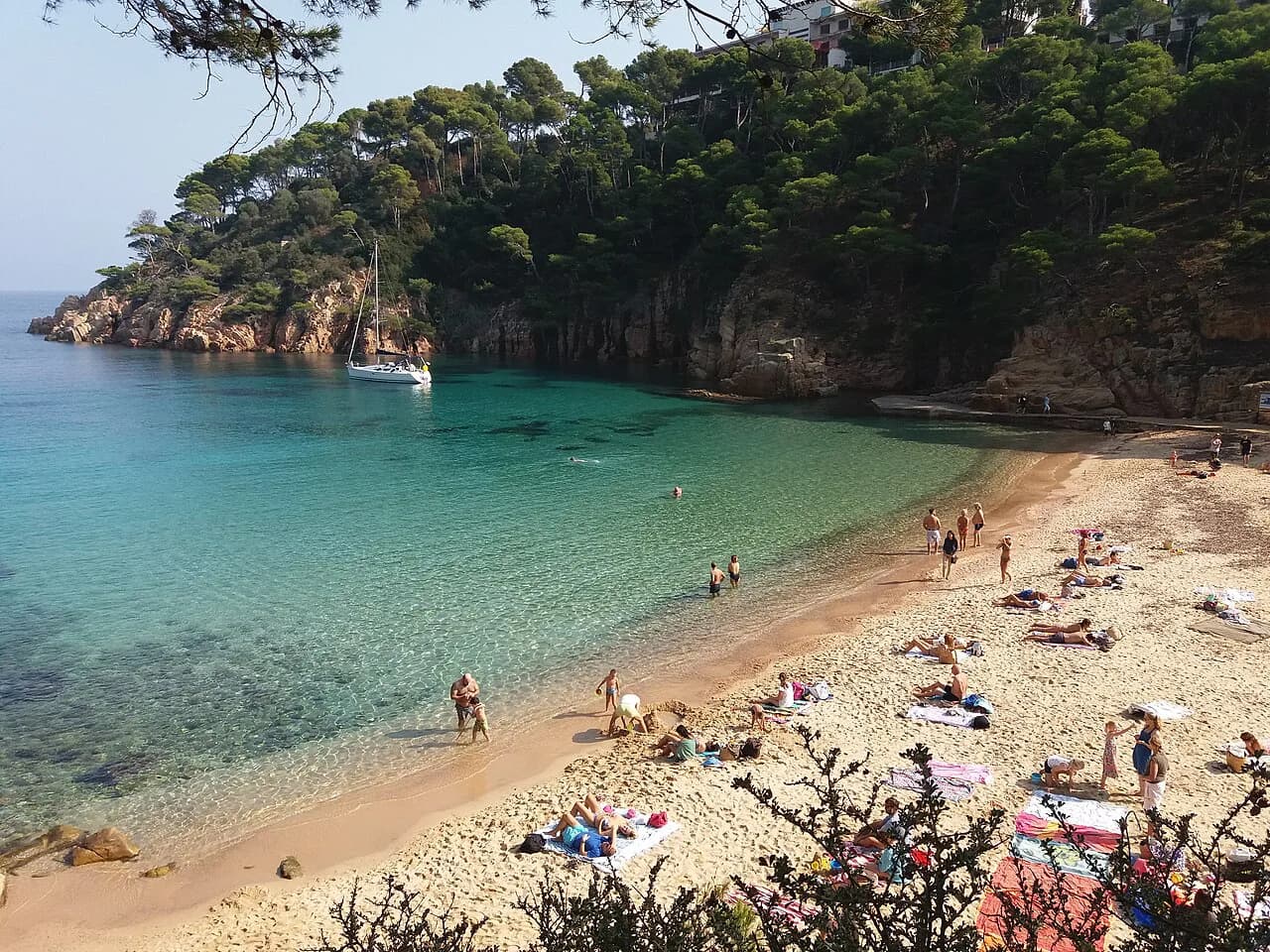
Sa Tuna is a pebble beach, not a long sand beach. That shapes everything: you will want a mat or a thick towel, and shoes that are comfortable on stones. The payoff is clear water close to shore, with the cove's rocky sides giving snorkellers something to look at along the edges. Visitors consistently describe the setting as a small cove with clear turquoise water and pine trees.
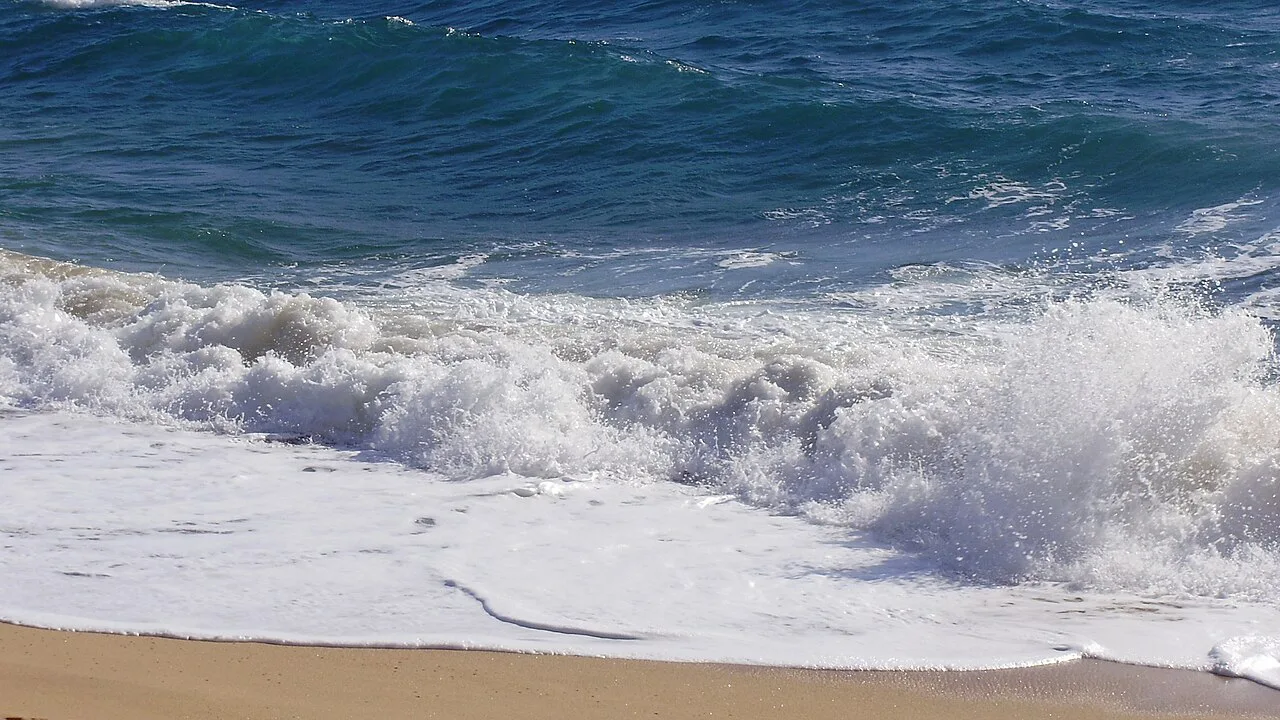
The water deepens relatively quickly away from the pebbles, which suits confident swimmers and adults more than toddlers. Families with small children should stay close to the waterline and use the shallower edge of the cove. The rocks at either end shelter the beach from some swell, but conditions change with the weather, so check current conditions and read the water on the day.
Shade and shelter
Part of the cove stays in shade, according to travellers who know it, which is a real advantage in high summer. The trade-off is that the shaded side can feel cooler and busier because it is the obvious place to escape the sun. If you want sun all day, head for the more open pebbles; if you want relief at midday, aim for the shaded area and bring a mat rather than relying on a sunbed.
The cove's orientation and rocky sides give it some natural shelter, but it is not a guarantee against wind or swell. On breezy days the exposed end of the beach will feel it more than the corner tucked under the houses. A light windbreak or an umbrella you can angle is more useful here than on a wide sand beach.
Facilities around the cove
The village front at Sa Tuna has beach bars and restaurants in the old fishermen's houses, which is part of the cove's charm. That means you can combine a swim with a proper lunch without moving the car. It also means the cove is busier at lunchtime, so book or arrive early if eating is the main event.
Facilities are concentrated in a small area, so plan around them rather than expecting a long promenade of shops. Bring what you need for the beach day, including water and cash for small purchases, and treat the bars as a bonus rather than a full-service beach resort.
Who it suits
Sa Tuna suits swimmers, couples and travellers who value character over convenience. The pebbles, the compact layout and the path to the next inlet reward people who are happy to walk and carry their own kit. Snorkellers will find the rocky edges more interesting than a flat sand beach.
Families with small children and anyone with a pushchair should weigh the cove's layout carefully. Pebbles make pushing a buggy difficult, and the paths around the cove are uneven. A family beach day is possible, but it works better with a carrier than a pushchair and with children who are comfortable on stones.
Crowds and timing
Sa Tuna is small, so it feels busy quickly. Mornings are calmer and better for parking, while afternoons bring lunch crowds and day-trippers. In high summer, aim to arrive early and leave mid-afternoon, or come late in the day for a swim and an evening meal.
The cove's size means there is no real quiet corner once it fills. If you want solitude, the path to the neighbouring inlet is your best option, or use Sa Tuna as a morning stop before moving on to a larger beach such as Aiguablava or Tamariu for the afternoon.
Best time to go
The Costa Brava swim season runs from late spring into early autumn, with July and August the busiest and warmest months. June and September are the sweet spot for Sa Tuna: the sea is comfortable, the cove is less crowded, and the walk to the neighbouring inlet is more pleasant without the midday crush. Water temperatures peak in August, when the pebbles get hot underfoot and the shade becomes essential.
Outside the summer season, Sa Tuna is quieter but the beach bars may keep shorter hours. Ask at the Begur tourist office what is open before making a special trip, and treat the cove as a walking destination when the weather is cooler.
Nearby beaches to combine
Sa Tuna works well as one stop on a Begur coast day. Aiguablava is the larger, sandier contrast, with a wide curve and clear water; Sa Riera is the biggest beach near Begur town; and Tamariu is a fishing village with its own beach and restaurants. Combining two or three gives you different characters in one day.
For a longer walk, the coast path continues towards Calella de Palafrugell and Llafranc, both of which have their own beach character and are covered in the Calella de Palafrugell Beach Guide. Cala Estreta and Platja de Castell are further options for travellers exploring the wider stretch. If you are weighing a different stretch of the Catalan coast entirely, our Sitges beaches guide covers the sandier coves further south.
Practical kit for a pebble cove
Pack for stones and sun. A thick beach mat, trainers or grip sandals for the water and the path, and a windbreak or angle-able umbrella will make more difference at Sa Tuna than at a sand beach. Bring drinking water and snacks, since the cove's shops are limited to the village front.
For the walk to the neighbouring inlet, carry a dry bag or a small rucksack rather than a wheeled bag. Footwear with grip matters on the rocky path, and a hat and sun cream are essential on the exposed sections. Travellers who plan for pebbles and a short rocky walk get much more out of the cove than those expecting a resort beach.
Plan Your Visit
Sa Tuna rewards a little planning: arrive early for parking, bring shoes for pebbles and a mat for the stones, and leave time for the s'Eixugador path to the neighbouring inlet. It is a cove for swimmers and couples who want character, not a full-service resort beach.
Ask at the Begur tourist office about bar opening times before a special trip, and use the Girona beaches guide to build a wider Begur coast day around Sa Tuna, Aiguablava and Tamariu.
Frequently Asked Questions
Is Sa Tuna beach sandy or pebbly?
Sa Tuna is a pebble cove, not a long sand beach. Bring a thick mat, comfortable shoes for stones, and trainers or grip sandals for the rocky path to the neighbouring inlet.
How do you get to Sa Tuna from Begur?
By road, follow the local road down from Begur to the cove, where parking is in the village front and fills quickly in high summer. On foot, Sa Tuna is a stop on the coastal path network around Begur, including the s'Eixugador path to the inlet on the right.
Is Sa Tuna good for families with young children?
It can work for families, but the pebbles and compact layout suit a carrier better than a pushchair. Small children are safest close to the waterline, and confident swimmers will get more from the deeper water away from the pebbles.
Where is the shaded part of Sa Tuna cove?
Part of the cove stays in shade, according to travellers who know it, which is welcome in high summer. The shaded side is also the busiest place to escape the sun, so arrive early if shade is your priority.
Can you walk from Sa Tuna to another cove?
Yes. The s'Eixugador coastal path leads from Sa Tuna around the rocks to an inlet on the right of the cove. The path is rocky and uneven, so wear footwear with grip and carry water.
When is the best time to visit Sa Tuna?
June and September offer comfortable sea temperatures with fewer crowds than July and August. Mornings are calmer and better for parking year-round, and the cove fills quickly once lunchtime arrives in high summer.
Sources
Beach notes for your next trip
Optional updates when we add or revise beach guides.
You might also like
Continue reading
More guides you'll find useful