Llafranc Beach, Costa Brava: A Practical Guide for Beach Days
Llafranc beach on the Costa Brava is a 330m sandy bay with sheltered swimming and a coastal path to Calella de Palafrugell. Here is how to plan a beach day.
On this page
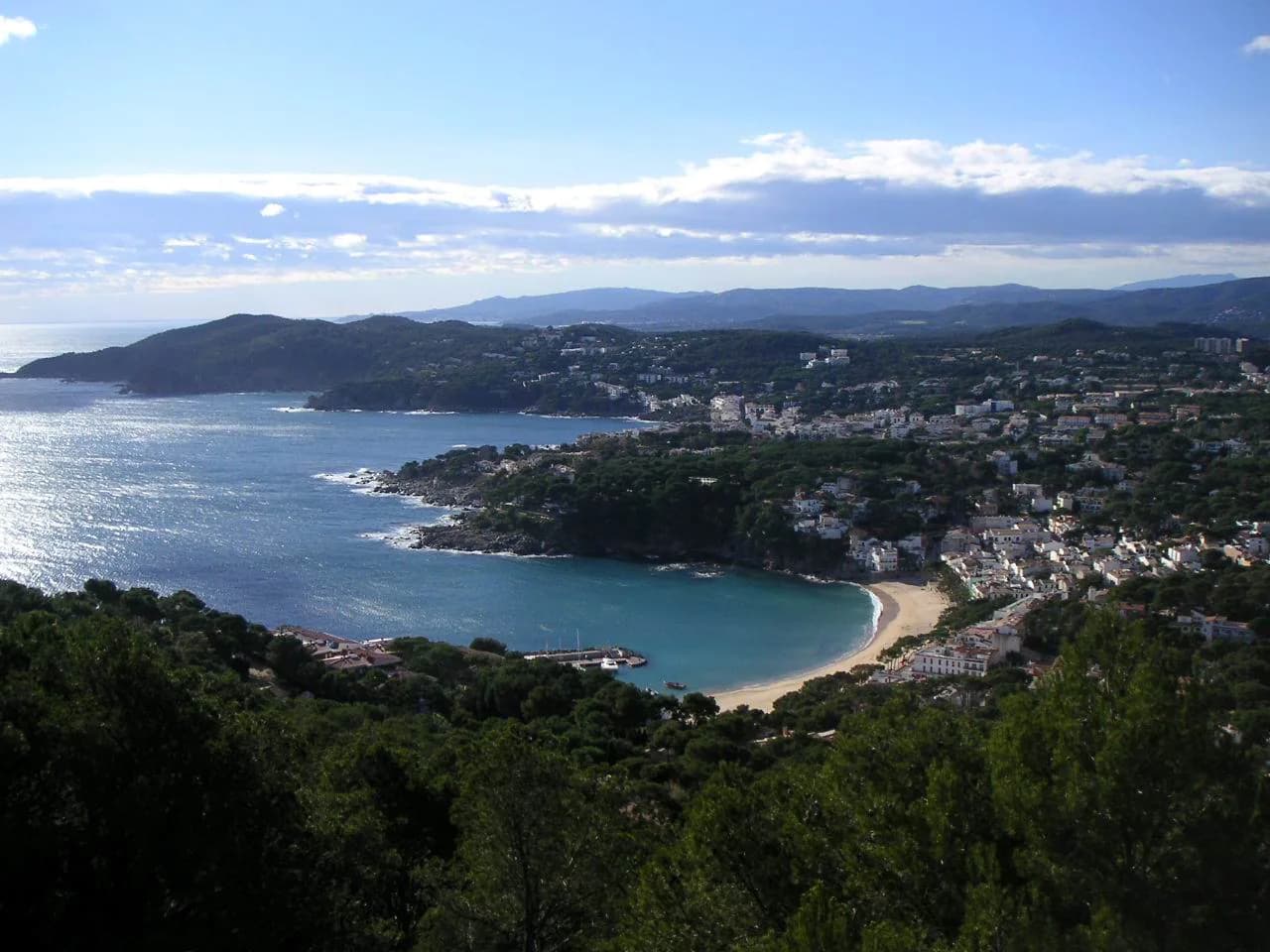
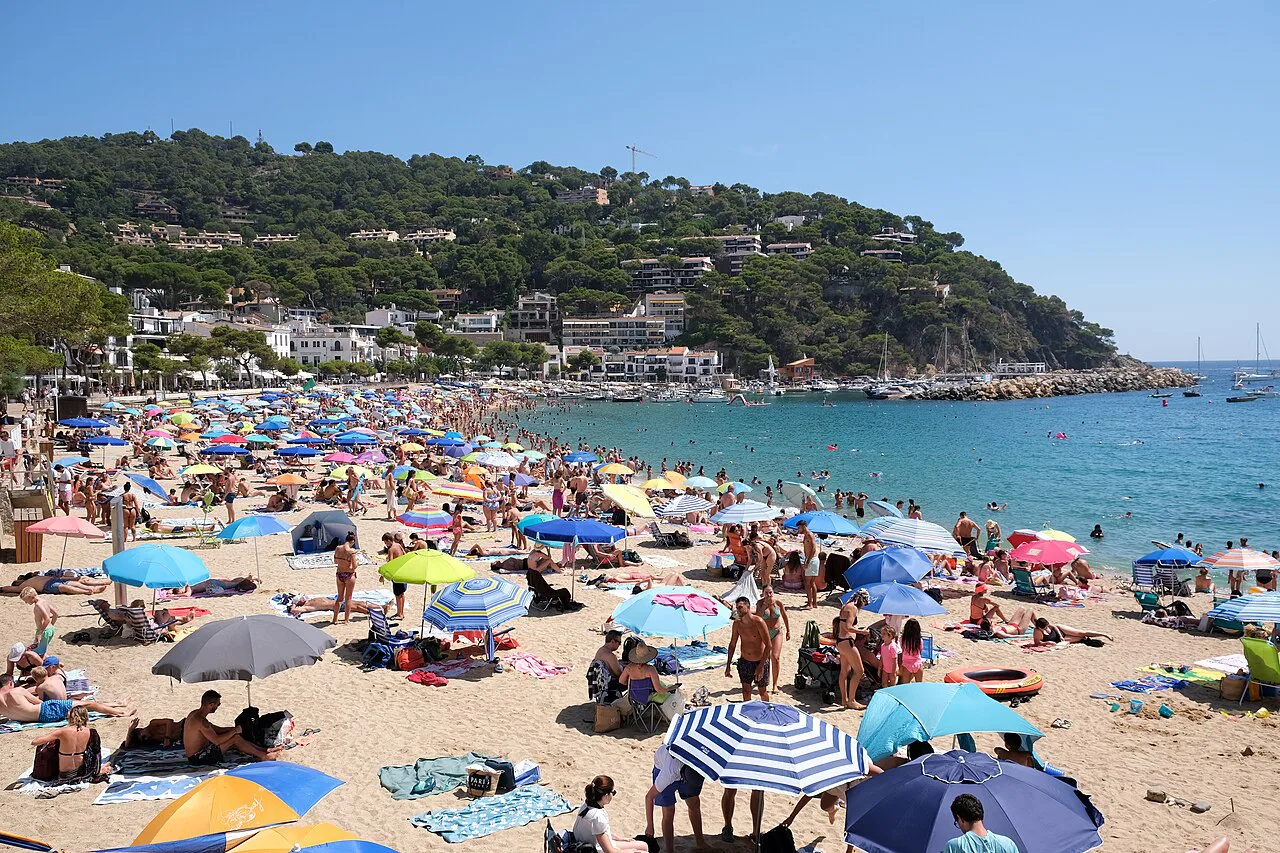
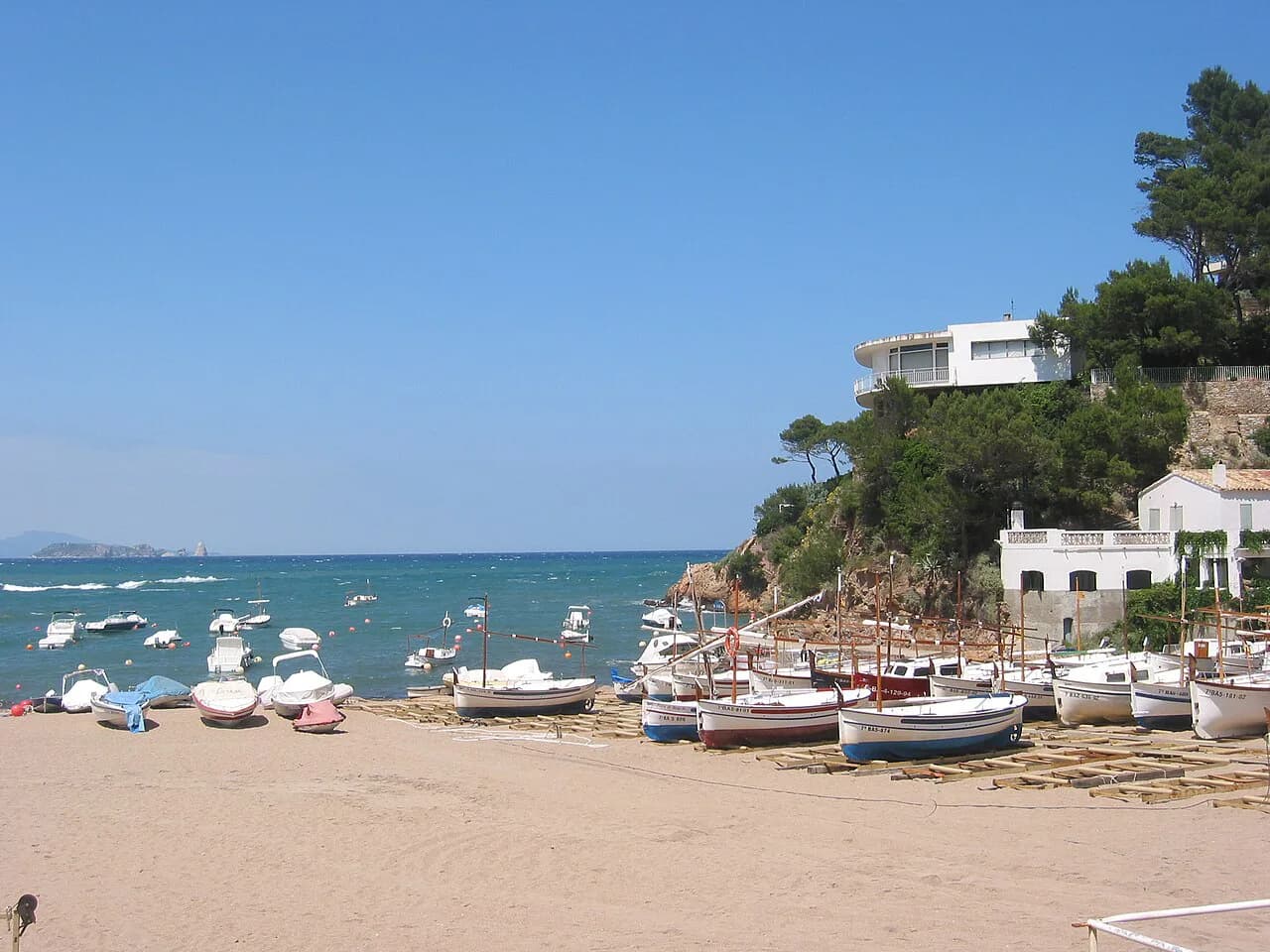
Llafranc beach earns its keep with a shape rather than a size: a 330-metre sandy bay that curves between a small working marina and a wooded headland, so most of the sand looks out onto swimmable water instead of a long open horizon. That geometry is why swimmers, paddleboarders and families with small children gravitate here over the bigger resort beaches further up the Costa Brava.
The town behind it is compact and quietly upmarket, its seafront given over to a promenade of restaurants and a marina wall that doubles as an evening viewpoint. You can spend the morning in the water and the late afternoon walking the Camí de Ronda to Calella de Palafrugell without moving the car. This guide sets out how to reach the bay, what the sand and water are like, and which nearby coves are worth adding to the same day.
Where the beach sits
The beach occupies the foot of Llafranc itself, a small coastal town in the Palafrugell municipality between Calella de Palafrugell and Tamariu. The bay measures 330 metres long and around 32 metres wide, according to the town's own beach page, which is a useful scale check: enough sand for a busy August afternoon, but not a beach where you lose your group.
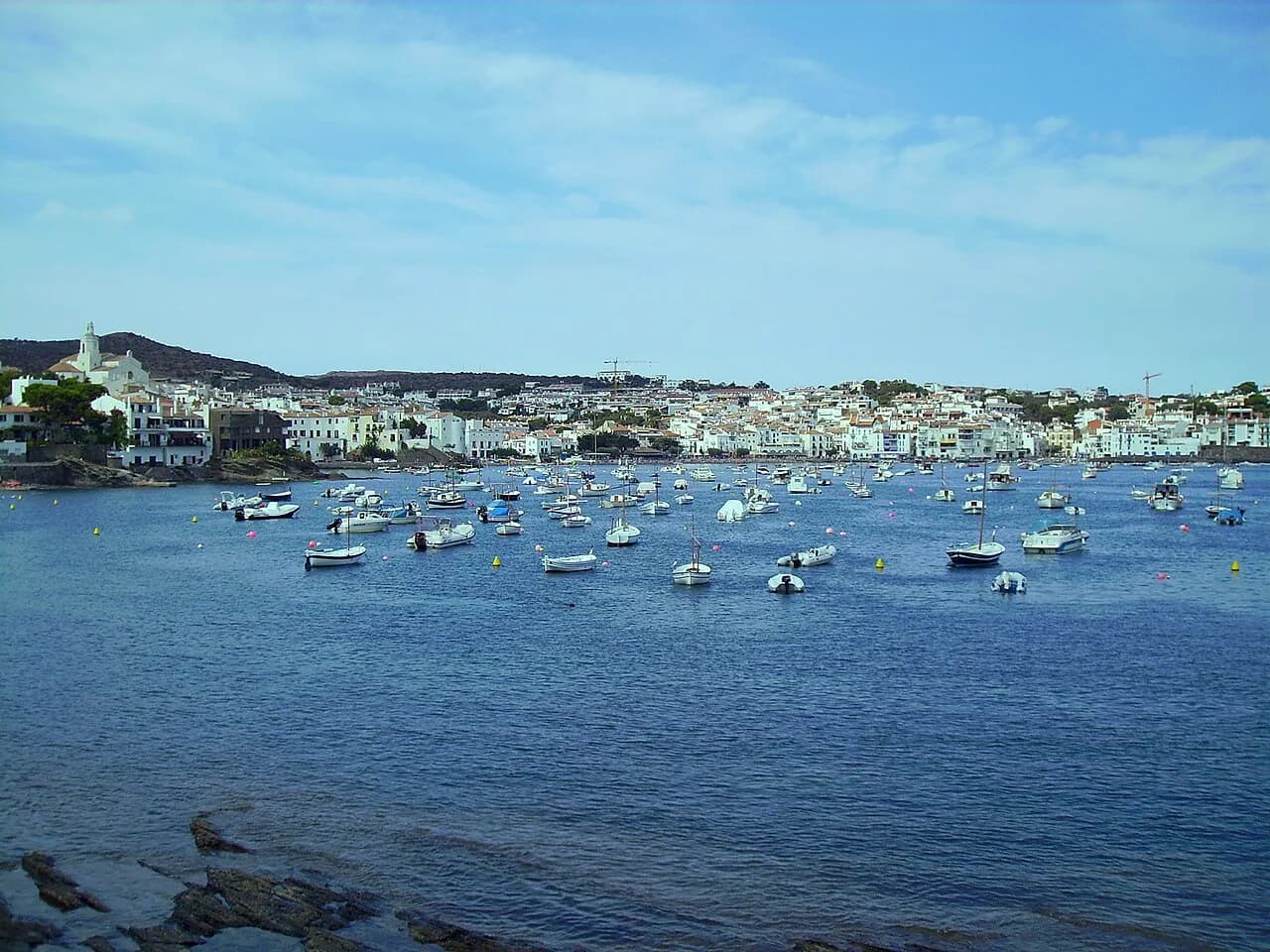
The marina anchors one end, with yachts, fishing boats and a harbour wall that locals and visitors stroll after dinner. The headland closes the other end, and the promenade runs along the back of the sand with bars and restaurants facing the water. Position matters when you pick a spot: the marina end is the natural choice for an evening drink on the way home, while the headland end feels quieter and puts you closer to the coastal path.
Getting there
Llafranc has no station of its own, so public transport means Palafrugell first. Buses run from Barcelona and Girona to Palafrugell, and the town's tourism office can advise on the local connection down to the coast; one traveller who made the trip by public transport describes a direct coach from Barcelona to Palafrugell and a slower alternative involving a train to Girona and a Moventis bus onward, finding the direct coach the better option.
By car, the access is straightforward: the town's beach page lists arrival on foot, by car or by public transport, with parking on the streets behind the beach and by the beach itself. That phrasing is worth taking literally — there is no large seafront car park, so arriving mid-morning in high season gives you a far better chance of a space than turning up at noon.
Once you are in town, everything is walkable. The sand, the promenade, the marina and the start of the coastal path all sit within a few minutes of each other, which makes Llafranc an easy base for a car-free day.
The sand and the water
This is a sandy beach, and the bay format means the water stays in front of you rather than running off along an open coast. One visitor describes a small sandy beach with plenty of room to swim within the bay, and notes that the water was warm in late August — a fair reflection of the Mediterranean here at the end of the season, though the sea takes its time warming up in June.
For swimmers, the appeal is the width rather than the distance: you can cross the bay in laps and stay within sight of the sand the whole time. Paddleboards are available to hire from the tourism kiosk, which suits anyone who wants to be on the water without committing to a long swim; ask at the kiosk on the day for current availability.
If you want rock and fish rather than open sand, the water around Calella de Palafrugell a short walk south is the better bet. One account of the area rates Calella's beaches as the stronger spot for spotting sea life, and recommends bringing goggles for the swim.
Shelter, wind and shade
A bay open to the east and south picks up different conditions from a wide, straight shore, and Llafranc's curve gives the sand a degree of protection when the wind comes from the landward side. On days when the tramuntana blows down from the north, the bay tends to be the more comfortable choice locally; when the wind swings round to the south, expect more movement on the water and pick your spot closer to the marina wall.
Shade is limited on the sand itself. The promenade buildings and the trees behind the beach give relief at the back edge, and the headland end offers some cover later in the afternoon as the sun drops. Bring your own umbrella if you plan to stay through the middle of the day, and treat the promenade cafés as the reliable fallback when you need to get out of the sun.
Facilities
Llafranc's facilities are the promenade rather than a lido. Bars and restaurants line the back of the beach, the marina has a small bar on the harbour wall, and the town's tourism office sits in Palafrugell for anything you need to sort out in advance. The beach page from Visit Palafrugell is the place to look for the services listed for the bay in the season you are visiting.
A practical note on the marina bar: it is a pleasant stop for an aperitivo before dinner while you watch the boats, and it puts you at the harbour end of the beach rather than the middle. For a longer lunch, the promenade restaurants face the water directly, so you can eat and keep an eye on your spot on the sand.
Who it suits
Families with small children get the most out of Llafranc: the bay is compact, the sand is close to the promenade, and the water stays in view. Swimmers who like to do lengths rather than splash about will find the crossing of the bay the natural workout. Couples and slow travellers tend to treat the beach as one half of the day, with the evening paseo along the promenade and out along the harbour wall as the other.
If your priority is a long, wild shore with space to spread out, look elsewhere on the coast. Llafranc is a town beach with a town's rhythms — busier in the middle of the day, quieter at the edges, and best enjoyed as part of a day that includes a walk and a meal. The wider selection is set out in our guide to Girona beaches; for a resort-style alternative with wider sand and a beach scene of its own, compare it with the best beaches in Sitges.
How busy it gets and the best months
August is the peak: the beach fills, the promenade restaurants book up, and the marina is at its liveliest. The sea is at its warmest late in the season, and one visitor swimming in late August found the water warm and revitalising after a day of travel.
June and September are the sweet spot for most travellers: warm enough for long swims, with more room on the sand and easier parking on the streets behind the beach. May and October suit walkers more than swimmers, since the water takes longer to warm than the air. Whatever month you choose, arrive before mid-morning to claim a spot and a parking space in the same trip.
The Camí de Ronda to Calella de Palafrugell
The coastal path south to Calella de Palafrugell is the reason many people come to Llafranc in the first place. One walker covers the route in about 15 minutes at an easy pace, describing a comfortable path rather than a scramble — though it is a dirt track with steps and sloping sections, so proper footwear beats sandals.
Continue past Calella and the path carries on to El Golfet, a cove reached only on foot along the coastal route. The same walker made that stretch at sunrise, setting off at 7:30am to walk while the air was cool, and found the trail winding with repeated stair climbs and descents. It is the best half-day outing from Llafranc, but treat it as a walk with a swim at the end rather than a stroll.
The full Calella de Palafrugell Beach Guide sets out the four beaches you reach at the end of the walk, which is worth reading before you decide how far to go.
Nearby beaches to combine
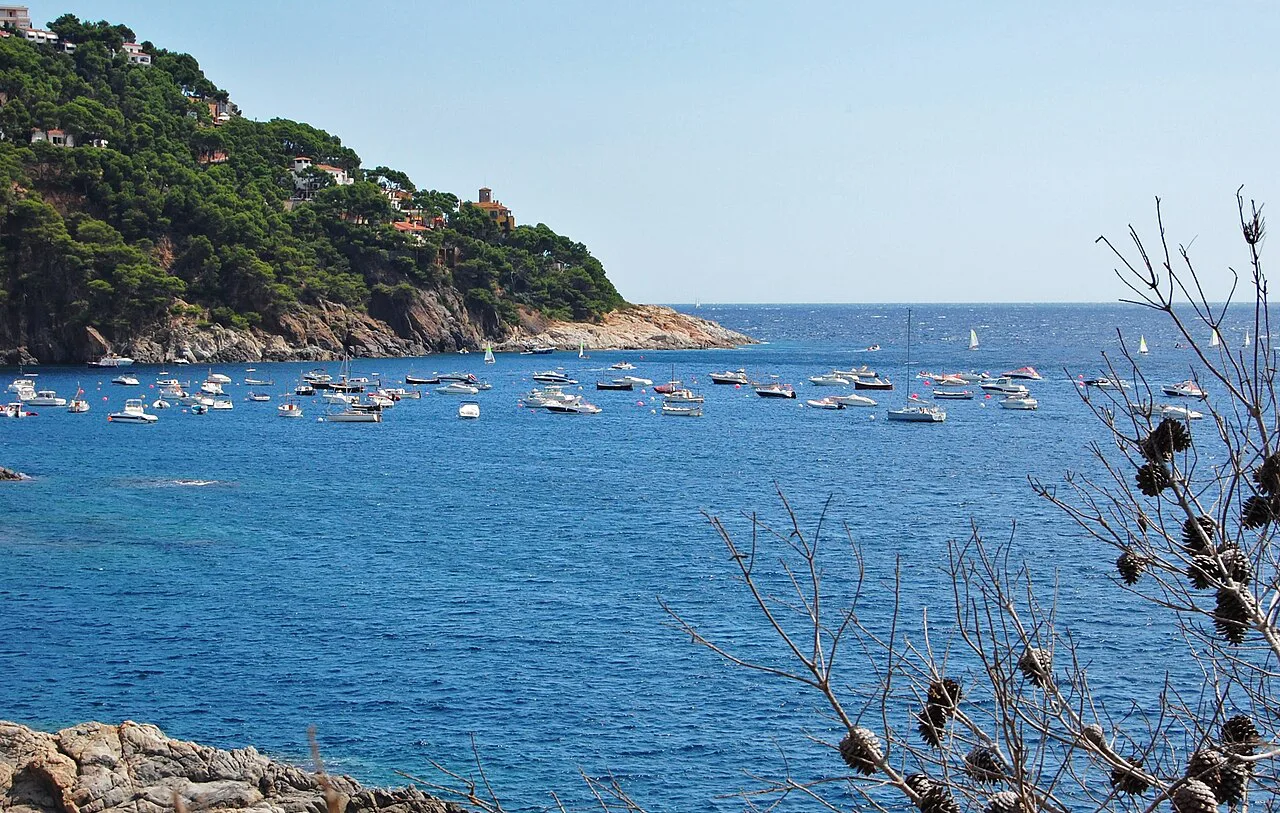
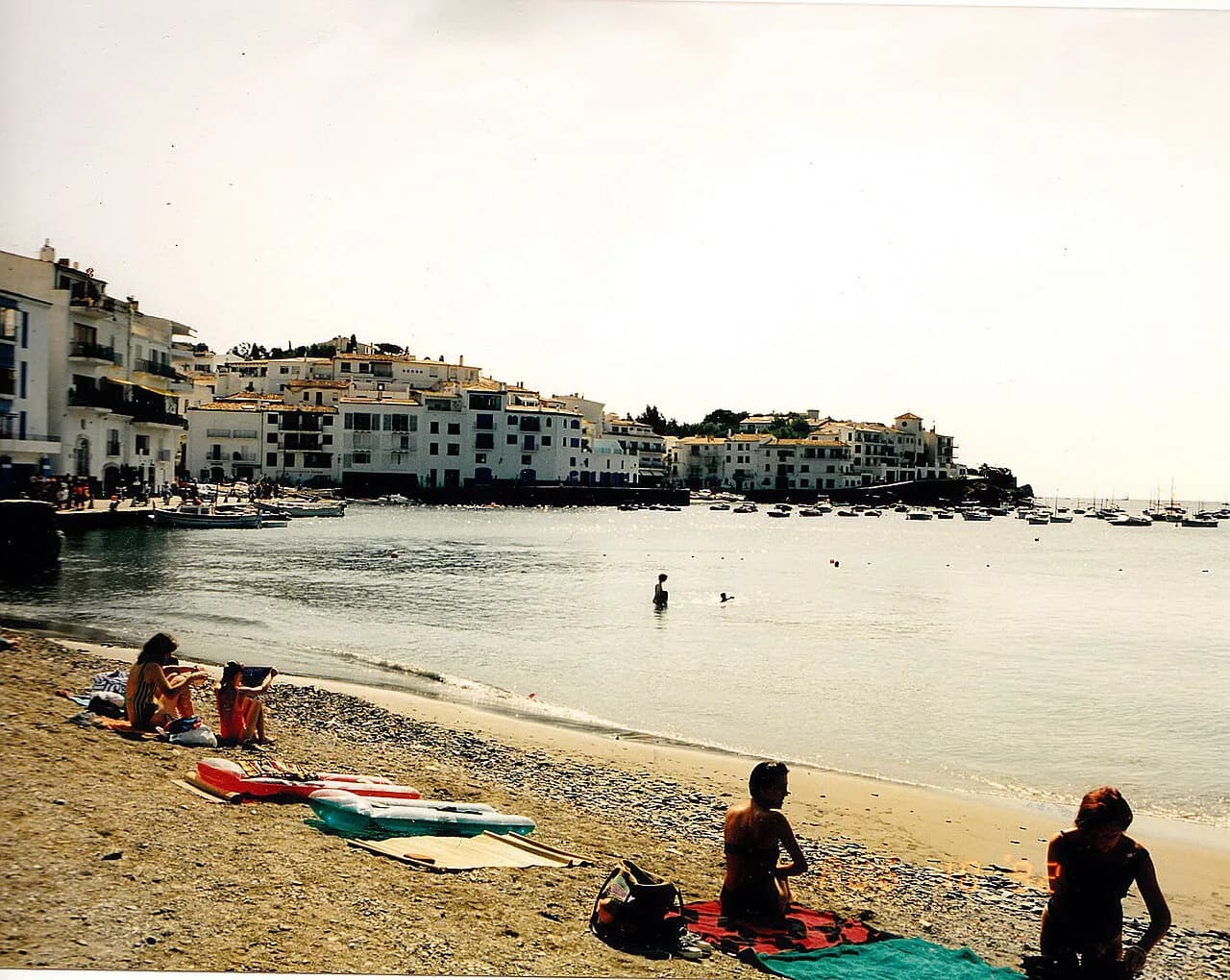
Calella de Palafrugell splits its seafront into four named beaches — Canadell, Port Bo, La Platjeta and Port Pelegrí — each small and each separated from boat traffic, which makes them good for floating and easy swimming. Hop between Canadell and Port Bo, browse the shops behind the sand, and stop for an ice cream; the fishing boats pulled up on the beach are part of the scenery.
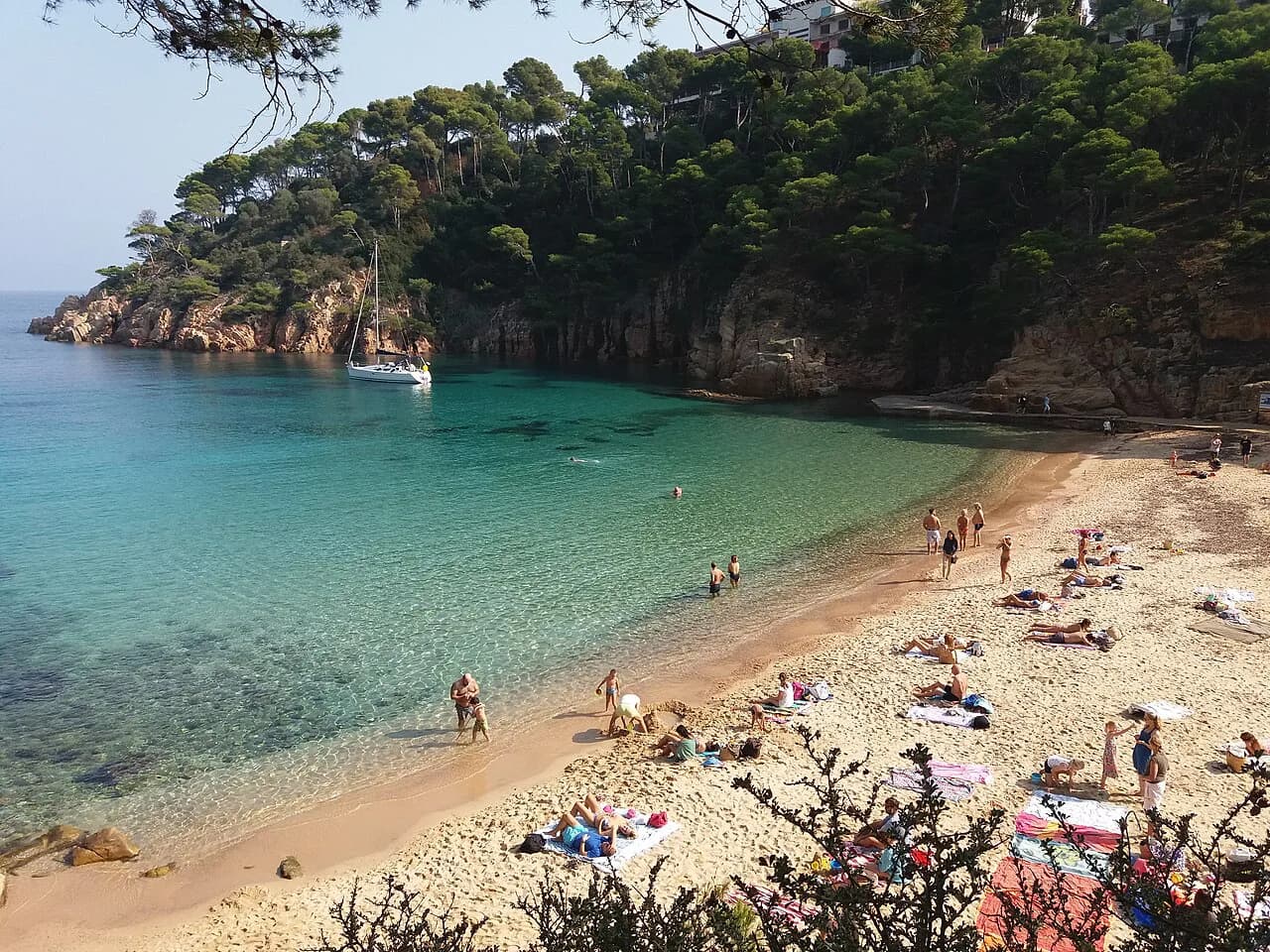
Further round the coast, Tamariu and Aiguablava offer different shapes of bay for another day, and Sa Tuna and Cala Estreta suit anyone hunting smaller coves. Each has its own character and its own access arrangements, so treat them as separate outings rather than stops on one drive.
Within Llafranc itself, the beach is the only sand of any size, so combining means walking or driving. The coastal path is the simplest link, and it puts you on Calella's beaches without moving the car.
Practical handful
Bring footwear you can walk in: the coastal path is a dirt track with steps, and the walk to El Golfet involves repeated climbs. Pack an umbrella or plan a promenade lunch as your shade. Carry water for the middle of the day, and if you want a paddleboard, ask at the tourism kiosk rather than assuming availability.
End the day the way the town does: a slow walk along the promenade, out onto the harbour wall for the view back at the lights, and dinner facing the water. It is the half of a Llafranc day that people remember longest.
Plan Your Visit
Llafranc works because the bay does the hard work: a 330-metre curve of sand, water you can cross in laps, a promenade for the evening and a coastal path to Calella on the doorstep. Plan around the bus to Palafrugell or an early arrival for street parking, and give yourself a morning on the sand and an afternoon on the path.
For the wider picture across this stretch of coast, our guide to the Costa Brava beaches sets Llafranc alongside Calella, Tamariu and the smaller coves. Check the Visit Palafrugell pages for the season's services before you travel, then pack light and walk.
Frequently Asked Questions
How long is Llafranc beach?
Llafranc beach is 330 metres long and about 32 metres wide, according to the town's beach page. That makes it a compact bay rather than a long open shore, with the marina at one end and the headland at the other.
Can you walk from Llafranc to Calella de Palafrugell?
Yes. The Camí de Ronda links the two along the coast in roughly 15 minutes at an easy pace. It is a dirt track with steps and sloping sections, so wear shoes rather than sandals, and carry on past Calella if you want the longer walk to El Golfet.
Is Llafranc beach sandy?
Yes, Llafranc is a sandy beach. The bay shape keeps the water in front of the sand, which is why swimmers cross it in laps and paddleboarders hire boards from the tourism kiosk.
How do you get to Llafranc without a car?
Take a bus to Palafrugell, which is served from Barcelona and Girona, then continue down to Llafranc. One traveller found the direct coach from Barcelona the better option over a train to Girona plus a local bus.
Is Llafranc good for families?
Yes. The beach is compact, the sand sits close to the promenade, and the bay keeps the water in view. Families with small children tend to find it easier than a long open shore.
Which nearby beaches are worth combining with Llafranc?
Walk the coastal path to Calella de Palafrugell and pick between Canadell, Port Bo, La Platjeta and Port Pelegrí. Further round the coast, Tamariu and Aiguablava make good separate outings.
Sources
Beach notes for your next trip
Optional updates when we add or revise beach guides.
You might also like
Continue reading
More guides you'll find useful