Kefalonia Beaches: A Coast-by-Coast Guide for Beach Days
Plan a Kefalonia beach day with this coast-by-coast guide: pebble and red-sand shores, boat-only coves, cliff roads, shallow family bays and ferry access.
On this page
Kefalonia rewards anyone who picks a coast rather than chasing a top-ten list. The island's west and north are dramatic, with white pebble beaches tucked beneath towering cliffs, while the south turns sandier and the east coast around Sami faces Ithaca across a green-backed bay. Choose the shore that matches your base and your appetite for winding roads, and a single day out becomes easy to plan.
This guide groups the main beaches by coast, so you can see at a glance which are drive-up, which need a boat, and which suit small children or snorkellers. It covers what each beach is made of, how the water deepens, where the shade comes from and which beaches pair well on one outing.
Why plan by coast
The island's beaches differ sharply by geography. The north and northwest deliver the postcard scenery: pale pebbles, sudden deep water and cliffs that drop straight to the sea, with Myrtos the most photographed of them all. The east coast near Sami is greener and more sheltered-looking, while the south around Lixouri and Argostoli is flatter and sandier, with Xi's red clay as the outlier.
That split decides who each shore suits. Families with small children generally do best on the shallow, facility-rich bays near Argostoli, swimmers who like deep, clear water gravitate to the pebble beaches of the west, and quiet-seekers head for the small coves and boat-only stretches in the north. Group your days this way and you spend less time in the car and more time in the water. If you are weighing a second island into the same trip, the same logic of picking a coast first applies to Naxos beaches.
Getting around: car hire, buses and the ferry to Poros
A hire car is the practical way to link several beaches in a day, but it is not the only option. Island buses run between towns rather than along the coast, so they work for reaching a base such as Sami or Argostoli but not for hopping between remote coves. Cars can be collected at Kefalonia Airport or at the ferry ports of Poros and Sami.
If you are driving from the mainland, Levante Ferries runs the crossing from Kyllini on the Peloponnese to Poros, and the trip takes about 90 minutes. One traveller paid 74 euros for two adults and a car each way in 2024, which gives a sense of the scale; fares change, so price your crossing with Levante Ferries before you commit. Bringing a car means you pay for it on the ferry but arrive with your own transport.
Distances on the island are deceptive. Winding coastal roads and steep descents slow you down, and the drive from Poros to the northern beaches can take well over an hour. Build your day around one coast rather than trying to tick off beaches at opposite ends of Kefalonia.
The northwest: Myrtos and Petani
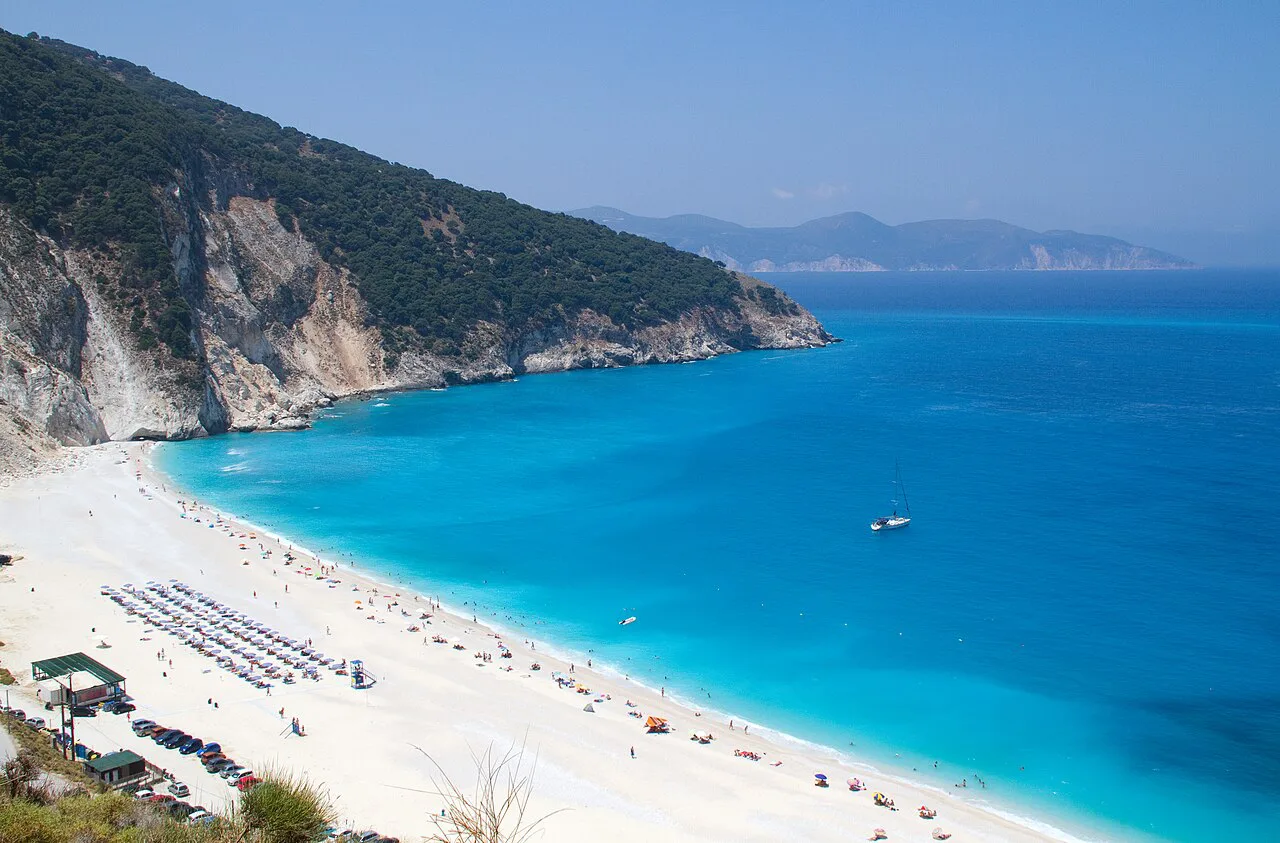
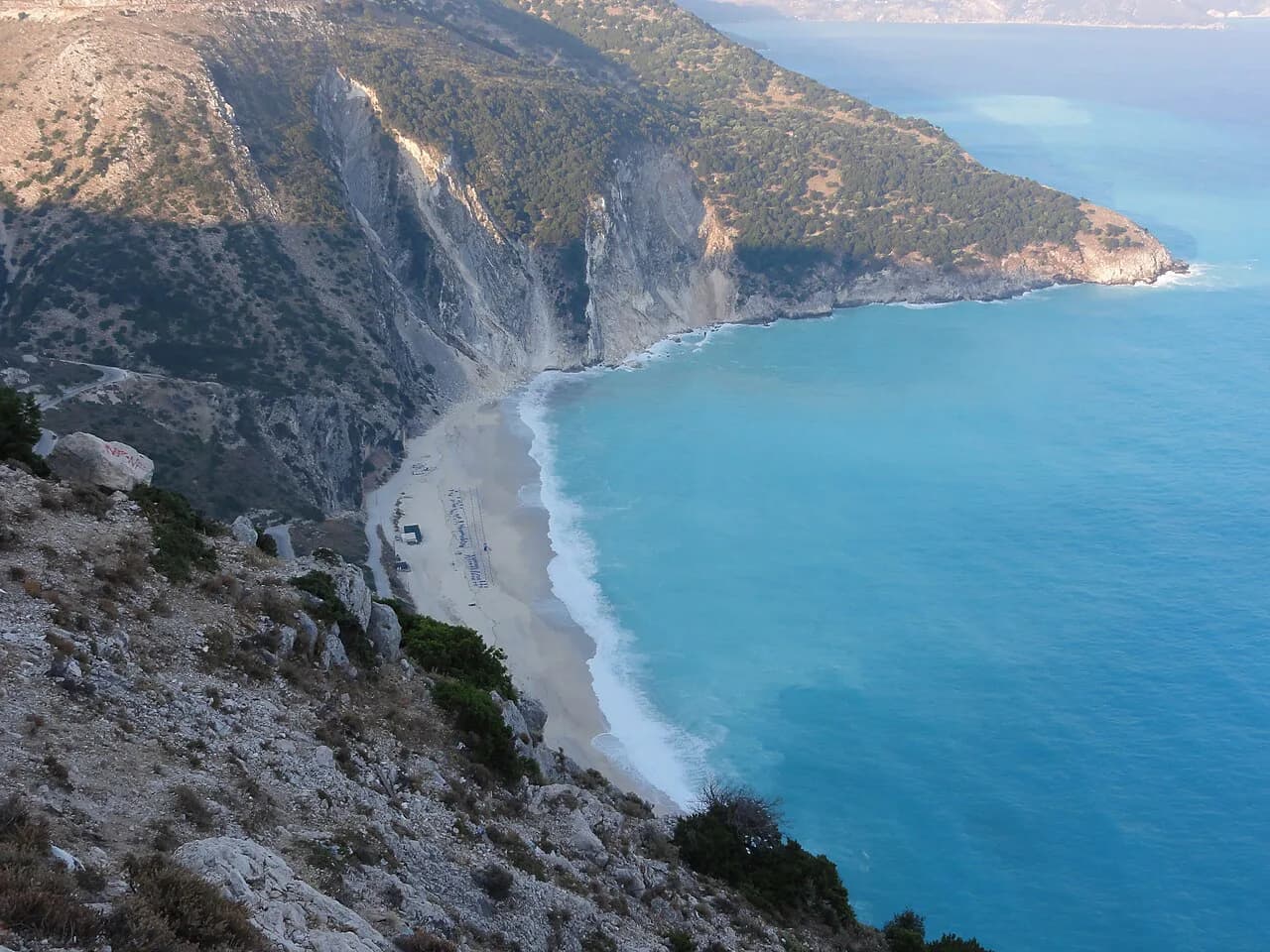
Myrtos beach is the island's signature sight: a long sweep of fine white pebbles at the foot of a massive cliff, with water that shifts from turquoise to deep blue. The approach is a steep, winding road down to a parking area that fills in peak season, when cars end up along the road. There is a beach bar and basic public toilets, and umbrellas are available to rent, but no restaurant on the beach itself, so bring food and water if you plan to stay.
Treat the water with respect. Myrtos deepens suddenly and can have a strong undertow, so weaker swimmers should stay close to the shore and children should be watched closely. The beach has been listed with Blue Flag status for cleanliness, which reflects environmental management rather than a guarantee of calm conditions.
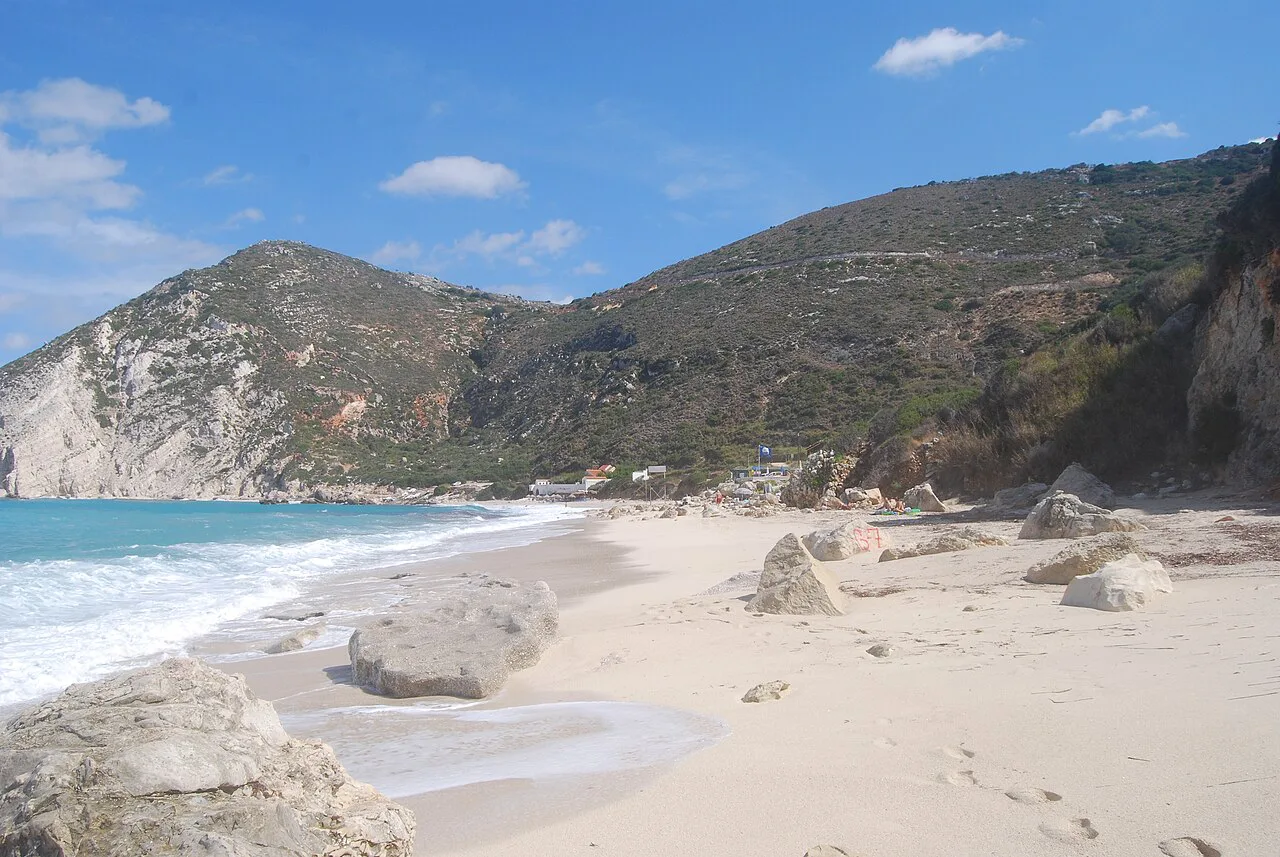
Petani, further north on the west coast, looks like a smaller sibling of Myrtos: white cliffs at either end, a long deep beach and views from the road above. It is easier to visit, with a designated parking area, umbrellas for rent and two full-service restaurants with bathrooms. Most people cluster around the umbrellas, so walking towards the cliffs buys you space.
Before you commit to the descent, it helps to know what awaits at the bottom; our dedicated guide to Myrtos Beach, Kefalonia sets out the pebble shelf, the sudden depth and the parking pattern in more detail.
The north coast boat beaches: Fteri and Kamari
Fteri beach sits on the northern coast and is reached either by water taxi or by a short, steep hike. Water taxis run roughly hourly from Zola, hold about 8 to 10 people and charge 20 euros per person return as of 2024; book the outbound trip early because boats fill, and the return leg is flexible. Parking at the dock is limited, with overflow onto the dirt road, and restaurant car parks are strictly for customers.
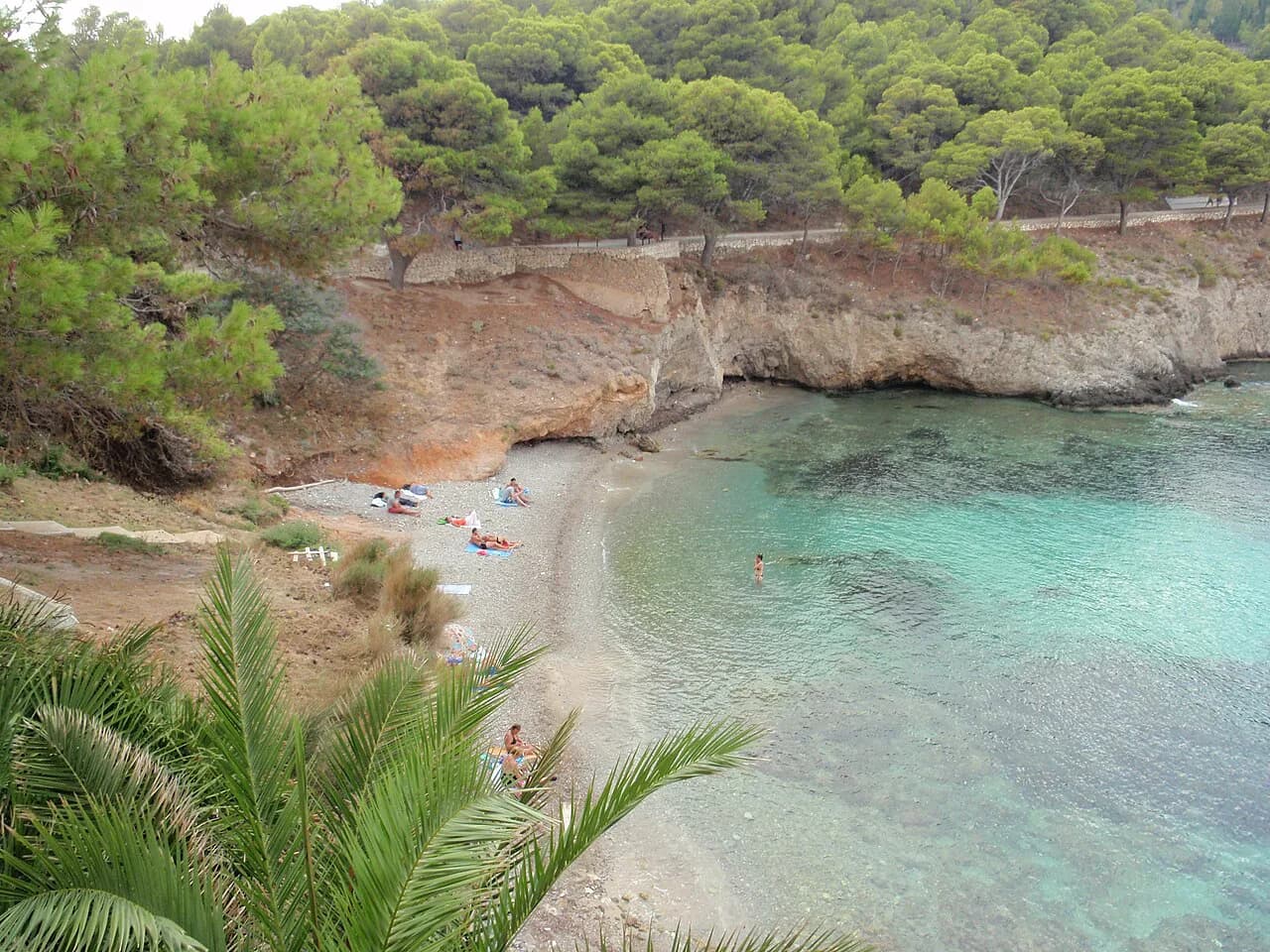
Once there, expect a short but deep pebble beach framed by cliffs, with space to spread out and none of the crowds of the drive-up beaches. There are no services, so carry everything you need, including water and shade. Early arrivals can catch some shade from the cliff on the east side.
Kamari, immediately east of Fteri, is smaller and harder to reach: it is offered on boat tours rather than by water taxi, and has no land access. It is fine pebbles and clear water with nothing else, so it suits travellers on a boat day rather than a family beach outing.
Antisamos and the east coast near Sami
Antisamos beach lies on the east coast facing Ithaca, with forested mountains on either side instead of sheer cliffs. The beach is pebbly and much of it is covered by rental sunbeds and umbrellas, though there is space to lay a towel. Two restaurants and a bar serve the beach, and jet skis and canoes can be hired for those who want more than swimming.
It works well as a base-day beach if you are staying in or near Sami, with ample paved and unpaved parking. It gets busy in high season, so arrive earlier in the day for a good spot. Combine it with a walk around Sami's harbour or a boat trip across to Ithaca.
Near Argostoli: Makris Gialos and Platis Gialos
For shallow water and easy facilities, head to the pair of beaches just south of Argostoli. Makris Gialos and Platis Gialos sit side by side, separated by rocks, with shallow water and excellent facilities that suit families and weaker swimmers. Platis Gialos has a small cafe with public toilets and showers, plus a small parking area with overflow on the street.
Both beaches are busy because of their proximity to the island's main town, but not overwhelming. Umbrellas can be rented, and the pair makes an easy half-day outing with lunch. If you want more space, walk to the far end away from the cafe.
The south and red sand: Xi Beach
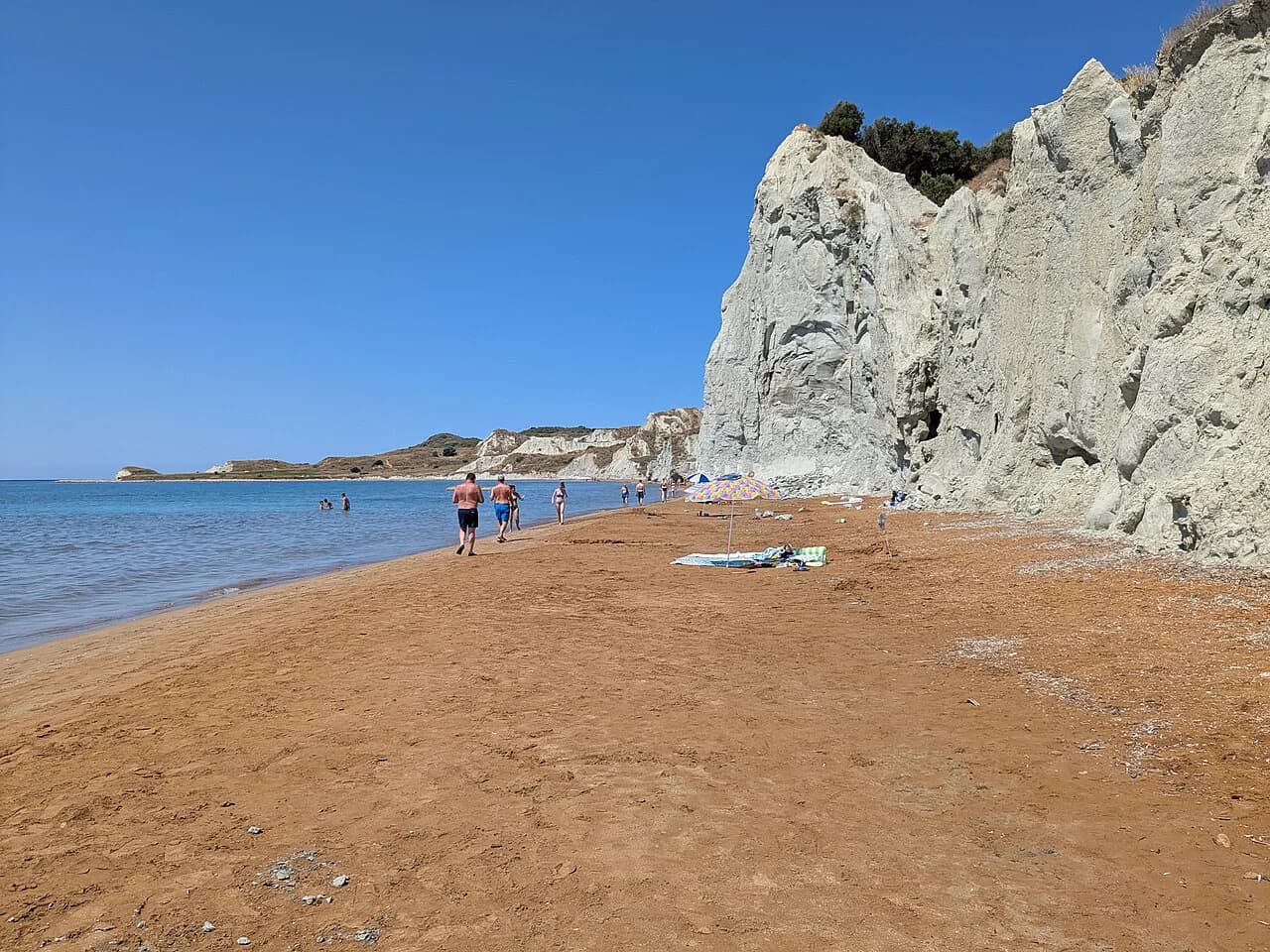
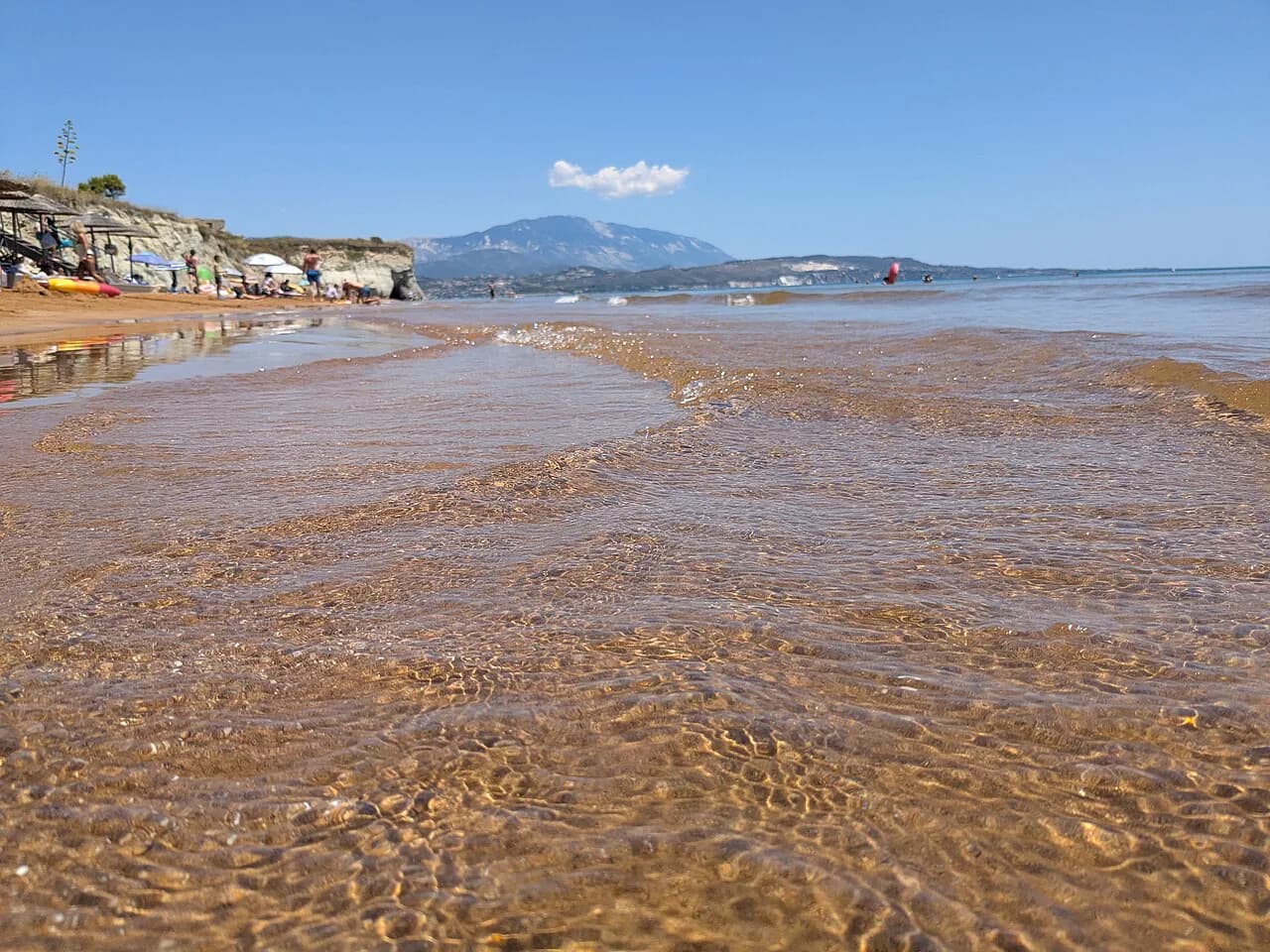
Xi beach stands apart from the rest of the island: red sand formed from clay deposits, with clay cliffs behind. The Greek National Tourism Organisation highlights it as the place for natural clay therapy by the waves. Erosion has narrowed the beach to a strip a few metres wide, enough for one row of umbrellas or towels, so it feels busier than its visitor numbers suggest.
There is a small parking area at the beach, a restaurant and a beach bar, and umbrellas for rent. The water is less vivid than at the island's pebble beaches, but the clay makes it a curiosity worth an hour or two. Bring an old towel and be prepared for red sand in everything.
Quiet coves and natural shade
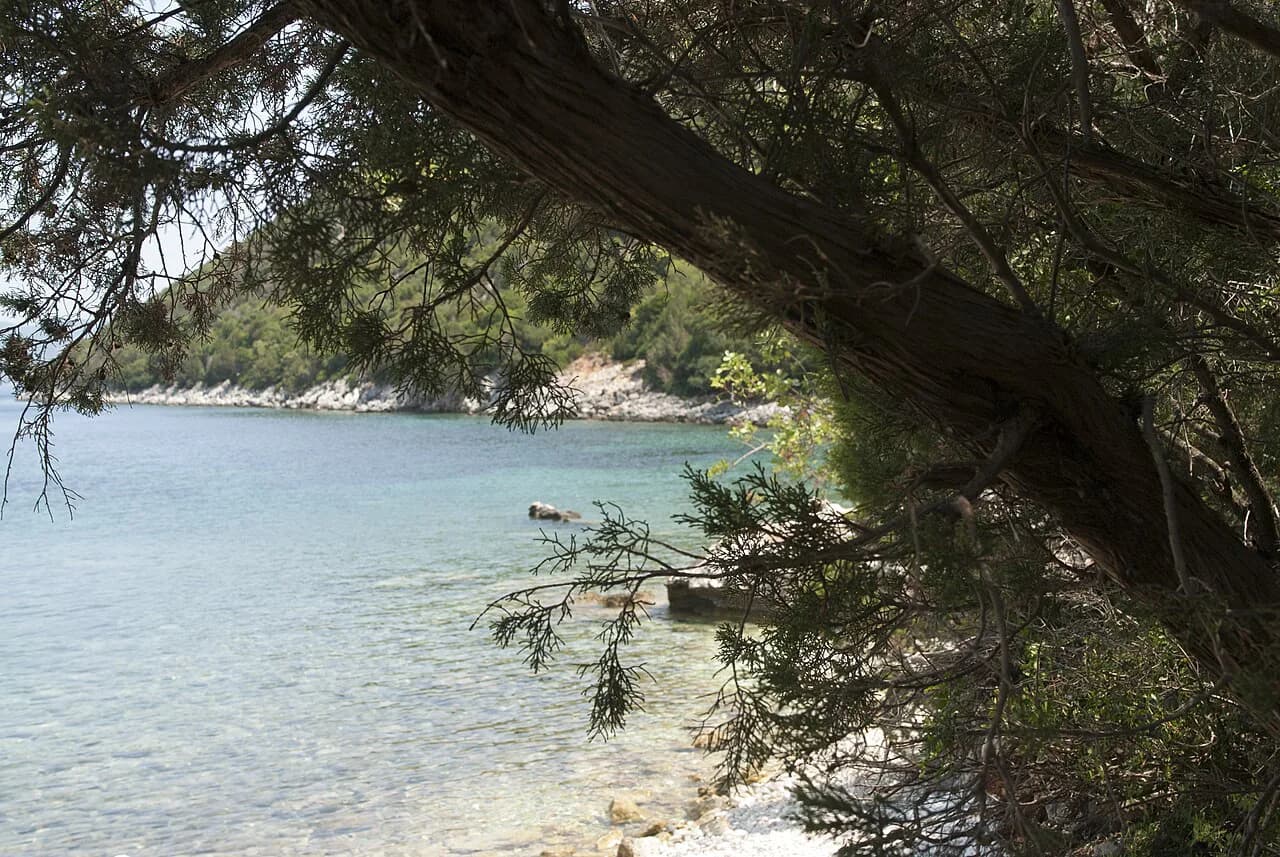
Several beaches offer shade from trees and cliffs rather than umbrellas. Dafnoudi, near Fiskardo, is reached by a gravel footpath from the village of Antipata and has large pebbles sloping steeply to the sea with a cave at one end. It has no amenities, so carry everything you need.
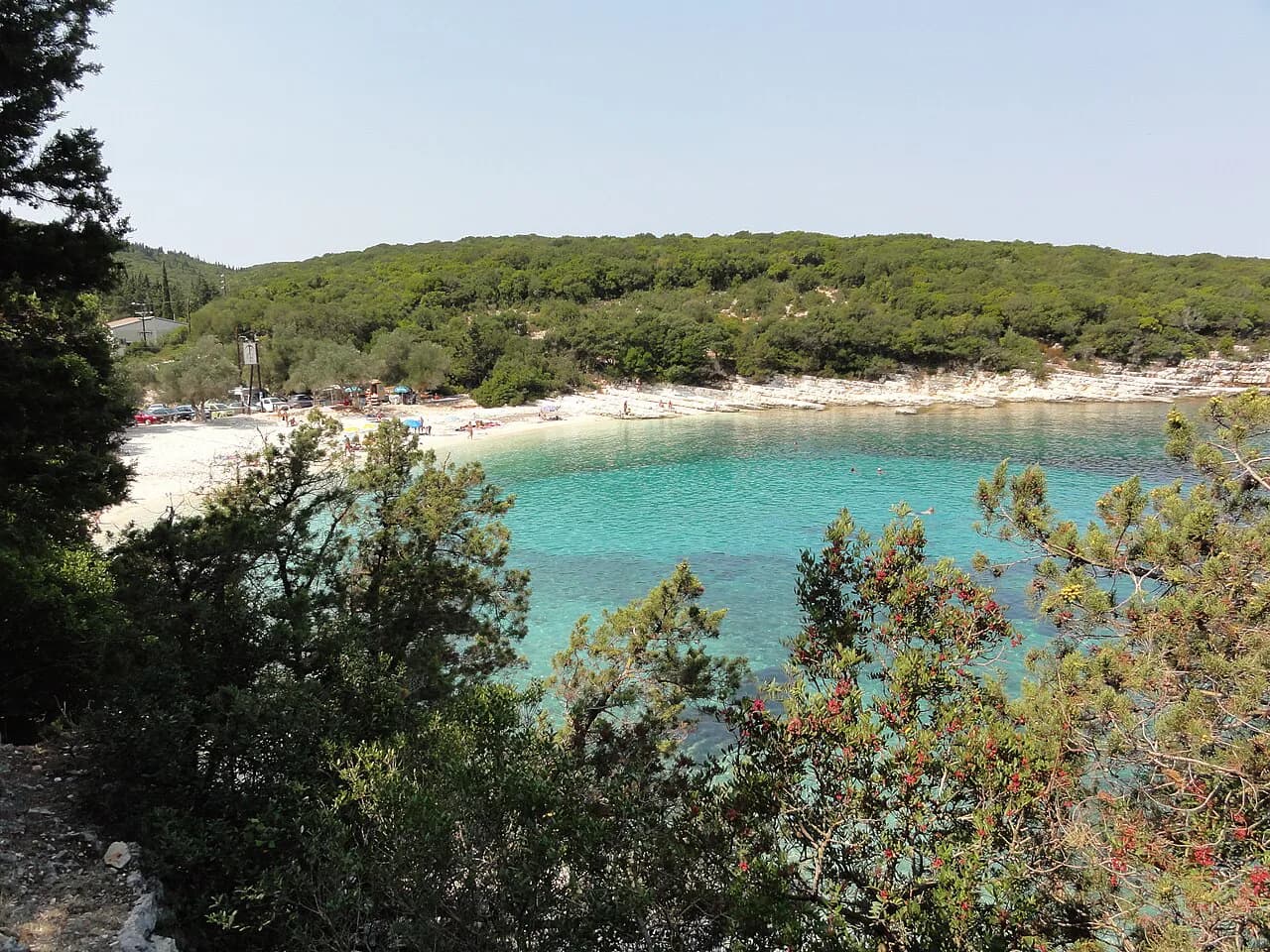
Foki, a short hop from Fiskardo, is named after the monk seals seen in the area and offers tranquillity beneath the trees. Atheras, on the northwest coast, and Chorgota and Emplisi elsewhere on the island are also singled out for natural shade. These suit quiet-seekers who do not mind carrying their own water and food.
Further south, Koroni near Lourdas has calm water and is an important habitat for the Caretta caretta sea turtle, so keep your distance and avoid disturbing nesting areas. Lourdas Beach, Kefalonia stretches below Lourdata village and works well as a base for exploring this stretch of coast.
Fiskardo and Alaties: swimming around the northern tip
Fiskardo is a pretty fishing village that retains Venetian architecture, and its tiny beach adjoins the harbour. The beach itself is shingle with barely room to lay a towel, plus two palm trees for shade, so most people use it for a dip rather than a full beach day. The village has restaurants and shops, and boat hire is available from the harbour for reaching beaches with no land access.
Alaties, between Myrtos and Fiskardo on the northwest coast, is small and partly sandy with shingle, and has a taverna for snacks and drinks. Its name comes from the salt deposits in pools on the rocks to the right of the beach, which are worth a scramble. It is a good snorkelling spot and stays quieter than the famous beaches to the south.
Small coves with no services
Kako Lagadi is a tiny inlet no more than 20 metres across, tucked between jagged rocks just south of Poros. It has a small gravel pull-in on the roadside and a short scramble down, and rewards visitors with turquoise water and fine pebbles. Watch for the rocks at either side when swimming, and bring everything you need because there are no services.
Agia Kiriaki is a long stretch of pebbles east of Zola at the end of a dirt road, with a restaurant by the parking area and a beach bar on the sand. Umbrellas and chairs can be rented, but there is plenty of room to spread out. It is a good alternative when the more famous northern beaches are full.
Paradise beach at Agia Efimia is a small cove beneath the Paradise Beach Taverna, better known for the restaurant than the swimming. Bring a snorkel to explore the sea bed, and keep an eye out for turtles.
Beach season: when the sea is warm and when it gets busy
The beach season runs from April to October, with peak months from June to September. April and October can be warm enough for swimming, but many restaurants are closed, so shoulder-season trips trade atmosphere for reliable facilities. Peak August is busy but rarely shoulder-to-shoulder, and the island as a whole is quieter than the Aegean hotspots.
Sea temperatures peak in late summer, making July and August the most comfortable for long swims. For fewer crowds, aim for June or September, when the water is still warm and the northern beaches are less frantic. Whatever the month, morning starts help on the popular drive-up beaches where parking fills.
Nearby beaches to combine on a single day
Some beaches sit close enough to pair. Makris Gialos and Platis Gialos are divided only by rocks, so you can swim at one and lunch at the other. Myrtos and Petani are both on the west coast and can be visited in one loop, though the winding roads make it a full day.
In the north, Fteri and Agia Kiriaki work well together if you take the water taxi from Zola and stop at Agia Kiriaki on the way back. Antisamos pairs naturally with Sami and a boat trip to Ithaca. For a change of scenery, the quiet coves around Fiskardo can be combined with the village itself.
Sandy versus pebble beaches: what to expect and what to pack
Most Kefalonian beaches are pebble or shingle, with Xi the notable exception of red sand. Pebbles mean clear water and less sand in your bag, but they are hard underfoot, so bring reef shoes or sandals for the water's edge. A thick towel or mat makes lying on pebbles more comfortable, and an umbrella is essential on beaches without natural shade.
Pack water, snacks and cash for tavernas on beaches with services, and carry everything you need on the boat-only and no-service beaches. A dry bag protects phones and valuables, and snorkelling gear is worth the space on rocky stretches such as Alaties and Paradise. Sun cream and a hat matter even on breezy days.
Plan Your Visit
Start with your base and pick the nearest coast: the northwest for drama and pebbles, the east for green-backed bays, the south for red sand and the Argostoli area for shallow family water. Reserve boat trips and water taxis early in high season, and ask the Kefalonia tourist office about current fares, timetables and access conditions on the day.
Whichever shore you choose, the pattern holds: arrive early for parking, carry water, respect the sudden depth and undertow on the western beaches, and leave time for a swim rather than a sprint between viewpoints.
Explore more Kefalonia beaches
- Fteri Beach, Kefalonia
- Lourdas Beach
- Myrtos Beach, Kefalonia
- Antisamos Beach, Kefalonia
- Assos Beach, Kefalonia
- Petani Beach, Kefalonia
- Skala Beach, Kefalonia
- Xi Beach, Kefalonia
- Agia Efimia Beaches
- Emblisi Beach, Kefalonia
- Kefalonia Beach Clubs
- Kefalonia Sea Temperature
- Makris Gialos Beach
- Platis Gialos, Kefalonia
Frequently Asked Questions
Are there any sandy beaches in Kefalonia?
Most Kefalonia beaches are pebble or shingle. Xi Beach in the south is the main sandy exception, with red sand formed from clay deposits and clay cliffs behind it. The bays near Argostoli, Makris Gialos and Platis Gialos, are also easier underfoot than the northern pebble beaches. For soft sand and shallow water, these are the places to head.
Where is Myrtos Beach in Kefalonia?
Myrtos Beach lies on the northwest coast of Kefalonia, reached by a steep winding road down to a parking area at the beach. It is a long sweep of fine white pebbles beneath towering cliffs, with a beach bar and basic public toilets. The water deepens suddenly and can have a strong undertow, so weaker swimmers should stay close to shore.
Which side of Kefalonia has the best beaches?
The north and northwest are generally considered the most spectacular, with Myrtos, Petani and Fteri set among cliffs and clear water. The south is sandier and flatter, with Xi's red clay and the family-friendly bays near Argostoli. Which coast is best depends on whether you prioritise scenery, shallow water or easy access.
Do you need a car to reach Kefalonia's beaches?
A hire car is the most practical way to reach the island's beaches, since buses run between towns rather than along the coast. Cars can be collected at the airport or at the ferry ports of Poros and Sami. For boat-only beaches such as Fteri and Kamari, you will still need a water taxi or boat tour.
Which Kefalonia beaches are only reachable by boat?
Fteri can be reached by water taxi from Zola or by a steep hike, while Kamari is only accessible by boat tour or private boat. Several other northern beaches are also easiest by boat. There are no land routes to Kamari, so plan around the boat schedule.
Is Kefalonia good for families with small children?
The shallow bays near Argostoli, Makris Gialos and Platis Gialos, are the easiest for young children, with facilities including a cafe, toilets and showers. Xi Beach has a narrow strip of sand and is better for a short visit. The northern pebble beaches have sudden depth and are less suited to toddlers.
Sources
Beach notes for your next trip
Optional updates when we add or revise beach guides.
You might also like
Continue reading
More guides you'll find useful