Málaga Beaches: City Sands, Coves and Where to Swim
Plan a beach day in Málaga with this guide to Malagueta, Pedregalejo, El Palo and the rocky coves east of the city, and how each suits swimmers and families.
On this page
Málaga is one of the few Spanish cities where you can walk out of the old town and be on a broad city beach within minutes, which makes it unusually good for a short break that mixes sightseeing with swimming. The coastline runs from Guadalmar in the west past the port and the centre to La Araña in the east, with fifteen beaches spread over roughly 40 kilometres, so the main decision is which stretch matches your day.
Nearly all the beaches here are dark, medium-grained sand rather than the pale imported sand of some resort strips, and the water shelves gently on the central city beaches. Families with small children, confident swimmers, snorkellers and people who want a quiet morning each have a natural stretch on this coast.
How the coastline is laid out
Approach the city's beaches as three zones. The western beaches run from Guadalmar and the golf-course area through La Misericordia towards the port; the central beaches, La Malagueta and La Caleta, sit immediately east of the port and the old town; and the eastern beaches, Baños del Carmen, Pedregalejo, El Palo, El Candado and El Peñón del Cuervo, follow the coast towards the cliffs.
For a first visit, staying central removes the transport question entirely: La Malagueta is about 1,300 metres long and sits beside the port, while La Caleta is a shorter walk east and is known for clear, shallow water. The eastern fishing districts are a short bus or taxi ride away and repay the extra effort with calmer, smaller coves and better seafood.
La Malagueta: the central beach
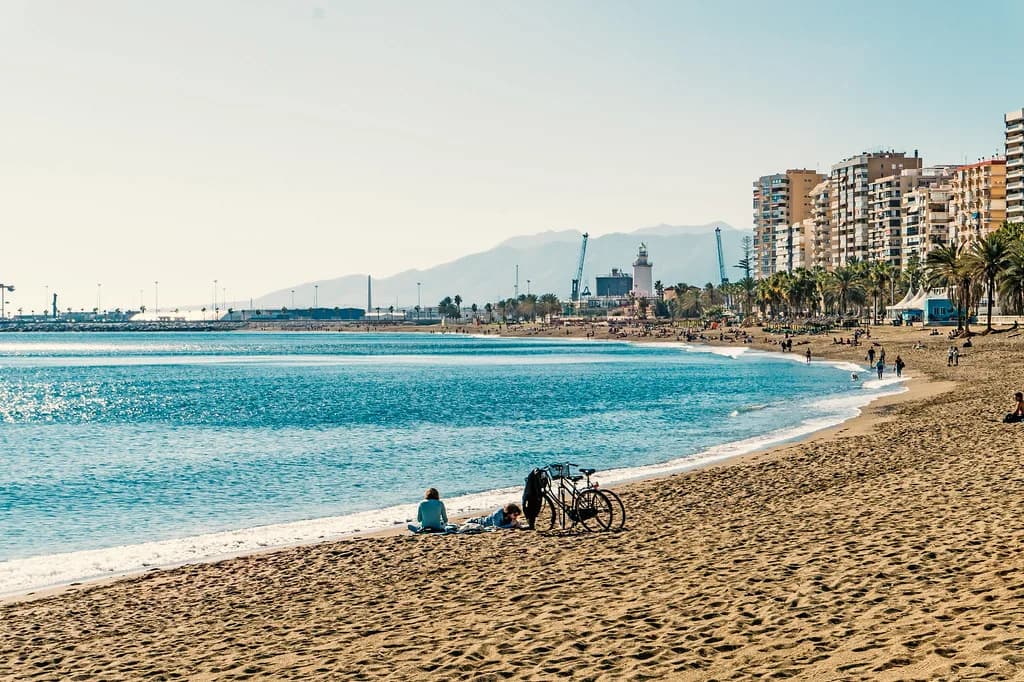
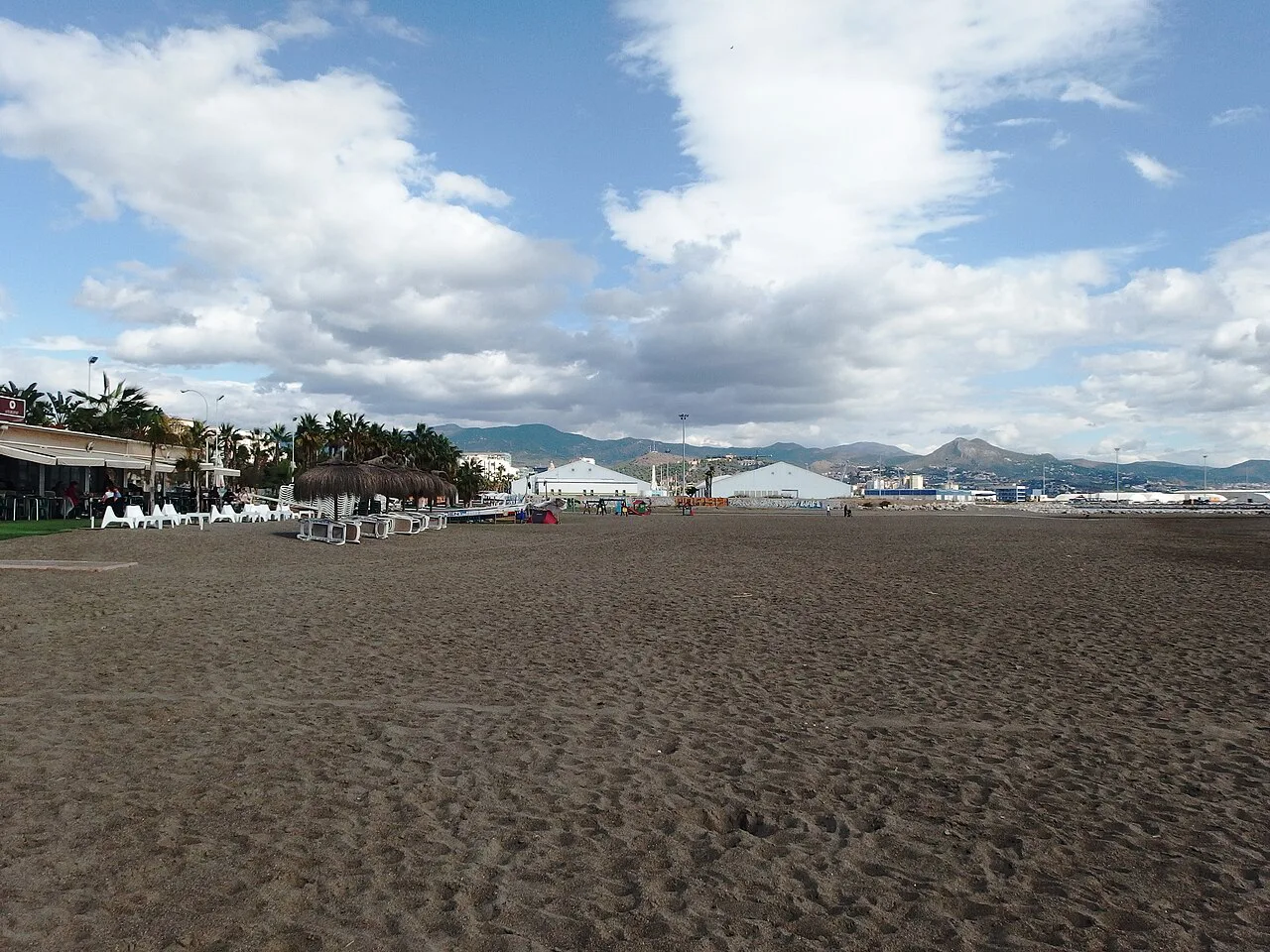
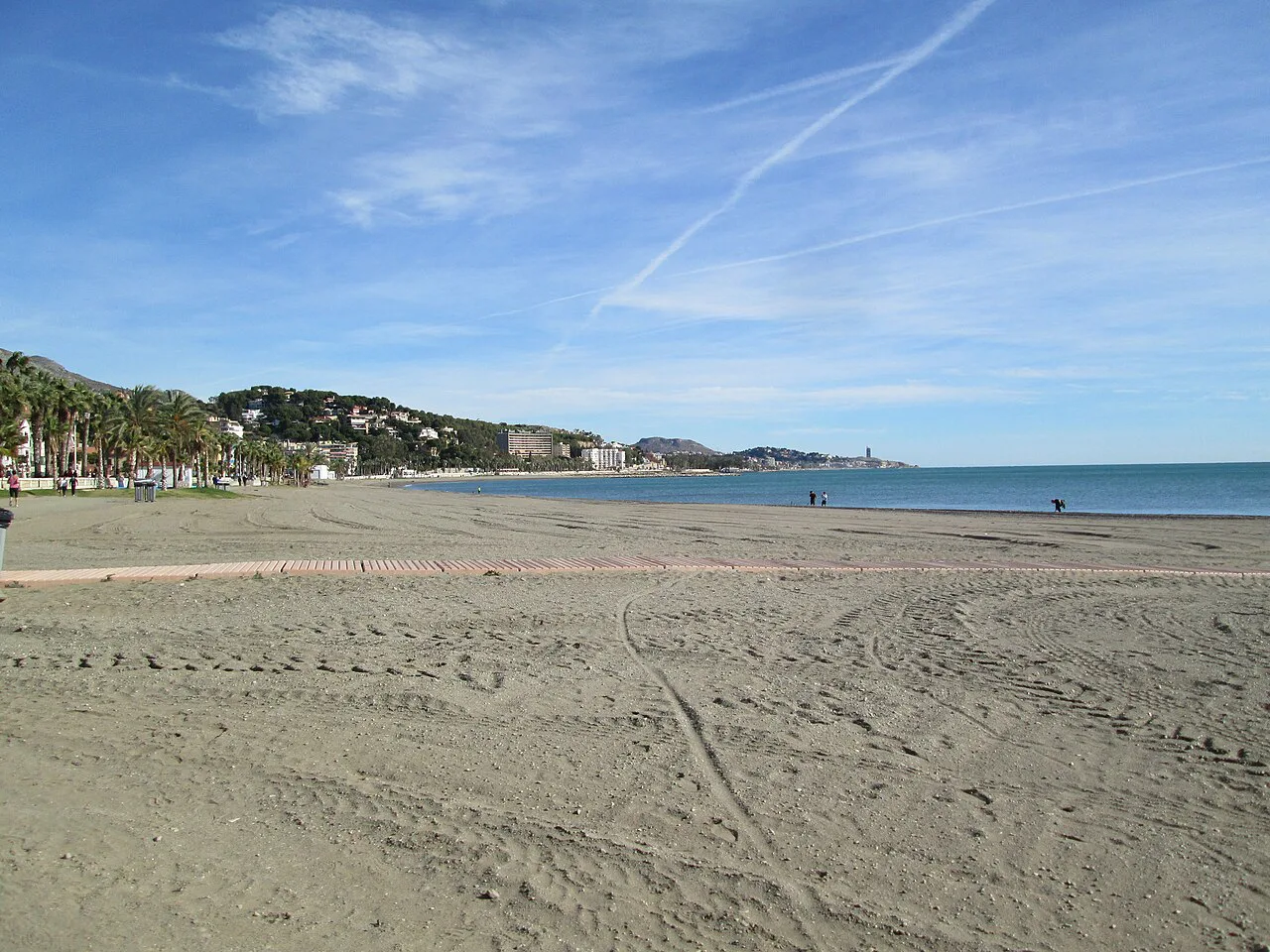
La Malagueta is Málaga's best-known urban beach, more than a kilometre long and up to 40 metres wide, with dark sand and a promenade, and it lies within walking distance of the city centre and the port. It is the busiest and most frequented stretch in the city, so treat it as a convenience beach for a swim before lunch rather than a quiet escape.
The beach is well served, with beach bars, restaurants, showers and toilets along its length, which makes it the easiest option if you are travelling with children or without a car. Come early in high summer to claim space near the water, and walk east towards La Caleta if the central section feels crowded.
La Caleta: shallow water and a palm-lined promenade
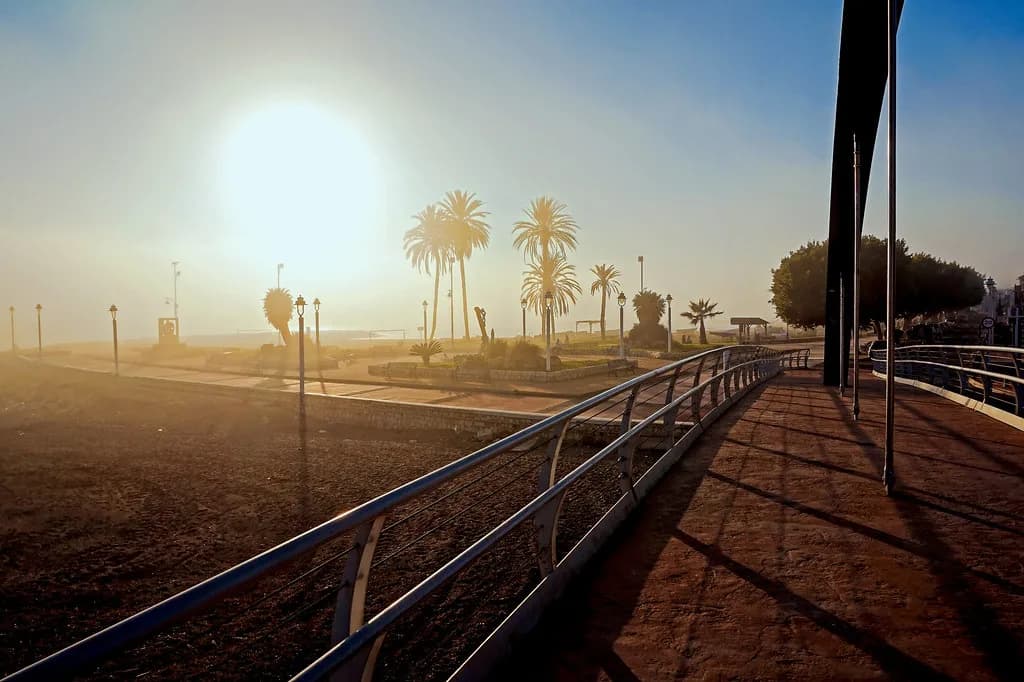
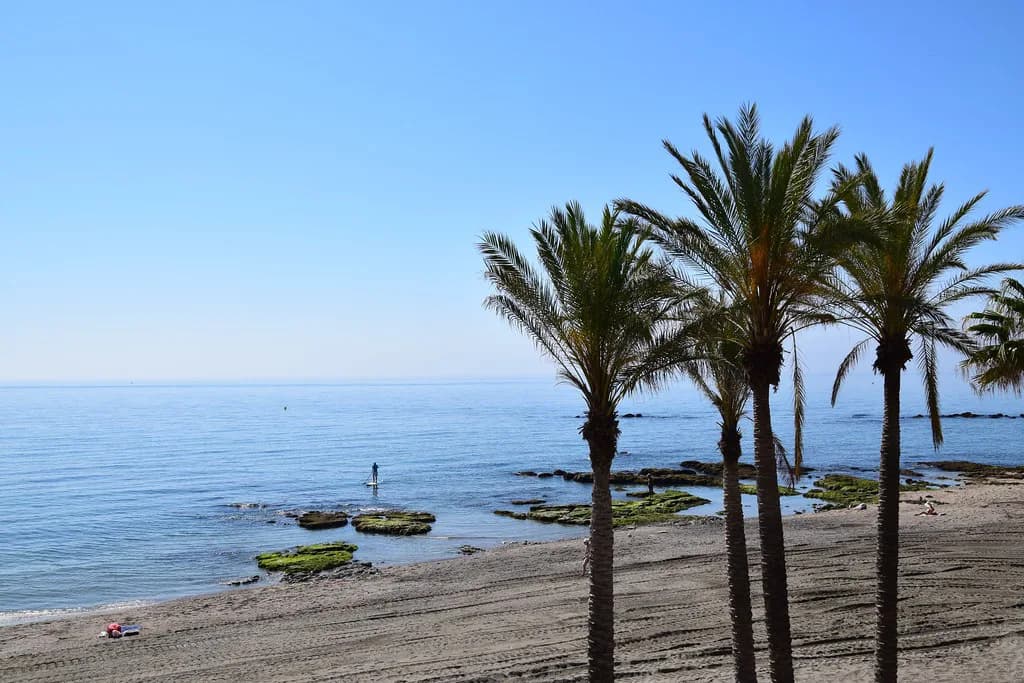
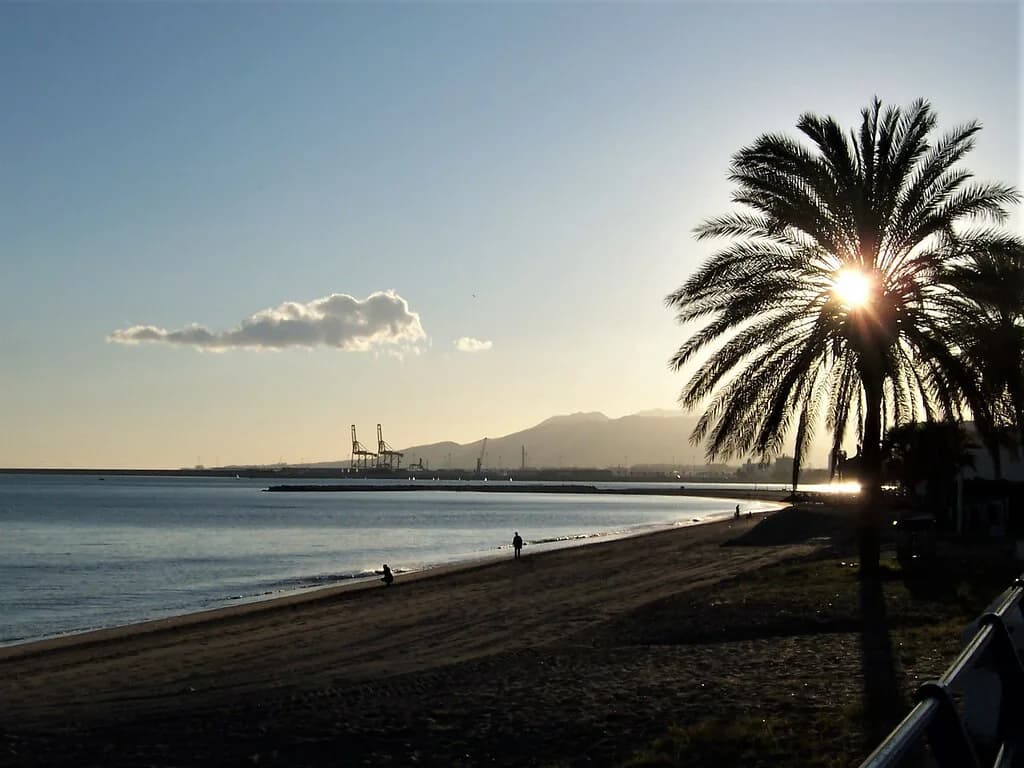
La Caleta lies east of La Malagueta and is about 1,000 metres long, with medium-grained dark sand and a promenade lined with palms. The water is clear and shallow close to the shore, which is why it draws families with young children and anyone who prefers to stand rather than swim.
Sunbeds, umbrellas and water-sports operators are based here, so it suits a full day with some activity rather than a bare towel-and-book morning. The promenade continues towards Pedregalejo, making a walk between the two beaches a sensible way to compare them before committing.
La Misericordia and the western beaches
La Misericordia is one of the longest beaches in the city, running to around 1,600 metres with dark sand and a wide promenade, a two-way bike lane, benches, restaurants and beach bars. Its western end sits near the mouth of the Guadalhorce, and the beach is broad enough that it rarely feels as packed as the centre.
Further west, Guadalmar is a 400-metre beach of dark sand with a protected, less urbanised section and a boardwalk along the district. The surf is more pronounced on this side of the city, which appeals to bodyboarders and surfers rather than families looking for still water.
The Campo de Golf and San Julián stretch, at about 1,900 metres, is one of the most natural and least urbanised on this coast, and the Guadalmar and San Julián area includes a nude beach. If you want space and a more local feel, the western beaches deliver it at the cost of a longer trip from the old town.
Pedregalejo and El Palo: fishing districts and calm coves
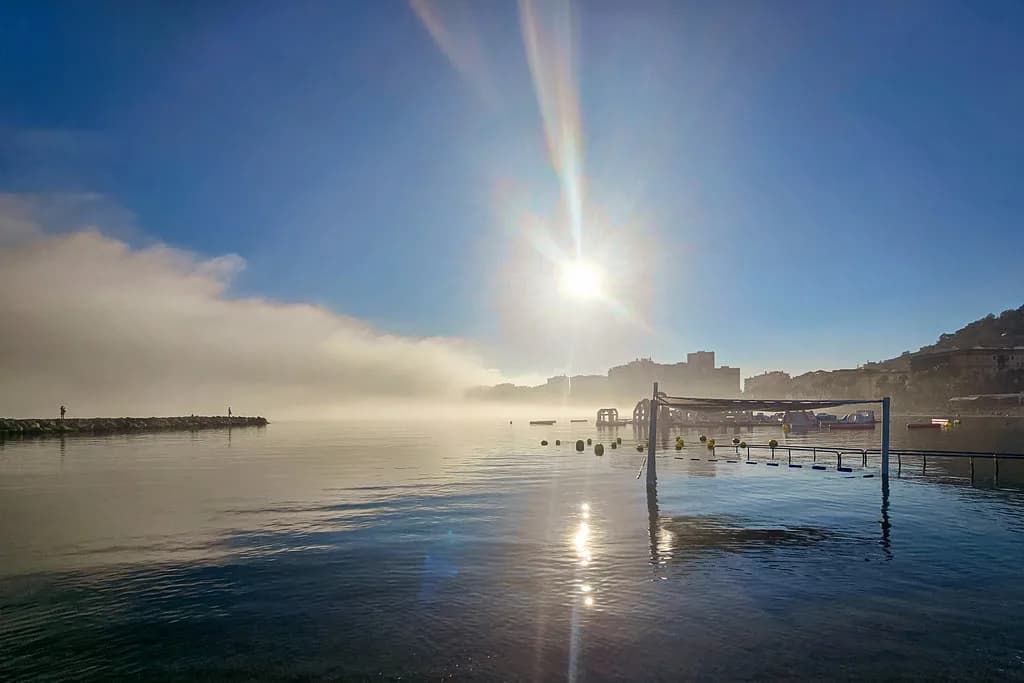
Pedregalejo is the beach to choose if you want shelter from swell and a proper lunch. The beach is broken into half-moon coves by walkable breakwaters, creating shallow, calm water for swimming, and the district is known for its beachfront seafood restaurants. La Caleta's promenade leads here, so you can walk between them.
El Palo, immediately east, is 1,200 metres of dark sand with a promenade, piers and a working fishing beach, and it has a quieter, more local atmosphere than the centre. Come for espetos, sardines grilled on skewers, and for paddleboarding on the calmer water.
El Peñón del Cuervo and the eastern headland
El Peñón del Cuervo takes its name from the large rock that juts into the sea near the eastern edge of the city. It is a smaller, more isolated beach, wide in the middle around the rock and narrowing at both ends, and it is linked to the El Candado marina by a sea promenade.
The beach has designated areas for picnics and barbecues and is popular with photographers and snorkellers working the rocks, but the easiest way to reach it is by car. Bring what you need for the day, since it is further from the city's shops than the central beaches.
Maro, near Nerja
Maro, near Nerja at the eastern end of the province, is the beach to build a day trip around. It sits below cliffs with lush vegetation, and reaching it involves a short but steep path down, so wear proper shoes and carry only what you can manage on the descent.
The draw here is the water: clear, with underwater caves and rock formations that make it the best snorkelling and kayaking spot on this list. Nerja's tourist office can advise on conditions and access before you set out from the city.
The sand and the water
Expect dark, medium-grained sand almost everywhere in the city, from La Malagueta through Pedregalejo to El Palo, with the pebbly, golden mix only appearing at La Araña. The central beaches shelve gently, which is why La Caleta and Pedregalejo's coves suit small children, while La Misericordia's western end picks up more swell.
The breakwaters at Pedregalejo do the most work in creating sheltered water, and the coves there are the city's best answer to a windy day. On the exposed western beaches, check the flags and watch how far the surf runs up the sand before settling down for the day.
Facilities
The central and western beaches are the best equipped: La Malagueta and La Misericordia both have showers, toilets and beach bars, and La Malagueta also has restaurants along the promenade. La Caleta adds sunbed and umbrella rental plus water sports, while El Peñón del Cuervo provides barbecue areas rather than a full beach-club setup.
Pedregalejo and El Palo are restaurant-led rather than lido-led, so plan your day around a long lunch of fried fish or espetos. For a more polished setup with pools and loungers, compare the options in this guide to Malaga beach clubs before choosing where to base yourself.
Getting there: walking, bus and driving
La Malagueta and La Caleta are walkable from the old town and the port, which makes them the natural choice for a city break without a car. For Pedregalejo, El Palo and the eastern coves, use the city bus along the coast road or take a taxi; the promenade links several of them on foot.
El Peñón del Cuervo is about 7 kilometres east of the centre and is easiest by car, and Maro near Nerja is a longer drive east along the A-7 towards Nerja. If you are driving, the Malaga transfer guide sets out the full west-to-east sequence and is useful for planning a route.
Best time to go
The Mediterranean climate keeps beach days possible well beyond high summer, though the sea is at its most comfortable from late June through September. July and August are the busiest months, and La Malagueta in particular fills up, so swim early or head east to the coves. If you are weighing up another southern Spanish city break, the Alicante beaches offer a similar city-and-sand mix to compare against Málaga's.
Outside peak season the city beaches are quieter and the water is bracing rather than warm, which suits confident swimmers and walkers more than families with toddlers. Check the sea temperature and wind forecast the day before you go rather than relying on the month alone.
Nearby beaches to combine
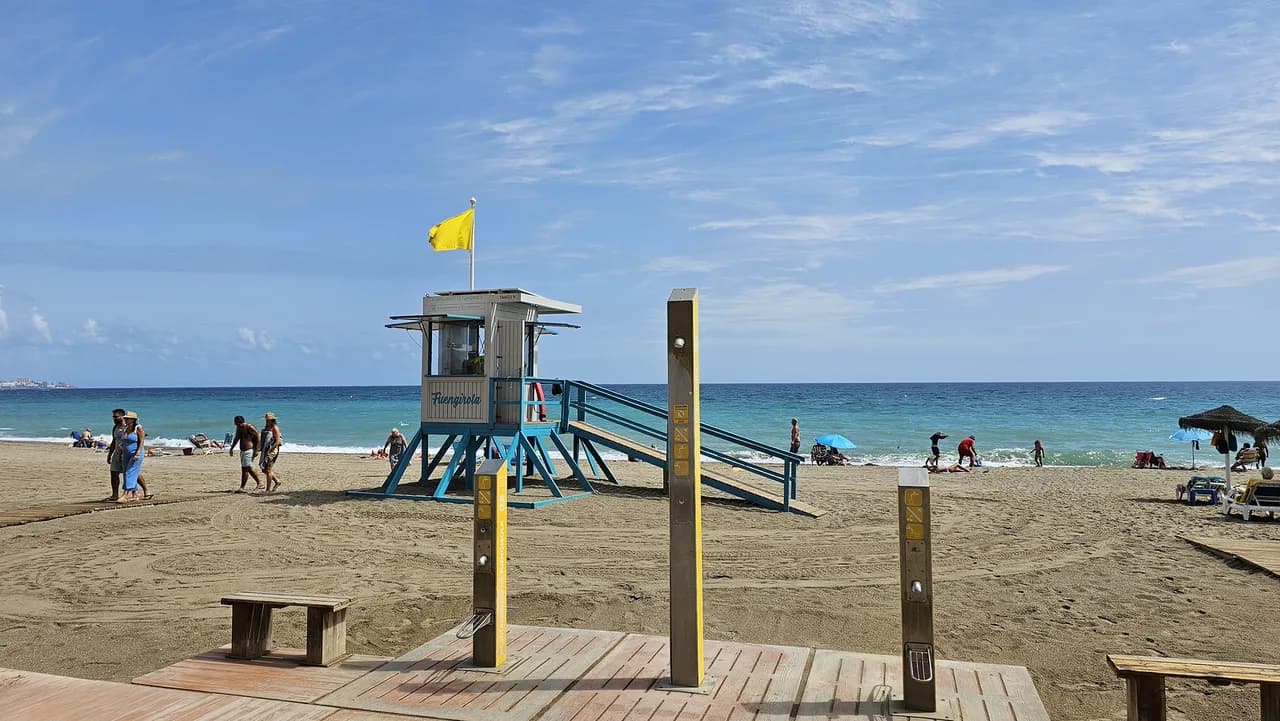
The Costa del Sol continues west towards Torremolinos and Fuengirola, both easy to reach by train or car from Málaga and useful for adding a resort day to a city break. Playa de la Carihuela and Playa del Bajondillo in Torremolinos are the classic sandy stretches if you want a full-service beach with a promenade behind it.
Further west, the Marbella beaches around Puerto Banús and Playa de la Fontanilla offer a more polished, marina-side day out. If you prefer a longer sweep of sand with a Spanish family feel, the Fuengirola beaches at Los Boliches and along Mijas Costa make an easy train-and-beach day.
Who each beach suits
Families with small children should head to La Caleta or the breakwater coves at Pedregalejo, where the water is shallow and clear. Swimmers who want distance from the sand without a long walk will find La Malagueta convenient, while quiet-seekers should go west to Campo de Golf and San Julián or east to El Peñón del Cuervo.
Snorkellers and kayakers should make the trip to Maro for the rocks and caves, and bodyboarders will prefer La Misericordia's more exposed western end. Anyone who wants a nudist option can use the designated stretch in the Guadalmar and San Julián area.
Practicalities for a beach day
Bring water, shade and cash for chiringuito lunches, and remember that dark sand gets hot by early afternoon. A light long-sleeved layer helps on the boat or promenade in the evening, and reef-safe sunscreen is worth packing if you plan to snorkel at Maro.
If you are basing yourself in the city, choose accommodation within walking distance of La Malagueta or along the bus route east so that a beach day does not depend on parking. The city's beaches are a genuine part of urban life here, which means early mornings are calmest and lunchtime is busiest.
Where to Stay to Reach the Beaches Easily
Stay in the centre if you want La Malagueta and La Caleta on foot, or in Pedregalejo or El Palo if you would rather wake up beside a calmer cove with restaurants on the doorstep. For a longer trip, split your time between the city and a night near Nerja to reach Maro early.
Pick one beach per day rather than trying to cover the whole coast, and keep the eastern coves for mornings before the wind picks up. Whichever stretch you choose, you are never far from a promenade, a beach bar and a swim.
Explore more Málaga beaches
- Benalmádena Beaches
- Best Beaches Near Málaga
- Costa del Sol Beaches
- Fuengirola Beaches
- Malaga Beach Clubs
- Malaga Nude Beaches
- Malagueta Beach, Málaga
- Marbella Beaches
- Málaga Sea Temperature
- Playa de la Misericordia
- Torremolinos Beaches
- El Palo Beach, Málaga
- La Caleta Beach, Málaga
- La Carihuela Beach
- Pedregalejo Beach
Frequently Asked Questions
Does Málaga city have beaches within walking distance of the centre?
Yes. La Malagueta sits beside the port within walking distance of the old town, and La Caleta is a short walk further east. Both have promenades, beach bars and showers, so you can combine sightseeing with a swim without needing a car.
Which Málaga beach is best for families with young children?
La Caleta is known for clear, shallow water and a palm-lined promenade, and the breakwater coves at Pedregalejo create calm, shallow pools that suit small children. Both are easily reached from the centre by bus, taxi or on foot along the coast.
Where can you snorkel near Málaga?
Maro, near Nerja at the eastern end of the province, is the standout spot for snorkelling and kayaking, with underwater caves and rock formations. El Peñón del Cuervo is a closer option on the eastern edge of the city for a shorter outing.
How do you get to Pedregalejo and El Palo from central Málaga?
Take the city bus along the coast road or a taxi; the promenade also links the two districts on foot. Once there, the beaches are small coves backed by seafood restaurants, so you can arrive without a car.
When is the best time to swim in Málaga?
The sea is at its most comfortable from late June through September, and July and August are the busiest months on the city beaches. Outside that window the water is cooler and the beaches quieter, which suits confident swimmers.
Are there quieter beaches near Málaga city?
Yes. The Campo de Golf and San Julián stretch to the west is one of the least urbanised on the coast, and El Peñón del Cuervo to the east is smaller and more isolated. Both reward a car or a longer trip from the centre.
Sources
Beach notes for your next trip
Optional updates when we add or revise beach guides.
You might also like
Continue reading
More guides you'll find useful