Cala Sa Boadella, Lloret de Mar: Beach Guide for Costa Brava
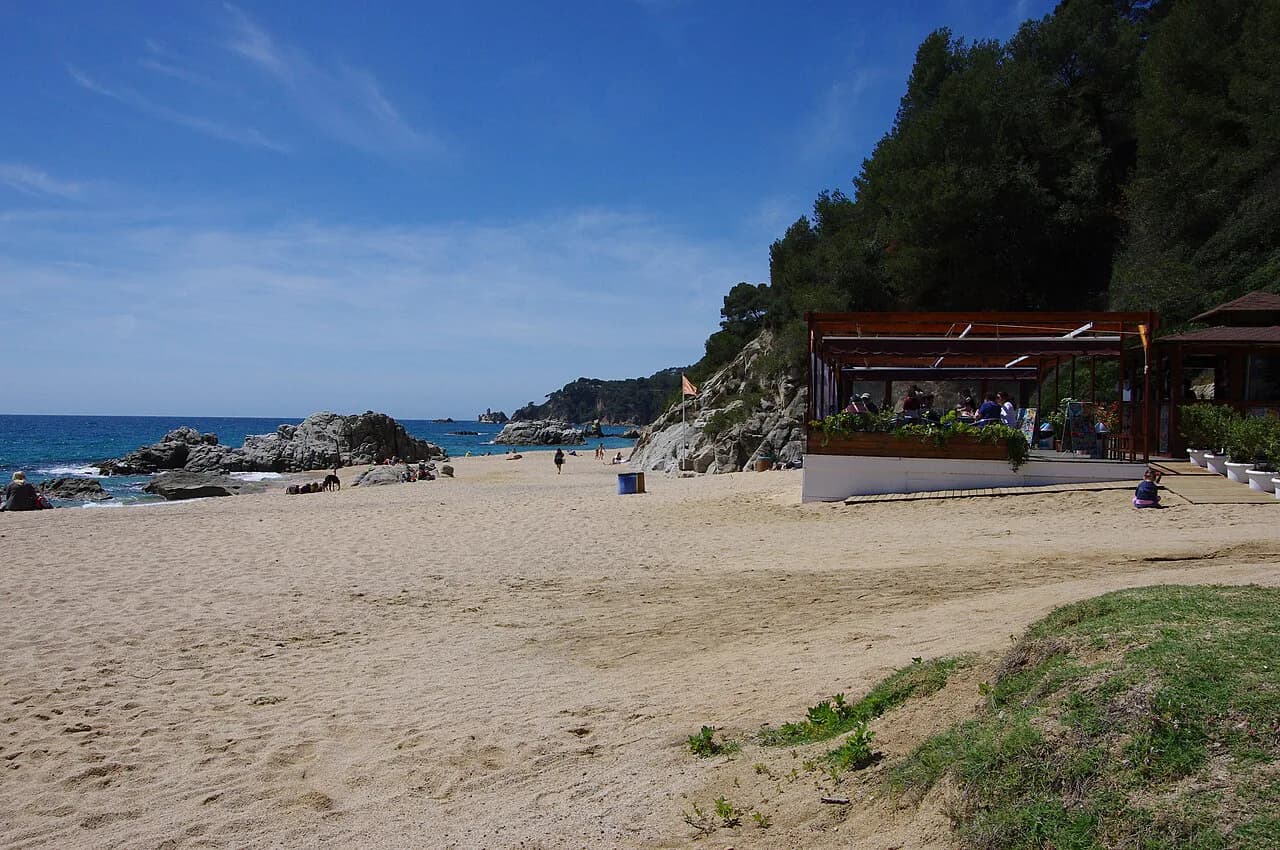
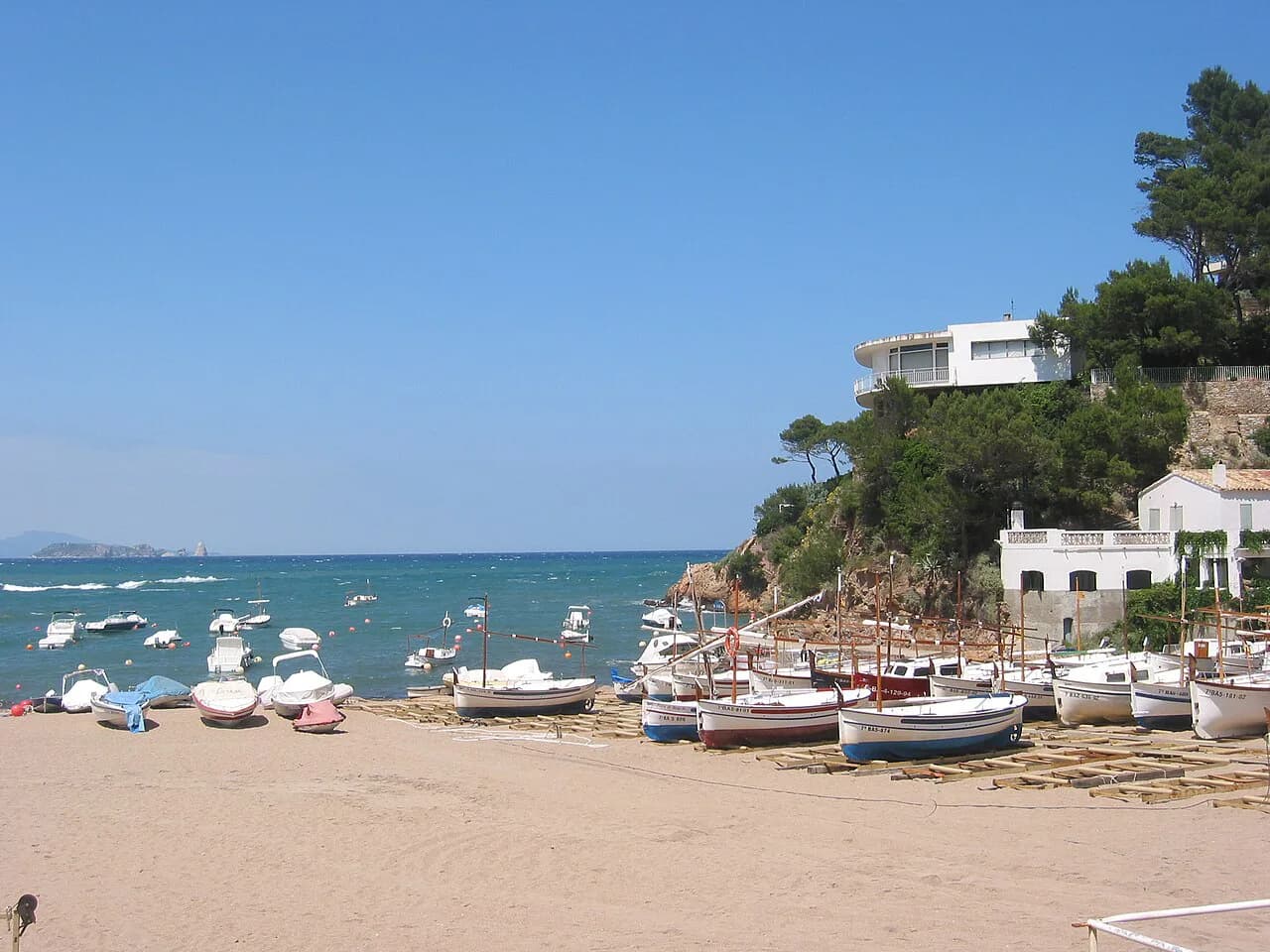
Cala Sa Boadella is a golden-sand cove between Fenals and Santa Cristina in Lloret de Mar, with coarse sand and a sheltered setting on the Costa Brava.
On this page
Cala Sa Boadella is the kind of cove that rewards a short walk: a pocket of coarse golden sand wedged between Fenals beach and Santa Cristina beach in Lloret de Mar, on the Costa Brava. It suits travellers who want a smaller, calmer beach day within easy reach of a resort town, and families with small children who prefer a compact beach they can cross in a couple of minutes. If you are building a beach itinerary along this coast, it makes a natural stop between the busier Lloret beaches and the coves further north.
Where Cala Sa Boadella is
The cove sits on the Lloret de Mar coastline, tucked between Fenals beach to the south and Santa Cristina beach to the north. That position is the key to planning a visit: you can walk in from either neighbouring beach rather than driving to a dedicated car park. Lloret de Mar itself is the nearest town, with its bus station and seafront promenade a short taxi ride or a longer walk away.
Because the cove is flanked by two larger, better-serviced beaches, it works well as part of a beach-hopping day rather than a standalone destination. Walk north from Fenals, settle on the sand at Sa Boadella for a swim and a lazy lunch, then continue to Santa Cristina for a change of scene. This is the trade-off that defines the cove: less space and fewer facilities than its neighbours, but a more intimate setting.
Getting there
The most practical way to reach Cala Sa Boadella in summer is on foot from either Fenals or Santa Cristina. From Fenals, follow the coastal path north past the headland; from Santa Cristina, walk south along the shore path. Both approaches involve steps and uneven ground in places, so wear proper shoes rather than flip-flops for the walk in.
If you are driving, parking near the cove is limited and fills quickly in July and August. The nearest reliable option is to park in Lloret de Mar or at Fenals and walk in, which also avoids the narrow access road. There is no published bus service directly to the cove, so check the local bus network or ask at the Lloret de Mar tourist office for the closest stop.
The sand and the water
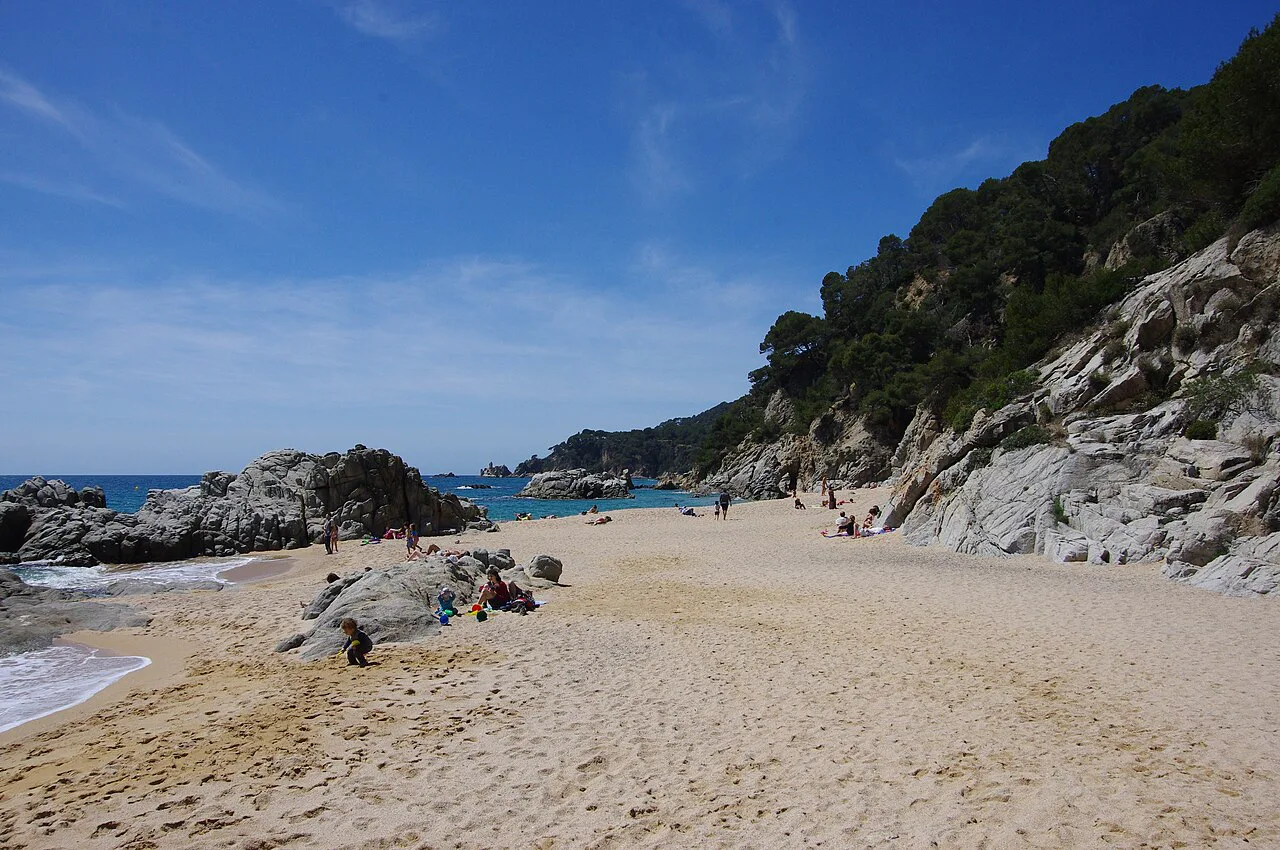
Cala Sa Boadella is a coarse golden-sand beach of roughly 250 metres in length, according to the beach's Wikipedia entry. The coarser sand drains quickly, so it is less sticky than fine sand and easier to brush off. The beach shelves gently at the water's edge before deepening, which makes the first few metres comfortable for paddling children, though the gradient steepens further out.
The cove faces east, so it catches the morning sun and holds shade on the southern side through the afternoon. It is exposed to onshore winds from the east and north-east, which can bring choppier water and blowing sand; on those days the northern end, tucked below the headland, is usually more sheltered. Bring a windbreak or a light cover-up if the forecast is breezy.
Facilities
The cove has a handful of beach bars and restaurants set back from the sand, which makes it possible to spend a full day without carrying a picnic. Sunbeds and parasols are available for hire in season, though the exact prices are set locally and change year to year, so ask at the bar or check on arrival rather than budgeting from old figures. Swim within your comfort and watch the flags.
Toilets and showers are basic compared with the larger Lloret beaches. Bring your own water, cash for the bars and a beach mat if you prefer not to hire a sunbed. The cove is small enough that you can keep an eye on children from most spots on the sand, but the entry to the water is unpatrolled outside any flagged zone.
Swim season and crowds
The sea is comfortably warm from late June through September, with August the busiest month on this stretch of coast. July and August bring the biggest crowds to Lloret de Mar, and Cala Sa Boadella fills up by mid-morning on hot weekends; arrive before 10am or come in the late afternoon for a quieter swim. June and September offer warm water with fewer people, and the cove is often near-empty in May and October, when the bars may keep shorter hours.
Nearby beaches to combine
Fenals beach, immediately south, is a long, wide sweep of sand with a full range of facilities, making it the obvious choice for a family day with more space and services. Santa Cristina, to the north, is a smaller, prettier cove with a chapel on the headland and a more secluded feel. Both are within walking distance of Sa Boadella, so you can compare them in a single afternoon and decide which suits your group.
Further afield, the Costa Brava's larger resort beaches such as Platja Gran de Tossa de Mar offer a different scale of beach day, with a Blue Flag, a promenade and an old town backdrop. If you want to explore more of the region's coves, the Girona beaches guide covers the coast from Blanes to the French border, including the rocky inlets around Begur and Palamós. South of here, the Tarragona beaches offer another take on the same resort-versus-cove decision if you are extending your trip down the Catalan coast.
For a change of scenery, Calella de Palafrugell is a worth a day trip, with its cluster of small coves and seafood restaurants. If you prefer a wilder walk-in cove, Cala Estreta near Palamós is reached on foot from Platja de Castell and rewards the effort with a double half-moon shape and clear water. Lifeguard cover there runs on weekends in July and August only.
Accessibility on the Costa Brava
The Costa Brava Girona Tourist Board publishes an annual list of adapted beach services across the coast, covering 53 beaches in 20 municipalities from Portbou to Blanes. The list includes details of walkways, accessible toilets and parking, amphibious beach chairs, handrails in the water and assisted bathing. Services vary by beach and some must be booked in advance through the local council or municipal tourist office, so check the list before you travel if you need adapted access.
What to Expect on the Costa Brava if You're Visiting with a Dog
For travellers planning a Girona trip around a four-legged companion, the coast presents a mixed picture rather than a blanket welcome. The Costa Brava Girona Tourist Board's own summer listing of adapted beach services — 53 accessible beaches across 20 municipalities and coastal locations from Portbou to Blanes, along more than 200 kilometres of coastline — is organised around accessibility features such as walkways, amphibious chairs and assisted bathing, and does not establish a general right of access for dogs. Beach rules and the services available vary between municipalities, so the practical picture is that dog access is decided locally, stretch by stretch, rather than by a single Costa Brava-wide policy. The tourist board's own accompanying image caption for Sant Antoni de Calonge suggests dogs do appear on some local sands, but the published material does not set out which beaches admit them, in which season, or under what conditions.
The character of individual coves matters when you are choosing where to walk with a dog. Cala Estreta, in Palamós, has no road access: you leave your car in the car park at Castell beach and walk to the cove, a route the beach listing describes as a pleasant walk, and the beach classifies its access as "By boat and on foot". It lies 8 kilometres from the town, is 35 metres long and 10 metres wide, with a shallow seabed in the Castell-Cap Roig natural interest area, and it is classified for couples, nudists and hikers, with a lifeguard service on weekends of July and August only. The approach is therefore a hike rather than a stroll from a car park, which shapes what a day there involves for anyone bringing a dog. By contrast, Platja Gran de Tossa de Mar is an urban beach 1 kilometre from the town, 345 metres long and 85 metres wide, reached by car, on foot or by boat, with a promenade along its length and a bus station a 10-minute walk away — a setting where nearby parking in summer is no easy task. Aiguablava, the most southern beach of Begur, is roughly 40 by 80 metres, has a car park right next to it that requires payment in summer, and is reached by car, bus, on foot and by boat. Each of these access profiles — a walk from a car park, a town-centre promenade, a paid car park beside the sand — is what you will be working with when you arrive with a dog on a lead.
Timing changes the experience of these walks. The Costa Brava's adapted services are typically installed earlier each summer and kept active longer, often until mid-September, while Cala Estreta's lifeguard cover runs on weekends of July and August only. The season in which a stretch of coast is busy, staffed and serviced is therefore a distinct consideration from whether it is open to dogs, and the two are covered by different sets of information. Away from the sand, the tourist board publishes pet-friendly routes on the Costa Brava and the Girona Pyrenees, listed as a blog topic alongside its beach and heritage content; those walking routes are the most direct published material for a dog-owning visitor to the area, and they sit outside the beach listings rather than within them.
Accessibility provision on the coast is extensive but oriented to bathers with reduced mobility: 45 locations with walkways, 40 with accessible toilets, 39 with accessible parking, 31 with lifelines, 30 with amphibious beach chairs, 25 with assisted bathing services, 23 with handrails in the water and 21 with ramps, plus adapted showers, foot-wash stations, changing rooms and shaded areas depending on the beach. Since some services must be booked in advance or depend on lifeguard and rescue service timetables, information is best taken from local councils or municipal tourist offices, and the same local channels are where rules specific to a beach sit.
Plan Your Visit
Cala Sa Boadella rewards travellers who treat it as a walk-in cove rather than a drive-up beach. Come early in summer, bring cash for the bars and a windbreak for breezy days, and pair it with Fenals or Santa Cristina for a full day on the Lloret coastline. For the wider picture, the Girona beaches guide and the Calella de Palafrugell Beach Guide will help you string together a week of coves along this stretch of the Costa Brava.
Frequently Asked Questions
Can you swim at Cala Sa Boadella?
Yes, the cove is a popular swimming spot with a gently shelving entry that deepens further out. There are no published lifeguard hours for the cove, so swim within your comfort and watch for any flags or local notices on the day.
Is Cala Sa Boadella good for families?
It suits families with small children because the beach is compact and the water is shallow near the edge. The walk in from Fenals or Santa Cristina involves steps, so a carrier is easier than a pushchair. Facilities are basic, so bring water and snacks.
How do you get to Cala Sa Boadella without a car?
Walk in from Fenals beach to the south or Santa Cristina beach to the north along the coastal paths. There is no published direct bus to the cove, so ask at the Lloret de Mar tourist office for the nearest stop on the local network.
When is the best time to visit Cala Sa Boadella?
June and September offer warm sea temperatures with fewer crowds than July and August. In high summer, arrive before mid-morning or come in the late afternoon to avoid the busiest hours.
Are there nudist beaches on the Costa Brava?
Some Costa Brava coves have long-established naturist use, and the region's tourist board lists beaches by character. Cala Sa Boadella is described as a family-friendly cove; if you want a designated naturist beach, check the Costa Brava Girona Tourist Board listings for the relevant municipality before you go.
Sources
Beach notes for your next trip
Optional updates when we add or revise beach guides.
You might also like
Continue reading
More guides you'll find useful