Cala Montjoi Girona Guide: Which Costa Brava Beach to Pick
Cala Montjoi is a wide, boat-sheltered cove in the Cap de Creus natural park, reached by a winding coast road from Roses. What to expect from this busy beach.
On this page
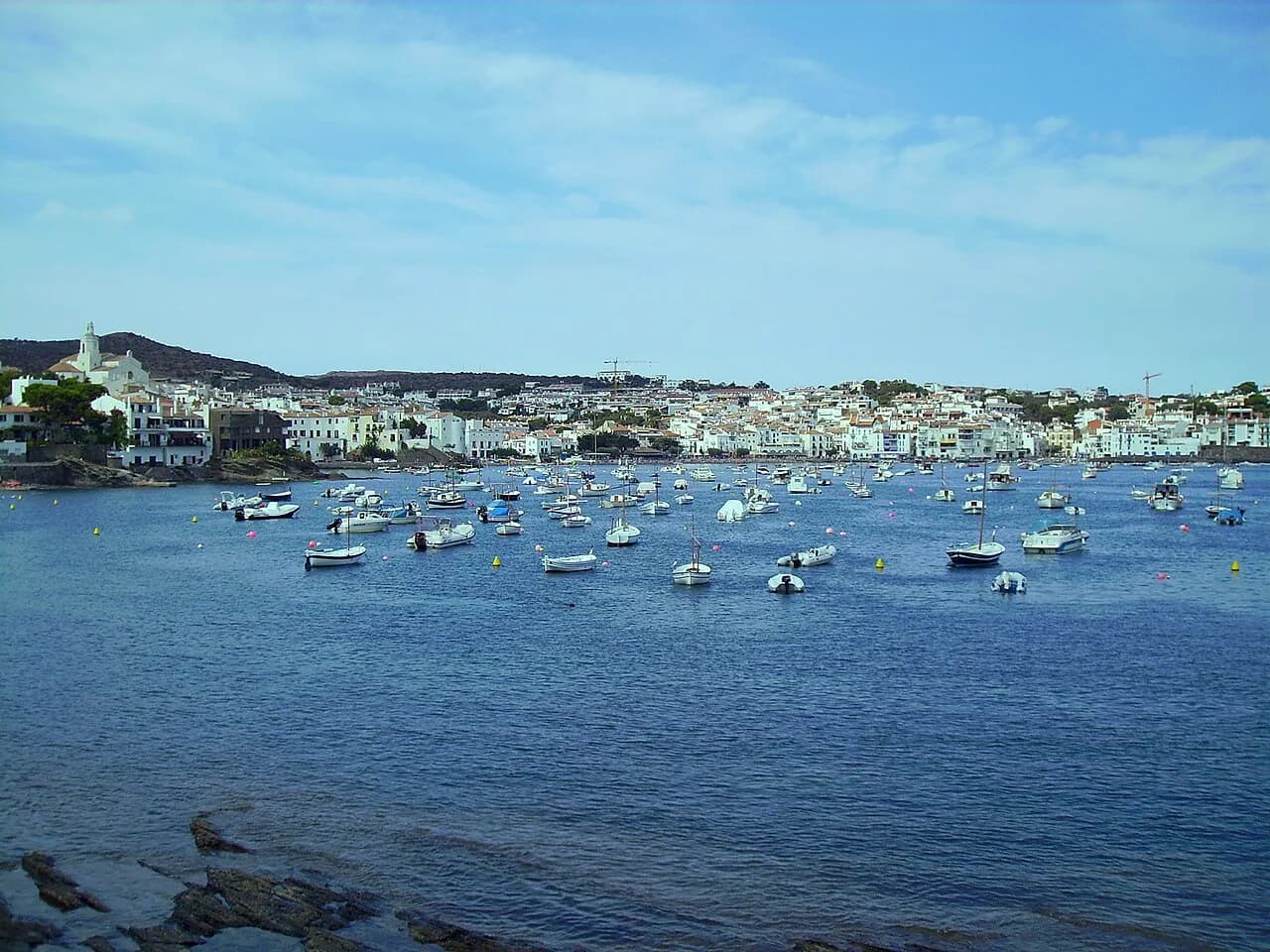
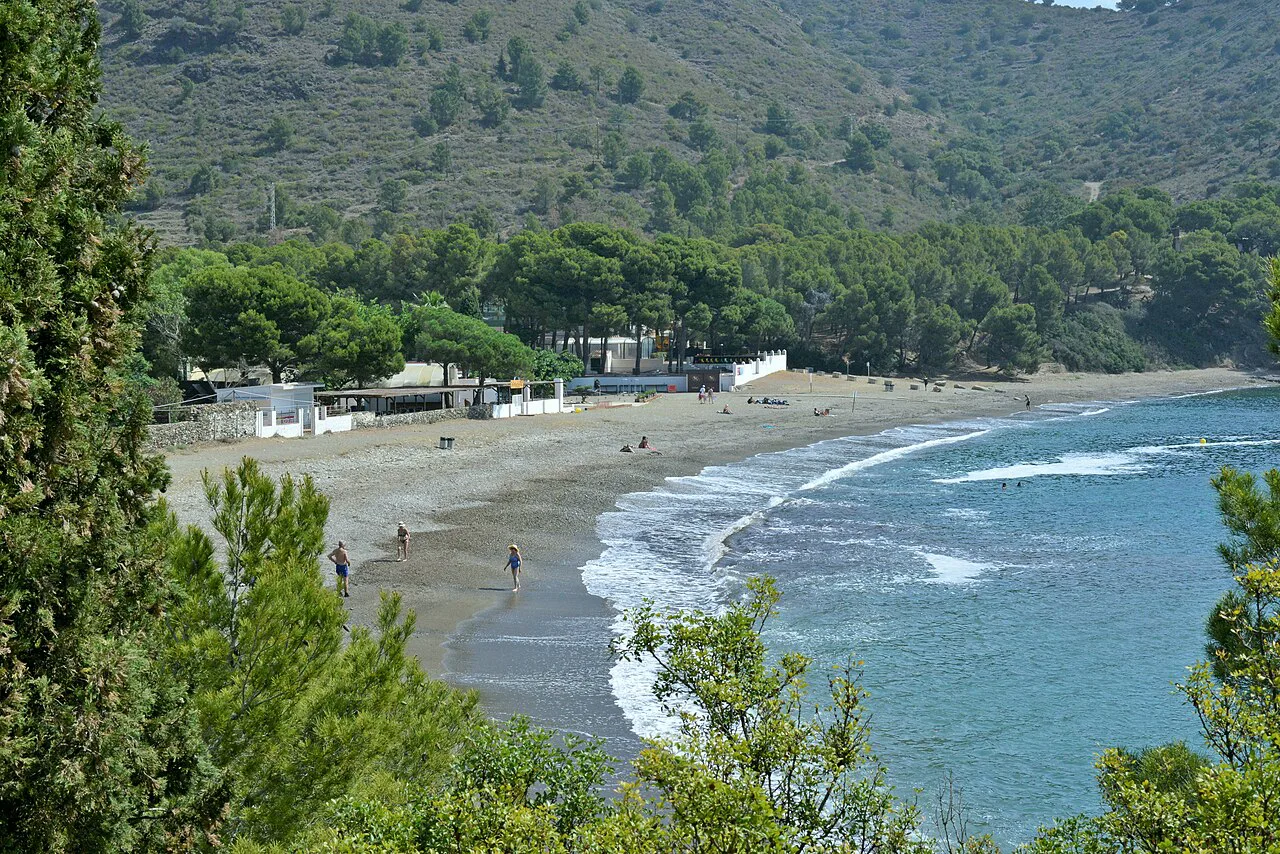
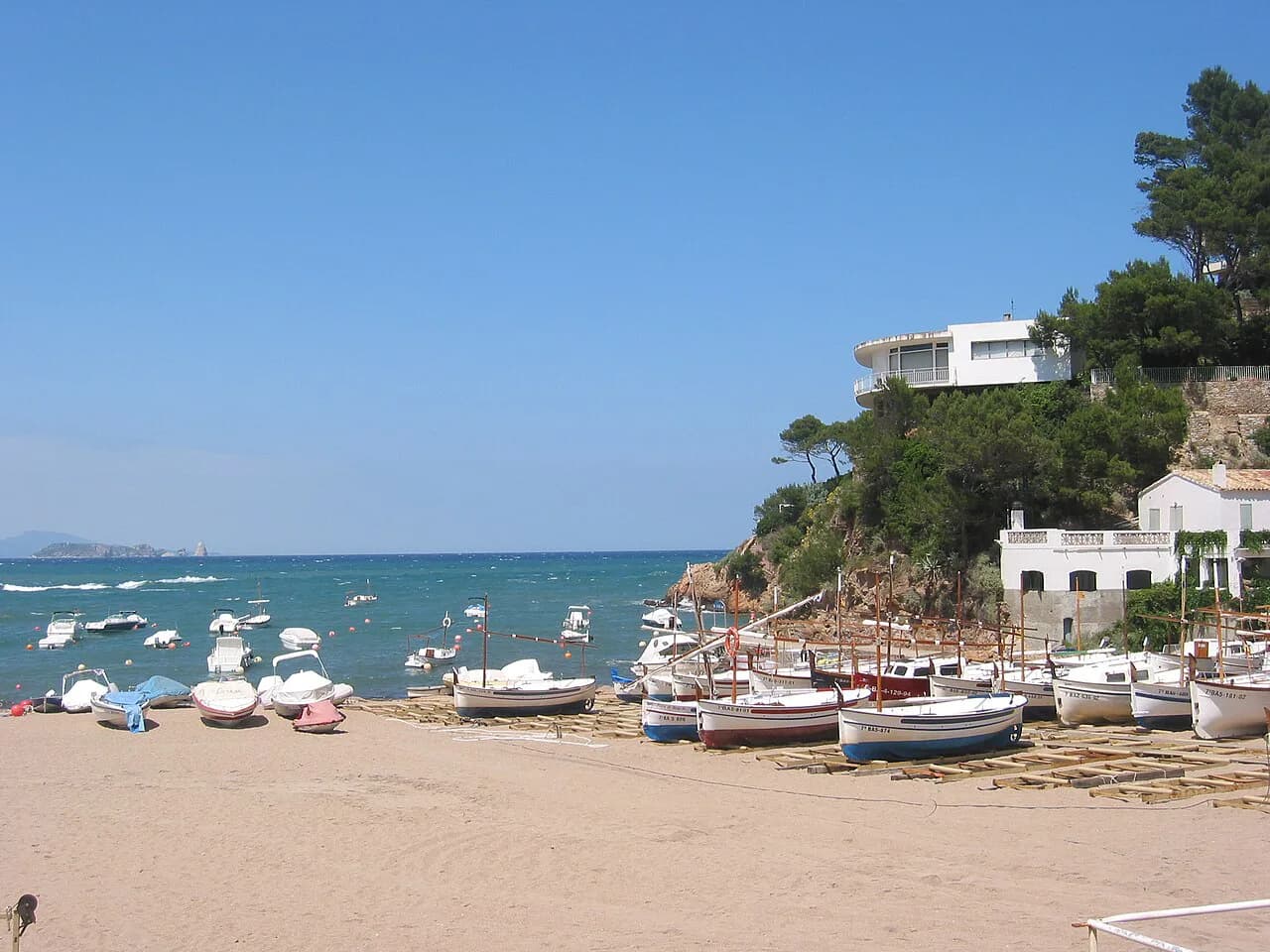
Cala Montjoi appeals to travellers who want a natural-park cove rather than a resort beach, with a wide sweep of shoreline and water sheltered enough for boats to anchor. It works well for swimmers, families with older children and snorkellers, and less well for anyone hoping for an empty, undiscovered bay.
Where the cove sits
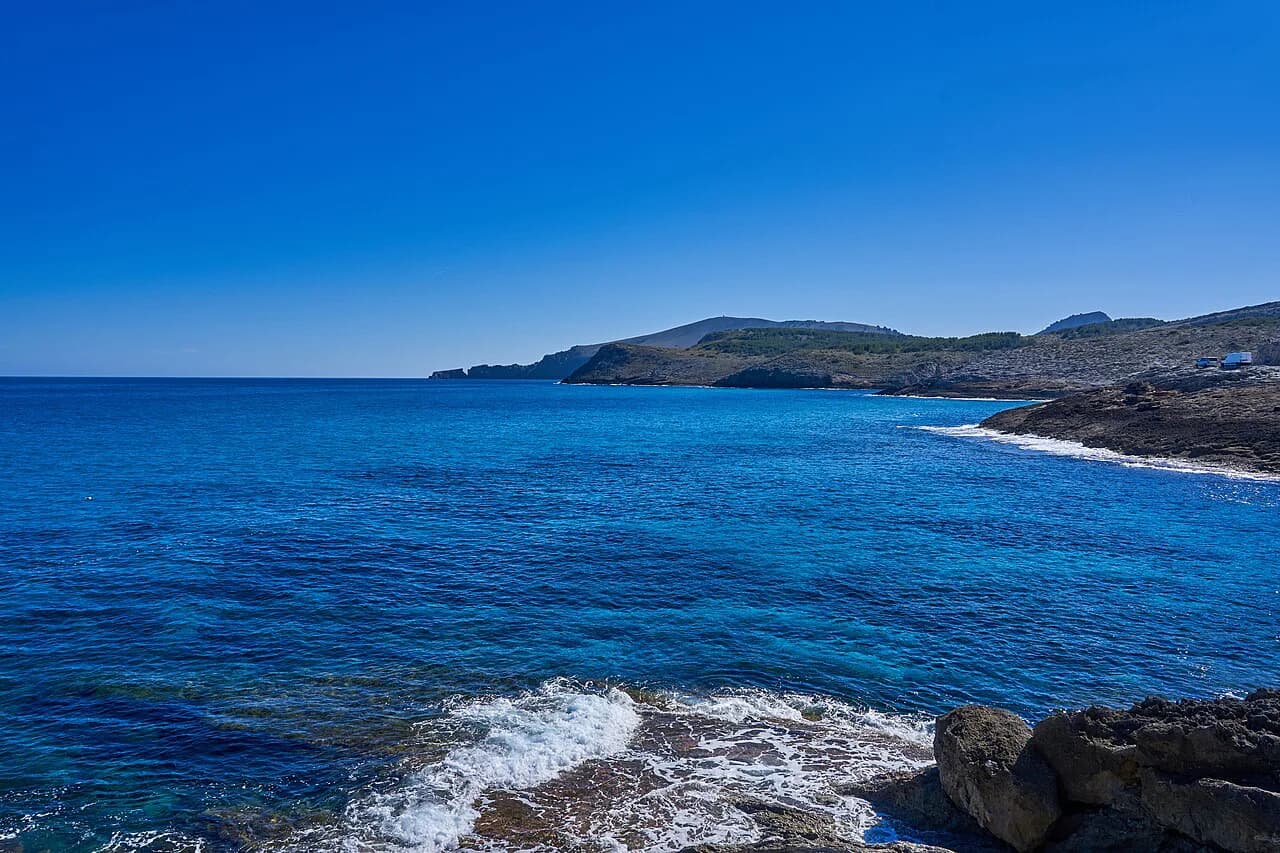
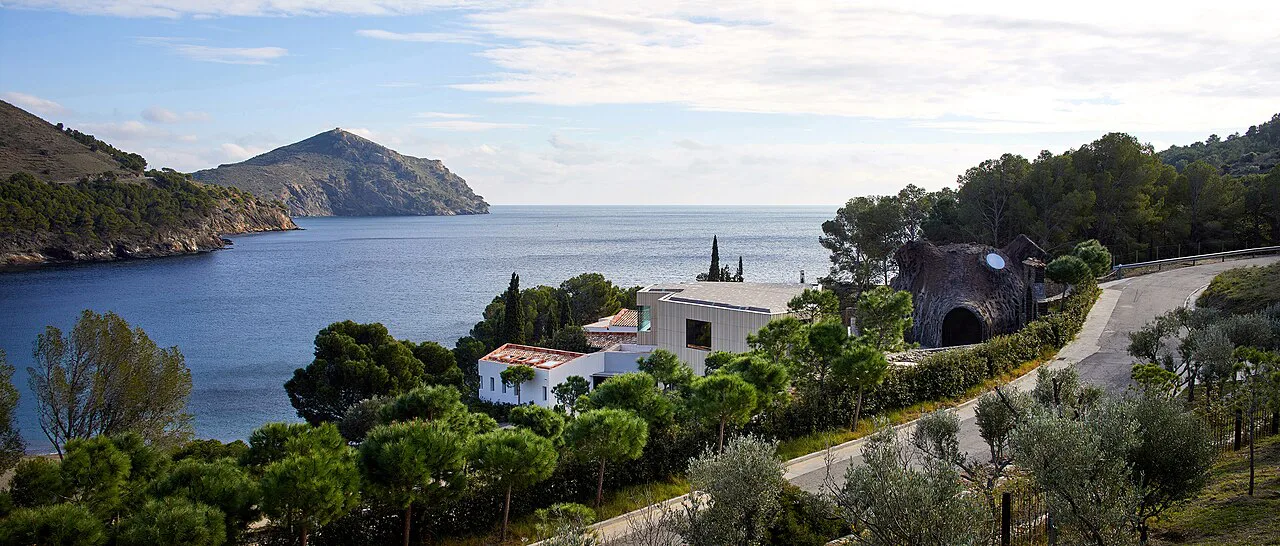
The cove lies inside the Cap de Creus natural park, on the coast north of Roses. It sits off the same coastal road that leads onward through the park, so a visit fits naturally into a day of exploring this stretch of the Costa Brava.
Published distances from Roses differ: one source places Cala Montjoi 7 kilometres from the town, while the municipal tourism page gives 12 kilometres. Treat the shorter figure as the direct road distance and the longer one as the full coastal-road approach, and allow extra time for the drive rather than relying on either number alone.
Getting there
The approach from Roses follows a winding, narrow road, which is the defining planning constraint for a drive to Cala Montjoi. Expect a slower journey than the distance suggests, and set off early in peak season if you want to arrive before the cove fills.
No bus line, timetable or parking fee for the cove is listed on the municipal tourism page or the Roses booking site, so plan to drive and ask the Roses tourist office about current access arrangements before you set out. The same page describes Cala Montjoi as a wide and busy cove, which is worth weighing against the effort of the drive in July and August.
Arriving by boat
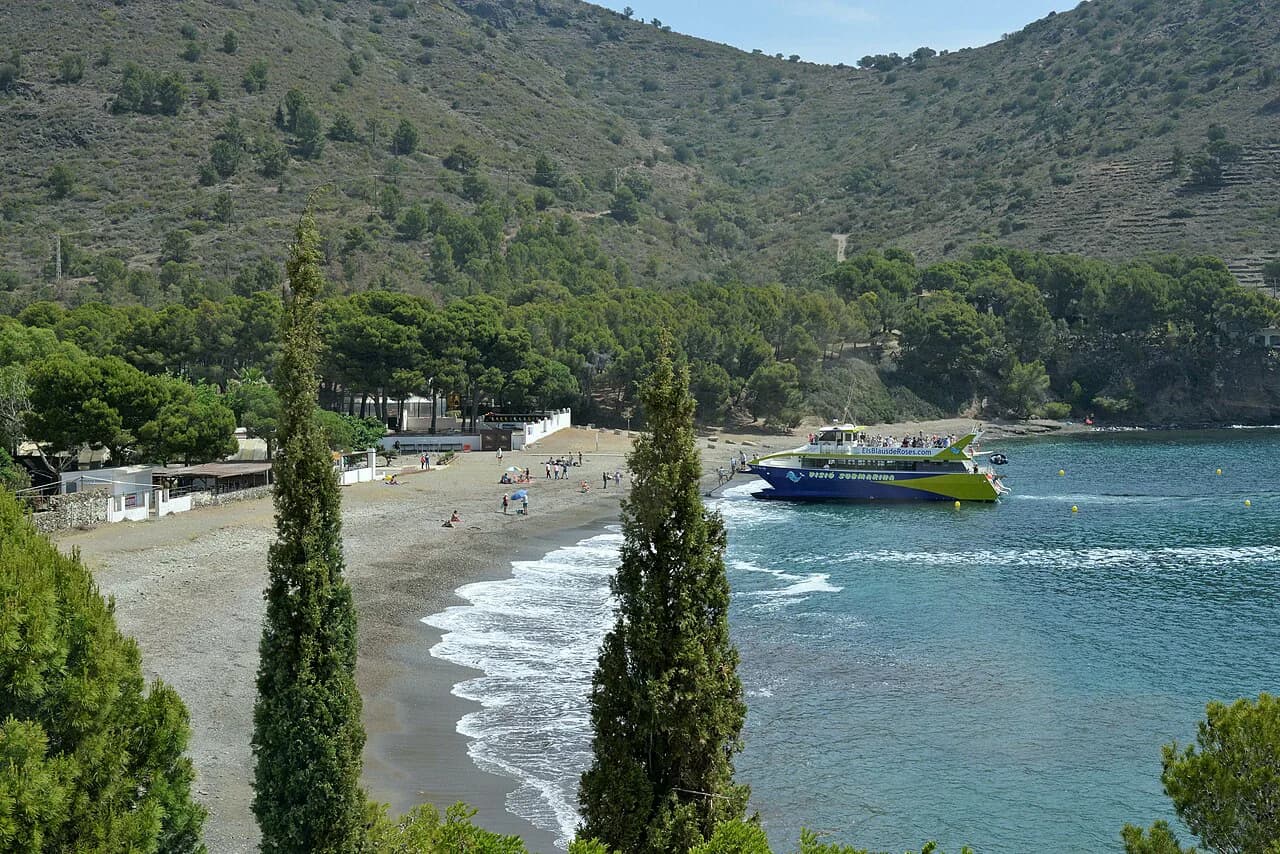
The cove is described as an ideal shelter for boats, which shapes the beach day: expect anchored craft and small tenders in the water, particularly in settled summer weather. Swimmers share the cove with them, so stay inside the area used by bathers and keep clear of anchored boats and their lines.
The sand and the water
Cala Montjoi is a wide cove rather than a narrow slot between headlands, so there is room to spread out along the shoreline even when it is busy. The same shelter that makes it a good anchorage also means the water tends to be calmer than on exposed stretches of the Cap de Creus coast, though the sea state changes with the weather.
The cove is also noted as a scuba diving spot, which tells you there is rocky interest underwater. Bring a mask and snorkel and explore the edges of the cove where rock meets sand, rather than the busy central strip where boats come and go.
How busy it gets
Cala Montjoi is a popular cove, and the combination of a natural-park setting and a relatively short drive from Roses draws a steady flow of visitors in summer. The municipal page calls it wide and busy, so plan for company rather than solitude and treat the edges of the cove as your best chance of space.
The Roses booking site notes that the cove sits in a quiet area away from the town centre, and that it lies in the heart of the Cap de Creus natural park. That isolation is the trade-off: you get a natural setting, but you also get a concentration of day-trippers in the same small cove, so arrive early if you want a quieter morning.
Facilities
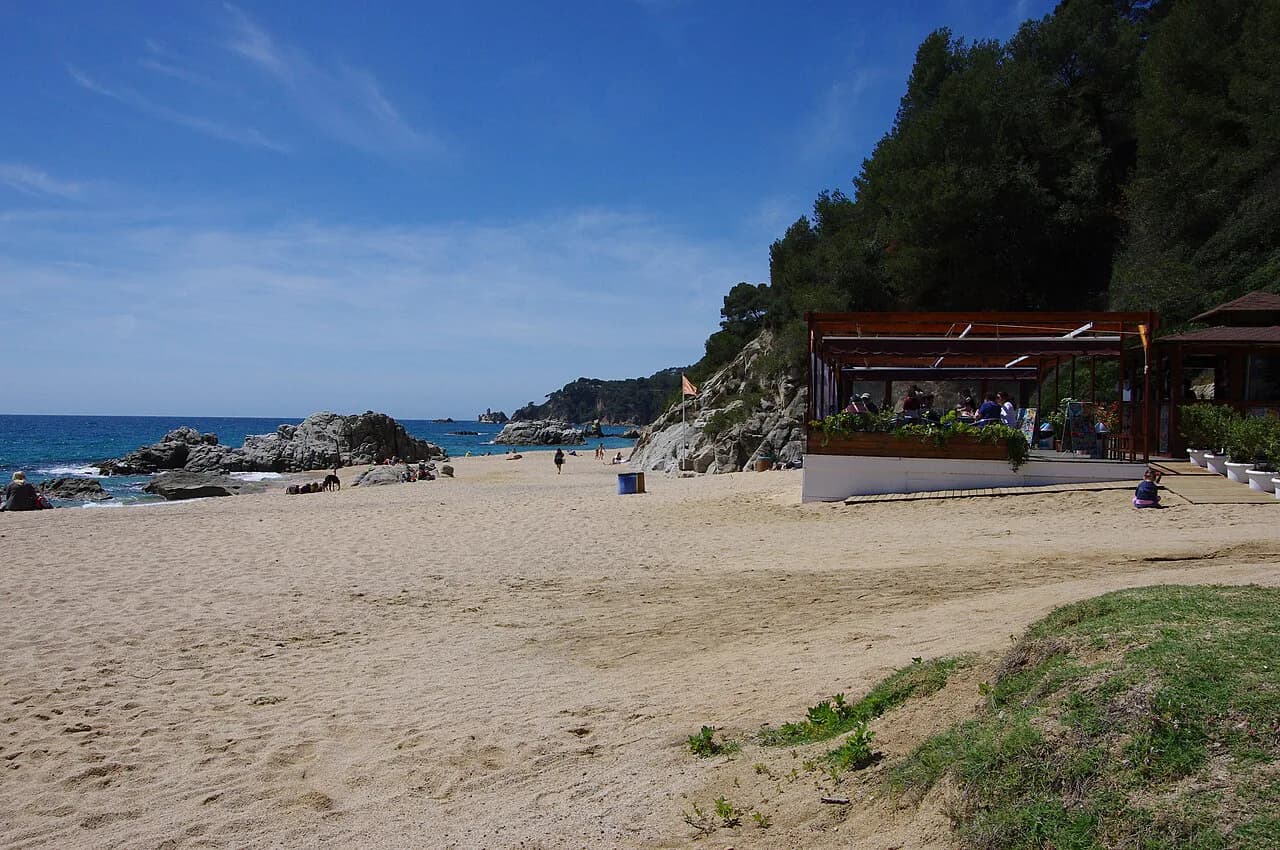
The sources describe Cala Montjoi as a natural-park cove with a resort complex near the beach, but they do not list sunbeds, lifeguards, toilets, showers or Blue Flag status for the beach itself. Plan a self-sufficient day: bring water, shade, food and footwear for the rocky edges, and check with the Roses tourist office if you need to know about a specific facility.
Best time to go
Summer is the busy season, with Spanish and French families taking their holidays in late July and August. June and September give you fewer people on the road and a better chance of parking, so they are the best compromise for a cove this popular.
No opening dates, closures or booking systems for Cala Montjoi are listed on the municipal tourism page, so there is no numbered-entry scheme to plan around. Wind direction matters more than any calendar: the cove is sheltered for boats, but the Cap de Creus is exposed to the tramuntana, so pick a day when the forecast is settled.
Nearby beaches
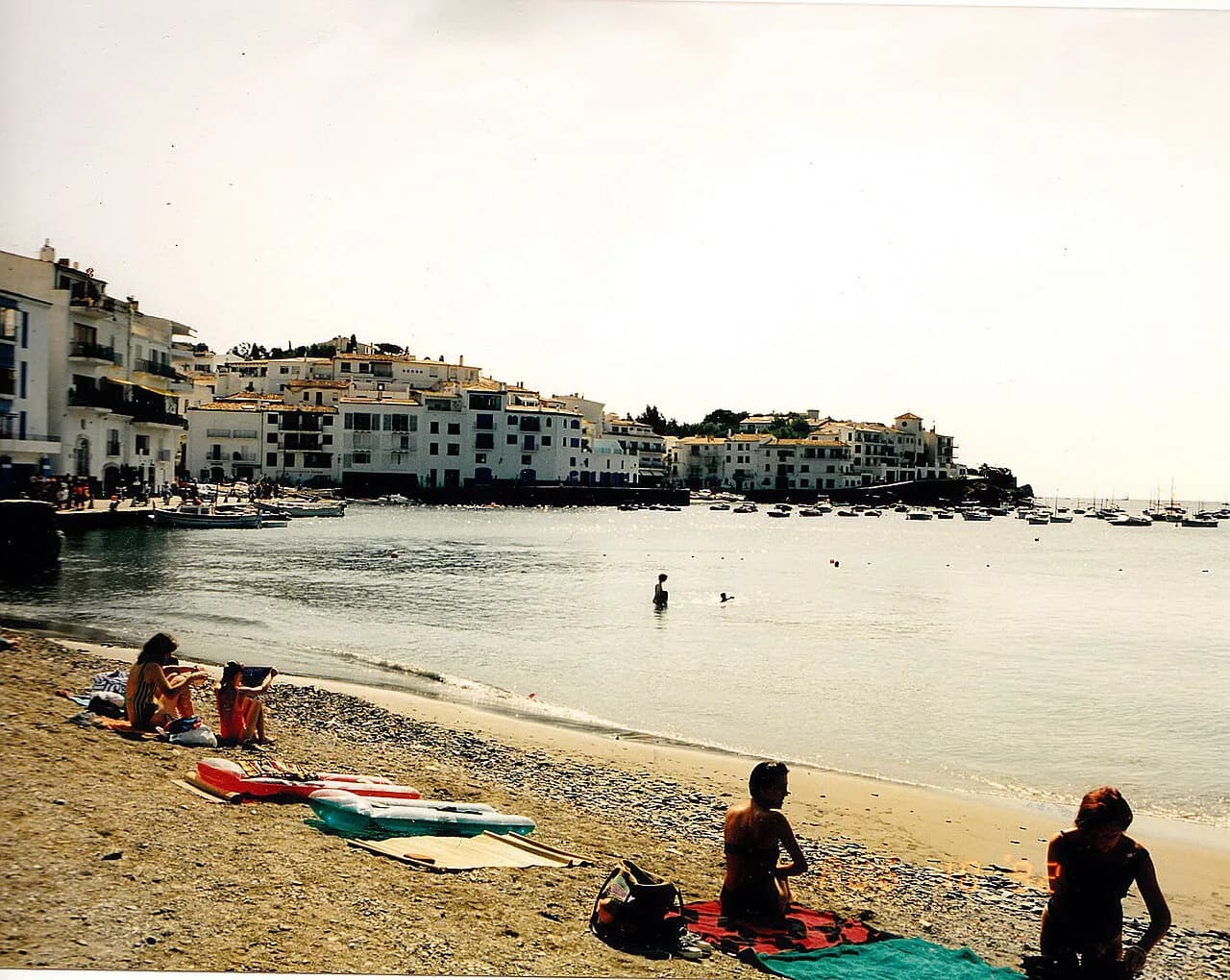
The coast road that leads to Cala Montjoi continues through the Cap de Creus natural park, so you can combine the cove with other rocky inlets on the same drive. Further south, Calella de Palafrugell offers a contrast in style, with a village setting and several small beaches rather than a single natural-park cove. If you are weighing a town-based beach day instead, the beaches in Sitges make a useful comparison.
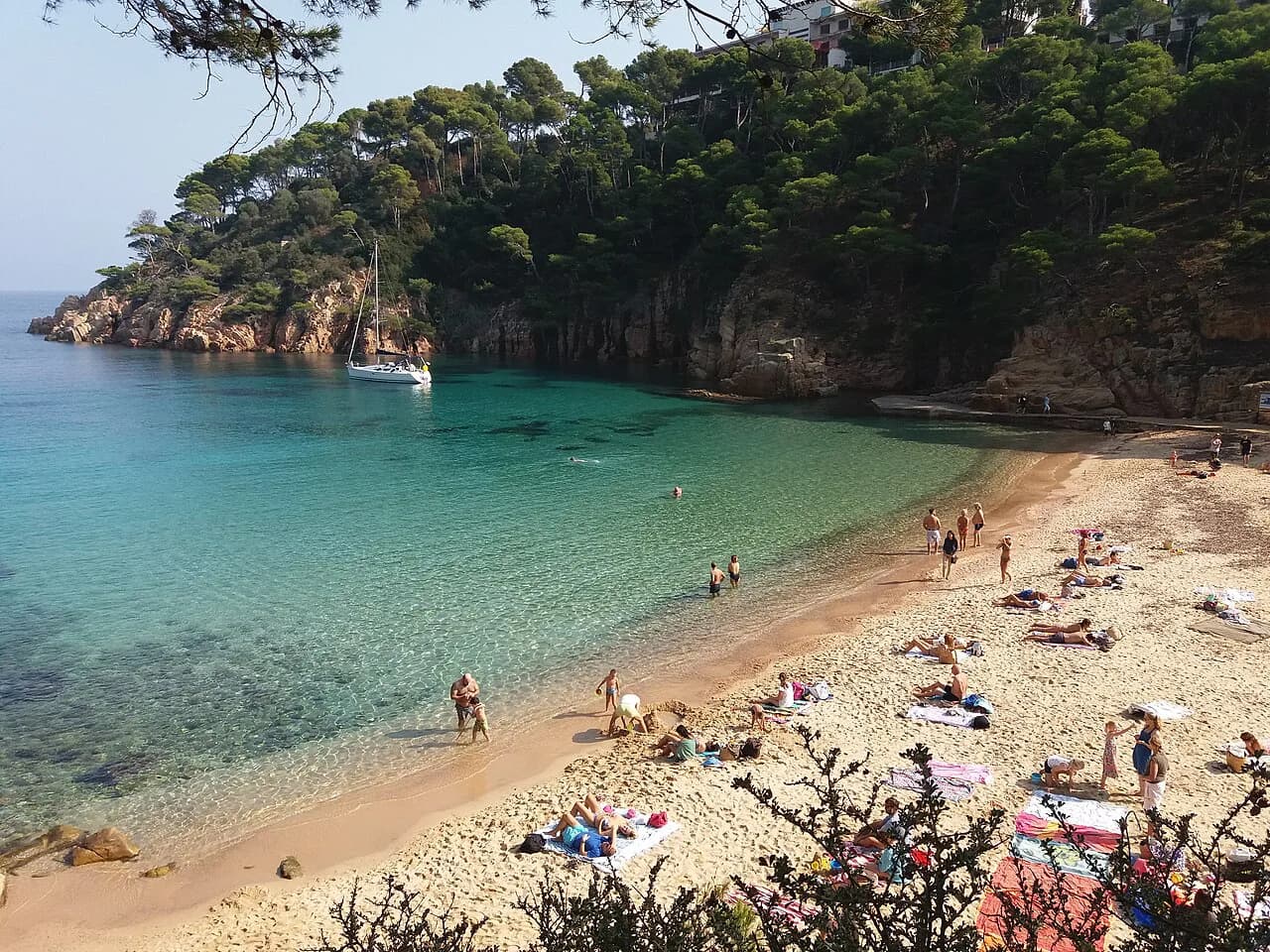
For a different day out, Aiguablava Beach is known for its shallow, clear water and family-friendly curve, and Sa Tuna Beach offers a small pebble cove with a village backdrop. Both make a sensible pairing with Cala Montjoi if you are touring the Costa Brava by car and want variety across the week.
Practical planning
Shade is limited on a natural-park cove, so bring an umbrella or a beach tent and arrive early enough to claim a spot near the back of the beach. Wear sandals or water shoes for the rocky edges and the walk from wherever you park, and carry more water than you would for a resort beach with bars on the sand.
The tramuntana can make the Cap de Creus feel cool even on a sunny day, so pack a light layer and check the wind forecast before you commit to the drive. If the wind is strong, save Cala Montjoi for another day and choose a more sheltered beach on the Girona coast instead.
Plan Your Visit
Cala Montjoi suits travellers who want a wide, boat-sheltered cove inside the Cap de Creus natural park and are willing to tackle a winding coast road from Roses to get there. Go early, bring your own shade and water, and treat the cove as one stop on a day of exploring the park rather than a full-facility beach resort.
Frequently Asked Questions
How do you get to Cala Montjoi from Roses?
Drive north from Roses on the winding, narrow coast road into the Cap de Creus natural park. No bus line or timetable for the cove is listed on the municipal tourism page, so ask the Roses tourist office about current access before you travel.
Is Cala Montjoi good for swimming?
The cove is described as a sheltered anchorage, so the water is often calmer than on exposed stretches of the Cap de Creus coast. Swimmers share the water with anchored boats, so stay inside the bathers' area and keep clear of moored craft.
How far is Cala Montjoi from Roses?
Published figures give both 7 kilometres and 12 kilometres from Roses. The shorter figure is the direct road distance and the longer one the full coastal-road approach, so allow extra time for the drive rather than relying on either number alone.
What is Cala Montjoi like in August?
August is the busiest month, and the cove is described as wide and busy in summer. Arrive early in the morning if you want space, and expect the coast road and the beach to fill as the day goes on.
Which beaches near Cala Montjoi are worth combining with a visit?
The coast road through the Cap de Creus natural park links Cala Montjoi with other rocky inlets. Further south, Calella de Palafrugell, Aiguablava Beach and Sa Tuna Beach offer different styles of Costa Brava beach for the same trip.
Sources
Beach notes for your next trip
Optional updates when we add or revise beach guides.
You might also like
Continue reading
More guides you'll find useful