Olbia Beaches: Coves and Bays on Sardinia's North-East Coast
Plan a beach day from Olbia: sandy city bays at Pittulongu, the coves at Golfo Aranci, boat trips to Tavolara and the short path to Cala Girgolu.
On this page
Olbia earns its place as a beach base because the coastline changes character within a few kilometres: sandy city bays at Pittulongu, granite coves tucked under Capo Figari, and the island of Tavolara offshore. That range suits families with small children as well as swimmers and walkers who want a cove at the end of a path. The trade-off is that the easiest beaches are also the busiest, while the quieter ones ask for a car, an early start or a boat.
Why Olbia works as a beach base
Olbia sits on the north-east coast between two very different beach zones. To the north, the Golfo Aranci coast runs toward Capo Figari with coves, granite headlands and the island of Figarolo in view; to the south, the sands stretch toward Porto San Paolo, Tavolara and San Teodoro. The city's own beaches at Pittulongu and Bados fill the gap in between, so you can swim within the town boundary and save the longer drives for a full day out.
If you are touring the island rather than staying put, treat Olbia as the start of a wider loop: the glamorous coves of the Costa Smeralda lie north of town, and the boat-only calas of the Baunei coast far to the south are a separate, much longer excursion. A browsable guide to Sardinia beaches helps you see how those areas compare before you commit days to them.
The beaches in Olbia itself
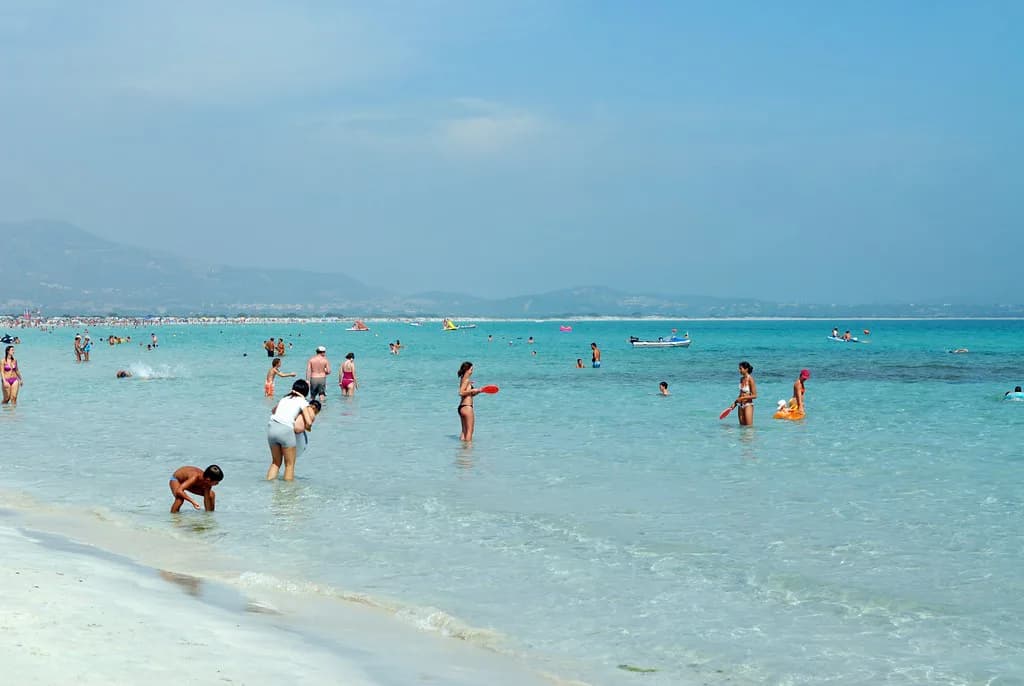
The town's own sands cluster around Pittulongu and the nearby Golfo Aranci road. Bados, Mare e Rocce, Pellicano and the two Pittulongu beaches, Lo Squalo and La Playa, are all sandy and all have bars, which makes them the low-effort option when you want to swim without a long drive. They are the beaches to choose if you are staying in Olbia without a car.
Pittulongu's pair of beaches are the most convenient of these, sitting on the coast just north of the city with bars along the sand. Bados, Mare e Rocce and Pellicano sit close by on the same stretch, so you can move between them on foot if one is crowded. Because they face the open gulf, they are the first to feel an onshore breeze; on a windy day, head for the sheltered side of a headland instead.
Golfo Aranci and Cala Moresca
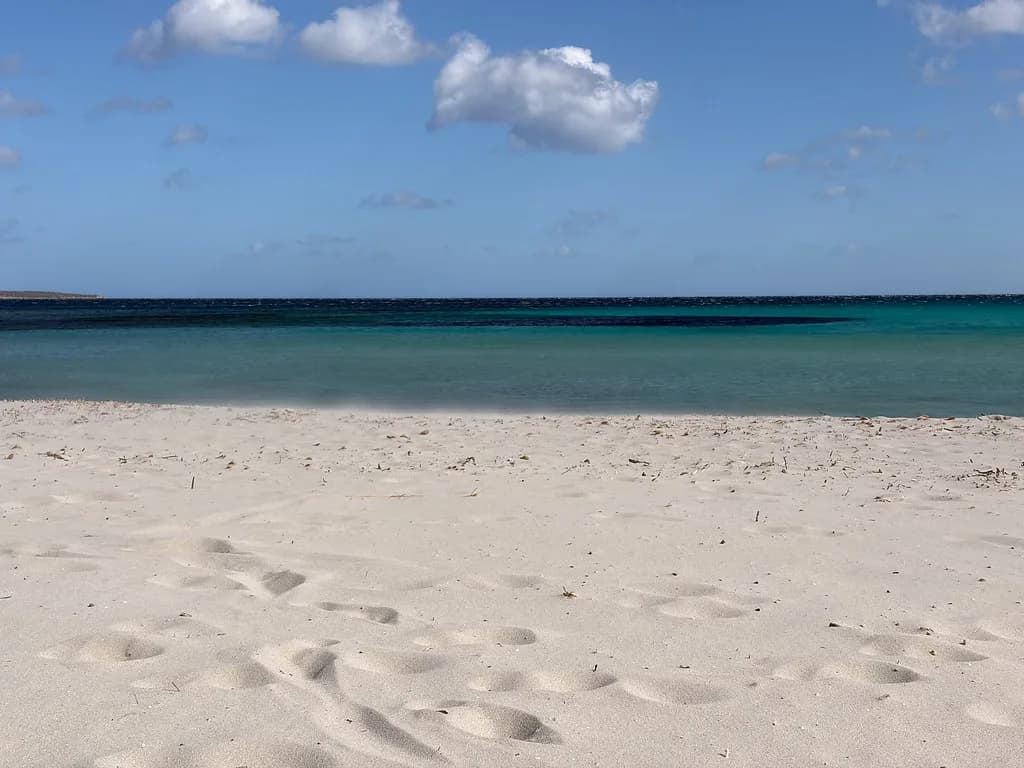
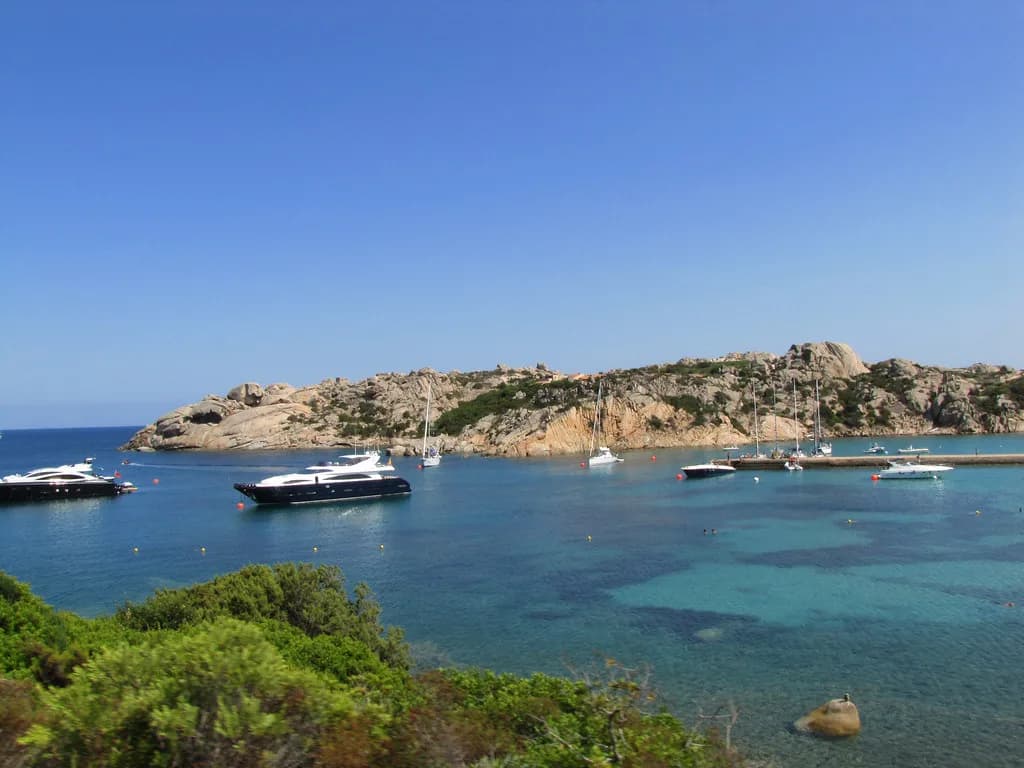
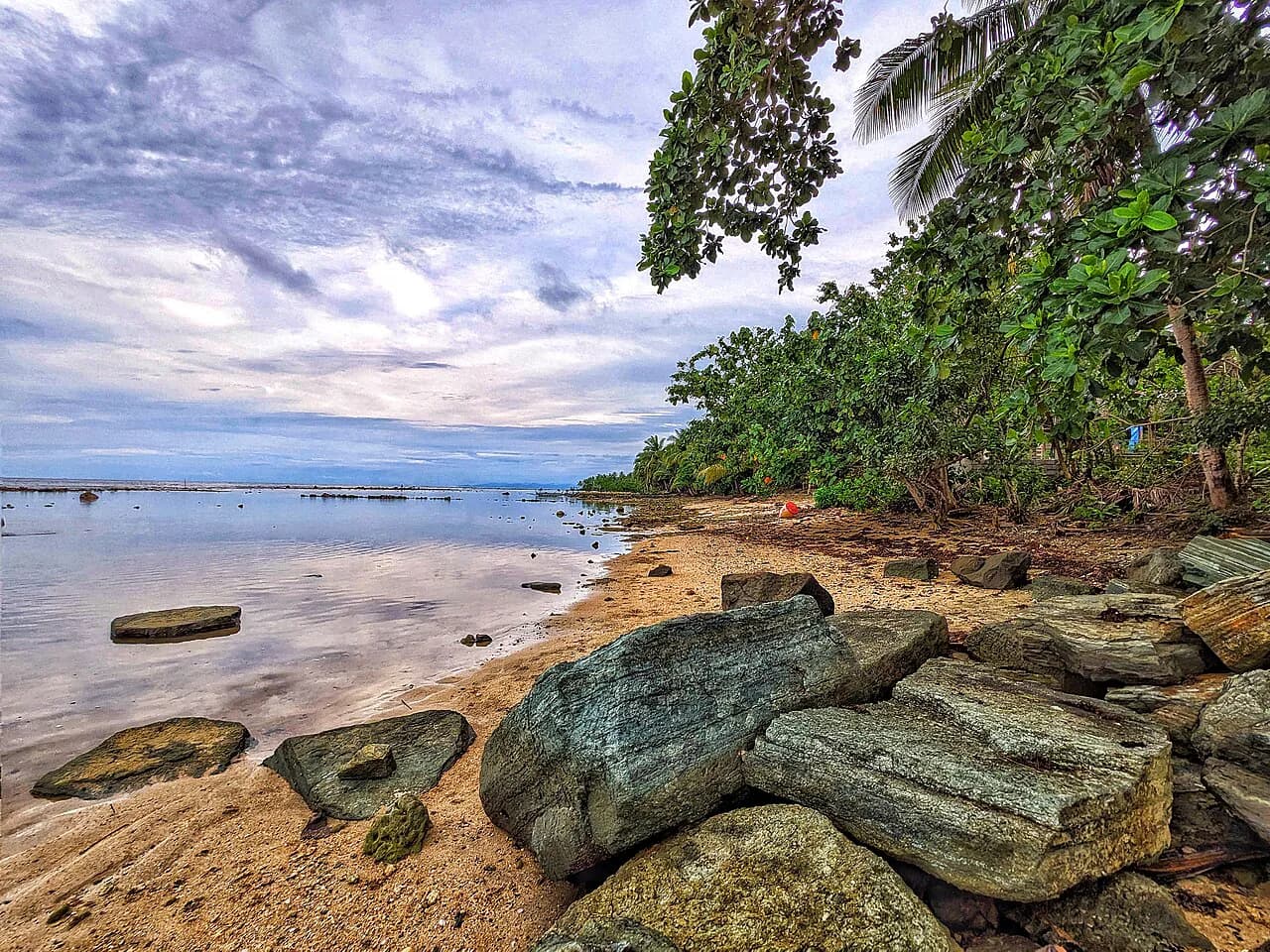
Cala Moresca, on the Golfo Aranci coast, is the textbook Olbia cove: a bay of sand alternating with emerging rock, with the island of Figarolo on the horizon. What keeps it feeling discreet is the access, since you park and walk a short distance rather than stepping straight onto the sand. That short filter thins the crowd without making the outing difficult, which is why it suits both couples and families willing to carry their kit a few hundred metres.
Further round the same coast, Cala Sabina is a mixed sand-and-pebble beach with the facilities of an equipped lido, while Cala Greca is a pebble cove tucked away near Golfo Aranci. The Golfo Aranci village itself strings together five beaches, which makes it a good half-day base: swim at one, walk the waterfront and pick a different cove for the afternoon.
The maestrale, the north-westerly wind that shapes this coast, decides which of these beaches works on any given day. The Golfo Aranci coves sit under Capo Figari and its scrub-covered slopes, so the headland breaks the wind on the days when the open Pittulongu sands are exposed. Check the wind direction in the morning and pick your coast accordingly rather than committing to one beach in advance.
Capo Figari and Figarolo
Capo Figari is worth treating as a half-day rather than a beach stop. The headland above Cala Moresca combines scrub, trails and viewpoints over the island of Figarolo, so you can walk in the cooler hours and swim at the cove below afterwards. Bring proper shoes for the paths and water for the climb, and treat the swim as the reward rather than the whole plan.
Porto San Paolo, Punta Molara and Tavolara
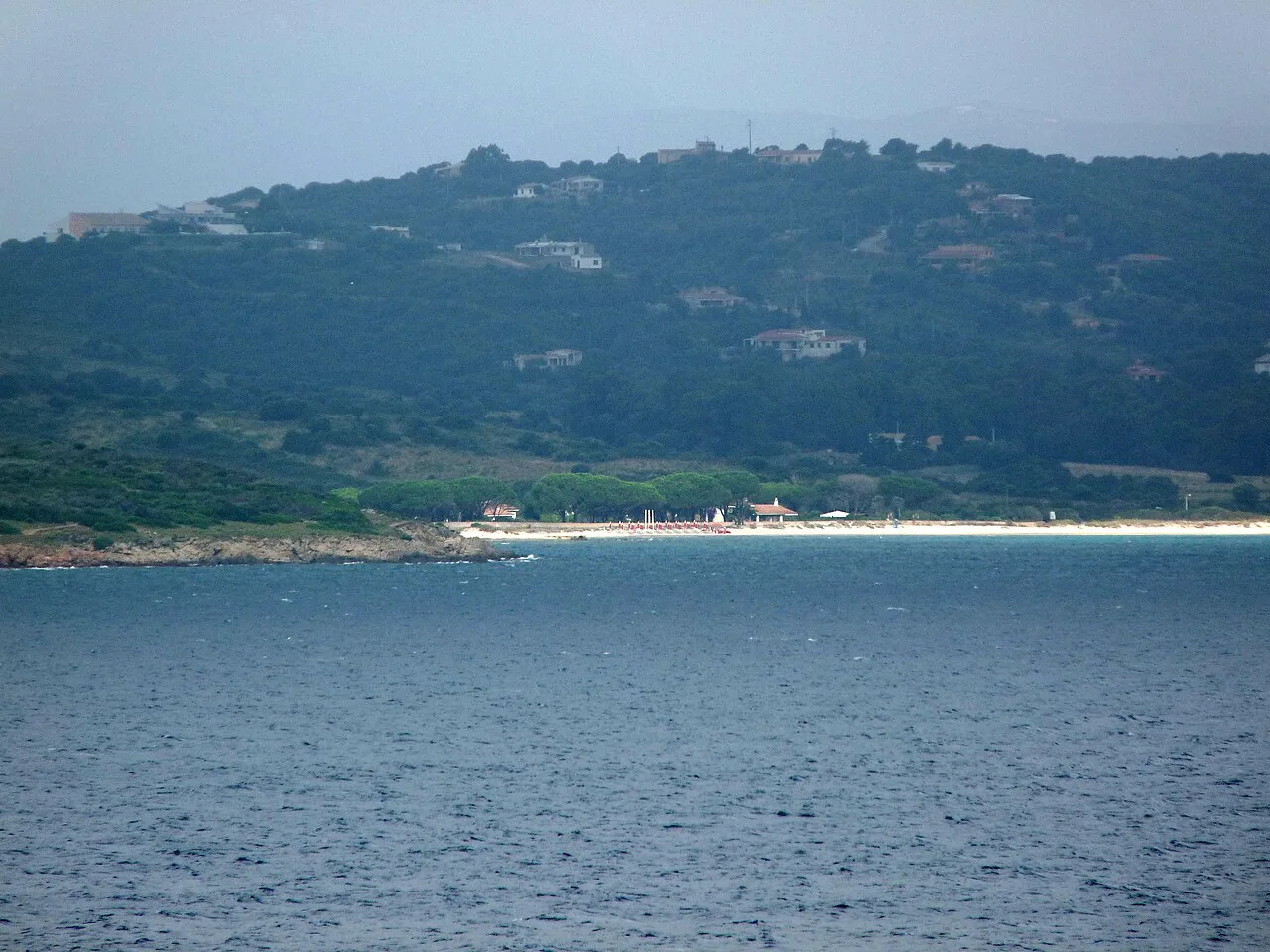
South of Olbia, the Porto San Paolo to Tavolara stretch delivers calm water and an archipelago feel without a long drive. Spiaggia del Dottore and the Saline area are the first approaches, easy to reach and good for a straightforward swim, while Punta Molara and its inlets reward anyone who arrives early or accepts a short walk over rocks and vegetation. These beaches work well for families because the water stays accessible to non-swimmers, and the services sit where they do not overwhelm the landscape.
The step up in isolation is a day trip to Tavolara itself, with Spalmatore di Terra on the island giving a sense of remove that is hard to find along the mainland in high season. It is a boat crossing, so the trip depends on the sea state, and it is best treated as the plan for a settled day rather than a fallback. Check current sailing times and crossing details with the ferry and excursion companies running the route from Porto San Paolo before you set out.
Cala Girgolu and Turtle Beach
Cala Girgolu, in San Teodoro territory south of Olbia, is best understood as a system of coves rather than a single beach. You arrive by car, park near the main beach, and reach the smaller inlets, including the famous Turtle Beach, along a short coastal path. Proper shoes help on that path, particularly in the middle of the day when the rock is hot.
For families, the sensible approach is to set up on the main beach and explore the side inlets as short, reversible outings without forcing a schedule. That slight natural selection, a car park set back and a walk in, is exactly what keeps Cala Girgolu quieter than the iconic destinations nearby. Clear water, granite rock and natural shelter are the reward for the extra few minutes on foot.
Getting around: car or bus
A car is the difference between seeing one beach and seeing three. The town beaches at Pittulongu are straightforward without one, but the Golfo Aranci coves, Punta Molara and Cala Girgolu all depend on parking set back from the sand, which is far easier with your own vehicle. Reserve a rental well ahead for June to August, when availability tightens.
Once off the main routes, Sardinian roads narrow and wind, particularly along the east coast, so allow more time than the distance suggests. Download an offline map before you leave in case mobile data drops out in the coves. If you are relying on buses, the tourist office in Olbia can point you to the current summer services; schedules change from season to season.
What to bring and when to go
June to August is the busiest window and the time to book cars, boats and any reserved beach entry in advance. Late spring and early autumn give you warm walking weather with thinner crowds, though the sea takes longer to warm at the edges of the season. Whatever month you pick, carry your own shade for the coves, since the small inlets at Cala Girgolu and Cala Moresca have limited natural cover.
Pack reef-safe sun cream, water and shoes that cope with rock, and bring cash or a card for lido chairs where a beach has them. A light windproof layer earns its place on the headlands, where the maestrale can turn a hot afternoon cool. For boat days to Tavolara, a dry bag keeps phones and towels usable on the crossing.
Nearby beaches to combine
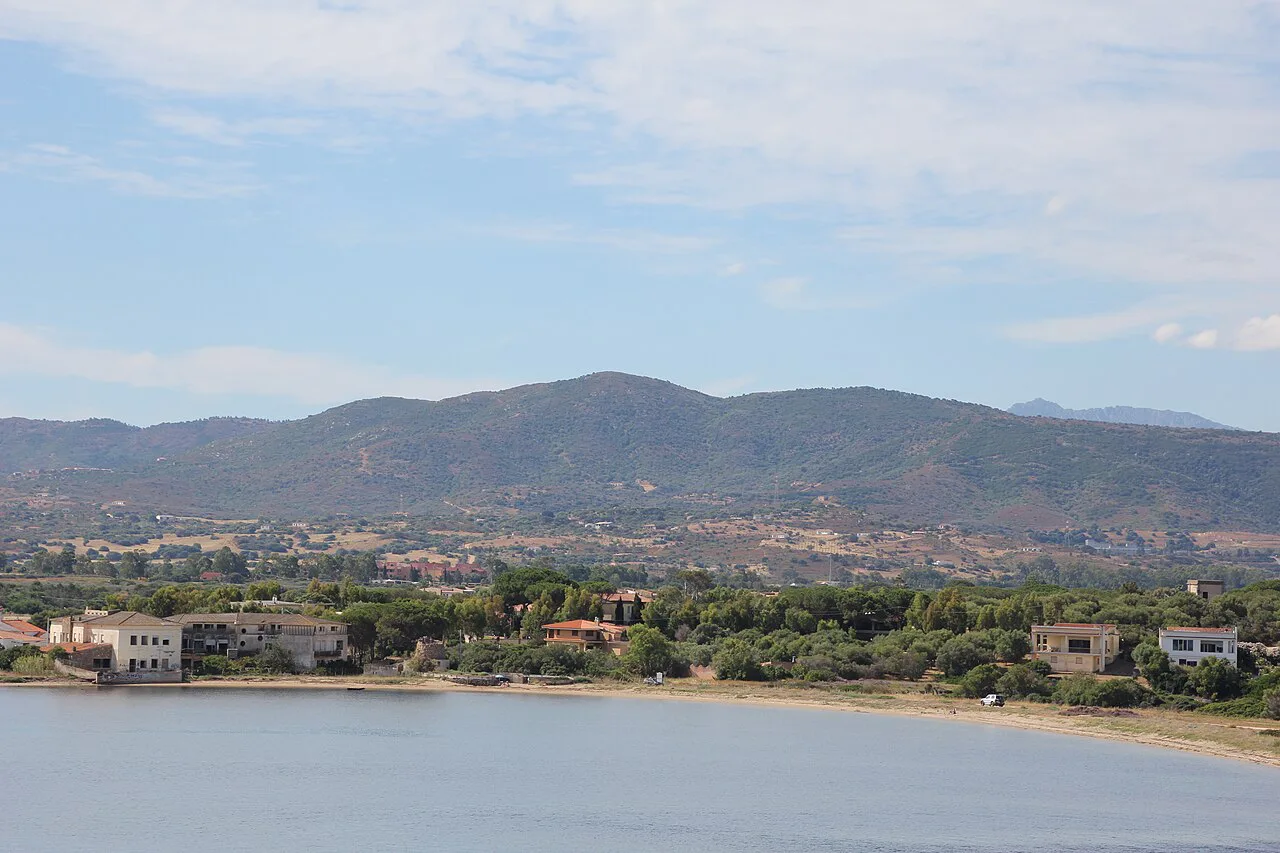
San Teodoro's sands make an obvious second day out from Olbia. Cala Brandinchi pairs bright sand with shallow, knee-deep water that suits inflatables and small children, and daily visitor numbers are capped at around 1,500 with reservations made through the San Teodoro booking system, so reserve ahead for high season. Parking, toilets and beach bars are on site.
La Cinta beach runs for 5 km just outside San Teodoro, with dunes and a lagoon on one side and shallow turquoise water on the other, wide enough that it rarely feels crowded. Mornings are calmer for swimming, while afternoons bring wind that draws kitesurfers and windsurfers. Bars, sunbed rental and water sports centres are spread along its length, and there is paid parking a short drive from the centre.
North of Olbia, the Maddalena Archipelago offers the boat-only version of a beach day, with coves reachable by tour or charter from Palau. If you would rather stay on the mainland, Spiaggia del Principe on the Costa Smeralda is a curved bay of white sand and clear water reached by a marked path from a car park, and the same headland-and-cove logic shapes the Alghero beaches if you later head west. Both make a fine contrast to the sandy city beaches.
Dog-friendly beaches around Olbia
If you are travelling with a dog, the beach listings for the coast around Olbia are worth reading with a specific filter in mind. Beachoo, which maps beaches by amenity, tags individual entries with a DogFriendly label, so you can sort the 175 beaches it returns for the Olbia area by that attribute rather than guessing from photographs. Among the named entries in its first pages are Lo Squalo at Pittulongu and La Playa at Pittulongu, both sandy and marked with a bar, Cala Banana and Cala Sassari di Golfo Aranci, Punta delle saline and Porto Casu, the latter described as wild and sandy with a park, and Porto vitello, listed as wild and pebbly.
The mix matters for a dog day out. A wild, sandy stretch like Porto Casu or a pebbly one like Porto vitello offers a different experience from the equipped, bar-backed beaches at Pittulongu and Golfo Aranci, where you will be sharing the sand with more people and likely more rules. Cala Moresca, on the Capo Figari promontory at Golfo Aranci, is reached by parking the car and walking a short distance, with strips of sand alternating with emerging rocks and the island of Figarolo on the horizon; the Capo Figari area itself adds scrub, trails and viewpoints for those who want to alternate sea and light trekking at a family pace.
South of Olbia, in the territory of San Teodoro, Cala Girgolu works as a system of coves rather than a single beach. You arrive by car and park near the main beach, and the smaller side inlets, such as Turtle Beach, are reachable via a short coastal path. The VOIhotels guide notes that this access requires proper shoes and attention during the central hours of the day, especially in summer, so it is a route to plan with paws and heat in mind rather than an improvised detour.
Plan Your Beach Day from Olbia
Pick your beach by the kind of day you want: Pittulongu for an easy swim from town, Cala Moresca or Cala Girgolu for a short walk to a quieter cove, Tavolara for a boat crossing and a sense of remove. Match the coast to the wind direction, take shoes for the paths and your own shade, and the geography around Olbia does the rest.
Explore more Olbia beaches
Frequently Asked Questions
Which beaches are closest to Olbia?
Pittulongu is the nearest sandy option, with Bados, Mare e Rocce, Pellicano and the two Pittulongu beaches of Lo Squalo and La Playa all on the same stretch just north of the city. All are sandy and have bars, so they work well for a short swim without a long drive.
Are there sandy beaches in Olbia itself?
Yes. The town's own beaches at Bados, Mare e Rocce, Pellicano and Pittulongu are sandy and lined with bars. They face the open gulf, so they pick up an onshore breeze earlier than the coves tucked under Capo Figari.
How do you get to Cala Moresca from Olbia?
Cala Moresca sits on the Golfo Aranci coast and is reached by car, with parking a short walk from the sand. That walk is what keeps the bay quieter than beaches where you step straight out of the car, so bring shoes you can carry kit in.
Is Tavolara worth a day trip from Olbia?
Tavolara gives a stronger sense of remove than the mainland beaches, particularly at Spalmatore di Terra. The crossing depends on the sea state, so keep it for a settled day and book with the operators running from Porto San Paolo.
Which Olbia beaches are best for families with young children?
Cala Brandinchi near San Teodoro has shallow, knee-deep water that suits inflatables and small children, though daily numbers are capped and reservations are needed in high season. Closer to town, the Pittulongu sands are easy to reach and have bars for a shorter outing.
Do you need a car to reach the beaches near Olbia?
Not for Pittulongu, which is straightforward without one. The Golfo Aranci coves, Punta Molara and Cala Girgolu all rely on parking set back from the sand, which is much easier with your own car, and rentals tighten in June to August.
Sources
Beach notes for your next trip
Optional updates when we add or revise beach guides.
You might also like
Continue reading
More guides you'll find useful