Lecce Beaches: Adriatic Coves and Ionian Sands Within Reach
Lecce beaches compared: rocky coves at Castro and Porto Badisco, sandy Baia dei Turchi near Otranto, and Ionian sands at Pescoluse and Punta Prosciutto.
On this page
Lecce gives you a rare choice: within a single day you can swim from limestone rocks into deep turquoise water on the Adriatic or wade into shallow golden sand on the Ionian. The two coasts behave completely differently, and the right pick depends on who is swimming and which way the wind is blowing. This guide splits Salento's beaches by coast and by how they are reached, so you can commit to one good day out rather than chasing five.
The Adriatic side, running south from Otranto towards Santa Maria di Leuca, is the rugged one: cliffs, coves, sea stacks and rocky platforms where you enter the water by ladder or a careful scramble. The Ionian side, around Pescoluse and Porto Cesareo, is where the long, soft, shallow beaches sit. Pick your coast first, then your beach. If you like the logic of choosing a coast before a beach, the same reasoning shapes our guide to Ancona beaches on the Conero Riviera.
Why Lecce Works as a Beach Base
Salento is the peninsula that forms the heel of Italy, wrapped by the Adriatic on the east and the Ionian on the west. Lecce sits inland at its centre, which makes it a practical base for both coasts rather than a beach town in its own right. Plan one coast per day: crossing the peninsula between swims eats the afternoon.
A local rule of thumb worth stealing: when the wind comes from the north or east, head to the Ionian for calmer seas; when it blows from the south or west, the Adriatic is likely to be the better choice. Treat it as a planning habit rather than a guarantee, and check the forecast the morning you go.
Salento beaches come in two forms. A spiaggia libera is a free public beach with no sunbeds or umbrellas, so you carry in everything you need. A lido or stabilimento balneare is a private club with sunbeds, umbrellas, food and drink, charged as a package. Choose by how much comfort you want to pay for, and reserve lidos ahead in peak summer if you want a front-row spot.
Getting to the Coast from Lecce
San Cataldo is the closest beach to Lecce, about 15 km from the city centre along the route of the original Roman road. The drive is short enough for an afternoon, and the small sandy beach on the lungomare has bars and restaurants on the far side of the road.
For the Adriatic coves and the Otranto stretch, a car is the realistic option: the beaches are strung along coastal roads with limited public transport between them. Parking is the recurring constraint. Popular coves have small designated car parks, often paid in summer, and the most sought-after spots fill early. Arrive before mid-morning in July and August if you want a space.
Where a beach sits behind a nature reserve or at the end of a long path, plan for a walk. Baia dei Turchi, for example, is roughly a ten-minute stroll from its paid summer car park through native pine forest, so bring only what you can carry.
San Cataldo: Lecce's Own Beach
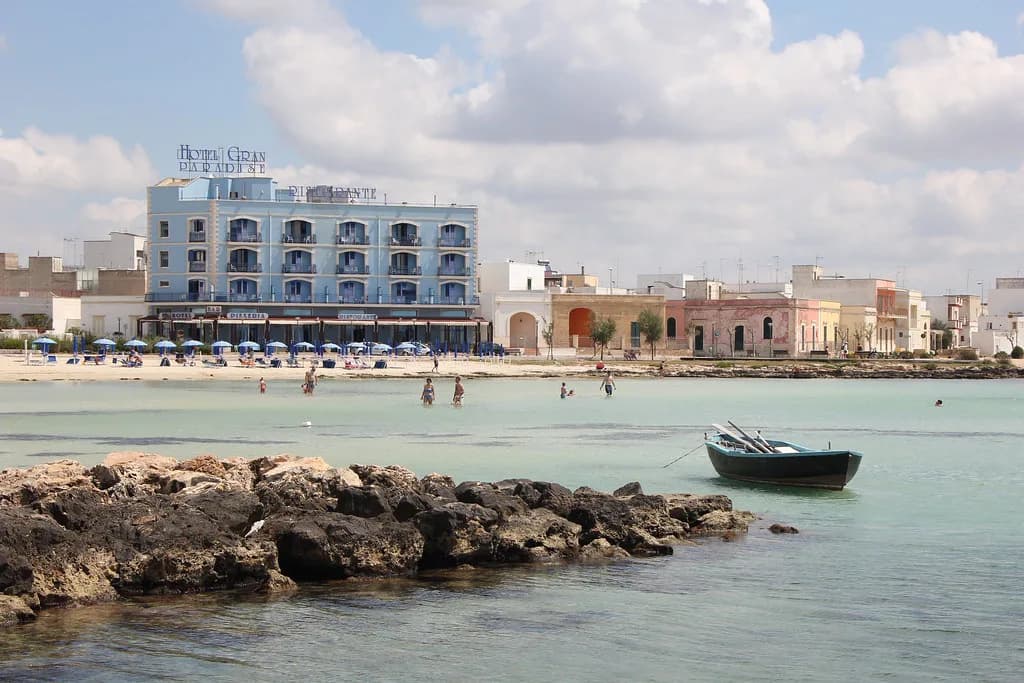
San Cataldo is a sleepy little town with a small sandy beach on the lungomare and water that stays shallow for some distance before you are out of your depth. That gentle gradient makes it the easiest option for families with small children who want a swim without a long drive.
The beach is reached directly from the seafront road, Lungomare S. Caboto, where you can park in view of the sand. Il Molo serves coffee and pastries in the morning, panini and rusticò at lunch, and an aperitivo later, with a customer toilet. A larger beach sits in the nature reserve immediately to the south-east, towards Roca Vecchia.
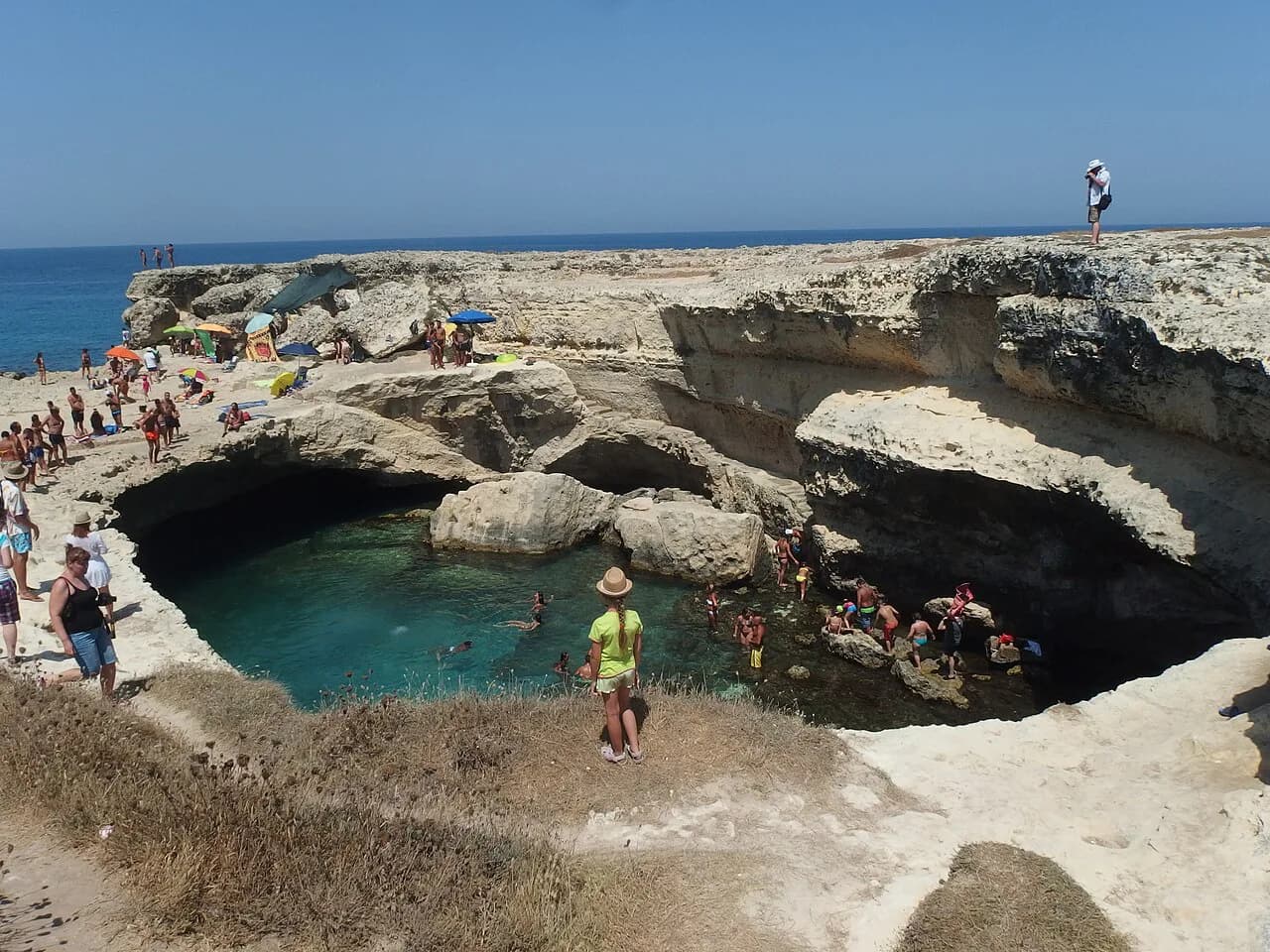
The town empties once the Italian summer holiday ends at the end of August, which makes early September a quieter window with the sea still warm. Avoid building a day around swimming at Grotta della Poesia nearby: swimming and sunbathing there have been officially banned since 2019, and entry to the archaeological site requires a ticket.
Porto Badisco and the Walk to Porto Russo
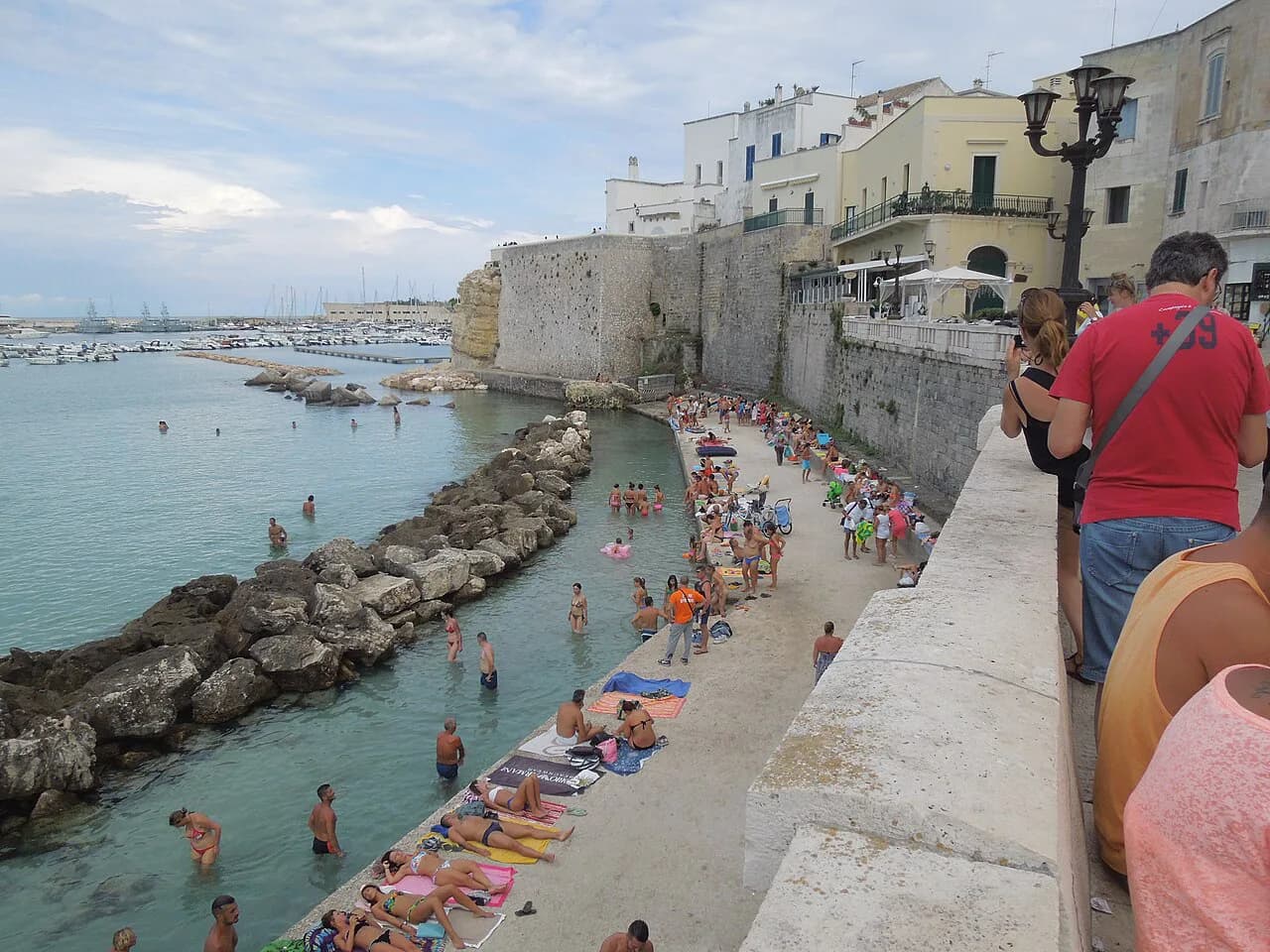
Porto Badisco lies just south of Otranto and works as a natural swimming cove rather than a sunbathing beach: you perch on rocks above clear water and dive in. The secondary cove off to the side is the sheltered spot, and it fills in peak summer. Parking is in a private lot at the entrance to town, paid in summer, with cafés and restaurants in the village a few steps down.
When the cove gets crowded, follow the hiking path around the headland to Porto Russo, a lesser-known swimming spot with far fewer people. Bring water shoes: the entry points are rocky and can be slippery. Bar da Carlo in the village is the established stop for a casual seafood lunch or a filled panino before or after the swim.
Baia dei Turchi: Sand Behind the Pine Forest
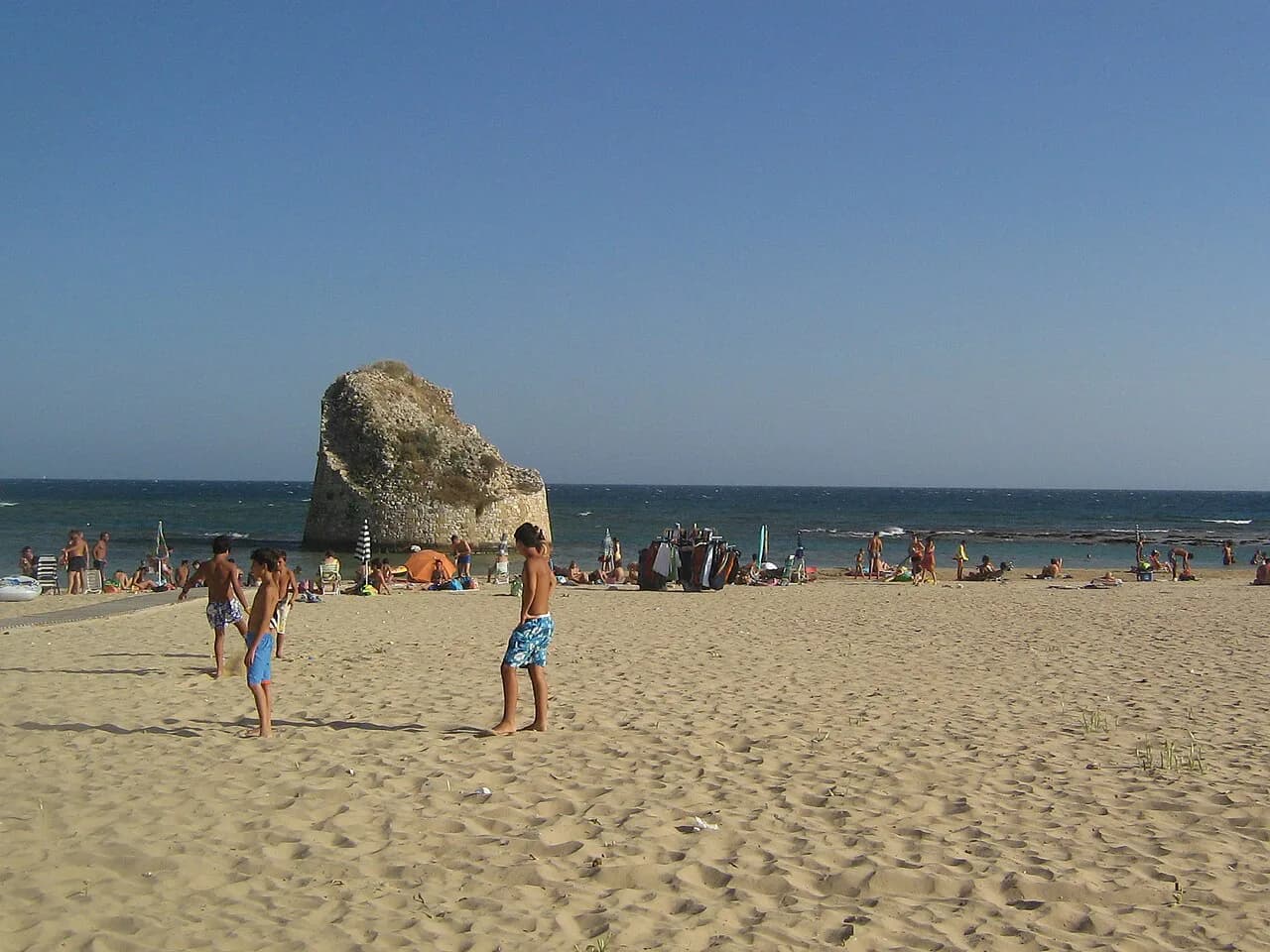
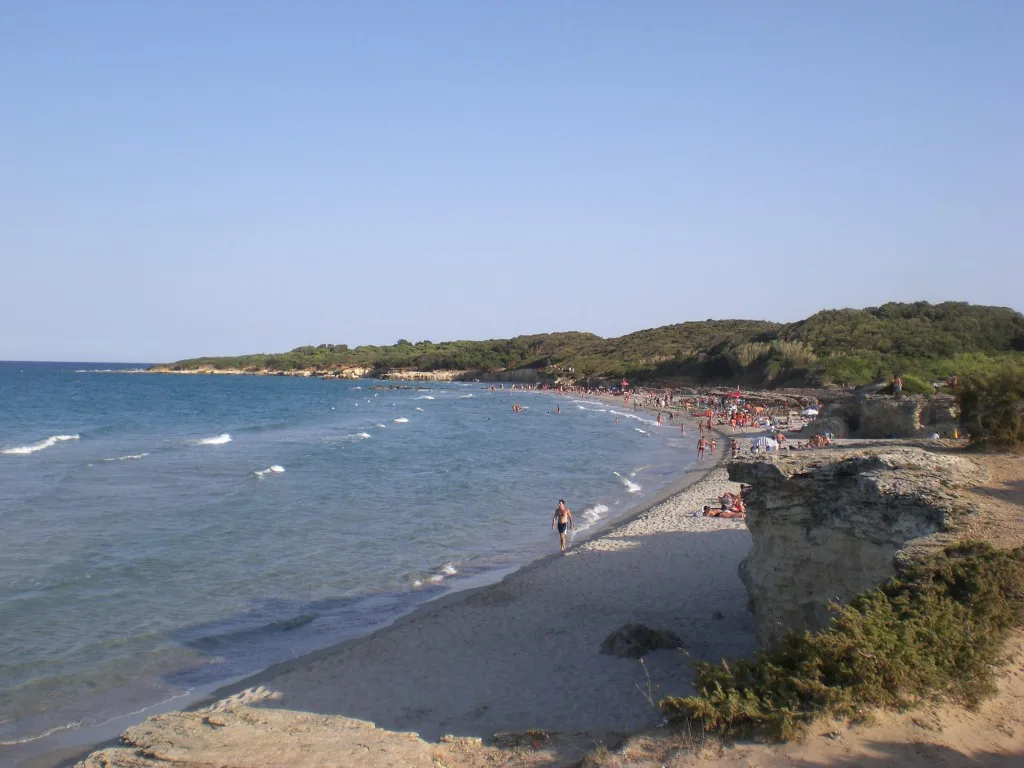
Baia dei Turchi is the sandy counterpoint to the rocky coves: a long golden beach backed by pine forest and dunes inside a protected reserve, with a shallow entry that suits families and long relaxed swims. The protected setting keeps it feeling wild, but it also means no facilities on the sand, so pack everything you need.
Access is on foot from paid summer parking, roughly ten minutes through the forest, and the beach is one of the most popular near Otranto. In summer it fills fast, so an early arrival buys both a parking space and room on the sand. Read the full Baia dei Turchi, Otranto guide for the detail on timing and the walk.
Castro Marina and Cala dell'Acquaviva
Castro Marina is the place for deep-water swimming with a town behind you. There is no sand: you dive from the rocky edges or lower yourself in on metal ladders, and the water around the old port is startlingly clear. Toilets and cafés sit by the marina, so you can break a swim with a coffee or a long seafood lunch.
Cala dell'Acquaviva, tucked into a narrow inlet just south of Castro, is a small rocky cove fed by freshwater springs that make the water noticeably cooler than other swimming spots. There is no sand, just flat rocks and a small pebble strip at the end of the inlet. Parking is a very small paid lot, so arrive before 9am in summer; a flight of steps leads down, with a bathroom and a small café-bar at the top.
Bagno Marino Archi and Porto Miggiano
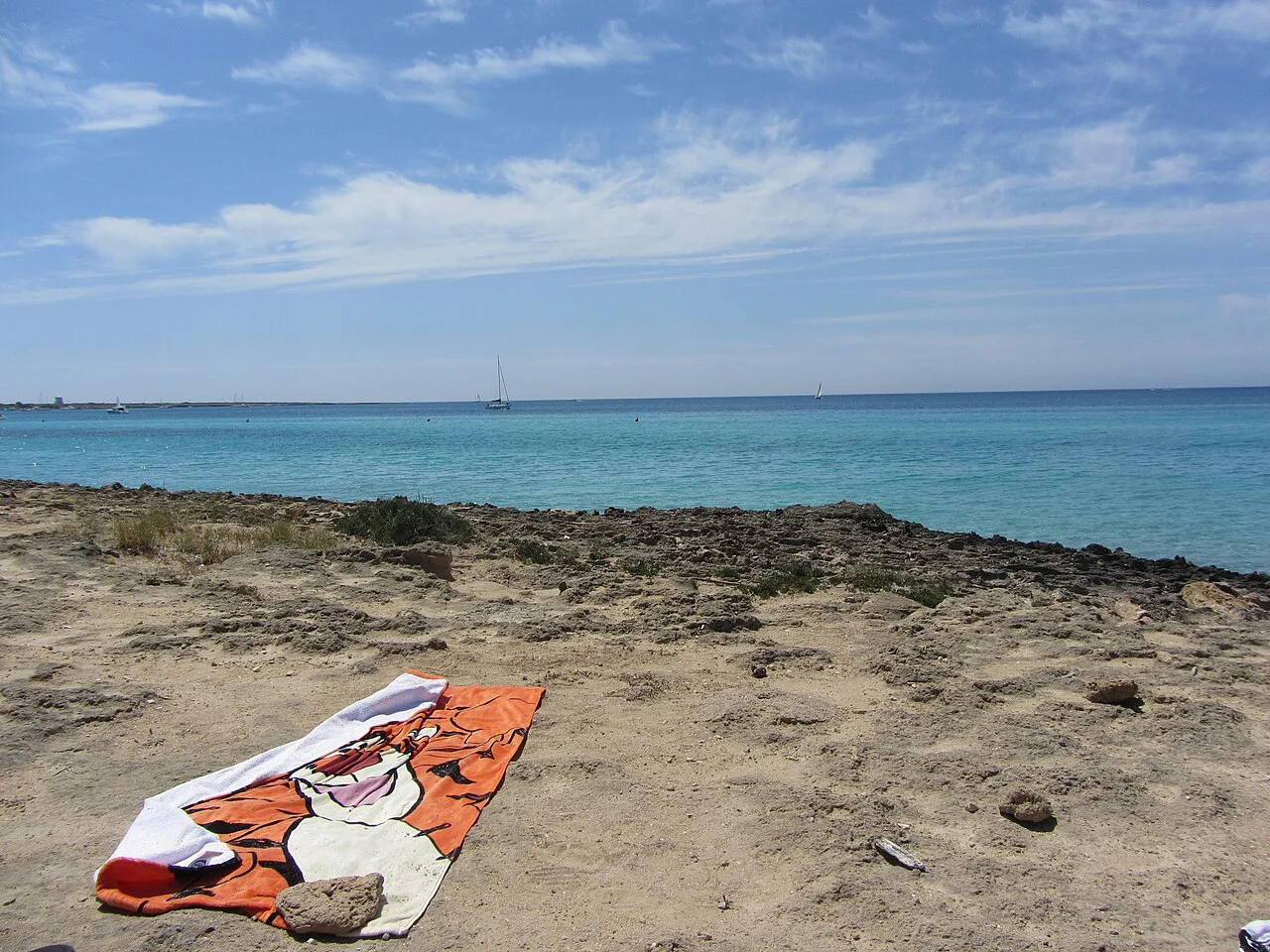
Just outside Santa Cesarea Terme, Bagno Marino Archi is a lido built into the rocky coastline, with sunbeds on wooden platforms and direct access to deep, clear water that rewards snorkelling. There is a restaurant and bar, and a free section of the cove reached over the viaduct and down the stairs if you prefer to spread a towel on rock. Sunbeds and umbrellas carry a fee, and reservations are recommended in peak summer for the front row.
Porto Miggiano, nearby, is a small golden-sand cove framed by towering limestone cliffs, reached by a steep and sometimes uneven staircase carved into the cliffside. It fills quickly in summer, so arrive early. Many locals skip the descent and settle on the flat rocks above, diving straight in; a small bar, La Baia Dei Venti, serves the port side.
Il Ciolo and Torre Sant'Andrea
Il Ciolo is a dramatic rocky gorge rather than a beach, with deep, clear water beneath an arched bridge and several flights of stairs down to the bottom. Parking is free in two tiny lots either side of the bridge and very limited, so come early. A small bar-café sits by the main road, and the Sentiero delle Cipolliane trail offers a proper coastal walk if you want more than a swim.
Torre Sant'Andrea is famous for its sea stacks, arches and caves, and the water beneath them is deep and clear. Getting in means clambering down and back up the rocks, so it works best as a quick swim-and-sightsee stop rather than an all-day base. Conditions depend heavily on the wind: when the swell is up, save it for another day.
Torre dell'Orso and the Two Sisters
Torre dell'Orso is one of Puglia's best-known beaches, a sweep of soft white sand with gently undulating dunes and maquis scrub behind, overlooked by the old bear tower. Lidos and beach clubs run along its length with loungers, umbrellas, bars and toilets, and restaurants sit adjacent; parking is on the street behind the beach. It draws a young Italian crowd and is busy through high summer.
At the far end, Spiaggia delle Due Sorelle takes its name from twin sea stacks rising straight from the water, with a pine grove behind the sand. Combine the two on one outing: the walk along the beach links the lively lido stretch with the quieter, greener end.
The Ionian Side: Pescoluse and Punta della Suina
Pescoluse, nicknamed the Maldives of Salento, is the classic long sandy beach: soft golden sand and shallow, clear turquoise water that stays gentle a long way out. It suits families and sun-seekers, and combines free beach areas with lidos offering sunbeds, umbrellas and drinks. Parking is paid in high season in a designated lot a short walk from the sand, and it gets very busy in peak summer.
Punta della Suina, a short drive south of Gallipoli, mixes golden sand with rocky outcrops and shallow transparent water, reached by an easy walk from a paid high-season car park. A small bar serves the beach, or use the bar at the lido. It is a good compromise for a group where some want sand and others want rocks to explore.
Further north on the Ionian coast, Punta Prosciutto near Porto Cesareo continues the long, shallow, sandy pattern and is worth a full day of its own. The Punta Prosciutto Beach Guide covers access and the best stretches for swimming.
Porto Selvaggio and the Nardò Coast
Porto Selvaggio, on the Nardò coast, is a pine-backed swimming spot for quiet-seekers who prefer shade and a walk to a wall of sunbeds. It suits confident swimmers and snorkellers more than families with toddlers, because the draw is clear water over rock rather than a gentle sandy shelf. Treat it as a half-day escape combined with a look at the coast road rather than a resort day.
The wider Nardò and Porto Cesareo coastline gives you options either side of a single base, so you can pick a sheltered bay on a windy day without a long drive. Where a beach has no bar, carry water and shade; the free spiagge libere along this stretch are exactly that, with nothing provided.
Facilities, Lidos and Free Beaches
Think of the choice as practical rather than a ranking. A lido buys you a lounger, an umbrella, a bar and often a restaurant within a few steps, at the cost of reserving and paying. A spiaggia libera costs nothing but demands that you carry in towels, water, shade and snacks, and often walk further from the car.
In practice, many Salento beaches offer both: a club stretch and a free section on the same sand or rock. For rocky entries such as Bagno Marino Archi, Porto Miggiano and Il Ciolo, water shoes make a real difference on slippery limestone. Where a beach has no facilities at all, as at Baia dei Turchi and the sea-stack platforms at Torre Sant'Andrea, arrive self-sufficient.
Best Time to Go
The Italian beach season peaks in August, when locals take their holidays and the most popular car parks and coves fill by mid-morning. June and September give you warm sea and far more room to spread out, and San Cataldo in particular empties noticeably once August ends. If you visit in July or August, start early and treat parking as the first decision of the day.
Salento's sand is at its most comfortable in the warmer months, but lidos are worth reserving ahead in peak season if you want a specific spot, and any beach with a small car park rewards an early start. For shoulder-season swimming, ask the individual lido or the local tourist office; published opening dates vary by beach and year.
Nearby Beaches to Combine
Pair beaches that share a road so the driving stays short. On the Adriatic, Cala dell'Acquaviva, Castro Marina, Bagno Marino Archi and Porto Miggiano sit close enough for one coastal loop, with Il Ciolo a scenic drive further south. On the Ionian, Pescoluse and Punta della Suina make an easy day together, with Punta Prosciutto further north near Porto Cesareo.
For a second sandy day on the Adriatic, Baia dei Turchi and Torre dell'Orso are close to Otranto and combine well if you start early. Bringing a beach umbrella and plenty of water pays off on the free sections, and a cooler bag keeps you comfortable where the nearest bar involves a walk.
Who Each Coast Suits
Families with small children should lean Ionian for the shallow, long-entry sand at Pescoluse and Punta della Suina, or stay close to Lecce at San Cataldo. Strong swimmers and snorkellers get more from the Adriatic, where deep water from the rocks at Castro Marina and Bagno Marino Archi rewards those comfortable in open water.
Quiet-seekers should choose the free sections and the walk-in beaches: Lido della Staffa just north of Otranto stays small and local-feeling even in peak season, reached by a stretch along the coast from free parking on Via Antonio Sforza. Reef shoes, shade and water are the three things worth carrying to any of the rocky spots.
Sun and salt aside, the deciding factor is usually logistics. Choose one coast, an early start and a single booked lido or a self-sufficient free beach, and Lecce becomes an unusually good two-coast base.
Plan Your Visit
Start with the wind forecast and pick your coast: Ionian sand for families and calm shallow water, Adriatic rock for swimmers and drama. Then choose the specific beach by drive time from Lecce and how much walking you are willing to do from a car park. San Cataldo is the easy short hop, Otranto's bays the sandy day out, and Castro the rocky swimming day.
Reserve a lido early if comfort matters, or pack shade and water for the free spiagge libere, and arrive before mid-morning in July and August to find parking at the popular coves. One final check with the lido or local tourist office covers any opening times that change year to year.
Explore more Lecce beaches
Frequently Asked Questions
How far is Lecce from a beach?
San Cataldo, the closest beach to Lecce, is about 15 km from the city centre, reached along the route of the original Roman road. The sandy Adriatic beaches near Otranto and the Ionian sands at Pescoluse are further, so plan them as full-day trips rather than quick dips.
What is the nicest beach near Lecce?
San Cataldo is the most convenient, with a small sandy beach on the lungomare and shallow water that suits families. For something more spectacular, Baia dei Turchi near Otranto and the rocky coves around Castro and Porto Badisco are the standouts, at the cost of a longer drive and a walk or staircase from parking.
Is the Adriatic or Ionian coast better for a beach day from Lecce?
The Ionian suits families and sun-seekers, with long, soft sand and shallow entries at Pescoluse and Punta Prosciutto. The Adriatic is rougher and more dramatic, with rocky platforms, ladders and deep water at Castro Marina, Bagno Marino Archi and Il Ciolo. Let who is swimming and the wind direction decide.
Do you need a car to reach the beaches from Lecce?
A car is the realistic way to reach most beaches, because the best spots are strung along coastal roads with small, often paid summer car parks. San Cataldo is the exception, with parking directly off the seafront. Arrive early in July and August to secure a space at the popular coves.
Which Lecce beaches suit small children?
Pescoluse, Punta della Suina and San Cataldo all offer shallow water over sand, which is far easier for toddlers than the rocky Adriatic entries. Baia dei Turchi also has soft sand and a gentle entry, but involves a walk through pine forest from the car park, so pack light.
When is the sea warm enough to swim near Lecce?
The season runs from late spring into early autumn, with August the peak when Italian holidaymakers fill the coast. June and September give warm water with far more room, and San Cataldo clears out after the Italian summer holiday ends at the end of August.
Are there free beaches as well as lidos in Salento?
Yes. Spiagge libere are free public beaches with nothing provided, and many Salento beaches also have lido stretches with sunbeds, umbrellas and bars. Choose free if you prefer to carry in shade and water, or a lido if comfort and a reservation are worth paying for.
Can you swim at Grotta della Poesia near Lecce?
No. Swimming and sunbathing at Grotta della Poesia have been officially banned since 2019, and the ban is strictly enforced. You can still visit the archaeological site at Roca Vecchia with a ticket. Plan your swim at nearby San Cataldo or the Adriatic coves instead.
Sources
Beach notes for your next trip
Optional updates when we add or revise beach guides.
You might also like
Continue reading
More guides you'll find useful