Begur Beaches: A Costa Brava Beach Guide for UK Travellers
Compare Begur's Costa Brava beaches: sandy Sa Riera, gravelly Sa Tuna, horseshoe Tamariu, Aiguablava and quiet coves, with walking routes and boat trips.
On this page
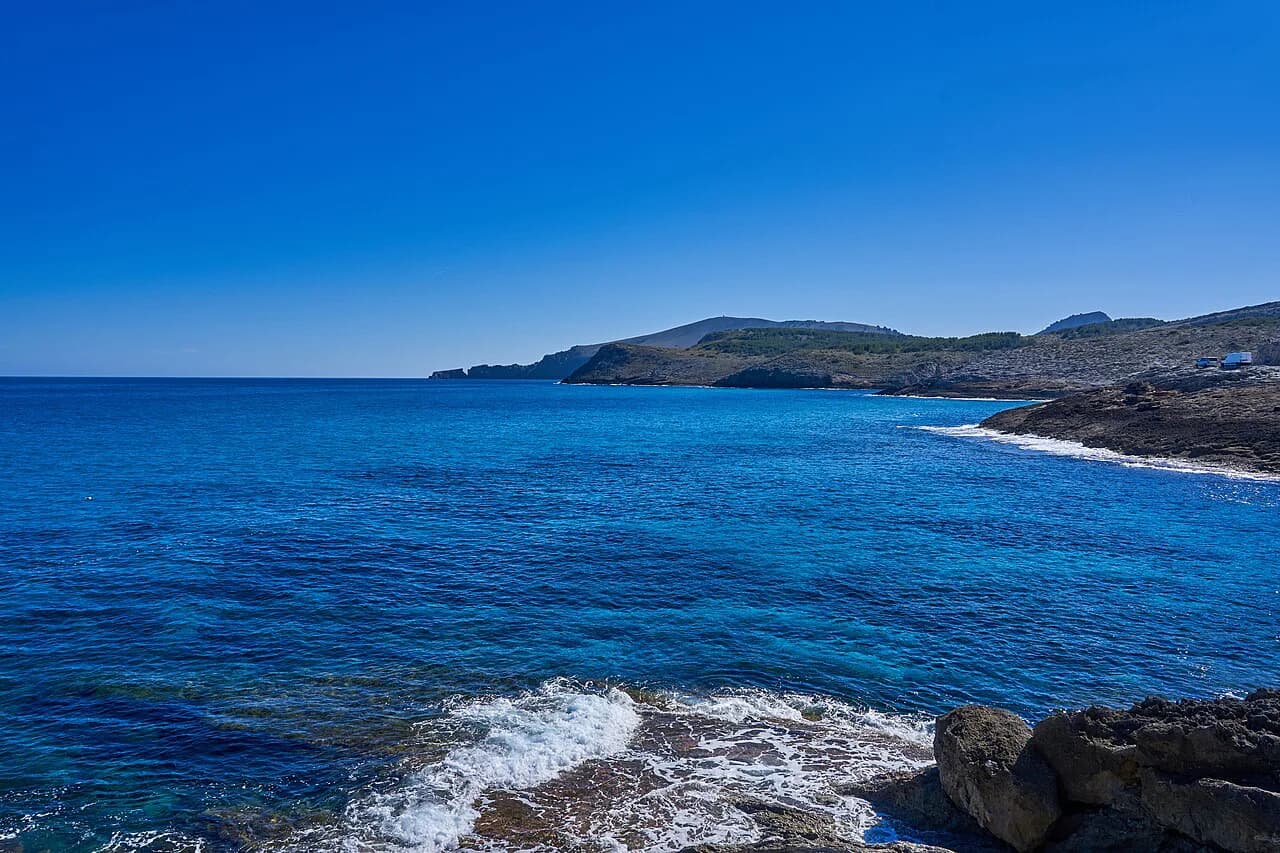
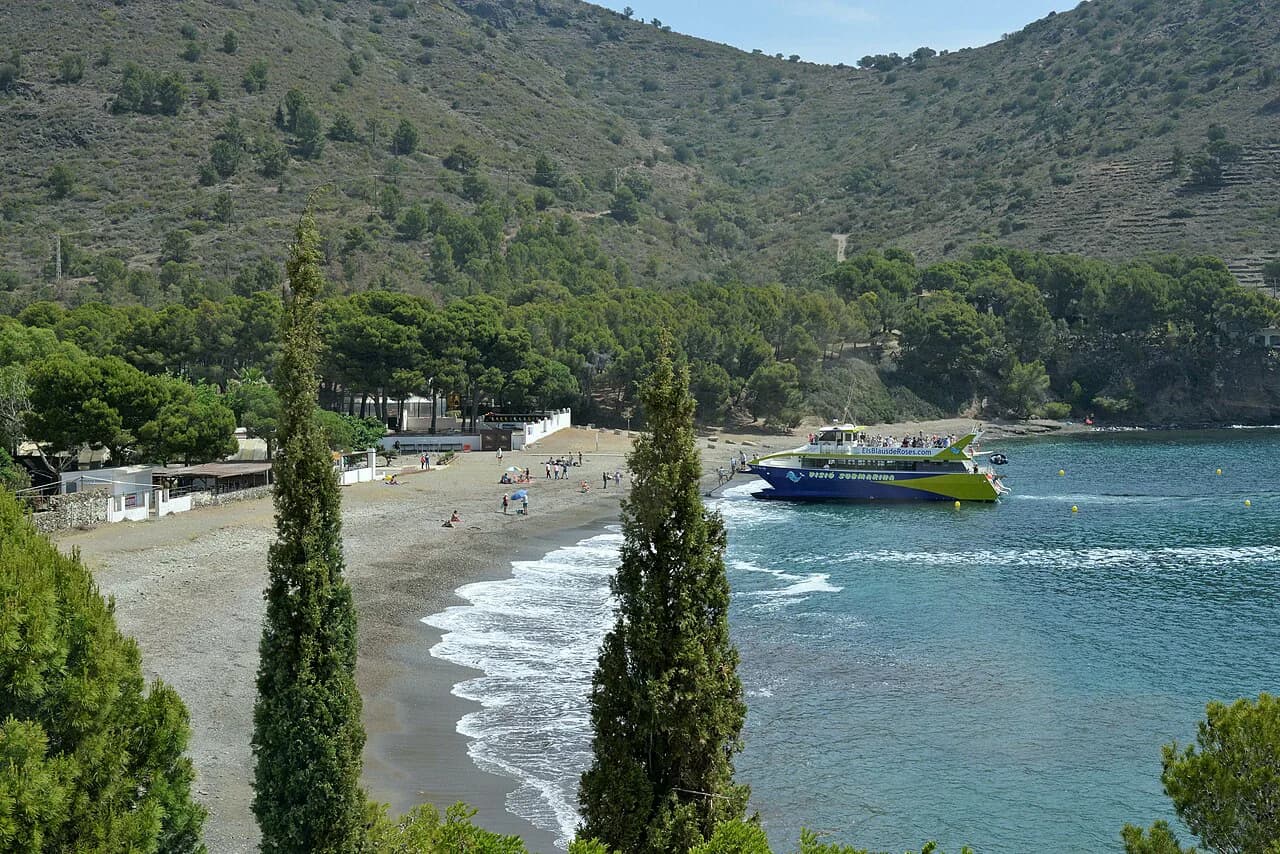
Begur's coastline gives you a rare choice within one short drive: broad family sand at Sa Riera, a whitewashed fishing hamlet at Sa Tuna, and a horseshoe bay at Tamariu with cafés right behind the beach. The coves sit below pine-covered hills, so the day you choose depends on whether you want easy sand underfoot or a wilder, harder-to-reach spot.
This guide sorts the beaches by the kind of day they suit, from swimmers and paddleboarders to quiet-seekers willing to walk. For the wider regional picture, the Girona beaches guide covers the rest of the province.
Why Begur's coves are worth the trip
Begur sits on its own massif above a stretch of coast that holds eight coves and small beaches within the municipality. That density is the appeal: you can swim in a different bay each morning without moving your base, and the old town with its castle sits a short climb above them all.
Match the beach to the group rather than chasing the most photographed one. Families with small children and anyone carrying kit should head for the sandy, road-accessible bays; strong walkers and quiet-seekers get more from the smaller coves, which are reached on foot and stay calmer.
Sa Riera: the largest sandy beach in the area
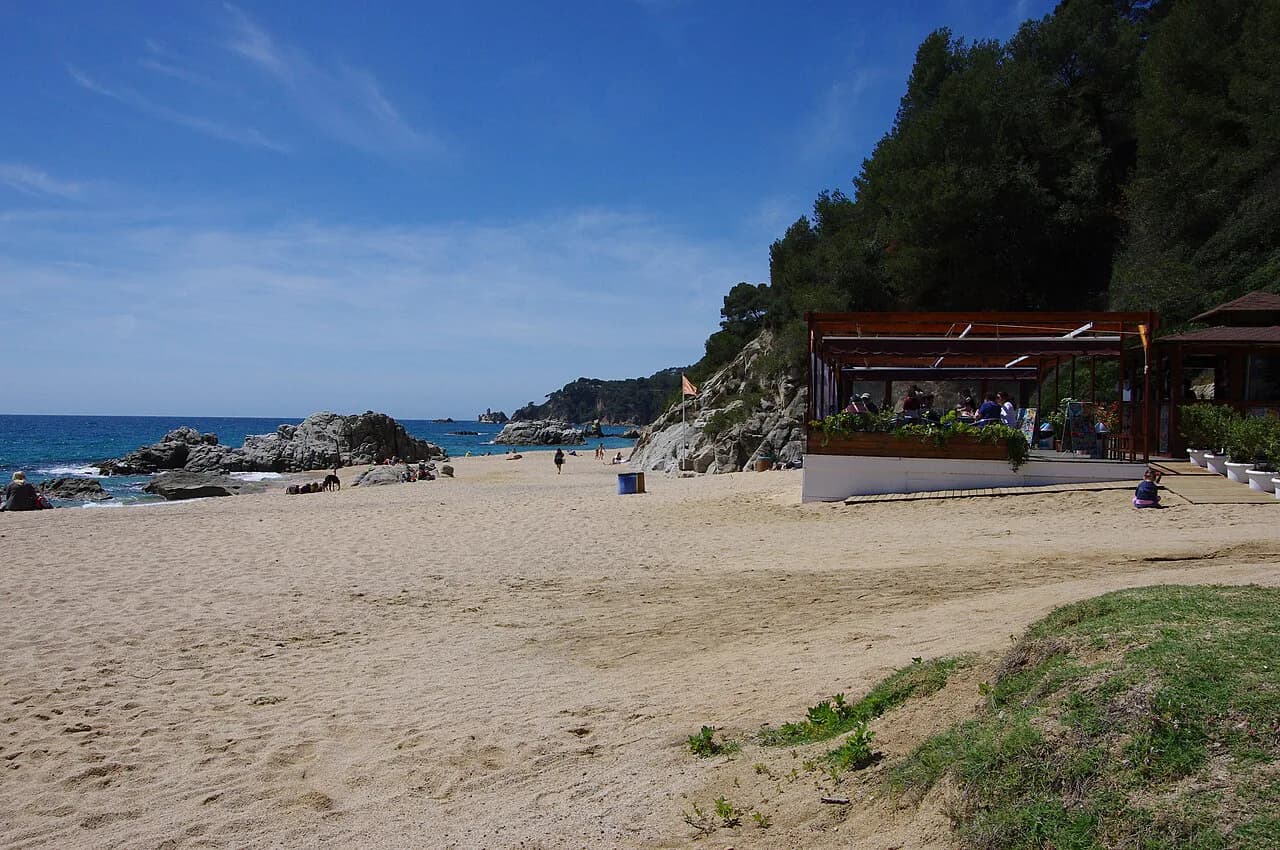
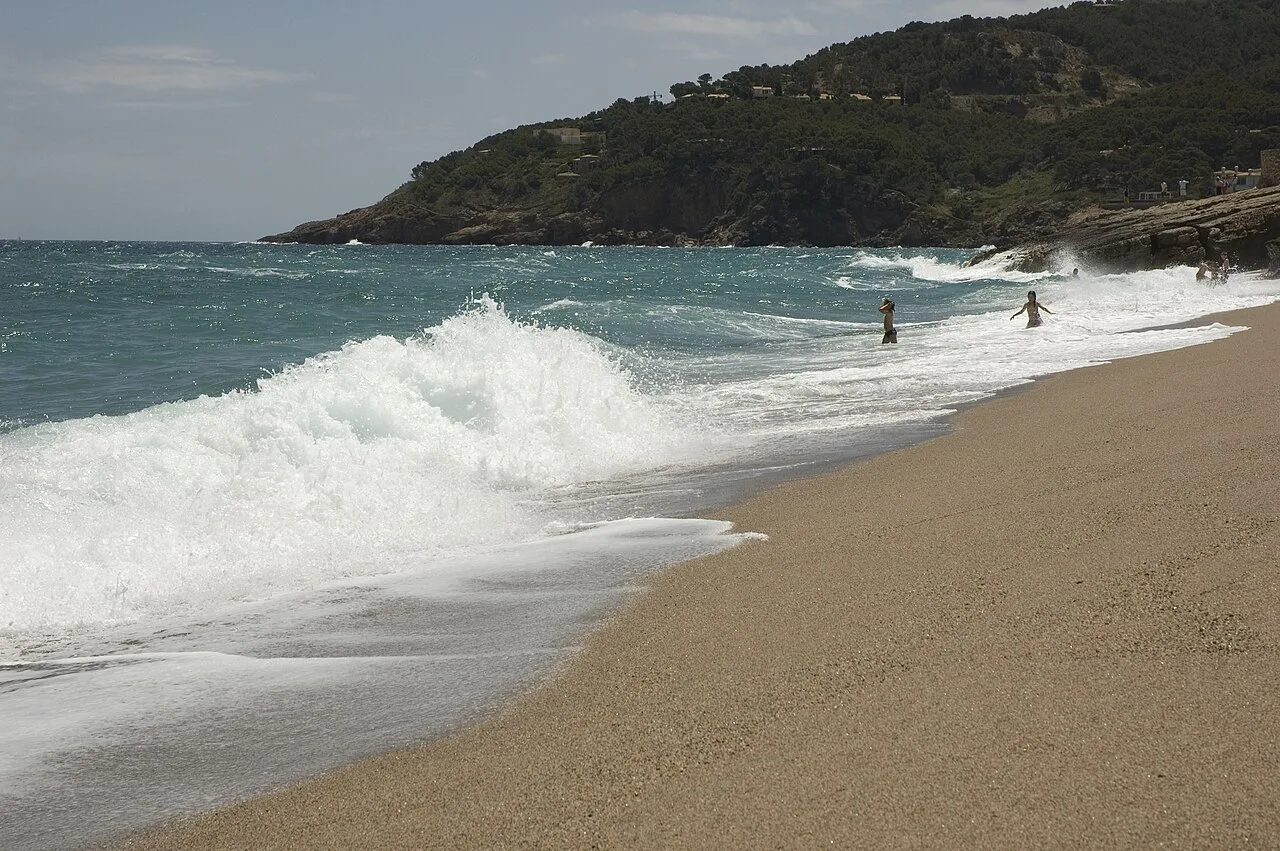
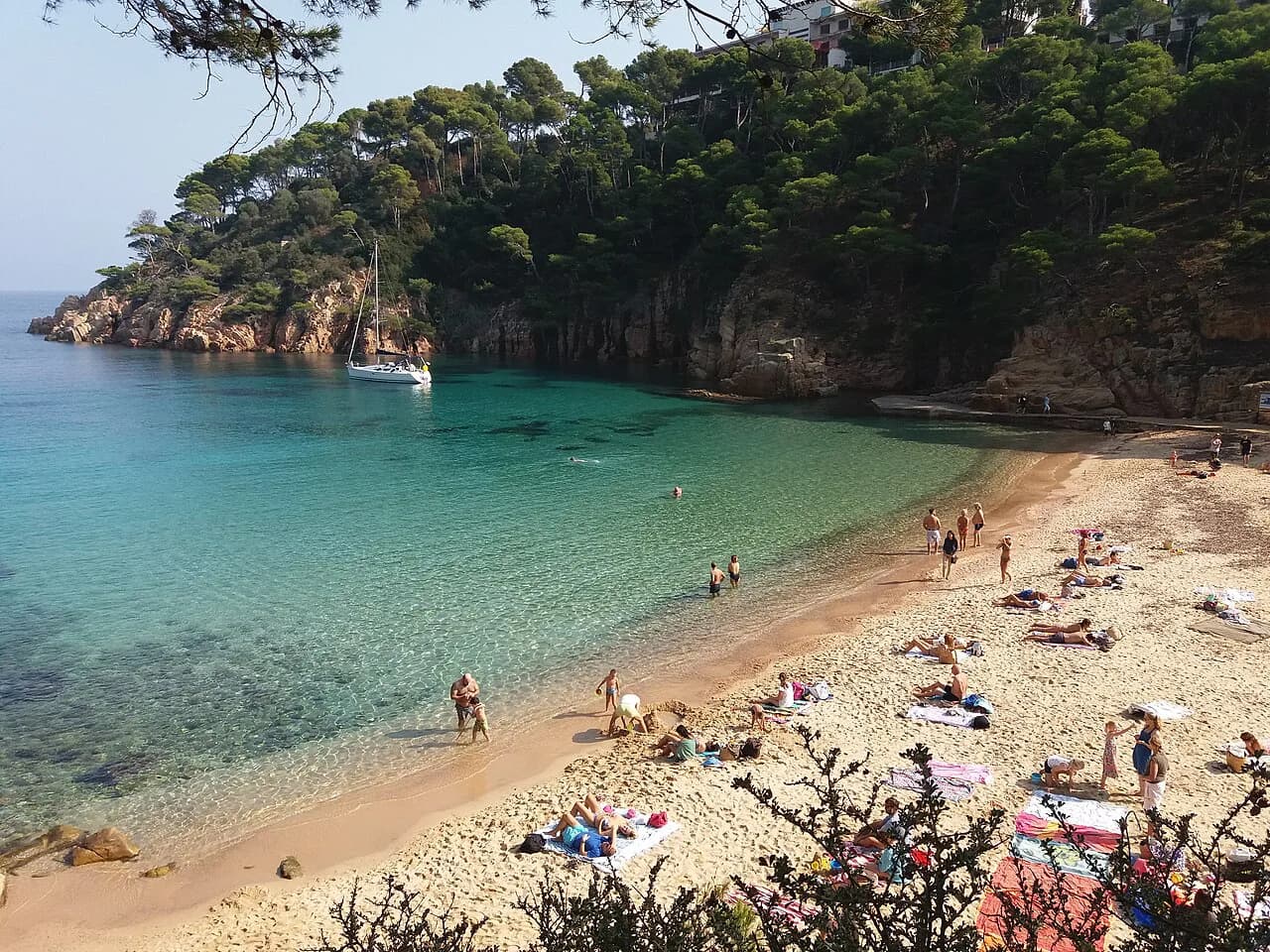
Sa Riera is the biggest beach in the Begur area at around 300 metres, a golden-sand cove backed by pine forest and popular for swimming and sunbathing. Its scale makes it the most forgiving choice for a family day, with room to spread out even when the bay fills.
A walking route climbs the cliffs behind the beach, which gives non-swimmers a reason to stay while the rest of the group is in the water. Treat the climb as a proper walk rather than a stroll: take water and avoid the middle of the day in high summer.
Sa Tuna: the whitewashed hamlet and its gravelly beach
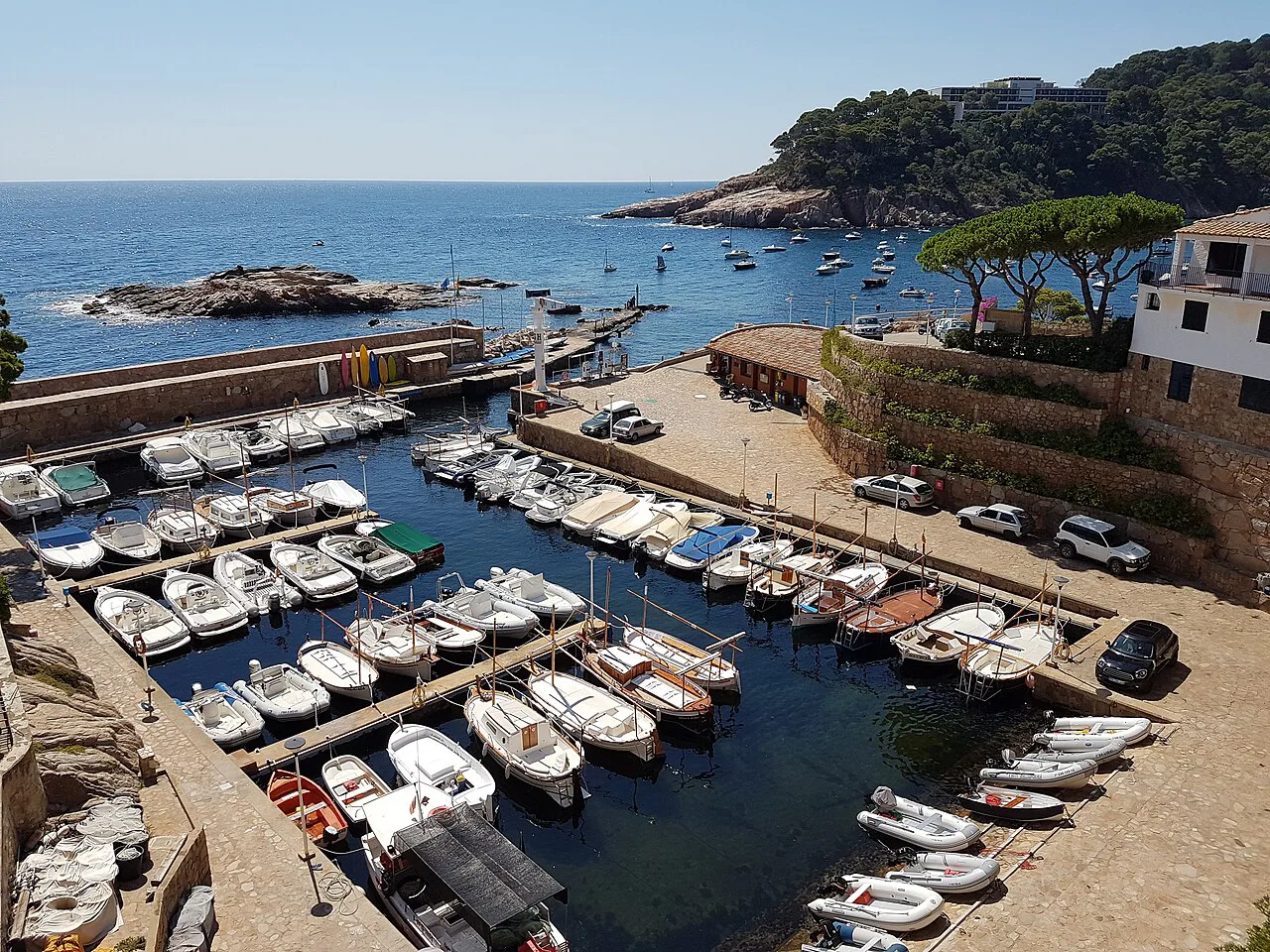
Sa Tuna is the photogenic one: whitewashed houses run down to a small beach of roughly 80 metres, so the setting does most of the work. The trade-off is texture, because the beach here is gravel rather than sand, which makes it better for a swim-and-lunch stop than for sandcastles.
If you are touring several coves in a day, Sa Tuna works well as the late-afternoon stop, when the hamlet's bars and restaurants are the draw and a quick dip is enough. Bring footwear you can walk into the water in, since gravel shifts underfoot at the shoreline.
Tamariu: the horseshoe beach and promenade cafés
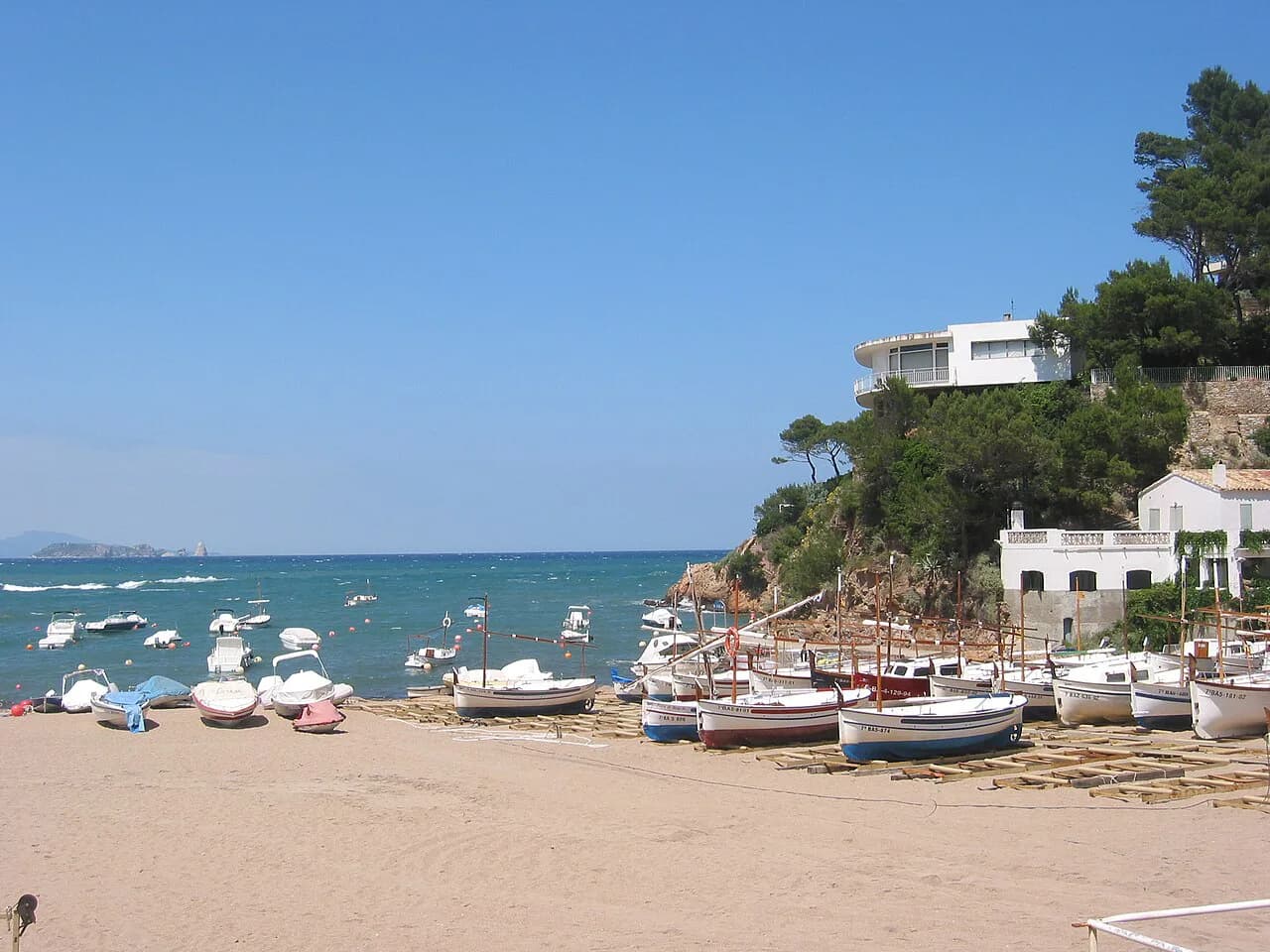
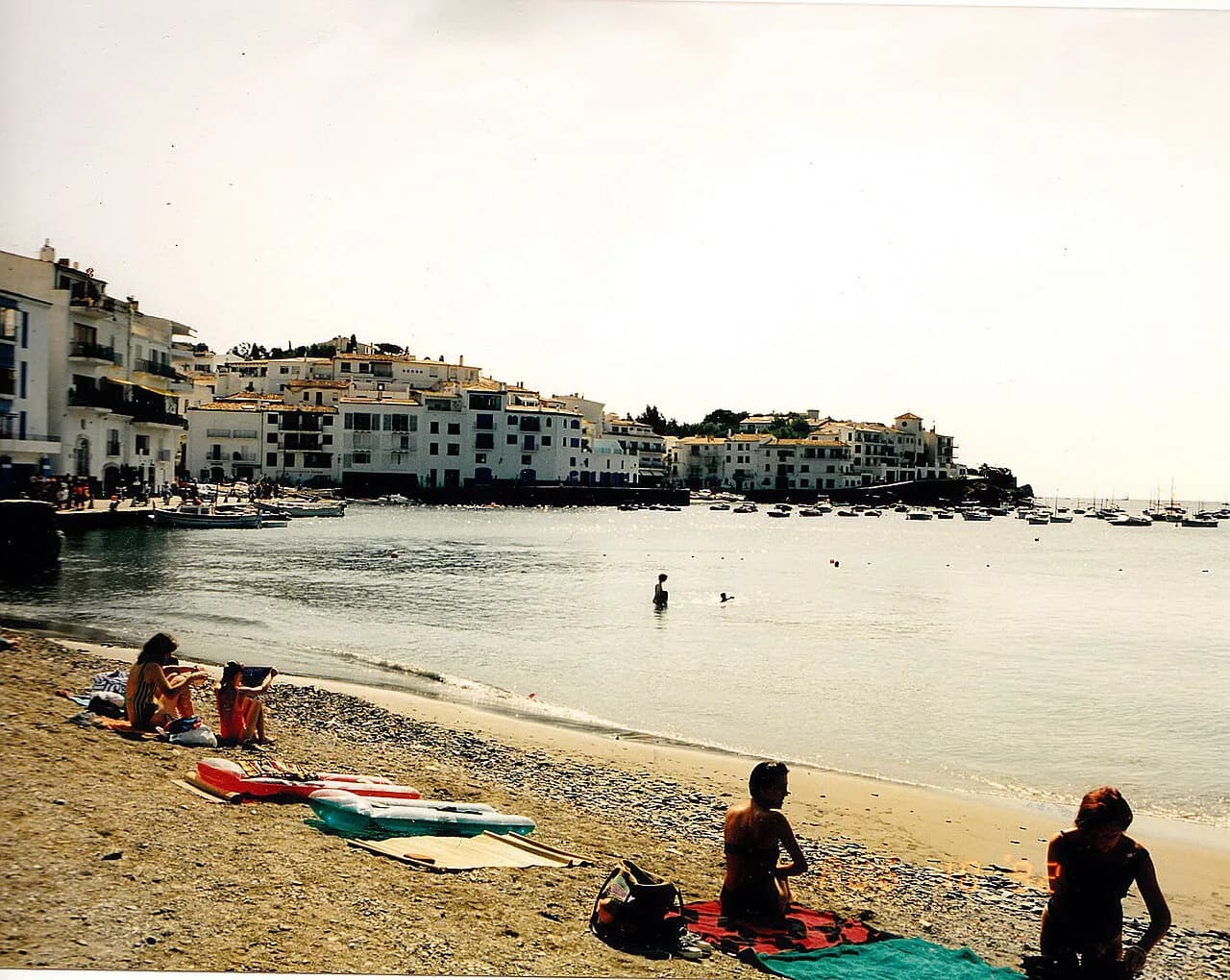
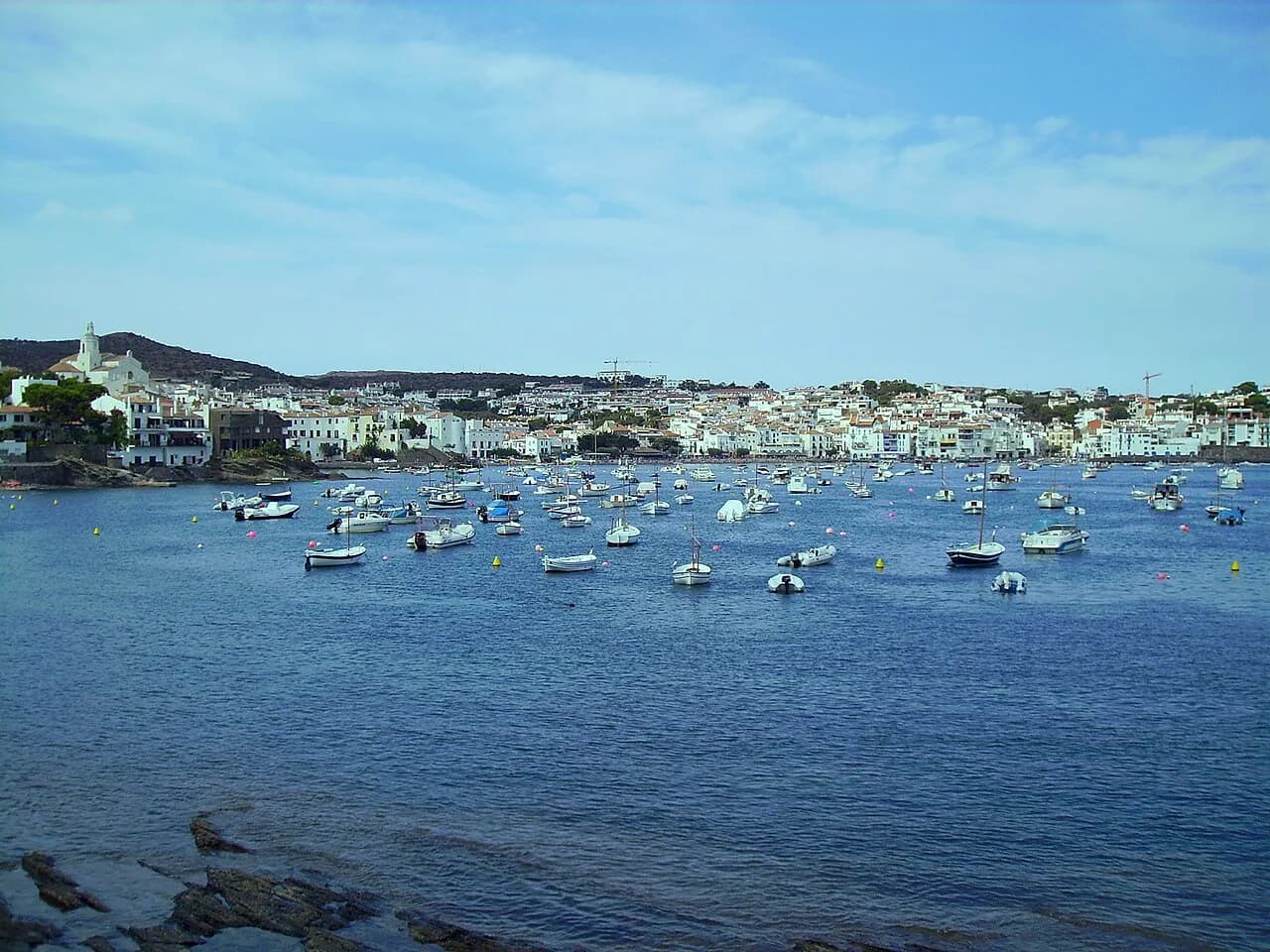
Tamariu grew as a small fishing village and keeps its white houses and pedestrian promenade right behind a horseshoe-shaped beach framed by pines. Cafés and restaurants line the promenade, so it is the easiest of the Begur-area beaches to combine with a long lunch.
The shelter of the bay and the short walk from village to sand make Tamariu a sensible base for mixed groups, where some want to swim and others prefer to sit with a coffee. It is also the natural alternative when Begur's own coves are at their busiest.
Aiguablava: sandy swimming and paddleboarding
Aiguablava is grouped with Sa Tuna, Sa Riera and Tamariu among the area's best-known beaches, known for clear blue water and lush surroundings. Paddleboarding is one of the activities on offer here, which tells you the bay is calm enough for board hire and beginner sessions.
Because it shares the famous four with Sa Tuna and Sa Riera, expect it to fill in high summer, and plan to arrive early in the morning or late in the afternoon. That timing advice applies to all of Begur's headline beaches, not just this one.
Platja del Racó: northern sands and the Medes Islands
Platja del Racó is the furthest north of the Begur beaches, a sandy stretch near Pals with a panoramic view across to the Medes Islands. The openness of the sand is the point here: more room to settle, and a long view to keep you occupied between swims.
This is the beach to pick if you want to add activity to the day, since kayak tours run from the area and diving trips head out to the Medes Islands. Both need booking, so sort them before you travel rather than turning up and hoping.
Quieter coves: Cala Estreta, Cala d'Aigua Xèlida and Platja Fonda
For a crowd-free day, the hidden and less accessible coves to know are Cala Estreta, Cala d'Aigua Xèlida and Platja Fonda. These are wild spots whose appeal comes precisely from the harder approach, so read access before committing a whole day to one.
Treat them as half-day outings: carry in everything you need, including water and shade, and leave the sand as you found it. If you are travelling with young children or a lot of equipment, the sandy bays above are the more sensible choice.
Getting around: driving, the Camí de Ronda and boat trips
The Camí de Ronda coastal path links Begur's beaches and fishing villages, and the full route from Sant Feliu de Guíxols to Begur runs 43 km with sections to suit most fitness levels. Walking between two coves is often the most rewarding way to see the coast, and it saves you hunting for a space in the small bays.
A boat trip gives you the coastline from the water, including secluded coves that are otherwise out of reach, such as Cala Marquesa and the caves of Cova d'en Gispert and El Bisbe. Book with a local operator before your beach day and check departure points in Begur or Tamariu.
If you are touring the wider coast by car, pair Begur with the beaches further south; the Costa Brava beaches collection maps out the main stops.
The sand and the water
Begur's beaches split cleanly by surface: Sa Riera and Platja del Racó are sandy, while Sa Tuna is gravel, which changes what you pack and how you walk into the sea. Sand suits families building castles and anyone lying out; gravel suits a shorter stop and swimmers who do not mind pebbles underfoot.
For snorkelling, head to rocky edges and the wilder coves rather than the broad sand, and go in the morning when the water is at its clearest. Aiguablava's clear water and paddleboard activity make it the obvious choice if you want to be on the water rather than just in it.
Facilities and restaurants
Facilities follow the villages: Tamariu has a promenade of cafés and restaurants directly behind the beach, and Sa Tuna's hamlet setting means eating options within a short walk of the gravel. Sa Riera's size and popularity make it the natural base for a full day with lunch.
For a special lunch with a sea view, Cap Sa Sal Restaurant near Aiguablava serves local seafood, steak and its signature rice dish, with Casa Juanita and Restaurant Turandot as other options around Begur. Book ahead in summer, as these fill quickly.
Best time to go
Begur's famous beaches and coves tend to be crowded in summer, and the advice from the area is to visit earlier in the morning or late in the afternoon. Build your day around that rhythm: swim early, eat at midday, and use the afternoon for a second, quieter cove.
Water temperature, sunbed hire and any seasonal lifeguard cover change through the season, so confirm the current position with the Begur tourist office before you rely on a service for a family day. Outside July and August the coast is markedly quieter, though the water takes longer to warm.
Nearby beaches to combine
Tamariu, Aiguablava, Sa Tuna and Sa Riera are close enough to link in a single day if you walk or drive between them, which is why Begur works as a base rather than a single-beach stop. Plan two coves maximum: one sandy and one gravel, with lunch in between.
If you want to extend the trip south, Lloret de Mar beaches offer a very different, larger-resort beach day within reach of the same coast. For a gentler village setting, Calella de Palafrugell makes a good pairing with Tamariu. If you keep heading south past Lloret, the beaches in Sitges make a similarly easy resort-style contrast further down the Catalan coast.
Plan Your Beach Day
Choose Sa Riera or Platja del Racó for sand and space, Sa Tuna for the whitewashed-hamlet experience with gravel underfoot, and Tamariu or Aiguablava for village cafés and easy swimming. Keep one wild cove in reserve for a quiet afternoon, and check access with the tourist office before setting out.
Start early, eat late, and walk a section of the Camí de Ronda between two coves to see the coast properly. For the rest of the region, the Costa Brava guide is the place to plan the next stop.
Frequently Asked Questions
Which Begur beach is best for families with small children?
Sa Riera is the largest and sandy, with around 300 metres of beach and pine-backed shelter, which gives families room to settle. Tamariu's horseshoe bay has cafés right behind the sand, handy for a quick lunch with children. Sa Tuna is gravel, so it suits shorter stops better.
Is Sa Tuna or Sa Riera better?
They serve different days. Sa Tuna is a small gravel beach of roughly 80 metres in a whitewashed hamlet, best for a swim and a meal. Sa Riera is sandy and much larger, better for a full day of sunbathing and swimming with kit.
Can you walk between Begur's beaches?
Yes, the Camí de Ronda coastal path links Begur's beaches and fishing villages, with the full route from Sant Feliu de Guíxols to Begur covering 43 km and sections for most fitness levels. Pick a short stretch between two coves rather than the whole path, and carry water.
Which Begur beach is quietest in summer?
The hidden, less accessible coves such as Cala Estreta, Cala d'Aigua Xèlida and Platja Fonda are the calm options, since the harder approach keeps numbers down. Among the main beaches, go early in the morning or late in the afternoon to avoid the summer crowds.
What is there to do besides sunbathing around Begur?
Kayak tours run near Platja del Racó and diving trips head out to the Medes Islands, while paddleboarding is available at Aiguablava. Boat trips from the coast reach secluded coves such as Cala Marquesa and caves including Cova d'en Gispert. Book activities before you travel.
How do you get around the coves from Begur?
Driving is the most flexible way to link the coves, while the Camí de Ronda lets you walk between neighbouring beaches. Boat trips give access to coves that cannot easily be reached on foot. Check departure points and timings with local operators.
Sources
Beach notes for your next trip
Optional updates when we add or revise beach guides.
You might also like
Continue reading
More guides you'll find useful