L'Escala Beaches: Sandy Bays, Pebble Coves and Where to Swim
Plan a beach day in L'Escala, Costa Brava: sandy family bays at Riells and Montgó, pebble coves at Illa Mateua and Portitxol, and swimming by the Greek ruins.
On this page
L'Escala earns its place on a beach-focused Costa Brava itinerary because the coastline changes character every few hundred metres. Within one town you can move from a shallow, serviced family bay to a pine-backed pebble cove and then to a swim alongside Greek and Roman ruins at Empúries.
The town spreads more than seven kilometres of seafront, which the municipal tourism office divides into broad sandy beaches with full facilities and small pebbled coves shadowed by pines and rock faces. That range makes it easy to match the beach to the day rather than settling for the one nearest your hotel.
Use this guide to pick by access and by the kind of water you want, then slot it into a wider tour of the region's beaches.
How the coastline divides
Think of L'Escala in three bands. The town beaches cluster around the old centre and the Riells resort area, the Empúries sands run north towards the Greek and Roman settlement, and the les Planasses coves sit at the southern end of the district among rocks and cliffs.
This division matters because it dictates how you travel. Town beaches work on foot from a central hotel, the Empúries beaches reward a coastal walk or a short drive, and the les Planasses coves suit anyone prepared to scramble over pebbles and rock.
Distances are modest. Portitxol lies about 2 kilometres north of L'Escala, Les Muscleres about 2 kilometres from the town centre opposite the ruins, and Platja del Riuet about 4 kilometres out as the most northerly beach in the district.
Town beaches: Riells, La Platja and the centre
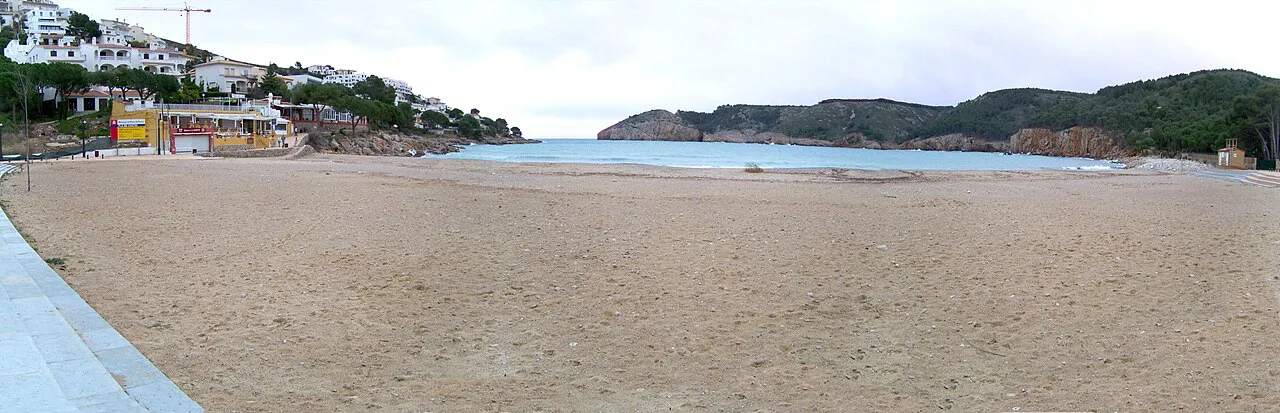
Riells is the family default: a town beach of fine sand with shallow water, set in the middle of the resort area and supported by a variety of services, particularly watersports. If you have small children or want to combine a swim with lunch and an ice cream, start here.
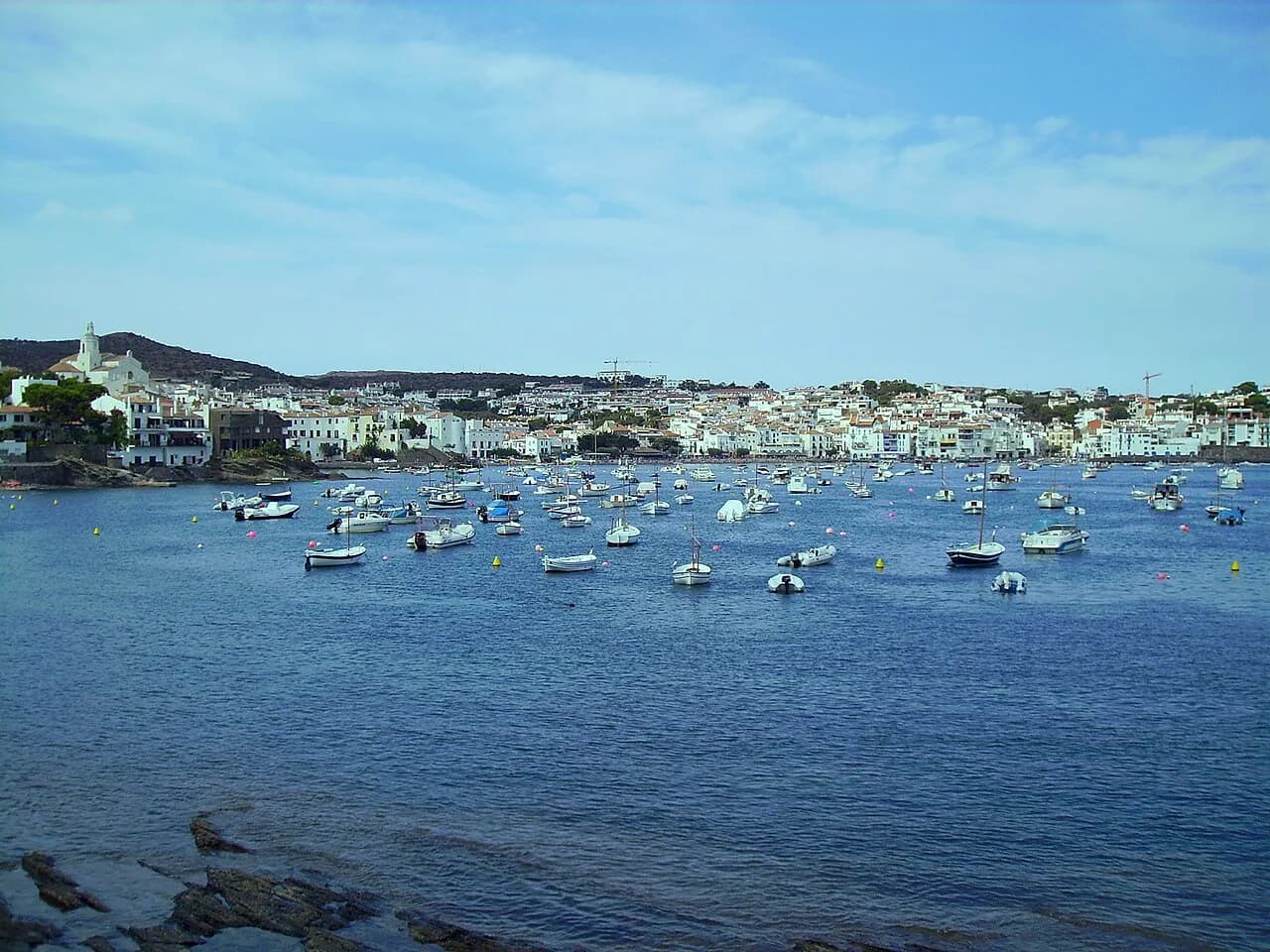
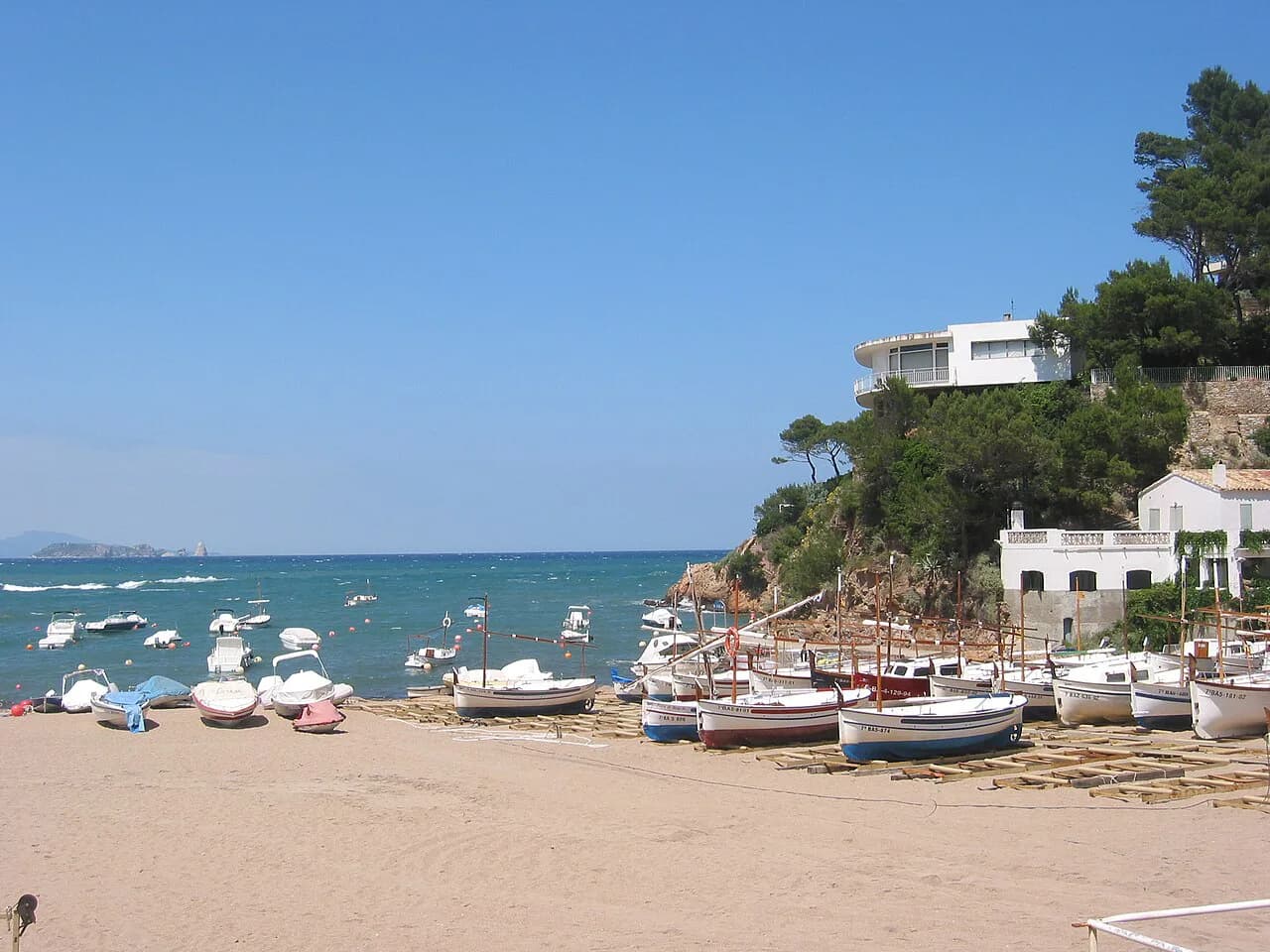
La Platja, also called Platja de les Barques or the Beach of Boats, puts you in the centre of town. Expect a working, urban feel rather than a secluded cove, which makes it the practical choice for a swim before dinner or a day when you want everything within walking distance.
Around the old town the beaches get smaller and rougher underfoot. Port d'en Perris has coarse sand and pebbles next to the historic centre, El Codolar is a small bay at the end of passeig Lluís Albert, and Mar d'en Manassa is a small pebbled beach within the town itself.
La Creu adds a slice of local history: old fishermen's houses have been preserved along a cove sitting between the urban centre and the first of the Empúries beaches. It is a good short stop if you are walking the seafront rather than settling for a full day.
The Empúries beaches and the Greek breakwater
The northern stretch is where L'Escala becomes distinctive. At Moll Grec you swim beside the ruins of the Hellenic breakwater, close to the ancient Greek and Roman settlement of Empúries, which is a genuinely unusual setting for a morning dip.
Les Muscleres is a fine-sand beach spread across the ruins of Empúries, and Portitxol can be reached on foot from the Empúries promenade near the access to the Archaeology Museum of Catalunya-Empúries. Combining a museum visit with a swim is straightforward here.
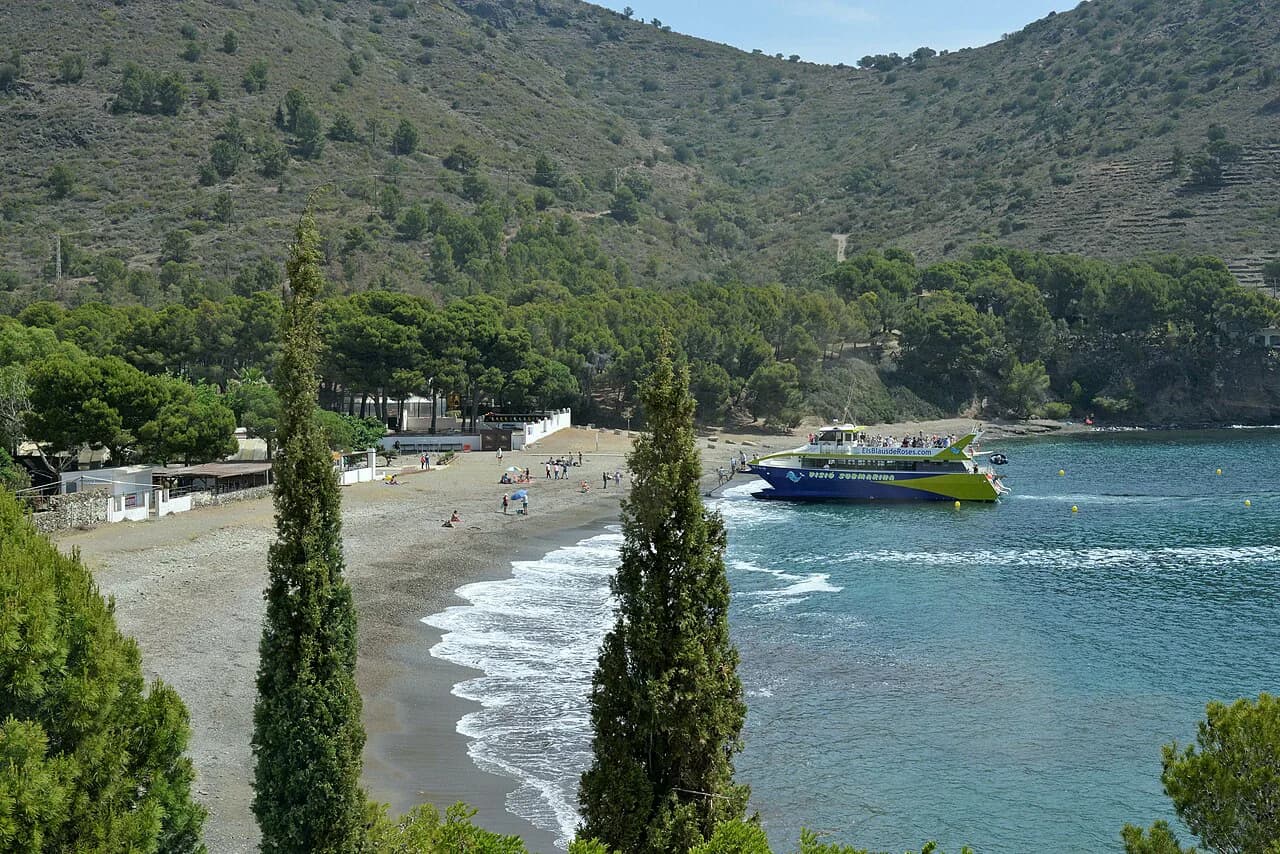
Pedrigolet is the exception on this stretch: a small beach and the only inlet along the Empúries coast with a pebble beach. It suits travellers who prefer a rougher, quieter edge to their sand and do not mind a firmer surface underfoot.
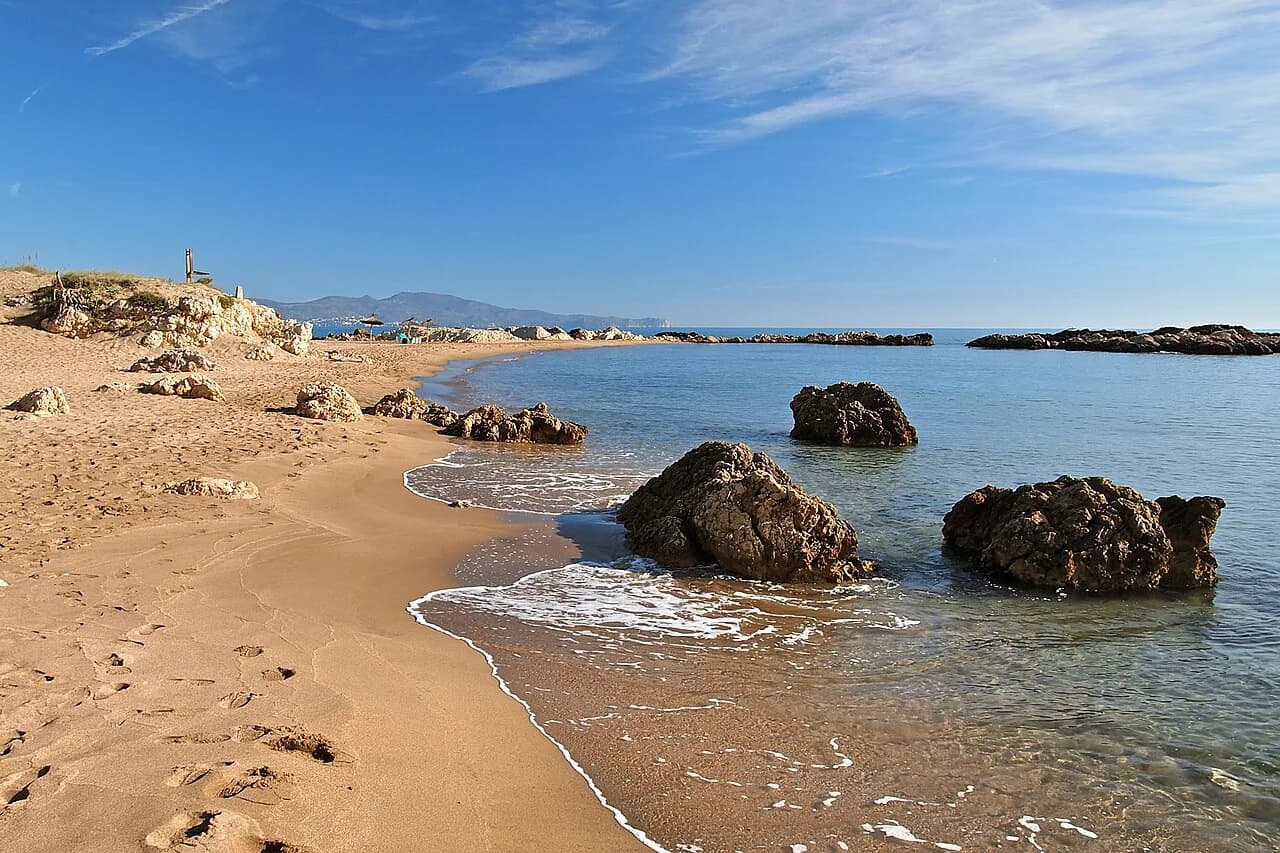
Rec del Molí, the first of the Empúries beaches, has fine sand along with dunes, rocks and plenty of underwater life. It is also the one beach in the district where the town allows dogs, which makes it the obvious choice for travellers with a pet.
les Planasses: pebble coves and rocky snorkelling
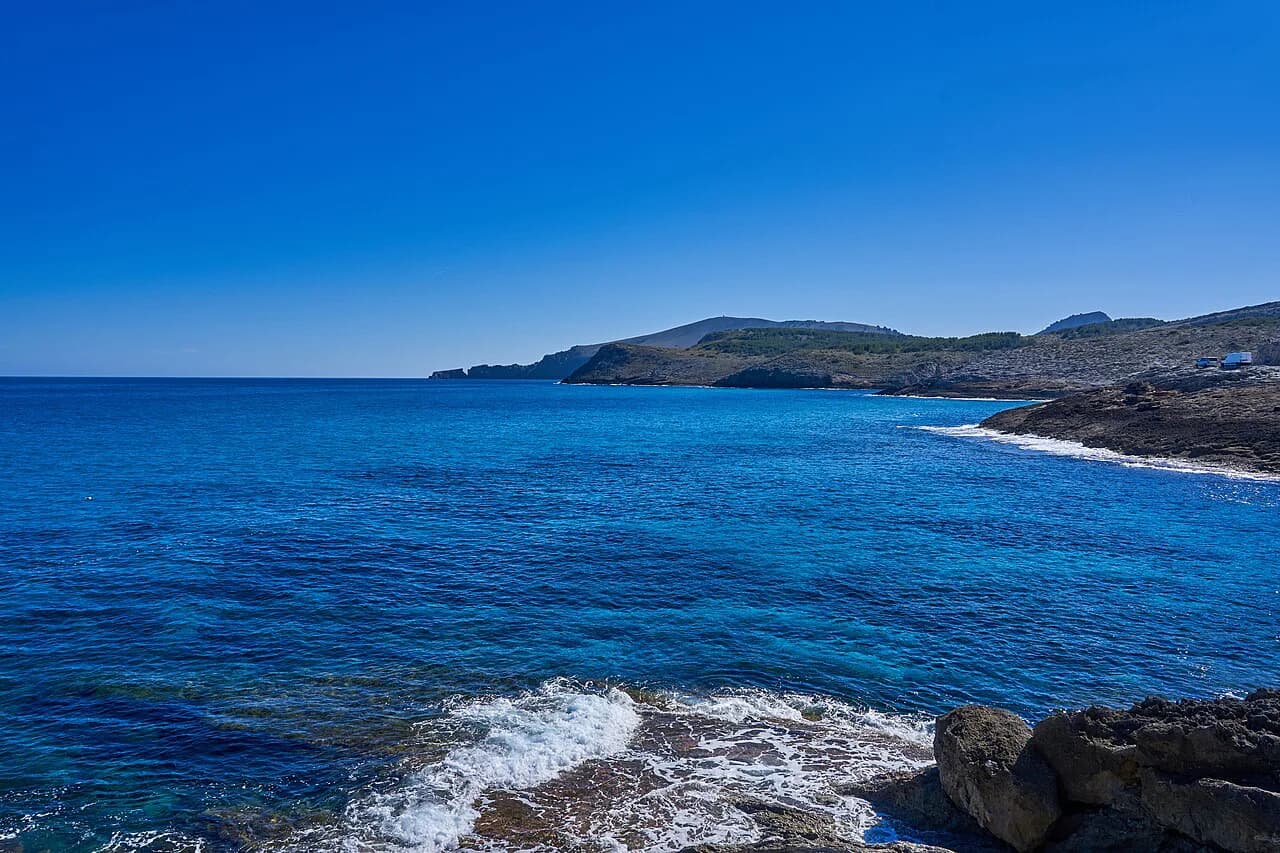
South of the Empúries sands, the coast turns wilder. Bol Roig is a natural bay covered in large pebbles within the les Planasses area, and Salpatx sits in the same zone at the foot of the cliffs. Both reward walkers willing to carry their own shade and water.
Illa Mateua is a rocky beach named after the islet at one end of its cove, lying between the port and Montgó point. Rocky entries and clear water make it the natural pick for snorkellers, though you will want reef shoes rather than flip-flops.
Treat these coves as a half-day rather than a full-service beach day. Bring water, a mat and cash for wherever you stop afterwards, and plan your exit before the light goes if you are walking the cliff paths.
Montgó and Del Riuet: shelter and wind
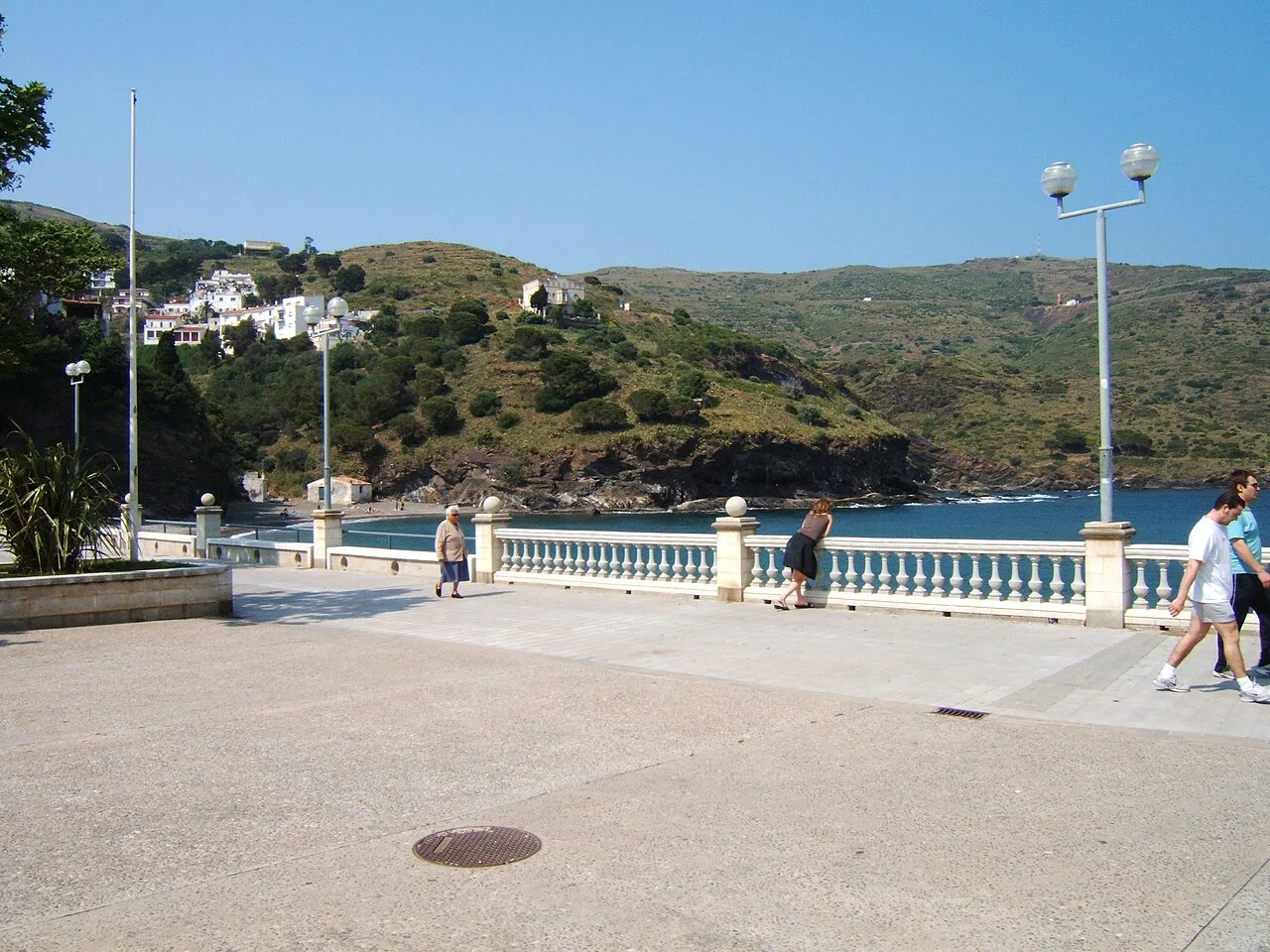
Montgó is fine sand at L'Escala's southernmost point, and it is sheltered from the north wind, the tramuntana. On a day when the wind is tearing across more exposed beaches, this is where to head for a calmer setup with the family.
Del Riuet sits at the opposite end, the northernmost beach in the district, and its position and features make it well suited to water sports, especially those that need wind. Sailors and windsurfers should look here rather than at the sheltered southern bays.
The two beaches illustrate the trade-off neatly: Montgó for still, sandy family afternoons, Del Riuet for breezy activity. Check the day's wind direction before choosing between them.
Getting there and getting around
L'Escala sits on the Costa Brava coast of Girona province, and the beaches are close enough together that a car or a bicycle covers several in one day. Walking works well for the town beaches and the Empúries stretch, which are linked by seafront promenades.
Portitxol is reachable on foot from the Empúries promenade, and the town centre beaches sit within easy walking distance of each other. For les Planasses and Montgó, plan on driving or cycling and expect to walk the last stretch on foot.
Timetables, fares and parking arrangements change with the season, so confirm them with the L'Escala tourist office before you travel.
Facilities and beach rules
The town describes its larger sandy beaches as having facilities in the surrounding area, and the wider Costa Brava coast includes urban beaches with toilets, showers and restaurants. Small coves such as Salpatx and Pedrigolet are not in that category, so carry what you need.
Swim according to the flags: green means no restrictions, yellow means swim with caution and red means no swimming. Stay inside the buoyed swimming zones, keep motorised craft to the marked channels, and obey lifeguard instructions.
A few house rules keep the beaches pleasant. Put rubbish in the bins, do not use soap at the foot washes, do not light fires in the bays, and keep dogs off the beaches except at Rec del Molí.
Best time to go
August is the busiest month in L'Escala, when the town beaches at Riells and La Platja fill first and the Empúries sands absorb the overflow. If you want space, aim for June, early July or September, when the sea has had time to warm through.
The Mediterranean here is at its most comfortable from late June into September. Shoulder-season swimmers often find late September water warmer than early June water, though the air cools quickly in the evenings.
The town publishes a Covid-era beach protocol from 2020 that is still listed on its site; if you are travelling during a period of public-health rules, ask the tourist office what applies to your dates rather than relying on that page.
Choosing a beach by trip type
Families with small children should base themselves at Riells, where the fine sand and shallow water make supervision easier, then add Montgó on windy days for its tramuntana shelter. Swimmers who want a memorable setting should walk to Moll Grec and swim beside the ancient breakwater.
Snorkellers and confident rock swimmers should head for Illa Mateua and Rec del Molí, both of which have rocky edges and underwater life worth exploring. Wind-sport sailors belong at Del Riuet, where the exposure is a feature rather than a flaw.
Quiet-seekers should aim for the pebble coves of les Planasses and Pedrigolet, accepting a rougher entry and fewer facilities in exchange for space. If you want a serviced sandy bay with a promenade and easy parking, stay in town.
Nearby beaches to combine
L'Escala makes a good base for a broader Costa Brava beach tour. Lloret de Mar beaches to the south offer long sandy stretches and a very different resort atmosphere, well worth a day if you want contrast with L'Escala's coves.
Further south, Tossa de Mar beaches combine a walled old town with sandy bays, and Calella de Palafrugell Beach Guide covers a gentler, more village-scale alternative on the same coast. For town-and-beach pairings in the same vein, compare the best beaches in Sitges with the coves here.
If you are planning several stops, the wider guide to beaches across the region will help you sequence them without doubling back on yourself.
Plan Your L'Escala Beach Day
Pick one beach for the morning and one for the afternoon: Riells then Montgó for families, Moll Grec then Rec del Molí for swimmers and snorkellers, or Bol Roig then Illa Mateua for a wilder day among the pebbles.
Pack reef shoes, water and shade for the coves, and read the flags before you swim. A short walk between beaches is often faster and more rewarding than moving the car.
Frequently Asked Questions
Which L'Escala beach is best for children?
Riells is the strongest choice, with fine sand and shallow water in the middle of the resort area and watersports services nearby. Montgó is a good alternative when the tramuntana is blowing, because its position shelters it from the north wind.
Can you swim next to the Greek ruins at Empúries?
Yes. Moll Grec sits beside the ruins of the Hellenic breakwater near the ancient Greek and Roman settlement of Empúries, and Les Muscleres is a fine-sand beach spread across the ruins. Follow the flags and stay inside the buoyed swimming zone.
Which L'Escala beaches are pebbly rather than sandy?
Pedrigolet is the only pebble inlet on the Empúries coast, Bol Roig is a natural bay covered in large pebbles, and Mar d'en Manassa within the town is a small pebbled beach. Port d'en Perris mixes coarse sand with pebbles.
Where can you snorkel in L'Escala?
Illa Mateua is a rocky beach named after the islet at one end of its cove, and Rec del Molí has rocks and plenty of underwater life. Both reward reef shoes and a mask, and neither has a sandy, gently shelving entry.
Which L'Escala beach is sheltered from the tramuntana?
Montgó, at L'Escala's southernmost point, is described as sheltered from the north wind. On breezy days it will feel calmer than Del Riuet in the north, which is suited to wind-driven watersports.
Are dogs allowed on L'Escala beaches?
Rec del Molí is the one beach in the district where the town allows dogs, according to the municipal tourism office. The town asks visitors to keep dogs off the other beaches and bays.
Sources
Beach notes for your next trip
Optional updates when we add or revise beach guides.
You might also like
Continue reading
More guides you'll find useful