Cala Estreta, Costa Brava: A Walk-In Cove Near Palamós
Cala Estreta is a small, unbuilt cove south of Palamós, reached on foot from Platja de Castell. Here is the walk, the reef and the shallow water.
On this page
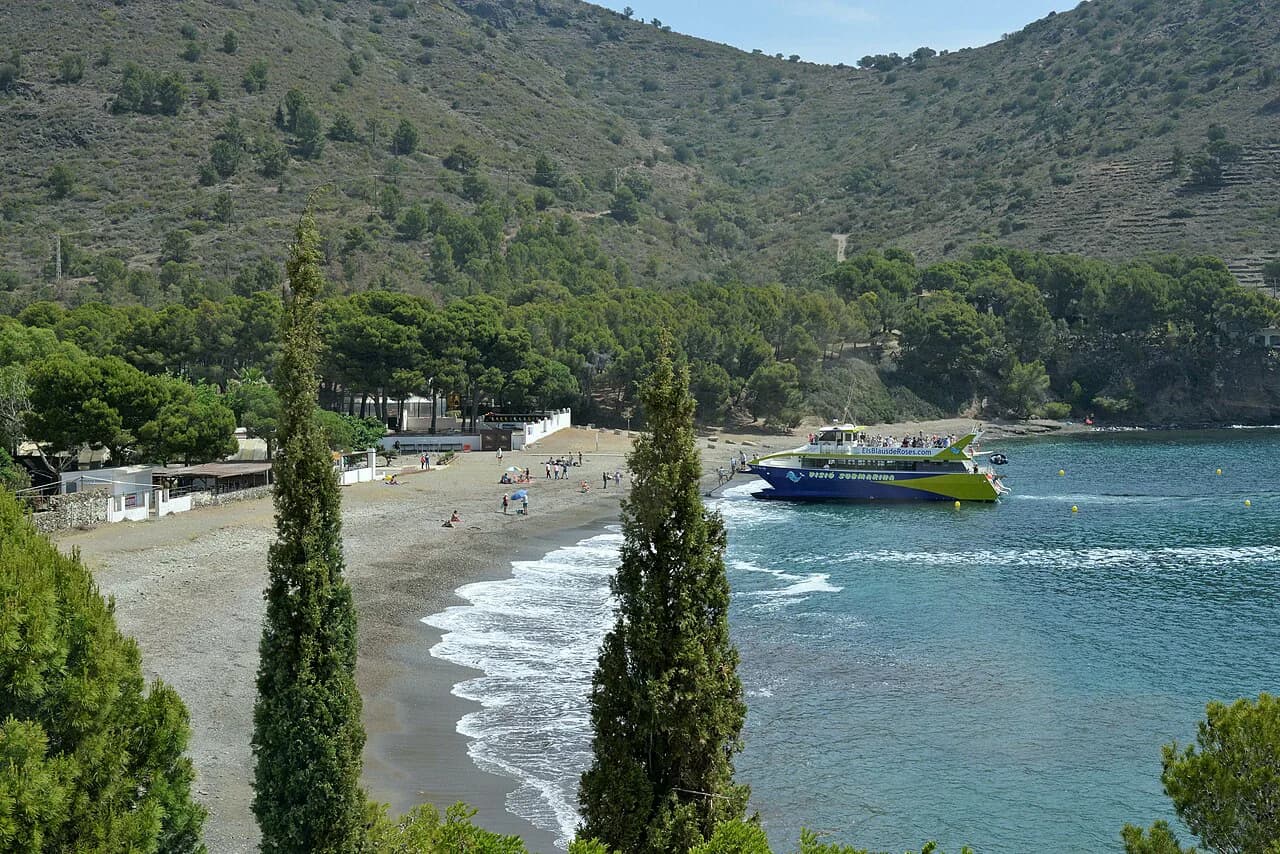
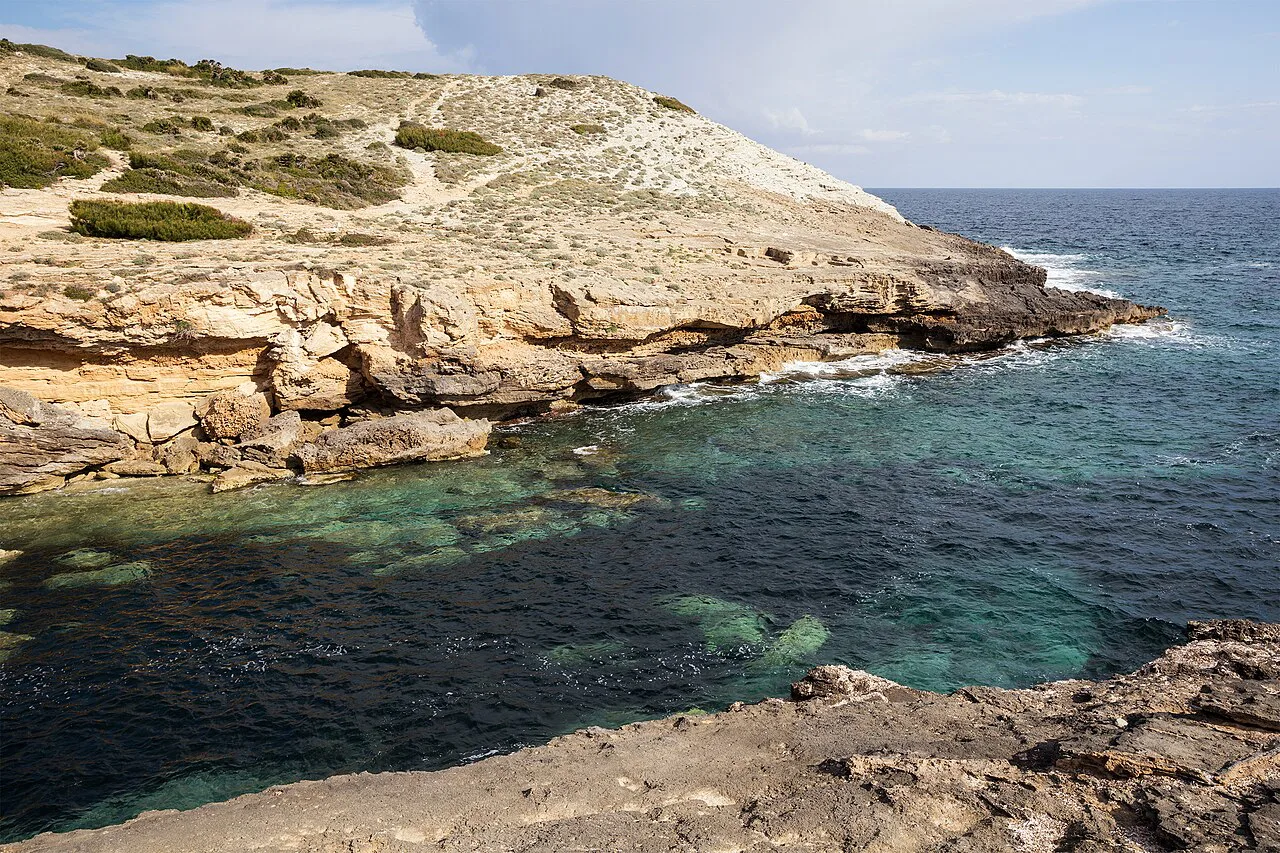
Cala Estreta rewards hikers and snorkellers who want a cove with nothing built on it: a small double half-moon of sand pinned between pine-covered cliffs, roughly 8 km from Palamós inside the Castell-Cap Roig Natural Area. There are no buildings, no promenade and no road down to the water. If your idea of a beach day involves a car park at the sand's edge, stay at Platja de Castell instead and look down on Estreta from the path.
The cove is compact, around 35 metres long and 10 metres wide, and a large central reef splits the bathing area into two pockets. That shape decides everything about a visit: where you lay your towel, where children can paddle, and which side gives you a more sheltered swim when the wind picks up.
Where Cala Estreta sits
Cala Estreta lies within the Castell-Cap Roig Natural Area, the protected coastal strip that runs south from Platja de Castell towards the Cap Roig headland. The Palamós tourist office puts it about 8 km from town, with the cove set among pine forest, cliffs and Mediterranean scrub rather than development.
That setting is the whole point. The surrounding natural area has kept the cove free of the villas and beach bars that line much of the Costa Brava, so the backdrop is trees and rock rather than rooftops. Treat the walk as part of the day out, not an inconvenience before it.
Getting there
You cannot drive to Cala Estreta. The tourist office states that access is on foot only, either along the Camí de Ronda coastal path or by the signposted forest tracks, with parking at Platja de Castell. Drive or take transport to Castell, leave the car there and continue on foot.
The Costa Brava tourism board's route guidance is the same: leave the car in the car park at Platja de Castell and walk to Estreta cove. It adds that the cove can also be reached by boat, which gives strong swimmers and boat parties a second option, though there is no jetty or landing stage described.
Footpaths in this part of the Costa Brava are uneven, with rocky sections, roots and short climbs, and the Camí de Ronda is a waymarked long-distance route rather than a paved promenade. Wear trainers or closed sandals with grip, carry water for the walk in and out, and plan your turnaround before you get hot. Cyclists use the tracks too, as the cove is described as accessible by bike or on foot.
The sand and the water
Expect coarse sand and rock rather than fine, groomed sand, in a small cove that fills quickly. The Costa Brava tourism board classifies the beach's sand as thick and describes the water as shallow, which makes the inner pockets of the two bays the place to settle with younger children.
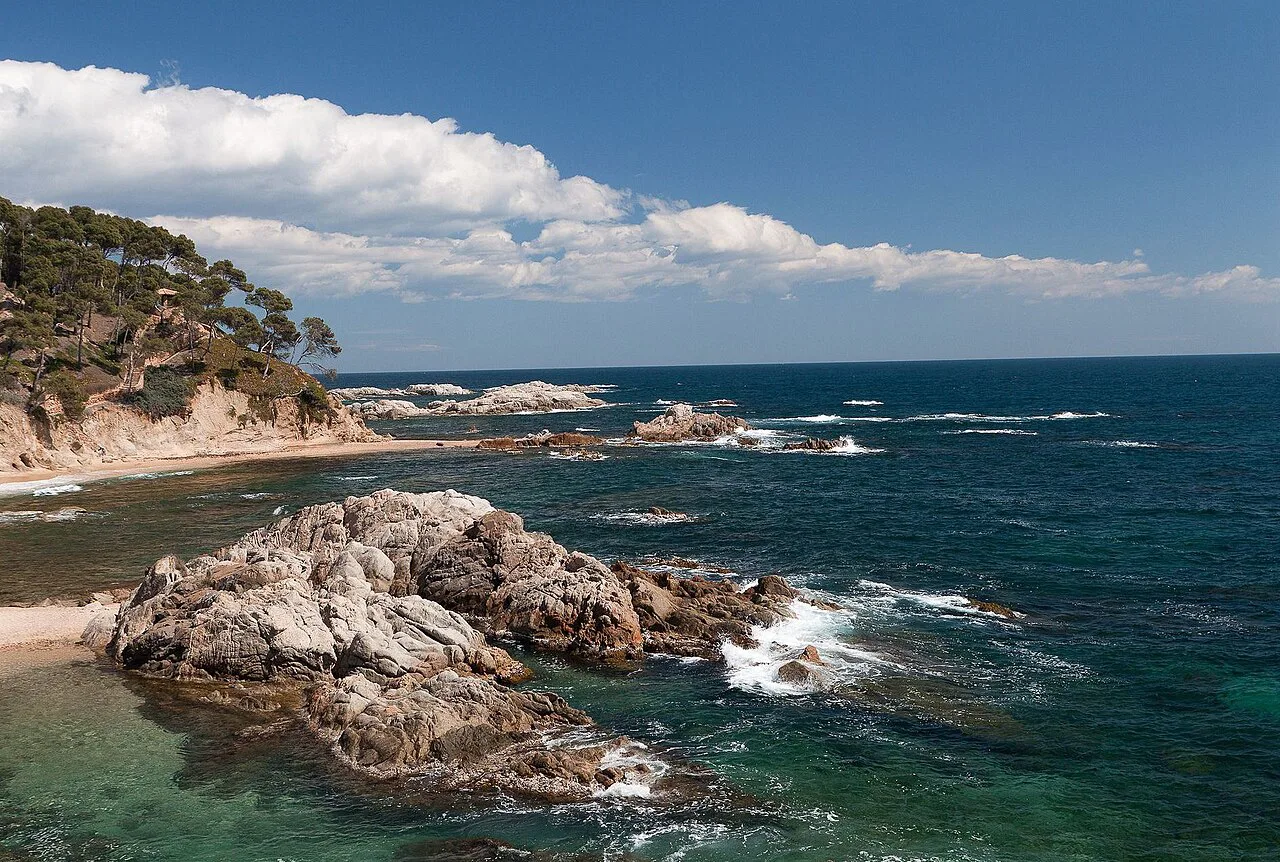
The central reef is the cove's defining feature. It splits the beach into a double half-moon and creates nooks worth exploring both on land and in the water, so the swimming zones are smaller and more enclosed than a straight open beach. Pick your pocket of sand with the wind in mind: one side usually offers more shelter than the other when the tramuntana blows from the north.
Water clarity is the reason many people make the walk. Reviewers describe very clear water and recommend snorkelling as a highlight, and the rocky edges and reef make that credible for anyone with a mask. Enter slowly over the rock, keep an eye on the wind and swell, and stay within your comfort zone rather than following the reef far out.
Naturalist use and etiquette
Cala Estreta has long been used for clothing-optional bathing. The Costa Brava tourism board lists nudists among the beach's typical visitors alongside couples and hikers, and reviewers note a bit of nudity at the cove.
In practice this is a mixed cove rather than a strictly designated naturist beach: some bathers are clothed, some are not. Arrive with the same courtesy you would on any small beach, keep photographs pointed at the view rather than the people, and give other groups space. If nudity makes you uncomfortable, Platja de Castell is the obvious alternative.
Facilities
Cala Estreta is a natural cove with almost nothing provided. The Palamós tourist office lists no showers, no services and no access for people with reduced mobility, so bring everything you need and carry it back out with you. That means water, food, shade and a bag for rubbish.
Lifeguard cover is limited. The Costa Brava tourism board states that a lifeguard service operates on weekends in July and August only, so midweek swimmers in high summer are swimming unsupervised by any service described. Plan your sea time with that in mind, particularly if you are bringing children.
At one end of the cove stands an old fisherman's hut, restored by the town council. The tourism board notes that its use for a day can be requested, though no booking procedure or fee is published there, so ask at the Palamós tourist office on Passeig del Mar if you want to pursue it.
How busy it gets
The walk-in keeps numbers well below what the sand at Platja de Castell handles in August. On summer weekends, with lifeguards on duty and holiday families in the area, the two pockets can still fill up, so aim to arrive in the morning rather than after lunch.
Outside peak weeks the cove can feel close to empty, which is exactly why quiet-seekers tolerate the approach. June, early July and September give you the best odds of having a pocket of sand to yourself, though the water is cooler at the edges of the season.
Best time to go
Late June through early September is when most visitors swim comfortably, and late July and August are the busiest weeks along this coast. If you want the reef to yourself for snorkelling, go early in the day in high season or target the shoulder months when the path is quieter.
The Costa Brava's northern wind, the tramuntana, can make the exposed side of the cove choppy while the other stays calmer, so check the forecast the night before and choose your pocket of sand accordingly. Bring a windbreak or accept sand in your picnic.
Nearby beaches to combine
Platja de Castell is the natural pairing: it is where you park, it has far more sand, and it suits anyone in your group who would rather not hike. Spend the morning at Estreta and the afternoon on Castell, or split the group and meet back at the car park.
Further along the coast, Calella de Palafrugell makes a good base for a week of cove-hopping, with its own beaches and a walkable old town. Other rocky coves on this stretch, such as Aiguablava and Sa Tuna, offer the same formula of clear water and limited facilities. South of here, the beaches in Sitges offer a contrasting, more developed take on a Costa Brava-style beach day.
Plan Your Visit
Cala Estreta is a beach for people who enjoy the approach: a walk along the Camí de Ronda or the forest tracks from Platja de Castell, coarse sand, a reef splitting the cove in two and water clear enough to make a mask worthwhile. It is a poor choice for anyone needing level access, showers or reliable lifeguard cover.
Pack water, food, shade, grip-soled shoes and a rubbish bag, arrive in the morning in July and August, and keep in mind that lifeguard cover runs on weekends in July and August only. For a wider choice of coves and bases, the full Girona beaches guide covers the rest of the coast.
Frequently Asked Questions
How do you get to Cala Estreta?
Park at Platja de Castell and walk in along the Camí de Ronda coastal path or the signposted forest tracks; the cove is also reachable by boat. There is no road down to the beach, so the approach is on foot or by bike.
Is Cala Estreta a nudist beach?
It has long been used for clothing-optional bathing, and the Costa Brava tourism board lists nudists among its typical visitors. In practice it is a mixed cove, so expect some bathers to be naked and others not.
Is there a lifeguard at Cala Estreta?
Lifeguard cover operates on weekends in July and August only according to the Costa Brava tourism board, so midweek swimming in high summer is unsupervised.
How far is Cala Estreta from Palamós?
The Palamós tourist office puts the cove about 8 km from town, inside the Castell-Cap Roig Natural Area.
Can you drive to Cala Estreta?
No. Access is on foot via the coastal path or forest tracks, and the nearest parking is at Platja de Castell.
Is Cala Estreta good for snorkelling?
The central reef and rocky edges make it a good spot for a mask and snorkel, and reviewers highlight the clear water. Enter carefully over the rock and stay within your depth.
Are there facilities or showers at Cala Estreta?
The Palamós tourist office lists no showers, no services and no reduced-mobility access, so bring water, food, shade and a bag for your rubbish.
When is the best time to visit Cala Estreta?
Late June to early September gives the warmest swimming, with late July and August the busiest weeks. Go early in the day or choose the shoulder months for a quieter cove.
Sources
Beach notes for your next trip
Optional updates when we add or revise beach guides.
You might also like
Continue reading
More guides you'll find useful