Cadaqués Beaches: A Costa Brava Beach Guide for Swimmers
Cadaqués beaches, from the town bay to the coves on the Cap de Creus headland, with access on foot or by car and picks for families, swimmers and quiet days.
On this page
Cadaqués earns its reputation as a beach base because the swimming is spread across three very different settings: the town bay itself, the small cove at Portlligat and the rocky inlets of the Cap de Creus headland. The whitewashed fishing town was named the most beautiful coastal town in Spain by Lonely Planet in 2020, and it remains a village of fewer than 3,000 residents, so the beaches feel tied to a working place rather than a resort strip. Which one you pick should depend on whether you want shallow water for children, flat water for swimming or a walk to somewhere quieter.
Why Cadaqués works as a beach base
The town sits on a bay with beaches at its edge and the Cap de Creus headland pushing east behind it, so you can swim in the village in the morning and walk to a cove in the afternoon without a long drive. It is a compact base: the coastal path around the bay starts from the village, and the headland begins a short drive away. The trade-off is that the most sheltered, shallow water is also the busiest, while the quieter coves demand more walking or a car.
The town beach and bay
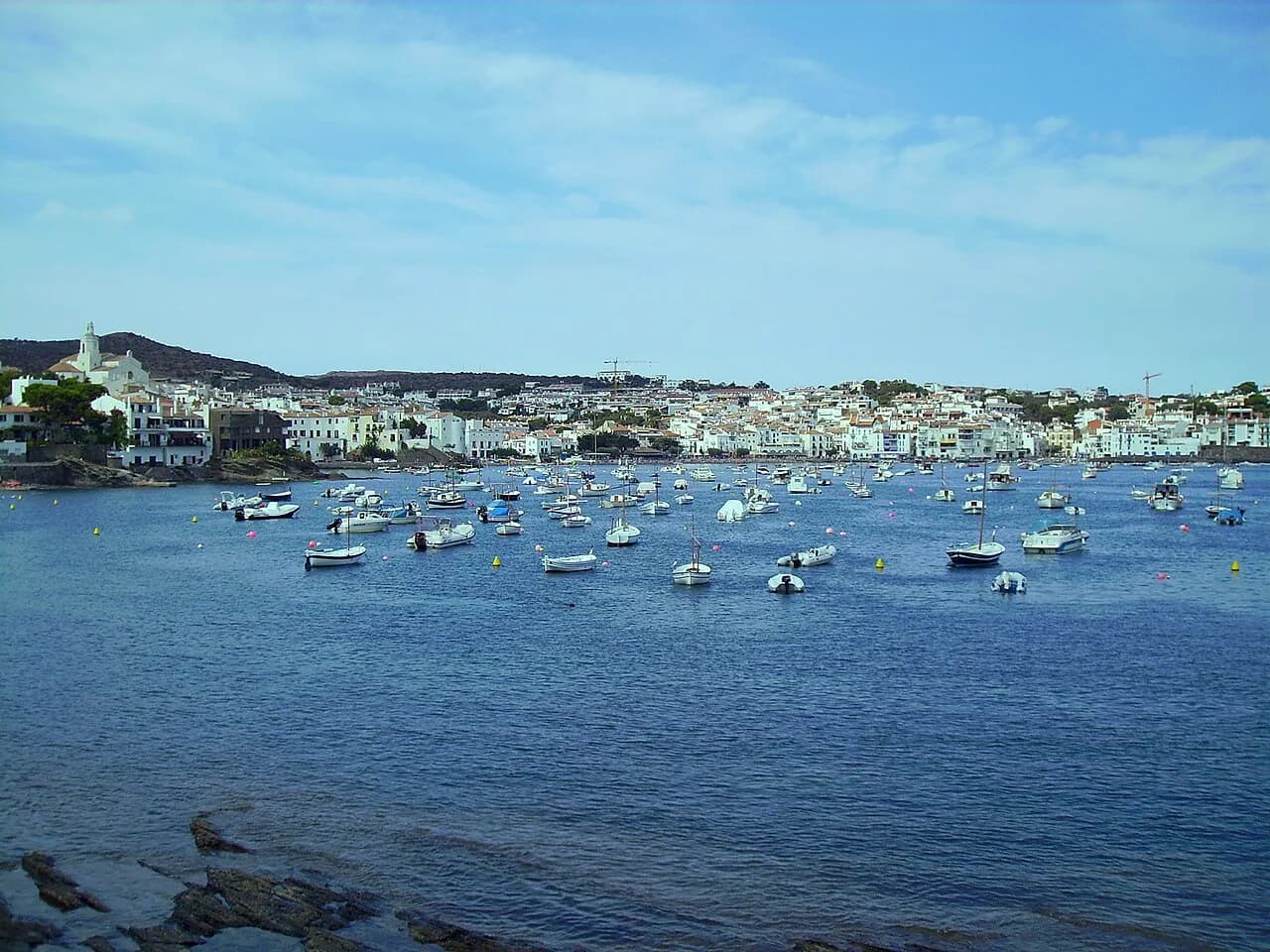
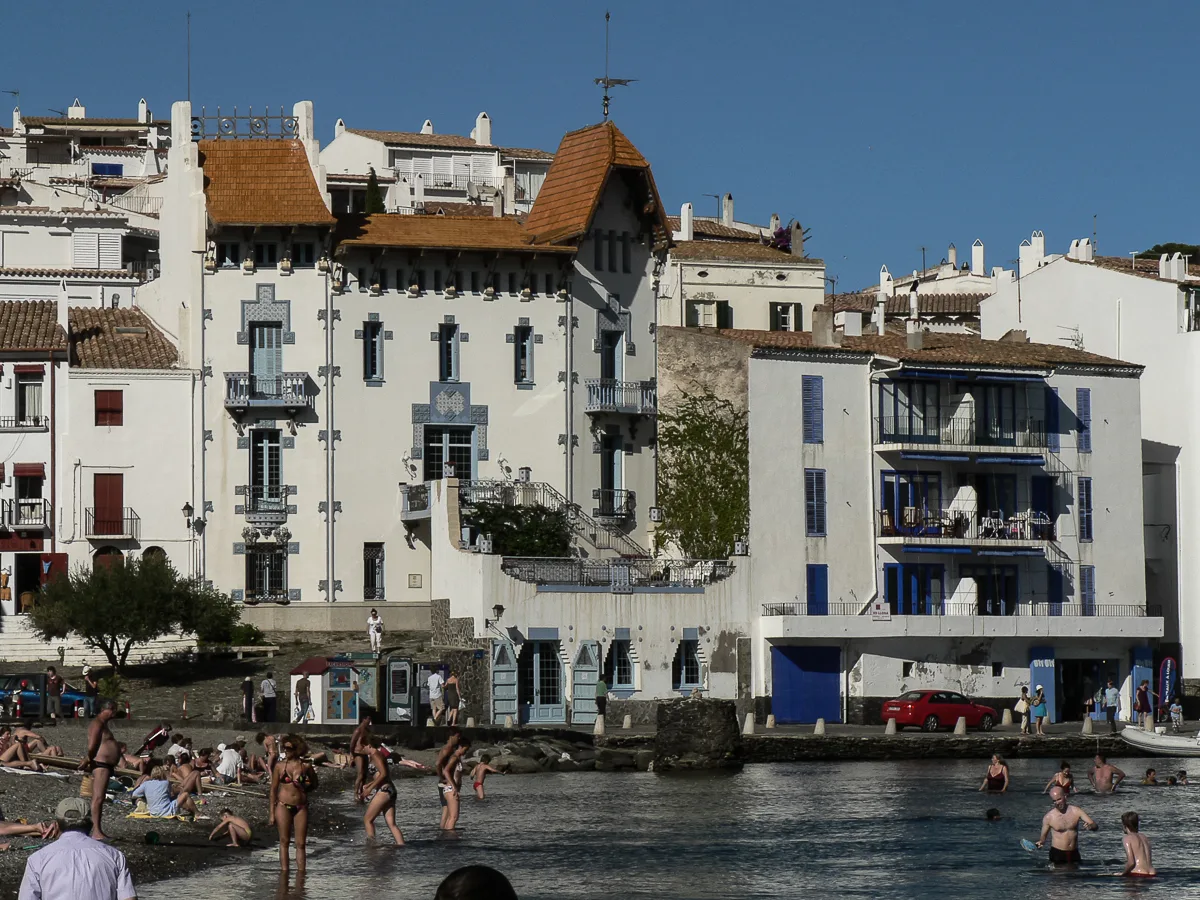
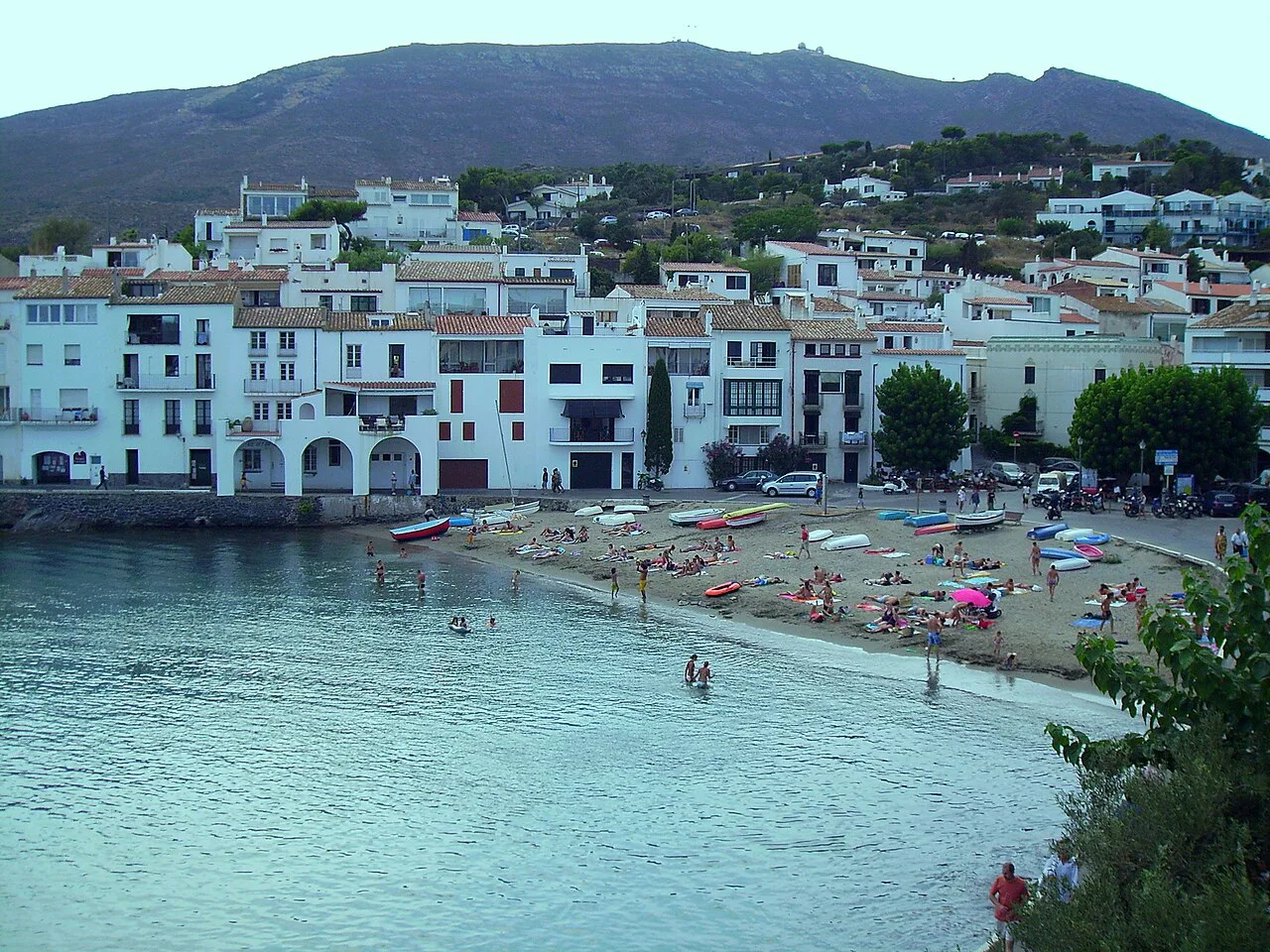
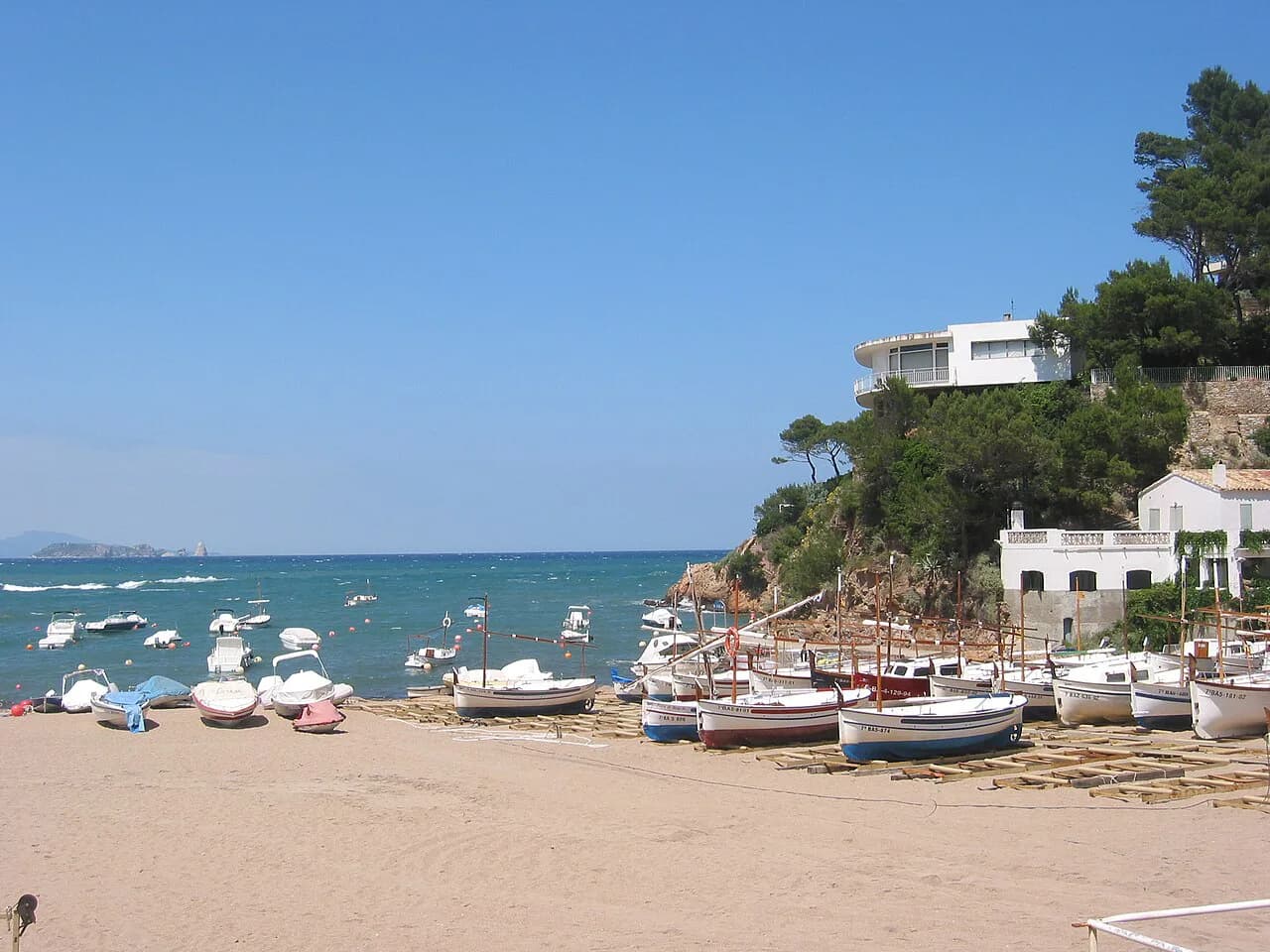
The beach in Cadaqués itself curves around the bay below the seafront houses, with the church and the whitewashed lanes directly behind it. Entry is shallow at the town end, which makes it the obvious choice for families with small children and for anyone who wants a swim without a walk. In July and August it fills early and stays busy through the afternoon, so arrive in the morning if you want space on the sand.
Portlligat cove
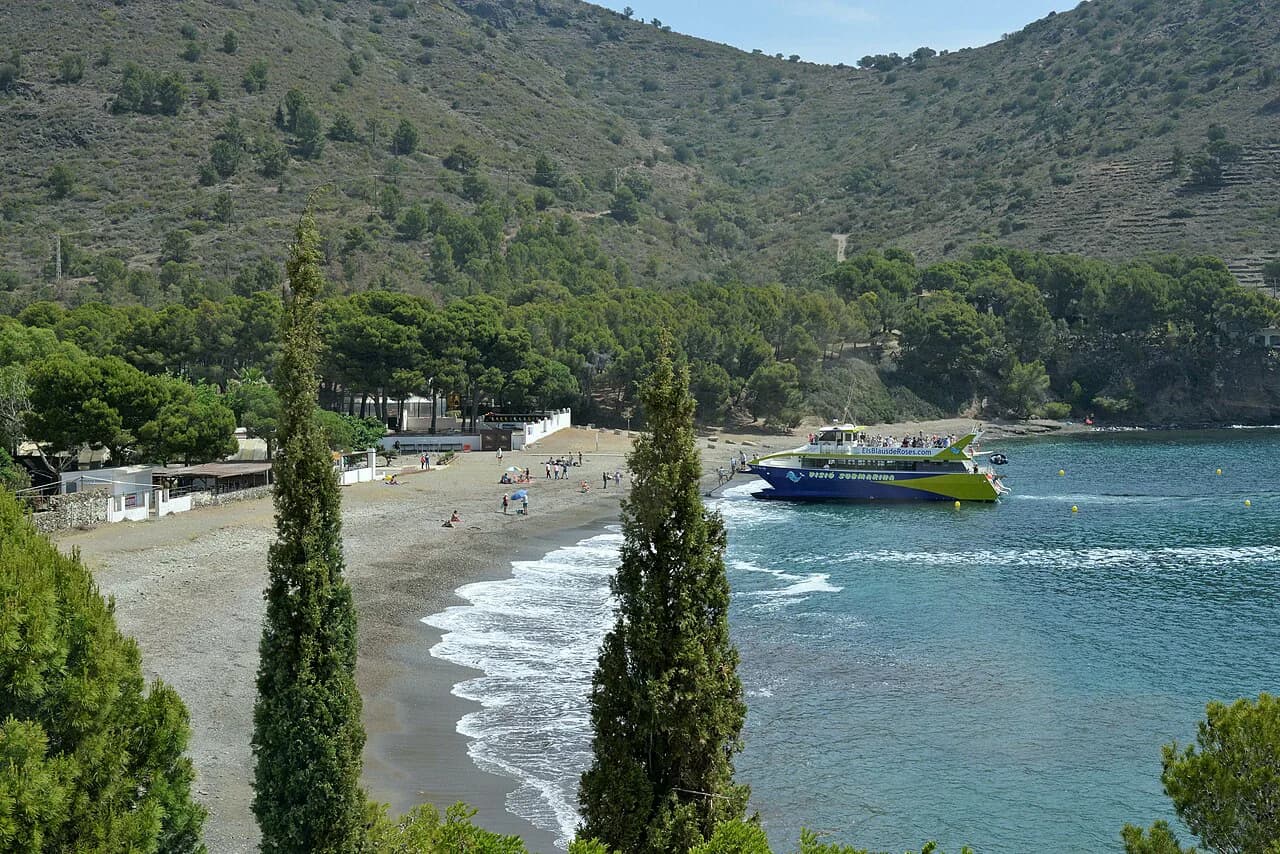
Portlligat is the small cove best known as the site of Salvador Dalí's house, now the Dalí House Museum, and it lies less than 10 minutes by car from the centre of Cadaqués. The bay is enclosed and small, so the water stays quiet and the setting is intimate rather than expansive. Come for a short swim combined with the museum visit rather than a full beach day, and treat the cove as a calm stop on a wider circuit of the headland.
The Cap de Creus headland
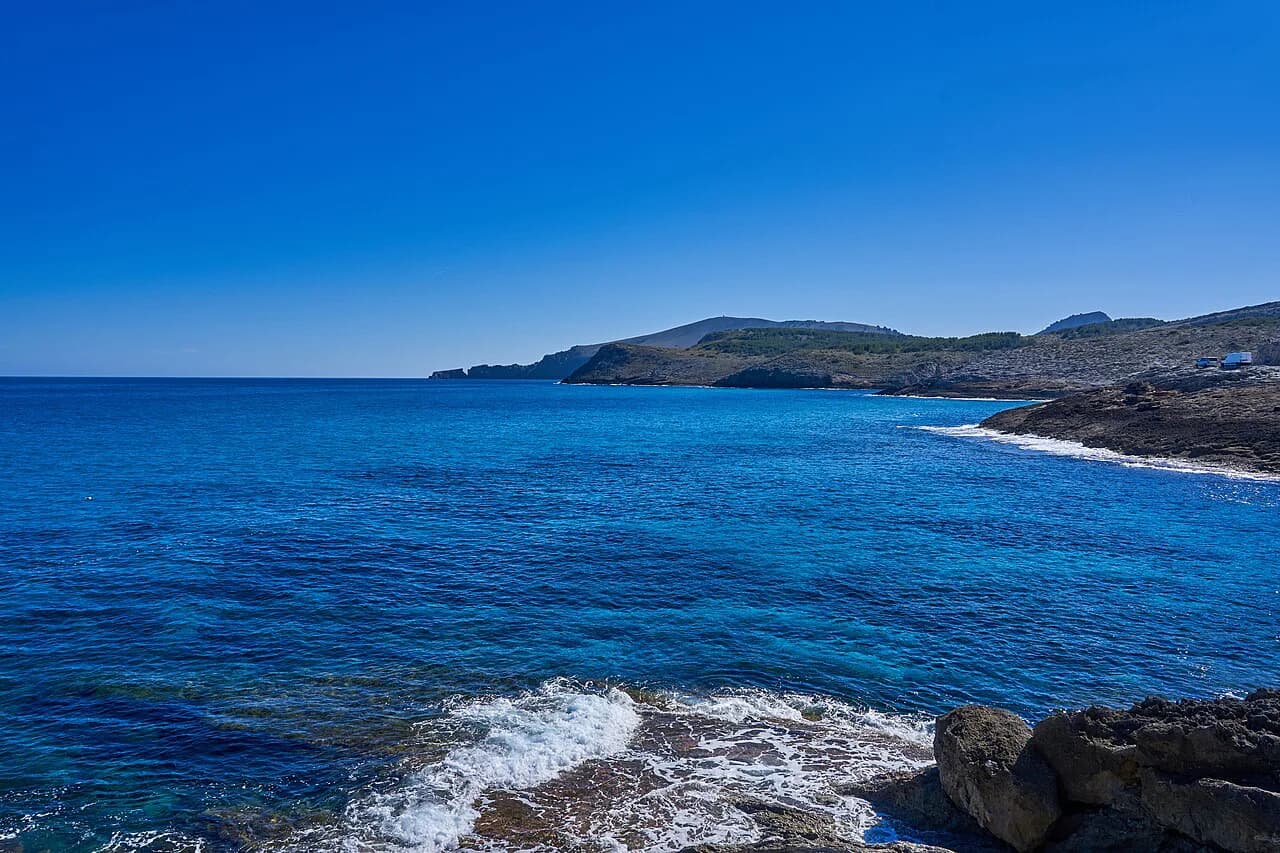
Cap de Creus lies about 8 km from Cadaqués and marks the easternmost tip of the peninsula; since 1998 it has been Catalonia's first terrestrial maritime natural park. The landscape here has been sculpted by the Tramuntana wind and heavy waves, which is why the headland's beaches are rocky, dramatic and more exposed than the town bay. Bring shoes that grip wet rock and expect to pick your spot rather than find a long sweep of sand.
Sa Sabolla and the Cala Nans lighthouse path
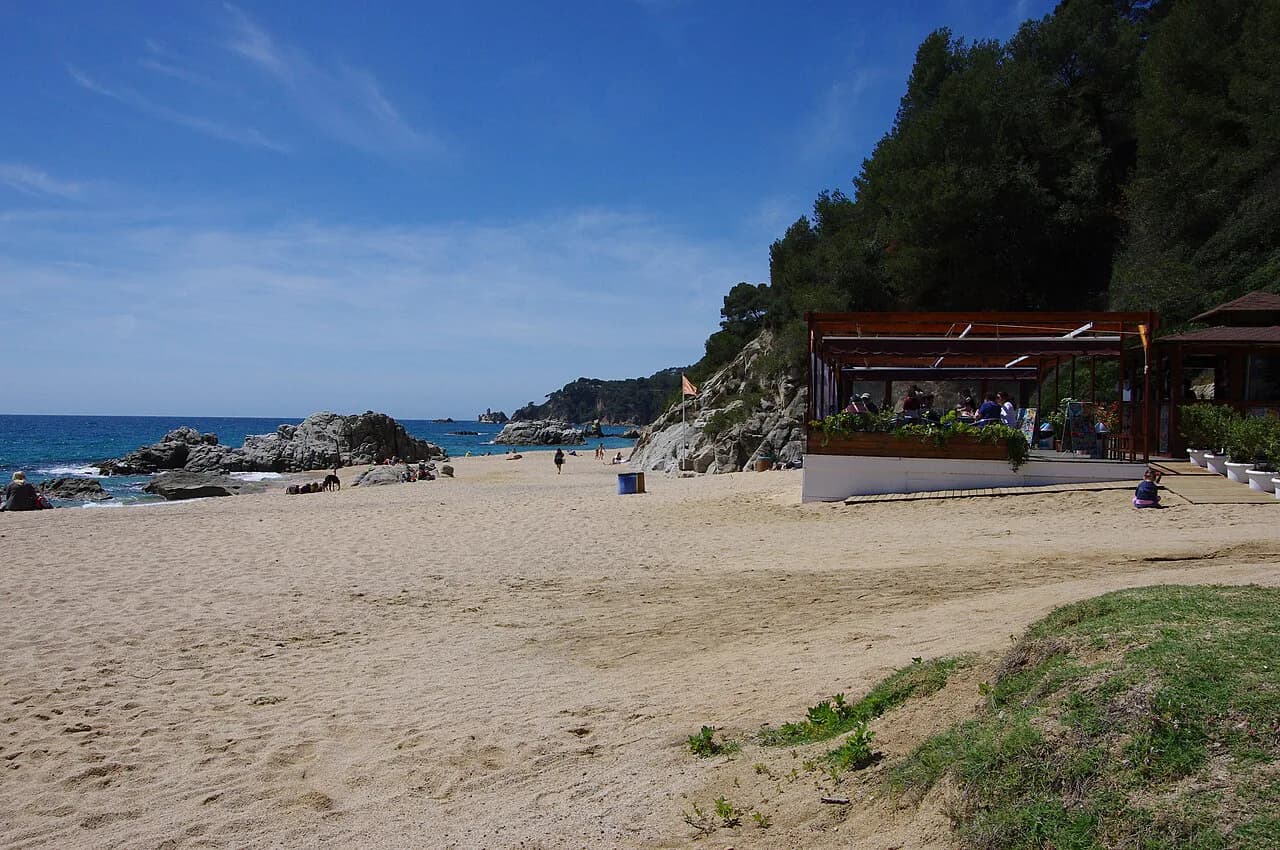
The lighthouse at Cala Nans is visible from almost anywhere in Cadaqués, and you reach it along the coastal path that runs around the whole bay. The walk passes the small beach of Sa Sabolla just before the lighthouse, which makes it a swim-and-walk outing rather than a drive. It is an excursion the whole family can do, and the reward at the end is one of the best views over the bay.
Facilities
The town beach is the practical choice for facilities, since it sits directly below the seafront and the village streets, where bars, restaurants and shops are a short walk away. The coves at Portlligat and on the headland are reached on foot or by car and have far less on hand, so carry water, shade and cash with you. Sunbed, shower and lifeguard arrangements vary along this coast and are best confirmed with the Cadaqués tourist office before you commit to a cove for the day.
Wind, shelter and water
The Tramuntana is the wind that shapes this coast, and it has carved the headland's rock over time. When it blows, the exposed coves on the Cap de Creus side feel it first, while the town bay and the enclosed cove at Portlligat offer more shelter. Plan your day around the wind rather than a fixed itinerary: pick the town beach or Portlligat on a windy morning and save the headland for a calmer one.
Getting there and around
Cadaqués is reached by road, and once you are in the village the bay, the seafront and the start of the coastal path are all within walking distance. For Portlligat, the drive is under 10 minutes from the centre, and the Cap de Creus headland is around 8 km away, so a car makes combining the coves straightforward. Parking around the bay and any charges are worth checking with the Cadaqués tourist office before you set out, as arrangements change with the season.
Best time to go
July and August are the busiest weeks, when the town beach fills early and the lanes behind it are at their most crowded. Late spring and early autumn give you warmer, quieter beach days with the same coastline and easier space on the sand. Sea temperatures peak in high summer, so if you want long, comfortable swims rather than quick dips, aim for the warmest weeks and start early.
Families, swimmers, snorkellers and quiet-seekers
Families with small children should head for the town beach, where the shallow entry and the proximity of the village make everything simpler. Swimmers who want flat water and a short outing will prefer Portlligat, while snorkellers and rock-scramblers get more from the headland coves around Cap de Creus. Quiet-seekers should walk the Cala Nans path to Sa Sabolla, accepting that the reward comes with a coastal walk and less shade and facilities.
Nearby beaches to combine
Port de la Selva, around the headland to the north, has a wide sandy beach that regular visitors describe as less touristy and more relaxed than Cadaqués, which makes it a good full-day alternative when the town bay is packed. Roses and the Llançà coast lie further along the same stretch of shoreline and pair naturally with a day in Cadaqués if you have a car. Further south along the same Catalan coast, the beaches in Sitges make a useful comparison for a sandy, town-backed swim. Plan a loop rather than a single beach, and you get the variety this coast is known for.
Practical kit
Bring shoes with grip for the rocky paths and headland beaches, since the Cap de Creus coast is stone rather than sand underfoot. Carry your own shade, water and cash for the coves, where the walk back to the village is the only option for supplies. A light layer helps against the Tramuntana, and a dry bag keeps valuables safe on the coastal path to Cala Nans.
Choosing Your Cadaqués Beach
Match the beach to the day: the town bay for shallow water and facilities, Portlligat for a quiet short swim beside the Dalí House, and the Cap de Creus headland or Sa Sabolla for a walk and rocky water. Check the wind before you leave, because the Tramuntana decides which coves feel comfortable. From there, this stretch of the Costa Brava rewards a loose plan rather than a fixed one.
Frequently Asked Questions
Which Cadaqués beach is best for families with small children?
The town beach in Cadaqués itself, where the entry is shallow and the village, bars and restaurants are directly behind the sand. Portlligat is a calm alternative for a short swim, but it has less on hand for a full day with children.
How do you get to the coves around Cadaqués without a car?
Walk. The coastal path around the bay of Cadaqués leads to the Cala Nans lighthouse, passing the small beach of Sa Sabolla just before the lighthouse. For Portlligat and the Cap de Creus headland, a car is the practical option.
Is the walk to the Cala Nans lighthouse suitable for children?
It is described as a family excursion, following the coastal path around the bay to the lighthouse, with views over the bay at the end. Take water, shade and shoes with grip, since the path and the small beach at Sa Sabolla are rocky underfoot.
Which Cadaqués beaches are sheltered from the Tramuntana wind?
The town bay and the enclosed cove at Portlligat offer the most shelter when the Tramuntana blows. The coves on the Cap de Creus headland are more exposed, because that wind has shaped the rock there over time.
When is the sea warm enough to swim at Cadaqués?
Sea temperatures peak in high summer, so July and August give the longest, most comfortable swims. Late spring and early autumn are quieter on the sand but cooler in the water, so pack accordingly.
Which beaches near Cadaqués are worth combining with a town day?
Port de la Selva has a wide sandy beach that visitors describe as more relaxed than Cadaqués, and it makes a good full-day alternative. Roses and the Llançà coast are also within reach by car for a beach-hopping loop.
Sources
Beach notes for your next trip
Optional updates when we add or revise beach guides.
You might also like
Continue reading
More guides you'll find useful