Roses Beaches: Which Costa Brava Beach Suits Your Day
Roses beaches range from long town sands to pebbly Cap de Creus coves. Compare access, facilities, shelter and swimming before you pick your spot.
On this page
Roses earns its place as a beach base because you get two coastlines in one town: a long, shallow urban beach for easy family days and a string of wilder coves along the road to Cap de Creus. Families settle on the town sands, swimmers and snorkellers head for the rocky inlets past Cap Norfeu, and walkers can link the two. The choices below are grouped by the kind of day you want, from a quick town-centre dip to a pebble cove that rewards the drive.
Why Roses works as a beach base
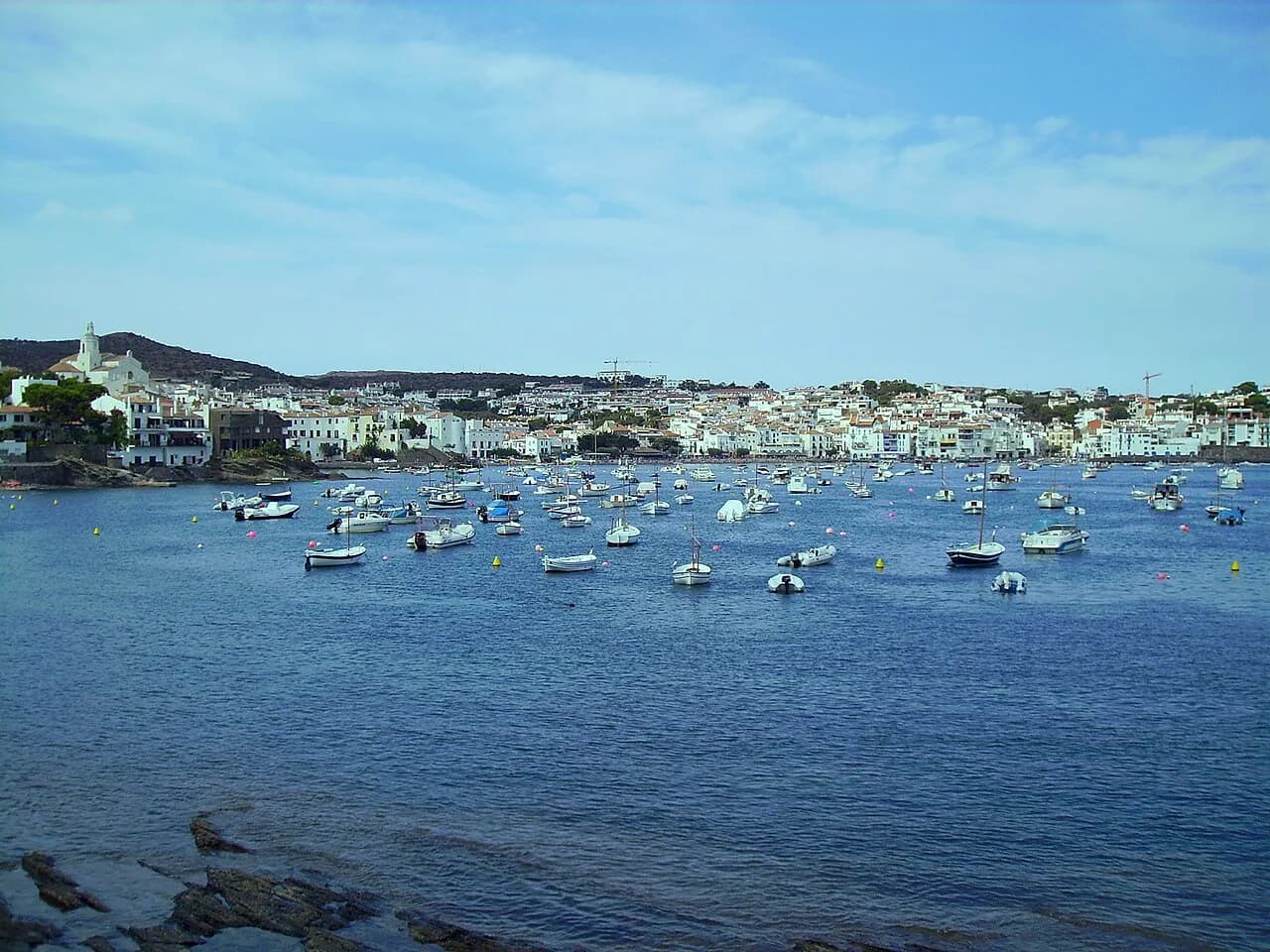
The town sits at the northern end of the Costa Brava, where the wide Bay of Roses meets the rocky Cap de Creus peninsula. That geography gives you a 1,790-metre main beach running from the mouth of the Ginjolers stream to Santa Margarida, plus more than a dozen smaller coves within roughly 14 kilometres of the centre. You can swim off fine sand in the morning and be on a pebble cove beneath cliffs by lunchtime without changing base.
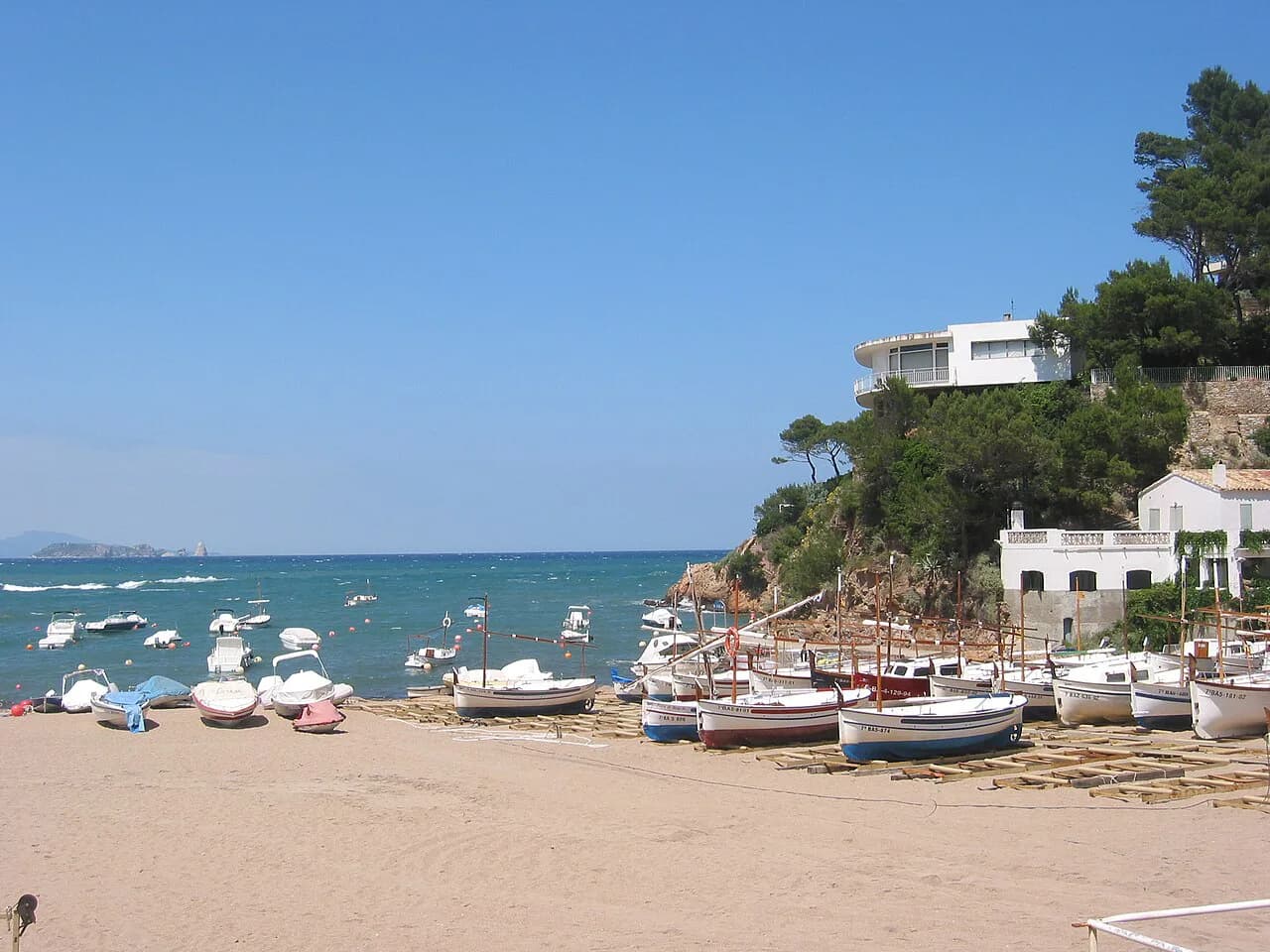
The coves spread along the coast road that runs past Cape Norfeu toward Cala Jòncols, with distances from the town centre marked for each. The nearest sands, Canyelles Petites and L'Almadrava, sit three to five kilometres out, while the wildest inlets are 12 to 14 kilometres away. That spread means you can choose a beach by how far you are willing to drive and how much shade, sand and company you want.
Roses town beaches: Nova, Rastrell and Salatar
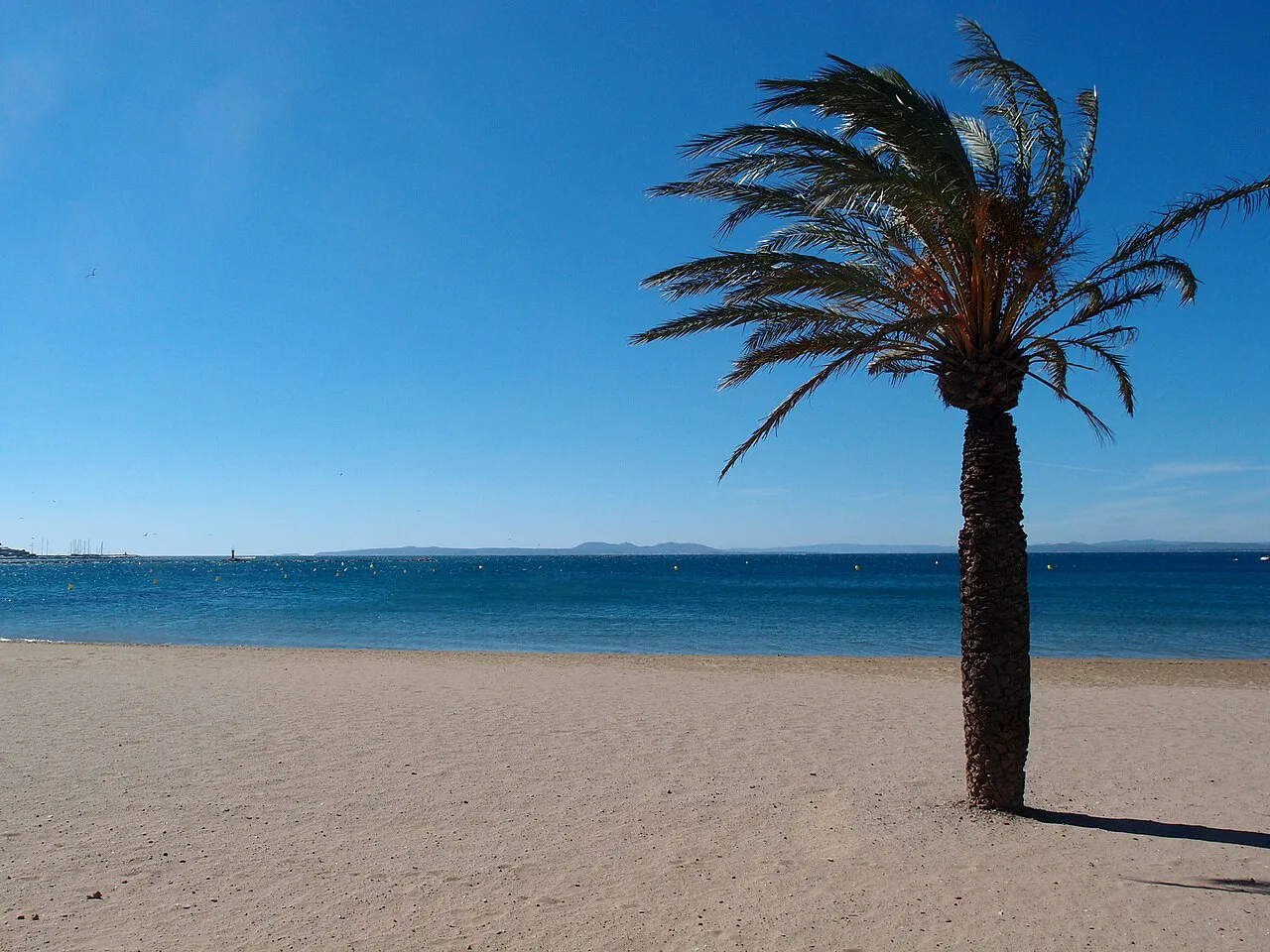
What most people call Platja de Roses is really three linked sectors: Nova beach, Rastrell beach and Salatar beach, each separated from the next by a stream. Nova sits between the port and the dyke, Rastrell lies right in the town centre between Salatar and the rest, and Salatar runs about 500 metres along the northern stretch. Because they join end to end, you can walk the whole seafront and pick whichever patch of sand looks least crowded.
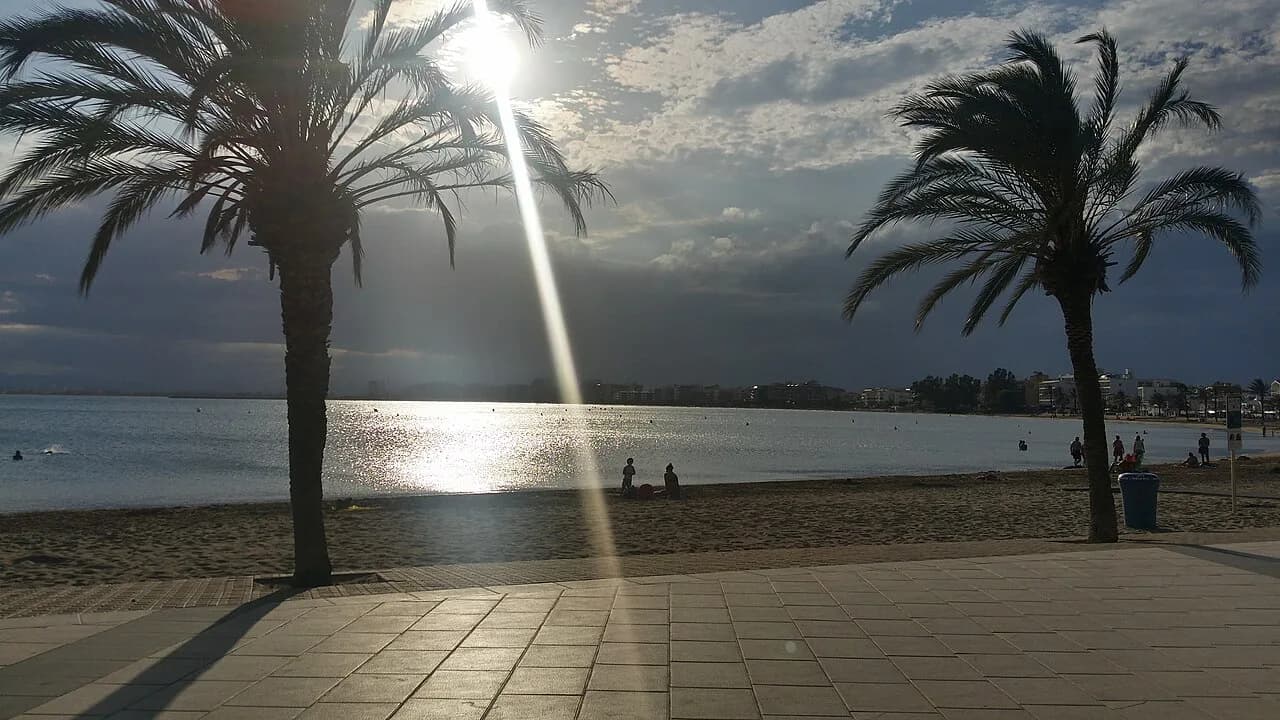
Across the three sectors the sand is fine-grained and the water stays shallow well out from the shoreline, which makes this the easiest stretch for paddling children and for water sports. Port de Roses lists lifeguard surveillance, showers, toilets, a Red Cross first-aid post, sunbeds and sunshades, pedalo and kayak rental and a children's play area along this main beach. It is broad and heavily used, so expect company in high summer.
Platja de Roses and Santa Margarida: the family end
Platja de Roses is the place to settle if your group wants shallow water, rental equipment and the option of a volleyball game without leaving the sand. The full sweep runs 1,790 metres, and it hosts a windsurfing school as well as pedalo and kayak hire, so non-swimmers and restless teenagers both find something to do. Set up nearer the Santa Margarida end if you want a little more space than the central sectors offer.
Santa Margarida beach continues from Salatar up to the outlet of the Santa Margarida residential marina, a broad 650-metre stretch of fine golden sand with clean, shallow water. It draws a large share of foreign visitors, many with second homes in the marina estate behind it, so the surrounding area has hotels, campsites, restaurants and shops within walking distance. The trade-off is an active, built-up backdrop rather than a wild setting.
La Punta and Palangrers: quick town-centre swims
If you want a swim without a drive, La Punta beach sits right in the town centre, running 550 metres from the fishing port to the mouth of the Ginjolers stream. The sand is very fine and the water shallow and clear, and the beach has surveillance, showers, toilets, a Red Cross post, a ramp for disabled access and easy parking without an attendant. It suits a morning dip before the day heats up or an evening swim after dinner.
Palangrers beach is a small 140-metre strip about a kilometre from the centre, just below the road to the lighthouse, with a sand and rock seabed. It has long been popular with locals because a picnic area shaded by tamarisk trees sits behind the sand, complete with stone benches, tables and a fountain. Come here for shade and a quieter swim than the main town beach rather than for space to spread out.
Canyelles Petites and L'Almadrava: Blue Flag sand south of town
Canyelles Petites lies three kilometres from the centre in the Canyelles residential estate, 370 metres of fine golden sand with clear water and a sandy bottom. Port de Roses records that it has received the European Union Blue Flag every year since 1995, and it is fully sheltered from the north wind, which makes it a strong pick on a Tramuntana day. The beach has lifeguard and land surveillance, showers, toilets, a Red Cross first-aid post, restaurants, sunbeds and pedalo and kayak hire.
L'Almadrava sits five kilometres from town on the road from the lighthouse to Falconera point, a 450-metre beach of fine sand and turquoise water. It is likewise sheltered from the north wind, which is why bathers favour it when the wind picks up, and it carries the same spread of services: surveillance, showers, toilets, a Red Cross post, restaurants and bars, sunbeds and kayak and pedalo rental. Parking here is in a zone without an attendant, so you park yourself and walk in.
Bonifaci, Calís and Calitjàs: small coves on the coast road
These three inlets sit between L'Almadrava and Cala Montjoi along the coast road and reward anyone willing to stop at a small sign rather than press on. Bonifaci is a 100-metre sheltered cove with clear water, a floating platform and a drink and ice-cream stand with tables and sunshades. Calís is only 50 metres, a medium-sand beach separated from Montjoi by rocks jutting from the sea, with surveillance, marked bathing zones and a parking zone without an attendant.
Calitjàs is a small cliff-ringed cove with a 110-metre beach, reached from the same coastal road beyond Cape Norfeu. The sand is medium-grained and grey, and the seabed shelves rapidly into deep water, so this is one for confident swimmers rather than small children. It has lifeguard surveillance, a buoy-marked bathing zone and cleaning of the cove and its water.
Cala Montjoi and La Pelosa: pebbles, snorkelling and beach bars
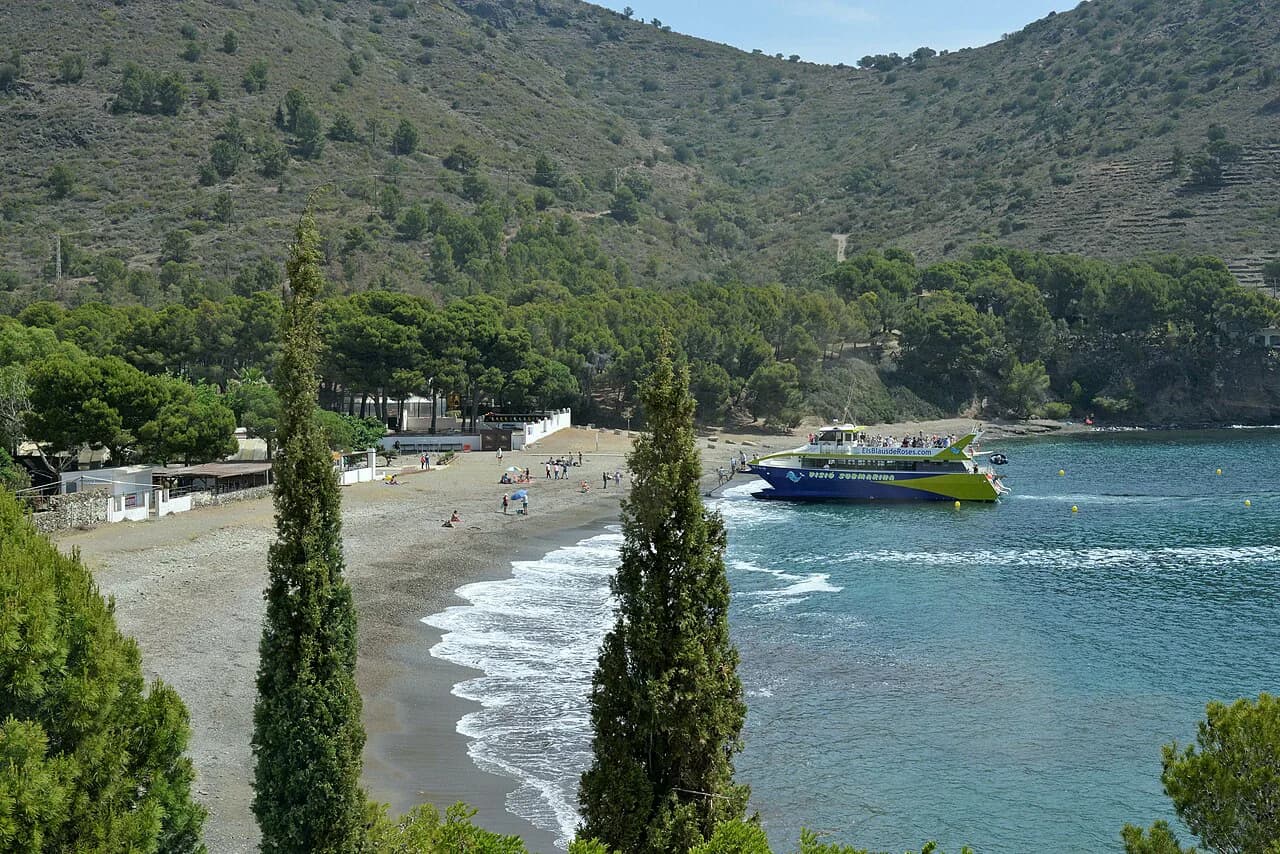
Cala Montjoi is seven kilometres from Roses, a broad, much-visited cove about 270 metres long between Calitjàs and Calís. The surface is coarse sand and pebbles and the seabed shelves steeply, which suits snorkellers and divers but means water shoes help when wading in. There is a diving centre, a large parking zone without an attendant, a bar, a terrace with tables and sunshades and a removable jetty where tourist boats land.
La Pelosa lies in the shelter of the Cape Norfeu peninsula about nine kilometres from town, a 90-metre cove with coarse sand and a steeply shelving seabed. A fishermen's hut and a small bar-restaurant sit by the sand, and the cove has a buoy-marked bathing zone, a removable jetty and a parking zone. It is one of the most popular coves in Roses, so arrive early if you want a spot at the water's edge.
Cala Jòncols and Canadell: past Cap Norfeu
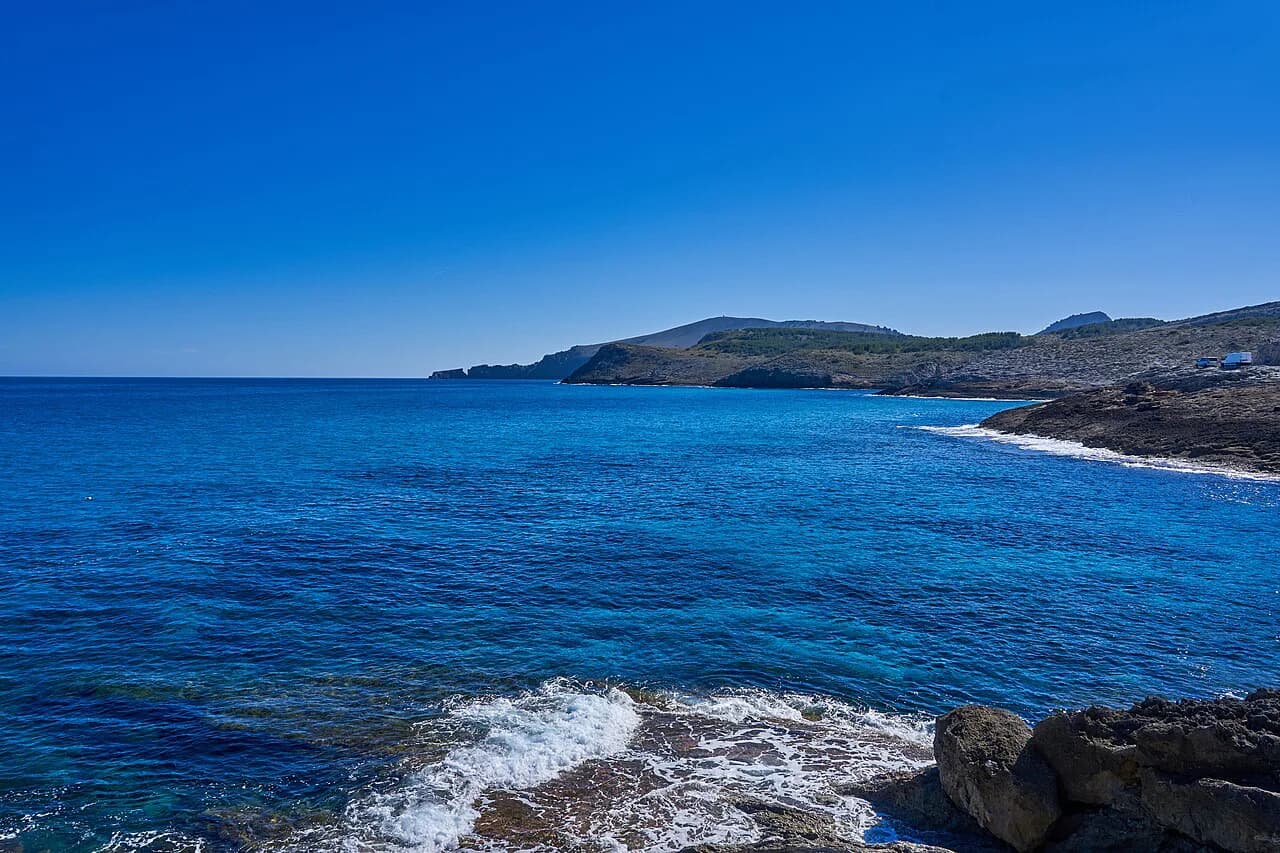
Cala Jòncols, roughly 12 kilometres from the centre, is an unspoilt 190-metre cove backed by wild landscape, formed of pebbles with a steeply shelving seabed of the same material. It has a specialised diving centre, a removable jetty, a terrace with reed sunshades, a car park without an attendant and a beaching point for tourist boats. Divers and snorkellers get the most from it; families with toddlers will find the entry awkward.
Canadell lies between Jòncols and Pelosa, about ten kilometres out, a secluded pebble beach only 60 metres long with cliffs at its back. It has cleaning and coastal surveillance as its services, and it is the kind of cove you choose for quiet and rough-and-ready charm rather than for sunbeds and bars. Bring what you need for the day, including shade and water.
Murtra and Rostella: boat-access coves
Cala Murtra and Cala Rostella are two small coves of roughly 120 and 100 metres respectively, tucked below cliffs fewer than seven kilometres from town. Both are hard to reach by land, so the easiest approach is by boat, and that keeps them secluded. Nudism is permitted in Murtra cove only, according to Port de Roses, so treat the beach as a long-established naturist area and keep beach etiquette simple: no staring, no photography.
Services in both coves extend to beach and water cleaning, so plan a boat trip or a coastal walk with everything you need for a few hours on the rocks. The cliffy backdrop and clear water make them a rewarding contrast to the busy town sands, but there is no promenade to fall back on if the weather turns.
Getting there
The town beaches and the nearer sands at Canyelles Petites are the easiest to reach without a car, since they sit within three kilometres of the centre. Beyond that, the Cap de Creus road is the spine for every cove from L'Almadrava out to Jòncols, and each beach has its own parking zone, generally unattended, signposted from the road. On busy summer days the small coves fill early, so start out in the morning.
For the boat-access coves at Murtra and Rostella, look for trips that land on the sand rather than simply pass by, and ask the boat company where you will be dropped and collected. Tourist boats also beach at Montjoi and Jòncols, so a boat day and a cove walk can be paired. If you plan to link several stops, the wider beaches guide is a useful reference for building an itinerary across the region.
Facilities
Facilities follow a clear pattern in Roses. The main town beach, Santa Margarida, La Punta, L'Almadrava and Canyelles Petites have the fullest offering: lifeguard and land surveillance, showers, toilets, a Red Cross first-aid post, restaurants and bars, sunbeds and sunshades, and rental of pedalos and kayaks. Ramps for disabled access are listed at La Punta, L'Almadrava, Canyelles Petites and Santa Margarida.
The smaller coves strip back to the essentials. Palangrers has showers and a drink stand but the picnic shade behind it is the real draw, Bonifaci has a drink and ice-cream stand and a floating platform, and Montjoi and La Pelosa have bars and terraces. Canadell, Calitjàs, Calís and the boat coves offer surveillance or cleaning rather than full services, so pack water and shade for those days.
Best time to go
The Mediterranean here warms through late spring and stays comfortable into early autumn, but the town beaches fill with visitors in July and August, when sunbeds and central patches of sand go early. Shoulder months give you the same sand and water with more room, though you should check which beach bars and rental desks are open. Port de Roses publishes seasonal service information, and the Roses tourist office can confirm what is running during your stay.
Watch the wind as much as the calendar. The north wind, the Tramuntana, can roughen the exposed town beaches while L'Almadrava and Canyelles Petites stay sheltered, so a windy forecast is a reason to head south rather than stay put. Conversely, the small cliff-backed coves at Calitjàs and Calís are best chosen on settled days.
Nearby beaches to combine
A good Roses day pairs a town beach with one cove. Start with a morning swim at La Punta or Santa Margarida, then drive out to La Pelosa or Montjoi for lunch at a beach bar and an afternoon of snorkelling over the rocks. Or take the coast road early and spend the morning at Jòncols before returning to the wide sands for a late swim.
Further afield, Lloret de Mar beaches and Tossa de Mar beaches make natural extensions if you are touring the coast southward, while walkers based around Palafrugell can compare notes on Calella de Palafrugell and families wanting a shallow, well-serviced town beach can weigh the beaches in Sitges against Roses. Each has a different character from Roses, so use them to vary the trip rather than to replace the coves on your doorstep.
Who each beach suits
Families with small children should head for the shallow, fine-sand stretches: Platja de Roses, Santa Margarida, La Punta and L'Almadrava, where the water stays shallow and the services are complete. Swimmers who like depth will prefer Calitjàs, Montjoi and La Pelosa, where the seabed shelves quickly. Snorkellers and divers get the most from the rocky coves past Cap Norfeu, especially Jòncols with its diving centre.
Quiet-seekers should aim for Canadell or the boat-access coves at Murtra and Rostella, accepting that they come with fewer facilities. Windy days belong to L'Almadrava and Canyelles Petites, which are sheltered from the north wind. If you want the range of Catalan sands in one place, the Girona beaches guide sets Roses alongside its neighbours.
Dogs on the Roses coast: which beaches and coves allow them
The beach listings for the Roses coast describe sand, water, access and facilities in some detail, but none of the beaches the guide covers is presented as a dog-friendly beach. Where a source sets out services, the list runs through coastal and land surveillance, showers, waste-paper bins, toilets, Red Cross first-aid posts, telephones, signposting, ramps for the disabled, restaurants, drink and ice-cream stands, lounger beds, sunshades, awnings, pedalo and kayak rental, volleyball nets, children's play areas and parking zones, and does not include any provision for dogs.
That absence matters most at the large, service-heavy beaches. Platja de Roses, divided into Nova beach, Rastrell beach and Salatar beach over a total length of 1,790 metres, is described as a very broad and much-used beach with fine-grain sand and shallow waters, with a windsurfing school among its services. Platja de Sta. Margarida, some 650 metres of fine-grain golden sand running from Salatar beach up to the outlet of the Santa Margarida residential marina, is likewise listed with the full service set including a windsurfing and underwater diving school. La Punta, 550 metres of very fine-grain sand from the fishing port to the mouth of the Ginjolers stream, and L'Almadrava, 450 metres of fine sand sheltered from the North wind, carry the same long service lists.
The smaller coves are not singled out for dogs either. Platja del Bonifaci, a 100-metre cove between L'Almadrava and Canyelles, lists coastal surveillance, sand and water cleaning, a floating platform, floating mooring for boats, waste-paper bins and a drink and ice-cream stand with tables and sunshades. Cala Calitjàs, a 110-metre cove with transparent waters between Pelosa and Montjoi coves, offers coastal surveillance, a buoy-marked bathing zone and cleaning of the cove and its waters. Calís, a 50-metre beach between Montjoi cove and Rostella cove, has coastal surveillance. Platja dels Palangrers, a small 140-metre beach beneath the road to the lighthouse, has a picnic zone under tamarisk trees with stone benches and tables and a fountain.
For a quiet, out-of-the-way plan, the sources point to the less developed parts of the coast. The Costa Brava is described as having a large number of coves located outside built-up areas, reached by following hiking trails or coastal paths, and these areas are recommended mainly for nature and physical activity lovers. Among the Roses coves, Cala Murtra is described as practically unspoilt and lies seven kilometres from the centre of Roses; Cala Jòncols sits fourteen kilometres from the centre of Roses in a practically virgin and wild landscape past Cape Norfeu; Cala Montjoi lies 12 kilometres from the town centre in the midst of spectacular natural surroundings; and Cala Rustella, like practically all the coves in the Cap de Creus area, is made up of pebbles and coarse sand. Access to these is by the same coast road running beyond Cape Nofeu, or on foot along the paths.
Plan Your Beach Day
Choose Roses for the choice: the town gives you shallow, well-serviced sand, and the Cap de Creus road gives you coves where the water deepens fast and the cliffs close in. Match the beach to your group's confidence in the water and to the wind, not just to the map, and start early for the coves. Check with Port de Roses or the Roses tourist office for anything seasonal before you set out.
Frequently Asked Questions
Which Roses beach is best for families with small children?
Platja de Roses and Santa Margarida offer the longest shallow, fine-sand stretches with the fullest facilities, including surveillance, showers, toilets and a Red Cross first-aid post. La Punta is a good town-centre alternative with a ramp for disabled access.
Is Platja de Roses sandy and shallow?
Yes. The main beach is fine-grained sand with shallow water well out from the shore, which is why it suits families and water sports. It is divided into the Nova, Rastrell and Salatar sectors, each separated by a stream.
Can you reach Cala Murtra and Cala Rostella by land?
They are difficult to reach overland, so the easiest approach is by boat. Services in both coves extend to beach and water cleaning, and the cliffy backdrop keeps them secluded.
Which Roses beaches are sheltered from the wind?
Canyelles Petites and L'Almadrava are both fully sheltered from the north wind. On a windy day they are the safer bet than the exposed town beaches or cliff-backed coves.
Where can you snorkel or dive around Roses?
The rocky coves past Cape Norfeu are the best bet. Cala Jòncols has a diving centre and pebble seabed, while Cala Montjoi has a diving centre with coarse sand and pebbles that shelve steeply.
Are there naturist beaches in Roses?
Nudism is permitted at Cala Murtra, which is reached most easily by boat. Treat it as a long-established naturist area and follow simple beach etiquette.
How do you get to the coves along the Cap de Creus road?
Drive or cycle the coast road past Cape Norfeu, which serves L'Almadrava, Calitjàs, Calís, Montjoi, La Pelosa and Jòncols. Each cove has its own parking zone, generally without an attendant, and they fill early in summer.
Sources
Beach notes for your next trip
Optional updates when we add or revise beach guides.
You might also like
Continue reading
More guides you'll find useful