Platja d'Aro Beach Guide: Platja Gran and Cala Rovira
Platja Gran is Platja d'Aro's long coarse-sand town beach with Blue Flag status, lifeguard station and step-free access; Cala Rovira is the quieter alternative.
On this page
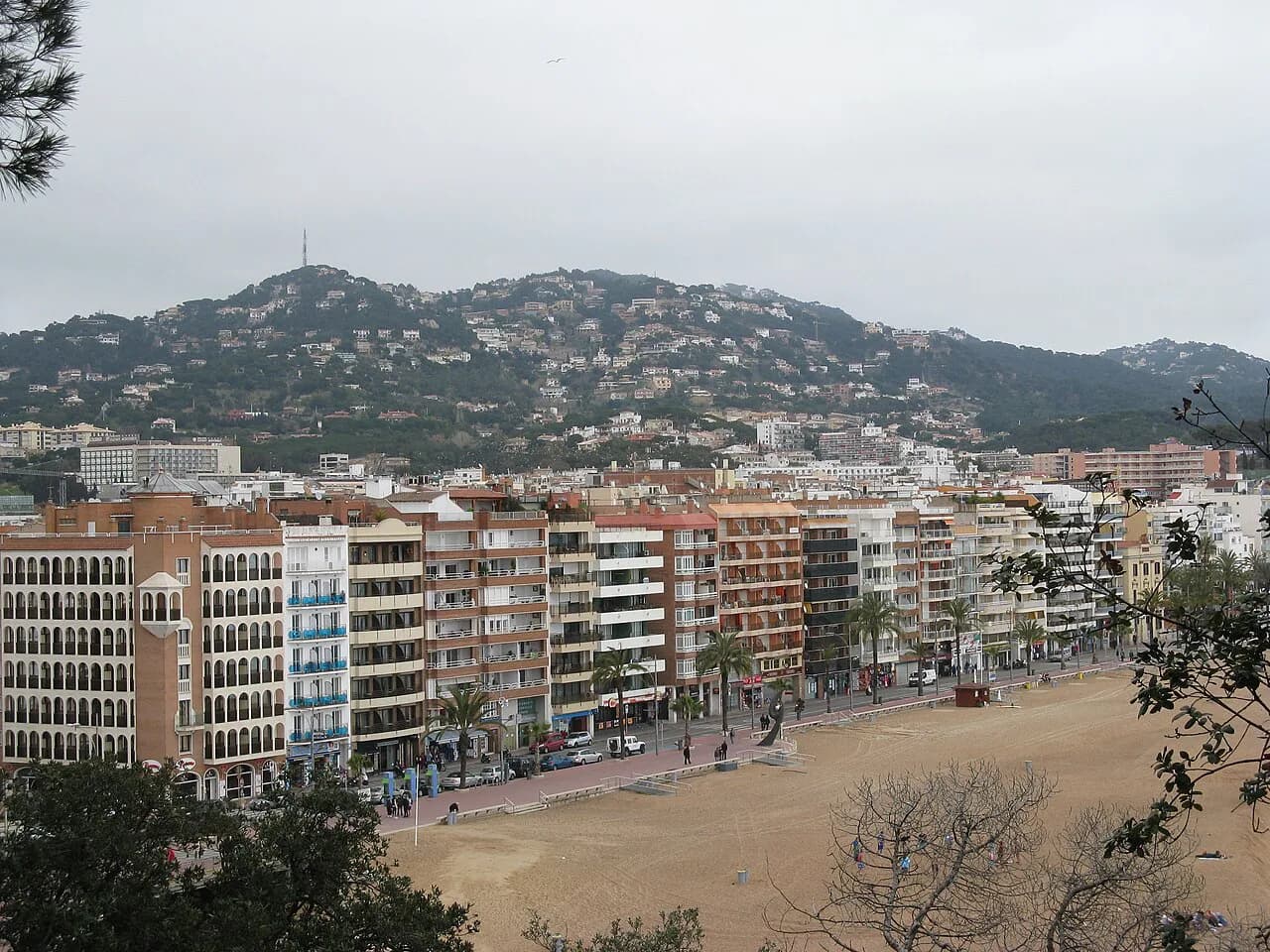
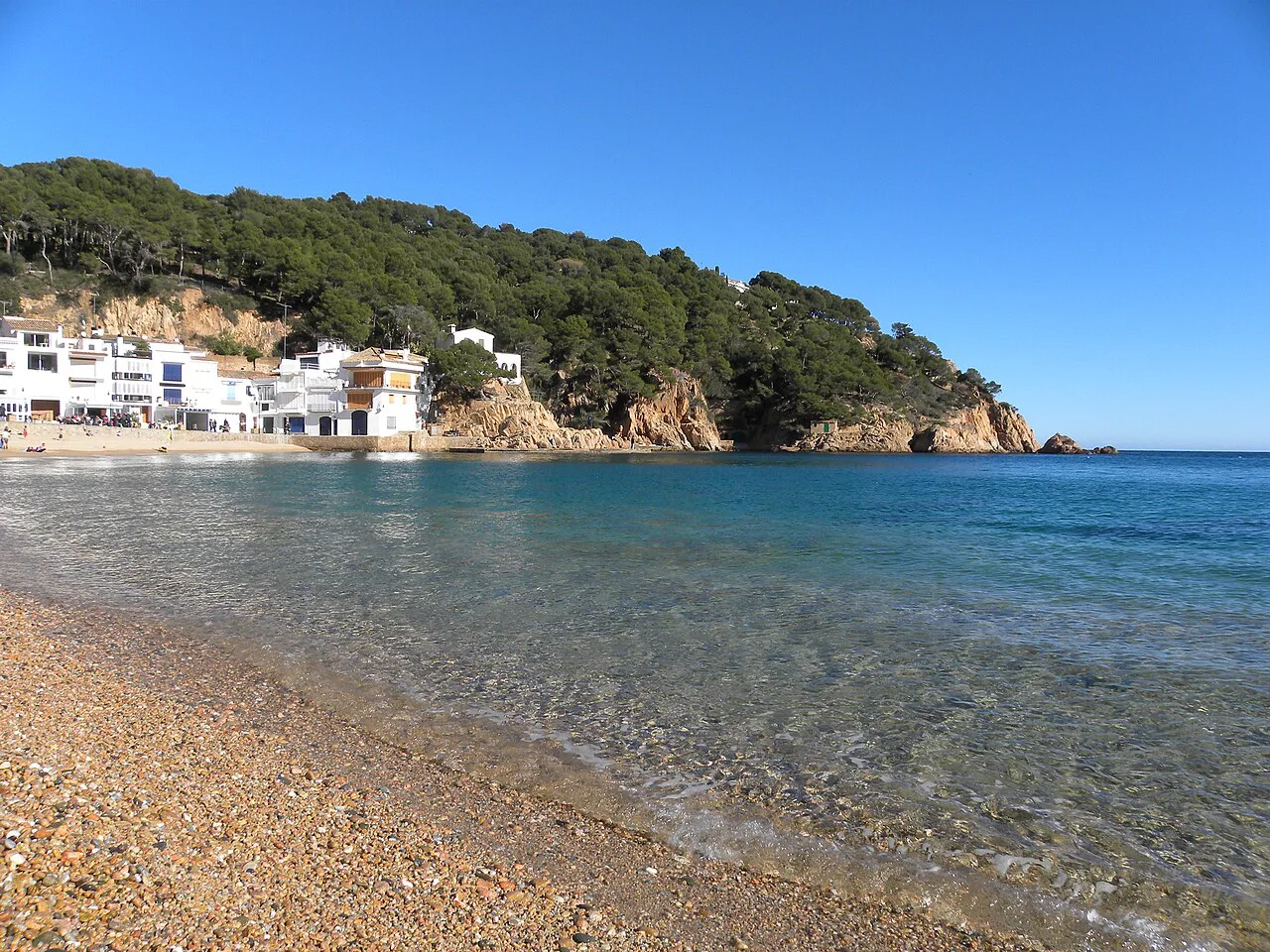
Platja Gran is the beach that gives Platja d'Aro its summer shape: a broad ribbon of coarse golden sand running past the shops, bars and hotels of a working resort town, with everything a family needs within a short walk of the towel. It suits travellers who want a full day at the water without a drive, and anyone mixing beach time with the cafés and promenade behind.
Those who prefer a shorter walk to the water, or a quieter patch of sand, can move a little way along the coast to Cala Rovira, which offers the same coarse sand and Blue Flag status in a residential setting close to the centre.
Where Platja Gran sits and how to reach it
Platja Gran occupies the seafront of Platja d'Aro itself, an urban beach with foot access straight from the town and access by car for those coming from elsewhere on the coast. Because it runs the length of the resort, the shortest route to the sand depends on where you are staying: hotels on the seaward side of the main road put you on the beach in a couple of minutes, while accommodation inland means a walk through the shopping streets first.
A coastal path links the beach to the surrounding coves, so a day here can be extended on foot towards Cala Rovira and the smaller inlets north of town. Bring footwear you can walk in on the path sections; the coarse sand is hard going in flip-flops over long distances.
Parking and boat trips from the beach
Parking is listed among the beach's access features, but no tariff is published on the tourist office page, so treat the car as optional and check the town's parking signs or the tourist office on arrival if you plan to drive. Boat trips also leave from the Platja Gran waterfront, which makes a morning on the sand easy to pair with an afternoon on the water, and watersports and diving are on offer from the beach as well.
If you are staying in town, walk: the seafront is long enough that a car adds nothing, and the money saved on parking buys lunch. For trips further along the coast, the wider set of Girona beaches gives a sense of what else is within reach by road or on foot.
The sand and the water
The sand is coarse rather than fine, which means it drains quickly after rain and does not cling to skin the way powder sand does, but it is also firmer underfoot and hot in the middle of the day. The beach measures 2,162 metres long and 56 metres wide, so from the back of the sand to the waterline can be a proper walk; pick a spot closer to the sea if you plan to swim repeatedly.
A marked swimming sea lane runs off the beach for confident swimmers who want to train or swim lengths away from the paddling zone, and a water platform gives older children and stronger swimmers a destination offshore. The beach faces the open Mediterranean, so the water is liveliest when there is onshore wind; check the flag at the lifeguard station before committing to a long swim.
Facilities on Platja Gran
The tourist office lists a long service list for Platja Gran: a lifeguard station, toilets, showers, foot washes, a bar-restaurant, sunbed and parasol rental, a diving centre, watersports, a children's mini club and playground, and boat trips from the beach. Blue Flag status and the Q for tourism quality are both awarded to the beach, which reflects the level of management rather than any guarantee about conditions on a given day.
Sunbeds and parasols are available for hire, but the rate is not published by the town, so ask at the rental point or your hotel before assuming a day's cost. Watersports operate directly from the sand, which makes Platja Gran a practical base if you want to try paddleboarding or diving without travelling to another beach.
Accessibility on Platja Gran
Accessibility here goes beyond a ramp: the beach lists barrier-free access, a walkway to the sand, lifelines into the water, an amphibious chair, adapted toilets and showers, bathing assistance, amphibious crutches, disabled parking and a shaded area. For a wheelchair user or a family with a member who needs support in the water, this is one of the more thoroughly equipped town beaches on this stretch of coast.
Arrive earlier in the day if you need the adapted facilities and shade, since these are concentrated in one area and are in demand through July and August. The walkway also helps anyone pushing a buggy or pulling a beach trolley across the sand.
Cala Rovira: the wide cove near the centre
Despite the name, Cala Rovira is a wide, comfortable beach rather than a tight inlet, lying close to the town centre in a residential setting; it measures 237 metres by 43 metres. It holds Blue Flag status and the Q for tourism quality, with a lifeguard station, toilets, showers, foot wash, bar-restaurant, sunbed and parasol rental and a water platform.
Accessibility is on the same pattern as Platja Gran: barrier-free access, a walkway, lifelines, an amphibious chair, adapted toilets and showers, bathing assistance and disabled parking. Its shorter frontage means less walking to the water and a calmer feel than the main town beach, which makes it the better choice for anyone who finds a two-kilometre resort beach overwhelming.
Families, swimmers and watersports
Families with small children tend to settle on Platja Gran near the playground, mini club and lifeguard station, where a toilet and a drink are never far away; the coarse sand is easy to brush off and does not blow into eyes as readily as fine sand. Confident swimmers get more from the marked sea lane and the offshore platform, while watersports users should head for the section where the watersports and diving centres are based and keep clear of the swimming zone.
Quiet-seekers should walk north towards Cala Rovira or continue along the coastal path to the smaller coves, where the crowds thin out and the residential setting keeps noise down. Snorkellers do best over the rockier edges of the bay rather than the flat central sand.
Best time to go
Late June and September give the best balance on this stretch of coast: the sea has had time to warm through, the town is lively but not at August capacity, and the light is softer for long beach days. July and August are the busiest weeks, when the front row of sunbeds and the shade under the parasols go first and the promenade stays loud into the night.
For a quieter stay, book accommodation away from the seafront bars and use the beach in the early morning, when the sand is at its coolest and the walk from the back of the beach to the water is pleasant. Sea temperatures and daily conditions vary year to year; the lifeguard station's flag is the practical guide on the day.
Nearby beaches to combine
Sa Conca, Cala Pedrosa and the smaller coves around Platja d'Aro are listed alongside Platja Gran and Cala Rovira as part of the town's beach network, and the coastal path connects several of them on foot. A day can be split between the facilities of Platja Gran and a quieter cove for the afternoon, with lunch in town in between.
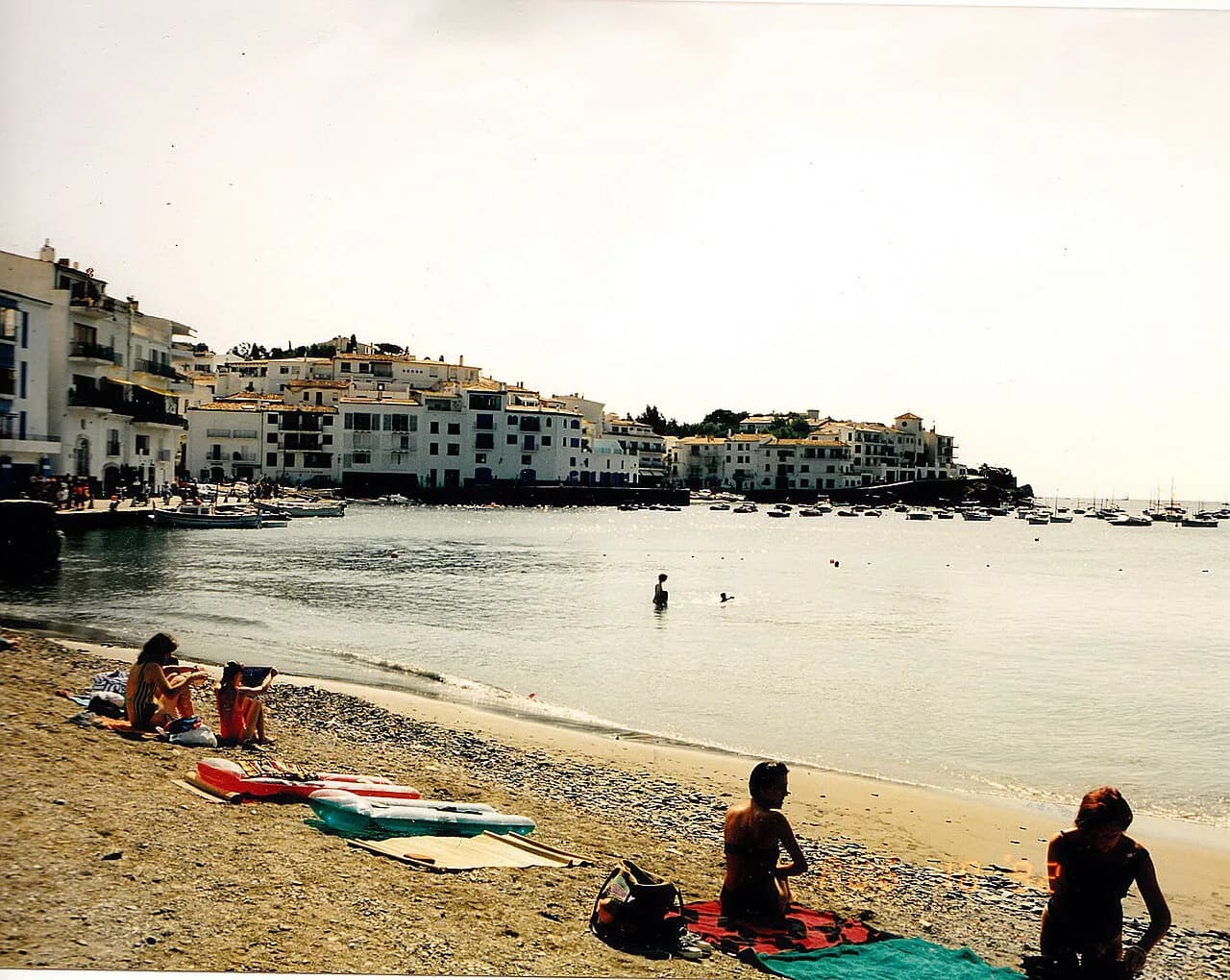
Further afield, Calella de Palafrugell offers a contrasting old fishing village with its own small beaches, and Aiguablava Beach is known for its shallow, sheltered bay on the same coast. Both work as day trips by car from Platja d'Aro and reward an early start. If you are heading south instead, the beaches in Tarragona make an equally worthwhile comparison for a longer coastal trip.
Dog-friendly beaches near Girona: Platja Gran and Cala Rovira
Neither Platja Gran nor Cala Rovira lists a dog area among its services, and the two beaches publish detailed inventories of what they offer without naming pets at any point. At Platja Gran the listed facilities cover WC, showers, foot wash, bar-restaurant, sunbed and parasol rental, lifeguard station, boat trips, water sports, diving centre, water platform, children's mini club and play centre, and a children's playground, alongside barrier-free access, a walkway, lifelines, an amphibious chair, adapted toilets, adapted showers, a bathing assistance service for people with disabilities, amphibious crutches, disabled parking and a shaded area. Cala Rovira's list is shorter but of the same kind: WC, showers, foot wash, bar-restaurant, sunbed and parasol rental, lifeguard station, water platform, barrier-free access, walkway, lifelines, amphibious chair, adapted toilets, adapted showers, bathing assistance service for people with disabilities and disabled parking.
The official descriptions give a clear sense of what the two beaches are like at ground level, which matters if you are walking a dog along the edge rather than settling on the sand. Platja Gran is a stretch of coarse sand 2.162 x 56 m in an urban environment, with access on foot, access by car, parking and buoys, and it holds a Blue Flag and the Tourism Quality Commitment Q of quality. Cala Rovira, though it is called a cove, is described as a wide and comfortable beach with its own personality lying close to the town centre; it measures 237 x 43 m, has coarse sand, sits in a residential environment with access on foot, access by car and buoys, and also holds a Blue Flag and the Tourism Quality Commitment Q of quality. Both connect to the Coastal Path.
Because Platja Gran is an urban beach with a lifeguard station, a bar-restaurant and a swimming lane marked by buoys, the practical information published for it is aimed at bathers rather than at people arriving with animals, so plan around the sand and the services listed rather than expecting dedicated dog facilities. Cala Rovira, being closer to the town centre and set in a residential area, is the shorter walk of the two if you are staying in Platja d'Aro itself.
Plan Your Visit
Choose Platja Gran if you want the full resort experience with every service within reach and do not mind a long beach; choose Cala Rovira if you want the same coarse sand and Blue Flag status with a shorter walk to the water and fewer people. Either way, bring footwear for the sand and the coastal path, and set up near the lifeguard station if you are swimming with children.
For the rest of the coast, browse the Girona beaches guide and compare Calella de Palafrugell and Sa Tuna Beach for quieter days out.
Frequently Asked Questions
Is Platja d'Aro beach sandy?
Yes. Platja Gran and Cala Rovira are both coarse golden sand rather than shingle or rock, according to the town's beach pages. The grain is larger than on fine-sand beaches, so it drains well and brushes off easily, but it is firm and hot underfoot in the middle of the day.
How long is Platja Gran in Platja d'Aro?
Platja Gran measures 2,162 metres long and 56 metres wide. That length means the walk from the back of the beach to the water, or to a bar, can be considerable; pick your spot with that in mind if you plan to swim often or carry a lot of kit.
Is Platja d'Aro beach good for families?
Platja Gran lists a children's playground, a mini club, a lifeguard station, toilets, showers and a bar-restaurant, and Cala Rovira has similar services on a shorter frontage. Both hold Blue Flag status. Families with small children often prefer the area around the playground, where facilities are close by.
Which is quieter, Platja Gran or Cala Rovira?
Cala Rovira tends to be quieter: it sits in a residential setting, is only 237 metres long and has fewer people along its frontage than the main town beach. Platja Gran is the busier resort beach, with watersports, boat trips and a long promenade behind it.
Are there lifeguards on Platja d'Aro beach?
A lifeguard station is listed on both Platja Gran and Cala Rovira. The town does not publish cover dates on its beach pages, so read the flag at the station and follow the lifeguards' instructions on the day.
Can you do watersports at Platja Gran?
Yes. Watersports and a diving centre are listed among the beach's services, alongside boat trips from the waterfront and a marked swimming sea lane for confident swimmers. Operators work from the beach itself, so you can book without leaving the sand.
Sources
Beach notes for your next trip
Optional updates when we add or revise beach guides.
You might also like
Continue reading
More guides you'll find useful