Lloret de Mar Beaches: Main Sands and Coves
Lloret de Mar's main beach is long and central, with quieter coves along the rocky coast. Here is how to choose between them for your beach day.
On this page
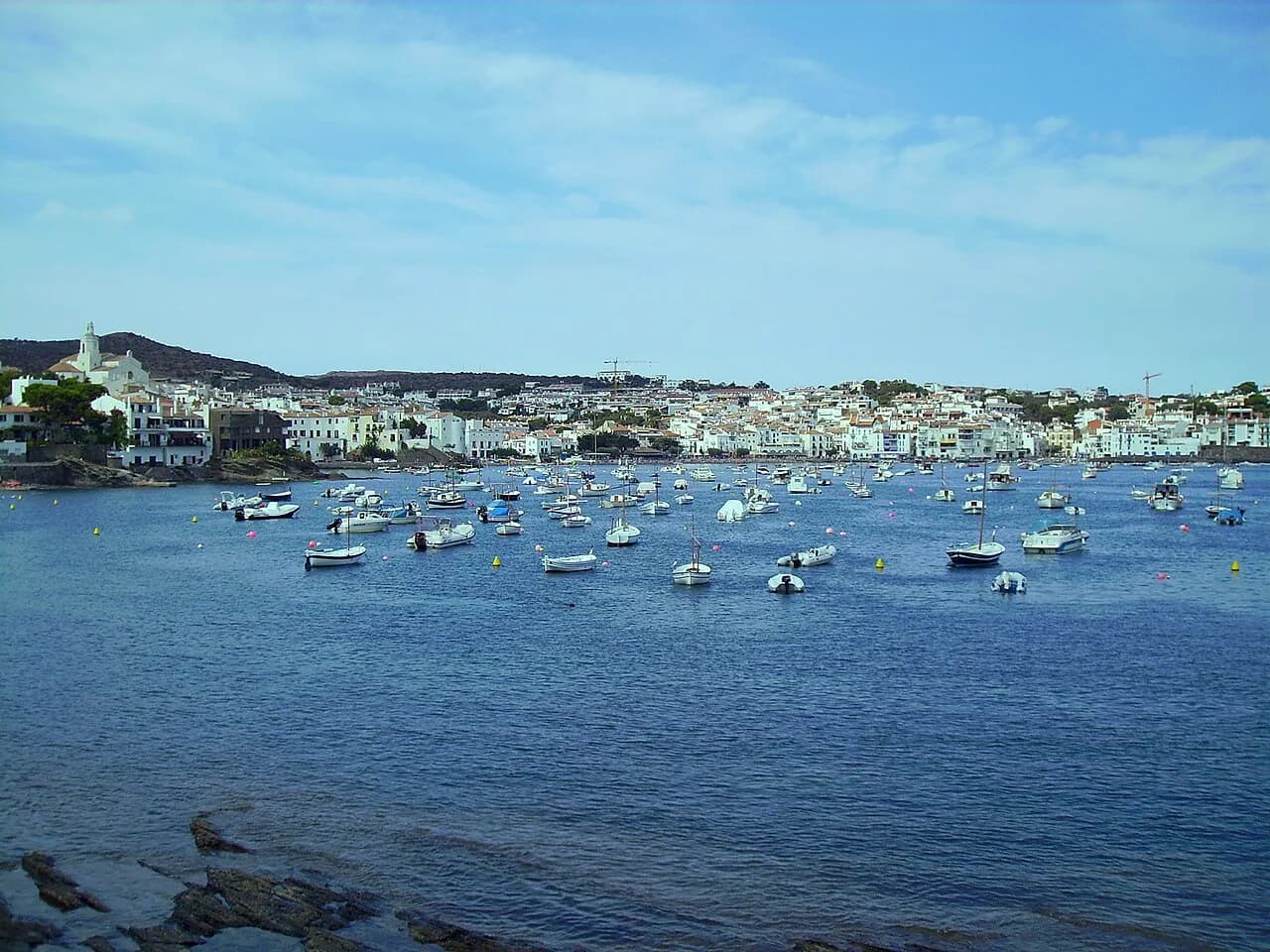
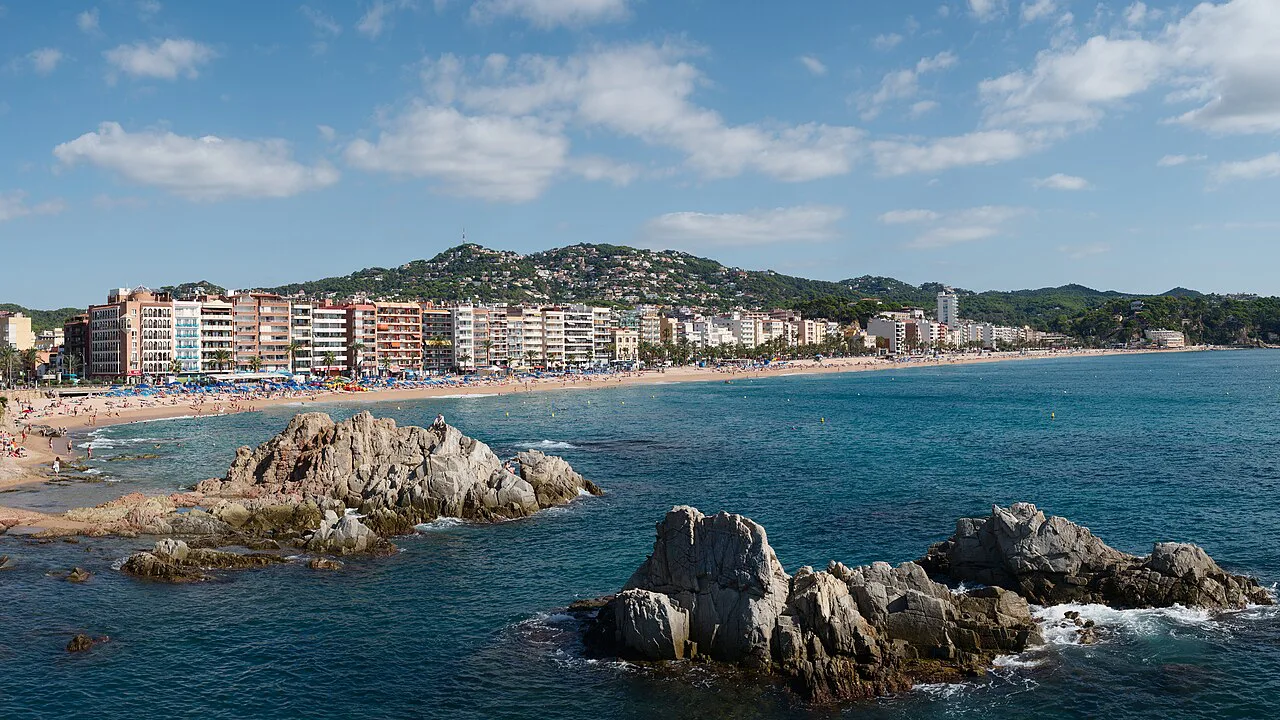
Lloret de Mar works as a beach break first and a sightseeing town second, and the sand is the reason most people come. The resort spreads along a compact seafront where the main beach runs through the centre, with hotels, bars and restaurants lining the shore behind it, so you can step from breakfast to the water in minutes.
There are really two beach days here. One is the long central beach: convenient, busy and sociable. The other is the rougher coastline either side of town, where small coves sit below cliffs and coastal paths, and where the scenery is noticeably better than the built-up front.
The main beach: long, central and busy
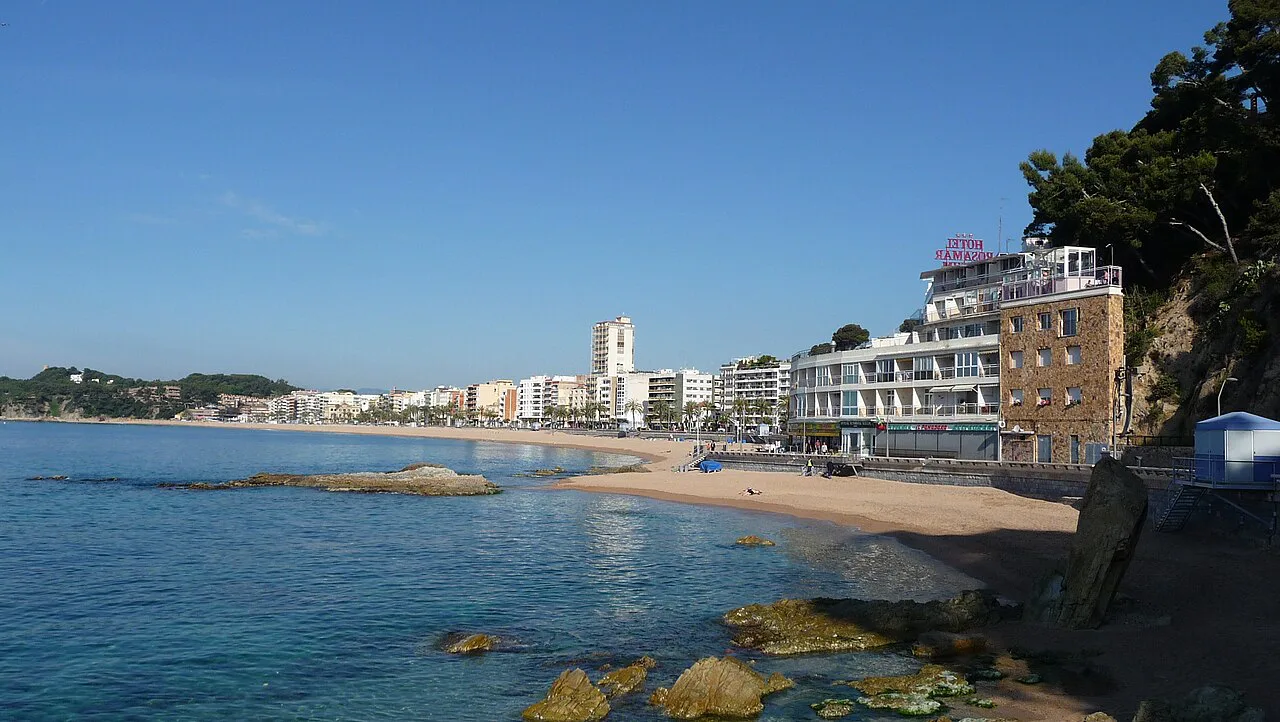
Lloret's principal beach is a broad sweep of sand in the middle of town, fronted by the promenade and a near-continuous line of beachfront restaurants and bars. It is the easiest beach to use: no transport needed, no path to find, and everything you might want for a day out within a few minutes' walk. The trade-off is company, since this is where the town's summer crowds concentrate.
The water at the main beach shelves sharply into deeper water close to the shoreline, so paddling space is short before the bottom drops away. Keep that in mind with small children and non-swimmers, and stay within the shallows rather than letting weaker swimmers wander out.
Getting there: train to Blanes, then shuttle
Lloret de Mar has no railway station of its own, so the rail route runs through Blanes. A shuttle bus links the town with Blanes station roughly every half hour, and the train onwards to Barcelona takes around 80 minutes. Direct coaches also run between Barcelona and Lloret, which suits anyone carrying bags or beach gear.
Barcelona is about 75 km northeast, which makes Lloret feasible as a beach day from the city rather than only a place to stay. Within town everything is walkable, and the main beach area is compact enough to cover on foot.
The coves along the rocky coast
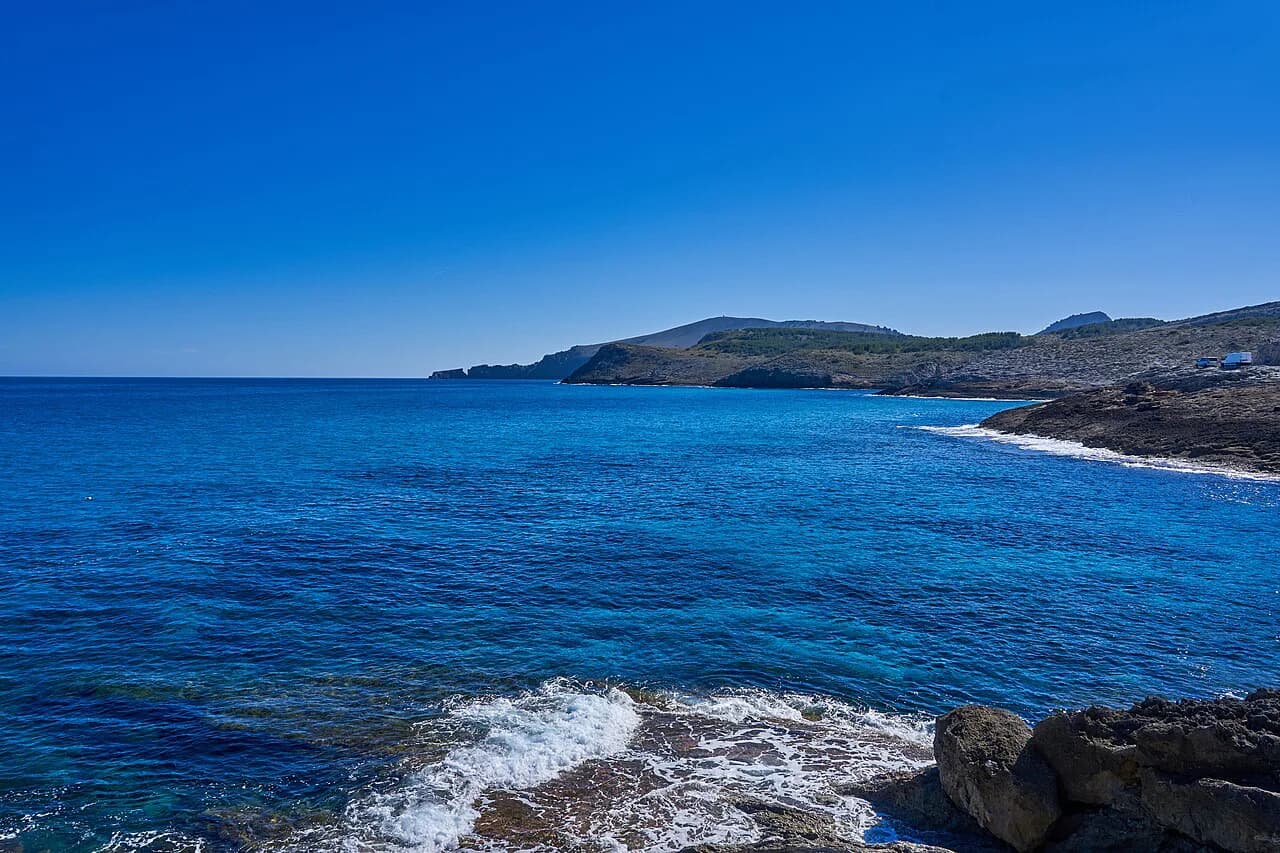
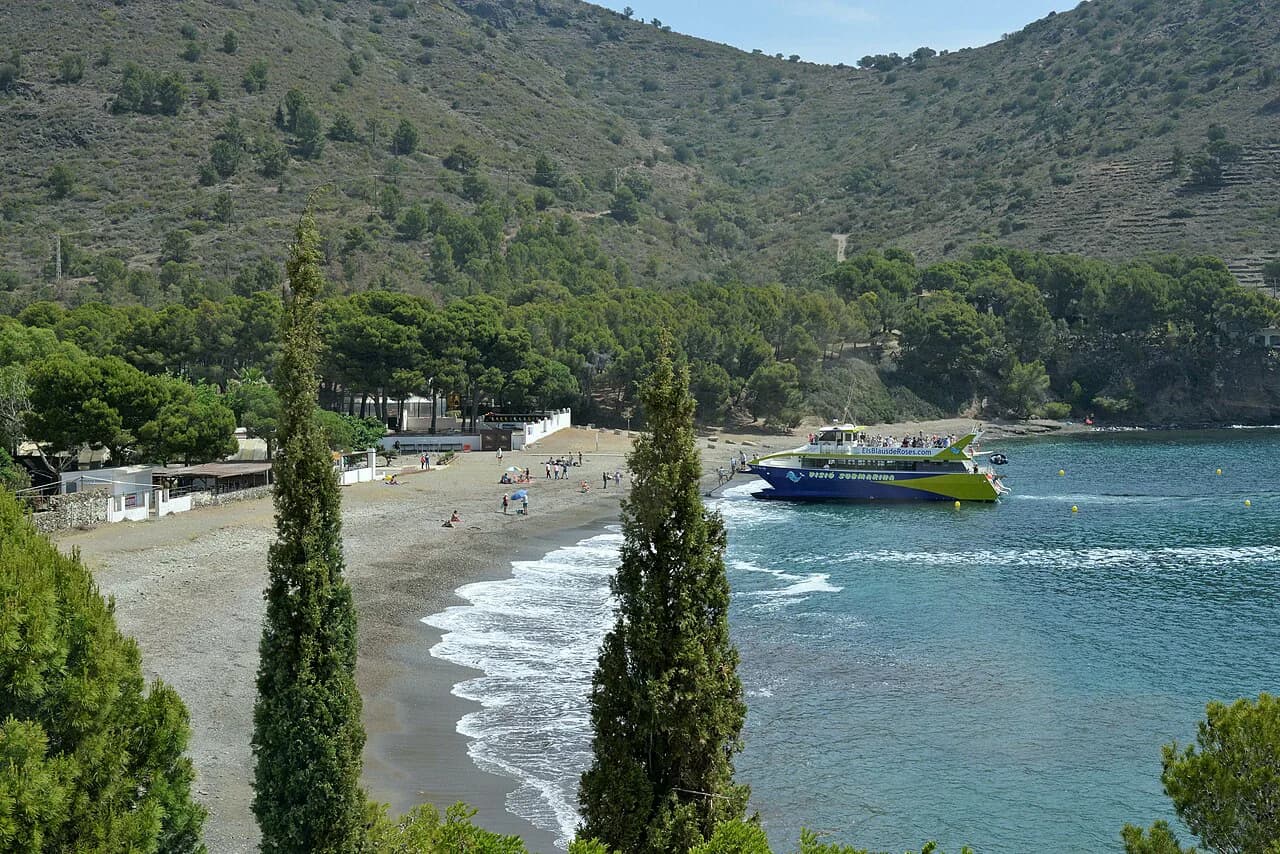
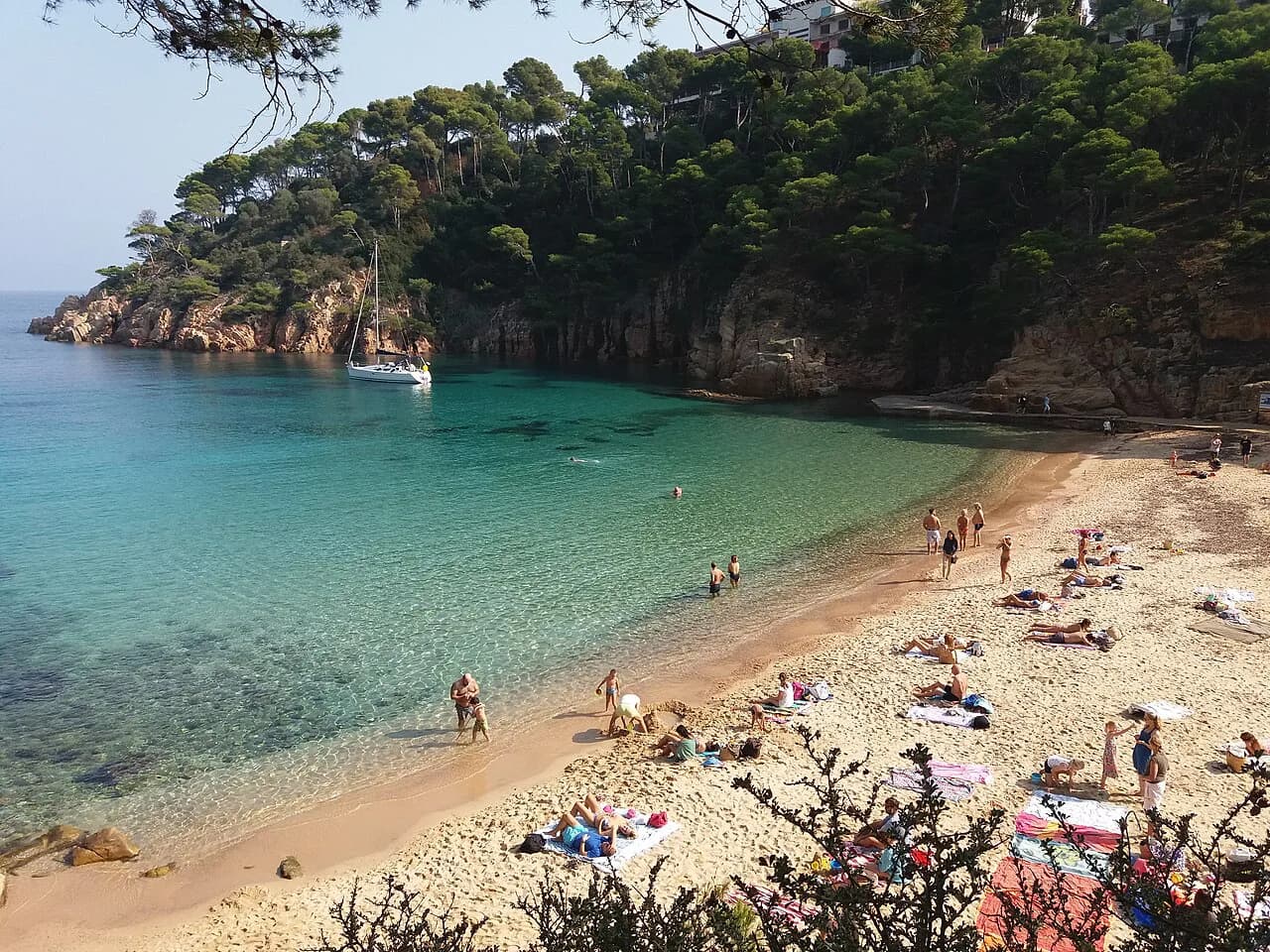
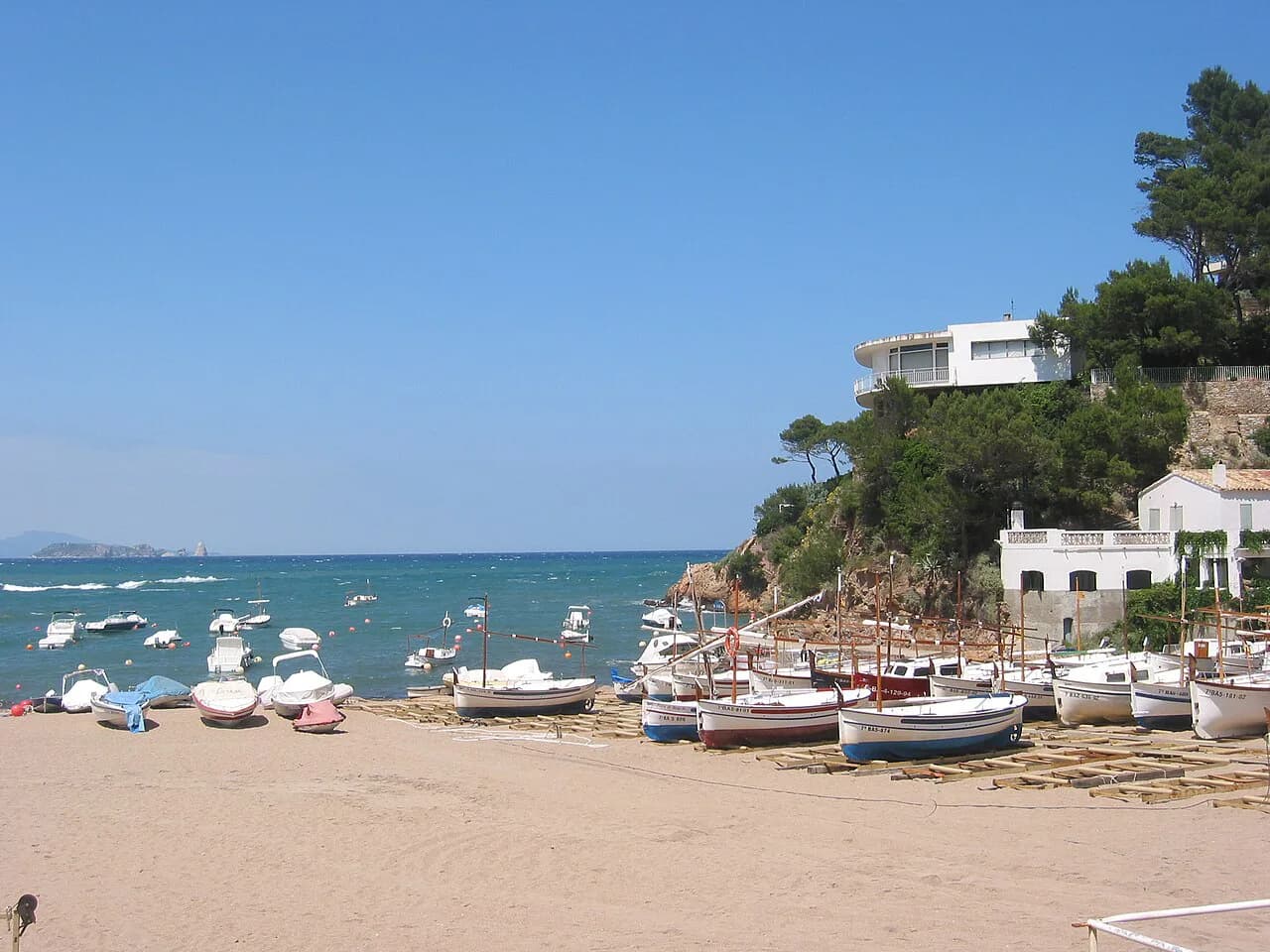
Beyond the main drag, the coast turns rocky, with small coves and beaches tucked below the cliffs. Several are reachable on foot along coastal paths from town, and these are where you find quieter swimming and better scenery. Local buses also connect to villages along this stretch of coast if you would rather not walk.
Treat the coves as a half-day plan rather than a quick dip. Walking the paths takes time, shade is limited, and you will want water, footwear with grip and something to sit on where the beach is pebbly or rocky. The reward is space that the central beach rarely has in high summer.
Facilities around the seafront
The main beach is backed by a promenade lined with restaurants and bars, which is the practical advantage of basing yourself here. Lunch, drinks and an ice cream are all a short walk from the sand, and the town's shops and supermarkets sit just behind the front. Restaurants in Lloret cater largely to visitors, so expect tourist-facing menus rather than village cooking.
For a quieter lunch away from the main front, the smaller beach restaurants near the coves make a better fit with a cove day. Beyond that, the town's tourist offices and the local business directory cover specific places to eat and stay in more detail than a beach guide can.
Best time to go
June through September are the warmest months and also the busiest, with the beach packed and summer heat at its strongest. Spring and autumn are the better balance: April to May and September to October stay pleasant, the sea is warm enough for swimming for most people, and the sand has room on it.
November to March is mild but the water is cold for swimming, and some places in town close for the season. If your priority is sea temperature rather than air temperature, aim for late spring or early autumn and check the sea forecast in the days before you travel.
Who each beach suits
Families with small children are best served by the main beach's convenience, but the sharp shelving means close supervision and staying in the shallows. Strong swimmers and anyone who wants a proper length of water will prefer the coves and the deeper water off the rocks.
Quiet-seekers should build the day around footpaths and coves rather than the central sweep, especially in July and August. Groups led by nightlife will find the main beach and the seafront bars the obvious base, since the clubs and bars are right there.
If you want a broader choice of Girona beaches on the same trip, the wider coast has both sandy resort beaches and smaller rocky inlets.
Walking the coast and the Camí de Ronda
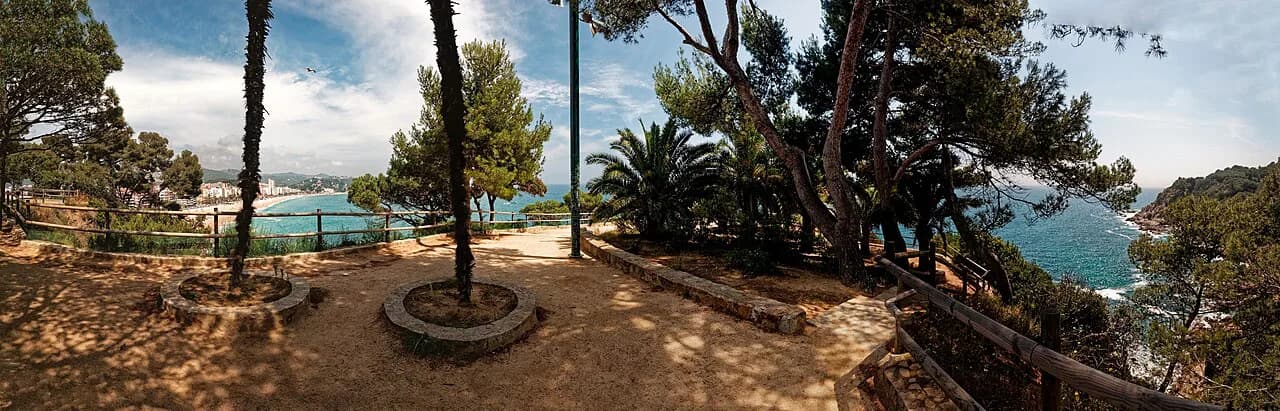
The coast path around Lloret is the best way to combine several beaches in one day. It links the town to smaller coves and gives the cliff-and-sea views that the built-up seafront itself lacks, and you can walk one section and return by local bus rather than retracing every step.
Start early if you plan a long walk, carry more water than you think you need, and wear shoes suited to rock and steps rather than flip-flops. The ruins of Castell d'en Plaja sit on the headland and make a natural turning point for a shorter coastal loop.
Nearby beaches and villages
Tossa de Mar, about 30 minutes away, is the obvious change of scene: a smaller town with more character and a walled old quarter above the beach. It suits anyone who finds Lloret's front too crowded or too focused on nightlife. If you are weighing up several resort bases along this stretch, the beaches in Sitges offer a comparable mix of town sand and quieter coves further south.
Further up the coast, the smaller resorts and fishing villages reward a day trip, and the best of them are covered in this guide to Costa Brava beaches.
Practical notes for a beach day
Parking in Lloret in summer is difficult and expensive, so arriving by coach, train and shuttle or by local bus removes the biggest stress of the day. Driving works better outside high season, when the streets and car parks are far less pressured.
Pack for a resort beach rather than a wild one: shade, water, and cash or a card for lunches and drinks on the promenade. Prices in Lloret sit at resort level and have risen in recent years, so budget for tourist-town costs rather than inland Spanish ones.
Plan Your Lloret de Mar Beach Day
Choose the main beach for convenience, food on the doorstep and an easy day with children in the shallows, and choose the coves for quieter water, better scenery and a walk worth doing. Many visitors do both across a few days, with a day trip to Tossa de Mar or Barcelona in between.
Travel light, arrive early in summer, and treat the coastal paths as the main event rather than a way of getting somewhere. Confirm shuttle and train times with the operator on the day, and you have a beach break that works without a car.
Frequently Asked Questions
Is the beach at Lloret de Mar good?
The main beach is a long, convenient sweep of sand in the centre of town, backed by a promenade of restaurants and bars. It is crowded in high summer and the water shelves sharply into deeper water close to shore, so weaker swimmers should stay in the shallows. The smaller coves along the rocky coast offer quieter swimming and better scenery for anyone willing to walk.
Does Lloret de Mar have a train station?
No. The rail route runs to Blanes, and a shuttle bus links Blanes station with Lloret roughly every half hour, with the train onwards to Barcelona taking around 80 minutes. Direct coaches also run from Barcelona to Lloret, which is often simpler with luggage or beach gear.
How far is Lloret de Mar from Barcelona?
Lloret de Mar is about 75 km northeast of Barcelona. That makes it realistic as a beach day from the city as well as a place to stay for a few nights, and it is commonly combined with a day or two in Barcelona.
When is the best time to visit the beaches?
June to September is warmest but busiest, with the sand packed and the heat at its peak. April to May and September to October are the better balance, with pleasant temperatures, swimmable sea for most people and fewer crowds. November to March is mild but the water is cold for swimming.
Is Lloret de Mar a party town?
Lloret's nightlife is a major draw, with clubs and bars along the waterfront, and the scene has shifted towards clubbing in recent years. That said, the town also works as a straightforward beach break, and quieter options such as the coves and nearby Tossa de Mar balance the evenings out.
How many days should I spend in Lloret de Mar?
Three to five days is typical. One day covers the main beach and the promenade, another suits the coastal paths and coves, and a third can be a day trip to Barcelona or Tossa de Mar. Longer stays usually work better as a base for exploring the wider Costa Brava.
Do I need a car to reach the beaches?
Not for the main beach, which is in the centre of town and walkable from most accommodation. For the coves, the coastal paths and local buses cover the nearby coast. Parking in summer is difficult and expensive, so many visitors leave the car behind.
Is Lloret de Mar affordable?
It is a resort town, so expect tourist-facing prices for food, drinks and accommodation rather than inland Spanish ones, and costs have risen in recent years. Beach days themselves are inexpensive once you are there, and arriving by coach or shuttle avoids summer parking costs.
Sources
Beach notes for your next trip
Optional updates when we add or revise beach guides.
You might also like
Continue reading
More guides you'll find useful