Trapani Beaches: Which Sands and Coves to Choose
Plan a beach day in Trapani, Sicily, with this guide to the city's sandy coves, the long lido coast towards Erice and the rocky swim spots near the old town.
On this page
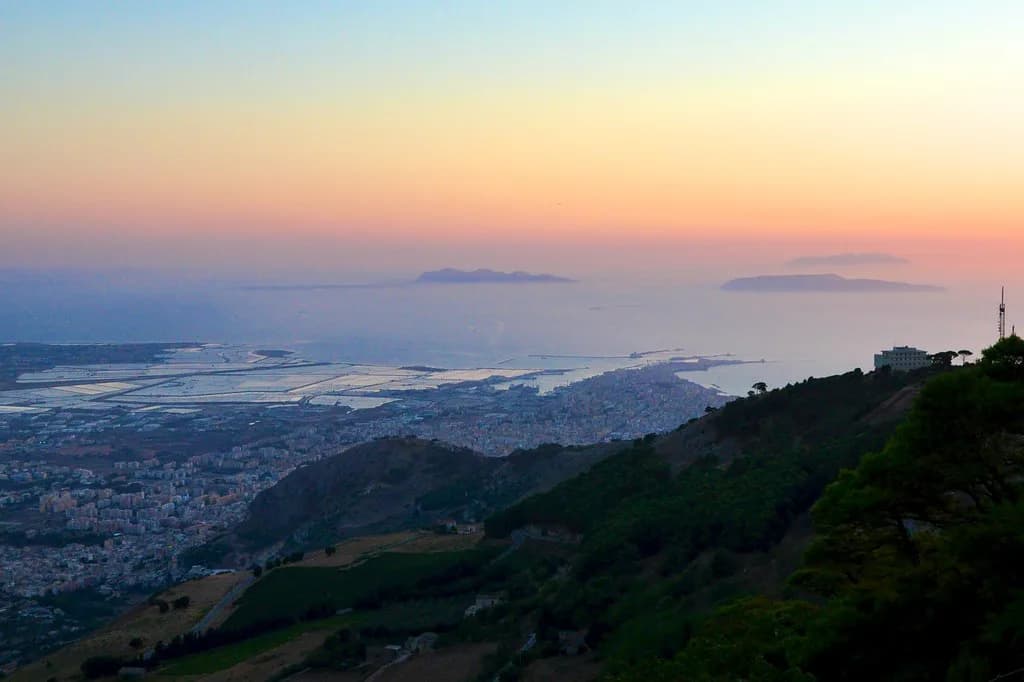
Trapani is one of the few Sicilian cities where you can walk out of a baroque old town and be in the water within minutes. The city curves around the sea on a sickle-shaped peninsula, with the Tyrrhenian on the north side and the Mediterranean to the south, and the northern shore is where the swimming happens. Families with small children, sunbathers who prefer rock to sand and swimmers who want a long shallow run all find a stretch here.
The coastline divides into two clear halves. In the centre you get small sandy coves below the city walls and two breakwater bays near Piazza Vittorio, all reachable on foot. East of that, a long low sandy coast runs towards the territory of Erice, ending in the broad beach of San Giuliano. Deciding between those two halves is the main choice you make before setting out.
Why Trapani works as a beach base
The shape of the city does most of the work for you. Because Trapani extends into the sea, the old town sits between two coasts, and the northern one has been made swimmable in recent years through wave-containment works and the replenishing of the sand. That means a sandy beach a short walk from the historic centre rather than a bus ride out of town.
The southern side is a different story: the port and industrial areas there make the water south of the city unsuitable for bathing, so plan your day around the north coast. The city's wider territory adds roughly 150 km of coastline, from jagged coves to very fine sand, plus the Egadi Islands offshore.
How the coast breaks down
Think of the Trapani coast in three bands. The western tip is rock: flat, smooth slabs at San Liberale that work as a sun terrace. The central band is the city's own sand, from the kilometre-long strip below the North Walls to the two bays at Piazza Vittorio. The eastern band is the long lido and free-beach run along the Dante Alighieri seafront, continuing into San Giuliano in Erice.
That grouping helps you match beach to transport. If you are staying in the old town and want to walk, stay in the central band. If you have a car, or want a full day with a lido, cabins and space to spread out, head east.
San Liberale: rock terraces at the city's western tip
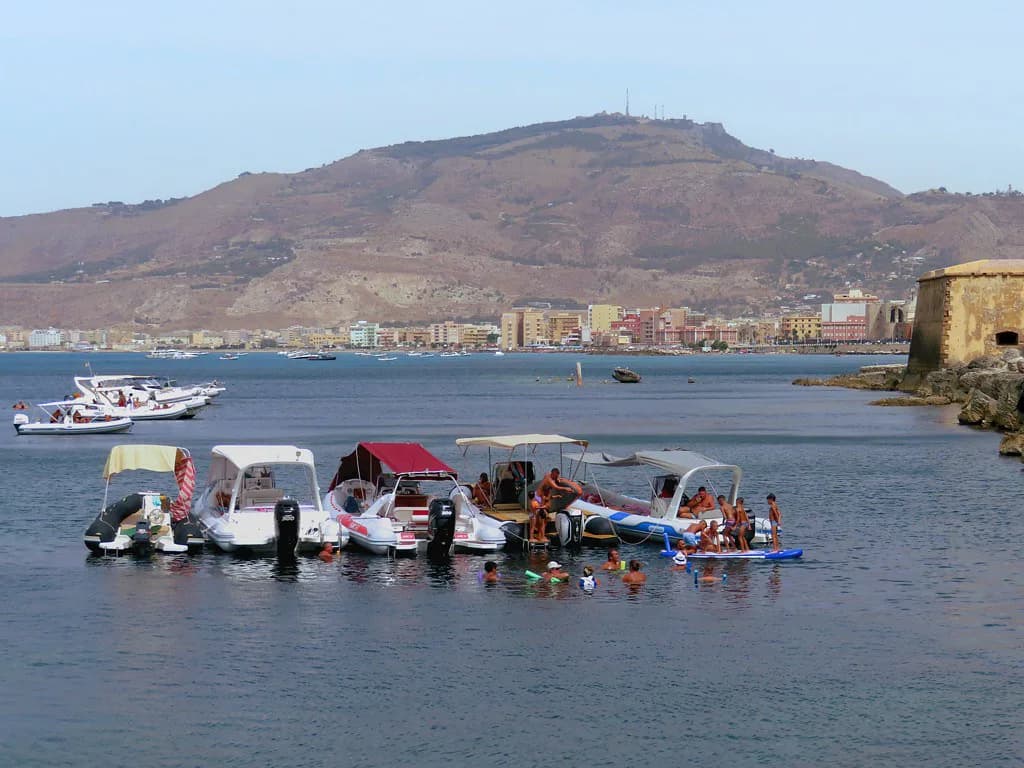
San Liberale sits under the tower of the same name at the westernmost point of Trapani. The beach here is not sand but smooth, flat rocks, laid out like a natural platform for lying in the sun. From that tip you look back across the whole northern coast of the city, which makes it the most scenic spot for a sunbathe rather than a sandy paddle.
Come here if you want a view and a lounger-free afternoon, and bring something to soften the rock under you plus footwear that grips when wet. It suits couples, sunbathers and anyone who would rather not deal with sand in everything afterwards. Swimmers should treat it as a rocky entry point and judge conditions on the day.
Porto Ossuna and the North Walls
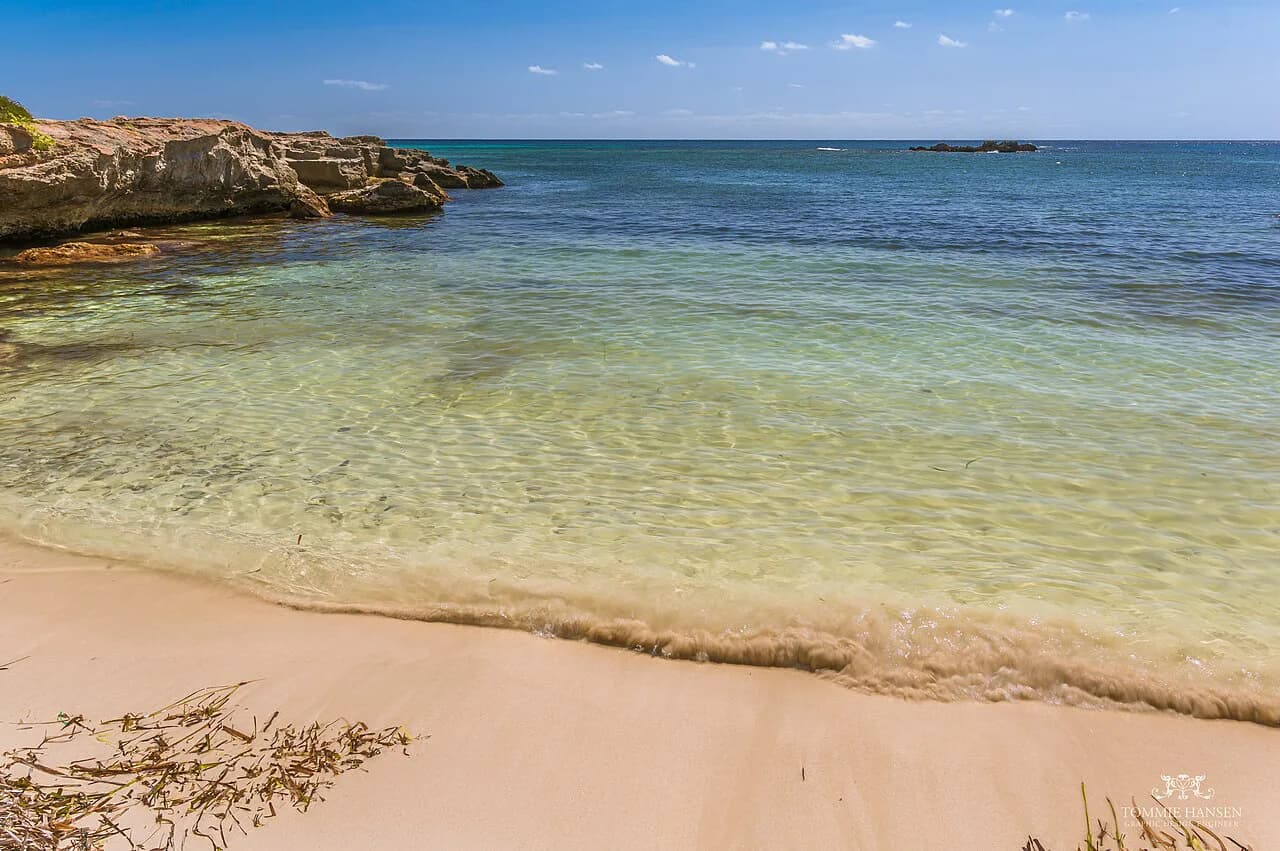
Porto Ossuna is the city beach proper: a strip of sand about a kilometre long that begins at the bastion called Conca and runs beneath the walls of the former fish market square, following the North Walls for their full length. You reach it through openings in the walls themselves, so it is genuinely a walk-from-your-hotel beach in the historic centre. The sand is shallow and the water clean and clear.
Gulls gather here in summer, wheeling and chattering over the beach, which gives the cove a lively, slightly wild character. For families with small children this is one of the easiest options in the city: shallow water, a short walk, and the old town behind you for lunch. It is a city beach, so expect company in high summer rather than solitude.
Lido Paradiso and Piazza Vittorio
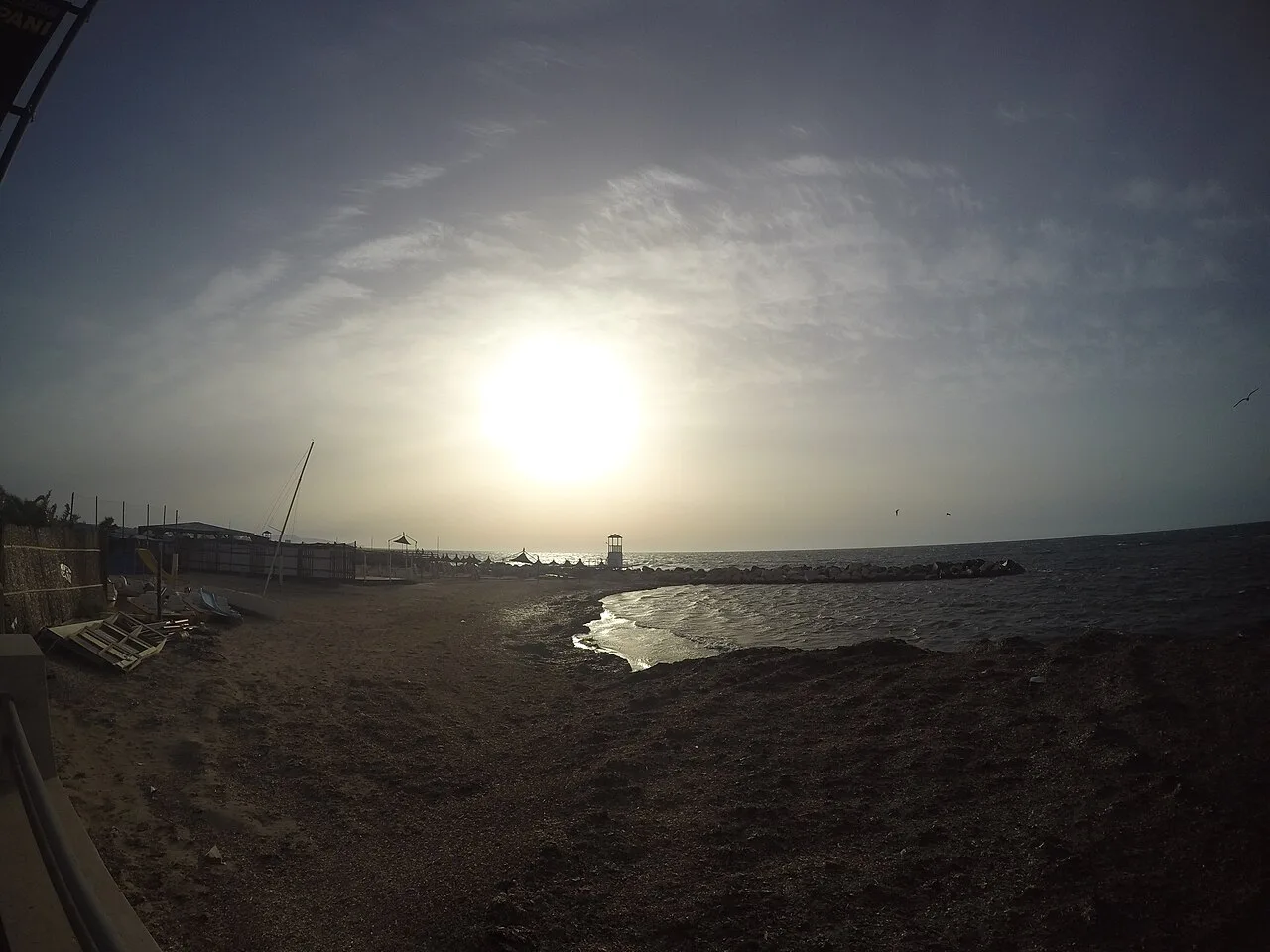
Two stone breakwaters have created two roomy beaches just north of the city centre, one public and one equipped, and the difference between them is the decision most visitors face here. The equipped side is Lido Paradiso, recognisable by its straw umbrellas; the public side next door is plain sand. Both sit in well-maintained bays that no longer suffer from marine erosion.
The breakwaters cancel the effect of the currents, which is why this pair has a reputation as the safest swim in the city, and the water is shallow and clear. A large car park serves the area, putting the beach a stone's throw from the historic centre even if you drive. On days of the scirocco, the warm south-easterly wind, the water here is at its best.
The Dante Alighieri seafront and the free beach
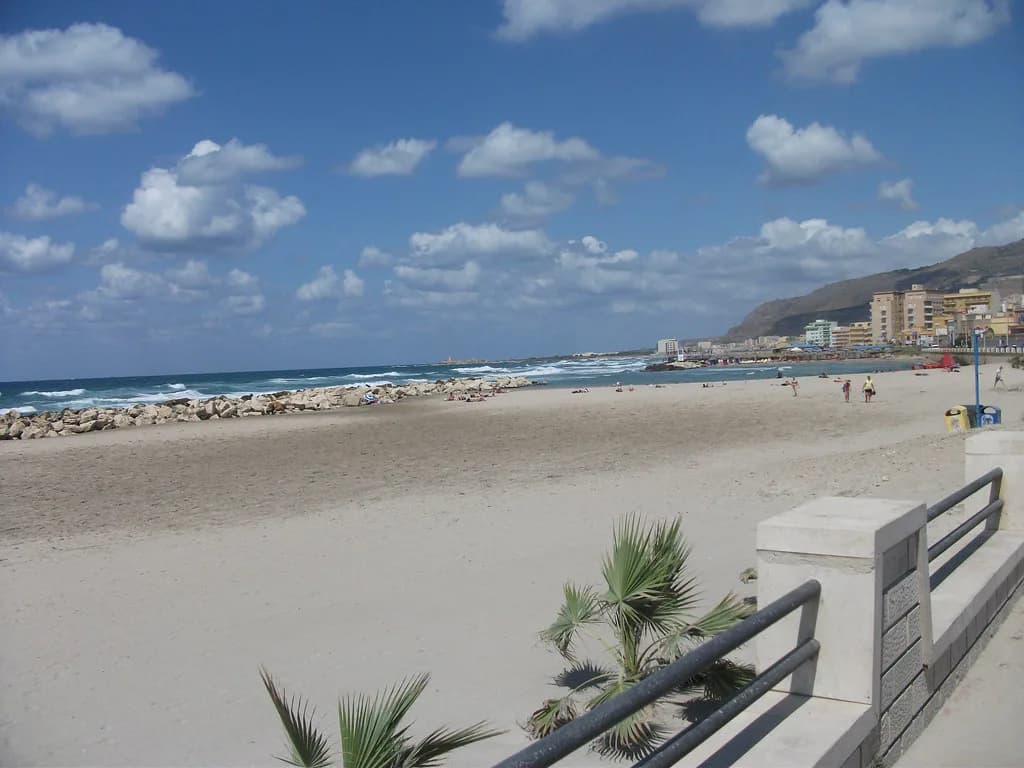
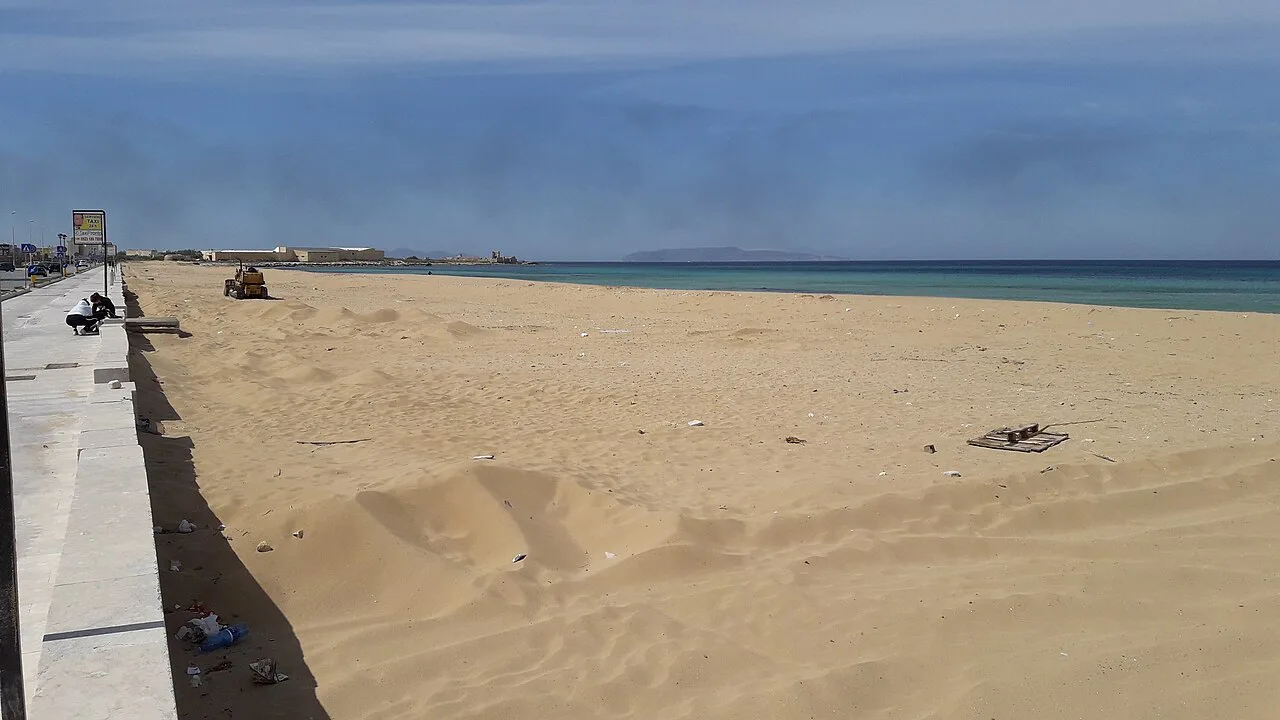
East of Piazza Vittorio the coast becomes the city's historic beach: about a mile of low, sandy shore along the Dante Alighieri seafront, interrupted by the promontory of the former tuna fishery, then picking up again for roughly two further miles towards San Giuliano. The first part carries several lidos; beyond them stretches about a mile of free beach.
The sand is white and clean and the beach is long, so it stays spacious even when the lidos are busy. This stretch is shallow but windy, and you can expect small waves that the sources describe as never excessive. That combination of space and a bit of movement in the water suits older children and confident swimmers better than toddlers.
San Giuliano: the widest sands
San Giuliano lies almost entirely in the territory of Erice but reads as a direct continuation of the Trapani coast. It has the same character as the city beaches and is even wider and longer, so it feels more spacious again. A stretch of lidos with cabins, beach umbrellas and deck chairs follows the sand.
A cycle lane now runs along part of this coast, which makes San Giuliano a realistic car-free day out if you hire bikes or ride out from town. It is the beach to choose when you want room to set up for hours, a lido base and a proper sandy swim rather than a quick dip. It also pairs naturally with a stop in Erice on the way back.
Getting there and getting around
For the central beaches, your legs are the transport. Porto Ossuna is entered through openings in the North Walls, the Piazza Vittorio bays sit a short distance from the historic centre, and San Liberale is at the western tip of the city. If you are staying anywhere in the old town, none of these needs a bus or a car.
For the eastern seafront and San Giuliano, a car makes the day easier, and the large car park by Piazza Vittorio covers the central bays if you drive in from outside the city. The coastal cycle lane along San Giuliano is the third option and the pleasantest in good weather. Ask your accommodation or the local tourist office about current bus routes and seasonal services, since timetables change.
The sand and the water
Shallow is the theme along the Trapani coast. Porto Ossuna, the Piazza Vittorio bays and the Dante Alighieri seafront all shelve gently, which is why they work so well for families. At Piazza Vittorio the breakwaters also cut the current, adding a second layer of calm to already shallow water.
The scirocco, the warm south-easterly wind, is the local signal for the clearest and warmest water of the year, and it is on those days that the sea along this coast looks its best. The eastern sands are the exception to the calm rule: wind there lifts small waves, so choose the central bays if you want flat water and head east for a bit more life.
Facilities
The equipped stretches are concentrated in two areas: Lido Paradiso with its straw umbrellas at Piazza Vittorio, and the lidos with cabins, umbrellas and deck chairs along the eastern seafront and at San Giuliano. Between and beyond them are free sections of plain sand, including the mile of free beach east of the Dante Alighieri lidos. That split lets you pay for a base or spread a towel for nothing.
For practicalities, the lido operators set their own rental arrangements and seasons, so contact the lido you plan to use directly if you want a sunbed reserved. The large car park at Piazza Vittorio is the main parking anchor for the city beaches.
Best time to go
High summer is when Trapani's beaches fill with both locals and visitors, and the central coves in particular are busy. If you want the old-town beaches at their quietest, plan your swim for early morning or late afternoon and keep the middle of the day for the lidos or a long lunch.
Outside the peak weeks the city beaches remain the practical choice, because you can walk to them and retreat quickly if the weather turns. The scirocco days are the ones to watch for: that is when the water is clearest and warmest, and the eastern sand gets its small waves. San Liberale is a fair-weather spot, since a rock terrace offers no shelter.
Who each beach suits
Families with small children should base themselves at Porto Ossuna or the Piazza Vittorio bays: shallow sand, short walks and, at Piazza Vittorio, breakwaters that cut the current. Sunbathers who prefer rock and a view have San Liberale. Swimmers and older children who like a little movement in the water should head for the Dante Alighieri seafront or San Giuliano, and if you are weighing up other city beaches on the island, compare these with the Ancona beaches on the Adriatic.
Quiet-seekers should look at the free beach east of the lidos, where the sand runs long enough to find a gap, or make the trip to San Giuliano for the widest space of all. Anyone who wants cabins, umbrellas and a settled base for the day is better off on an equipped stretch than on the free sand.
Nearby beaches to combine
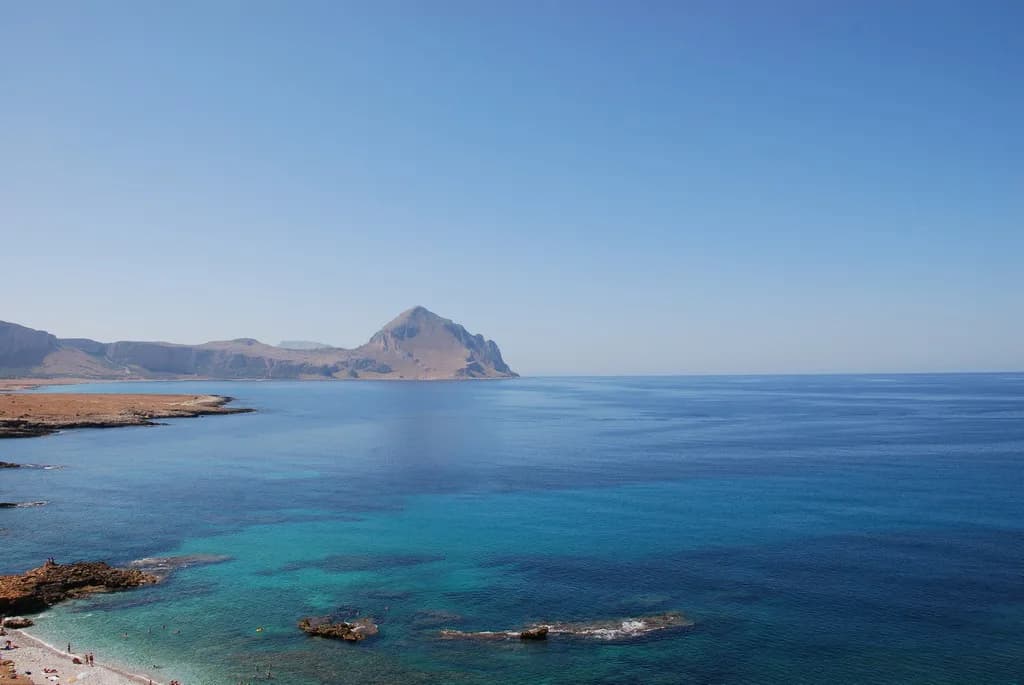
San Giuliano is the obvious second beach on a Trapani itinerary, since it continues the same coast into Erice and adds width, lidos and the cycle lane. Further afield, the sand and shallow water of the San Vito Lo Capo beach make a strong full-day contrast to the city coves, and the cliffs and clear water at Tonnara di Scopello suit a day when you want rock and drama rather than a lido.
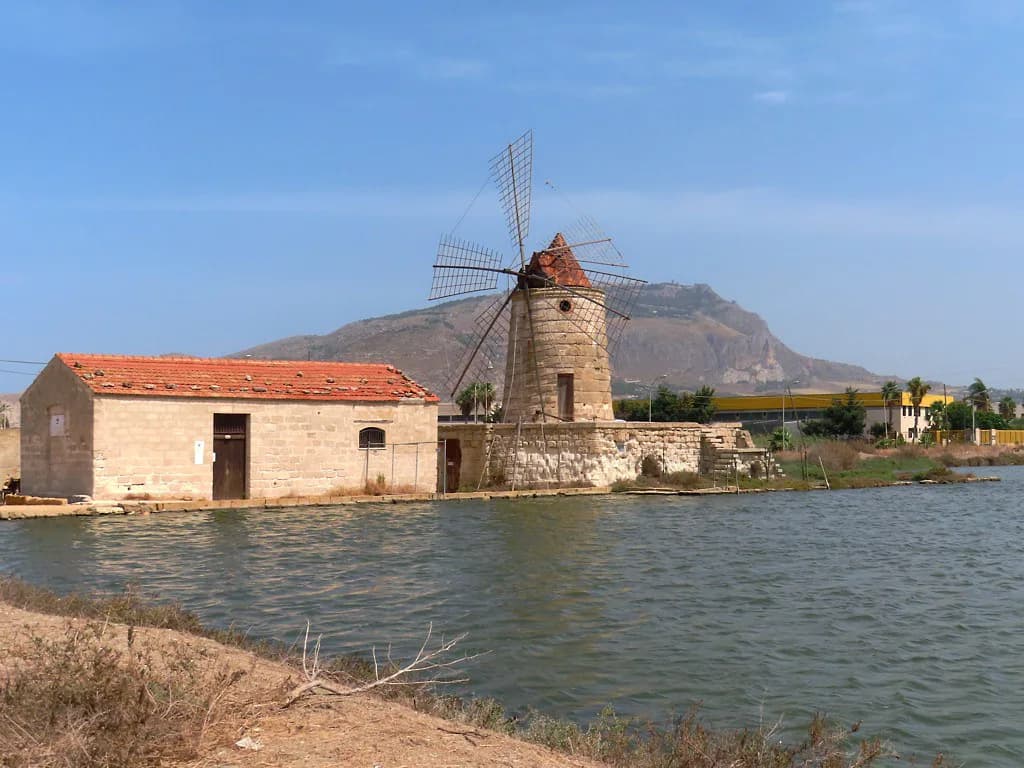
The port also opens up a boat day to the Egadi Islands, with Favignana beaches such as Cala Rossa within reach of Trapani by ferry. Closer to town, the Stagnone lagoon south of Trapani offers flat water and a very different landscape from the city's northern shore.
What to bring for a city beach day
Pack for two different beaches even if you only visit one. For San Liberale that means footwear with grip for wet rock and a mat or thick towel, since you will be lying on stone rather than sand. For the sandy stretches, shade is the thing: an umbrella if you are on the free beach, or a booked lido spot if you would rather not carry one.
Bring cash for lido extras and keep your plans flexible around the wind, because the scirocco changes both the clarity of the water and the size of the waves on the eastern sands. If you are combining San Giuliano with a bike ride, carry water and sun cream rather than relying on finding supplies along the lane.
Plan Your Visit
The simplest plan for a Trapani beach day is to match the beach to your transport. On foot, stay with Porto Ossuna, the Piazza Vittorio bays and San Liberale. With a car or a bike, push east along the Dante Alighieri seafront to the free beach or continue to San Giuliano for the widest sand and the lido base.
Build the day around the scirocco if you can, since that wind brings the clearest, warmest water along this coast, and keep the rock terrace at San Liberale for a still afternoon when the view is the point. Check seasonal bus services and lido arrangements with the local tourist office or the lido operator before you rely on them.
Explore more Trapani beaches
Frequently Asked Questions
Are the beaches in Trapani sandy?
Most of the city's swimming beaches are sand. Porto Ossuna runs about a kilometre below the North Walls, the two bays at Piazza Vittorio are sandy, and the Dante Alighieri seafront and San Giuliano continue the same low sandy coast towards Erice. San Liberale is the exception: it is a platform of smooth flat rock under the tower at the western tip of the city, used for sunbathing rather than sand play.
Can you swim in the sea in Trapani city?
You can swim on the northern side, where the old-town coves, the Piazza Vittorio bays and the eastern seafront shelve gently into clear water. The southern side of the city, around the port and the industrial areas, is not suitable for bathing. At Piazza Vittorio two stone breakwaters cut the effect of the currents, which is why those bays are popular with families.
Which Trapani beach is best for families?
Porto Ossuna suits families who want to walk from the old town: the sand is shallow and the water clean and clear, and you enter through openings in the North Walls. The Piazza Vittorio bays are the other strong option, with shallow water and breakwaters that cancel the current. The eastern seafront is shallower but windier, so it suits older children better than toddlers.
Where do you park for the beaches in Trapani?
A large car park serves the two bays at Piazza Vittorio, which puts the central beaches within easy reach even if you drive into the city. For the eastern lidos and San Giuliano you will need to sort parking on arrival; the lido operators and the local tourist office can tell you what is currently available.
Is San Giuliano beach worth visiting from Trapani?
Yes, if you want space. San Giuliano continues the Trapani coast into the territory of Erice and is wider and longer than the city beaches, with lidos offering cabins, umbrellas and deck chairs. A cycle lane runs along part of the coast, so you can reach it without a car in good weather.
When is the best time to swim in Trapani?
The scirocco, the warm south-easterly wind, brings the clearest and warmest water of the year along this coast, so those days are the ones to head out. High summer is the busiest period on the central coves, and an early-morning or late-afternoon swim avoids the crush. Outside the peak weeks the city beaches stay practical because you can walk to them.
Sources
Beach notes for your next trip
Optional updates when we add or revise beach guides.
You might also like
Continue reading
More guides you'll find useful