Macari Beach, Sicily: Coves, Pebbles and How to Get There
Macari beach is a string of pebble coves and small sandy bays beside Macari village on Sicily's Trapani coast, plus how to plan a beach day in the coves.
On this page
Macari beach rewards travellers who want a cove rather than a resort strip: the coast here breaks into a series of pebble coves and small sandy bays beside a village that still feels like a working hamlet of San Vito Lo Capo. It suits swimmers and snorkellers who do not mind walking in over stones, and quiet-seekers who would rather share a small bay with twenty people than a long lido with a thousand. Families with very small children have to think harder about which cove they pick, because the shoreline changes character from one inlet to the next.
The village sits on the Trapani coast of western Sicily, beneath the mountains that run towards the Zingaro reserve, and the regional tourism board describes it as a small settlement between sea and mountains that has kept its authentic character. Treat the name as a district rather than a single entrance: you choose a cove, park or step off the bus near it, and settle for the day. That is the key planning decision, and it shapes everything else about the visit.
Where Macari beach sits
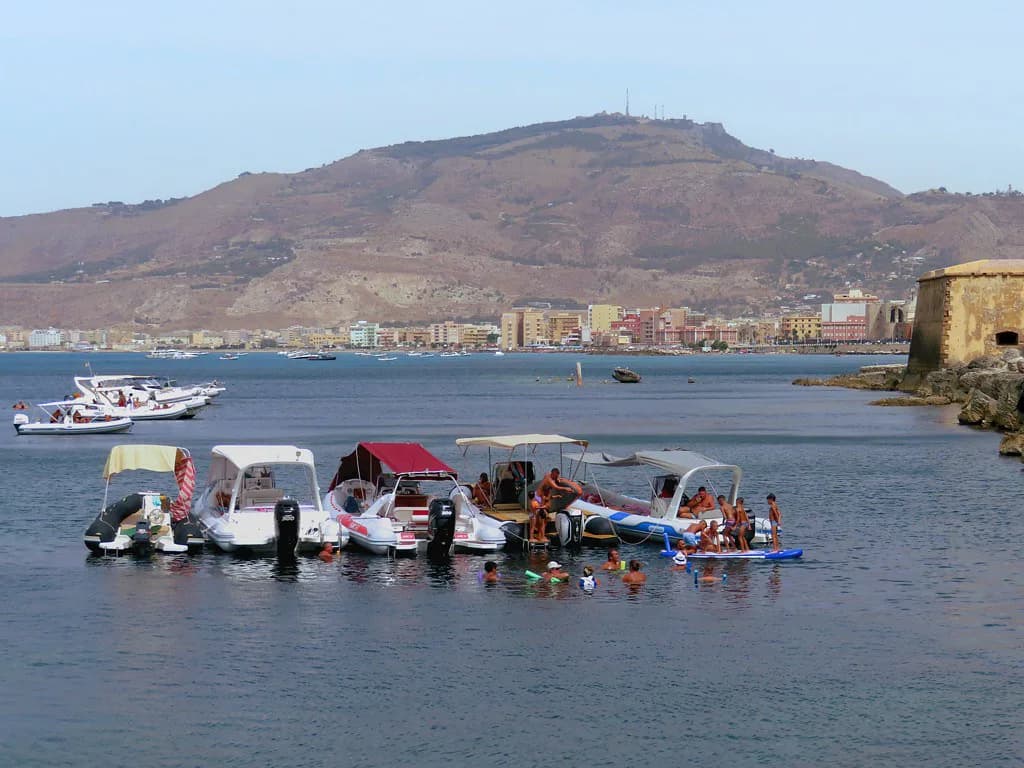
Macari is a hamlet of San Vito Lo Capo, on the coast north-east of Trapani where the land lifts into the mountains behind the village. The bay of San Vito Lo Capo, with its long pale beach, lies along the same coast, but Macari faces a rockier, more broken shoreline. Reading the name as a stretch of coast rather than a single beach entrance makes the map much easier to use.
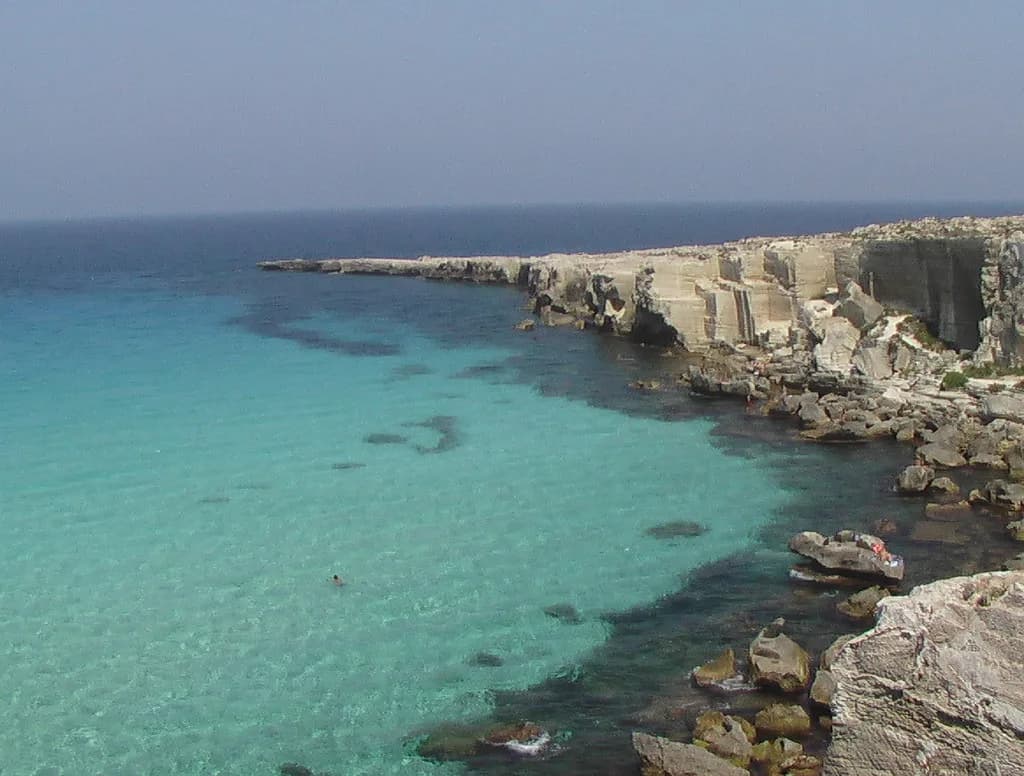
The regional tourism board groups Macari with Castelluzzo, describing the latter as the wildest side of San Vito Lo Capo, and lists the coves of the Santa Margherita beach area among the village's most striking shoreline. Those coves, Cala del Bue Marino and Cala dell'Isulidda, are the named targets worth planning around. Both sit within the same small coastal area, so you can reasonably compare them on foot once you have arrived.
Getting there from Trapani and San Vito Lo Capo
The practical approach is to base yourself in San Vito Lo Capo or Trapani and reach Macari by road, then walk down to the cove you want. Bus services along this coast are seasonal and their timetables change from year to year, so ask at the San Vito Lo Capo tourist office for the current line and stop rather than relying on an old number. If you are driving, arrive earlier in the morning during July and August, when the small parking areas near the coves fill quickly.
Once in the village, the coves are reached on foot along paths and short descents rather than from a single car park with a boardwalk. Wear shoes with grip for the walk down, and expect to carry everything back up at the end of the day. Travellers without a car should treat the bus as a one-way commitment to a cove rather than a hop-on service between beaches.
The coves in detail: Cala del Bue Marino and Cala dell'Isulidda
Cala del Bue Marino is the cove the regional tourism board singles out, noting that Legambiente recognised it as the most beautiful in Italy. It is a small inlet within the Santa Margherita area, and its size is the point: it feels enclosed rather than open, which gives it shelter but also means it fills up quickly in high season. Come early if you want space on the stones.
Cala dell'Isulidda is described as having crystal-clear water, surface caves and conditions suited to snorkelling. The caves and rocky edges are what make it interesting underwater, so bring a mask even if you only plan to swim. Pair the two coves in one day if you are reasonably mobile: they are close enough within the Santa Margherita area that a morning at one and an afternoon at the other is a realistic plan.
The sand and the water
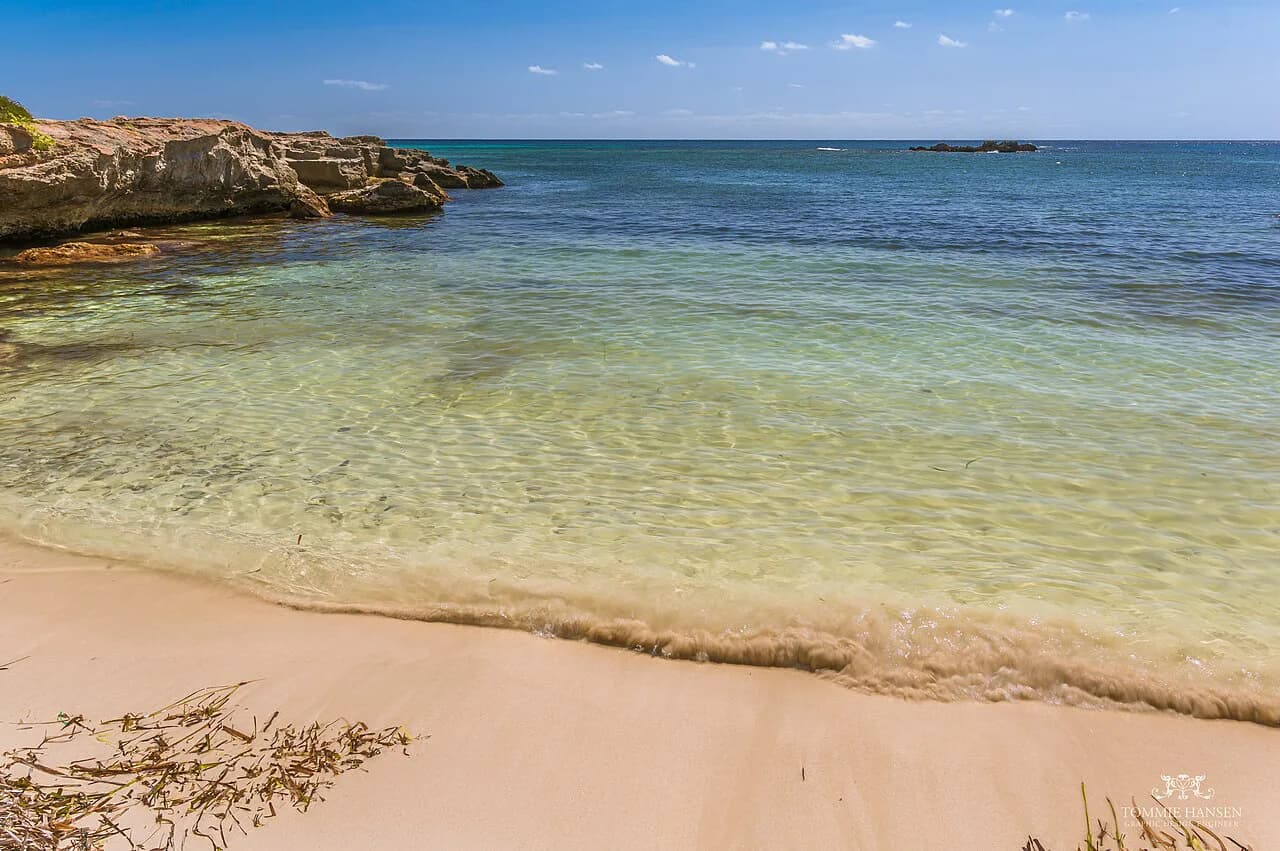
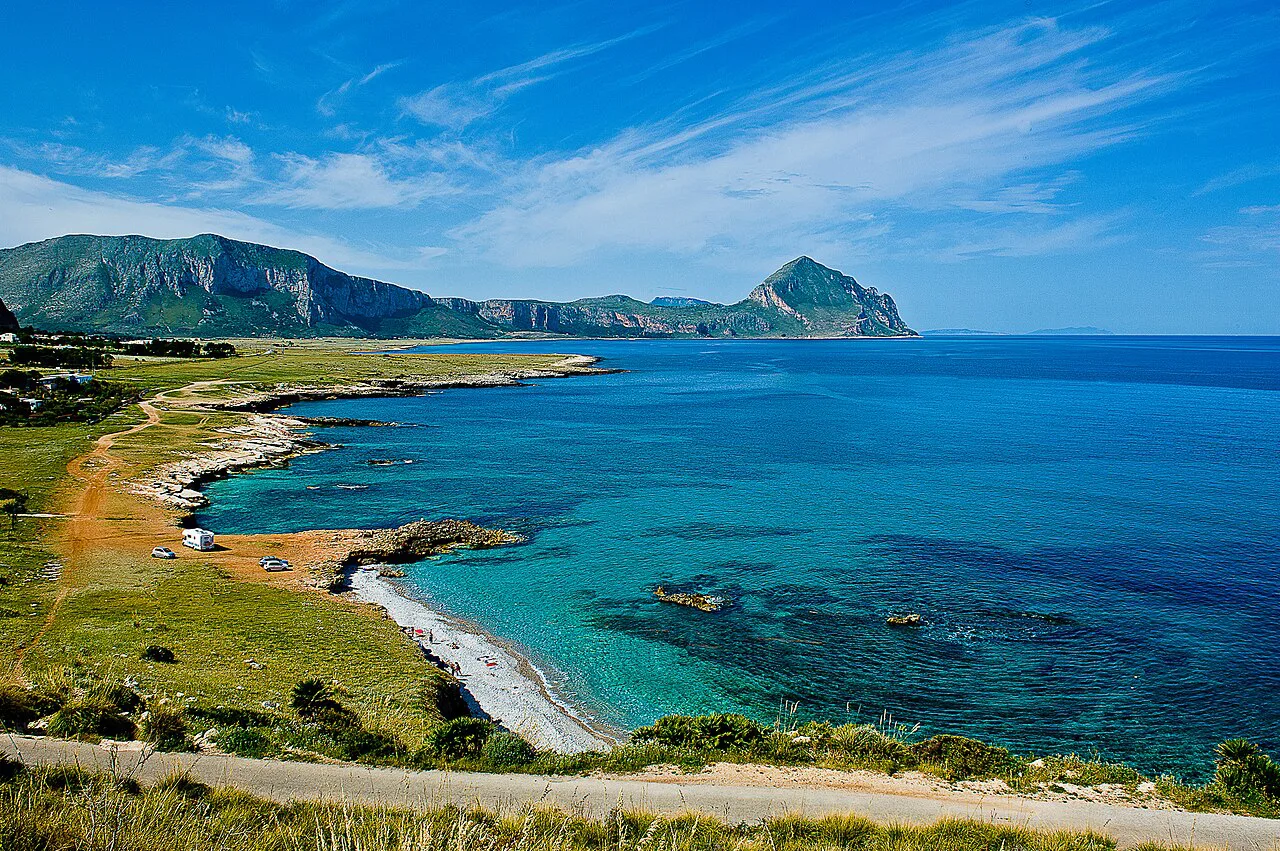
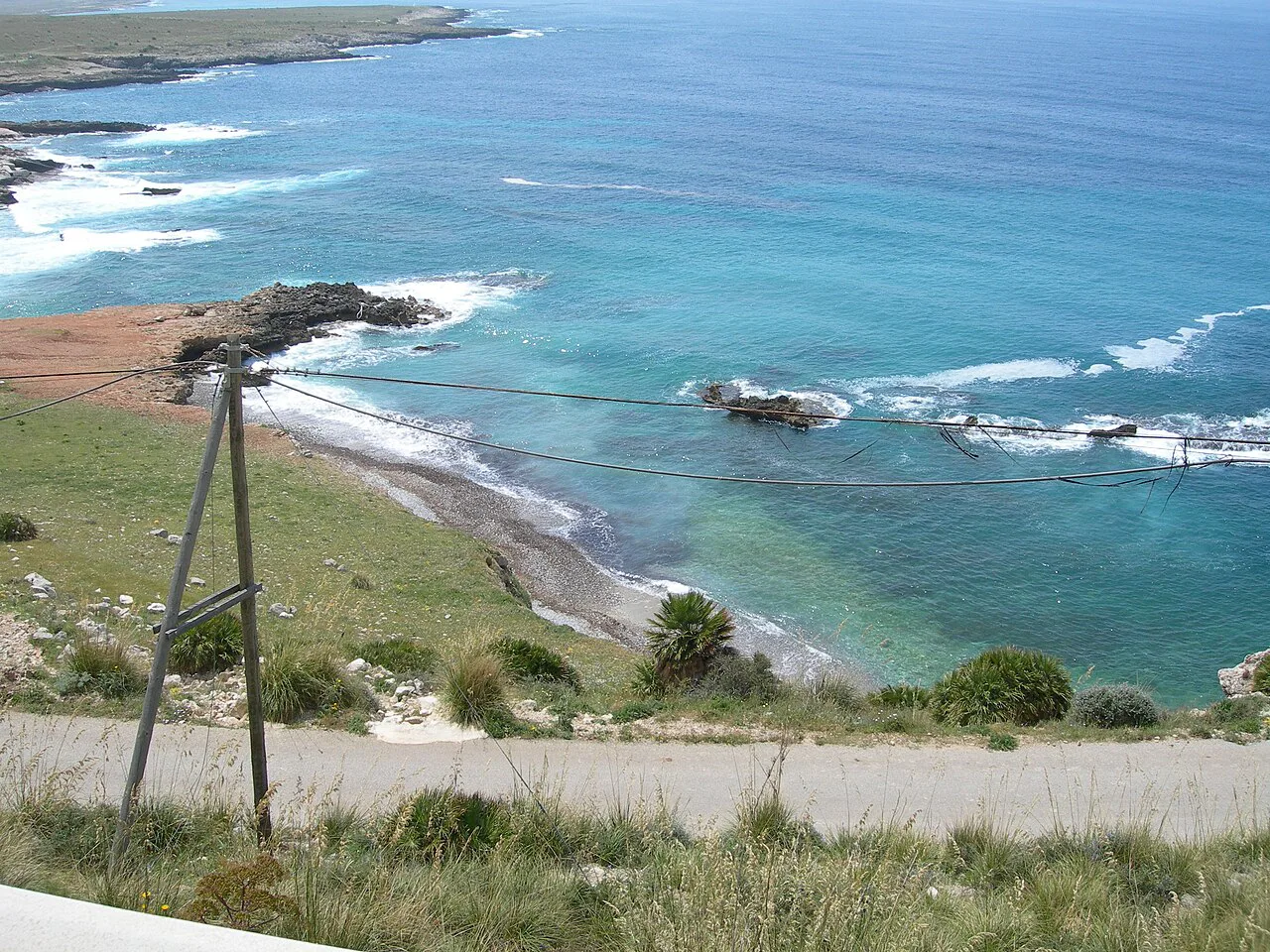
The shoreline here is a mix of pebble and shingle with small sandy bays rather than one continuous beach. Pebbles mean clear water and no sand in your sandwiches, but they are hard on bare feet and uncomfortable to lie on without a mat. Bring a thin roll-up mat or a sturdy beach towel, and wear sandals or water shoes for the walk in and out of the sea.
Water deepens more quickly off the rocky edges than off the sandy pockets, so choose your entry point with the children in mind. The sandy bays are the gentler option for paddling, while the rockier sections suit confident swimmers and snorkellers. Watch the wind on the day: an onshore breeze picks up chop quickly on an exposed stretch, and the sheltered side of a cove will feel very different from the open one.
Wind, shelter and the shape of the coast
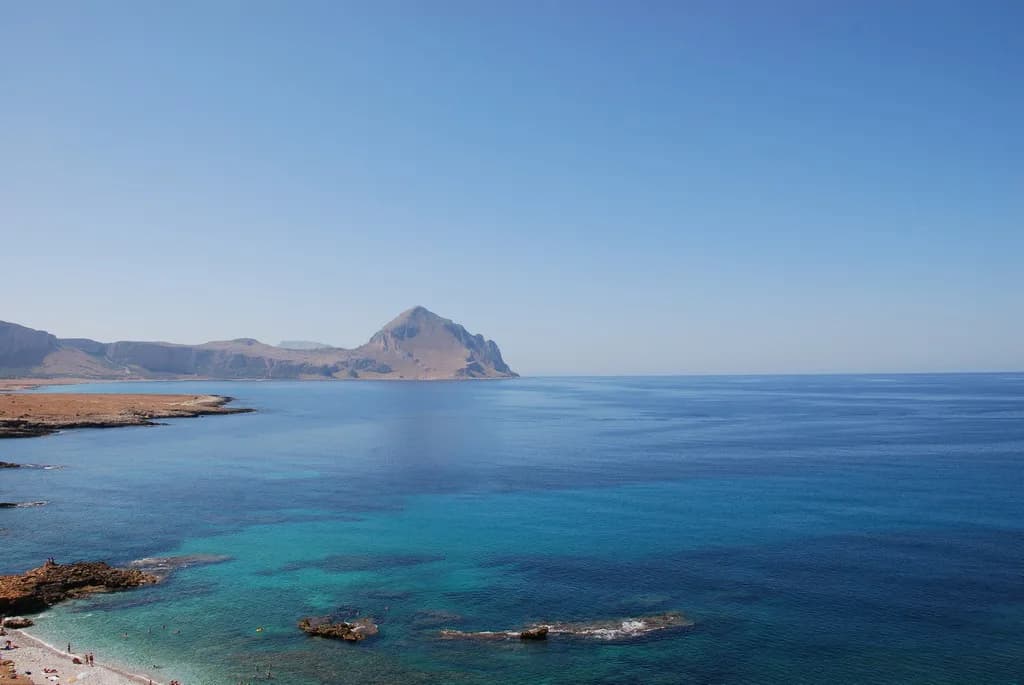
The coast below the mountains that run towards the Zingaro reserve is a series of headlands and inlets, and that shape is what gives Macari its appeal. Each cove faces a slightly different direction, so on a breezy day you can usually find a corner with some shelter by walking one inlet further along. Ask locally which coves are favoured when the mistral blows, and plan your day around that rather than committing to the first bay you reach.
Monte Monaco and the Zingaro reserve frame this stretch of coast, and the reserve itself is a reminder that the terrain here is rugged rather than gentle. Expect steps, uneven paths and shade that comes from rocks and scrub rather than from trees along a promenade. Pack sun cream and water accordingly; there is little natural shade on the stones.
Facilities and how developed the coves are
Macari is a village-scale coastline rather than a lido strip, so plan as if you are packing for a wild-ish beach day: water, food, shade, a mat and cash for a possible beach bar. The tourism board presents Macari as a place for nature and relaxation rather than resort comfort, and the coves are described as small inlets rather than managed beaches. Anything beyond that changes season to season, so check with the San Vito Lo Capo tourist office before relying on a particular bar or rental.
Toilets, showers, sunbed hire and lifeguard cover are not uniform across the inlets, and what is open in July may be closed in late September. Treat the presence of a beach bar as a bonus rather than the plan, and carry what you need to be self-sufficient. The advantage of that approach is that you are free to pick the cove that looks best on the day.
Who it suits
Swimmers and snorkellers get the best of Macari, particularly around Cala dell'Isulidda, where the surface caves and clear water reward anyone with a mask. Quiet-seekers do well too, because the coves are small enough to feel private even when the coast is busy. Families with small children should head for the sandy pockets and keep to the shallower entry points rather than the rocky edges.
Anyone with limited mobility should weigh the access carefully, because the walk down to the coves involves uneven ground and a climb back up. If that is a problem, the long beach at San Vito Lo Capo is an easier day. Groups who want a single base with bars and facilities nearby will also find the village-scale coves at Macari less convenient than a resort beach.
Best time to go
Late June, July and August are the warmest and busiest weeks, when Italian families arrive and the small coves fill by mid-morning. June and September are the sweet spot for most travellers: warm enough for long swims, quieter on the stones, and easier for parking near the village. Water temperatures and exact conditions change with the year, so check a local sea forecast in the week before you go rather than planning around a fixed date.
Outside the summer season, services thin out and the weather becomes less predictable, so a Macari beach day is best treated as a summer plan. If you are travelling in May or October, keep the beach as one option among several and be ready to switch to a town day if the wind turns. That flexibility matters more here than on a large resort beach.
Nearby beaches to combine
San Vito Lo Capo, a short drive away, gives you the long pale beach and the village facilities that Macari lacks, and it makes a sensible second day rather than a substitute. The Zingaro reserve to the east offers walking between coves, but access is on foot and the paths take time. If you are weighing Sicily's coastline more broadly, Cefalù beaches and Noto beaches offer contrasting alternatives further along the island. Combining Macari with either works best if you give each a full half-day rather than trying to tick off three coastlines in one afternoon.
Further south, the cove at Tonnara di Scopello and the sea stacks known as the Faraglioni di Scopello are worth a separate outing, and the drive passes through Castellammare del Golfo, which makes a natural stop for lunch. This is a different day out from Macari rather than an add-on, so plan the two separately. Each gives you a distinct version of the Trapani coast: village coves here, a historic tuna fishery and rock towers there.
Plan Your Visit
Choose Macari if you want small coves, clear water and snorkelling over rocks, and accept pebbles, a walk down and a self-sufficient beach day in return. Pick Cala del Bue Marino for a sheltered inlet and Cala dell'Isulidda for caves and clear water, then base yourself in San Vito Lo Capo or Trapani and arrive early in high summer. Pack water shoes, a mat, shade and cash, and leave the rest to the weather.
Frequently Asked Questions
What is Macari beach like?
Macari beach is a series of pebble coves and small sandy bays beside the village of Macari, a hamlet of San Vito Lo Capo on the Trapani coast of western Sicily. It is not one continuous shoreline with a single entrance, so you choose a cove and settle there for the day. The water is clear and the setting is village-scale rather than resort-scale.
Is Macari beach sand or pebbles?
It is a mix. The coast here is made up of pebble coves with small sandy pockets, so expect shingle underfoot in most places and sand in the smaller bays. Bring water shoes and a mat if you plan to spend the day on the stones, and head for the sandy bays if you have small children.
How do you get to Macari beach from San Vito Lo Capo?
Most travellers drive or take a local bus from San Vito Lo Capo or Trapani and then walk down to a cove. Bus lines and timetables change by season, so ask the San Vito Lo Capo tourist office for the current service and stop before you travel. If you drive, arrive early in July and August when parking near the coves fills.
Which coves make up Macari beach?
The named coves are Cala del Bue Marino and Cala dell'Isulidda, both within the Santa Margherita beach area. Cala del Bue Marino has been recognised by Legambiente as among the most beautiful in Italy, while Cala dell'Isulidda is known for clear water and surface caves. They are close enough to visit on the same day.
Is Macari beach good for snorkelling?
Yes, particularly around Cala dell'Isulidda, which is described as having crystal-clear water, surface caves and conditions suited to snorkelling. Bring a mask and water shoes, and stay aware of the wind and chop on exposed sections. Snorkel within your comfort zone and watch for boat traffic in the inlets.
When is the best time to swim at Macari beach?
Late June through August is the warmest and busiest period, while June and September offer warm water with fewer people on the stones. Check a local sea forecast in the week before you go, because conditions vary from year to year. Outside summer, services are thinner and the weather less settled.
What beaches are near Macari?
San Vito Lo Capo's long beach is a short drive away and has village facilities, while the Zingaro reserve offers walking between coves to the east. Further south, Tonnara di Scopello and the Faraglioni di Scopello make a separate day out, with Castellammare del Golfo as a natural lunch stop. Give each its own half-day rather than trying to combine them all.
Sources
Beach notes for your next trip
Optional updates when we add or revise beach guides.
You might also like
Continue reading
More guides you'll find useful