Cala Mancina, Trapani: How to Reach the Wild Cove
Cala Mancina is a pebble-and-rock cove beneath dolomite cliffs near San Vito Lo Capo, reached on foot, by bike or by boat from the harbour.
On this page
Cala Mancina is the quiet, wild counterpoint to the long sandy sweep of San Vito Lo Capo: a small rocky inlet at the foot of pale dolomite cliffs, reached on foot, by bike or from the water rather than by car. It rewards people who want clear water, a cave to peer into and a sunset towards Monte Cofano more than they want a sunbed and a bar. Come prepared to carry everything you need, and it suits walkers, climbers, snorkellers and photographers far better than families with small children.
Where Cala Mancina sits
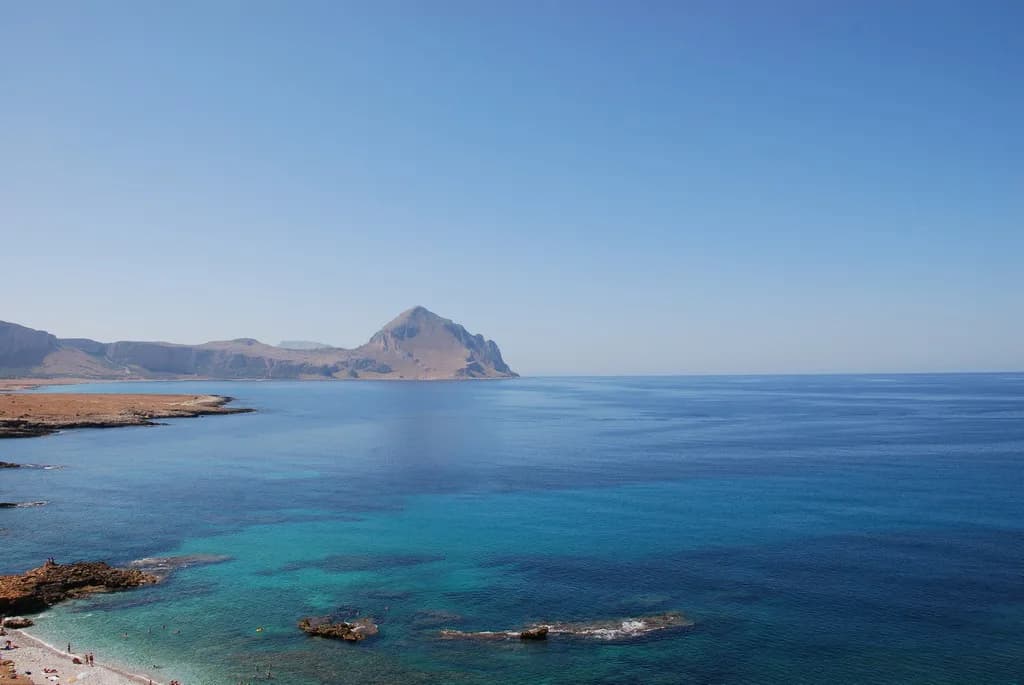
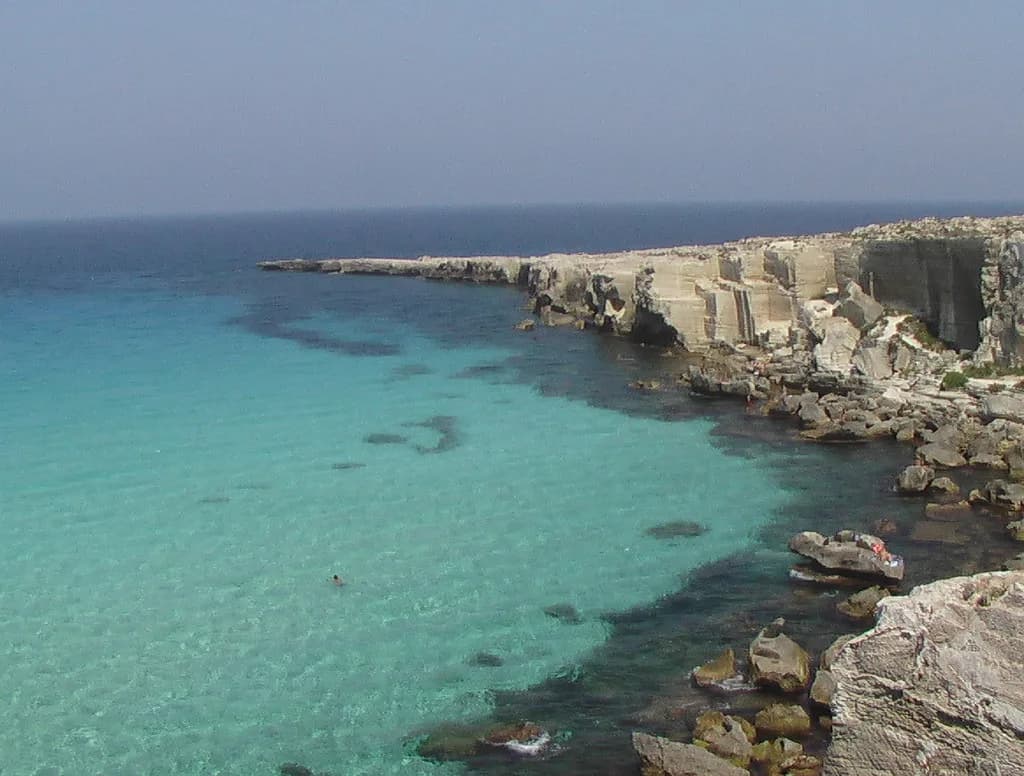
The cove lies a short way from the centre of San Vito Lo Capo, in the direction of the lighthouse, at the base of vertical dolomite walls that give the coast its stark, bright look. It is a small insenatura — a minor inlet — rather than a long beach, and the cliffs above it are laced with caves and viewpoints. The nearby Grotta dei Cavalli, a roomy limestone cave, is an easy walk from the shore and catches shafts of daylight through its entrance around the middle of the day.
Getting there
You cannot drive down to Cala Mancina. The approach is a rough track that leaves from the western edge of San Vito Lo Capo, followed on foot or by bicycle, which keeps the cove largely free of crowds and preserves its quiet mood. The alternative is to arrive by sea, setting off from the harbour at San Vito Lo Capo.
Because the last stretch is unsurfaced, sturdy shoes and a willingness to walk matter more than a car full of kit. Cyclists can ride most of the way, then leave bikes and continue on foot to the rocks. If you prefer an easier, fully serviced day by the water, the long beach in San Vito Lo Capo town is the obvious alternative, and it sits alongside the rest of the Trapani beaches in this stretch of western Sicily.
The sand and the water
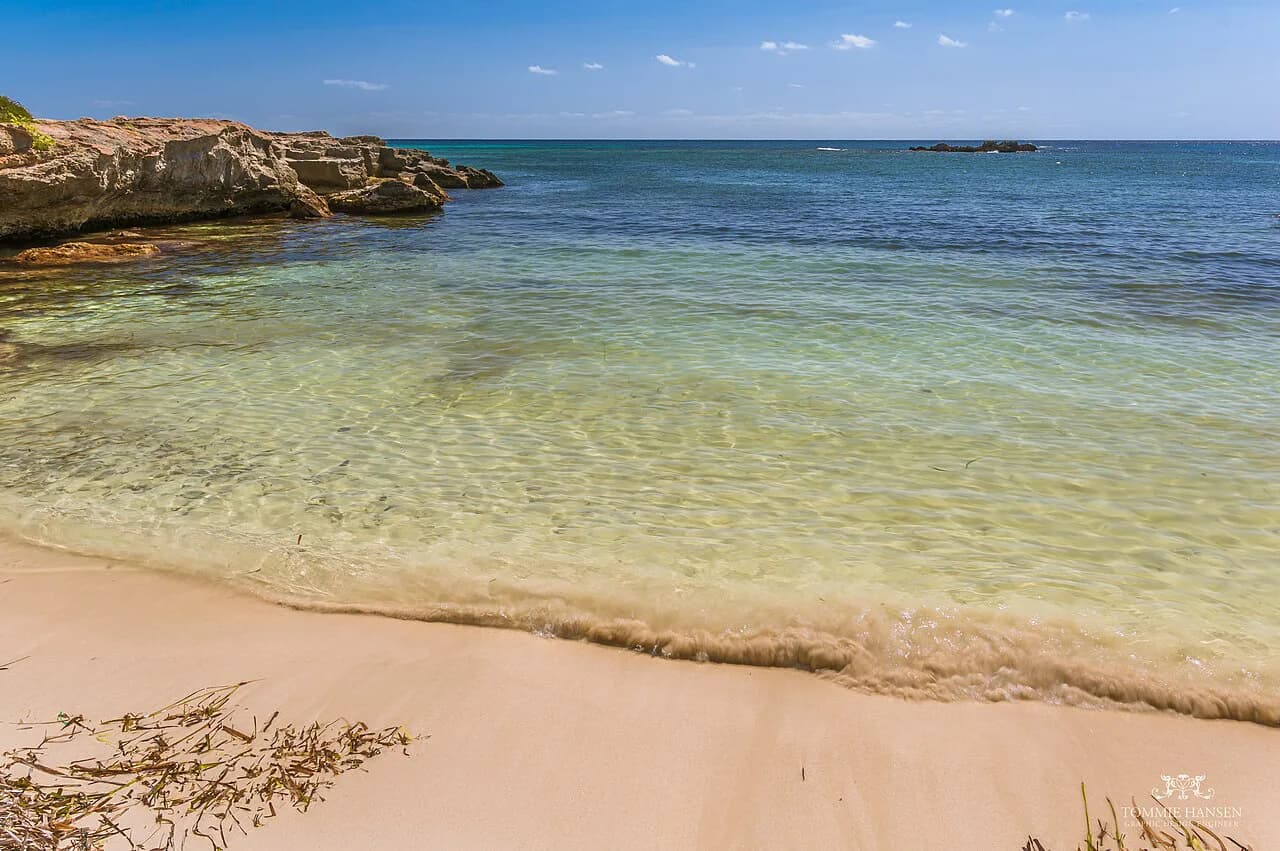
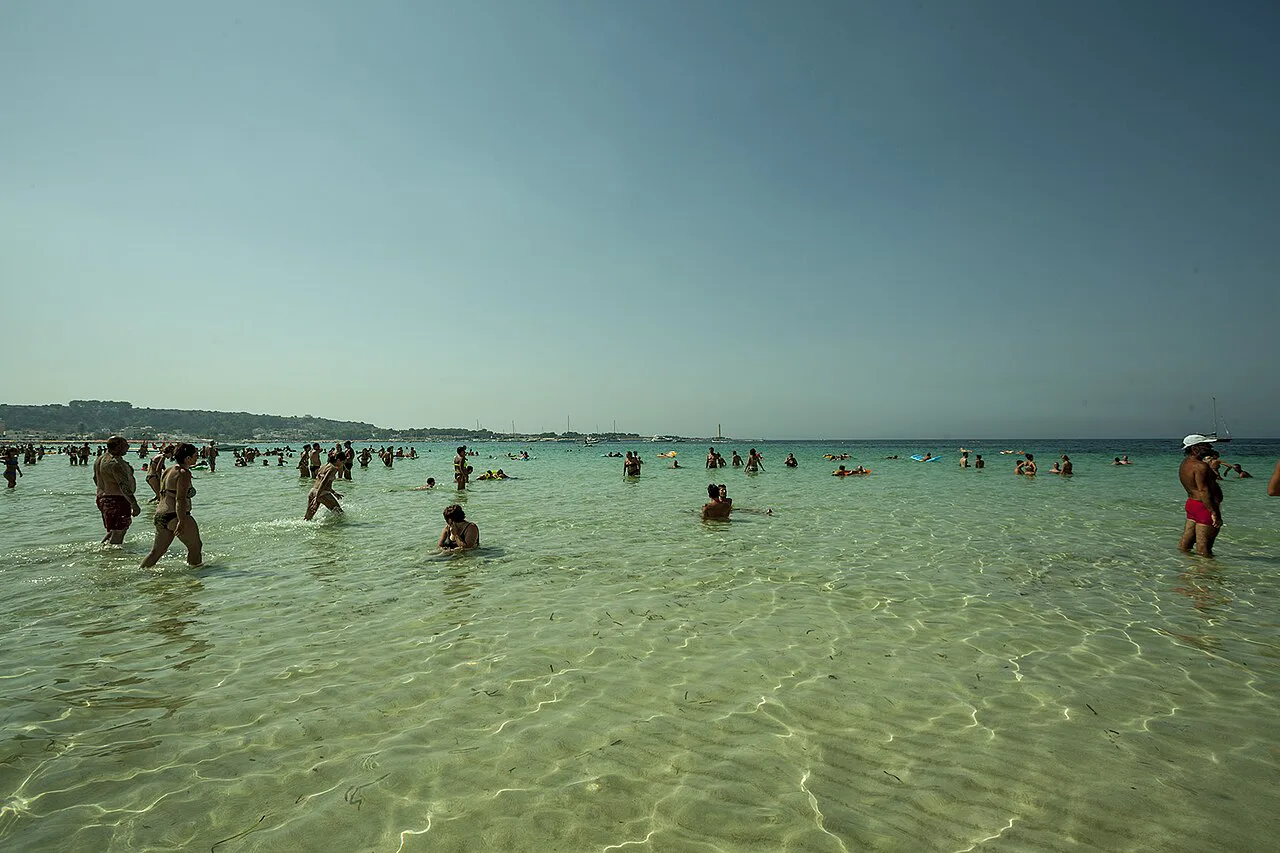
This is not a sandy beach in the usual sense: the shore is a mix of pebbles and rock, broken by small stretches where you can settle for a while. A short concreted slipway makes it easier to step into the sea. The water shifts from emerald to deep blue within a few strokes, and on still, windless days it turns transparent enough to pick out fish and rocky formations from the edge.
Swimmers and snorkellers get the most out of the cove, since the bottom varies a lot and drops away quickly once you leave its shelter. That same steepness is why it is a poor match for small children or anyone hoping to paddle in shallow water for hours. Bring rock shoes for the entry and exit, and check conditions on the day before setting out.
Shelter and conditions
The dolomite walls above the cove shape the day here: they warm up in the sun, frame the view and give the place its bare, rugged character, with Mediterranean scrub — rosemary, thyme, spurge and dwarf palms — along the path. In spring and early summer the track is lined with wildflowers and the scent of herbs mixes with the sea air. There is little built shade, so pack sun protection and enough water for the hours you plan to stay.
Facilities
Cala Mancina has no buildings, no stabilimenti, no bars and no umbrellas or refreshment points, so everything you need for the day comes with you. Water matters most in summer, and a decent pair of rock shoes is the other essential. Plan a serviced beach day in San Vito Lo Capo town if you want lunch, shade and a lido within easy reach.
Who it suits
Walkers, climbers, photographers and quiet-seekers are the natural audience for this cove, and it rewards anyone willing to make a small effort for a landscape outside the usual beach circuit. It is a less comfortable choice for families with small children or for anyone who wants a classic day of sand and services. Treat it as a short expedition rather than a resort visit and the trade-off makes sense.
Climbing and the cliffs
The tall, stratified dolomite walls above the cove are a known climbing area, with many bolted routes offering open views along the coast. The rock is light sedimentary stone that heats in the sun, adding to the dry, harsh look of the headland. Climbers share the approach track with bathers, so expect to pass walkers carrying water and mats on the way down.
Sunset and the Grotta dei Cavalli
From this stretch of coast the view opens towards Monte Cofano, and the sinking sun turns the rocks orange — a draw for photographers and nature lovers. A path also runs on towards Torre dell'Isulidda, though one section beyond the Grotta dei Cavalli is awkward underfoot. The cave itself sits close by and is simple to reach on foot, with a wide interior lit from its entrance.
Nearby beaches
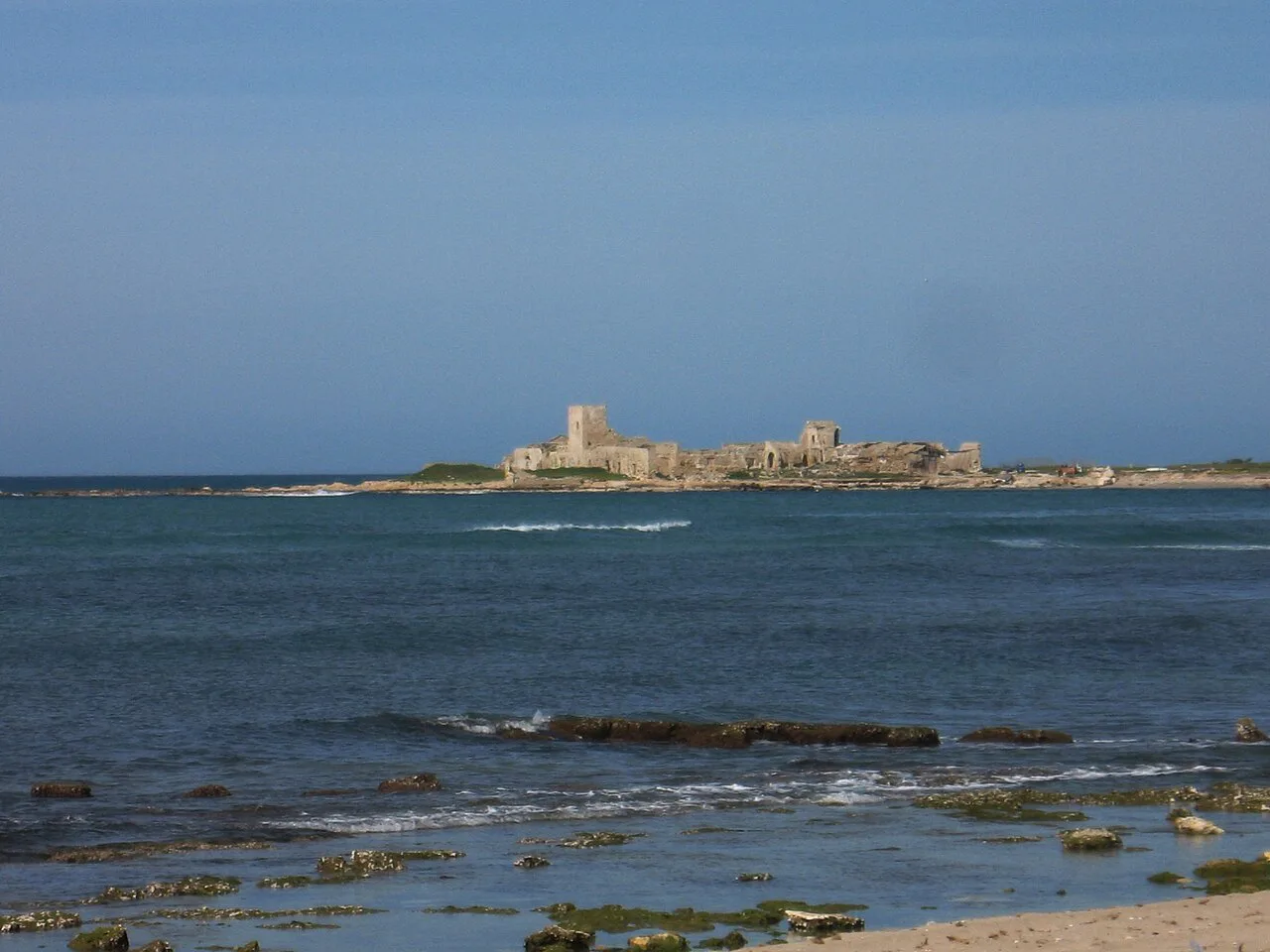
With more time, follow the coast north-west to the little cove of Bue Marino, just below Macari, and on to Baia Santa Margherita. This shoreline retains its original, unbuilt character, where rock, wind and sea still set the terms. Together with Cala Mancina they make a rewarding day of beach-hopping for anyone with a bike or a boat.
If you are touring the wider province, the coves and reserves gathered in this Trapani beaches guide and the towers and turquoise water at Tonnara di Scopello make good companions to this coast. Both reward early starts and a flexible plan, and both are best enjoyed with your own transport between stops. Farther along the same instinct for rocky, boat-or-foot access, the best beaches in Cefalù offer a comparable mix of town sand and hidden coves.
Best time to go
Spring and early summer are the sweet spot: wildflowers along the track, herbs in the air and quieter paths down to the water. High summer brings the warmest sea and the busiest town, so go early in the day if you want the cove to yourself. Whenever you visit, carry water and wear footwear suited to rock.
Practical kit
Pack water, rock shoes or grippy sandals, sun protection and something to sit on, since the shore is stone rather than sand. A dry bag helps if you plan to swim or snorkel around the cove. Keep the load light for the walk or ride in, and take everything back out with you.
Plan Your Visit
Cala Mancina is a small, wild inlet that asks a little effort — a rough track on foot or by bike, or a boat from the harbour — and gives back clear, deep water, dolomite cliffs and a sunset towards Monte Cofano. Bring water, proper footwear and a flexible plan, and pair it with the serviced beach in San Vito Lo Capo or the coves towards Macari when you want a fuller day.
Frequently Asked Questions
How do you get to Cala Mancina?
On foot or by bicycle along an unsurfaced track from the western edge of San Vito Lo Capo, or by boat from the harbour in town. Cars cannot reach the cove itself.
Can you drive to Cala Mancina?
No. The beach is not reachable by car; the approach is the rough track from the western side of town, or arrival by sea from the harbour.
Is Cala Mancina sandy?
Not in the classic sense. The shore is pebbles and rock with small stretches where you can sit, and a short concreted slipway helps you into the water.
Is Cala Mancina good for snorkelling?
Yes for confident swimmers: the seabed varies and deepens quickly, and on still days the water is clear enough to see fish and rocks from the edge. Bring rock shoes for the entry.
Are there facilities at Cala Mancina?
There are no bars, umbrellas or refreshment points at the cove, so carry water, food and sun protection, and plan a serviced beach day in San Vito Lo Capo town if you want those comforts.
Is Cala Mancina suitable for children?
It suits older children who are steady on rock and comfortable in deeper water better than small children, because the shore is stony and the water deepens quickly.
What beaches are near Cala Mancina?
Bue Marino below Macari, Baia Santa Margherita and the long beach at San Vito Lo Capo are all within reach, and make a good beach-hopping day by bike or boat.
When is the best time to visit Cala Mancina?
Spring and early summer bring wildflowers, herbs and quieter paths; high summer has the warmest sea but the busiest town, so go early in the day.
Sources
Beach notes for your next trip
Optional updates when we add or revise beach guides.
You might also like

Continue reading
More guides you'll find useful