San Vito Lo Capo Beach Guide: Sicily's White Sand Bay
Plan a day at San Vito Lo Capo beach in Sicily: three kilometres of pale sand, shallow water, beach clubs, August parking and the walk to Cala Mancina.
On this page
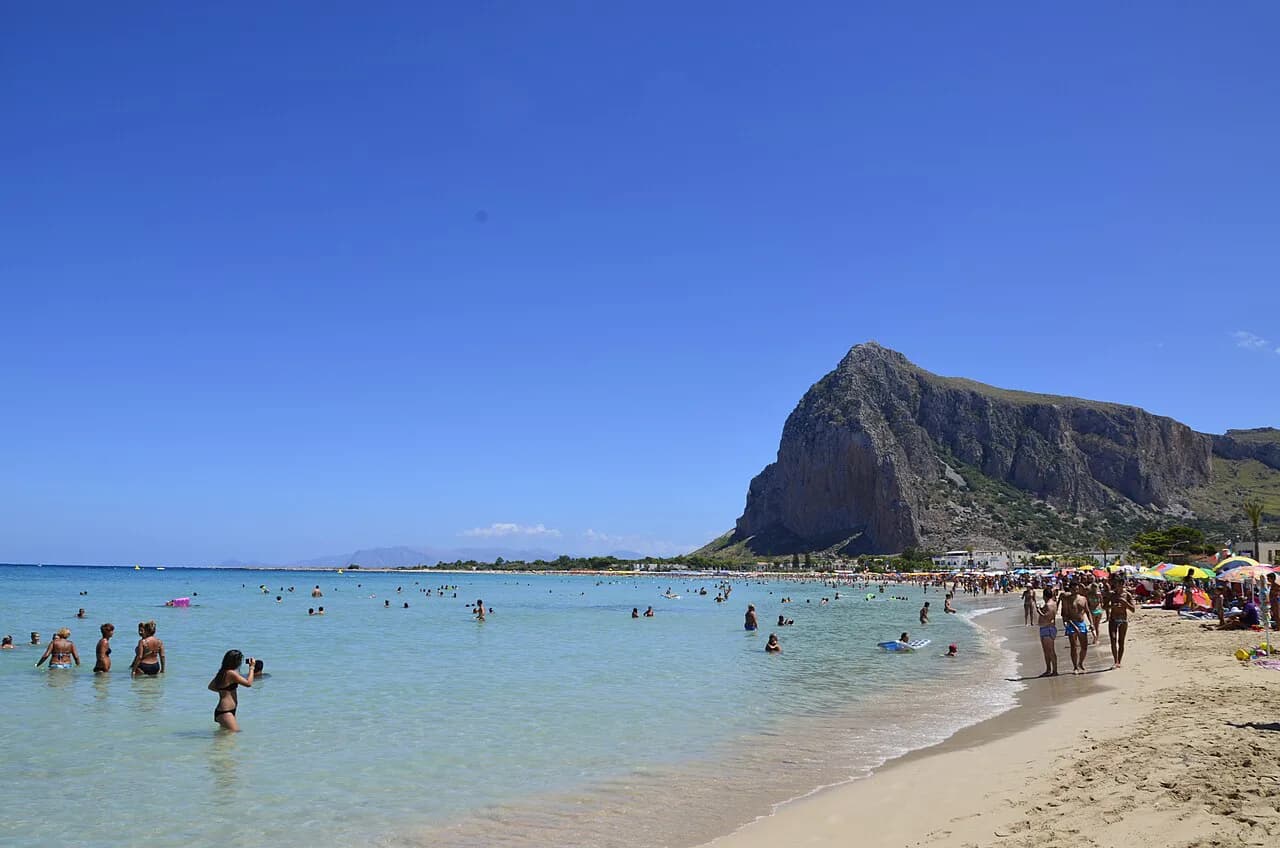
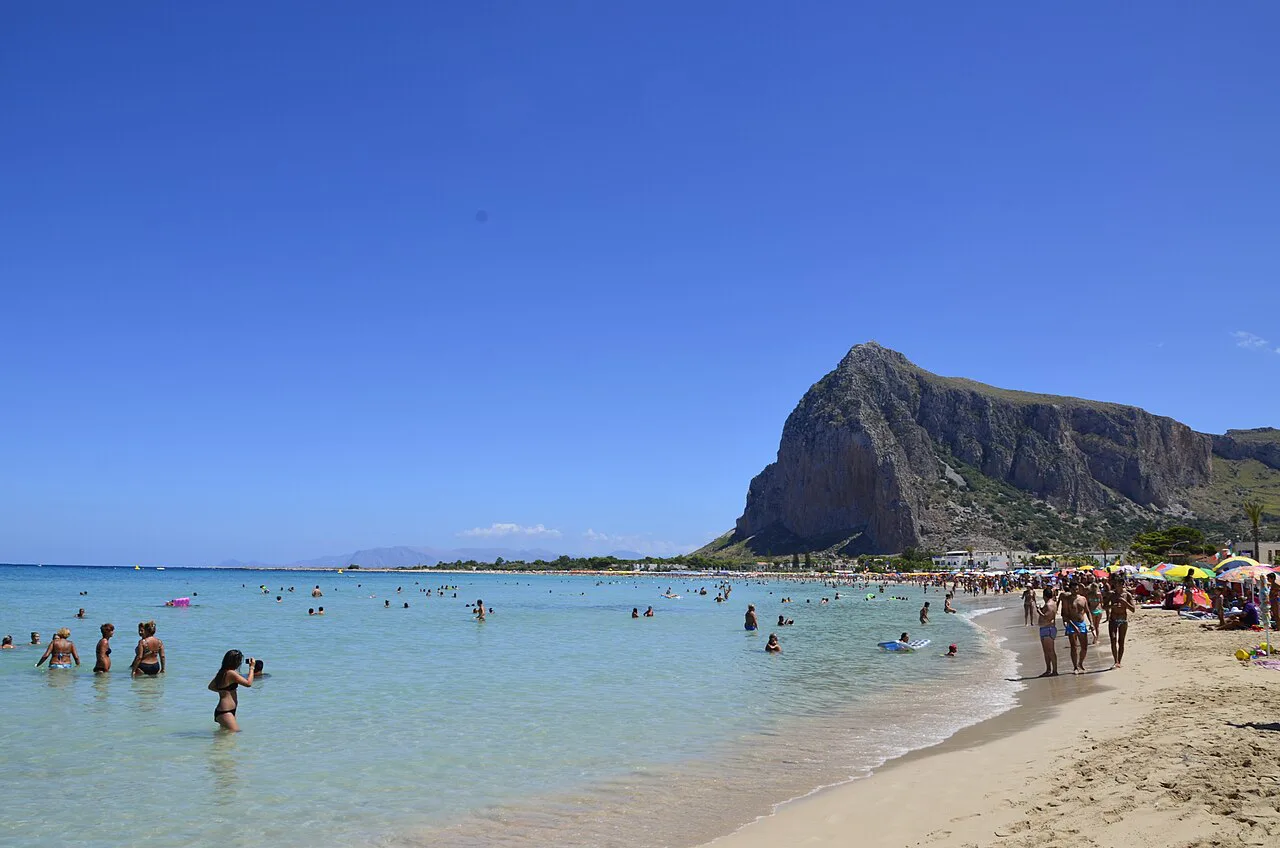
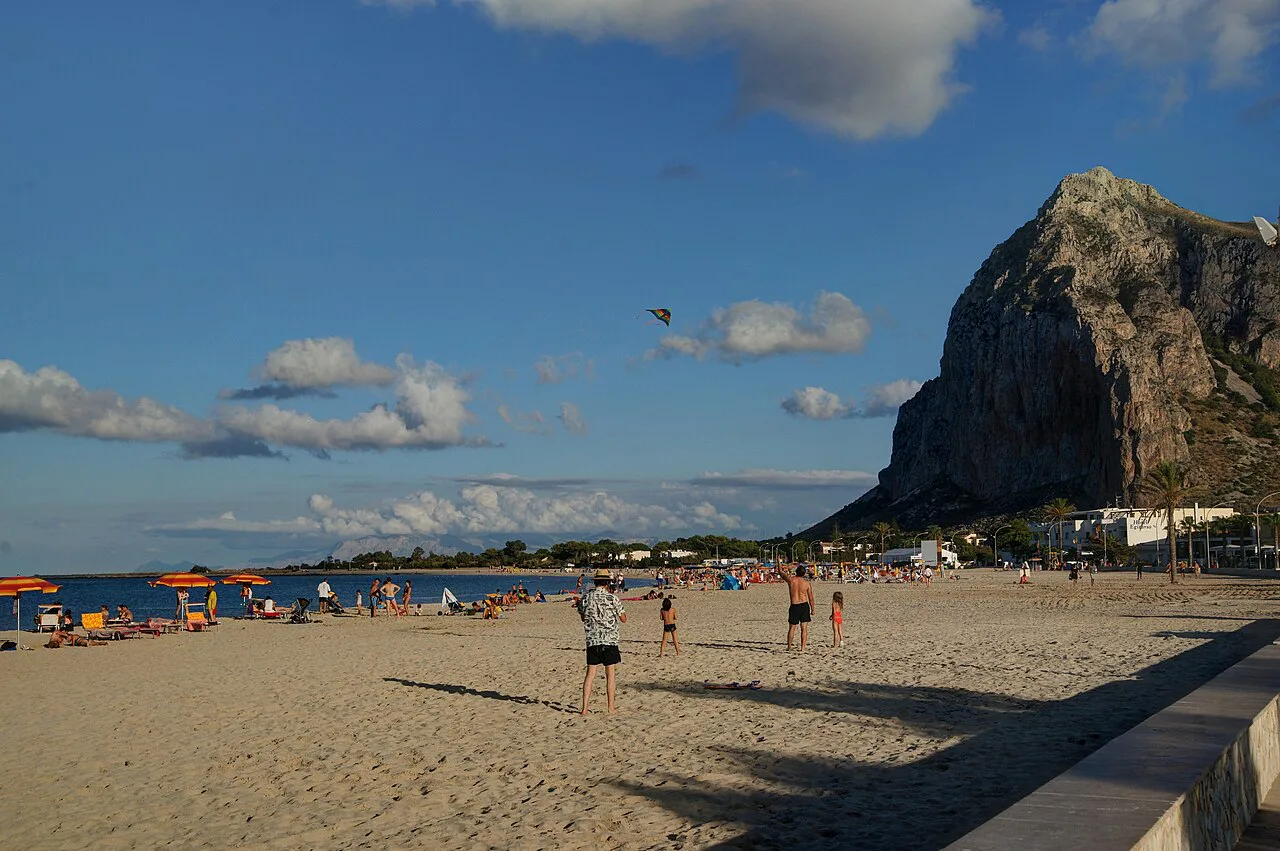
San Vito Lo Capo beach is the reason most travellers put this small Trapani-province town on their Sicily itinerary: a long crescent of fine, pale sand that looks almost too white in full sun, backed by a fountain-lined seafront and the bulk of Monte Monaco. The water stays shallow well out from the shore over a sandy seabed, which is what makes the bay such an easy proposition for families with small children and for anyone who prefers to wade rather than dive in. It is a beach day you can build a whole holiday around, and a good base for the cliffs and coves further along the coast.
Where the beach sits
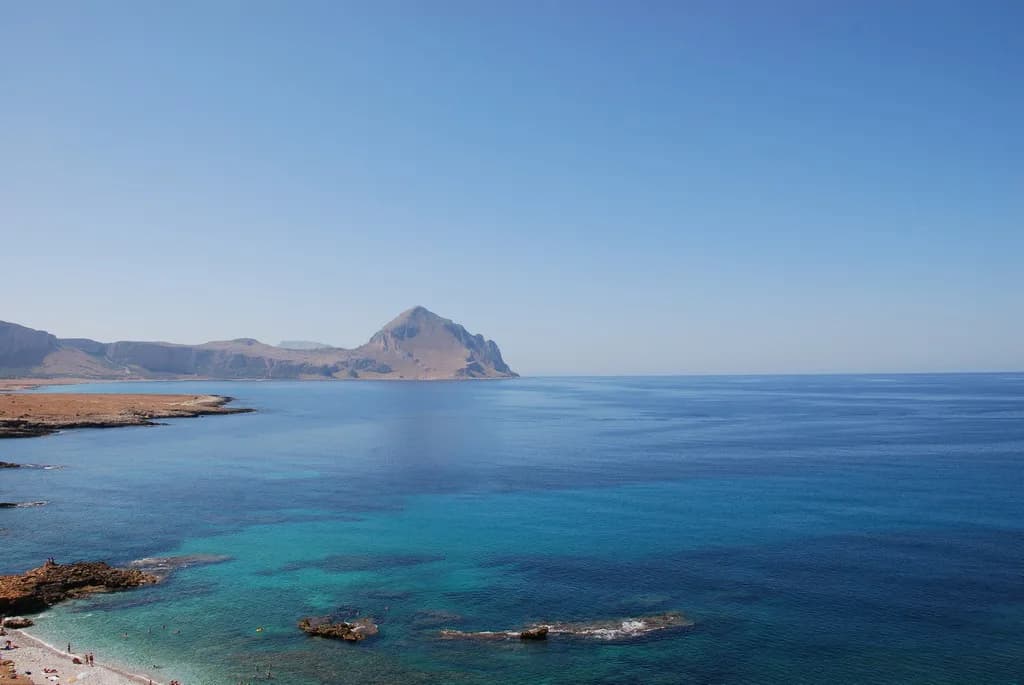
The town occupies a low promontory at the northwestern tip of Sicily, with Monte Monaco rising to the east and Monte Cofano across the water to the west, and the beach wraps round the bay between them. From Trapani the drive is about 40 km, roughly 50 minutes along the SP16 coastal road, while Palermo is about 90 km away, an hour and 40 minutes via the A29 and SS187. That puts San Vito within day-trip range of both cities, though staying overnight lets you reach the sand before the coaches do.
If you are touring western Sicily, the town slots naturally between Erice and Trapani, both around 45 to 50 minutes away by car, and the Egadi Islands ferries leave from Trapani harbour. Read our guide to the wider Trapani beaches if you want to compare this bay with the sand further south before committing to a base.
Getting there
Driving is the straightforward option, and a hire car also unlocks the Zingaro trailhead and the hamlets to the west that buses do not serve well. By public transport, seasonal summer services run from Trapani and Palermo with the Russo bus company, and the journey generally involves a change in Trapani. Check the current timetable with Russo before you build a day around a specific departure, since these are summer-only connections.
Once you are in town, the beach, bars, restaurants and shops are all walkable, and many streets become pedestrian-only in summer, so a bike or e-bike is a practical way to move between the sand and your accommodation. For a day trip further afield, a car or a booked transfer makes more sense than trying to string together local buses.
Parking and the restricted traffic zone
A ZTL, the restricted traffic zone, covers the historic centre and the seafront, so you cannot simply drive to the beachfront and stop. Use the designated car parks at the edge of the pedestrian zone and walk in; paid parking is available at several points, and free spaces become increasingly scarce in high season. In August, arriving before 9am is the realistic way to secure a space within easy walking distance of the sand.
The sand and the water
The beach runs for about three kilometres of fine, pale sand, and the water is shallow for a considerable distance out, clear over the sandy bottom. The bay is sheltered enough that conditions are usually gentle, but the shelter fails when the libeccio blows in from the southwest, so a day with that wind forecast is better spent on a cove that faces a different way. Its length means the beach absorbs summer crowds better than most popular Sicilian strands.
For swimmers who like depth and for snorkellers, the sandy bay is not the draw; head instead for the rocks and cliffs at either end of the promontory. Families with small children will find the shallow entry and soft sand the main attraction, and there is room along the shore for a bucket-and-spade morning without jostling.
Beach clubs and free sections
The beach is divided between stabilimenti balneari, the beach clubs that hire out sun loungers and umbrellas and offer showers, changing rooms and food service, and free public stretches. The clubs along the central section serve generally good food, which makes a full beach day self-contained without walking back into town for lunch. On weekends in July and August, free-section space is limited and competitive, so booking a lounger at a club is worth the cost if you want a guaranteed spot.
Cala Mancina
Cala Mancina is a smaller limestone-cliff cove on the eastern side of the promontory, about a 20-minute walk from the town centre, with notably clear water and excellent snorkelling. It is less crowded than the main beach and more dramatically set, and for many visitors it is the best swim within walking distance of town. The trade-off is that you leave the town amenities behind, so bring water, shade and everything you need for the day.
Who it suits
Small children and nervous swimmers get the shallow bay and soft sand; confident swimmers and snorkellers should walk east to Cala Mancina or take a boat trip to the coves that cannot be reached on foot. Quiet-seekers are better off heading west towards Macari or using Castelluzzo as a base, which gives easy access to the same beach without the August density of the main resort.
Best time to go
May and June bring warm days and a quieter beach, while September and October offer a sea still warm from summer and far fewer people. September is the sweet spot: the water holds its heat, the crowds thin after August, and the Cous Cous Fest takes over the town in the last week of that month, with beach concerts in the evening. August weekends are when the beach and town operate at maximum capacity, with parking, sand space and restaurant queues all feeling it.
Festival dates shift each year, so the organisers' programme is the place to confirm the exact days before booking accommodation, which fills up months ahead for that period. If you are coming purely for the beach, aim for June or early September and avoid the Italian holiday peak.
Nearby beaches
The Riserva Naturale dello Zingaro begins immediately east of town, seven kilometres of road-free coastline with coves such as Cala Tonnarella dell'Uzzo and Cala Marinella reached only on foot or by boat. Entry costs around €5, there are no facilities inside, and the paths are rocky, so wear proper shoes and carry everything for the day. Further east, Tonnara di Scopello and the Faraglioni di Scopello make a natural pairing with a Zingaro walk, and the drive round to Castellammare del Golfo opens up another stretch of coast.
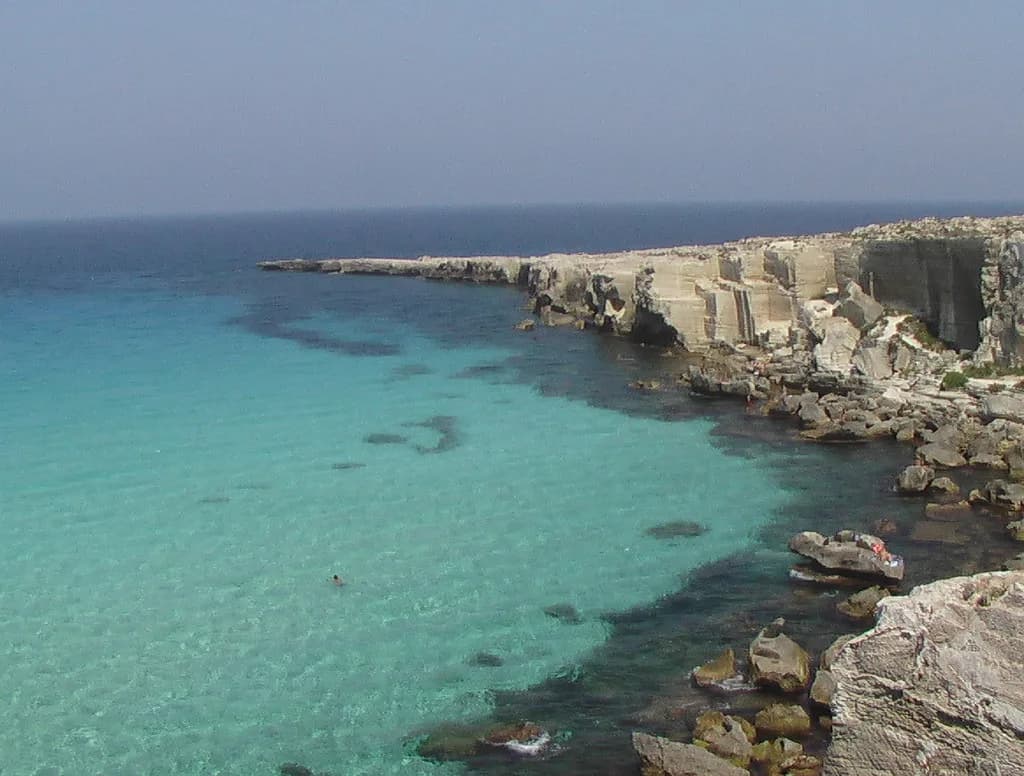
West of town, Monte Cofano's reserve has a flat six-kilometre circular walk around the base of the mountain, with swimming off rocks rather than sand and exceptional water clarity. Macari, about five kilometres west, is known for its sunset views over the open sea towards the Egadi Islands. For island swimming, the ferries from Trapani reach Favignana, where Cala Rossa and Cala Azzurra reward a day trip.
Where to stay
The town itself puts you within walking distance of the beach, restaurants and evening events, but August is loud and busy and parking is a chore. Castelluzzo, between San Vito and Macari, is a quieter alternative base with holiday apartments and a more intimate feel, while still giving easy access to both the main beach and the Macari sunset. Macari suits those who want the western coast on the doorstep and do not mind driving in for the sand.
Plan Your Visit
San Vito Lo Capo rewards a little planning: arrive early in peak season, decide before you go whether you want a club lounger or a free stretch, and keep one day spare for the Zingaro coves or the Cala Mancina walk. The bay is at its best in June and September, when the sea is warm and the town has room to breathe.
If you are comparing bases across the province, our Trapani beaches guide covers the alternatives, and the Tonnara di Scopello page is the place to start if the Zingaro coast is on your list. If you are weighing other stretches of the Sicilian coast for the same kind of family beach day, it is worth comparing the Cefalù beaches before you settle on a base.
Frequently Asked Questions
Is San Vito Lo Capo beach good for families with young children?
Yes. The bay is sheltered and the water stays shallow for a long way out over a sandy seabed, so small children can paddle safely in the shallows. The beach is divided between beach clubs with sun loungers and showers and free public sections, and its length means it copes with summer crowds better than most Sicilian beaches.
How do you get to San Vito Lo Capo from Trapani or Palermo?
By car it is about 50 minutes from Trapani along the SP16 and roughly an hour and 40 minutes from Palermo via the A29 and SS187. Seasonal summer buses run from both cities with the Russo bus company, usually with a change in Trapani. Timetables are summer-only, so confirm with the operator before planning a day around a departure.
Do you need to book sunbeds in August?
On July and August weekends the free sections get crowded, so booking a lounger at one of the beach clubs along the central stretch is the reliable way to guarantee a spot. The clubs also offer showers, changing rooms and food service, which makes a full beach day easy without returning to town.
When is the best time to visit San Vito Lo Capo beach?
May, June, September and October bring warm weather with fewer people. September is the standout, with a sea still warm from summer, thinner crowds and the Cous Cous Fest in the last week of the month. August weekends are the busiest, when parking and beach space are both stretched.
How far is Cala Mancina from the town?
Cala Mancina is a limestone cove on the eastern side of the promontory, about a 20-minute walk from the centre of San Vito Lo Capo. It is quieter than the main beach and has clear water good for snorkelling, but there are no town facilities there, so bring water and shade.
Which beaches are worth combining with a day at San Vito Lo Capo?
The Zingaro Nature Reserve begins just east of town, with coves reached on foot or by boat and a small entry fee. West of town, Monte Cofano offers rock swimming and a flat coastal walk, while the Egadi Islands, including Favignana, are reachable by ferry from Trapani for a day trip.
Sources
Beach notes for your next trip
Optional updates when we add or revise beach guides.
You might also like
Continue reading
More guides you'll find useful