Cala Tonnarella dell'Uzzo: Zingaro Reserve Beach Guide
Plan a beach day at Cala Tonnarella dell'Uzzo in Sicily's Zingaro Nature Reserve: white sand, snorkelling rocks and the coves to combine nearby.
On this page
Cala Tonnarella dell'Uzzo is the cove to aim for if you want a proper swim and a patch of sand in the middle of the Zingaro Nature Reserve. It sits on Sicily's north-west coast between Scopello and San Vito lo Capo, and the sand here makes it easier going than the pebble coves around it.
It rewards walkers rather than drivers: access comes through the reserve, on foot along the coastal path, so the day needs a little planning. Families with older children, snorkellers and anyone who would rather earn a quiet bay than park beside one get the most from it.
Where the cove sits in the Zingaro Nature Reserve
The coves of the Zingaro are usually counted as seven. A boat-tour listing names them as Cala Capreria, Cala del Varo, Cala della Disa, Cala Berretta, Cala Marinella, Cala dell'Uzzo and Tonnarella dell'Uzzo, running along the reserve's coast.
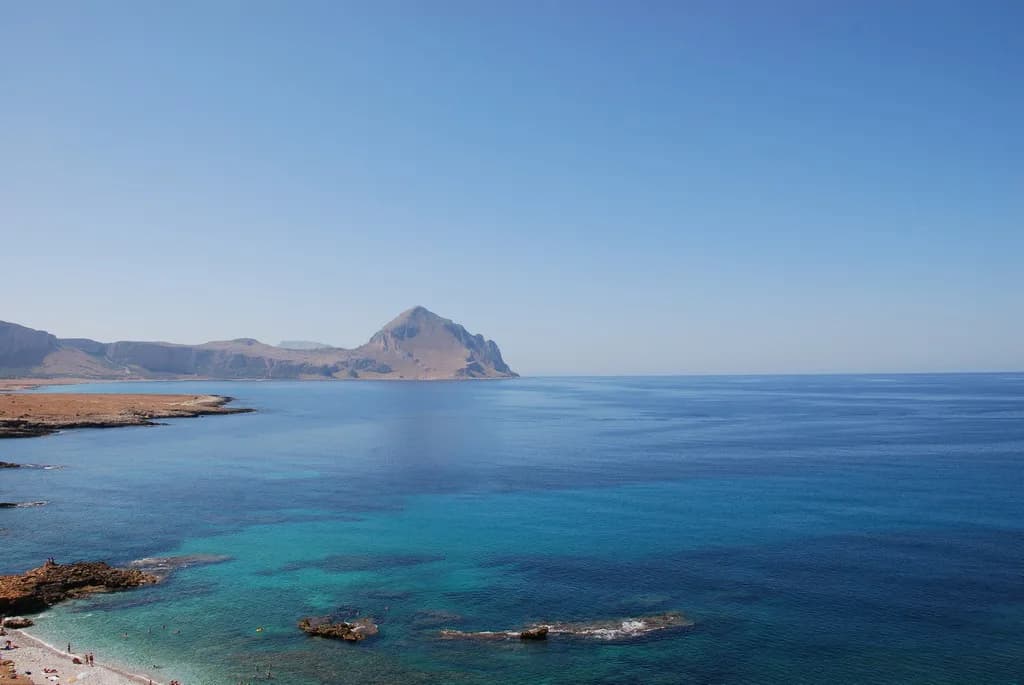
Tonnarella shares its stretch of coast with Cala dell'Uzzo, and walkers coming from the San Vito lo Capo side pass the coves in sequence before reaching it. Visitors who walked in from San Vito describe the water as very blue and the coastline as rugged, with wildlife along the route.
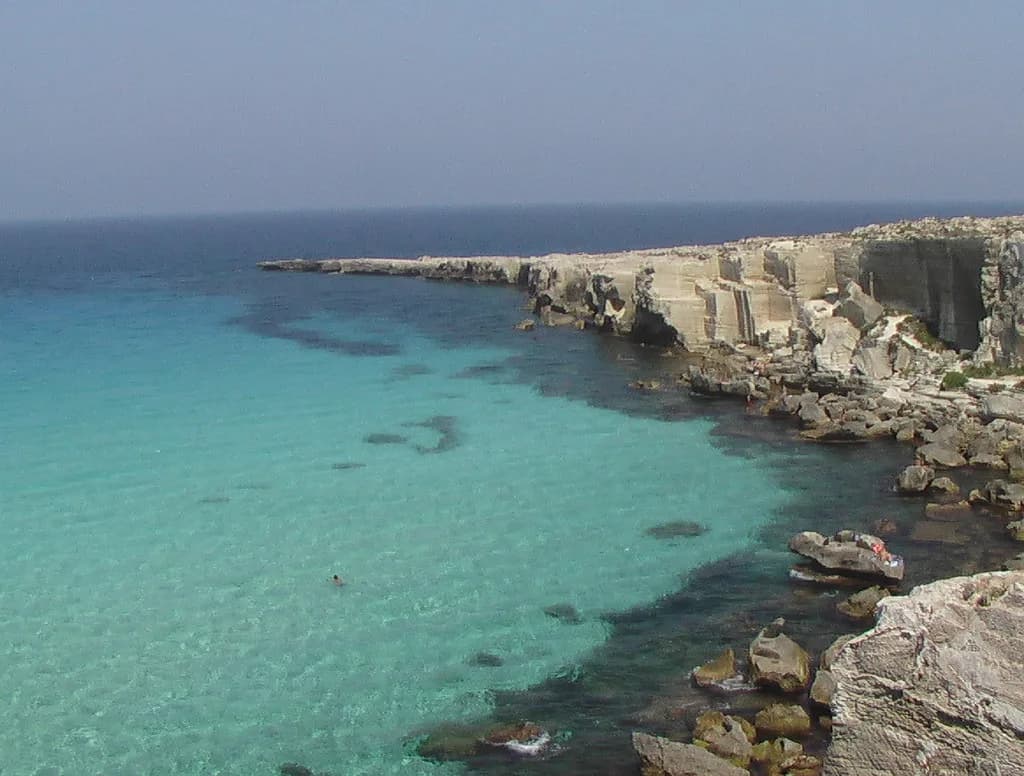
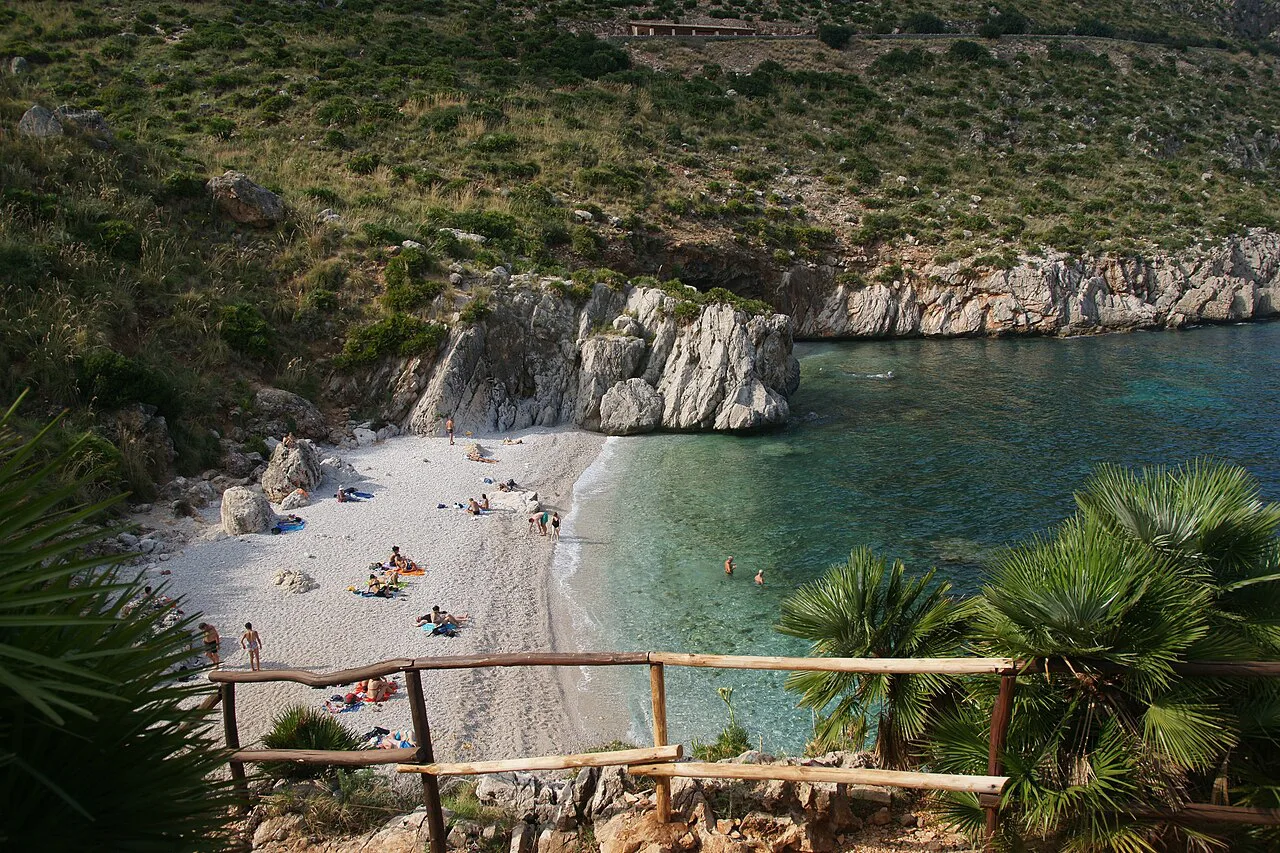
Set within a protected reserve, the bay keeps a wild feel: fine white sand, rocky arms at both ends and dense Mediterranean vegetation behind. That combination makes it a good target for a half-day walk followed by a long swim, rather than a quick roadside stop.
Getting there: reserve entrances and the coastal path
There is no road down to the cove. You enter the Zingaro reserve on foot from one of its entrance points and follow the coastal path, which links the coves one after another along the cliffs.
The two practical gateway bases are San Vito lo Capo at the western end and Scopello at the eastern end, and your choice decides which coves you reach first and how much walking you face. Coming from San Vito, the walkers who reached Tonnarella passed several coves en route, so plan the day around a single stretch rather than the whole reserve.
Boat trips run along the Zingaro coast and call at the coves, which is the way to see the bays that the path makes long. Treat a boat as a view-and-swim outing rather than a lift to Tonnarella, and ask at the San Vito lo Capo or Scopello tourist office which stops are included before you book.
For the wider choice of sands and town amenities around Trapani, from the long beach at San Vito to the salt flats and kite spots near Marsala, the Trapani beaches overview is the place to start planning the rest of the trip.
The sand and the water
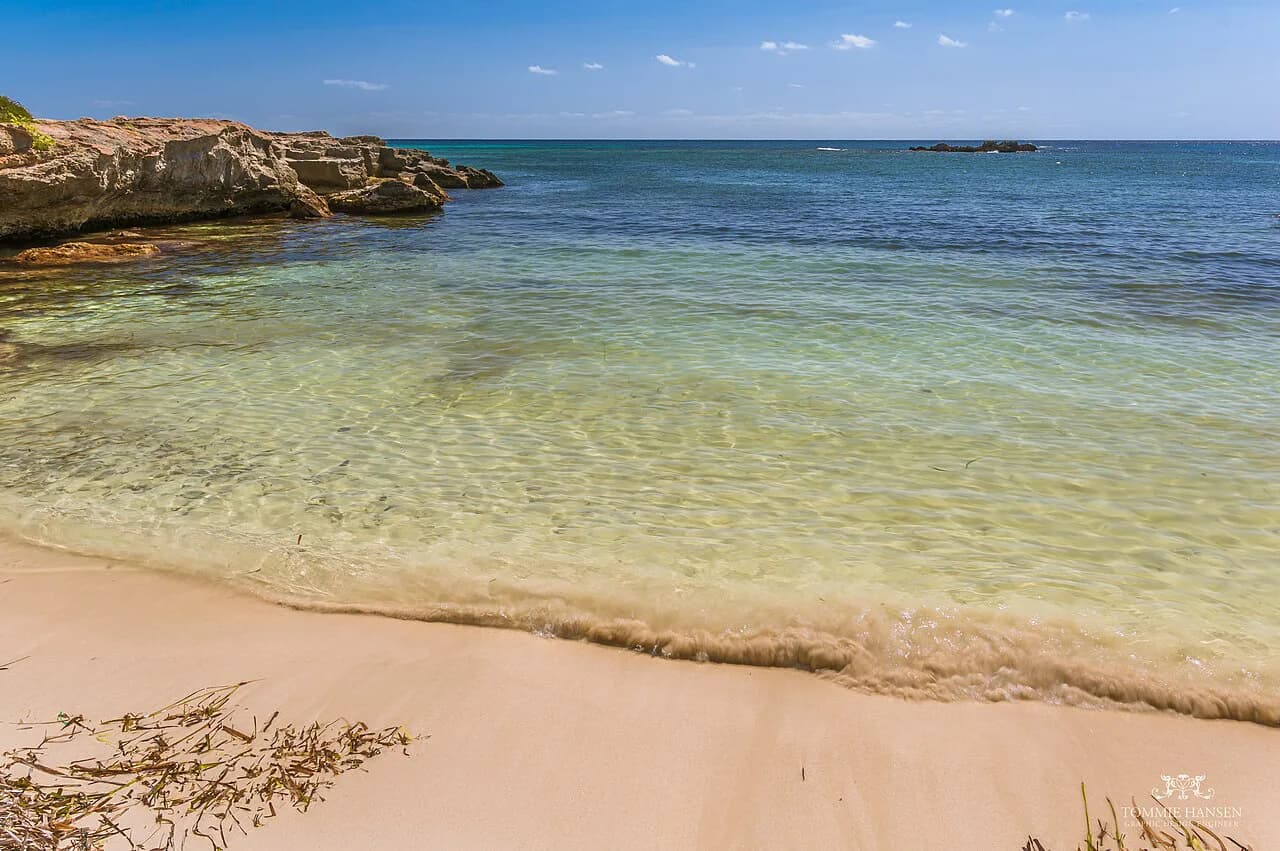
The beach itself is fine white sand, with rocks closing off both ends of the bay. The sea along this coast is described as clear turquoise and calm enough for snorkelling and diving, though conditions change with the weather and you should read the water on the day.
Because the sand sits between rocky points, the shallow entry at the centre suits paddling and cautious swimmers, while the stones at each end drop away faster and draw people with masks. Bring reef shoes if you plan to explore the edges, where the rock is uneven underfoot.
Snorkelling, caves and birdlife
Several sea caves can be explored around the bay, and the rocky sides are the reason snorkellers and divers favour this stretch.
Birdwatchers do well here too: the bay is noted for little egrets, grey herons and greater flamingos flying over the water. Keep a little distance from the rocks where birds gather, particularly in spring and autumn when movement along the coast picks up.
Behind the sand the vegetation is a dense Mediterranean mix of maritime pines, dwarf palms, juniper and scrub of tree heather, lavender and helichrysum. It frames the bay nicely and gives the reserve its scent, but it also means shade is limited to the back of the beach and the path, so carry water and a hat.
Shelter, shade and how busy it gets
The rocky arms at each end give the bay a degree of protection, and the sea here is described as calm enough for snorkelling, but the reserve's coves face open water and swell can arrive without warning. Check conditions from the path before you commit to a spot at the water's edge.
Crowds are self-limiting: everyone arrives on foot, so the cove stays quieter than the sands at San Vito lo Capo even in high summer. The busiest stretch is the middle of the day, when walkers from both ends of the reserve tend to overlap; start early and the path and the sand are calmer.
Facilities and what to bring
This is a reserve beach reached on foot, so come equipped: water, food, sun protection, a towel that dries fast and footwear for the rocky path. The fine white sand is pleasant to sit on but offers little natural shade, so a sunshade or umbrella earns its weight in the pack.
For sunbeds, bars and other serviced comforts, plan around the towns rather than the reserve. The San Vito Lo Capo Beach Guide covers the equipped beach at the western base, which works well for a second, easier day with children or grandparents in tow.
Best time to go
Swimming in this part of Sicily is at its most comfortable from late spring through early autumn, when the sea has had months of sun. July and August bring the warmest water and the most walkers on the reserve paths; June and September give warm seas with lighter foot traffic and easier starts from the car parks at either entrance.
Whatever the month, the walk in shapes the day: set off in the morning, swim before the midday heat, and keep the return leg for the cooler afternoon. A hat, plenty of water and shoes with grip matter more here than on a town beach.
Nearby coves to combine
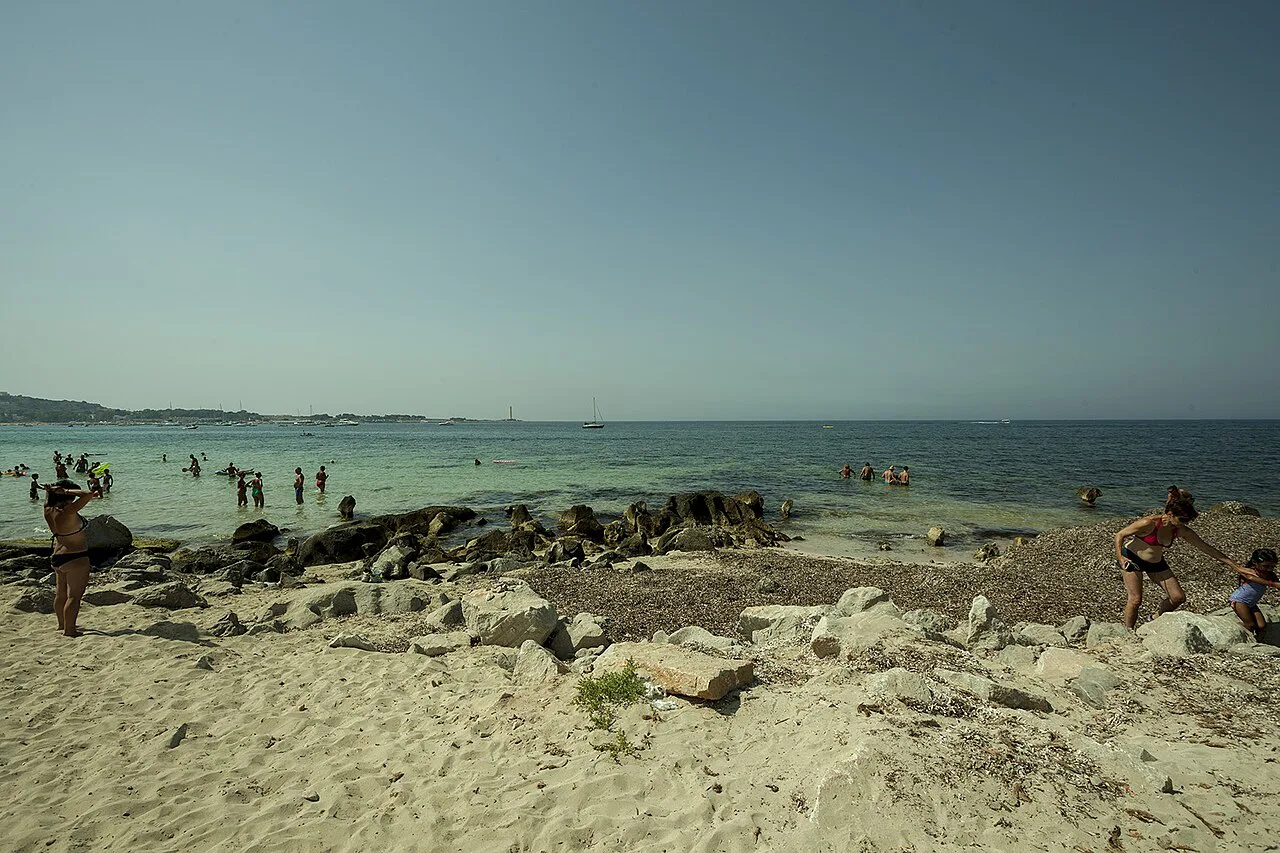
Cala Capreria is the sandy cove nearest the Scopello end of the reserve and makes a natural pairing with Tonnarella for a two-swim day. Between them lie Cala della Disa, Cala Marinella, Cala del Varo and Cala Berretta, and Cala Torre dell'Uzzo sits close to Tonnarella itself.
Each has its own character: Cala Marinella and Cala della Disa are pebbly and known for snorkelling, Cala del Varo is reached only by sea, and Cala Mazzo near Scopello is a rocky little bay. Pick two that sit on the same stretch of path rather than trying to tick off the full sequence in one day.
East of the reserve, the old tuna fishery and rock platforms at Tonnara di Scopello are a rewarding stop on the drive back, with the Faraglioni di Scopello stacks just offshore. It pairs well with a morning in the reserve and a late lunch in Castellammare del Golfo.
Macari and San Vito lo Capo as sandy bases
West of the reserve, Macari has a sandy cove with good snorkelling and is a quieter base than San Vito lo Capo itself. Tonnara del Secco, on the rocky coast nearby, is another snorkelling spot worth folding into the same afternoon.
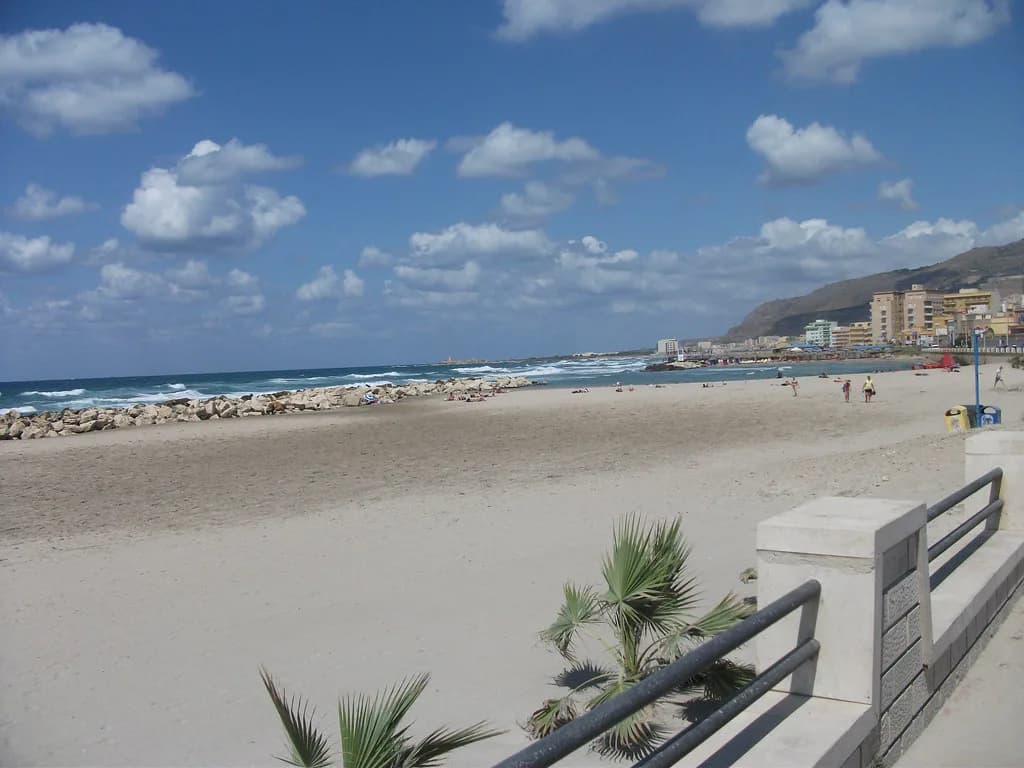
San Vito lo Capo is the region's big sandy beach, fully equipped and easy for families, and it makes the most comfortable base for reaching the reserve's western entrance. If you want variety on the water, the flat, shallow Stagnone lagoon near Trapani is a gentler alternative for windsurfing and kite lessons. If you are weighing up other sandy town beaches in Sicily for a family day, the Cefalù beaches offer a comparable mix of town sand and nearby coves.
Plan Your Visit
Cala Tonnarella dell'Uzzo suits travellers who want a real swim, white sand and a wild setting, and who are happy to walk in through the reserve to get it. Choose your entrance, San Vito lo Capo or Scopello, to decide which coves you pass and how much path you cover.
Build the day around one or two coves rather than the whole reserve, carry everything you need and start early. Confirm the reserve's opening arrangements with the Zingaro reserve office before you travel, then add a serviced beach day at San Vito lo Capo for contrast.
Frequently Asked Questions
Where is Cala Tonnarella dell'Uzzo?
It lies within the Zingaro Nature Reserve on Sicily's north-west coast, between Scopello and San Vito lo Capo. The cove is reached on foot along the reserve's coastal path from the entrance points at either end.
How do you get to Cala Tonnarella dell'Uzzo?
Walk in through the Zingaro reserve from San Vito lo Capo or Scopello and follow the coastal path to the cove. Boat trips run along the same coast and call at several coves; ask the local tourist office which stops are included before booking.
Is Cala Tonnarella dell'Uzzo sandy?
Yes. The beach is fine white sand with rocks at both ends of the bay, which makes it more comfortable for sitting and paddling than the pebble coves nearby.
How many coves are there in the Zingaro Nature Reserve?
The reserve's coast is usually described as having seven coves, named as Cala Capreria, Cala del Varo, Cala della Disa, Cala Berretta, Cala Marinella, Cala dell'Uzzo and Tonnarella dell'Uzzo.
Which beaches can you combine with Cala Tonnarella dell'Uzzo?
Pair it with a second cove on the same stretch of path: Cala Torre dell'Uzzo is close by, Cala Capreria sits near the Scopello end, and Cala Marinella and Cala della Disa are pebbly snorkelling coves.
When is the best time to swim at Cala Tonnarella dell'Uzzo?
The sea is warmest from late spring to early autumn, with July and August the busiest on the paths. June and September give warm water with lighter foot traffic and easier starts.
Sources
Beach notes for your next trip
Optional updates when we add or revise beach guides.
You might also like
Continue reading
More guides you'll find useful