Ancona Beaches: Mezzavalle, Portonovo and the Conero Riviera
Plan a beach day from Ancona: Mezzavalle's steep gravel path, Portonovo bay, Sirolo and Numana beaches, plus boat-only coves and lidos.
On this page
Ancona makes an unusually good beach base because the city waterfront and the white gravel coves of the Conero Riviera sit within a short drive of each other. The reward is variety: a wild free beach below the mountain, sheltered bays with bars, and lidos with sunbeds and shallow entries for children. This guide sorts the beaches by how you get to them, because the walk down or the boat ride is what decides the day.
The Riviera del Conero runs for about 20 kilometres of Adriatic coastline, protected as a natural park and noted for the blue flags awarded along stretches of this shore. That means you can plan a natural, unserviced beach day and a comfortable, equipped one from the same hotel. The trade-off is always access: the wildest spots demand a steep descent or a boat, while the easy beaches fill first.
Ancona as a beach base
From Ancona you reach the northern end of the Conero coast quickly, with Portonovo bay and Mezzavalle the closest wild options and Sirolo and Numana further south along the same shoreline. The city itself gives you museums, ferries and a working port to combine with beach days, so a rainy morning does not waste the trip. Base yourself in Ancona for the northern beaches and consider a night in Sirolo or Numana if you want the southern coves at the start of your day.
Think of the riviera as two clusters: the Ancona-side beaches around Portonovo and Mezzavalle, and the Sirolo–Numana group with Urbani, San Michele, Sassi Neri, Due Sorelle, Spiaggiola, Frate, Numana Bassa, Marcelli and Scossicci. Porto Recanati lies further south again, with a traffic-free seafront. Choosing your cluster first saves you a lot of driving on narrow coastal roads in summer.
Mezzavalle: fine gravel and open shoreline
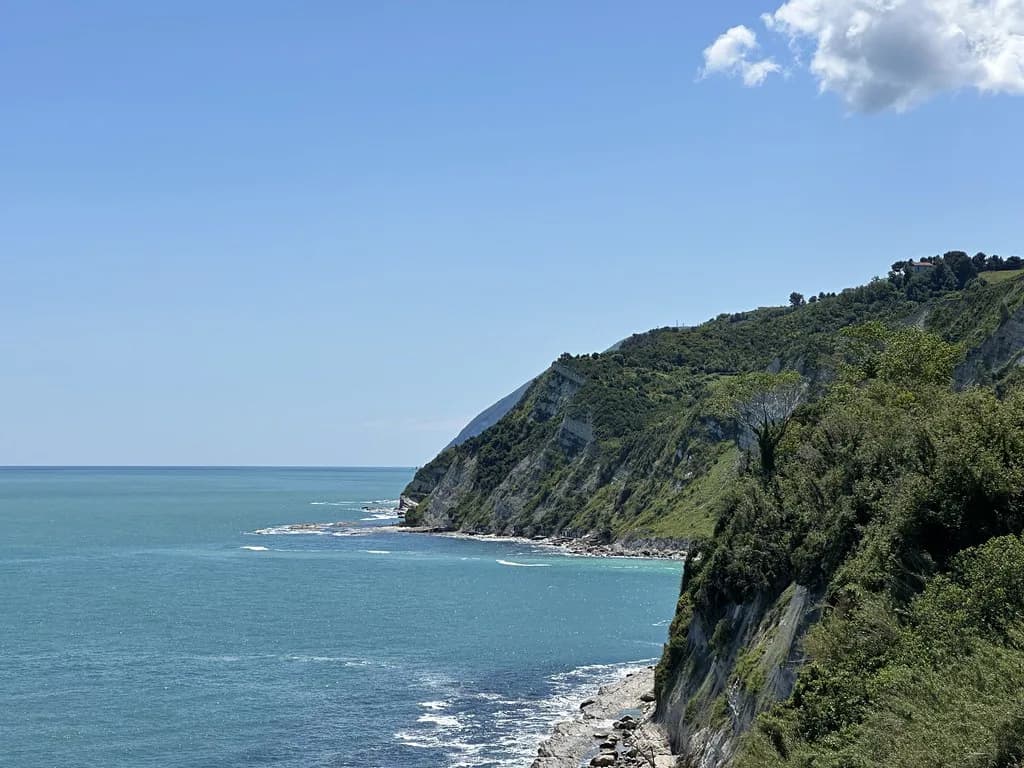
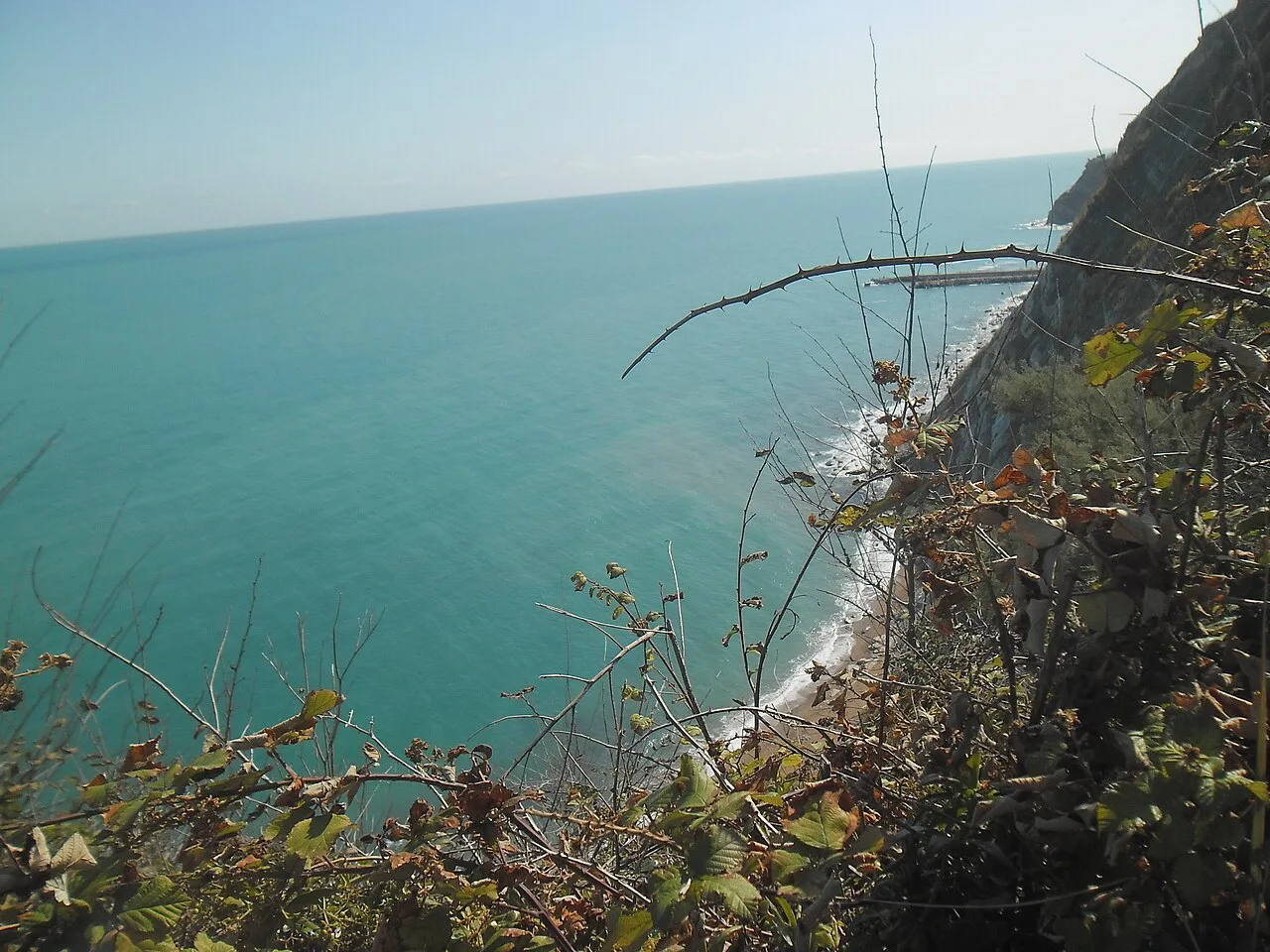
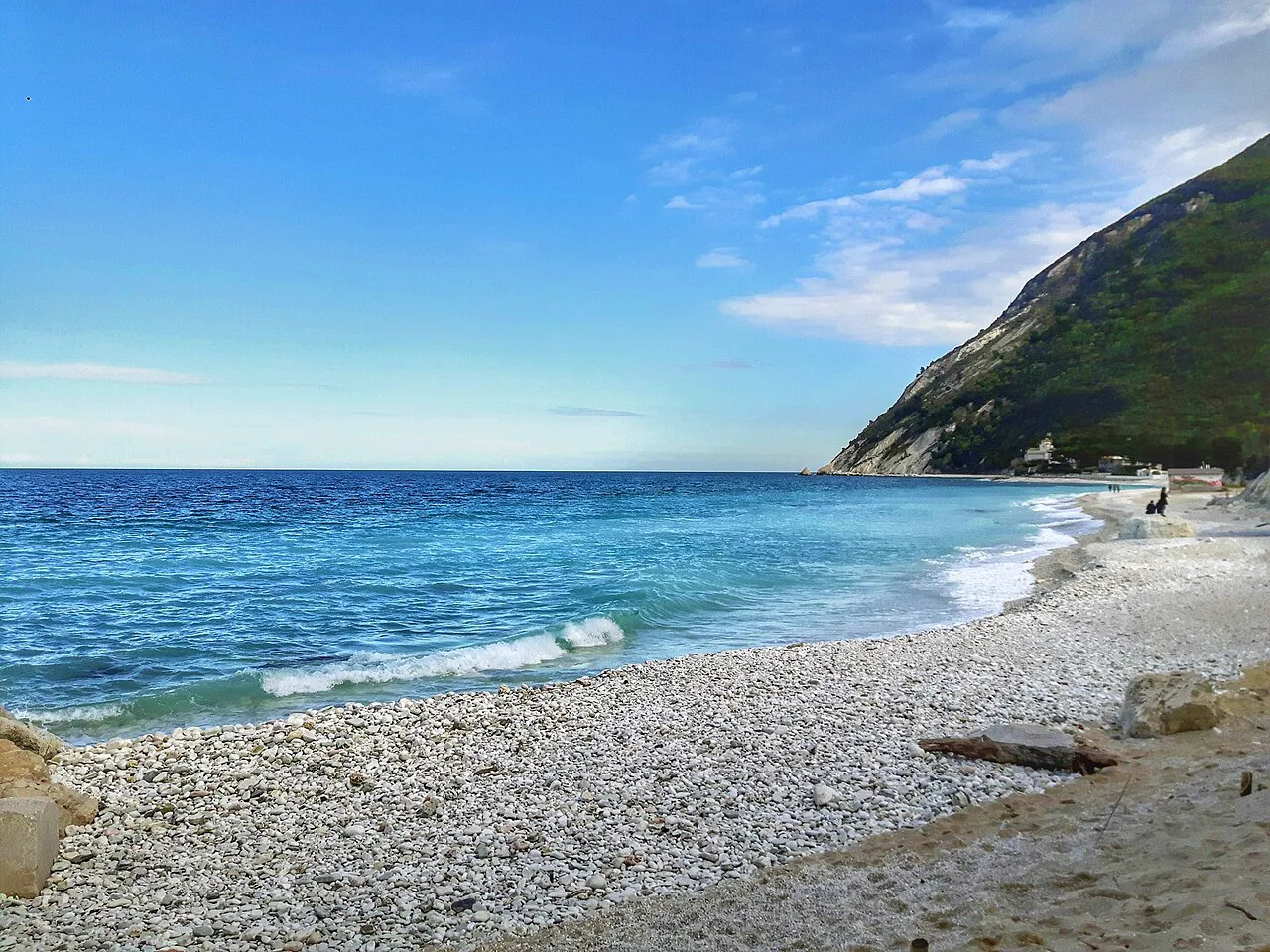
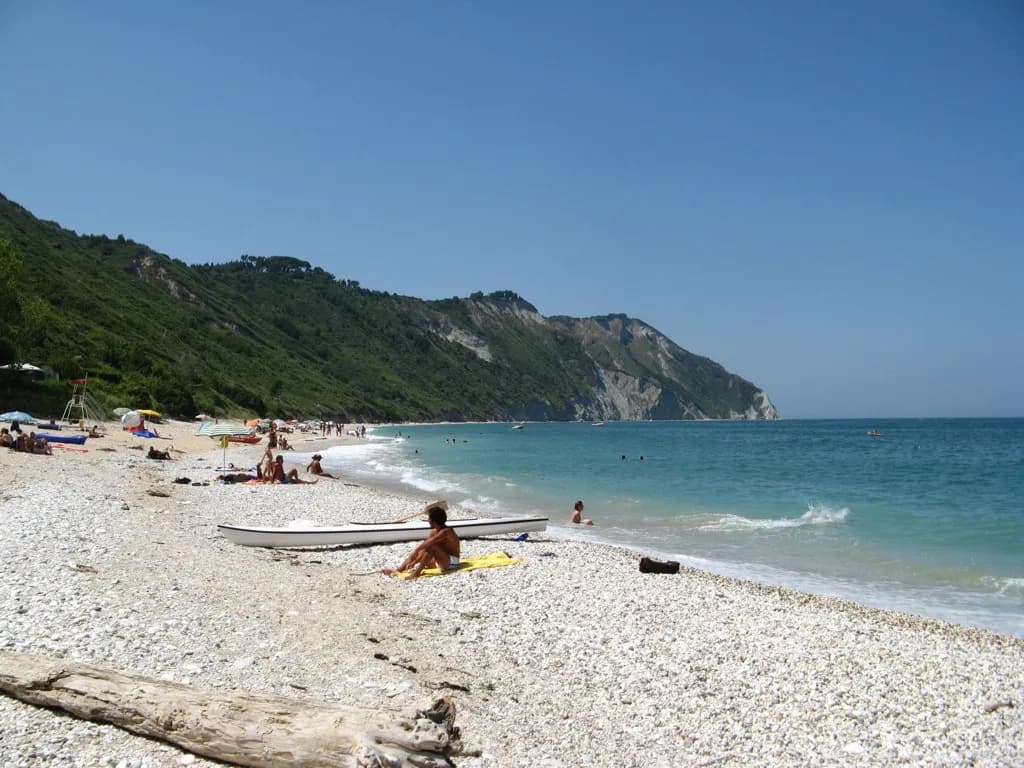
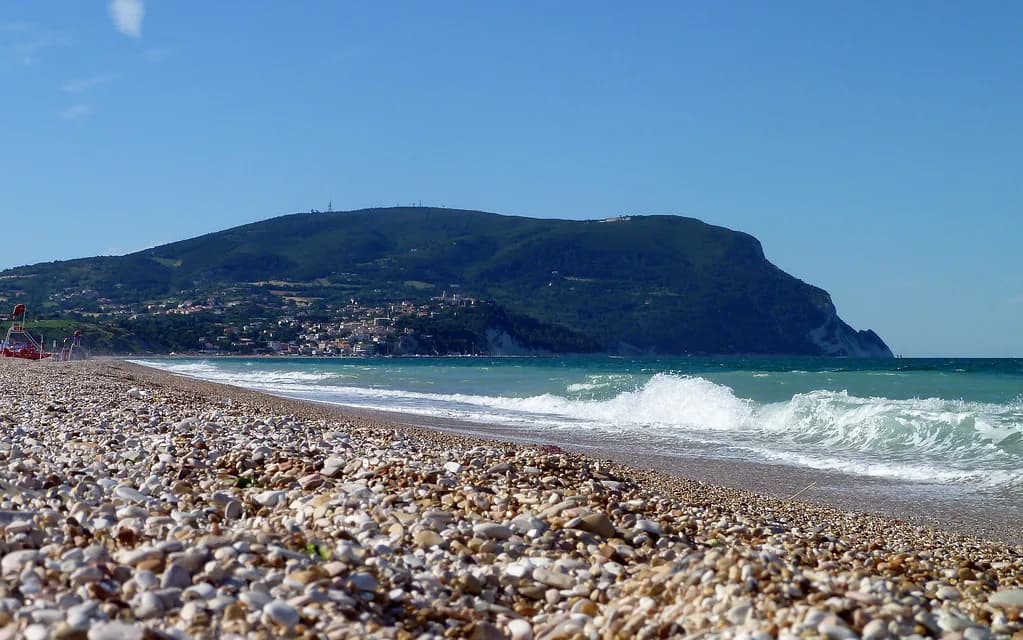
Mezzavalle is the last beach in Ancona and the first of the white beaches of the Conero Riviera Natural Park, set below the mountain in the natural continuation of Portonovo bay. It runs for roughly one and a half kilometres, with a sandy shoreline of fine gravel and sloping seabeds that deepen as you wade out. It is a free public beach with no bathing establishments, so bring what you need for the day; public restrooms with showers and a bar-restaurant sit where the trail meets the provincial road above.
The setting is what sells it: green promontories drop to the water just a few metres from the shoreline, throwing patches of natural shade onto the gravel. Locals treat it as their favourite, which tells you it is not a secret, but its size means you can walk away from the busiest stretch near the path. Bring an umbrella anyway for the hottest weeks, because the shaded pockets are limited and go early.
Getting down to Mezzavalle on foot
Mezzavalle has no road access to the sand. You reach it on foot via two paths that drop down the side of a ravine below the Conero provincial road, one longer and more intricate, the other shorter and steeper. The shorter descent is the quicker option but punishes knees and loose footing; the longer path takes more time but is the gentler gradient. Either way, proper shoes with grip make the difference, and flip-flops are a poor choice on the way back up.
The trail from the provincial road is very steep but well marked and passable, and suitable footwear is the main practical requirement for the climb back to the car or bus stop. Carry water down with you rather than planning to buy it at the bottom, and time your ascent for the cooler end of the afternoon. Travelling light matters more here than on a lido beach, because everything you bring has to come back up on your back.
Facilities at Mezzavalle
For a beach described as wild, Mezzavalle has useful basics. Public restrooms with showers sit on the right side of the point where the trail meets the provincial road above the beach, and a bar-restaurant operates right at the end of the same trail. That means a coffee before the descent and a cold drink after the climb, without carrying a full picnic.
Beyond those essentials, plan on self-sufficiency: no lidos, no sunbed rental and no rows of umbrellas on the gravel. A shade cloth, a mat that copes with pebbles and a refillable water bottle cover most needs. If you want a bed, a bar menu and a shower block a few steps from your towel, choose a serviced beach at Sirolo or Numana instead.
Portonovo bay and the wooded promontories
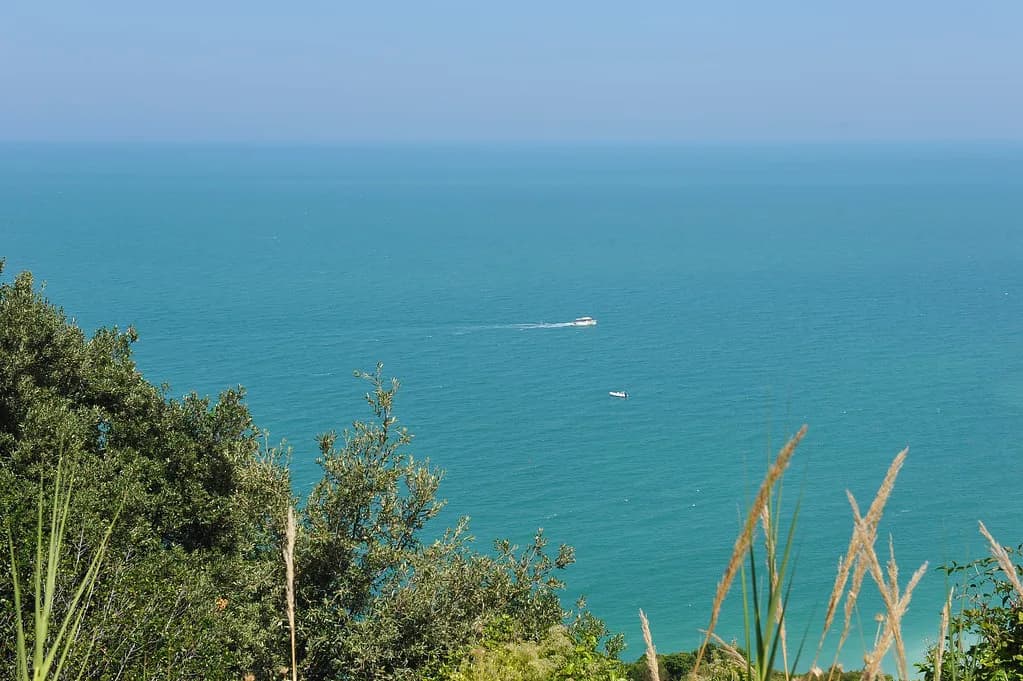
Portonovo bay is the natural neighbour to Mezzavalle, and the wooded slopes above the water are what give this stretch its character. The greenery running down to the shoreline creates the natural shaded areas that make the bay bearable in high summer, and the views back along the coast are the reason people linger. It suits travellers who want scenery and a walk rather than a resort setup, and it pairs well with a morning at Mezzavalle.
Sassi Neri and San Michele: walking routes from Sirolo
San Michele beach sits in greenery and feels secluded despite its popularity, reached either by a 30-minute walk from the Parco della Repubblica di Sirolo or by shuttle bus, and it has bathing establishments for those who want them. From San Michele you can walk onward to Sassi Neri, named for the dark rocks on the seabed that make it interesting for anyone with a mask and snorkel. The combination gives you a proper half-day walk with two very different beaches at the end.
These are the beaches to pick if you like arriving under your own steam and swimming over rock rather than pure sand. The shuttle takes the sting out of the return leg when the afternoon heat builds, so you can walk one way and ride the other. Wear trainers for the paths between the coves, and keep an eye on where the rocks sit under the surface before you dive.
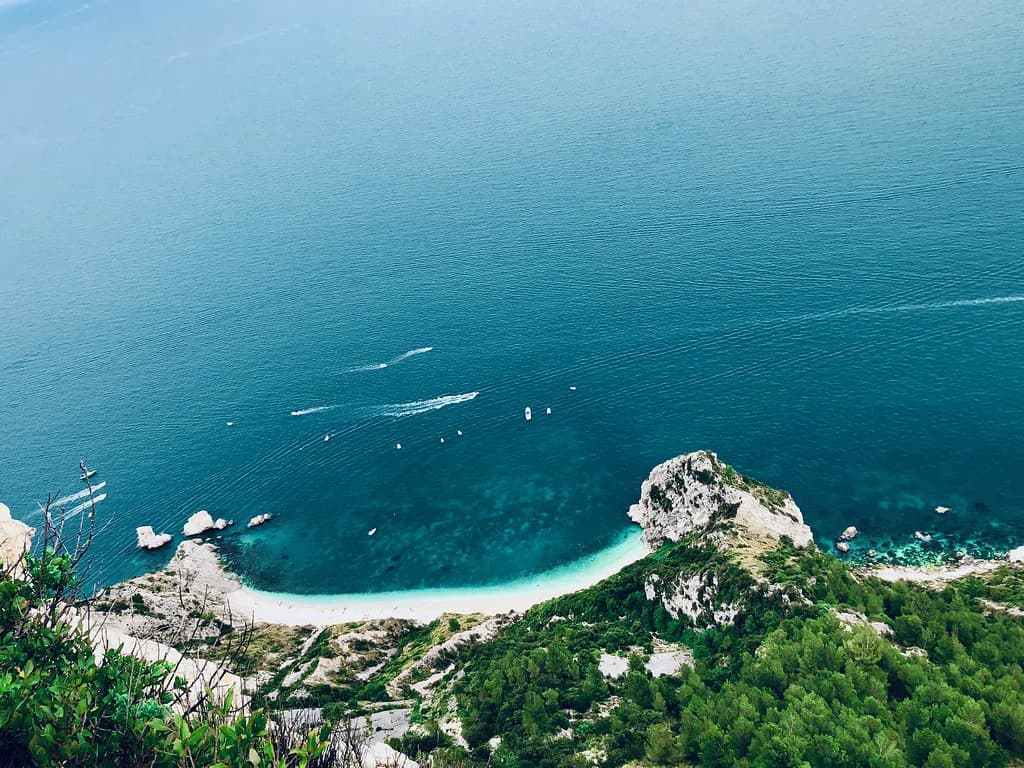
Due Sorelle: the white stacks reached only by boat
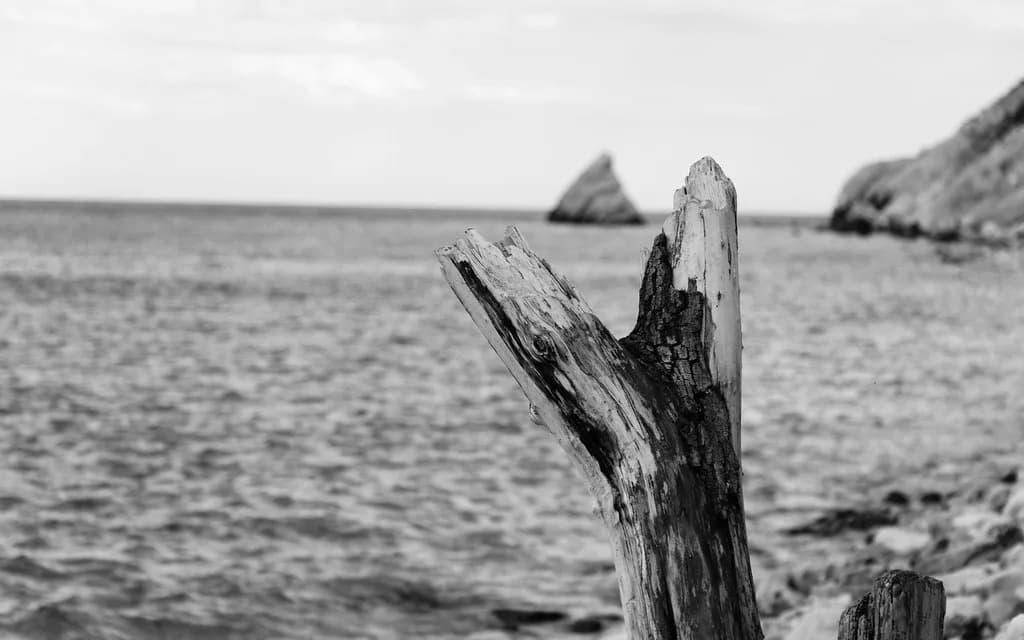
Due Sorelle takes its name from two white stacks at the end of the inlet below the Conero mountain, and it has no kiosks or bars. It can only be reached by sea, on the boat trips that leave from Numana and Sirolo. That constraint is also the appeal: no path, no queue of cars, and a genuinely quiet shore if you arrive outside the busiest crossings.
Treat this as a boat day rather than a beach day: book with an operator in Numana or Sirolo, take everything you need for several hours ashore, and accept that your time on the gravel depends on the sailing schedule. Because there are no facilities, water, shade and food all come with you. If that sounds like too much logistics, the walk-in beaches at Sirolo give you the same white gravel without the timetable.
Urbani beach at Sirolo: mostly lidos, some open beach
Urbani is the easy Sirolo option: sand and pebbles close to town, easily reached on foot, by shuttle bus or by car. Most of it is taken up by beach umbrellas and sunbeds, with a few areas of open beach left for people with their own towels and umbrellas. For a family or a group that wants a base with facilities and a short walk home, that trade-off is usually the right one.
Numana beaches: Spiaggiola, Frate and Numana Bassa
Numana offers a string of beaches for different moods. Spiaggiola is sand and gravel, easily reached from Numana and predominantly equipped with facilities; Frate, in Numana Alta, is mostly a beach with facilities and can be reached on foot from Spiaggiola; Numana Bassa, next to the old town centre, is the town's large beach and is easily reached on foot or by bicycle. All three suit travellers who want a lido, a shower and lunch within a short walk.
Frate is the one to choose for snorkelling: its seabed is described as suitable for exploring with a mask and flippers, so pack goggles even if you are not a serious swimmer. Numana Bassa is the pick for a lazy day with children, since the town centre and its shops are right behind the beach. Spiaggiola bridges the two and works well for a mixed group.
Marcelli and Scossicci: long fine-gravel beaches
South of Numana, Marcelli is a large beach of fine gravel with facilities, reachable on foot, by car and by bicycle, and it has room to spread out even in August. Scossicci is similarly comfortable, with fine gravel and alternating bathing establishments and public areas, plus a seafront parking area with facilities for campervans. Both reward travellers who want a long shoreline walk and a choice between paid comfort and their own umbrella.
These beaches are the pragmatic choice for anyone staying south of Sirolo or touring the coast by bike, since you can cycle to the sand and park easily. The mix of lidos and open areas means you can decide on the day whether to rent a bed. Fine gravel is gentler underfoot than pebbles but still worth a mat.
Porto Recanati: a traffic-free seafront
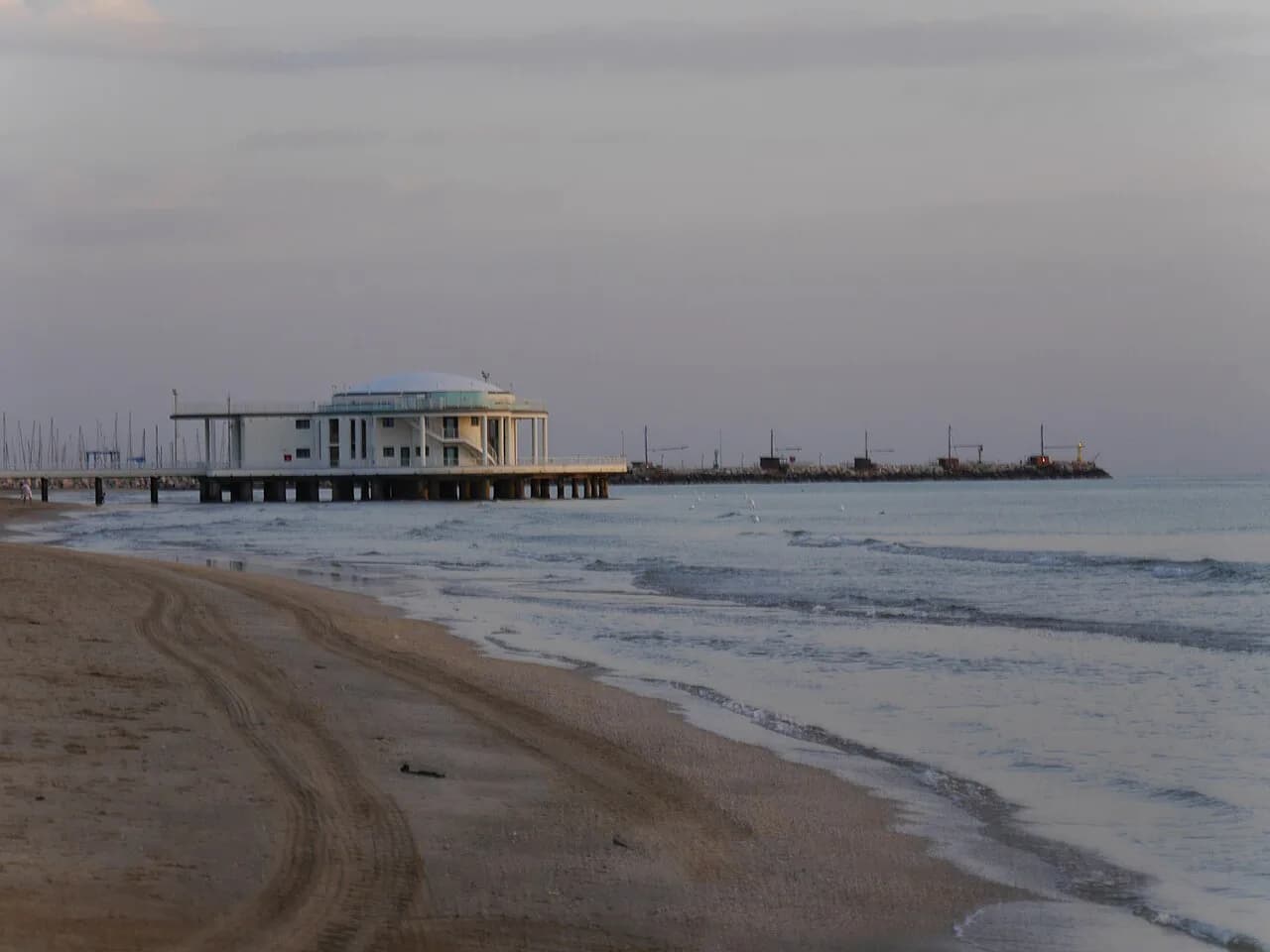
Porto Recanati closes its seafront to traffic, creating a long promenade you can walk or cycle beside the water, with a beach the Italia.it guide describes as Romagna-style. That makes it the most urban of the Conero-area options and the easiest for a car-free day, since the seafront itself is the attraction as much as the swimming. It suits families with pushchairs, cyclists and anyone who wants a gelato within steps of the shoreline. If this city-beach formula appeals, the Bari beaches guide covers the same easy urban swim-and-stroll combination further down the Adriatic, and Livorno beaches offer a Tuscan take on choosing between city lidos and wilder coves.
Best time to go
The Adriatic warms through late spring and stays comfortable into early autumn, with July and August the busiest weeks and the ones when the Conero beaches fill fastest. Mezzavalle's size absorbs crowds better than the small Sirolo coves, where lido space and shuttle seats go early. If you want the wild beaches at their best, aim for June or September, when the gravel is warm and the paths are quieter.
Off-season walking on this coast is genuinely rewarding, since the Ancona tourism office describes Mezzavalle as an unforgettable day at the sea even outside summer. Swimming is another matter: judge the water temperature and conditions on the day rather than trusting a calendar. Beach businesses set their own opening dates, so check with the individual lido or the Ancona tourist office before building a trip around a specific bar or rental.
What to bring and how to plan
Pack for the access, not the beach: grippy shoes for the Mezzavalle descent and the Sirolo paths, a mat that handles fine gravel, and a light shade cloth since natural shade is limited to the promontories. Reef-safe sunscreen, a refillable bottle and cash for the bar at the bottom of the Mezzavalle trail cover the rest. If you are snorkelling at Frate or Sassi Neri, add a mask and flippers.
Plan around the sun rather than the clock: descend to Mezzavalle in the morning, climb out before the heat peaks, and save the lido beaches for days when you want a shower and a bed. For a two-centre day, pair a wild morning with a serviced afternoon rather than trying two wild beaches, since the walks add up. Porto Recanati's flat seafront is the relaxed alternative when legs need a rest.
Nearby beaches to combine
The obvious pairing is Mezzavalle with Portonovo bay, since they share the same stretch below the mountain and you can split the day between wild gravel and a shaded bay. For a second day, move south to the Sirolo cluster and walk from San Michele to Sassi Neri, then take the shuttle back. If you are touring the Adriatic coast north of Ancona, Senigallia beach is the classic sandy contrast to all this gravel.
Plan Your Beach Day from Ancona
Choose Mezzavalle if you want the wild, free beach and accept a steep walk with everything on your back; choose Urbani, Spiaggiola or Numana Bassa if you want a bed, a shower and lunch close by. Due Sorelle is a boat trip, not a walk, and San Michele rewards the 30-minute path with a quieter shore. Match the beach to your legs and your luggage and the Conero Riviera delivers.
Carry water, wear proper shoes and start early in July and August, when the lidos and shuttle fill first. For boat trips to Due Sorelle and current lido arrangements, the boat operators running out of Numana and Sirolo and the Ancona tourist office are the people to ask.
Explore more Ancona beaches
Frequently Asked Questions
Is Mezzavalle beach worth the walk down?
Yes, if you want a free, unserviced beach of fine gravel running for roughly one and a half kilometres below the Conero slopes. The descent is very steep, with a longer gentler path and a shorter steeper one, so the walk is the deciding factor. Wear shoes with grip, carry water and plan your climb out for the cooler part of the afternoon.
Can you reach Due Sorelle by land?
No. The beach below the Conero mountain, named for its two white stacks, has no kiosks or bars and is reached only by sea, on boat trips that leave from Numana and Sirolo. Book with an operator in either town and take food, water and shade with you, since nothing is sold on the beach. Your time ashore depends on the sailing schedule.
Which beaches near Ancona have lidos and sunbeds?
Urbani at Sirolo, San Michele, Spiaggiola and Frate at Numana, and the long fine-gravel beaches at Marcelli and Scossicci all have bathing establishments. Urbani is mostly taken up by umbrellas and sunbeds with a few open areas, while Scossicci and Marcelli alternate lidos with public stretches. Mezzavalle is the free, unserviced alternative.
Which Ancona-area beach is best for families with small children?
Numana Bassa puts the town centre and its shops right behind the beach and is easily reached on foot or by bicycle, which makes it simple with children in tow. Urbani at Sirolo is short on open sand because lidos take most of it, so pick it for a serviced base rather than space to run. At Mezzavalle the steep descent makes carrying children and kit hard work.
How do you reach the Conero Riviera beaches without a car?
Use the shuttle bus that serves San Michele and Urbani at Sirolo, and walk between coves such as San Michele and Sassi Neri. Ancona and Porto Recanati both have seafronts you can cover on foot or by bicycle. For Due Sorelle, boats leave from Numana and Sirolo.
When is the sea warm enough to swim near Ancona?
The Adriatic warms through late spring and stays comfortable into early autumn, with July and August the busiest weeks. June and September give you warm gravel and quieter paths on the wild beaches. Judge water temperature and conditions on the day rather than trusting a calendar.
Sources
Beach notes for your next trip
Optional updates when we add or revise beach guides.
You might also like
Continue reading
More guides you'll find useful