Stagnone Lagoon, Trapani: Beaches, Shallows and Boat Trips
Plan a day at the Stagnone lagoon near Trapani, with shallow wading shores, a knee-deep crossing to Isola Lunga, boat trips to Motya and the salt flats.
On this page
The Stagnone lagoon earns its trip on one unusual feature: a broad, protected expanse of shallow water between Trapani and Marsala where you can walk out from the shore and, at Torre San Teodoro, cross towards Isola Lunga through water described as never rising above knee height. That makes it a rare beach day for families with small children and for anyone who prefers watching their footing to swimming over their head.
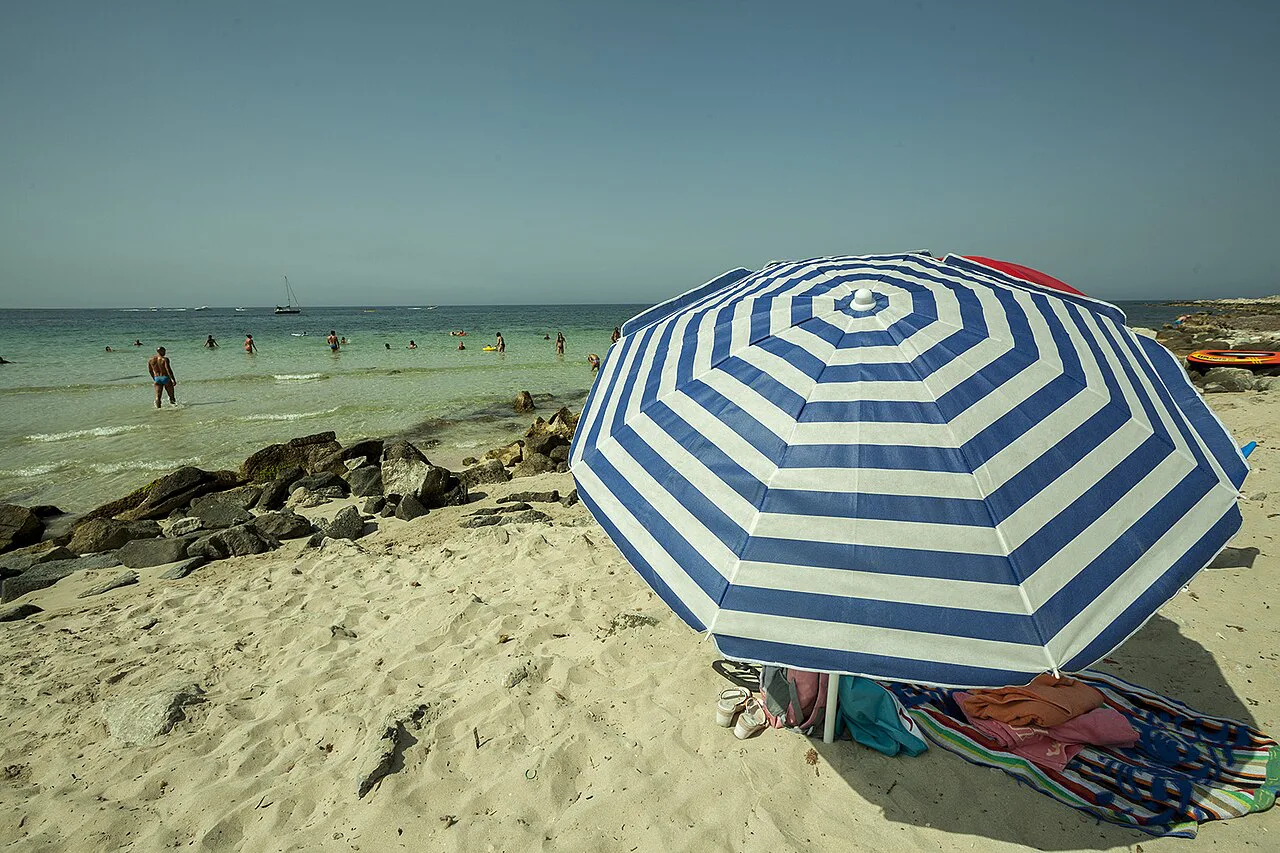
It is not a single beach but a ring of different shores: sand and pebbles at the mouth of the Birgi river, a reserve shore with a small restaurant renting umbrellas and sunbeds, and Thaiti beach on Isola Lunga with fine white sand and clear water, reached by boat. Around the lagoon you also find salt pans, the Salt Museum, kitesurfing and windsurfing schools, bars, restaurants and a playground, so a mixed group can split a day between wading, wind sports and history.
Where the lagoon sits and how the shores line up
The lagoon lies on the coast between Trapani and Marsala in western Sicily, with the salt pans and the island of Motya inside it and the open sea beyond a narrow line of sand. The main beach and access points cluster around Contrada Birgi Vecchi and the Lungomare Baia dei Fenici, with the Torre San Teodoro reserve and the Isola Lunga crossing on the lagoon's southern side.
Think of the shore as three separate days out rather than one long promenade: Boccafiume at the river mouth, the reserve shore at Torre San Teodoro, and the island beaches reached by boat. Because the spots are scattered along the coastal road, the sensible plan is to pick one shore for the morning and pair it with a salt-pan or museum visit rather than trying to tour them all on foot.
Getting there
Access is by the coastal road that runs through Contrada Birgi Vecchi, with the Lungomare Baia dei Fenici giving the main shoreline approach; travellers based in Marsala or Trapani come by car or taxi and park near the chosen stretch. From the Birgi Vecchi area, the salt mines, the Salt Museum and the Motya pier are within walking or cycling distance, which makes a car-free day possible if you base yourself close by.
For the islands, several agencies run small-boat excursions around Isola Lunga, Santa Maria and La Schola, and you can also tour the lagoon and circle the islands by canoe or paddle boat. Boats reach Thaiti beach on Isola Lunga, so if that white sand is the goal, book the trip rather than planning to wade across.
Departure times for the boat trips and canoe hire are set by each agency; compare the agencies along the shore or ask at the salt-mine and Motya piers on the day, and book ahead in July and August when demand peaks.
Boccafiume beach: sand and pebbles at the river mouth
Boccafiume is a beach of sand and pebbles at the mouth of the Birgi river, which also marks the boundary with the neighbouring province of Trapani. The mix of sand and stone means water shoes help underfoot, and the river-mouth position gives it a slightly different character from the flatter lagoon shores further south.
It works well as a first stop if you are driving in from Trapani, since you can combine it with the bars and restaurants scattered around the lagoon. Settle here for a swim-and-lunch day, then move on to the reserve shore or the salt pans in the afternoon.
The sand and the water
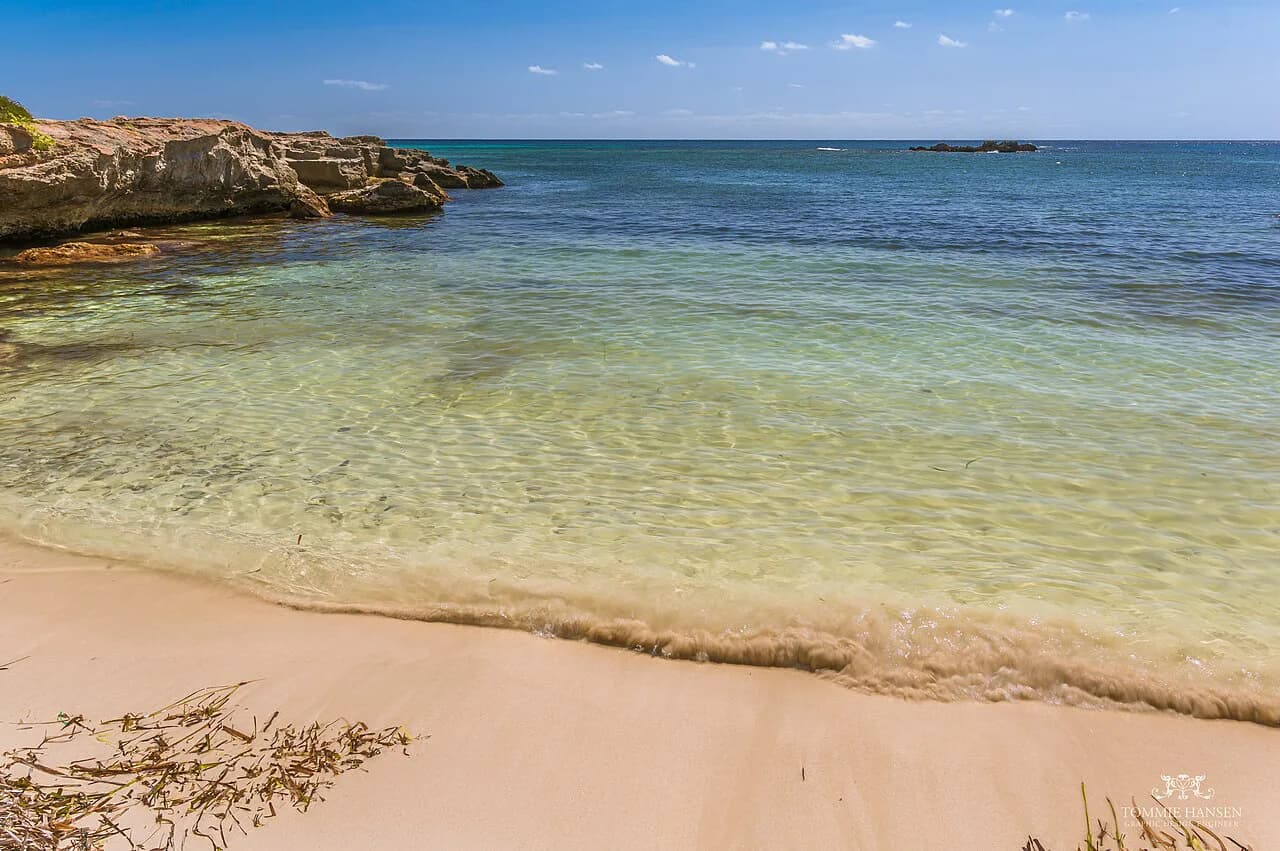
The lagoon is shallow over wide areas, with sandy and pebbly shores giving way to salt-pan flats and patches of seaweed in the water. Bathymetry mapping of the lagoon shows the southern and eastern margins shelving very gently, which is why the water stays low so far out and why the lagoon feels more like a wading pool than an open-sea beach.
For swimmers who like depth and a proper crawl, this is the wrong beach: the reward here is standing, paddling and letting children play in inches of water. Bring reef shoes for the pebbles and seaweed, and rinse off afterwards, because the salt-pan shallows warm up quickly in summer.
Wading to Isola Lunga from Torre San Teodoro
Inside the Torre San Teodoro nature reserve there is a public beach, and from that point you can walk all the way to Isola Lunga across a short stretch of sea where the water is described as never rising above knee height. This is the day-defining detail of the lagoon: a genuine crossing on foot rather than a paddle, with Isola Lunga's salt mines and pine woods waiting on the far side.
Treat the knee-height description as the source's account of the crossing rather than a promise for every tide and season; time the walk for calm, settled conditions, carry nothing you mind getting wet, and wear footwear that grips on the flats. The reserve also has a small restaurant on the beach renting umbrellas and sunbeds and selling food and drink, so you can base yourself there for the day.
Shelter and wind
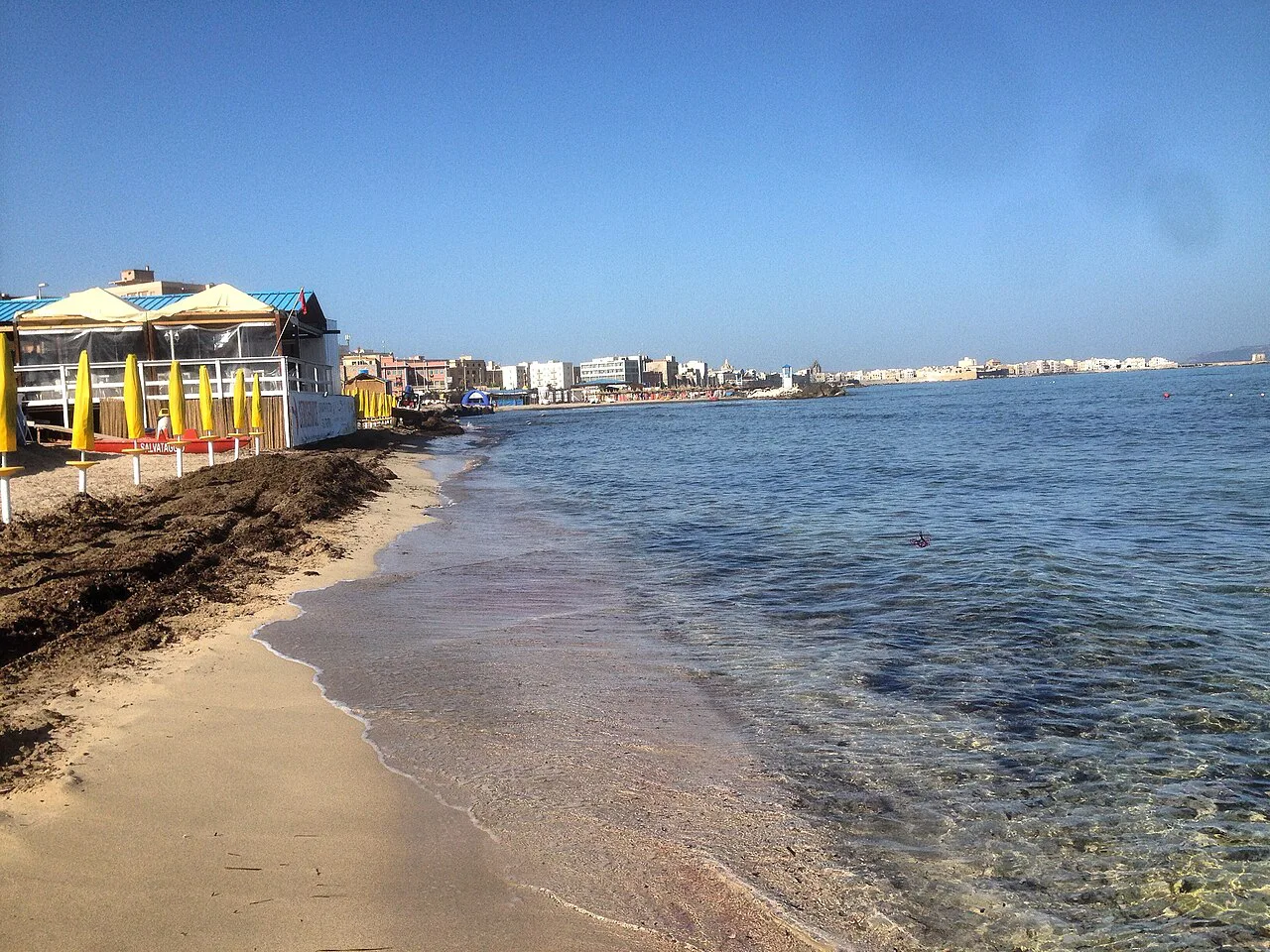
The lagoon's shallow, flat water is what makes it a kitesurfing destination, with thermal and sea breezes building through the day and usable wind from the north-west, west and south-east depending on the set-up. That same exposure means the shore has little natural shelter from an onshore afternoon breeze, so plan shade in advance with an umbrella or a spot by the beach restaurant.
If the wind picks up, the calmer choice is to stay on the reserve shore with the kids and the umbrellas rather than walking out onto the flats, and to keep well clear of the areas where kites are launching. The kiting zones are defined locally and shift with conditions, so launch and swim where the schools and signs direct.
Facilities around the shore
Facilities are spread around the lagoon rather than concentrated on one beach: numerous restaurants and pizzerias, a few bars, sailing and windsurfing schools, a riding school and a playground all sit around the Stagnone shore. The reserve's small beach restaurant covers umbrellas, sunbeds and basic food and drink, which is the most convenient option if you are wading to Isola Lunga.
The kite spot has developed infrastructure with schools, equipment rental and accommodation around the lagoon, alongside parking and food and drink. Hire prices and lesson costs are set by each operator and change by season, so agree the rate and the hire period before you hand over anything.
Kitesurfing and windsurfing
The main kitesurfing season runs from May to September, though spring and autumn also deliver good sessions on thermals and regional winds. The waist-deep water makes it one of Europe's most established spots for beginners and freestyle riders, but the hazards listed are very shallow sections, crowds, seaweed, kiting zones and summer heat.
If you plan to learn here, book a school rather than self-launching; the shallow flats are unforgiving on ankles and equipment in a gust, and the peak-season crowds leave little room for error. Non-kiters should choose a swimming spot outside the busy kite areas rather than the flattest, windiest patch.
Boat trips around the islands
Small-boat excursions run from the shore around Isola Lunga, Santa Maria and La Schola, and a canoe or paddle boat gives you a slower, self-steered version of the same tour. On Isola Lunga you find further salt mines, a dense wood of maritime pines and Thaiti beach, whose white fine sand and clear water make it the best swimming stop in the lagoon.
Agents set their own schedules and group sizes, and departures fill fast in July and August; ask about the length of the trip, the swimming stops and whether you land on the island, because a circumnavigation without a stop is a different day out. Wear swimwear under your clothes and take a dry bag for the crossing.
Salt mines and the Motya museums
The salt mines at Ettore Infersa and the Salt Museum sit within walking or cycling distance of the Birgi Vecchi shore, which makes a natural late-afternoon pairing with a morning on the beach. On Motya, reached from the pier, you can see the Casa dei Mosaici, the ancient artificial inner harbour known as the cothon, and the statue of the Charioteer at the Whitaker Museum.
Opening times and boat times to Motya change by season, so check with the Whitaker Museum or the pier staff before you build the day around it. A non-beach companion can easily spend the afternoon between the salt pans and the museum while the rest of the group wades.
Best time to go
The warmest and busiest months are July and August, when the shallow lagoon heats up quickly and the kite schools and boat trips are at full capacity. Late spring and early autumn give you warm water with thinner crowds and steadier thermals, which suits both waders and anyone booking a lesson.
Summer heat on the flats is a real factor, since shade is limited and the shallow water reflects the sun; start early, carry more water than you think you need, and save the salt-pan and museum visits for the hottest part of the day. Sea temperatures are at their most comfortable from June through September.
Nearby beaches
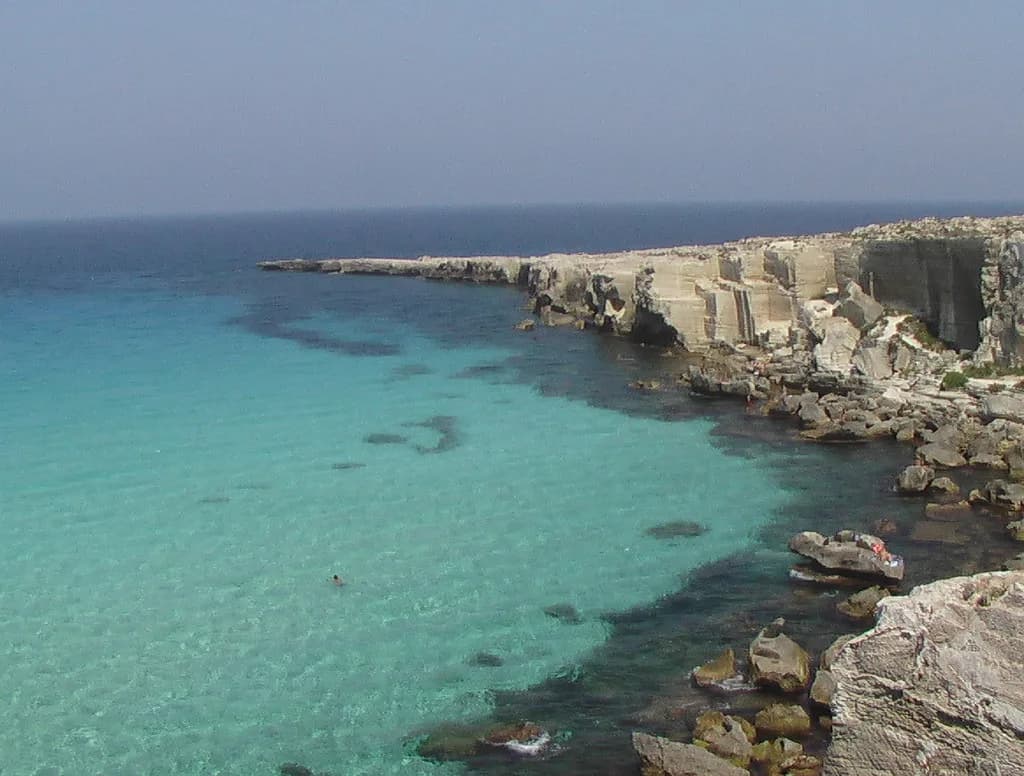
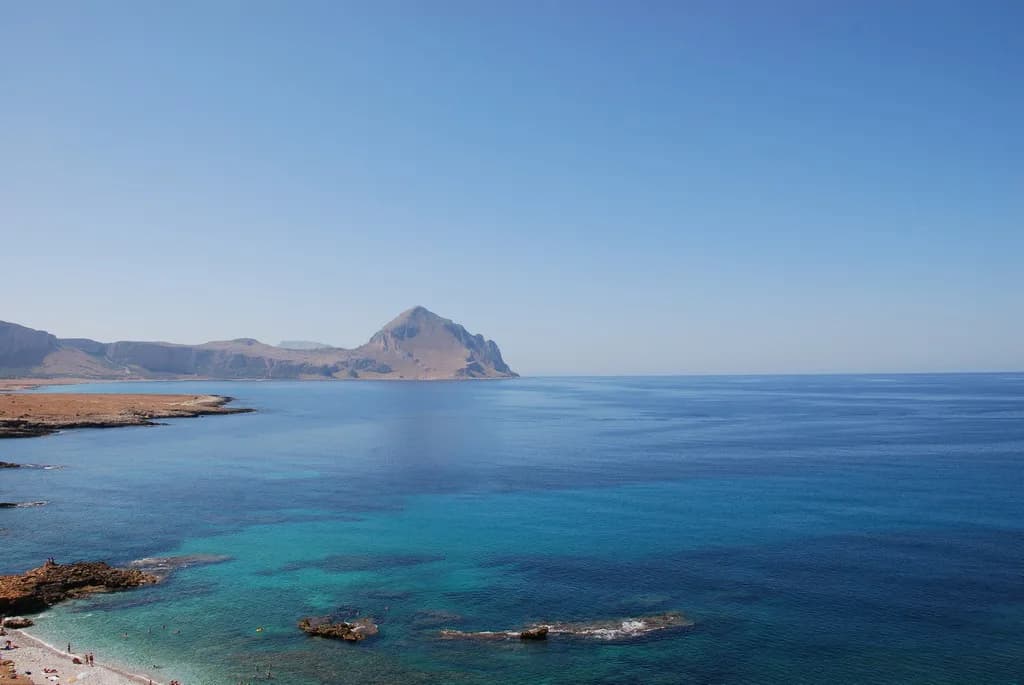
Beyond the lagoon, the wider Trapani coast offers sandier, more conventional beach days, and the guide to Trapani beaches covers the alternatives when you want proper depth for swimming. If you want a dramatic cove instead of flat shallows, Tonnara di Scopello and the Faraglioni di Scopello are a drive up the coast towards Castellammare del Golfo. For a comparably shallow, walkable shoreline on Sicily's south-east coast, see these Noto beaches as an alternative to the lagoon.
The Aegadian Islands are the other obvious extension: ferries from Trapani reach Favignana, where Cala Rossa Favignana and Cala Azzurra Favignana offer clear water over rock and sand. Treat them as separate day trips rather than add-ons to a lagoon morning, since ferry timetables eat into beach time.
Plan Your Lagoon Day
Build the day around one shore and one extra: Boccafiume with the salt pans, the Torre San Teodoro reserve with the wade to Isola Lunga, or a boat trip to Thaiti beach on Isola Lunga. Bring reef shoes, shade and water, keep clear of the kite zones, and check current prices and trip times with the boat agencies or hire school before you set off.
Base yourself in Marsala or Trapani for the easiest access to the coastal road, and ask the local tourist office or your accommodation about current boat departures and museum times in the week you travel.
Frequently Asked Questions
Can you swim in the Stagnone lagoon?
You can, but the lagoon is better suited to wading, paddling and standing in shallow water than to distance swimming. The water stays low over wide areas, with salt-pan flats and patches of seaweed, so swimmers who want depth should head for the open-sea beaches further along the Trapani coast.
How do you get to the Stagnone lagoon from Trapani or Marsala?
Come by the coastal road through Contrada Birgi Vecchi, with the Lungomare Baia dei Fenici giving the main shoreline approach, and park near the stretch you plan to use. From the Birgi Vecchi area the salt mines, Salt Museum and Motya pier are within walking or cycling distance, which makes a car-free day possible if you stay close by.
Is the crossing to Isola Lunga walkable?
From inside the Torre San Teodoro nature reserve you can walk towards Isola Lunga across a short stretch of sea described as never rising above knee height. Treat that as the source's account rather than a guarantee for every tide and season, and choose calm, settled conditions with footwear that grips.
Where is Thaiti beach and how do you reach it?
Thaiti beach sits on Isola Lunga inside the lagoon, with fine white sand and clear water. You reach it by boat: small-boat excursions run around Isola Lunga, Santa Maria and La Schola, and you can also paddle the lagoon by canoe. Book with one of the agencies along the shore.
When is the best time of year to visit the Stagnone lagoon?
The main kitesurfing season runs from May to September, and July and August are the busiest and hottest months, with limited shade on the flats. Late spring and early autumn bring warm water, thinner crowds and steady thermals, which suits both waders and anyone booking a lesson.
What is there to do besides beaches at the Stagnone?
Pair a beach morning with the salt mines at Ettore Infersa and the Salt Museum, both within walking or cycling distance of the Birgi Vecchi shore. On Motya you can see the Casa dei Mosaici, the ancient cothon and the statue of the Charioteer at the Whitaker Museum. Boat trips and canoe hire cover the islands.
Sources
Beach notes for your next trip
Optional updates when we add or revise beach guides.
You might also like
Continue reading
More guides you'll find useful