Cala Rossa, Favignana: Rock Terraces, Clear Water and How to Get There
Cala Rossa on Favignana is a white-rock cove with clear, deep water, best reached by boat or by bike from the port. Here is how to plan a day there.
On this page
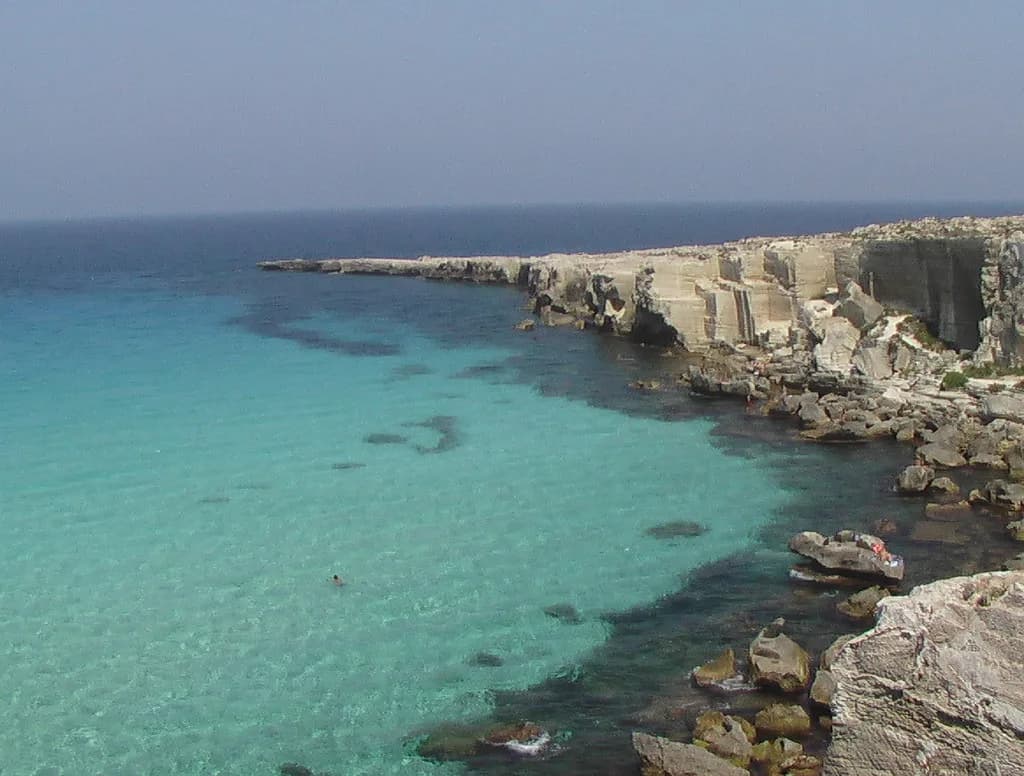
Cala Rossa is the cove most people picture when they imagine Favignana: white rock cut into flat terraces, water shifting from emerald to deep blue, and not a grain of sand in sight. It rewards confident swimmers and snorkellers who want a wild, photogenic swim rather than a lounger-and-bucket day.
If you are weighing up the island's beaches, this guide sets out how to reach the cove from Favignana town, what the rock and water are actually like, and how to pair it with the island's sandier options. For the wider island picture, the Trapani beaches guide covers the rest of the Egadi archipelago and the mainland coast.
What Cala Rossa is and who it suits
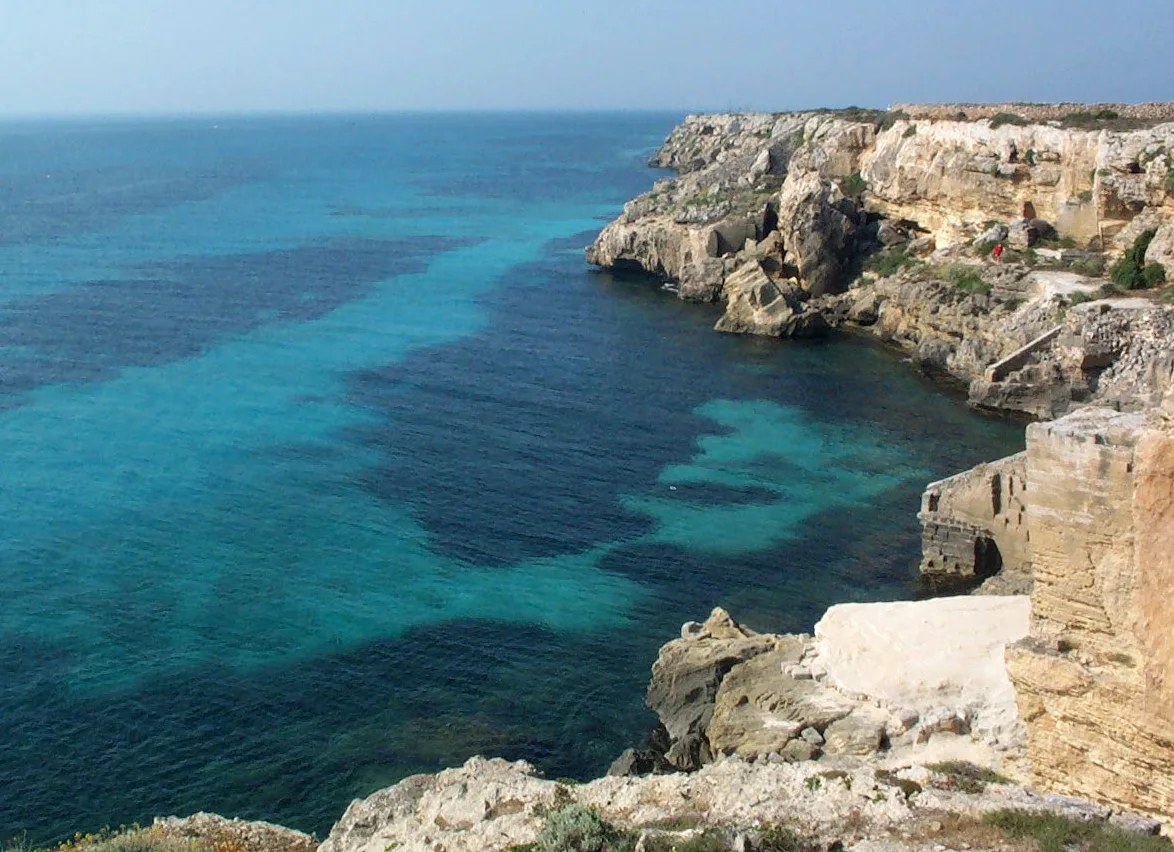
Forget sand: this is a cove of white rock sculpted into natural terraces that work as sunbathing platforms, with a rocky seabed beneath clear water. The name comes from the Battle of the Egadi Islands in 241 BC, when legend says the sea was dyed red.
It suits swimmers, snorkellers and anyone who wants the landscape more than a lido. Families with small children should weigh it against Favignana's sandy beaches, because the water deepens quickly and the shore is sharp rock rather than a gentle shelf. Treat the drop-off as a fact of the site and plan supervision accordingly.
The terraces also make it a good spot for light diving and underwater photography. Bring a mask, and a camera you are happy to take into the water.
Where Cala Rossa sits on Favignana
The cove occupies the north-eastern corner of Favignana, one of the Aegadian Islands off Sicily's western coast. It lies about 5 kilometres from Favignana port, a journey of roughly 20 minutes by car.
That short distance makes it an easy half-day from town, whether you base yourself in Favignana or come over from Trapani for the day. The island is small enough that you can combine the cove with a second beach without spending your day in transit; travellers comparing rock coves with sandy Sicilian resorts may also want to look at the beaches in Cefalù for a different kind of beach day.
Getting there by land
By land, the approach is by bike or scooter from the town centre; Mare e Vento di Favignana, which runs boat trips, describes this as the land route and notes the final descent on foot is steep. Suitable shoes matter, because the rocks are sharp and the seabed is rocky.
The land option is the independent one: you set your own timing and stay as long as you like, but you carry everything in and out with you. Bring footwear with grip for the scramble down and back up, and travel light enough to keep both hands free.
Parking arrangements and any charges at the cove are not something to assume. Ask your hire provider or the local tourist office in Favignana town when you collect your bike or scooter, and confirm where vehicles are left.
Getting there by sea
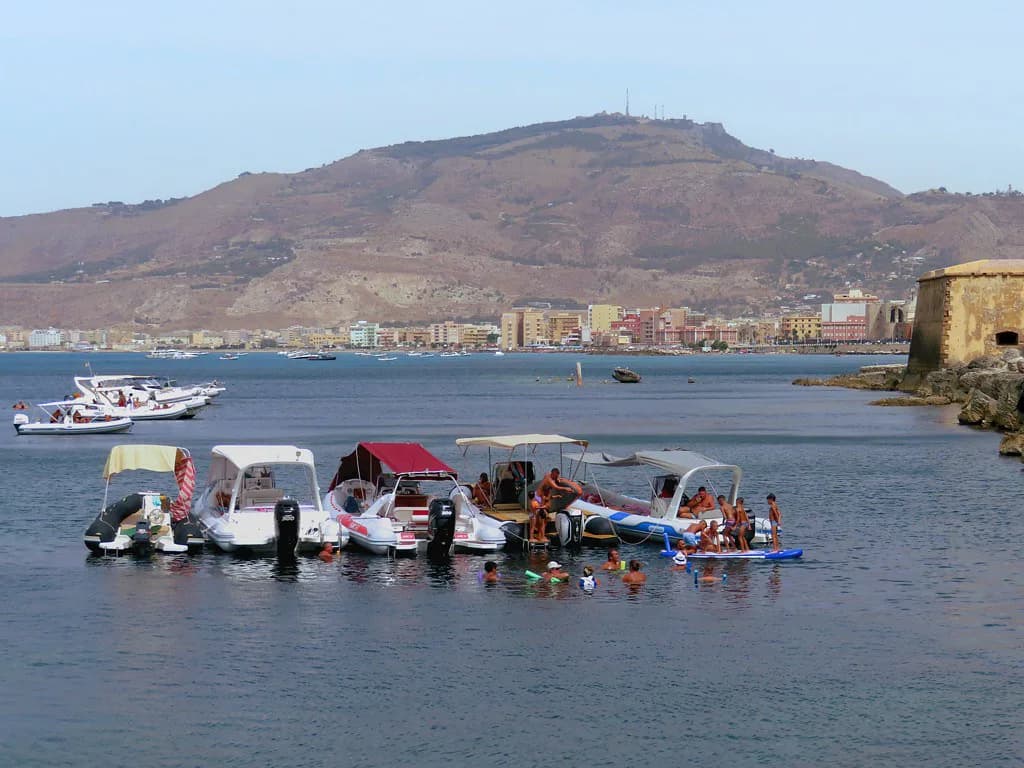
Arriving by boat is the most comfortable way to see the cove. Excursions leave daily from both Trapani and Favignana and include stops at other coves, letting you swim straight off the boat into clear water.
Mare e Vento di Favignana runs shared Egadi Islands tours by boat and by dinghy from Trapani, and the day format runs to about eight hours with lunch included. That suits travellers who want several coves in one outing rather than a single beach. Departure points, timings and what is included are set out on the booking pages.
A boat also opens up sections of the cove that cannot be reached on foot. If swimming in deep, cool water close to shore is the main draw, this is the version of the day that delivers it.
The rock terraces and the water
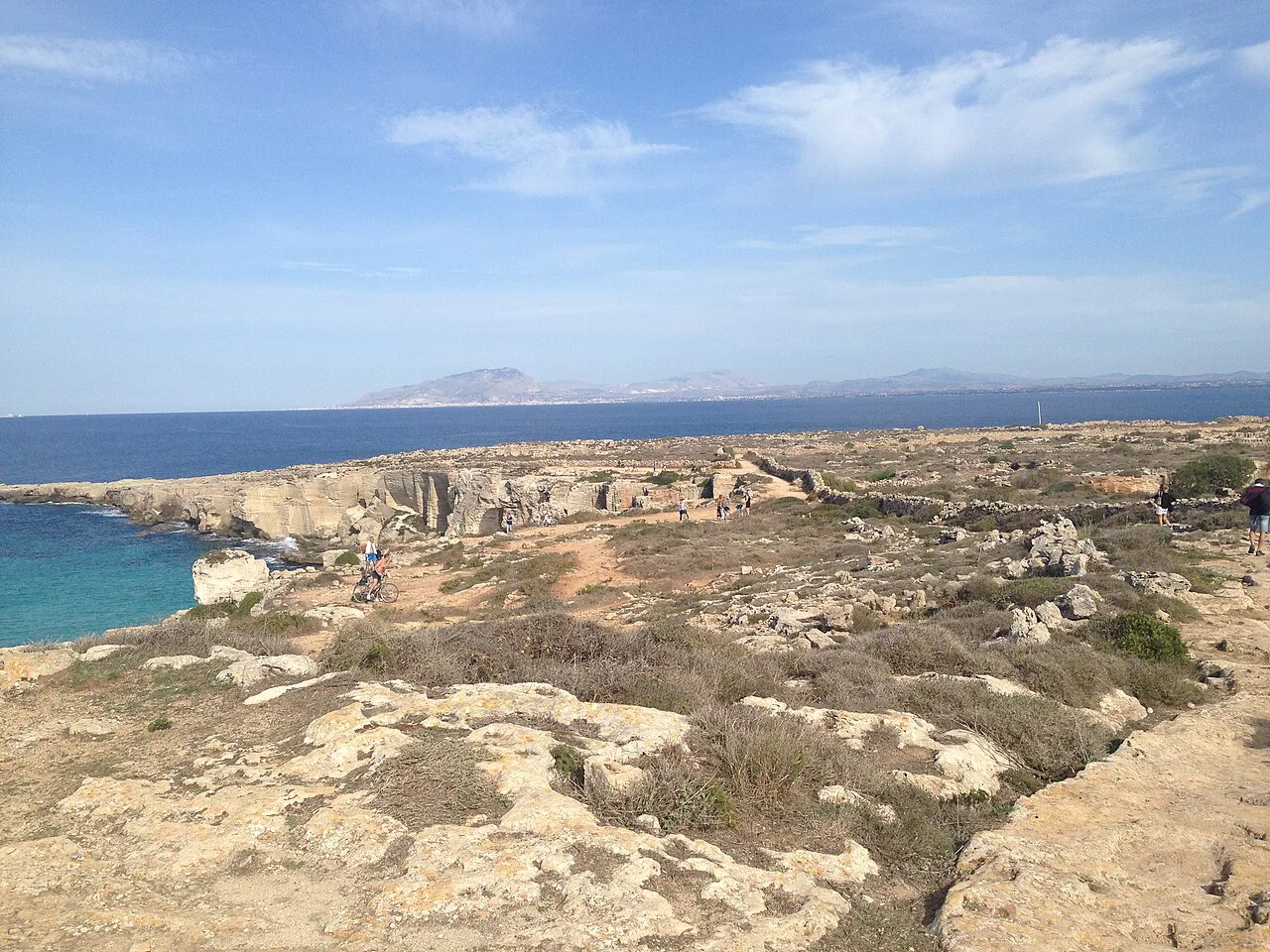
The setting is a contrast between the blue of the sea and the pale walls of old tuff quarries. The terraces are the beach: pick a flat ledge, lay out your towel and use the rock as your base.
The seabed drops rapidly, so the water stays cool and deep even close to the shore. That is excellent for swimmers who like depth and visibility, and the reason this is not the cove for paddling toddlers.
Snorkelling and swimming
The clear water and rocky bottom make Cala Rossa a snorkelling cove first and a sunbathing spot second. A mask and snorkel are the core kit, and rock shoes make the entries and exits far more comfortable.
Because the water deepens quickly, judge your own comfort level at the edge before committing. Swim within your ability, keep an eye on anyone less confident, and use the terraces to rest between dips rather than expecting a shallow shelf to stand on.
Shade, sun and timing
The cove is exposed to the sun and has no natural shade, so the middle hours are the least comfortable if you arrive by land. Go early or late, bring cover and plenty of fresh water, and treat the terraces as a place to bake rather than shelter.
Arriving by boat sidesteps this, because you can stop at the cove at the best time of day and retreat to the boat. That flexibility is the practical argument for the excursion over the bike-and-scramble approach.
Facilities
There are no services in the cove, which is exactly what keeps the atmosphere wild. Plan a self-sufficient day: water, food, sun cover and anything you need for the rocks, all carried in and out.
That means no lido, no bar and no rental point to fall back on. Stock up in Favignana town before you set off, and bring a dry bag for anything that must stay out of the sea.
How busy it gets
Boat arrivals shape the rhythm of the day, with tour groups stopping to swim before moving on to the next cove. Land-based visitors tend to feel the crowds most in the middle of the day, when the sun is strongest and the boats are circulating.
Early mornings and late afternoons are the calmer windows, and they overlap with the most comfortable light. If you want the terraces to yourself, that is where to aim.
Nearby beaches to combine
Cala Rossa sits on an island with distinctly different beaches within easy reach. Cala Azzurra is the shallow, sandy counterpoint, while Bue Marino and Lido Burrone round out a day of beach-hopping by bike.
A sensible pairing is rock in the morning and sand in the afternoon, or the reverse if you prefer to swim deep water when you are freshest. For a full picture of the island's options, see the Cala Azzurra, Favignana guide and plan a two-beach day.
Practical kit for a rock beach
Pack for rock, not sand: shoes with grip for the descent and the water's edge, a snorkel mask, a towel, fresh water and sun cover. An underwater or action camera is worth the space given how clear the water is.
Leave the beach umbrellas and heavy cool boxes at home if you are cycling, and think about how you will carry everything back up the slope at the end of the day. Lighter is better on a cove with a steep approach.
Cala Rossa as part of a longer Favignana stay
The cove works best as one element of a few days on the island rather than a single-purpose trip. Give it a morning, then use the rest of the day for the sandier beaches or a boat trip that strings several coves together.
If you are also planning time on the Sicilian mainland, the coast around Castellammare del Golfo and the Faraglioni di Scopello stacks makes a natural extension, and Tonnara di Scopello is a good base for that stretch.
Plan Your Visit
Cala Rossa is a decision to make early: rock terraces and deep, clear water, reached by a steep descent on foot or comfortably by boat from Favignana or Trapani. Match it to your group, bring the right shoes and water, and go early or late to dodge the sun and the tour boats.
Ask Mare e Vento di Favignana or the Favignana tourist office about departures, access and what is running on your dates before you commit, then build the day around the cove rather than the other way round.
Frequently Asked Questions
Can you swim at Cala Rossa on Favignana?
Yes. The cove is known for clear water and a rocky seabed, and swimming is the main reason to go. The seabed drops rapidly, so the water is deep close to shore; judge the entry from the rock and swim within your comfort level.
Is there sand at Cala Rossa?
No. Cala Rossa is a rock beach of white tuff terraces rather than sand. You sunbathe on flat rock ledges and enter the water over rock, so shoes with grip make the day much easier.
How do you get to Cala Rossa from Favignana town?
By bike or scooter from the town centre, followed by a steep descent on foot. Boat and dinghy excursions from Favignana and Trapani also stop at the cove, which avoids the scramble and the sun exposure.
How far is Cala Rossa from Favignana port?
It is about 5 kilometres from the port, roughly a 20-minute journey by car. The cove lies on the north-eastern corner of the island.
Which beaches near Cala Rossa are worth combining with it?
Cala Azzurra is the shallow, sandy alternative, and Bue Marino and Lido Burrone are also on the island. A common pattern is rock terraces in the morning and sand in the afternoon, or the reverse.
Do you need rock shoes for Cala Rossa?
They help a great deal. The rocks are sharp and the descent is steep, so footwear with grip is the practical choice for both the approach and the water's edge. A mask and snorkel are the other essentials.
Are there facilities at Cala Rossa?
There are no services in the cove. Bring water, food, sun cover and everything you need, and buy supplies in Favignana town before setting out.
When is the best time to visit Cala Rossa?
Early morning and late afternoon are the calmest and most comfortable windows, since the cove is exposed to the sun and unshaded. Boat arrivals are heaviest around the middle of the day.
Sources
Beach notes for your next trip
Optional updates when we add or revise beach guides.
You might also like
Continue reading
More guides you'll find useful