Tarragona Beaches Guide: Where to Swim and Choose Your Spot
Plan a beach day in Tarragona: Blue Flag Arrabassada, central Miracle, shallow Waikiki and Capellans, plus the headland walk, facilities and nearby coves.
On this page
Tarragona gives you something rare on the Spanish coast: a working port city where you can walk out of the old town, round a headland and be on a Blue Flag beach within half an hour. Arrabassada is the pick of the city beaches, with fine sand, a wooden walkway and a row of chiringuitos behind it. Families with small children should look south to the shallow shelves at Capellans and Waikiki, while anyone wanting a quiet swim heads for the coves beyond the city edge.
The city makes a sensible base for a beach holiday without a car. The train station sits close to the port, though much of the old town climbs a steep hill, so a taxi helps with luggage. From there, the coast south towards Altafulla and Torredembarra strings together very different beaches: lively Arrabassada, sheltered Capellans, pine-backed Waikiki and the protected dunes at Muntanyans.
Why Tarragona works as a beach base
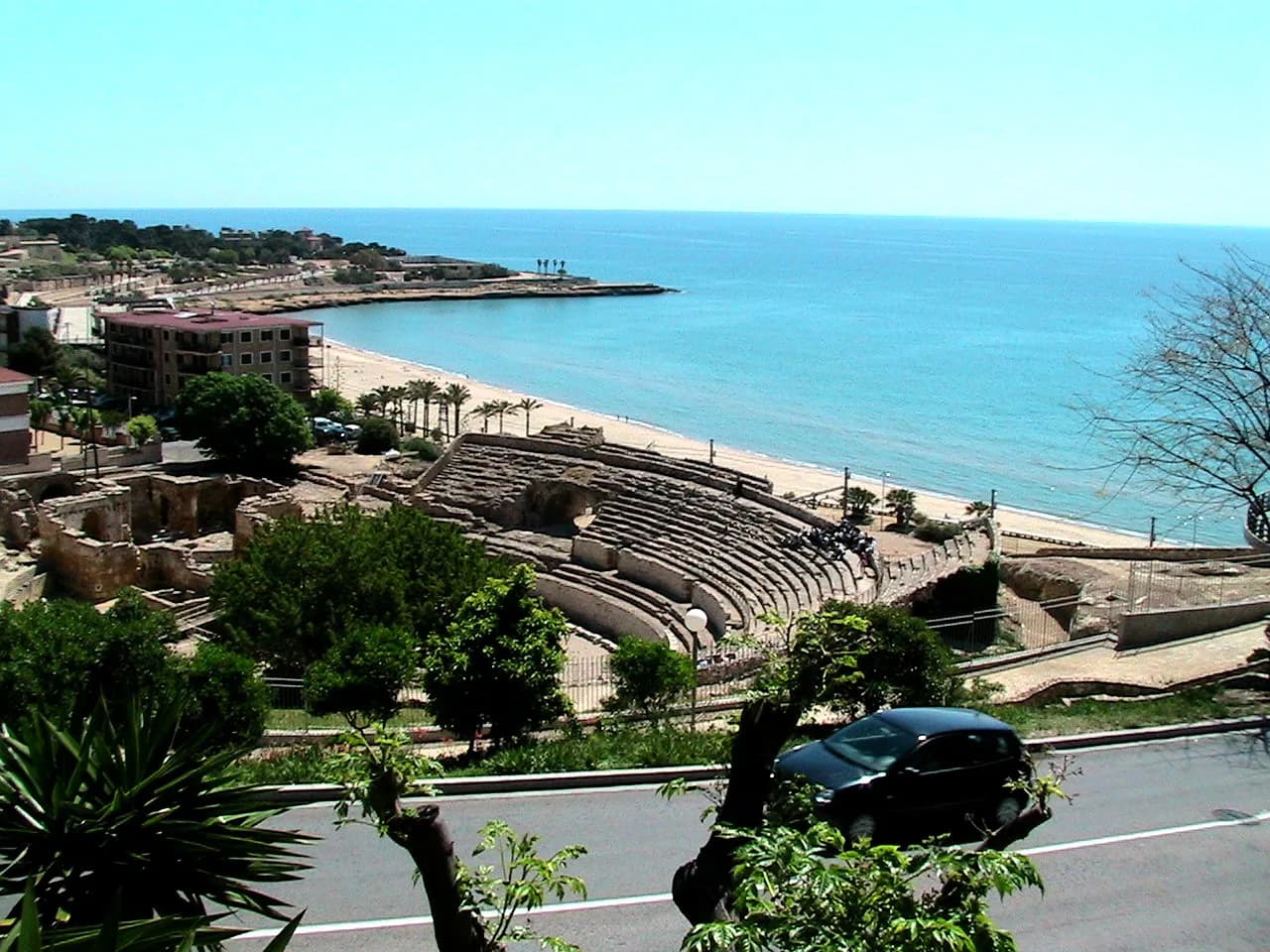
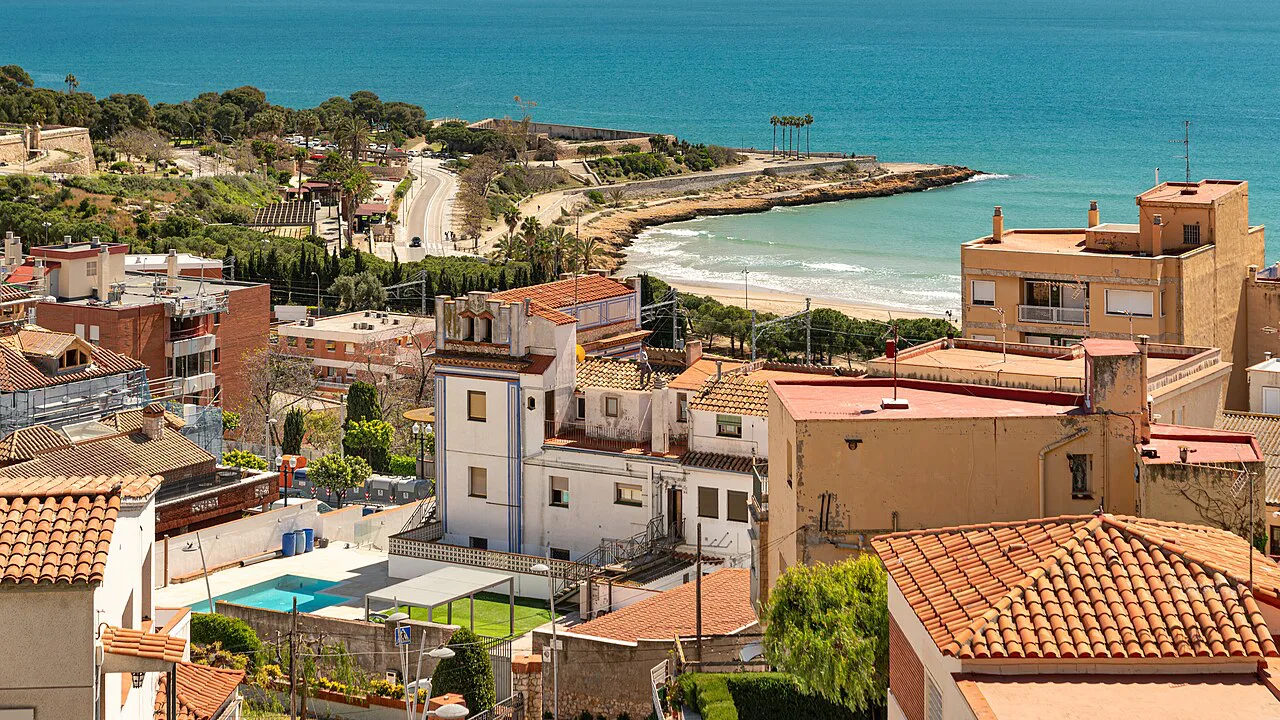
Few Costa Daurada cities put a swim this close to a Roman amphitheatre. Tarragona's beaches sit directly below the old town and the Balcó del Mediterrani, so you can combine a morning of ruins with an afternoon on the sand. The closest beaches are El Miracle and La Arrabassada, and the walk around the headland to the latter is part of the appeal.
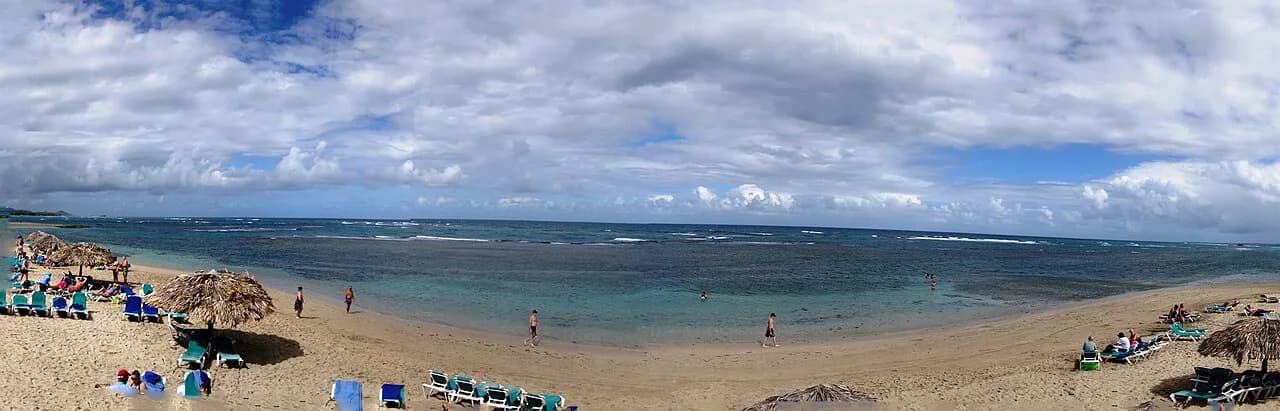
Arrabassada earns its reputation as the nicest beach near the centre, and it carries Blue Flag accreditation. At 550 metres long and 65 metres wide, it has room for the volleyball games and dancing that keep the atmosphere lively, and a wooden walkway runs along the edge past cafés, bars and restaurants. The beach draws locals as well as day trippers from Barcelona, so expect company in high summer.
Further south, the beaches change character. Capellans, between Tarragona and Salou near PortAventura World, is framed by natural cliffs with very fine sand and a gentle entry to the sea. Waikiki, between Altafulla and Tarragona, pairs shallow water with the pine shade of the Marquesa forest, making it the quieter, greener alternative to the city beaches.
Playa de la Arrabassada
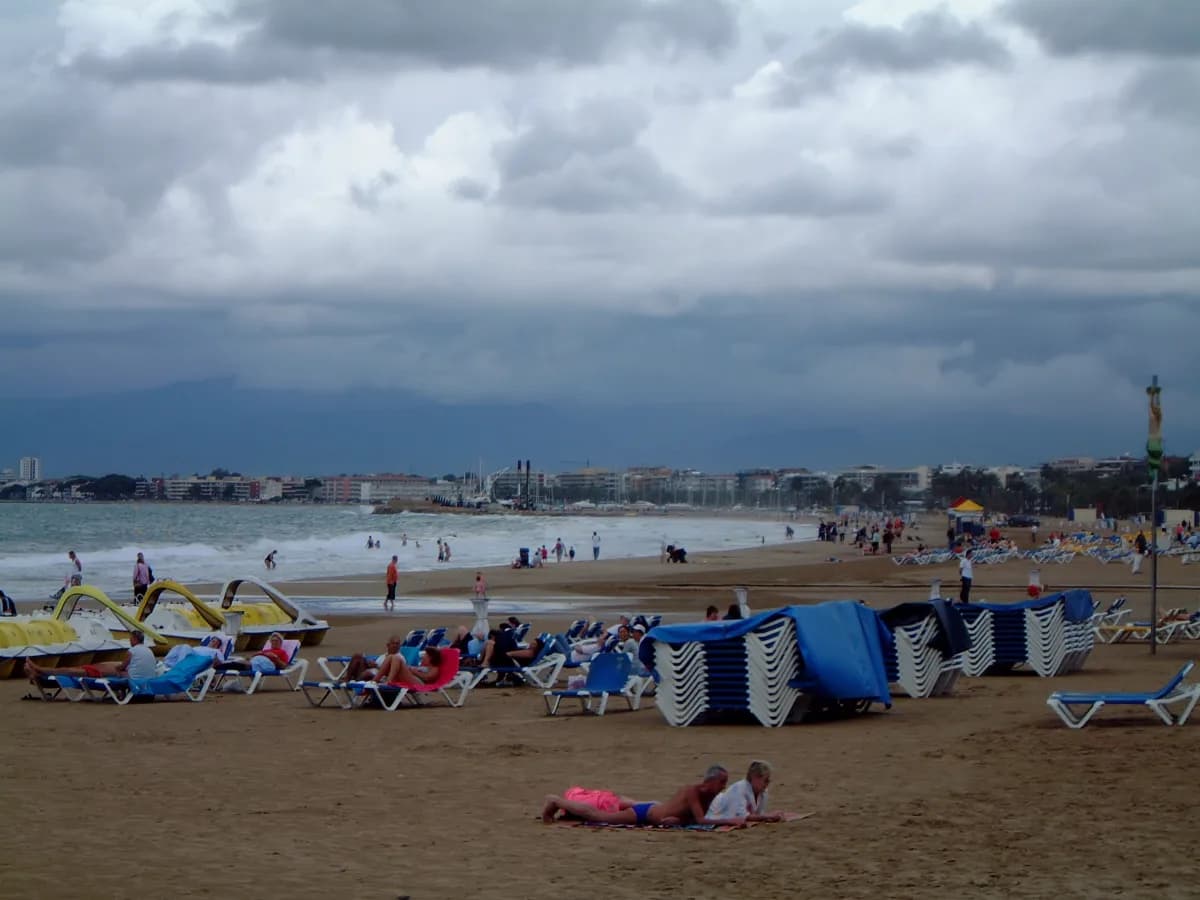
Arrabassada is the beach to choose if you want a full day out with facilities behind you. Three modern chiringuitos serve coffee, drinks and snacks, including fresh boquerones at Chiringuito Pepe's & Lugano, and sunbeds and umbrellas go out for hire in summer. Pedal boats and kayaks are available too, so you can swap lying flat for a lap of the bay.
The beach has a sociable rhythm rather than a tranquil one. Late afternoon brings out volleyball nets and players of all ages, and there is usually some sporting activity, dancing or music from one of the bars. If you want silence, come early; the sunrise over the water is the reward for an early start, and the sunset is equally worth staying for.
It is also the natural starting point for the GR92 long-distance path, which runs along the coast here between stretches of rocky shore. Walkers can link the beach to the headland and beyond without needing a car. Swimmers should read the flags on the day and stay aware of boat traffic near the hire stations.
Walking to Arrabassada from the old town
The scenic route from the centre follows the promenade around the headland from the Balcó del Mediterrani, past the port and the Roman amphitheatre, before dropping towards the beach. It takes longer than a straightforward city walk but delivers the best views in Tarragona. Wear proper shoes rather than flip-flops for the headland section.
Once at Arrabassada, the GR92 continues along the coastal rocks towards the next beaches, making a linear walk possible if you are happy to return on foot or by bus. The path is interspersed with rocky stretches rather than being a continuous boardwalk, so allow more time than the distance suggests. Carry water, as shade is limited on the exposed sections.
Playa del Miracle
Miracle is the central city beach, closest to the old town and the port, and it is the one to use when you have an hour rather than a day. It sits below the city and the amphitheatre, so you can walk down from the Rambla Nova without planning transport. Its position makes it busier with city dwellers than with holidaymakers settling in for the afternoon.
Treat Miracle as a convenience beach rather than a destination. For a longer day with hire gear, bars and more space, Arrabassada is the better call, and the walk between the two is short. If you are staying near the station or the port, Miracle saves you the headland walk entirely.
Savinosa, Cala Romana and Llarga: quieter city sand
Beyond Arrabassada, the city's coast continues through Playa de la Savinosa, Cala Romana and Playa Llarga, all named among Tarragona's beaches and all strung along the same GR92 corridor. These are the beaches to choose when you want to be near the city but away from the bars and volleyball. They suit swimmers and walkers more than families needing organised facilities.
Because they sit on the coastal path, you can combine two or three in a single walk, stopping where the water looks inviting. Bring your own shade, snacks and water, since the chiringuito cluster stays behind at Arrabassada. The trade-off is simple: fewer people, fewer services.
Playa Fonda (Waikiki)
Waikiki, or Playa Fonda, lies between Altafulla and Tarragona and is one of the most attractive beaches on this coast. The sand is very fine and the water stays shallow a good way out, which is why families gravitate here. It is a well-known spot yet sits away from the crowded resort strips.
The Marquesa forest runs behind the beach, a pine wood where you can escape the midday sun and eat a picnic. That combination of shallow water and natural shade is hard to beat in August. Bring everything you need, as this is a beach for self-sufficiency rather than lido comforts.
Capellans: cliffs and a gentle entry
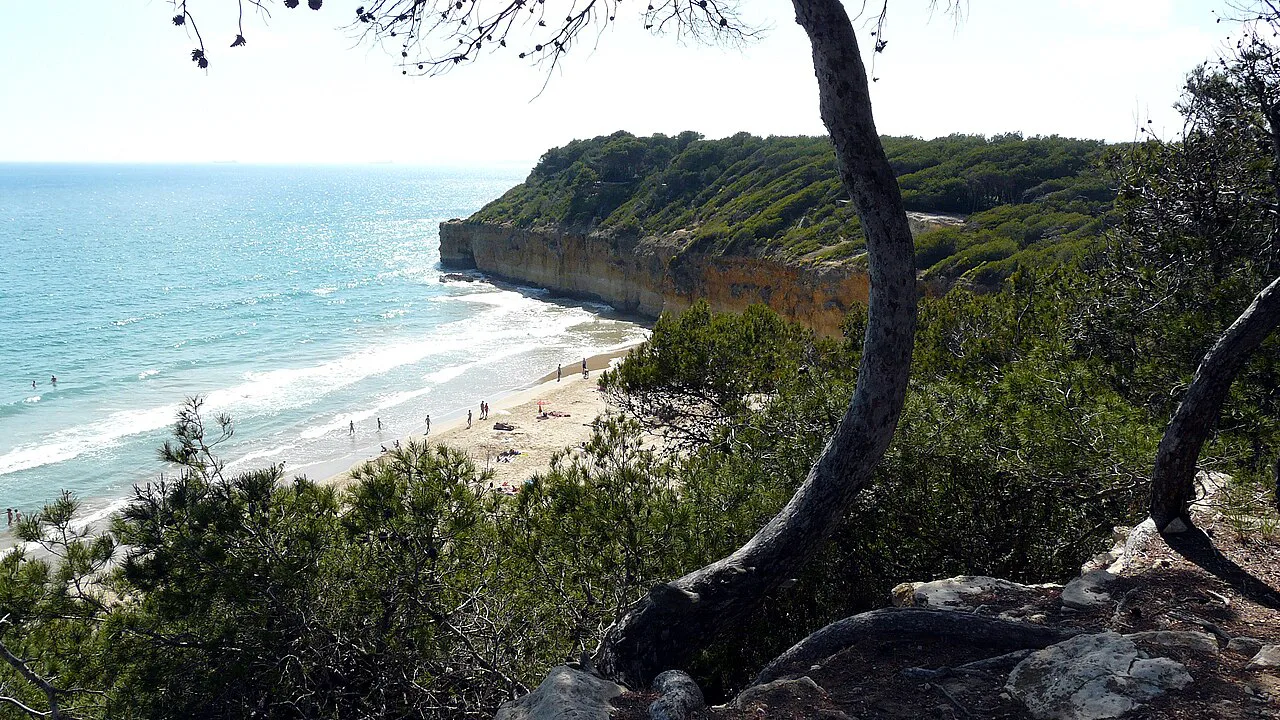
Capellans sits between Tarragona and Salou, close to PortAventura World, and is enclosed by natural cliffs. Its sand is very fine and the sea enters with little slope, a profile the beach is known for among children and people with reduced mobility who want an easy swim. That gentleness is a feature of the shoreline rather than a formal accessible facility, so plan around the sand and any steps yourself.
The cliffs give Capellans a more enclosed feel than the long city beaches, and it is a good half-day stop if you are visiting the theme park or driving between Tarragona and Salou. Facilities are thinner than at Arrabassada, so pack shade and water. It pairs naturally with the resorts around Salou beaches if you want a busier afternoon. If you are weighing this coast against Mallorca's north, our guide to the Alcudia beaches covers the same shallow-water, family-friendly trade-offs.
Mora, Jovera and Tamarit
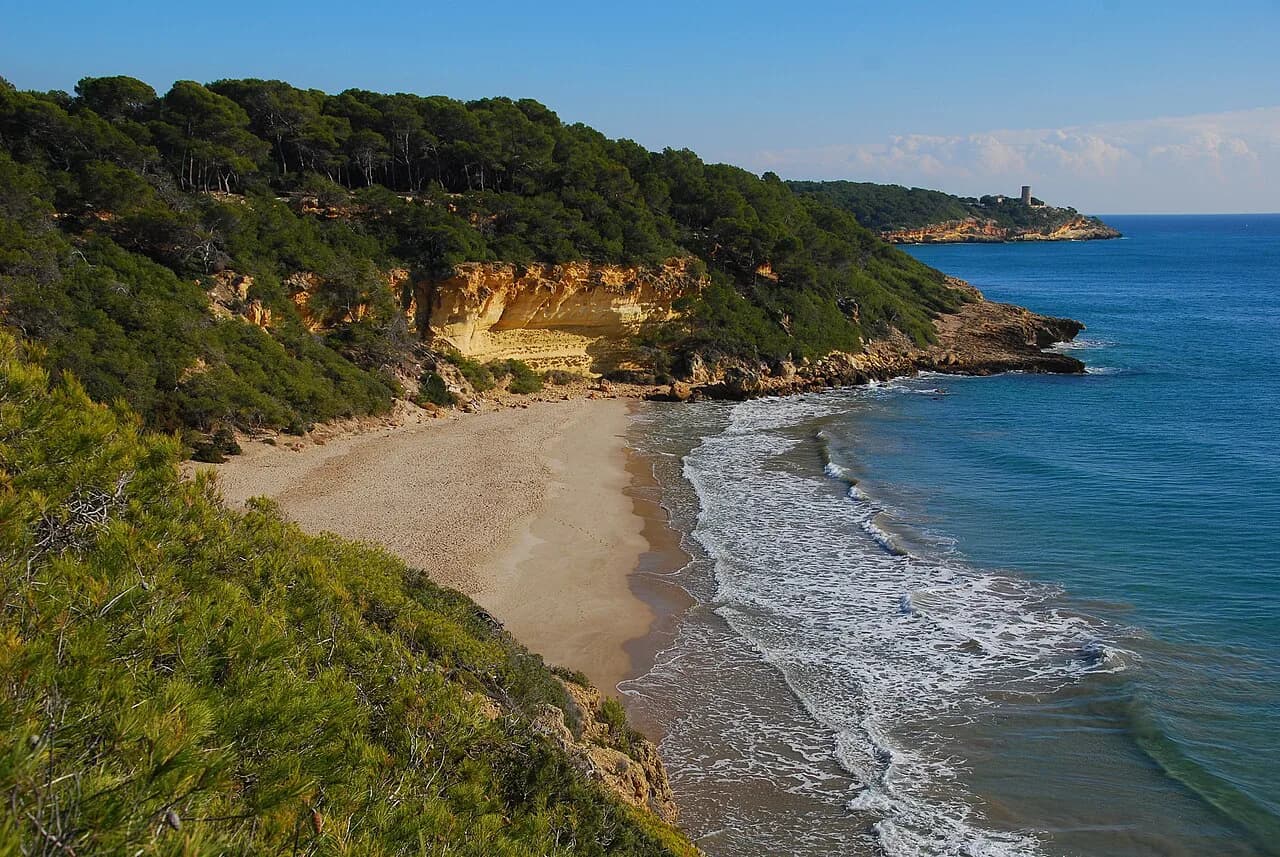
Playa de la Mora, Cala Jovera and Playa de Tamarit sit near Altafulla and are best treated as a combined day out rather than separate trips. Tamarit is known for its castle standing close to the sand, and the smaller coves around it reward a wander at either end of the day. Base yourself at Altafulla and pick the beach that matches the wind and the crowd.
These beaches are quieter and less serviced than Arrabassada, so they suit couples, walkers and anyone with a car. Bring a picnic and an umbrella, and treat the chiringuito as a bonus rather than a guarantee. The nearby dunes and shallow bays around Torredembarra extend the same relaxed day.
Muntanyans at Torredembarra
Muntanyans, at Torredembarra, is part of a protected natural area shared with Creixell and included in the Natura 2000 network. It preserves dunes and marshes that have largely disappeared from the Catalan coast, and you can hike through the reserve as well as swim. Expect a wilder, less built-up beach than the Tarragona city strips.
This is a beach for nature rather than convenience: bring water, shade and footwear for the sandy paths. It combines well with a train stop at Torredembarra if you are travelling without a car. Keep to the marked paths to protect the dune vegetation.
Getting there
Tarragona is roughly an hour and 20 minutes from Barcelona on the local train, and the station sits close to the port. Most of the old town climbs a steep hill from there, so a taxi or bus is worth considering with luggage. Trains also connect the coast towards Torredembarra and Altafulla for the southern beaches.
For the city beaches, walking is the simplest option: Miracle from the old town, Arrabassada around the headland. For Capellans, Waikiki and the Altafulla beaches you will want a car or a local bus, and the tourist office can give you the current lines and times. Parking near the popular beaches fills early in peak season, so arrive before mid-morning.
The sand and the water
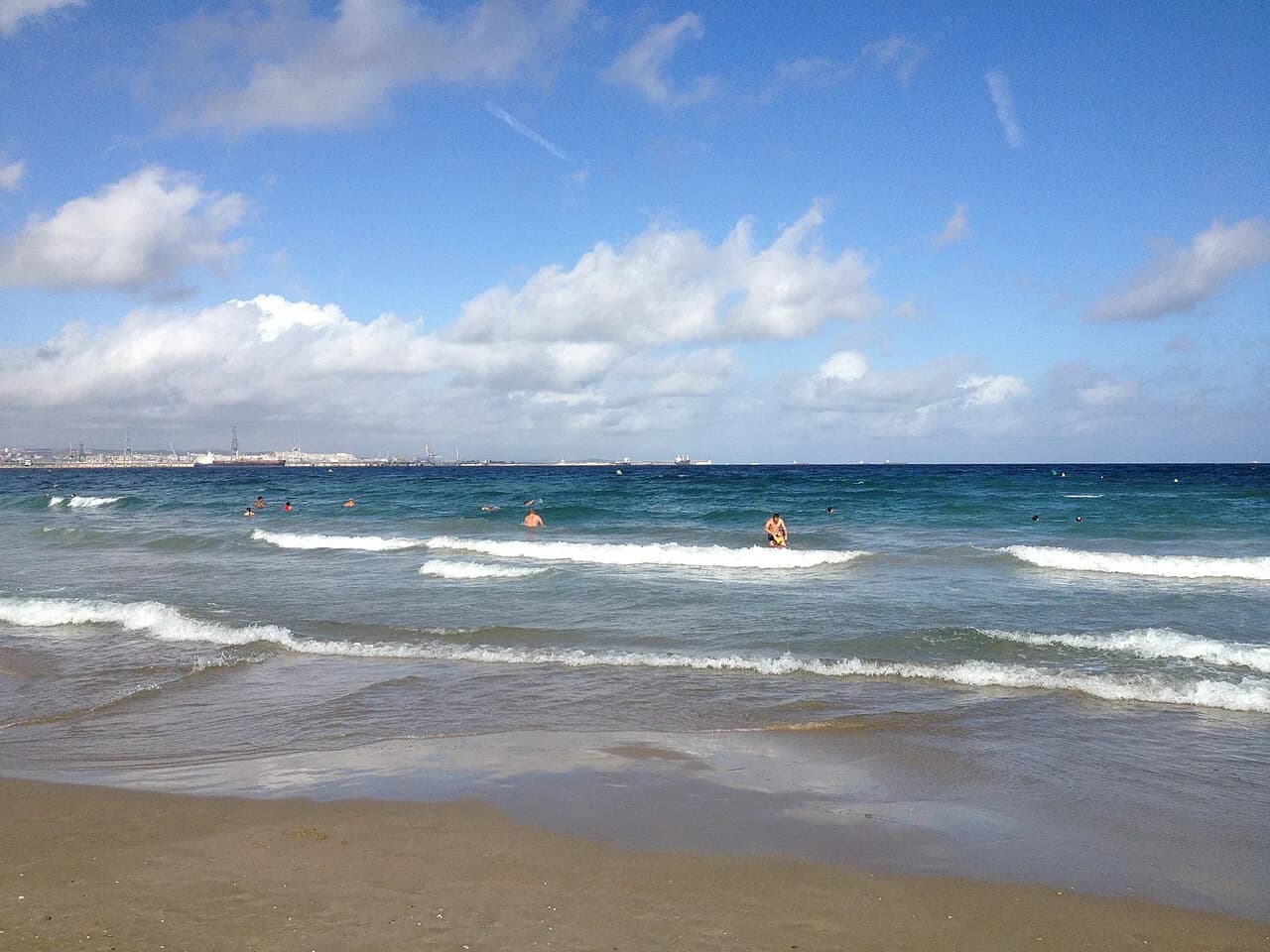
The beaches here share fine golden sand but differ in how the water deepens. Arrabassada and Miracle are classic city beaches with a moderate shelf, while Capellans and Waikiki are the shallow ones, which is why they draw families. If you want to swim proper lengths, head for the less crowded stretches beyond Arrabassada.
Exposure matters more than sand. The cliffs at Capellans and the pines at Waikiki give shelter from the sun and some wind, while the long city beaches catch the full afternoon breeze. Check the flags and the day's forecast before committing to an exposed swim, and remember that shallow water warms faster in spring.
Facilities
Arrabassada has the fullest range: three chiringuitos, sunbeds and umbrellas for hire, pedal boats and kayaks, and a wooden walkway linking the bars and cafés. Waikiki offers natural pine shade instead of built facilities, and Capellans relies on the cliffs for shelter. Ask at the hire stations on the day for current prices and availability.
Some beaches further along the coast carry more organised services. Cap Roig, near l'Ampolla de Mar, has a lifeguard, showers and hammock rental, and Sant Jordi Cove offers showers, toilets and children's areas alongside kayak and scooter hire. Coma-ruga, at El Vendrell, holds Blue Flag status and stretches 2.3 kilometres long and more than 100 metres wide.
Best time to go
The swim season runs from late spring into early autumn, with August the busiest month and the sea at its warmest. Mornings are calmer on Arrabassada before the volleyball nets go up, and weekdays are quieter than weekends throughout July and August. June and September give you warm water with fewer people on the sand.
Outside high summer, beaches are quieter but services shrink, so check what is open before you rely on a chiringuito. The GR92 and headland walks are at their best in spring and autumn, when the heat is manageable. Winter swims are for the hardy and the water is cold.
Accessibility and families
Families should prioritise Capellans and Waikiki for their shallow, gently sloping entries, and Arrabassada for its walkway and nearby facilities. Waikiki's pine forest gives you shade for naps and picnics without carrying an umbrella. Capellans' cliffs provide shelter but the beach is less serviced, so bring your own kit.
A practical beach-day kit for this coast includes reef-safe sun cream, water shoes for rocky stretches, a shade umbrella for the unserviced beaches, and cash for chiringuitos. The nearest beaches to the port are Miracle and Arrabassada, so a car-free day is realistic. For more family-focused sand, La Pineda beach, south towards Salou, has a long, shallow shelf.
Nearby beaches beyond the city
Once you have covered Tarragona itself, the Costa Daurada opens up in both directions. South towards Salou and Cambrils you get long resort beaches and calm family bays; north towards Torredembarra and Altafulla you get dunes, coves and pine-backed sand. A car gives you the most freedom, but trains link the main coastal towns, including La Pineda.
Further south, Arenal at Hospitalet de l'Infant runs almost two kilometres and offers a summer daycare service for children, while Sant Jordi Cove sits beneath a 12th-century Templar castle with showers, toilets and kayak hire. Fangar and Trabucador, in the Ebro Delta, are for birdwatchers and kite surfers rather than sunbed seekers. Trabucador's shallow bay lets you walk hundreds of metres into the water.
Where to stay and eat
Stay in Tarragona's old town if you want ruins, restaurants and the headland walk on your doorstep, accepting the steep climb from the station. Altafulla suits anyone who prefers quieter evenings and easy access to Waikiki, Tamarit and the GR92. Salou and La Pineda work for families who want resort facilities and shallow water.
Eating is part of the beach day here. The chiringuitos at Arrabassada cover coffee, snacks and drinks, while the old town and the Rambla Nova deliver paella, seafood and market food. The food market off the Rambla Nova is a good spot for a cheap, fresh lunch before or after the beach.
Plan Your Beach Day
Start with Arrabassada if you want the full package: Blue Flag sand, a walkway, bars and kayak hire within a headland walk of the old town. Choose Miracle for a quick city swim, Capellans or Waikiki for shallow family water, and Muntanyans or the Altafulla coves when you want quiet.
Ask the tourist office for bus times and chiringuito opening days before a car-free day out, and arrive early for parking at the popular southern beaches. With the GR92 linking much of this coast, you can build a beach-hopping walk without repeating yourself.
Explore more Tarragona beaches
Frequently Asked Questions
Which is the best beach in Tarragona for families?
Capellans and Waikiki are the shallowest choices: Capellans has very fine sand and a gentle entry to the sea, while Waikiki combines shallow water with pine shade in the Marquesa forest behind the sand. Arrabassada is the better pick if you want a walkway, bars and hire gear close to the water, though it is livelier in the afternoon.
How do you get to Arrabassada beach from Tarragona old town?
Walk out along the promenade from the Balcó del Mediterrani, past the port and the Roman amphitheatre, then round the headland and down to the sand. It is a scenic route rather than a quick one, so wear proper shoes and allow extra time. A local bus covers the same stretch if you would rather save your legs for the beach.
Can you reach Tarragona beaches by train from Barcelona?
Yes. The local train from Barcelona takes roughly an hour and 20 minutes and arrives at a station close to the port, from where Miracle and Arrabassada are within walking distance. The same line continues down the coast, so Torredembarra and Altafulla work as car-free beach days too.
Is Waikiki beach near Tarragona good for children?
Waikiki is one of the best choices on this coast for young children because the water stays shallow a long way out and the sand is very fine. The Marquesa pine forest behind the beach gives you shade for naps and picnics. Bring your own food, drink and shade, as this is a natural beach rather than a serviced lido.
Which Tarragona beaches have Blue Flag status?
Arrabassada, the city's main beach, holds Blue Flag accreditation, and Coma-ruga at El Vendrell further down the coast also carries the award. Both are long, well-equipped beaches with space for families. Blue Flag listings are updated each season, so the town council's current list is the place to look for the year you travel.
Where can you hire kayaks or pedal boats in Tarragona?
Hire stations on Arrabassada rent out pedal boats and kayaks in summer, alongside sunbeds and umbrellas. Further down the coast, Sant Jordi Cove has kayak hire and Cap Roig sits next to the l'Ampolla Nautical Club, which runs windsurfing and canoeing. Ask at the hire desk on the day for rates and conditions.
What is the difference between Playa del Miracle and Arrabassada?
Miracle is the central city beach, closest to the old town and the port, and works best for a short swim between other plans. Arrabassada is longer, carries Blue Flag status, and has a wooden walkway, three chiringuitos, volleyball in the late afternoon and watersports hire, so it suits a full day rather than an hour.
Which quieter beaches can you combine with a day in Altafulla?
Base yourself at Altafulla and pair Waikiki with Playa de Tamarit, Cala Jovera and Playa de la Mora, all within a short drive or walk of one another. Waikiki gives you pine shade and shallow water, Tamarit gives you the castle above the sand, and the smaller coves suit a late-afternoon wander. Bring shade and a picnic, as services are thin.
Sources
Beach notes for your next trip
Optional updates when we add or revise beach guides.
You might also like
Continue reading
More guides you'll find useful