Favignana Beaches: A Cove-by-Cove Island Guide
Compare Cala Rossa, Bue Marino, Cala Azzurra and Lido Burrone: how each Favignana beach is reached, what the shore is like and where to swim.
On this page
Favignana rewards beach-hoppers: a handful of limestone coves on the largest of the Egadi Islands, each with a different shoreline and a different level of comfort. One bay is a rock shelf above turquoise water, another a narrow strip of white sand, another a pebbly inlet that forms a natural pool. Deciding which to give your day to is the main planning job.
The island sits roughly seven kilometres west of Trapani, so the crossing is short and the beaches are close together once you land. That makes it realistic to swim at one cove in the morning and watch the sun drop from another in the evening. The trade-off is that the wildest coves come with rocky paths and little shade, while the equipped beach comes with crowds.
Getting to Favignana from Trapani
Ferries run from Trapani harbour to Favignana, with the crossing taking around 30 to 40 minutes depending on the service. Fares vary by time of day, day of the week and season, so book through Liberty Lines rather than relying on a remembered figure. In summer, reserve seats several days ahead; turning up at the counter on the day is where day-trippers get caught out.
If you fly into Palermo, buses run roughly every half hour from the airport to Trapani port and take about an hour. Tickets are sold at the counter in the arrivals area, with no online booking needed. Trapani airport is the closer option for the port, which matters if you are arriving on the same day you plan to cross.
Getting around the island
Favignana is bicycle and moped country. Hire shops sit just outside the harbour where the ferry lands, and dozens of bikes are parked at every beach. A moped or e-bike shortens the ride to the far coves, while a car costs considerably more to hire on the island.
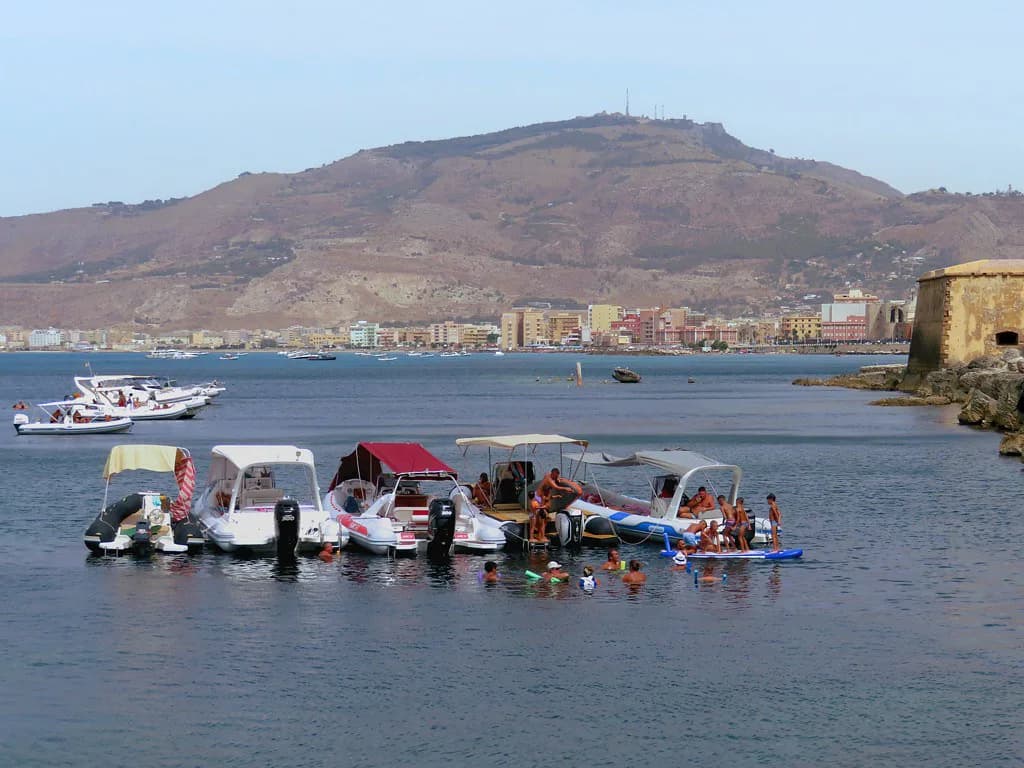
Some of the best scenery is only reachable from the water. Boat tours and small dinghy hires let you see the sea caves along the coast, which you cannot reach on foot. If you have a single day, a boat trip that loops the island and stops at a beach or two covers more ground than cycling between coves.
Cala Rossa
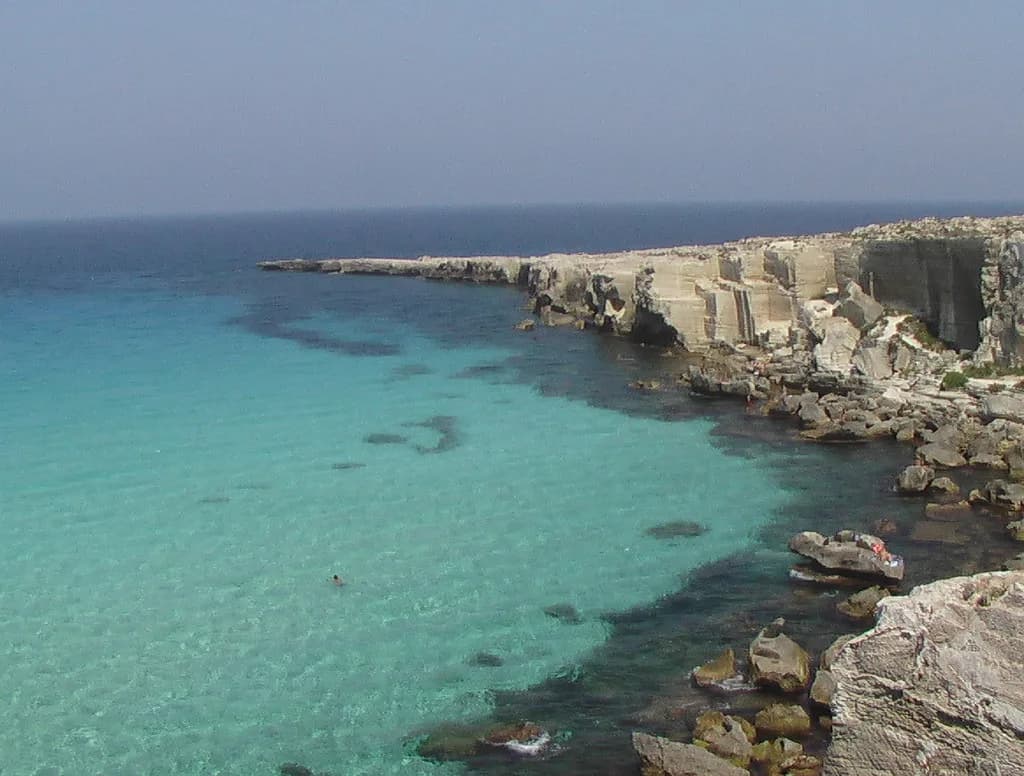
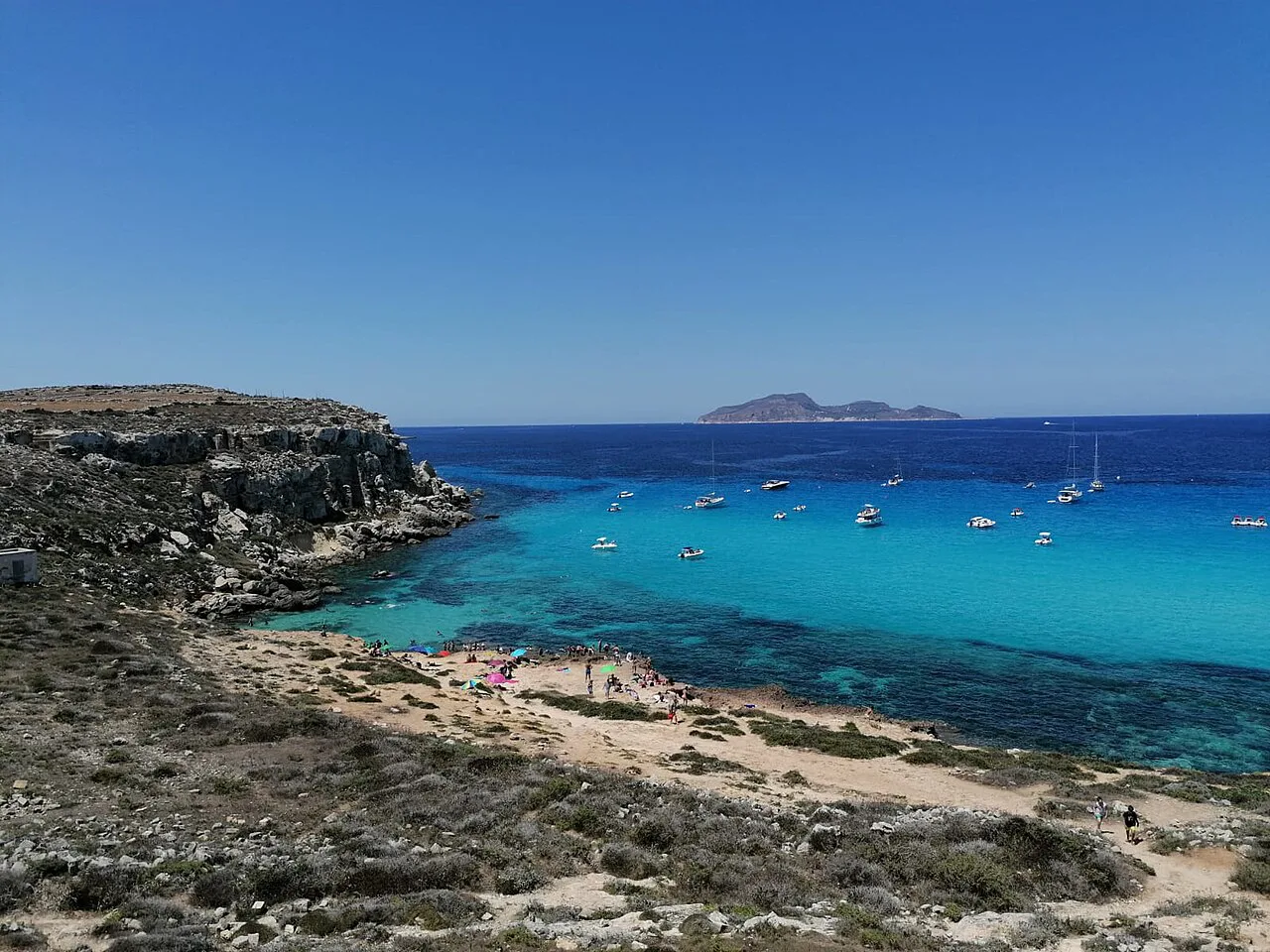
Cala Rossa is the island's signature bay, on the north-eastern coast, where pale limestone cliffs drop into water that shifts from light blue to deep turquoise. By land it is reached along paths over rocky terrain, and the final stretch is a short hike rather than a stroll. Wear proper shoes and carry water.
Facilities are thin here, which is exactly why the bay keeps its wild feel. Come self-sufficient: shade, snorkel and drinks. It suits confident swimmers and photographers more than families with small children, and the rock shelf is not the place for a paddling toddler.
Bue Marino
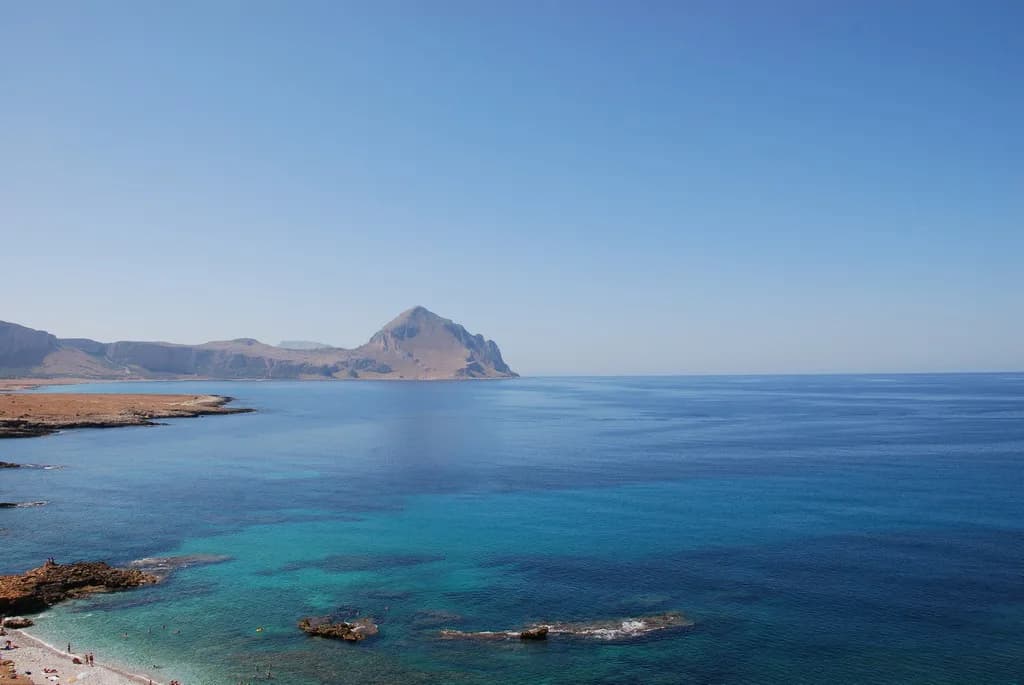
Bue Marino, named after the monk seals that once lived in these waters, is a run of rocky coves and sea caves best explored with a mask. The water shows patches of pale blue against deep midnight blue, and the caves reward snorkelling close to the rock. High cliffs above the area are used for diving.
Access by land is along paths through Mediterranean scrub, and there is a car park. At the car park, stands sell sandwiches through the day along with slushies and freshly squeezed juice, so you can eat without carrying a full picnic. The rocks and caves make this a snorkeller's beach rather than a sandcastle one.
Cala Azzurra
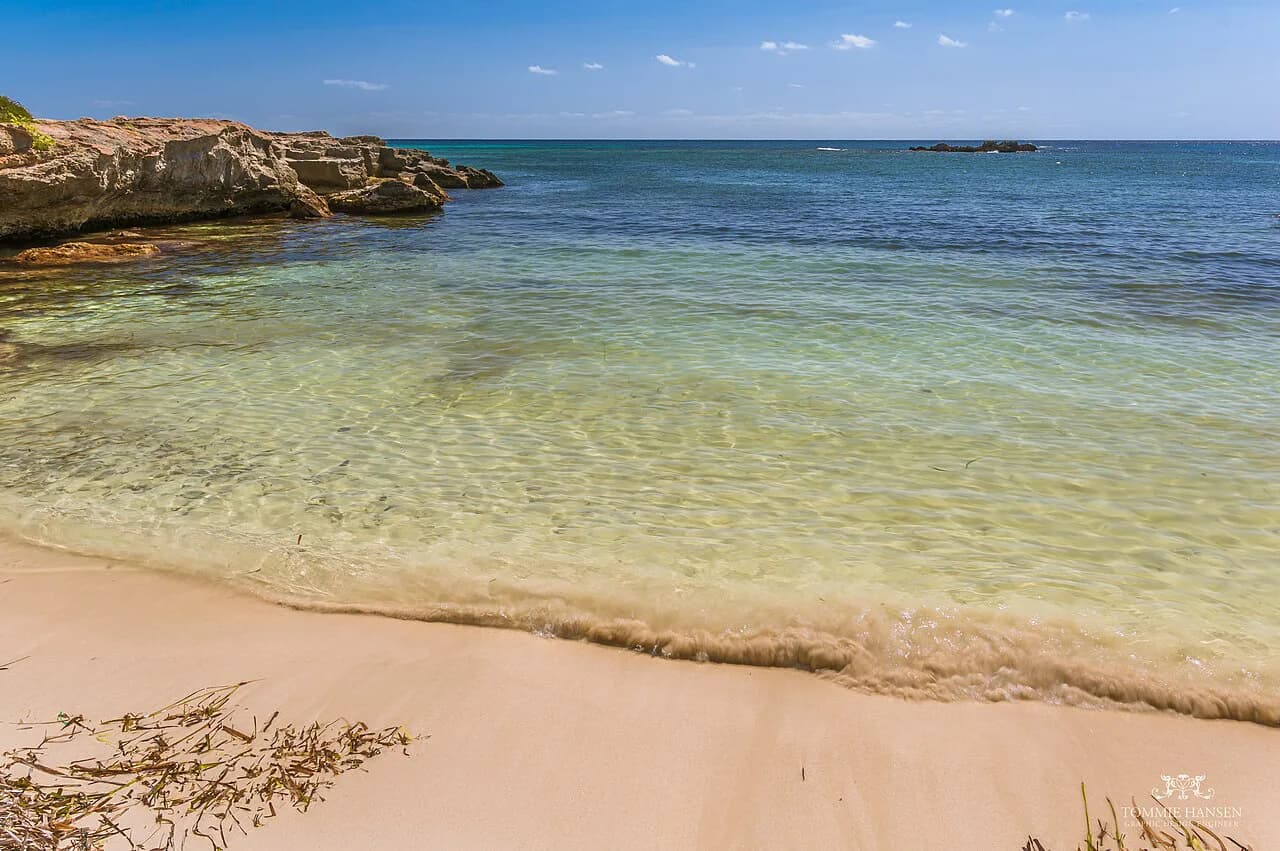
Cala Azzurra, south-east of the island, is one of the few beaches here with fine white sand, and its water is strikingly transparent. The shoreline has receded in recent years, leaving less room to spread out, so the sand fills quickly. Arrive early in the morning or come near sunset for space and softer light.
This is the most comfortable of the smaller coves: sunbeds and umbrellas are available for hire, and bars and restaurants sit nearby. It is easily reached by land or by sea. For a family that wants sand underfoot and a cold drink within sight, it balances scenery with convenience better than the rock coves.
Cala Rotonda
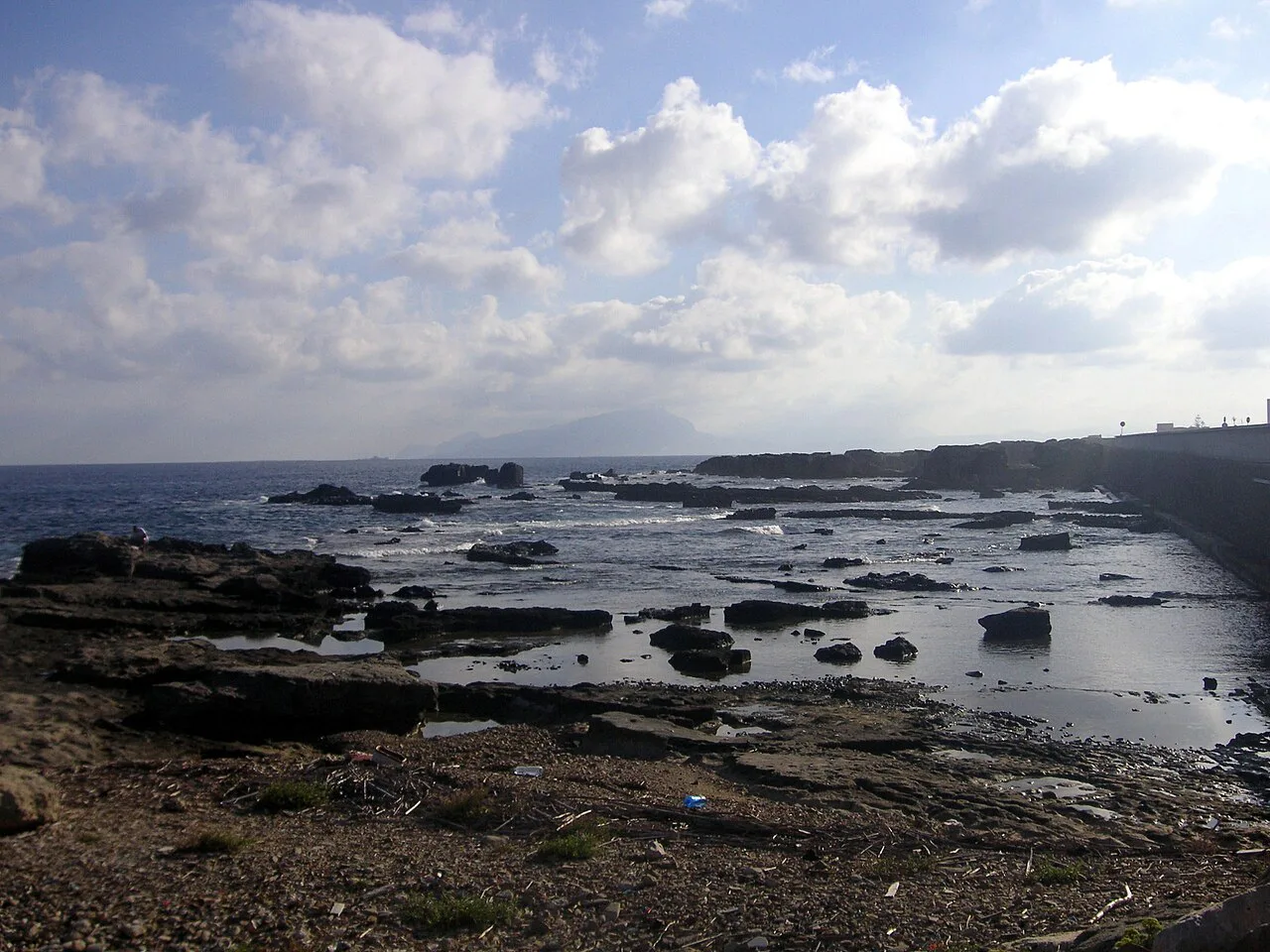
Cala Rotonda takes its name from the semicircular shape of the bay on the island's west side, where limestone cliffs and rocks form small inlets and caves. The water is clear and rich in marine life, which makes it a good second stop for anyone with a snorkel. Reach it by land or by sea.
A small bar with ground cushions faces the water, and sunbeds and umbrellas can be rented. Stay for the sunset and an aperitivo, then walk the paths beyond the beach for quiet. It suits couples and sunset-chasers more than families needing shallow entry.
Cala Faraglioni
Cala Faraglioni sits at the northernmost tip of the island and is made of pebbles. An inlet forms a natural pool sheltered from the waves, which makes it the most forgiving swim on this wild end of Favignana. It is the quietest corner, far from the crowds of the southern beaches.
Pebbles mean you want something to sit on and footwear for the water's edge. The wild setting and isolation are the draw, and the trade-off is that you bring what you need. Pair it with a stop at the Faraglioni bar area on the west of the island if you want a drink after.
Lido Burrone
Lido Burrone is the island's sandy, fully equipped beach, with fine golden sand and clear, shallow water. Sunbed and umbrella hire, bars, restaurants and bathing establishments are all here, which makes it the easiest option for families with small children. It is also the most crowded beach on Favignana as a result.
Choose it when comfort matters more than solitude: shallow entry, facilities within steps and no scramble over rocks. Come early in high season to secure a spot, or treat it as an afternoon base after a morning at a wilder cove.
Marasolo di Favignana
Marasolo di Favignana is a rocky shore on the island, known for clear turquoise water, white sand and caves along the coast. It suits swimming and snorkelling, and the caves make it worth carrying a mask. Views open across the Mediterranean, and restaurants are nearby for lunch.
Because the shore is rocky, treat it as a snorkelling and scrambling beach rather than a sunbathing one. Combine it with Lido Burrone, Cala Rotonda or Cala Azzurra, all listed among the beaches near Favignana, if you want sand later in the day.
Choosing by trip type
Families with small children should base themselves at Lido Burrone for shallow water and facilities, with Cala Azzurra as a sand-and-sunbed alternative when they arrive early. Swimmers and snorkellers get more from Bue Marino, Cala Rotonda and Marasolo, where rocks and caves hold the interest. Quiet-seekers should head north to Cala Faraglioni.
Sunset-chasers should plan the day to end at Cala Rotonda or the Faraglioni area on the west of the island, where bars face the water. Cala Rossa rewards those willing to hike in over rock, and pairs well with a boat trip to see the caves from the sea. If you want a second island day, Levanzo and its Cala Minnola are within reach by boat.
Best time to go
Mid-June to after Ferragosto on 15 August is the busiest stretch: everything is open, temperatures are high and July can reach around 40°C. Costs rise with the crowds. Late May to the end of June and late August to the end of October are calmer, with temperatures around 20°C and far fewer people on the beaches.
From November to February the island is mild but wetter and windier, and strong winds can leave ferries unable to leave, so you may be stranded. Spring brings wind and rain, and most restaurants and bars are closed. For a beach-focused trip, aim for late spring or September.
Nearby beaches to combine
On Favignana itself, Cala Pozzo and Cala Bue Marino sit close to the main coves, and the beaches around the island are easy to link by bike or moped. Across the water, Levanzo's Cala Minnola is a snorkelling spot with rocks and a hidden feel, and Lido Burrone on Favignana is the equipped option if you want facilities after a boat stop.
Back on the Sicilian mainland, the beaches around Trapani and the Tonnara di Scopello cove make a good contrast day, and San Liberale is another option within the Trapani area. A boat day that takes in the caves and a couple of coves is the most efficient way to see the most coastline in one trip. If you are extending your trip further east, the beaches in Noto offer a similarly varied mix of sand and rocky coves.
Practical kit and safety
Bring footwear for rocky paths, a snorkel for the cave and rock beaches, and shade, since the wild coves have little. Carry water and cash for bars and stands. On rocky shores, watch for slippery entries and follow any flags or local signage before swimming.
Ferry tickets, sunbed hire and boat trips are best arranged through Liberty Lines and the local tourist office; check current details before you travel. Book ferry seats in summer, and keep a flexible plan in case wind disrupts crossings.
Plan Your Day on Favignana
Favignana's beaches divide cleanly: rock and caves at Cala Rossa, Bue Marino and Marasolo for snorkellers; white sand and sunbeds at Cala Azzurra; shallow family water at Lido Burrone; pebbles and a natural pool at Cala Faraglioni; sunsets at Cala Rotonda. Match the cove to your group and you will spend less time travelling and more time in the water.
Base yourself in Trapani, take the short ferry crossing and hire a bike or moped at the harbour. Go early or late in the day for space, and reserve ferries in summer. If you have time, add a boat trip to see the caves and a day on the mainland at the Trapani beaches.
Frequently Asked Questions
What is the most beautiful beach in Favignana?
Cala Rossa is the island's signature bay, with limestone cliffs and water that shifts from light blue to deep turquoise. Cala Azzurra and Cala Rotonda are the other favourites for clear water, while Bue Marino and Marasolo suit anyone who prefers caves and rocks to sand.
How do you get to Favignana from Trapani?
Take a ferry from Trapani harbour; the crossing takes around 30 to 40 minutes depending on the service, and fares vary by time and season. Book through Liberty Lines, especially in summer, and allow extra time if you are arriving from Palermo airport by bus.
Which Favignana beach is best for families with small children?
Lido Burrone is the sandy, equipped beach with clear, shallow water, sunbed and umbrella hire, bars and restaurants. It is also the busiest beach on the island. Cala Azzurra is a good sand alternative if you arrive early, since the shoreline has receded and space fills quickly.
Where can you snorkel on Favignana?
Bue Marino has sea caves and rocky coves to explore with a mask, and Cala Rotonda has clear water rich in marine life. Marasolo also has caves along the coast. Bring your own snorkel, as the wild coves have little in the way of facilities.
How many days do you need on Favignana?
Two or three days let you cover the main coves without rushing: one day for Cala Rossa and Bue Marino, one for Cala Azzurra and Cala Rotonda, and one for the northern tip and Lido Burrone. A single day works if you focus on one or two beaches or take a boat tour.
When is the best time to visit Favignana for beaches?
Late May to the end of June and late August to the end of October are calmer, with temperatures around 20°C and fewer people. Mid-June to after Ferragosto is busiest, with everything open but July temperatures reaching around 40°C.
Are ferries to Favignana affected by wind?
Strong winds in winter can leave ferries unable to leave, so you may be stranded on the island. Check with Liberty Lines before travelling and keep your plans flexible in the cooler months. Spring can also bring wind and rain.
Sources
Beach notes for your next trip
Optional updates when we add or revise beach guides.
You might also like
Continue reading
More guides you'll find useful