Cala Azzurra, Favignana: Beach Guide, Access and Nearby Coves
Cala Azzurra on Favignana has fine white sand, clear shallow water and sunbed hire, reached by bike, scooter or boat from the port of Trapani.
On this page
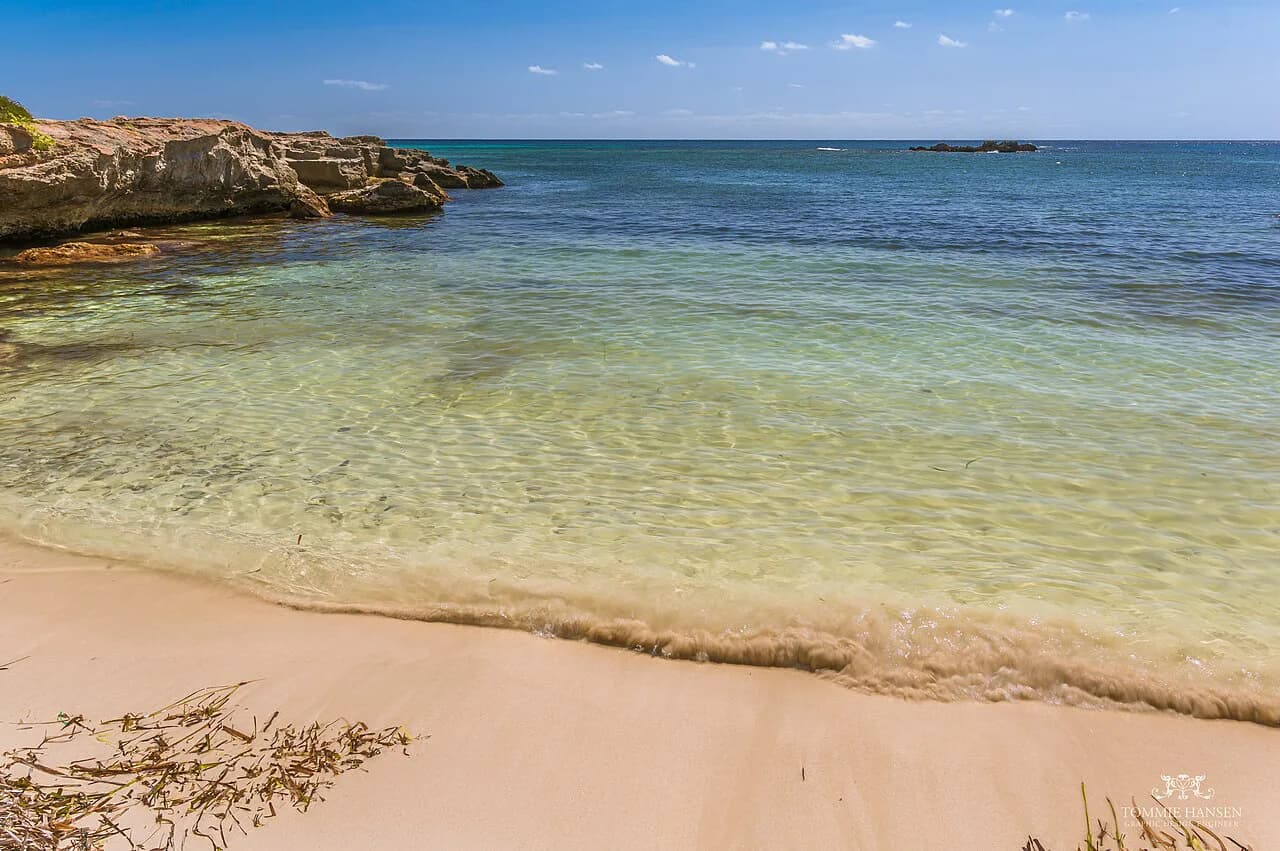
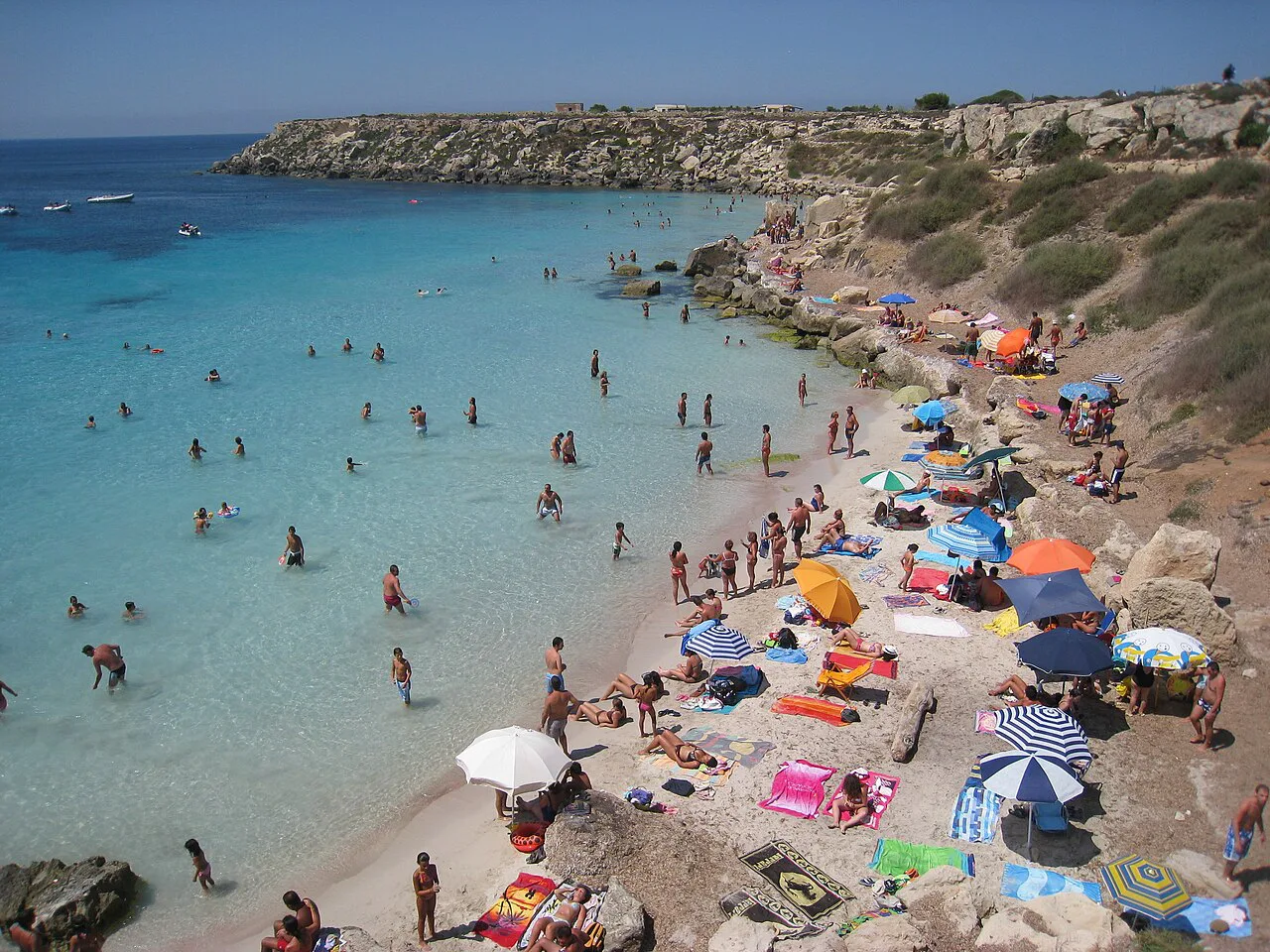
Cala Azzurra is the Favignana beach to choose when you want a proper sandy entry, clear shallow water and a sunbed without a hike over limestone. It sits on the south-east side of the island, one of the few genuine sand beaches in the Egadi group, and it suits families with small children and weak swimmers far better than the island's cliff coves.
The trade-off is space. The beach has narrowed in recent years, so the strip of sand fills quickly and the difference between an easy morning and a cramped afternoon comes down to timing. Plan it as a half-day swim combined with one wilder cove, or as the relaxed option on a day when the rest of the island feels like too much effort.
Where Cala Azzurra sits on Favignana
Favignana is the largest of the Egadi Islands, lying about 7 kilometres west of Trapani off Sicily's western coast. Cala Azzurra occupies the island's south-eastern shore, a short run from the harbour by bike or scooter, and the name comes from the intense blue of the water over pale sand.
Because it faces the more sheltered eastern side of the island, it behaves quite differently from the exposed north-eastern cliffs at Cala Rossa. On a day when the open-water coves are choppy, Cala Azzurra is usually the more comfortable swim; when you want drama and turquoise depth, head north instead.
Getting there: ferry, then bike or scooter
The crossing from Trapani to Favignana takes 30 to 40 minutes, with tickets bookable through Liberty Lines and prices varying by time of day, day and season. In summer, book a few days ahead rather than turning up at the ticket counter, since the popular morning sailings fill.
From Palermo airport, buses run roughly every 30 minutes to Trapani port in about an hour, which makes a flight-and-ferry arrival straightforward without a car. If you are coming from the Trapani side, the ferry terminal is the natural start of the day.
On the island, bicycles and mopeds are the standard transport and the hire shops sit just outside the harbour where you land. The island is only around 19 kilometres across but too spread out to walk, so pick up a bike or scooter on arrival and ride south-east to the cove; car hire is available at a noticeably higher cost.
Boats and dinghies also reach Cala Azzurra from the water, which is worth knowing if you hire a small boat for the day or join an island tour. Arriving by sea sidesteps the parking question entirely and lets you string together two or three coves in a single morning.
The sand and the water
Cala Azzurra is one of the few beaches on Favignana with fine white sand rather than rock platforms, and the water is shallow and transparent close to the shore, deepening gradually. That combination makes it the island's most forgiving entry point for children and nervous swimmers.
The sand has receded in recent years, leaving less room to spread a towel than the cove's reputation suggests. Bring a mat rather than expecting a wide beach, and treat the free sand as precious space to claim early rather than somewhere to arrive at midday.
For snorkelling, the rocks at the edges of the cove are the productive ground, with clear water over stone rather than the featureless sand in the middle. If you want the island's best rock snorkelling, Bue Marino's caves and Cala Rotonda's marine life are stronger draws, so split your day accordingly.
Shelter and sea conditions
The eastern position gives Cala Azzurra more protection than the island's northern and western coves, which take the swell head-on when the wind comes from that quarter. It is the sensible fallback when Cala Rossa or Cala Faraglioni look rough, though no cove on Favignana is guaranteed flat.
Facilities: sunbeds, umbrellas and places to eat
Unlike the wilder coves, Cala Azzurra has sunbed and umbrella rental on the sand, plus bars and restaurants nearby serving local dishes. That makes it the low-effort option on an island where most beaches demand that you carry everything in and out.
If you want full lido comfort with fine golden sand, shallow water, bars and restaurants, Lido Burrone is the island's only fully equipped sandy beach, and it is correspondingly the most crowded. Cala Azzurra sits between the two: some hire, some sand, less polish.
How busy it gets and when to arrive
Cala Azzurra is popular and the usable sand is limited, so the practical move is an early-morning swim or a late-afternoon return around sunset, when the light is at its best and the beach empties. Midday in high summer is when the cove feels smallest.
Best time to go
For warm sea and lively evenings, mid-June through Ferragosto on 15 August is the island's high season, with everything open and prices at their highest. July heat can push towards 40°C, so swim early and shelter in the middle of the day.
For quiet, aim for late May to the end of June or late August to the end of October, when beaches are near-empty and temperatures are cooler than in high summer. May is particularly good for a calm swim at Cala Azzurra without competition for sand.
Winter is mild at 11 to 18°C but wetter and windier, and rough seas can leave ferries unable to sail, so off-season trips need slack in the itinerary. Many restaurants and bars close outside the main months, which changes the case for staying on the island at all.
Nearby beaches to combine
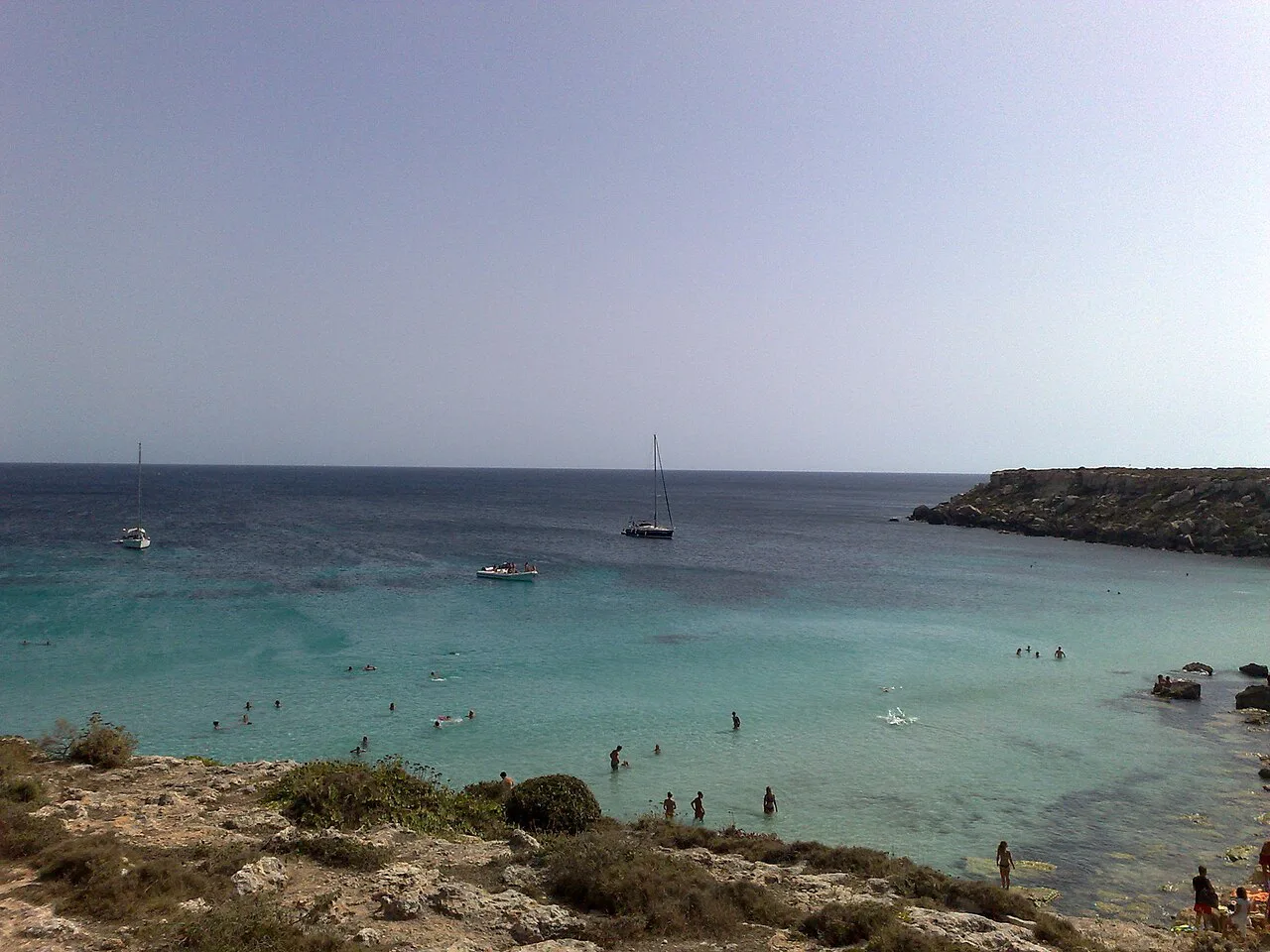
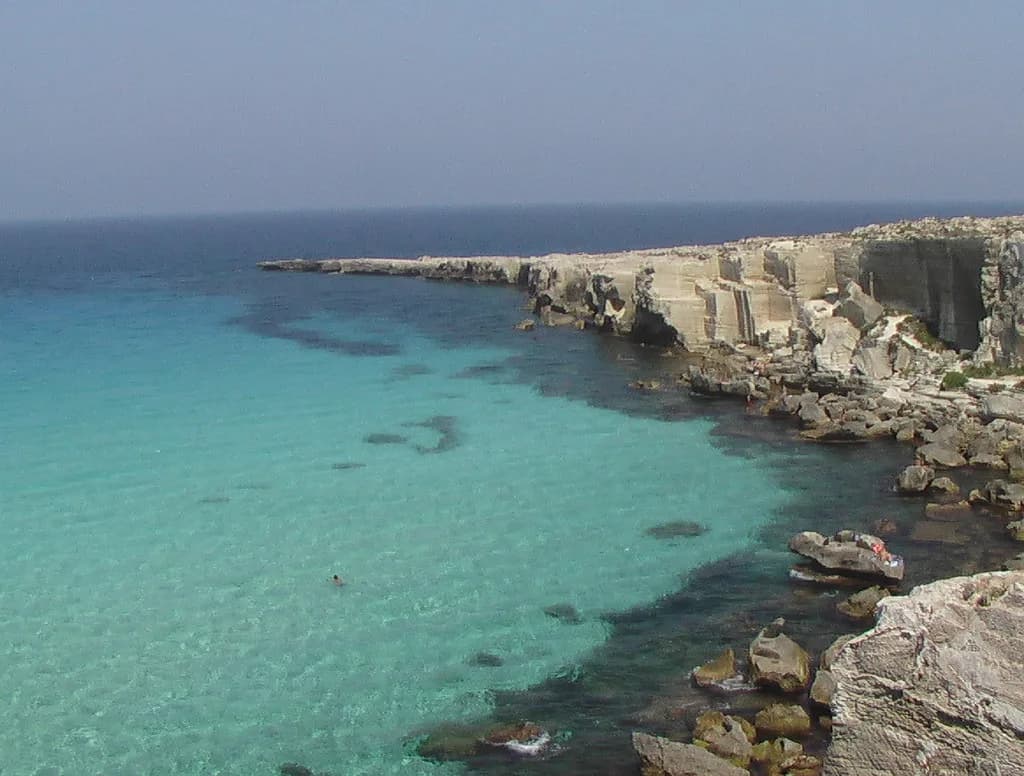
Cala Rossa, 5 kilometres from Favignana Port and about 20 minutes by car, is the island's showpiece: a bay of extraordinarily clear turquoise water framed by limestone cliffs, reached by boat or on foot over rocky paths. There are few facilities, which keeps the atmosphere wild.
Pair Cala Azzurra with Cala Rossa on a bike day: swim in comfort in the morning, then ride north-east for the cliffs, arriving by boat or on foot. Keep in mind that Cala Rossa's land access involves a short hike over rocky ground, so shoes matter more than sandals.
For snorkellers, Bue Marino's sea caves and hidden coves reward exploration and there are high cliffs used for diving, with a car park stand selling sandwiches, slushies and fresh juice. Cala Rotonda, on the west side, offers clear water rich in marine life, sunbed hire and a small bar with cushions for sunset.
Cala Faraglioni, at the northern tip, is pebbly and isolated, with a natural pool sheltered from the waves and the fewest people. It is the choice for quiet rather than comfort, and the contrast with Cala Azzurra's sand and services is exactly the point of hiring a scooter for the day.
Combining Cala Azzurra with Trapani and the mainland
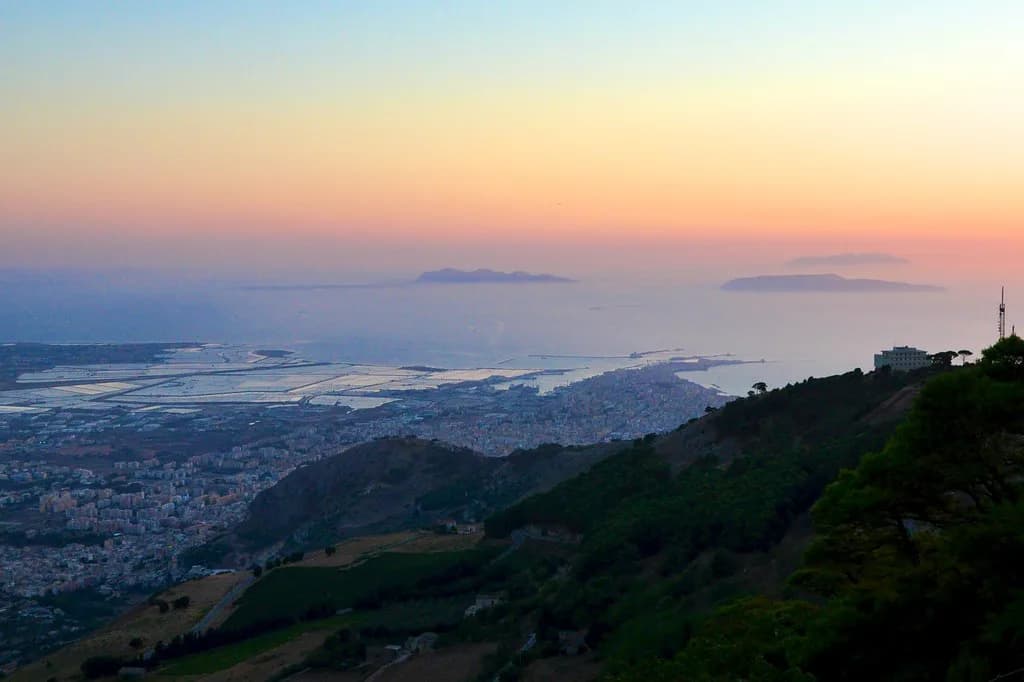
Back on Sicily, the crossing lands you at Trapani, which works as a base for the wider west coast. The Tonnara di Scopello and the sea stacks at Faraglioni di Scopello sit further along the coast toward Castellammare del Golfo, both easy to add to a longer itinerary. If your Trapani-based trip stretches further along Sicily's coast, the beaches in Cefalù offer a sandy town scene that contrasts with the island coves here.
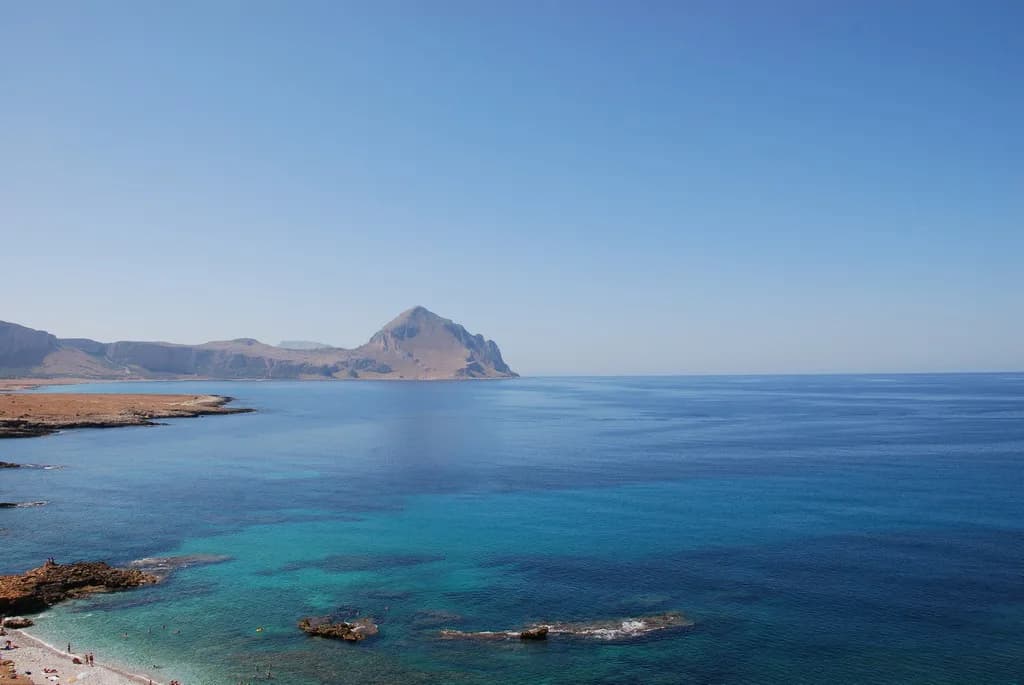
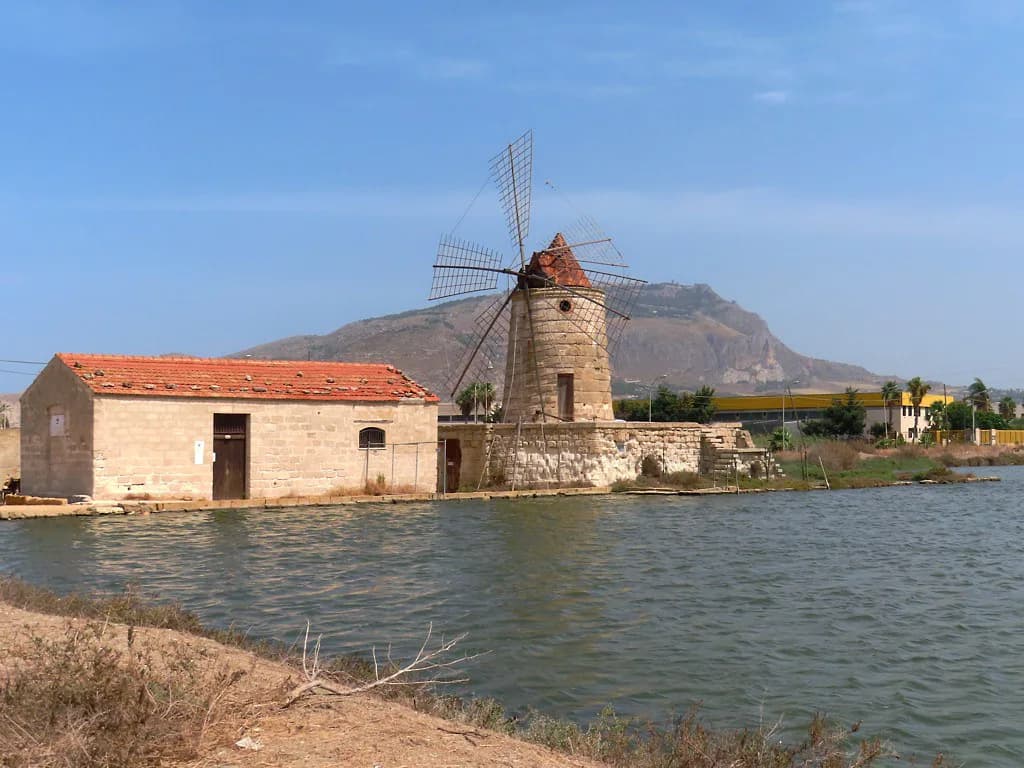
If you are touring the mainland beaches before or after the island, the long white sweep at San Vito Lo Capo beach makes a natural contrast to Favignana's small coves, with shallow water and a mountain backdrop. The Stagnone lagoon near Trapani offers flat-water kitesurfing and salt-pan scenery on windy days when the island boats are tied up.
Allow a full day for the island even on a short trip: a morning ferry, a bike loop taking in Cala Azzurra and Cala Rossa, and an afternoon sailing back leaves little room for anything else, but fits comfortably into a Trapani-based week.
Plan Your Visit
Cala Azzurra earns its place as Favignana's easy beach: real sand, shallow clear water, sunbeds on site and a short ride from the ferry. Arrive early or late, bring a mat for the narrow sand, and book the Liberty Lines crossing ahead in summer rather than queuing at the port.
Use it as the comfortable half of an island day and spend the rest on the cliffs at Cala Rossa or in the water at Bue Marino. For current sailing times and any changes to beach services, the Liberty Lines booking page and the Trapani tourist office are the places to look.
Frequently Asked Questions
Is Cala Azzurra worth visiting on Favignana?
Yes, if you want a sandy swim rather than a cliff descent. It offers fine white sand, shallow clear water close to the shore and sunbed and umbrella hire on the beach, all a short bike or scooter ride from the harbour. Choose Cala Rossa or Bue Marino instead if drama and snorkelling over rocks matter more than comfort.
Is Cala Azzurra sandy?
It is one of the few beaches on Favignana with fine white sand. The sandy strip has narrowed in recent years, so there is less room to spread out than the cove's reputation suggests. Bring a mat and claim your spot in the morning or late afternoon rather than at midday.
How do you get to Cala Azzurra from Favignana port?
Take the ferry from Trapani, which takes 30 to 40 minutes, then hire a bicycle or moped from the shops just outside the harbour and ride south-east to the cove. Boats and dinghies also reach it from the water, which avoids the road entirely. Book summer sailings a few days ahead.
Is Cala Azzurra good for families with small children?
It suits families better than the island's cliff coves because the water stays shallow and transparent close to the shore and the sand gives an easy entry. Sunbeds, umbrellas and nearby bars mean less to carry. Space is the limitation, so arrive early in July and August.
What is the best time of year to swim at Cala Azzurra?
Mid-June to mid-August is liveliest, with warm sea and everything open, but July heat can approach 40°C. Late May to the end of June and late August to the end of October bring temperatures around 20°C, near-empty beaches and peaceful swimming. Winter can be windy enough to disrupt ferries.
Which beaches should you combine with Cala Azzurra?
Ride north-east to Cala Rossa for turquoise water under limestone cliffs, or head to Bue Marino for sea caves and rock snorkelling. Cala Rotonda on the west side offers clear water, sunbed hire and a sunset bar. Cala Faraglioni at the northern tip is the pebbly, quiet choice.
Sources
Beach notes for your next trip
Optional updates when we add or revise beach guides.
You might also like
Continue reading
More guides you'll find useful