Tonnara di Scopello: Beach Guide to Sicily's Faraglioni Bay
Plan a beach day at Tonnara di Scopello in Sicily: the pebble cove beneath the faraglioni, boat trips, snorkelling and the Zingaro coves next door.
On this page
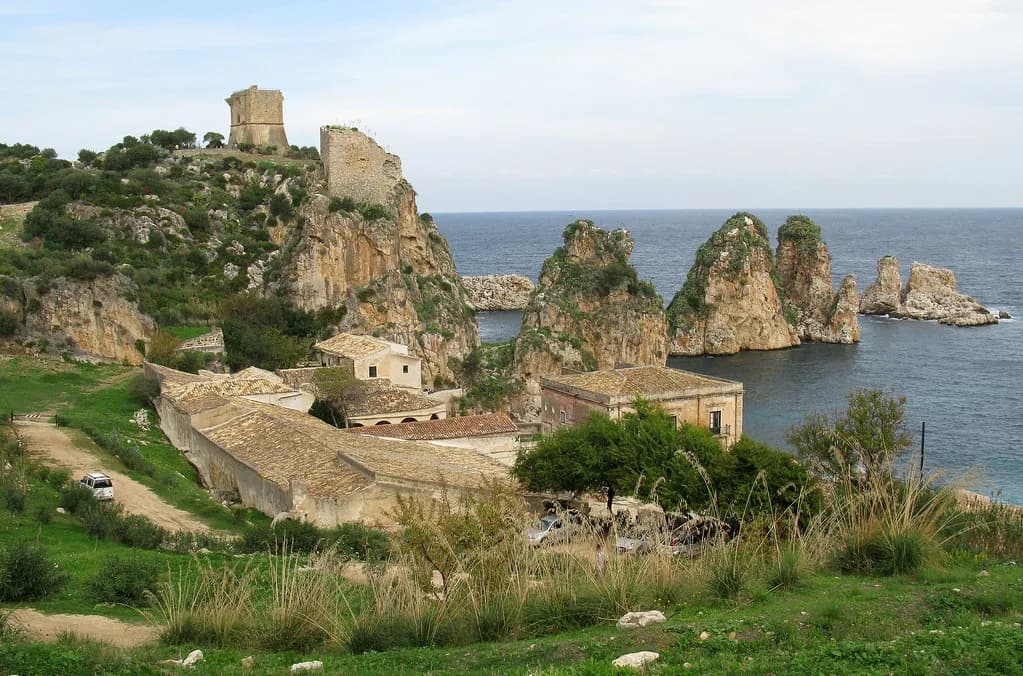
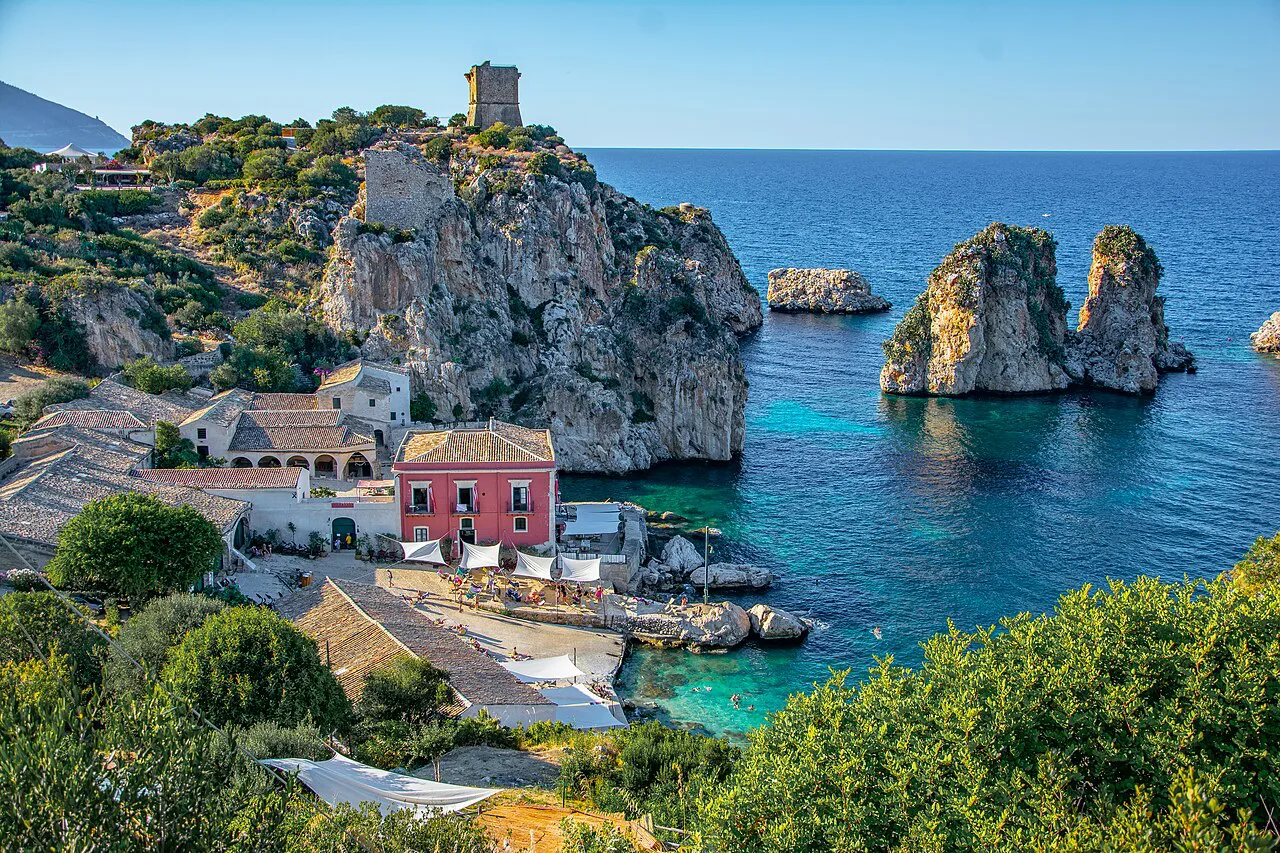
Tonnara di Scopello is the kind of bay you plan a whole morning around: a pocket of clear water beneath three limestone faraglioni, with the stone warehouses of an old tuna fishery standing just behind the shore. It suits swimmers who like a short, deep-ish cove with rocks to explore, snorkellers, and anyone who would rather pair a dip with a walk through a Sicilian fishing village than spend the day on a long lido beach.
What it is not is a big sandy resort. The shoreline is made of pale pebbles, the bay is compact, and in high summer the demand for the cove and for boat trips along this stretch of coast outstrips the places available. Treat the day as two activities that happen to share one address: the swim from the cove, and the visit to the historic tonnara and its museum.
Where Tonnara di Scopello sits
The tonnara occupies a sheltered inlet on the Golfo di Castellammare, in the province of Trapani, on Sicily's north-west coast. The village of Scopello sits on the headland directly above, a cluster of traditional houses and a piazza looking out over the stacks, while the sea immediately around the bay forms part of the protected environment bordering the Zingaro nature reserve, Sicily's first reserve, created in 1981.
That geography explains the appeal and the constraints. White cliffs and Mediterranean scrub run down to the water, the bay is small, and there is no long beach to spread out on, so the cove feels busy as soon as a few dozen people arrive. The plus side is that everything is close together: the pebbles, the stacks, the old buildings and the path up to the village are all within a few minutes of each other.
Getting there
By road, the tonnara is reached from the SS187 along the Golfo di Castellammare, with Castellammare del Golfo the nearest large town and Palermo roughly an hour's drive away. The village of Scopello is where you leave the car; from there the descent to the tonnara is on foot, down a lane and steps, so plan to carry everything rather than wheel it.
Village parking fills early in July and August, and the walk back up is steep enough to be unpleasant in the middle of the day; arriving before mid-morning makes both easier. Public transport along this coast is thin and timetables change with the season, so the tourist office in Castellammare del Golfo or San Vito Lo Capo is the right place to ask about current bus services before you commit to going car-free. If you are building a wider coastal itinerary, the Trapani beaches guide sets out how the Golfo di Castellammare fits with the rest of the province.
The sand and the water
The spiaggetta at the foot of the old warehouses is made of pale, rounded pebbles rather than sand. That changes the day: bring shoes you can walk on hot stones in, and expect to sit on a towel or a low chair rather than dig yourself a spot. In exchange, the water clears quickly, and the stones give way to sand and rock within a few strokes.
The three calcareous stacks stand a few metres off the shore and frame the bay, so the swim is short and scenic rather than a long shoreline stroll. Rockfish and typical Mediterranean underwater vegetation live around the rocks, which makes the edges of the cove the interesting part for snorkelling; keep away from the base of the cliffs where boats pass. Families with small children will find the cove manageable in size but rough underfoot, and the entry and exit over pebbles is the main practical challenge.
Shelter and crowds
The cove is enclosed by headlands and the tonnara buildings, which gives it a protected feel, but it is small enough that a busy August afternoon is felt immediately. In July and August the places for the cove and for boat excursions along this coast are limited and demand is high, so the cove is in practice by reservation in high season. Plan the swim as a booked slot rather than something you turn up for, and keep the rest of the day flexible.
Outside high season the rhythm is gentler: mornings are the quietest window, and the light on the stacks is best before the sun swings round. If you want a long, lazy beach day with room to spread out, this is the wrong bay for it; choose a longer strand elsewhere on the gulf and come here for a couple of hours instead.
Facilities and the historic tonnara
The old tuna works are the other half of the visit. The fishery operated for eight centuries and closed in 1984, and the site now preserves the boats and working equipment of the trade, alongside apartments and terraces in the old buildings. A self-guided look round the warehouses, the chapel and the watchtower takes an hour or so and gives context to the bay you have just swum in.
The site is privately owned and protected as historic heritage, with set routes and quiet areas, so treat it as a heritage visit rather than a beach concession. Kayaks and paddleboards are often offered by local operators, and boat trips run from the surrounding harbours; ask in Scopello or at your accommodation about what is running during your stay, since operators and seasons vary.
Boat trips and snorkelling
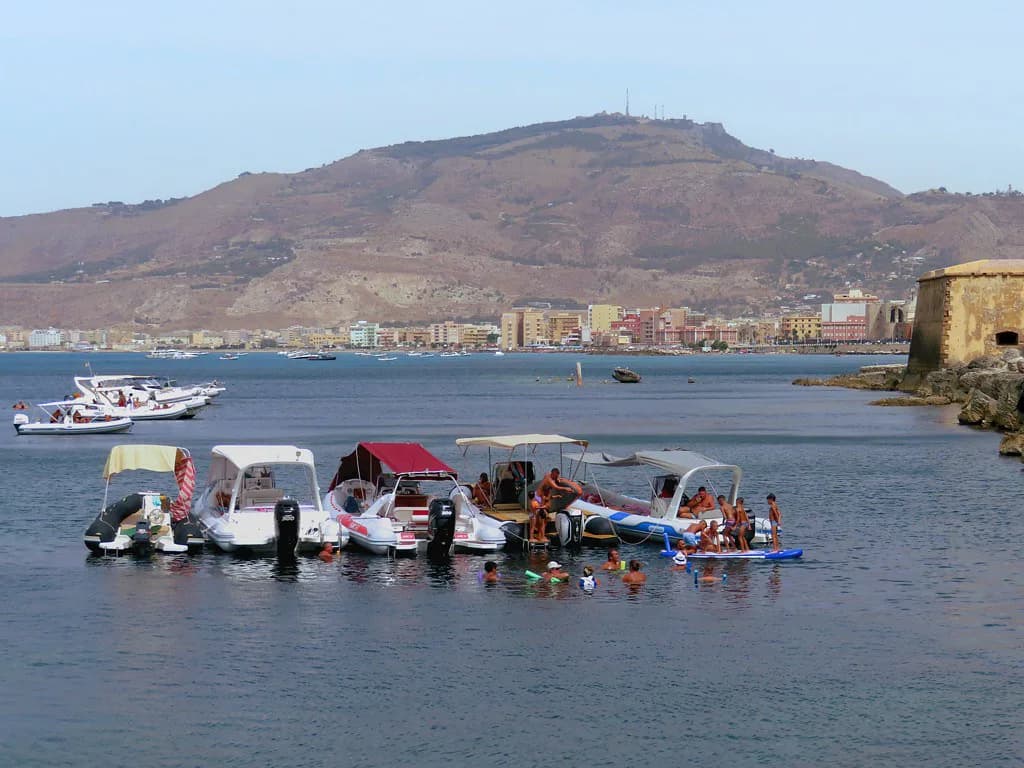
Seeing the faraglioni from the water is the classic way to spend a half-day here. Excursions leave from Castellammare del Golfo, from San Vito Lo Capo and sometimes from the little inlet itself, typically lasting between three and six hours with snorkelling stops at the most striking points along the coast. That range matters: a three-hour trip fits around a village lunch, while a six-hour one swallows the day.
Trips commonly combine the tonnara with the coves of the neighbouring Zingaro reserve, which is the most efficient way to see coastline that is hard to reach on foot. Book through your accommodation or a local operator in Castellammare del Golfo, and confirm the meeting point and whether snorkelling gear is included before you pay.
The village of Scopello
Scopello itself is worth an hour. The name comes from the Greek for rocks, and the old fishing village is built among the stacks and Mediterranean vegetation, with medieval watchtowers above the historic core and a small Jesuit church whose order also built the warehouses for boats and fishing gear. The piazza looks straight out over the faraglioni, and the bakeries sell the local cunzato bread with tomatoes, anchovies and cheese, which makes a good late lunch after the swim.
Stay into the evening if you can: the light on the stacks at sunset is the reason so many photographs of this coast are taken from the village terrace. It is also cooler, and the day-trippers have gone.
Nearby beaches
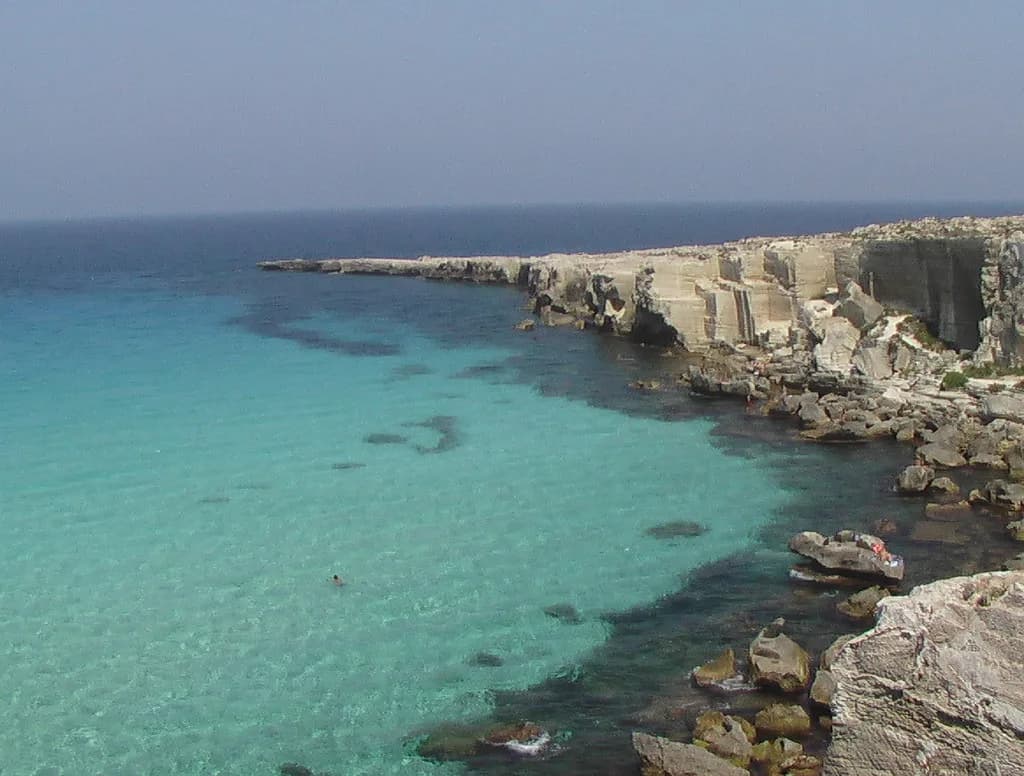
The Zingaro reserve begins immediately along the coast and holds a string of pebble and shingle coves reached on foot along its coastal path; they are quieter than the tonnara but have no facilities, so carry water. Further round the gulf, the long sweep at San Vito Lo Capo is the opposite kind of beach day, with far more space for families and a proper resort infrastructure behind it.
If you are touring western Sicily, the lagoon at Mozia and the islands off Trapani make good contrasts to a cove day, with flat water and a boat crossing rather than a cliff path. The Stagnone lagoon is the easiest add-on from Trapani itself. For a similarly compact, history-backed coastal stop further east, the beaches in Noto offer another side of Sicily to compare with this stretch.
Best time to go
The swim season runs from late spring into early autumn, with July and August the busiest and the months when booking the cove and the boats becomes essential. June and September give warm sea and far more breathing room in the bay, and the walk down from Scopello is less punishing. Spring and autumn suit walkers combining the tonnara with the Zingaro paths, when the coastal scrub is at its best and the stones are not too hot to cross barefoot.
Whatever the month, arrive early, bring water and cash for the village, and wear shoes that grip wet pebbles. Check the day's sea conditions locally before swimming near the stacks, and ask the boat company about snorkelling conditions on the day of your trip.
Visiting Tonnara di Scopello with a dog
The Tonnara di Scopello is run as a private site, and access to the small pebble beach below the old tuna-factory buildings is subject to a paid entry, according to local guides. A private, ticketed area means the people at the entrance set the rules for animals, so the sensible approach is to make your dog's visit part of the booking rather than assume it can simply walk in.
In high season the same source notes that reservations for the beach and for boat excursions are described as practically obligatory, because places are limited and demand peaks in July and August. If you want to bring a dog, book early and ask about it in the same conversation, and plan around the busiest months rather than arriving at the gate.
The wider surroundings offer a more forgiving setting. The Tonnara lies beside the Riserva naturale dello Zingaro, the first nature reserve in Sicily, created in 1981, and the coast here is a mix of creeks, cliffs and Mediterranean vegetation rather than a single enclosed beach. Whatever you do with your dog, keep it away from the marine life: the clear waters of the bay hold groupers, sargo and sometimes dolphins, and the site is valued as a place where that wildlife is left in peace.
For the rest of the day, the village of Scopello above the bay is small and traditional, with a bakery known for its bread cunzato topped with tomatoes, anchovies and local cheese — an easy stop on foot before or after the water.
Plan Your Visit
Tonnara di Scopello works best as a half-day: an early swim in the pebble cove, an hour in the old tuna works, lunch in the village and a sunset look at the stacks from the piazza. Book the cove and any boat trip ahead in July and August, and come out of season if you want the bay to yourself.
Pair it with the Zingaro coves for a walking day, or with the long beach at San Vito Lo Capo if you need sand and space. Either way, the bay beneath the faraglioni is worth building the day around rather than fitting in around something else.
Frequently Asked Questions
Is there a beach at Tonnara di Scopello?
Yes, there is a small cove at the foot of the old tuna works, made of pale pebbles rather than sand. It is compact, framed by three limestone stacks, and best suited to swimming and snorkelling rather than long beach days with children.
Do you need to book to visit the Tonnara di Scopello?
In high season, entry to the cove and boat excursions along this coast are in practice by reservation, with places limited and demand highest in July and August. Outside those months you have far more flexibility, but it is still worth asking about access arrangements locally before setting out.
How do you get to Tonnara di Scopello?
Most visitors drive to the village of Scopello, roughly an hour from Palermo along the Golfo di Castellammare, park in the village and walk down to the tonnara on foot. Public transport along the coast is limited and seasonal, so ask the tourist office in Castellammare del Golfo or San Vito Lo Capo about current services.
What is the sea like at Scopello?
The bay is short and clear, with pebbles underfoot at the edge and rocks and sand within a few strokes of the shore. Rockfish and Mediterranean underwater vegetation live around the stacks, making the edges of the cove the most interesting area for snorkelling.
Which films were shot at Tonnara di Scopello?
The tonnara has appeared in several productions, including Ocean's Twelve and Inspector Montalbano, as well as international advertising campaigns and music videos. Its combination of stone warehouses, stacks and clear water has made it one of the most photographed spots in Italy.
Which beaches near Scopello are worth combining with it?
The coves of the Zingaro reserve are the closest option, reached on foot along the coastal path, and the long beach at San Vito Lo Capo is the best contrast if you want sand and space. Boat trips from Castellammare del Golfo routinely combine the tonnara with Zingaro swim stops.
When is the best time to swim at Tonnara di Scopello?
Late spring through early autumn, with June and September offering warm water and far fewer people than July and August. The high-season weeks are also when booking the cove and any boat trip becomes essential.
Sources
Beach notes for your next trip
Optional updates when we add or revise beach guides.
You might also like
Continue reading
More guides you'll find useful