Best Beaches Near Málaga: Costa del Sol Picks by Trip Type
Choose the best beach near Málaga for your trip, from city sand at La Malagueta to family-friendly El Palo, Burriana in Nerja and wilder coves to the east.
On this page
Málaga is the rare city where you can walk from a cathedral to a kilometre of sand in ten minutes, then drive east for an hour to reach cliffs, coves and a protected reserve. The coast changes character fast: urban promenades and playgrounds to the west, family bays at Nerja and wilder rock-backed beaches beyond. Decide first whether you want convenience or scenery, because the trade-offs are real.
How the coast changes east and west of the city
The city's own beaches sit in a continuous urban strip, backed by chiringuitos, promenades and roads, which makes them easy without a car. Head east towards Nerja and the shore narrows into coves below white hillside villages, with darker sand and clearer water but fewer places to park. Further east again, past the Maro-Cerro Gordo cliffs, the coast turns protected and rocky, and summer access is managed rather than free-for-all. If the coves tempt you, our guide to the best beaches in Nerja covers Burriana and El Salón in practical detail.
West of Málaga the Costa del Sol becomes resort territory: broad beaches, marinas and the busy strips around Torremolinos, Benalmádena and Fuengirola. These suit travellers who want boardwalks, watersports operators and restaurants within steps of the sand. Browsing the full set of Malaga beaches helps you see how each town's shoreline differs before you commit to a base; the Marbella beaches page covers the upscale end of that western run in more detail.
As a rule, choose the city beaches for a half-day around sightseeing, Nerja for a family day with a car, and the protected eastern coves for a full day out with walking involved. Travellers without a car should stay within the city beaches and the coastal train and bus network rather than trying to reach the reserve beaches. The distances look small on a map but coastal roads slow sharply in July and August.
La Malagueta: the city beach within walking distance of the old town
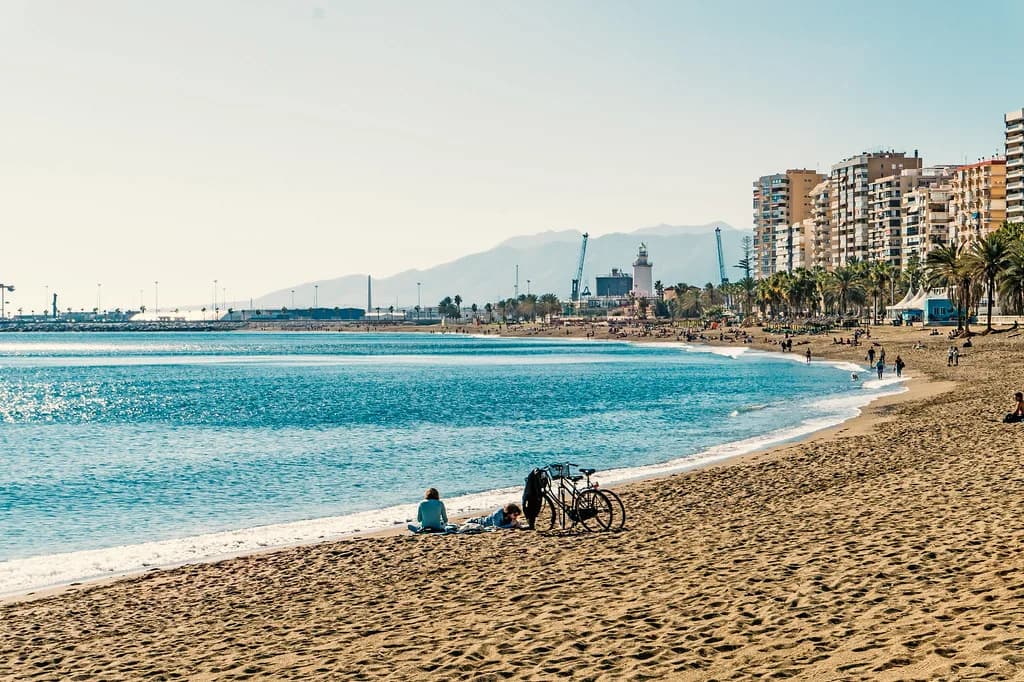
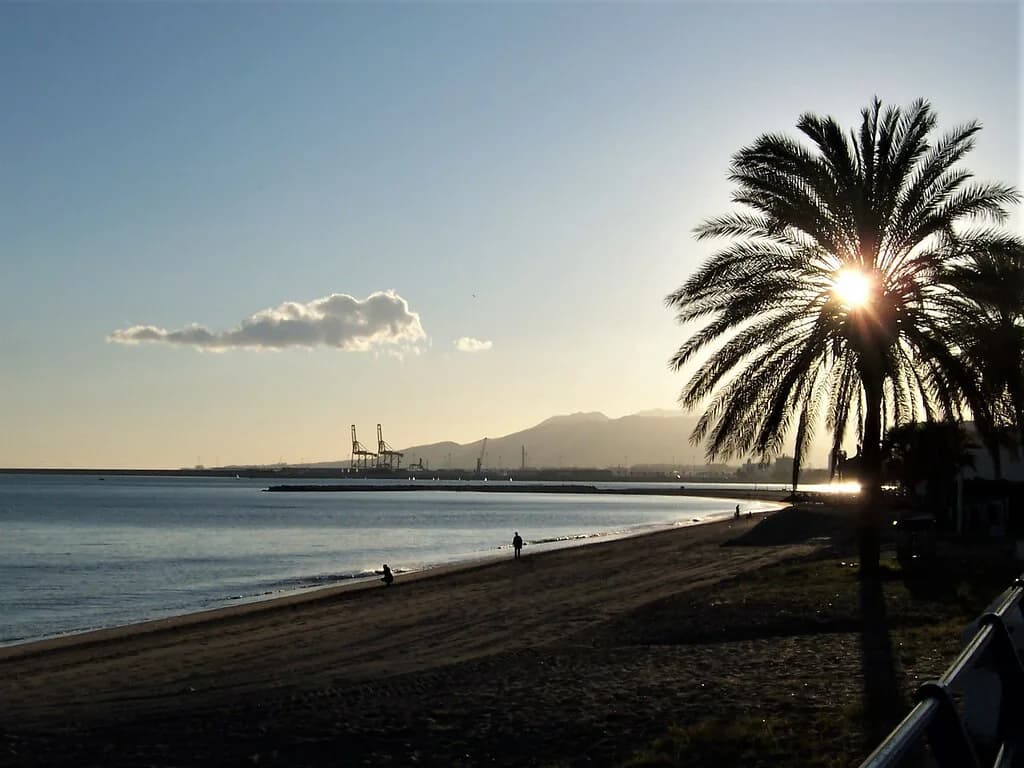
La Malagueta is the closest sand to Málaga's old town, a roughly one-kilometre beach reached on foot in about ten minutes along the sea promenade, which is lined with restaurants and beach bars. The sand is dark and the water generally clear enough for a city swim, though this is a working urban beach rather than a postcard cove. It gets busy with visitors who have simply walked out of the centre, so arrive earlier in the morning for space near the water.
Facilities are the draw here: toilets, showers, sunlounger and umbrella rental, a playground, an outdoor gym and equipment hire are all on or beside the beach, and lifeguards are on duty. Sunbeds and umbrellas are published at around seven euros per day, so a family of four should budget accordingly or bring their own shade. Free street parking is very hard to find; use a nearby paid garage or, better, walk from the centre.
El Palo: shallow water, palm shade and free street parking
El Palo, the old fishing quarter east of the centre, is the urban beach locals favour: fine sand, shallow water that deepens gently, and a long palm grove that throws genuine shade in the afternoon. The promenade is good for an early run or an evening walk, and the seafood restaurants behind the beach are among the better-value eating on this coast. It is the obvious choice for families with small children who want calm shallows without leaving the city.
Lifeguards are present in season, and toilets, showers, sunbed and umbrella rental, plus bicycle, kayak and paddleboard hire, sit close to the sand. Parking is the practical reason to pick El Palo over La Malagueta: free street parking along the beach makes a car day straightforward. The trade-off is that you are in a residential neighbourhood rather than the historic centre, so pair it with a morning in the old town and drive out afterwards.
Peñón del Cuervo: split bathing areas below a limestone rock
About twenty minutes' drive east of the city, Peñón del Cuervo takes its name from the huge limestone rock that divides the beach into two separate bathing areas. The mix of sand and pebbles, tall palms for shade and gentle water suits swimmers who want space rather than facilities. Picnic tables and barbecues make it the best near-city option for a long, self-catered day.
Amenities are deliberately thin: there are showers but no toilets, so plan around that if you are staying for hours. Lifeguards cover the beach in season, and a free car park with plenty of room sits close by, which keeps the day cheap. Walkers and cyclists can reach it on the well-kept coastal path from La Malagueta, a genuinely pleasant alternative to driving in summer traffic.
Heading east: Burriana and El Salón in Nerja
Burriana is Nerja's family beach: a long sweep of dark sand with a palm-lined promenade of shops and restaurants behind it, and free parking directly behind the beach. The water is clear and generally calm, which makes it workable for young swimmers and watersports alike. Add a playground, beach volleyball, sunbed rental and lifeguards in season, and it becomes the least stressful full beach day on this stretch for anyone with children.
El Salón is the opposite mood: a small former fishermen's cove reached by a flower-lined footpath, with dark sand and pebbles and exceptionally clear water that rewards snorkellers. It draws Spanish families and stays quieter than Burriana, with toilets, showers, sunbed rental and a refreshment kiosk, plus lifeguards in season. Boats still go out from the cove, which gives it more character than the bigger resort beaches.
Parking for El Salón is easiest at the large open dirt car park behind Nerja's old town, Carabeo, from which the cove is a short walk. Combining both beaches in one day is sensible: swim at Burriana in the morning, then walk into the old town and down to El Salón for the afternoon. Around mid-August the cove hosts a white-themed night party with live music, when it is lively rather than quiet.
Cantarriján: clothing-optional and naturist areas in a protected reserve
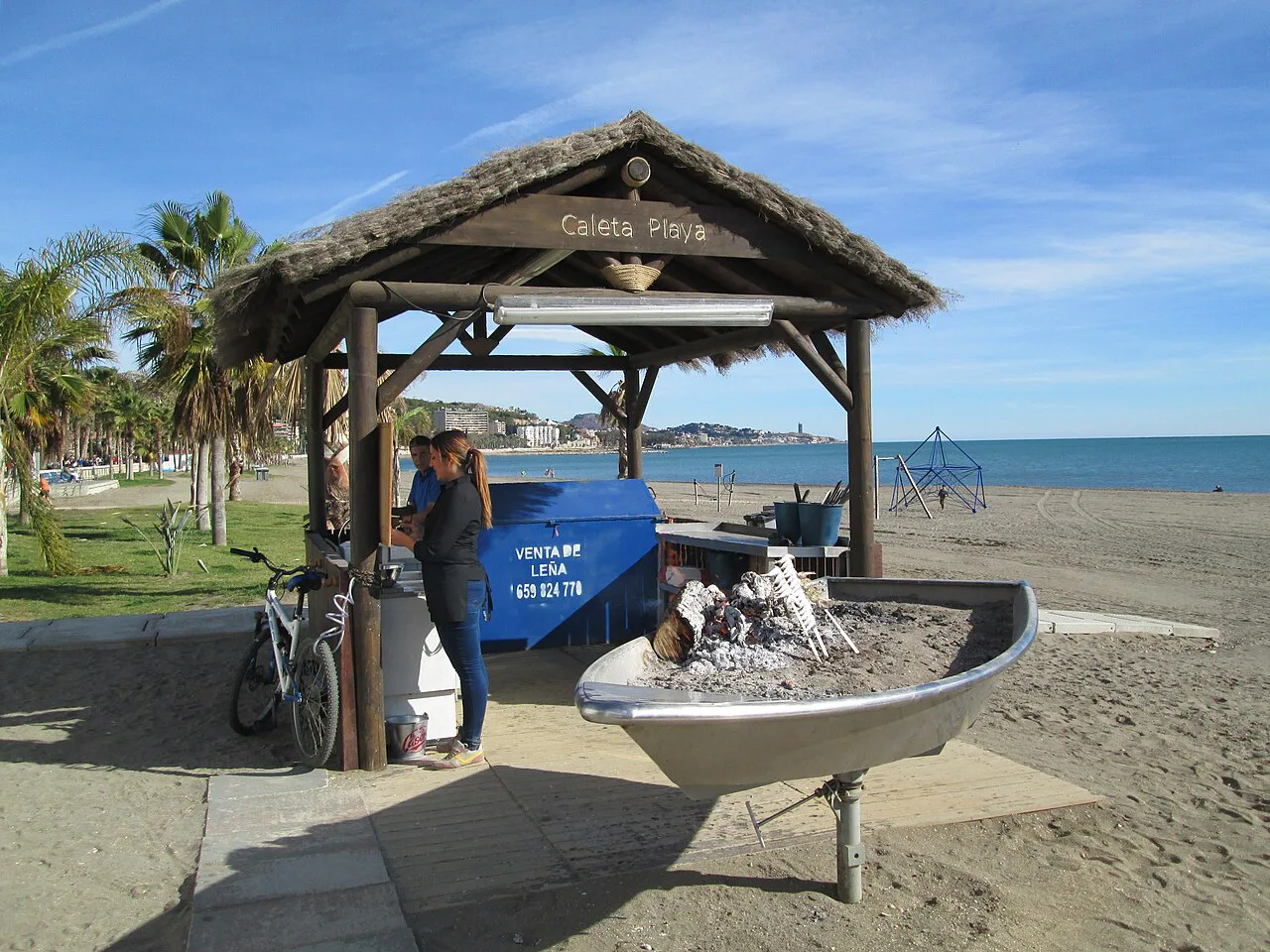
Cantarriján sits among the cliffs of the Maro-Cerro Gordo nature reserve, a sand-and-pebble beach long established with naturists and divers. The area in front of the two beach restaurants is clothing optional, while the section to the side is fully naturist; standard etiquette applies, so keep to the area you have chosen and bring your own cover-up for the walk back. The protected status keeps the water exceptionally clear and full of fish, making it one of the better snorkelling beaches near Málaga.
Facilities include toilets, showers, sunbeds, equipment rental and beach bars, with lifeguards in season. Road access is restricted during the summer, and visitors walk down or take the shuttle; check current arrangements with the local tourist office before setting out, as the details change with the season. Allow more time than the distance suggests, and carry water for the walk back up.
Puerto Banús near Marbella: broad sand and watersports
Puerto Banús beach is the resort day done properly: wide, fine sand beside the marina, a promenade of high-end shops and restaurants, and a full menu of watersports including kayaks, banana boats, parasailing and a large water slide. Lifeguards are on duty in season and the sand is cleaned daily, which makes it a low-effort choice for mixed groups where some want to shop and others want to swim.
Street parking near the beach exists but fills early, so aim to arrive before mid-morning or use a marina car park. It is a splurge day rather than a quiet one: expect crowds, higher prices and a polished, built-up shoreline. Travellers weighing up this coast against the city should know the beaches are broader and sandier here, while Málaga's own beaches win on convenience and food value.
Valdevaqueros at Tarifa: wind, dunes and board sports
Valdevaqueros is a four-kilometre stretch of fine golden sand on the Atlantic side of Tarifa, backed by shifting dunes and pine woods and protected as an undeveloped area. A steady westerly wind blows most of the year, which is why kitesurfers, windsurfers and surfers converge here; several schools operate on the beach, so beginners can book lessons rather than guess. Casual swimmers should head west towards Punta de la Peña, where the headland gives more shelter and privacy.
There are toilets, showers, food and equipment rental, with lifeguards on duty. Parking is a mix of free and paid spaces in summer; from September to April parking is free, and in the height of summer you need to arrive early for the free spots. This is Atlantic water, cooler and more energised than the Mediterranean beaches further east, so treat it as a wind-sports day rather than a gentle paddling one.
Facilities and lifeguards in season
Across the beaches described here, the pattern is consistent: urban beaches such as La Malagueta, El Palo, Burriana and El Salón carry toilets, showers, sunbed rental and seasonal lifeguards, while the wilder beaches have only what the source lists. Peñón del Cuervo has showers but no toilets; Cantarriján has toilets, showers and beach bars. Bring cash for rentals and a shade option for beaches where none is listed.
Water quality and clarity vary by location rather than by fame. The city beaches are clean but less clear than the reserve and Nerja coves, where rocky beds filter the water and snorkelling is worthwhile. Bring masks and reef-safe sunscreen for the eastern coves, and footwear for pebble sections at Peñón del Cuervo and El Salón.
When to swim: sea temperatures month by month
Published averages for Málaga put the sea at about 16°C from January to March, rising to 18.3°C in May, 22.8°C in July and 23.4°C in August, then easing to 21.7°C in September and 20.5°C in October. May to September is the practical swimming window; July and August are the warmest and busiest, with air temperatures averaging around 31°C, while May and September give pleasant water without the crowds.
Use these figures as long-term averages rather than a forecast for your week, and expect the Atlantic at Tarifa to feel cooler than the Mediterranean. October swimming is comfortable for many but not warm for everyone, so plan shorter dips and more time on the sand. On the busiest days, go early: parking at Peñón del Cuervo, Puerto Banús and Valdevaqueros all rewards an early arrival.
Getting around: coastal path, shuttle buses and parking
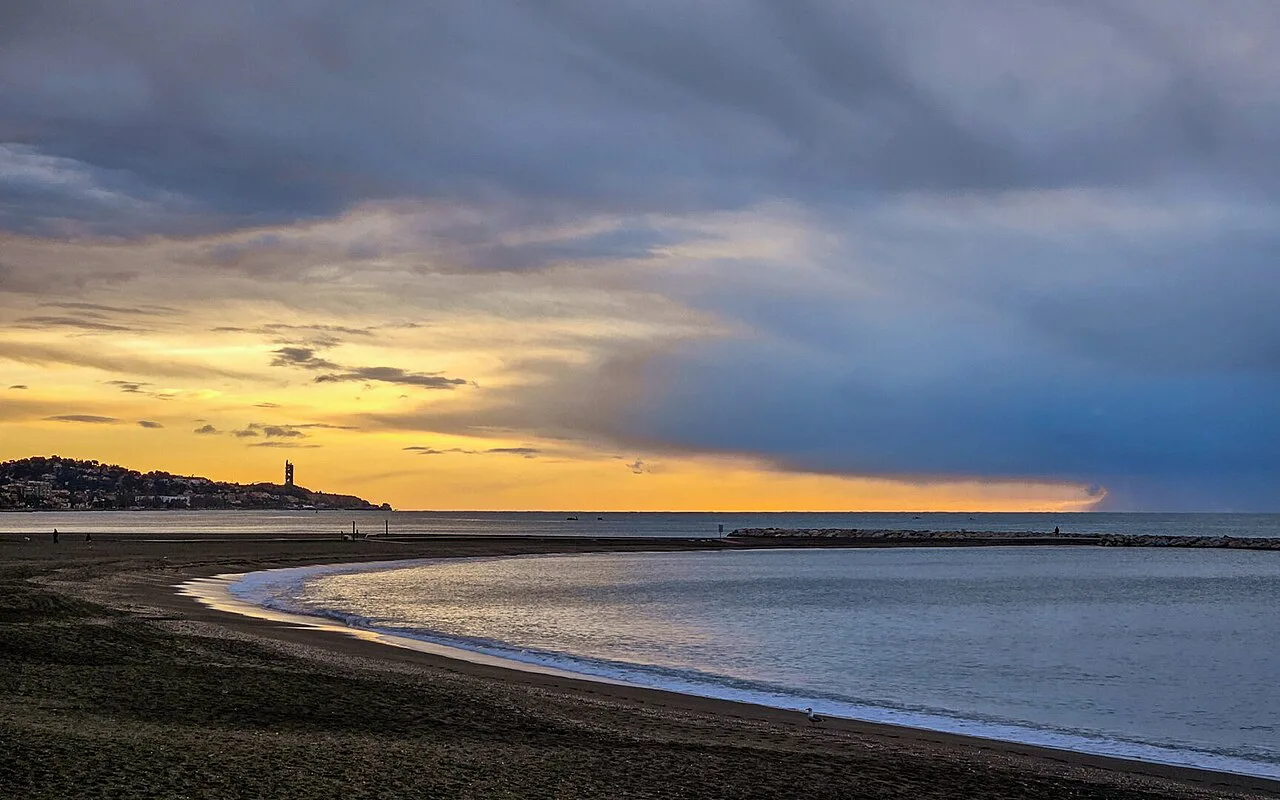
In the city, walking is the fastest way between La Malagueta, the port and the old town; for El Palo and Peñón del Cuervo, the coastal path links the beaches and makes a half-day walk or cycle feasible. For Nerja and the reserve beaches, a car gives the most flexibility, but parking near the coves is limited and summer access to Cantarriján is restricted, so plan on walking or a shuttle. The Costa del Sol's coastal towns west of Málaga are served by frequent trains and buses, which removes the parking problem entirely.
If your day includes Mónsul in Cabo de Gata, park in San José and take the shuttle bus, which is published at one euro fifty and runs every thirty minutes, rather than driving to the beach car park, which costs five euros and fills before noon in summer. A four-kilometre walking or cycling path also connects San José to the beach.
For the western resorts, compare Torremolinos beaches and Fuengirola beaches as bases if you want train access to Málaga alongside a sand holiday. Benalmádena Beaches add a marina and cable car to the mix for families. Whichever base you choose, keep one day free of driving and use the coastal train or a long promenade walk instead.
Pairing beaches: half-day combinations by base
From a city base, pair La Malagueta with the old town in the morning and take the coastal path east to Peñón del Cuervo for a late picnic; families can swap in El Palo for shade and shallows. From Nerja, swim at Burriana in the morning and walk to El Salón for the afternoon, finishing with seafood in the old town. From Marbella, use Puerto Banús for watersports and keep the morning free for the marina.
From Tarifa, give Valdevaqueros a full day if anyone is taking a lesson, and stay for the late-afternoon wind that board sports rely on. Combine it with the town's old quarter on a windy morning rather than trying to fit two Atlantic beaches into one day. If you are driving east from Málaga, Cantarriján makes a good stop before Nerja, provided you allow for the walk or shuttle and do not arrive late in the day.
Nearby beaches worth adding
West of Málaga, the resort strips around Torremolinos, Benalmádena and Fuengirola offer long, sandy beaches with promenades, lifeguards and easy train access, and tourism boards single out stretches such as Los Álamos and Los Boliches for their popularity. They won't give you a quiet cove, but they work well for a no-car day when you want a lounger and a menu within reach.
East and south, El Salón and Cantarriján cover cove swimming and snorkelling, while Mónsul in Cabo de Gata rewards a longer drive with volcanic rock, dunes and film-set scenery. For more of the region's organised beach information, the Málaga Beaches hub gathers town-by-town guides so you can compare promenades and water conditions before booking accommodation.
Plan Your Visit
Pick your beach by trip type: La Malagueta if you want sand without leaving the city, El Palo or Burriana if you have small children, Peñón del Cuervo for a cheap picnic day, Cantarriján and El Salón for clear water and snorkelling, and Valdevaqueros if anyone in the group wants a board under their feet. Book accommodation near the beach you will actually use, because coastal driving eats into beach time in summer.
Aim for May, June or September if you want warm water and breathing room, and treat July and August as early-start months for parking and shade. Carry cash for sunbeds and, on the reserve beaches, a plan for walking or a shuttle.
Frequently Asked Questions
Is Málaga good for a beach holiday?
Yes, provided you choose the right beach. La Malagueta and El Palo give you city sand within walking distance of the centre, with lifeguards, showers and sunbed rental in season. For clearer water and coves, drive east towards Nerja and the Maro-Cerro Gordo reserve, or base yourself in one of the western resort towns with train access.
Are beaches better in Málaga or Marbella?
They serve different holidays. Málaga's beaches are urban and convenient, with strong food value and easy access from the old town. The Marbella coast has broader, sandier beaches, marina facilities and more polished resort infrastructure, with Puerto Banús as the liveliest example. Choose Málaga for a city break with swimming, Marbella for a resort-focused stay.
What are the best beaches near Málaga for families?
El Palo has shallow water that deepens gently, palm shade and a playground, and Burriana in Nerja adds free parking behind the beach, watersports and a promenade of restaurants. La Malagueta works for a shorter city day thanks to its playground and full facilities. For a picnic-and-swim day, Peñón del Cuervo has calm divided bathing areas and a free car park.
Which beaches near Málaga are best for swimming?
Nerja's El Salón and the reserve beach at Cantarriján offer the clearest water and the best snorkelling, though both involve rocky sections and, at Cantarriján, a summer walk or shuttle. In the city, La Malagueta and El Palo are straightforward for a dip. Sea temperatures average around 23°C in August and about 21.7°C in September.
What are some hidden gems near Málaga?
Peñón del Cuervo, about twenty minutes east of the city, splits into two bathing areas beneath a limestone rock and has picnic tables and barbecues. El Salón in Nerja is a small former fishermen's cove reached by a flower-lined path. Cantarriján, in the protected reserve, combines cliff scenery with clear water and established naturist areas.
When is the best time to swim near Málaga?
May to September is the practical window. July and August are warmest and busiest, with average sea temperatures of about 22.8°C and 23.4°C and air temperatures around 31°C. May and September give pleasant conditions with fewer crowds, while October is cooler at around 20.5°C and suits shorter dips.
Do I need a car to reach the best beaches near Málaga?
Not for the city beaches: La Malagueta is a ten-minute walk from the old town and El Palo is reachable along the coast. A car helps for Nerja, the reserve coves and the Atlantic beaches at Tarifa, though summer access at Cantarriján is restricted and requires walking or a shuttle. Western resort towns are well served by coastal trains and buses.
How much does parking cost at the beaches?
Parking varies by beach. El Palo offers free street parking, Peñón del Cuervo has a free car park, and Burriana has free parking behind the beach, while La Malagueta has very limited free street parking and is best reached on foot or via a paid garage. At Mónsul in Cabo de Gata the beach car park is published at five euros, with a shuttle from San José at one euro fifty.
Sources
Beach notes for your next trip
Optional updates when we add or revise beach guides.
You might also like
Continue reading
More guides you'll find useful