El Palo Beach, Málaga: Getting There, the Sand and the Water
El Palo beach is Málaga's eastern seafront, a fishing-district stretch of chiringuitos and promenade walks. Here is what to expect and how to plan a day.
On this page
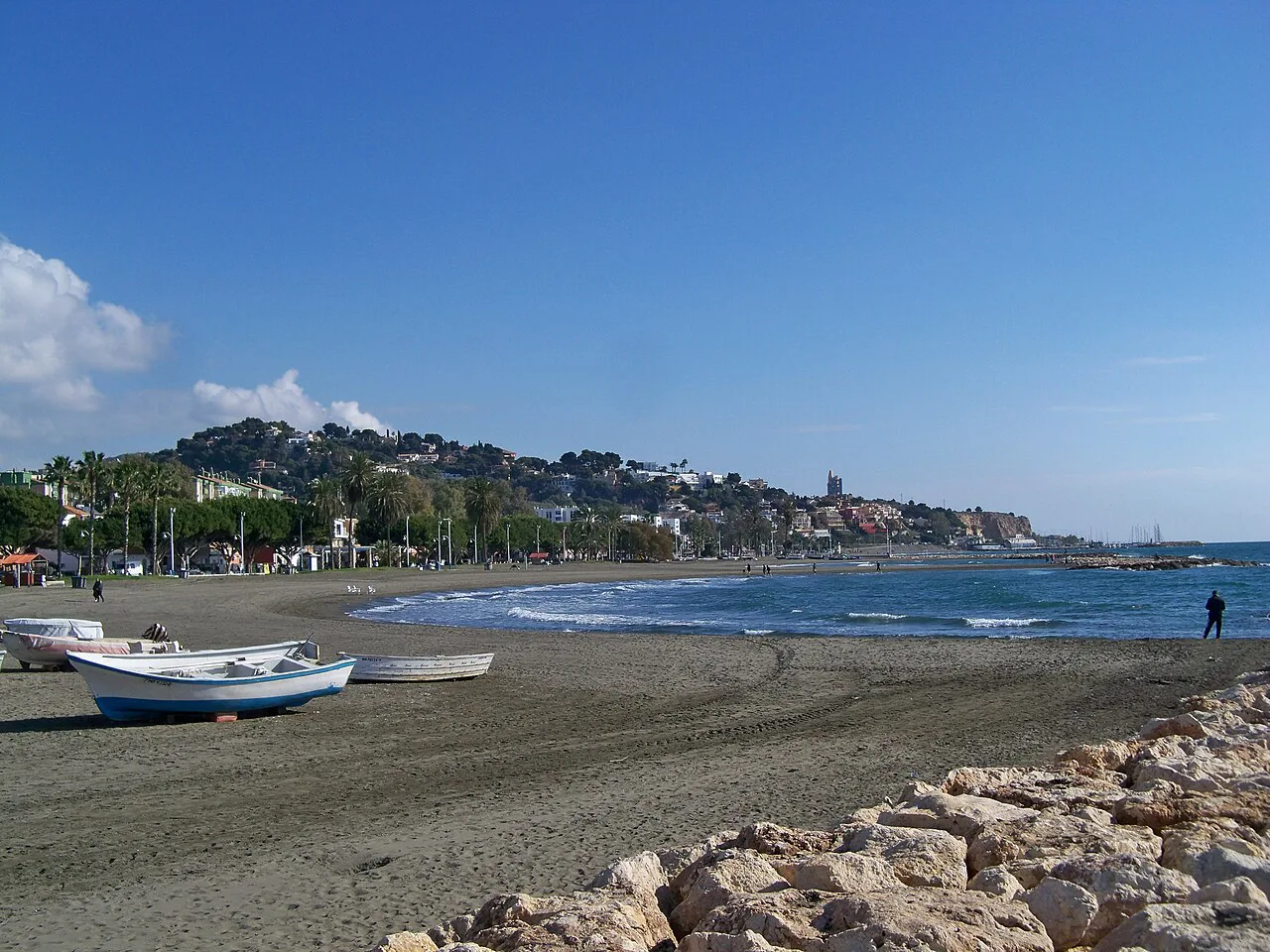
El Palo is the beach district that gives Málaga city a working-neighbourhood seaside feel, with fishing boats, seafood bistros and traditional chiringuitos set among colourful low-rise streets. The draw is as much lunch, a promenade stroll and time on the water as the sand itself, which makes it a strong choice for a half-day or full-day trip from the centre.
It suits food-led beach days, couples and groups who want city life at their back, and paddlers or kayakers heading offshore from the linked Playas del Palo.
Where El Palo Sits
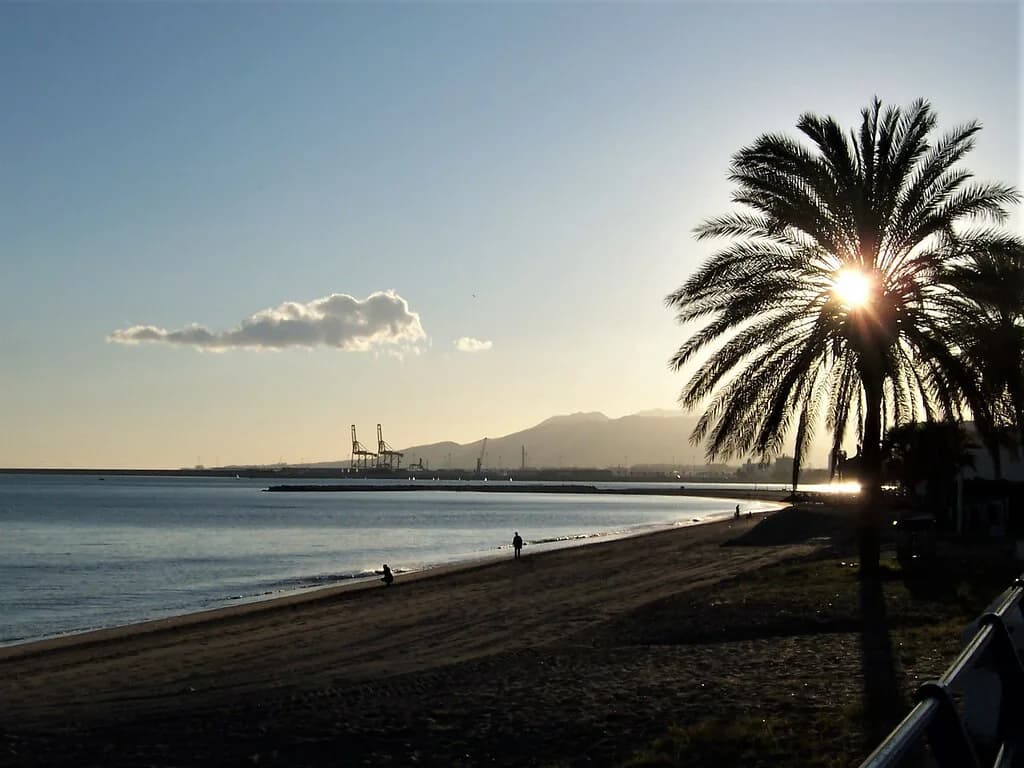
El Palo is a beachfront residential neighbourhood on the east side of Málaga, set along the Mediterranean and linked to the rest of the city by a coastal promenade. Rather than a single enclosed cove, the Playas del Palo form a connected run of urban beaches that you can walk between.
This is an urban beach with easy city access, so expect the trade-off that comes with it: buses, traffic, promenade footfall and a busy restaurant strip rather than a secluded cove. If you want quieter sand, plan to walk further along the eastern seafront towards Pedregalejo; if you want maximum convenience, El Palo puts lunch, a swim and a city bus within a few minutes of each other.
Getting There
The simplest approach from central Málaga is by city bus: services run east along the coast to El Palo, but line numbers, stops, fares and journey times change, so confirm the current route and timetable with the bus operator before you set out. Allow extra time in July and August, when coastal buses fill up and traffic on the eastern approach slows.
Alternatively, walk or cycle the seafront promenade from the city beaches towards El Palo; the promenade is popular for biking and sunset walks, and it connects the neighbourhood with the rest of the eastern waterfront. This is the better option if you want to combine two beaches in one outing without repacking for a bus.
By car, the eastern seafront is straightforward to reach but parking near Calle Banda del Mar and Paseo Marítimo el Pedregal is tight in summer, so arriving before midday gives you a better chance of a space. The municipal tourist office can tell you about current parking charges, which are worth checking rather than relying on older figures.
The Sand and the Water
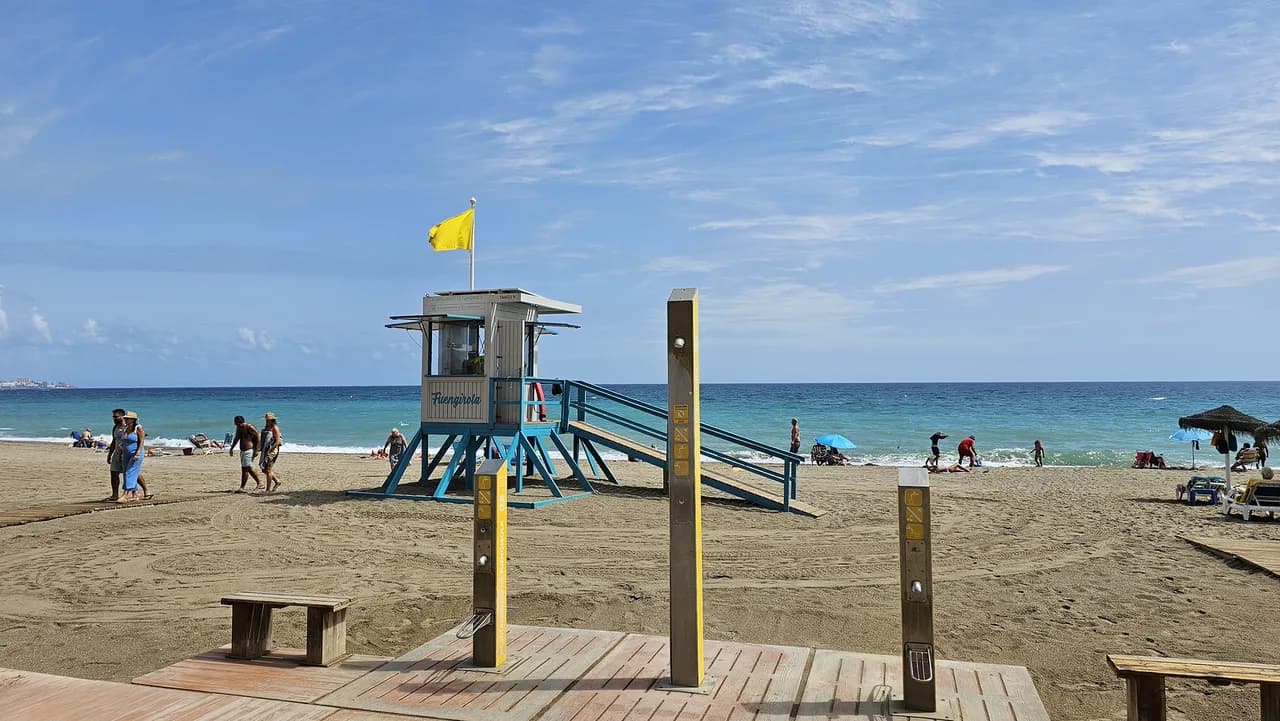
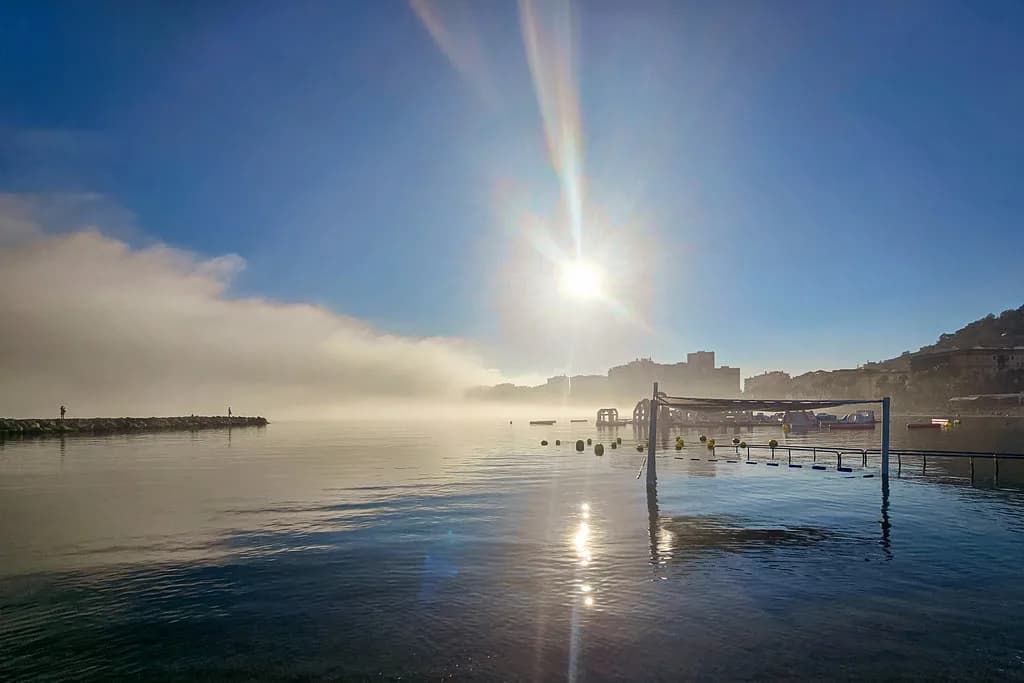
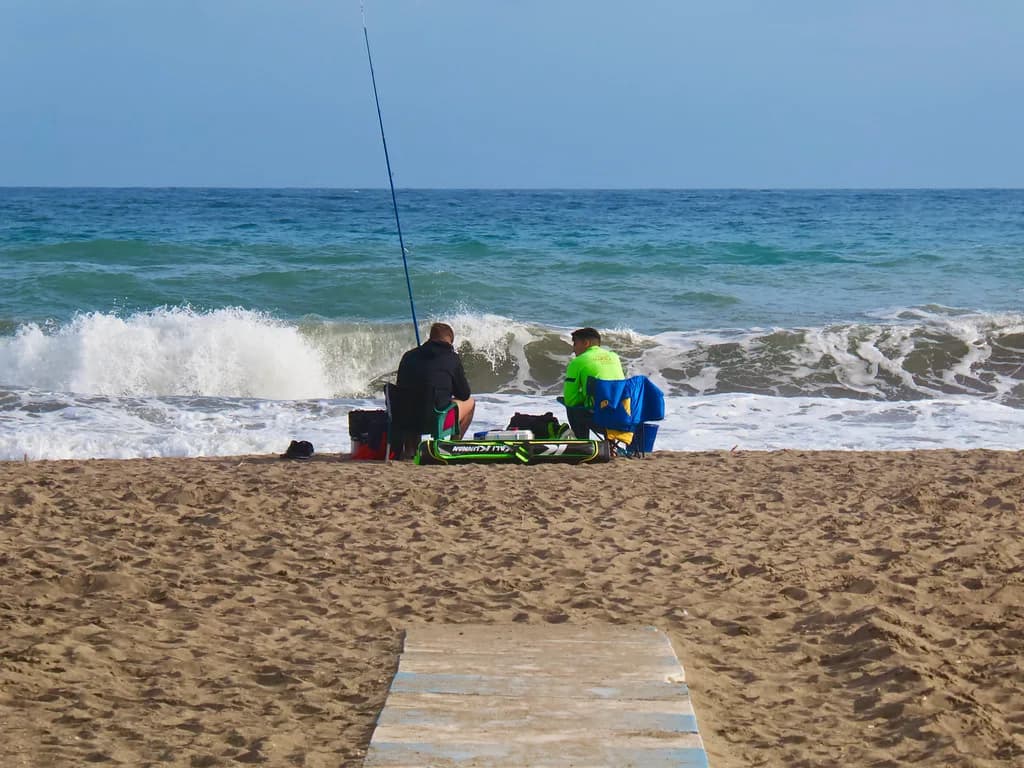
The Playas del Palo are urban Mediterranean beaches, and the water offshore is popular with kayakers and paddleboarders working from the shoreline. Water conditions vary with wind and swell, so read the flags and any notices at the beach rather than assuming a calm sea.
Shelter depends on the wind direction: the seafront faces open water, so an onshore breeze brings chop and a cooler feel, while the promenade buildings and chiringuitos give shade and a windbreak behind the sand. If the sea looks rough, stay on the promenade and enjoy the walk rather than swimming.
Facilities
El Palo's main asset is its eating: a string of seafood bistros and traditional chiringuitos along Calle Banda del Mar and Paseo Marítimo el Pedregal, including Chiringuito New Varadero on Calle Banda del Mar and Los Cuñaos on Paseo Marítimo el Pedregal. Book ahead for lunch in high season, and carry cash as a backup in case a card reader is unavailable.
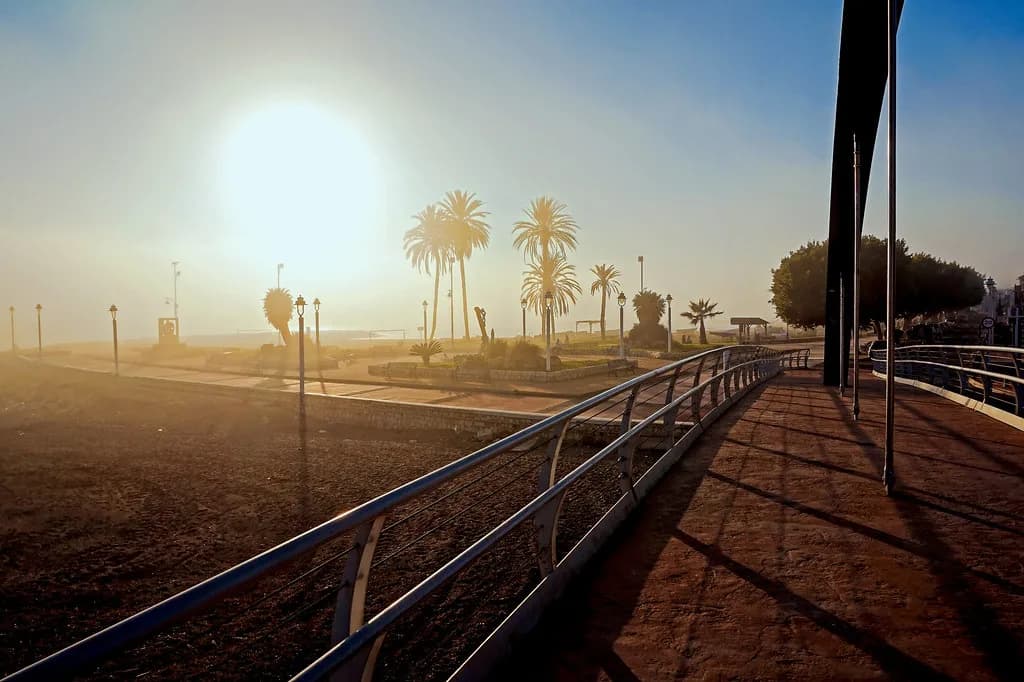
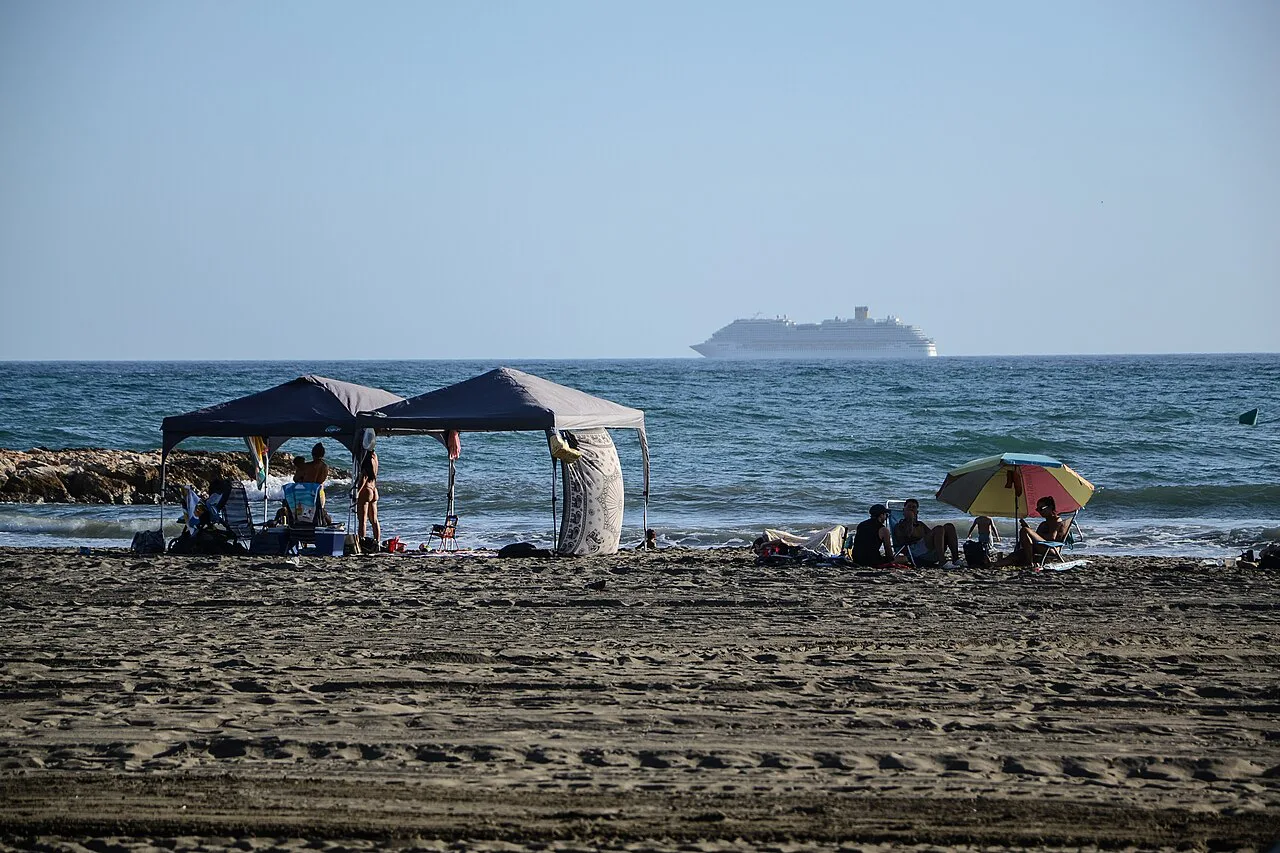
The seafront promenade is the other facility worth planning around: it is used for biking and sunset walks, and it links the beaches so you can move between them without returning to the road. Bring your own shade — a parasol or beach tent — if you plan to stay on the sand through the middle of the day.
Who It Suits
El Palo works best for city-based swimmers, food-led beach days and groups who want a lively promenade rather than a remote cove. Paddlers and kayakers have offshore access from the linked beaches, and the restaurant strip gives non-swimmers plenty to do.
Families with small children should treat it as an urban beach day: keep children within sight near the busy promenade, bring shade and water, and choose a spot with a clear view of the shoreline. Swimmers wanting a quieter, more enclosed setting may prefer Playa de la Misericordia, the city beach west of the centre, where the bay gives a more sheltered feel.
Crowds and Timing
The beach and the chiringuito strip are busiest at lunchtime and through the long summer evenings, when locals and visitors fill the promenade. Mornings are calmer on the sand, and late afternoon brings the sunset walkers out along the seafront.
If you come for lunch, book a table and plan your swim around it; if you come for quiet, arrive early and walk east along the promenade towards Pedregalejo as the day fills up.
Best Time to Go
The Costa del Sol swim season runs from late spring into early autumn, with July and August the hottest and busiest months. June and September give warm sea and a calmer promenade, while May and October suit walkers more than swimmers.
Sea temperatures vary year to year, and there is no reliable published figure for El Palo specifically; check a current marine forecast before planning a long swim. For the wider picture of city beaches, see the Malaga beaches guide.
Nearby Beaches to Combine
Pedregalejo beach sits immediately west along the promenade and makes the natural second stop: walk between the two, swim at one and eat at the other. Malagueta beach, closer to the port and city centre, is another easy link if you are basing yourself in the old town. If you would rather base yourself east along the coast, Nerja beaches offer a comparable mix of town sand and chiringuitos as a separate day out.
For a change of scene, Benalmádena Beaches lie further west along the coast and suit a separate day out rather than a combined walk from El Palo.
Practical Notes
Bring shade, water and cash for chiringuitos, and wear shoes that cope with hot sand and the promenade walk. Check the bus operator's website for current times before you travel, and confirm parking charges with the municipal tourist office if you drive.
Plan Your Visit
El Palo gives you a city beach with a fishing-district character: come for a swim, stay for lunch, and walk the promenade towards Pedregalejo when the sand gets busy. It is the eastern seafront at its most sociable, and it pairs well with the rest of the city's beaches.
Frequently Asked Questions
Does Málaga city have a beach?
Yes. Málaga has a run of city beaches along its seafront, including El Palo and the linked Playas del Palo on the eastern side, plus Malagueta and Playa de la Misericordia closer to the centre.
How do you get to El Palo beach from Málaga city centre?
City buses run east along the coast to El Palo, and the seafront promenade also connects the neighbourhood on foot or by bike. Confirm the current route, timetable and fare with the bus operator before you travel.
Is El Palo beach good for families with small children?
It works as an urban beach day: keep children within sight near the busy promenade, bring shade and water, and choose a spot with a clear view of the shoreline. Families wanting a more enclosed bay may prefer Playa de la Misericordia.
What is there to eat near El Palo beach?
The strip along Calle Banda del Mar and Paseo Marítimo el Pedregal has seafood bistros and traditional chiringuitos, including Chiringuito New Varadero and Los Cuñaos. Book ahead in high season.
Which nearby beach should you combine with El Palo?
Pedregalejo beach is the natural pairing, reached by walking west along the promenade. Malagueta beach is another easy link if you are based in the old town.
When is the best time to swim at El Palo beach?
The Costa del Sol swim season runs from late spring into early autumn, with July and August the hottest and busiest. June and September give warm sea and a calmer promenade.
Sources
Beach notes for your next trip
Optional updates when we add or revise beach guides.
You might also like
Continue reading
More guides you'll find useful