Pedregalejo Beach, Málaga: A Practical Beach-Day Guide
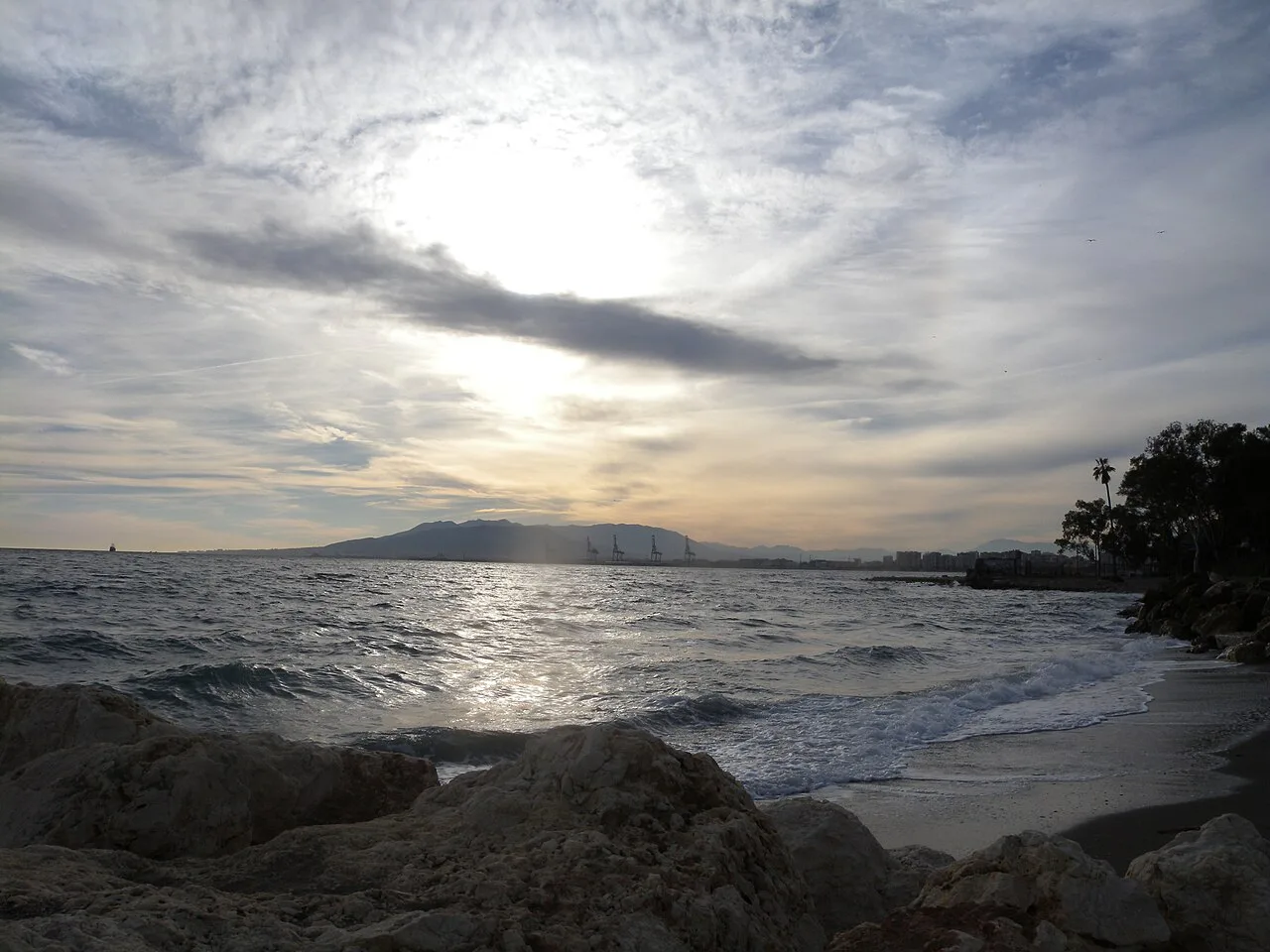
Pedregalejo beach is a 1.2-kilometre curve of dark sand east of Málaga centre, with city buses, a palm-lined promenade and sardine chiringuitos behind it.
On this page
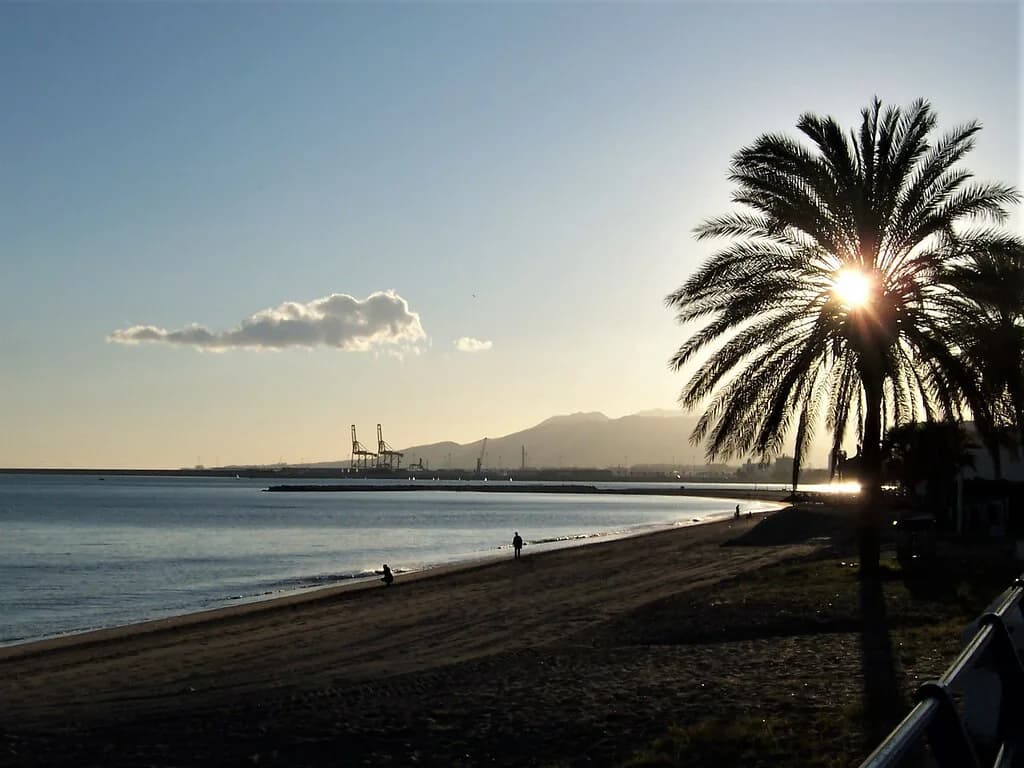
Pedregalejo earns its place on a Málaga beach day because it pairs a proper swim with the best eating on the city coast. The sand runs in a 1.2-kilometre curve below a palm-lined promenade, and the chiringuito row behind it grills sardines over open fires. It suits families, swimmers and anyone who wants lunch to be part of the afternoon rather than an afterthought.
Where the beach sits
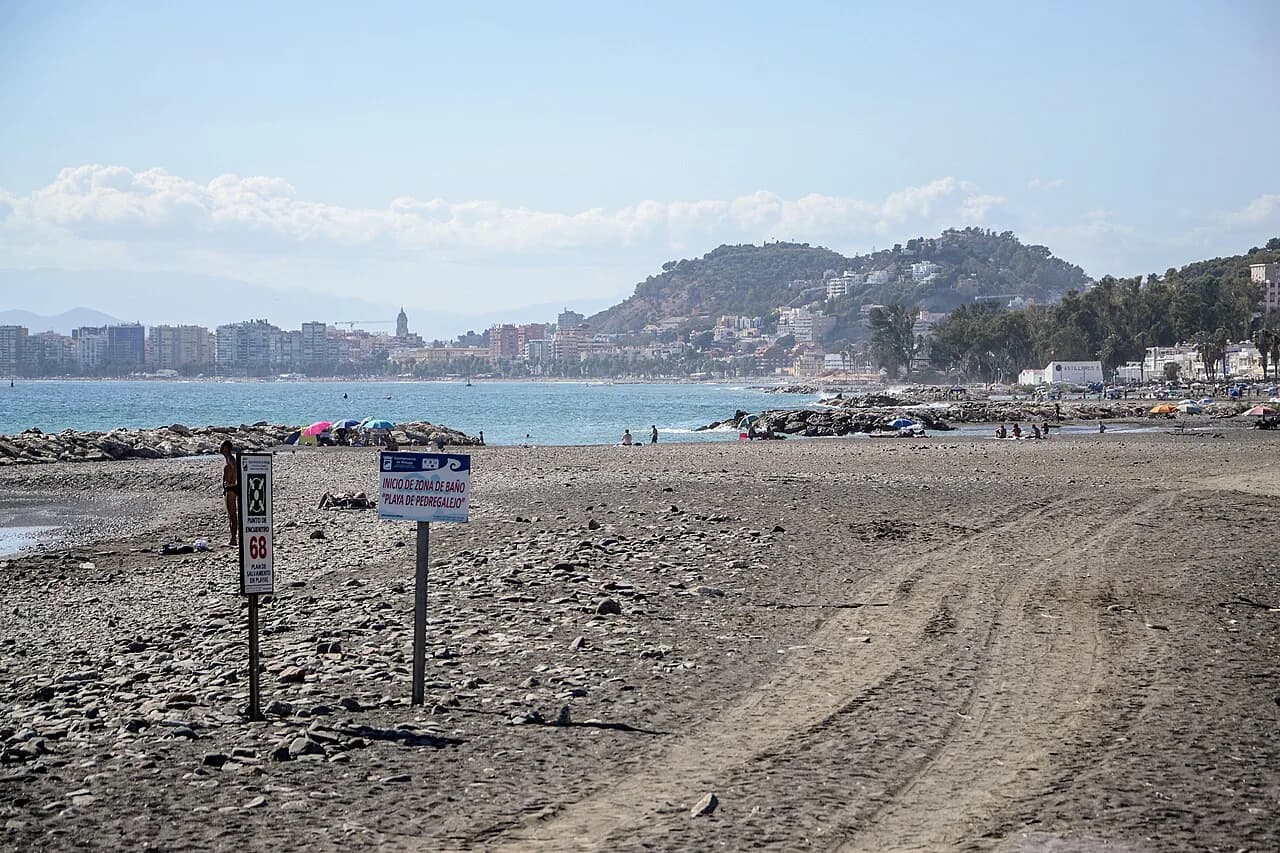
Pedregalejo is a fishing neighbourhood on the east side of Málaga, roughly ten minutes by car from the city centre. The beach itself lies between Baños del Carmen and El Palo beach, a strip with an average width of about 20 metres and dark sand. That modest width matters: at high water the usable dry sand narrows, so late arrivals spread out along the promenade edge rather than the shoreline.
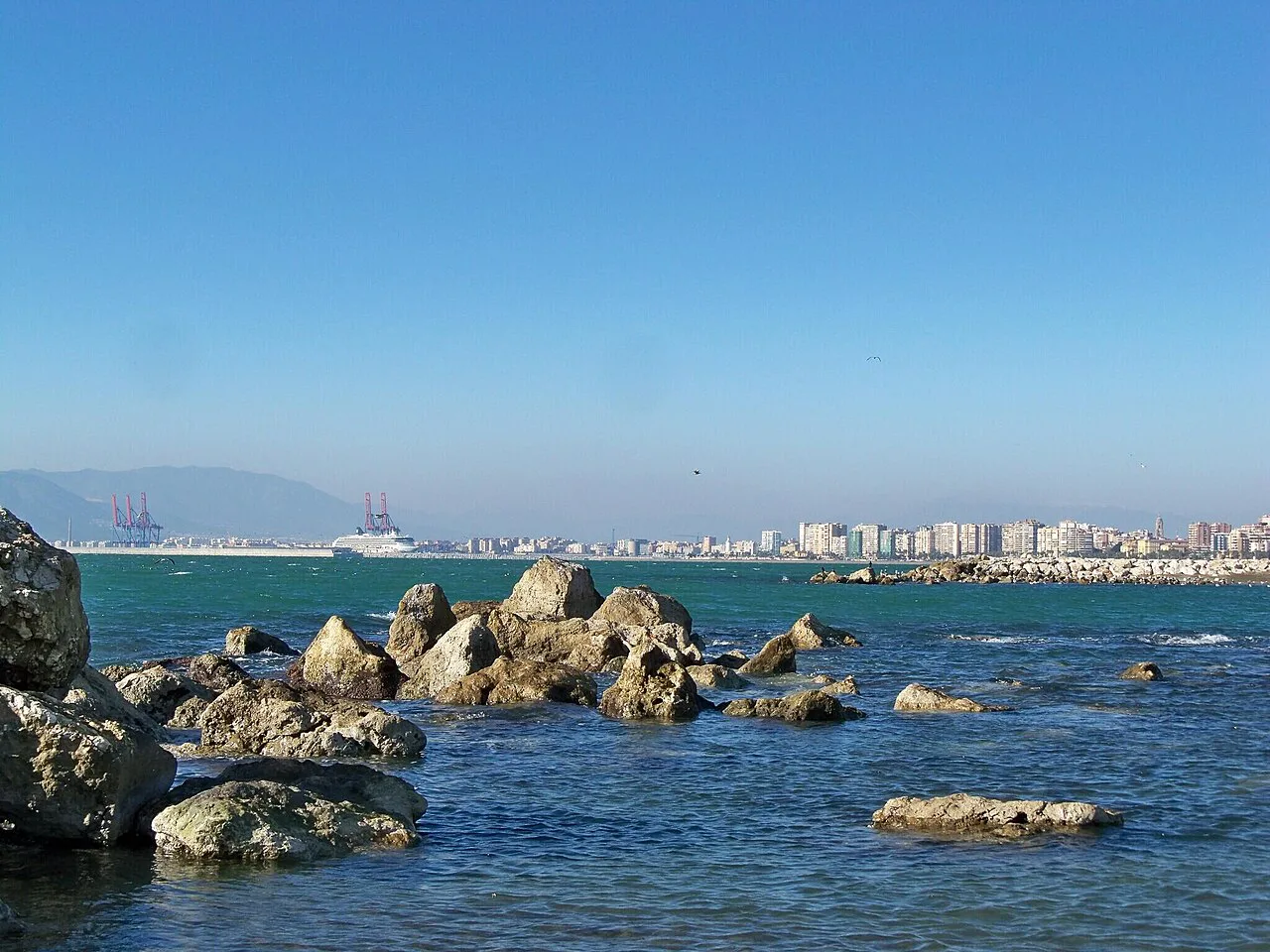
The frontage is often described as 1.2 kilometres long, and it is not one uniform sweep. Small coves interrupt the beach, which is why the neighbourhood feels like a run of separate bays rather than a resort strip. Pick your stretch by what sits behind it: the busiest chiringuito cluster, the quieter eastern end towards El Palo, or the western approach near Baños del Carmen.
Getting there
From Málaga city centre, buses 3, 8 and 11 run to Pedregalejo and take about 20 minutes; they are the simplest option if you are staying in the city and do not want to drive. By car the trip is around ten minutes, though parking near the promenade fills quickly in summer, so arriving before mid-morning gives you more choice.
Walking the coast from the centre takes about an hour, and cycling the promenade is a pleasant alternative if you have hired a bike. The ride is largely flat along the seafront, which makes it workable for older children. If you are weighing up where to base yourself for several beach days, the wider guide to Malaga beaches covers how Pedregalejo compares with the city's other sands.
The sand and the water
The sand is dark and the water clear, and the small coves break up the swimming so you can settle into a bay rather than a long open shoreline. The beach is around 20 metres wide on average, so there is room to lay a towel but not the broad, dune-backed expanse of a resort beach. Sea conditions change with the weather and the season, so read the flags on the day rather than taking the water for granted.
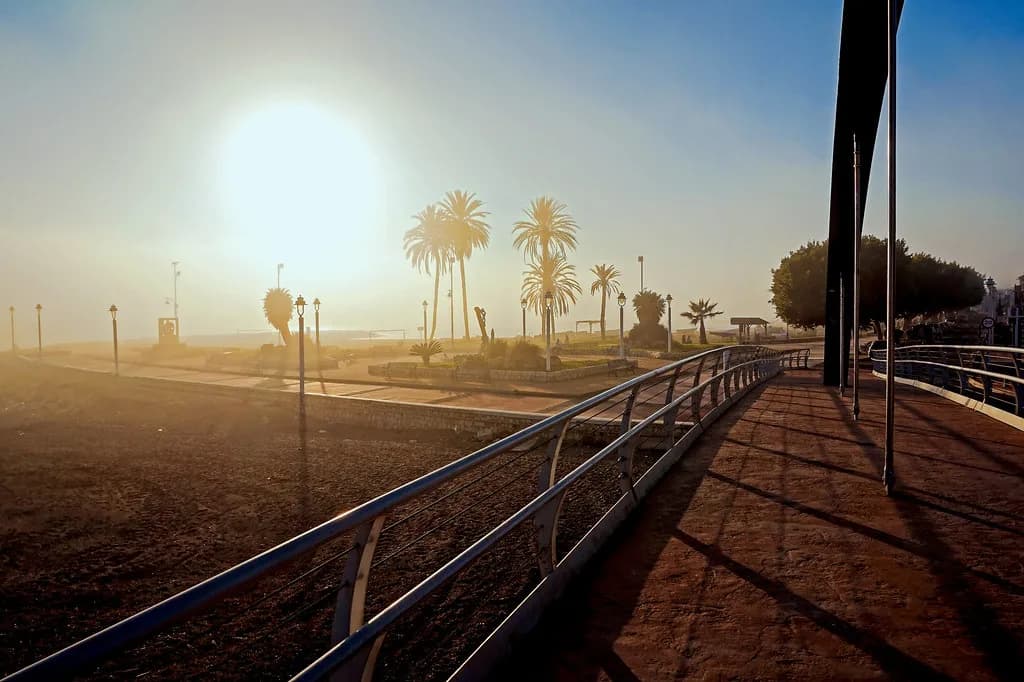
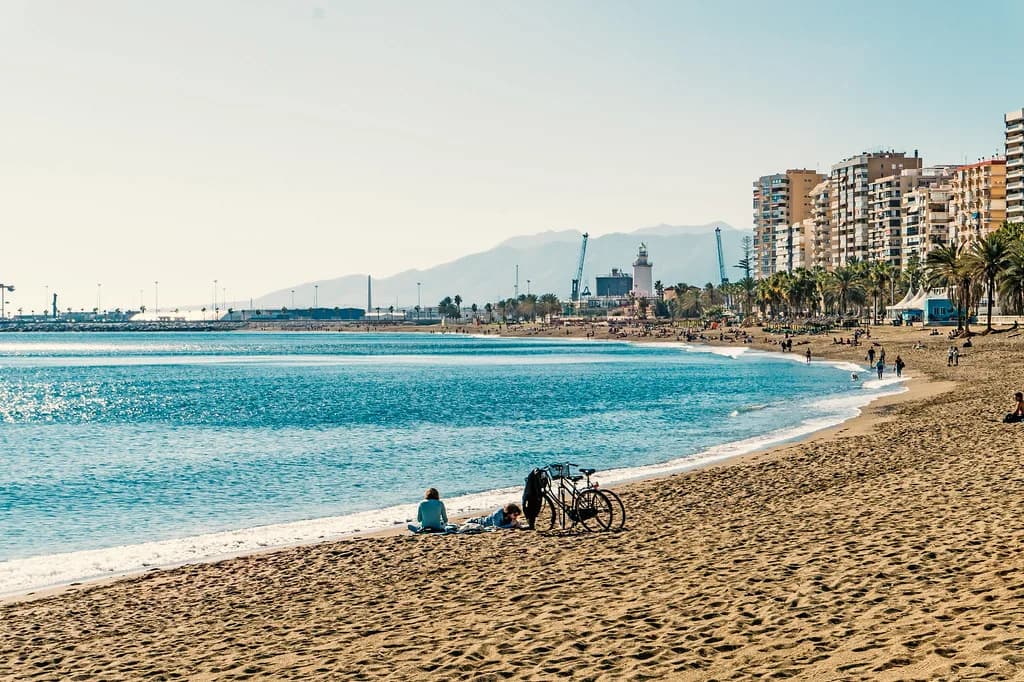
The coves are the reason to walk the length before settling: some bays shelve more gradually and suit paddling children, while others drop away faster for swimmers who want depth close to shore. Behind the sand runs the palm-lined seaside promenade, which gives you shade, a dry route between coves and a place to walk at sunset. In summer, arrive earlier in the day if you want space at the water's edge.
Facilities
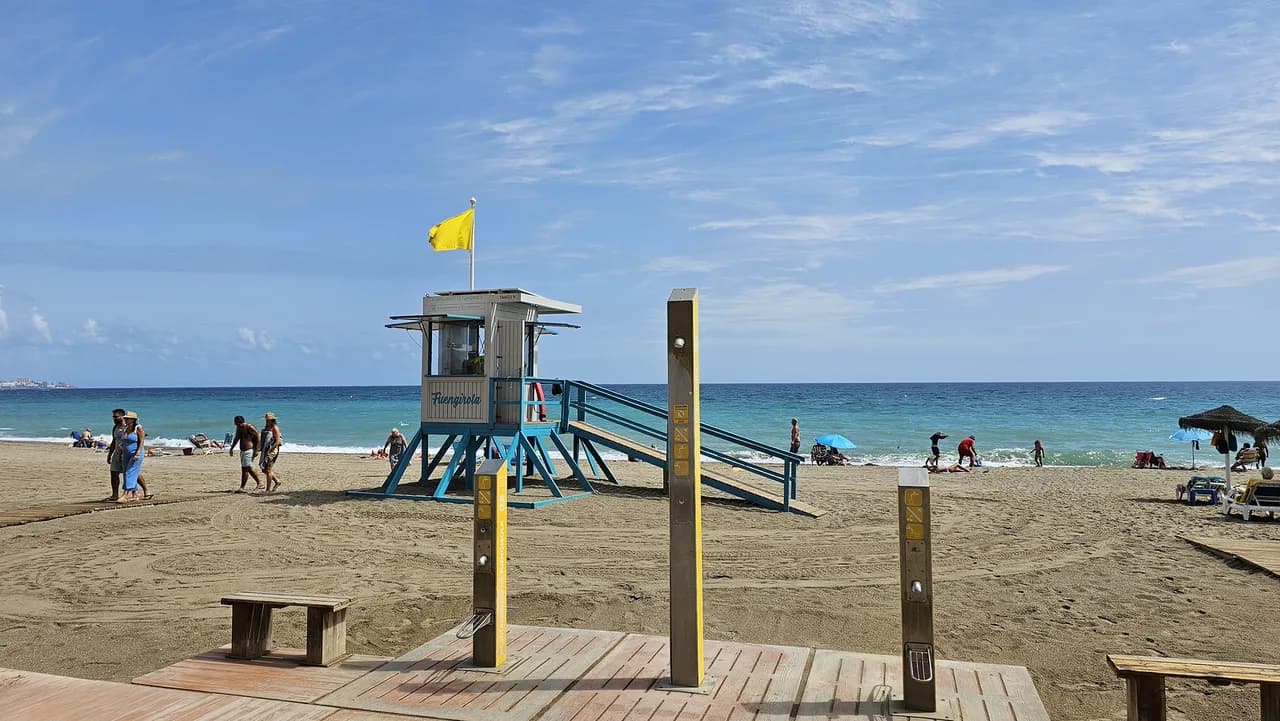
Pedregalejo is well set up for a full day: cafes and restaurants line the promenade, and the beach has showers, public toilets and access for disabled visitors. Lifeguard cover is listed among the facilities, which supports families planning a long stay. Combine that with the promenade behind the sand and you have a beach where a whole afternoon works without moving the car.
Pedregalejo Beach received a Q Quality Seal in 2018, a Spanish tourism-quality distinction rather than a Blue Flag award, so read any signage on the promenade for what it covers. Sunbed and umbrella rental along the beach is best arranged on arrival through the chiringuitos or beach operators serving each stretch.
Where to eat
The chiringuito row is the heart of a Pedregalejo day: restaurants stand one after another along the promenade, and the signature dish is espetos, sardines skewered and grilled over a fire built in a small boat. Chiringuito Los Cuñao on Paseo Marítimo el Pedregal is known for traditional fish including sardines, with fried aubergines drizzled with cane honey alongside. If sardines are not for you, pescaito frito and tomato salad appear across the strip.
For something non-fish, Mafalda serves camperos, large sandwiches on soft round bread typically filled with ham, cheese, lettuce, tomato and mayonnaise. Restaurante Pez Tomillo at the western end of the promenade takes a more varied approach, with dishes running from spring rolls to risotto and prawns. Book or arrive early for a seafront table on summer evenings, when the promenade fills with families heading out to dinner.
Crowds and best time to go
Pedregalejo gets busy in summer, but it draws fewer travellers than Málaga's better-known city beaches, so it stays a neighbourhood beach rather than a tourist crush. The promenade is at its best towards sunset, when the light softens over the water and street singers and families on their way to dinner give it a lively, local feel. For a quieter swim, aim for weekday mornings in high season.
The sea is warmest from late spring through early autumn, which is also when the chiringuitos are at full pitch and the beach is at its busiest. Spring and autumn give you swimmable water with far more room on the sand, and the promenade walk stays pleasant. Whatever the month, check the day's flags and any posted notices before swimming, as conditions vary along the coast.
If you want a broad city beach for a long lazy session, Playa de la Misericordia on the western seafront offers more sand and a different atmosphere; the two work well as a pair across a stay. Pedregalejo's advantage is the fishing-neighbourhood setting and the eating, so treat it as the day you combine a swim with a long lunch.
Nearby beaches
Baños del Carmen sits immediately next to Pedregalejo, a restaurant and terrace with striking coastal views where a drink at sunset is the draw. East of Pedregalejo, El Palo continues the chiringuito tradition, so you can walk the promenade between the two and pick whichever bay looks best on the day. For a change of scene, Malagueta beach near the city centre is the obvious contrast, closer to the port and the old town, and if you want to compare this stretch of coast with the coves around Málaga, the guide to Nerja beaches makes a useful next stop.
Beyond the sand
The neighbourhood has more than beach: Astilleros Nereo is a museum devoted to wooden fishing-boat construction, from traditional boats to kayaks, and its guided visits also touch on local gastronomy and music. Visits must be booked in advance, so plan around a date rather than turning up. It is an easy way to fill a cloudy morning while keeping the afternoon free for the sand.
For a beachfront base, Hotel La Chancla sits in the middle of Pedregalejo directly on the seafront, with most rooms facing the sea and a rooftop jacuzzi. Staying here puts the chiringuito row and the promenade on your doorstep, which suits anyone who wants to swim before breakfast and eat dinner a minute from the room. Farther along the coast at Torremolinos, La Carihuela beach offers a contrasting stay with a wider resort beach in walking distance.
Plan Your Day at Pedregalejo
Pedregalejo works best as a slow day: take bus 3, 8 or 11 from the city, walk the coves before choosing a spot, swim in the morning and settle in for espetos on the promenade at lunch. From the city centre it is about a 20-minute bus ride or a one-hour coastal walk, which makes it an easy alternative to the central beaches. For the full picture of beaches around the city, start with the Málaga beaches guide.
Frequently Asked Questions
Is Pedregalejo beach worth visiting?
Yes, if you want a city beach with a fishing-neighbourhood character rather than a resort strip. The sand curves in small coves below a palm-lined promenade lined with chiringuitos, and the grilled sardines are a reason to come on their own. It suits families, swimmers and anyone who wants a long lunch by the water.
How do you get to Pedregalejo beach from Málaga city centre?
Buses 3, 8 and 11 run from the city centre to Pedregalejo and take around 20 minutes. By car the trip is roughly ten minutes, while walking the coast takes about an hour; cycling the flat promenade is another option.
How long is Pedregalejo beach?
The beach runs for about 1.2 kilometres, with an average width of roughly 20 metres. Small coves break up the frontage, so it feels like a series of bays rather than one long stretch of sand. Walk the promenade first to choose the stretch that suits you.
Is Pedregalejo beach good for families?
Pedregalejo has showers, public toilets, access for disabled visitors and published lifeguard cover, which helps families plan a full day. The varied coves let you choose a gentler bay for paddling children. Read the flags on the day before swimming.
What is there to eat near Pedregalejo beach?
The promenade is lined with chiringuitos serving espetos grilled over fires built in boats, plus fried fish and salads. Mafalda serves camperos, large soft-bread sandwiches, and Restaurante Pez Tomillo offers more varied cooking with sea views. Arrive early or book for summer evening tables.
Which beaches are near Pedregalejo?
Baños del Carmen sits next door with a restaurant terrace and coastal views, and El Palo continues east with its own chiringuitos. Further round the coast, Malagueta beach near the city centre and Playa de la Misericordia on the western seafront give you different days out.
Sources
Beach notes for your next trip
Optional updates when we add or revise beach guides.
You might also like
Continue reading
More guides you'll find useful