Malagueta Beach Guide: Málaga's City Centre Beach
Plan a day at La Malagueta, Málaga's 1.2-kilometre city beach with dark sand, a palm-lined promenade and sunbeds, an easy walk from the old town.
On this page
La Malagueta is the one Málaga beach you can reach on foot from the cathedral without planning a bus, a taxi or a car park. That convenience is the whole appeal: 1,200 metres of dark sand and moderate swells sitting between the Port of Málaga and La Caleta, ten minutes' stroll from the old town. It suits city-break travellers squeezing in a swim before lunch, families who want toilets and a playground close by, and anyone who would rather end the day at a chiringuito table than drive back from a cove.
Where La Malagueta sits
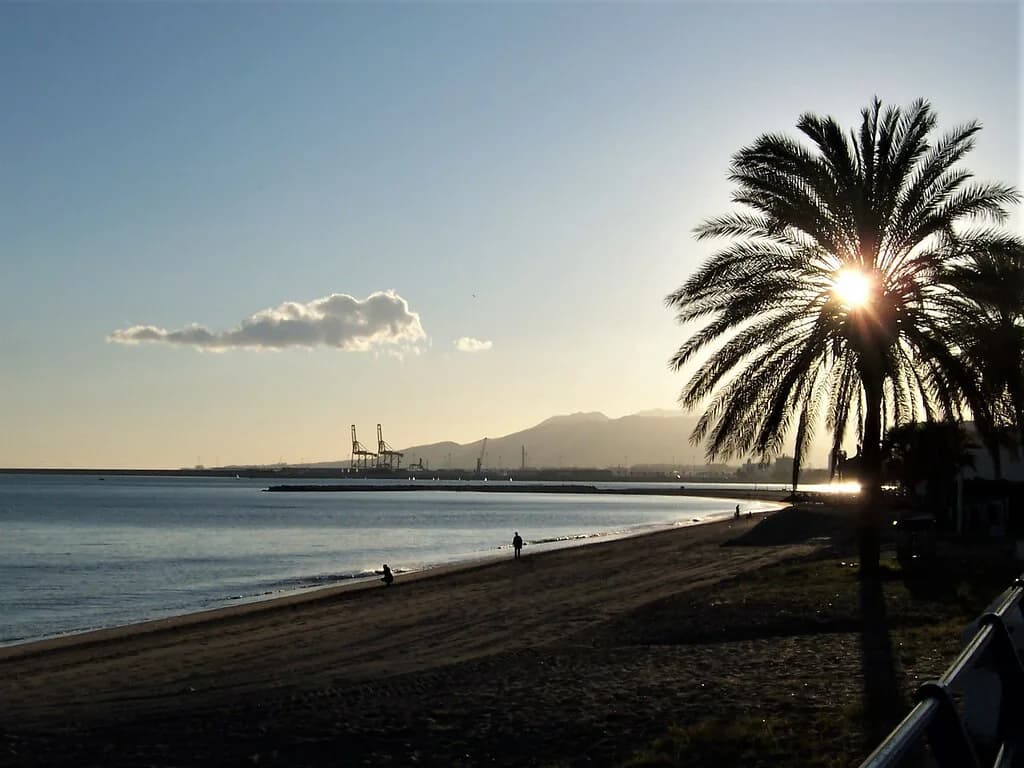
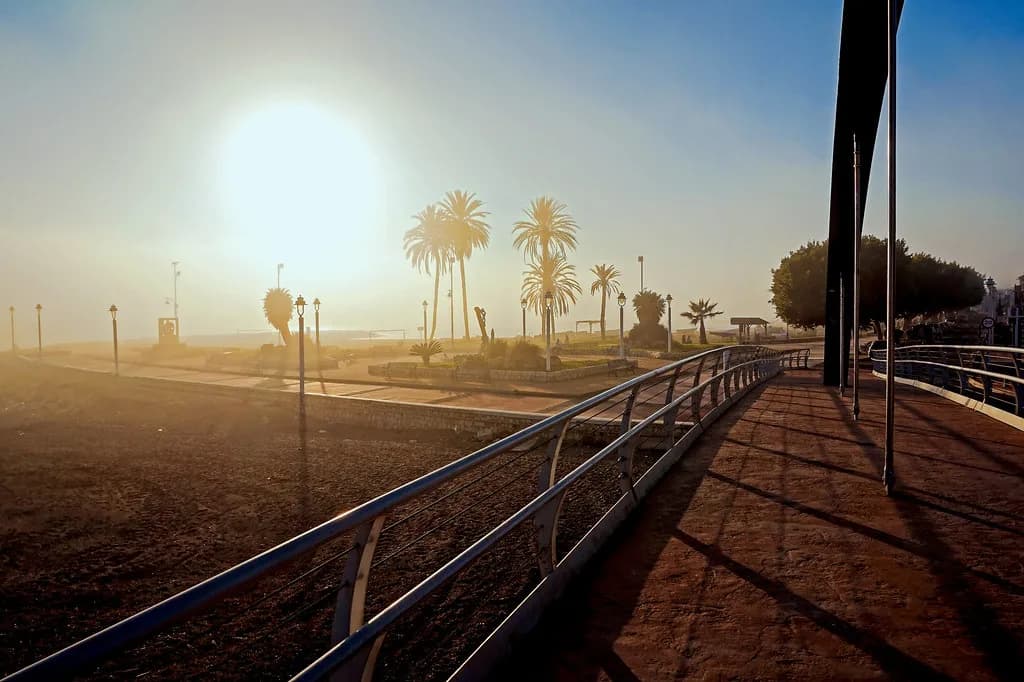
The beach runs east from the port towards La Caleta, so the city centre, Muelle Uno and the cruise terminal all sit at its western shoulder. Behind the sand is a palm-lined promenade and the busy coastal road, which means the backdrop is traffic, apartment blocks and moored shipping rather than cliffs or pine trees. Treat it as an urban beach with a good view of the sea and an even better view of lunch.
Because the beach faces south-south-east towards the open Mediterranean, there is little natural headland shelter along most of its length. On a breezy day the exposure is part of the deal, and the stretch nearest the port buildings and Muelle Uno gives a little more wind protection than the open middle. If the forecast shows a stiff onshore wind, plan for sand blowing across your towel and consider walking east to La Caleta instead; further west, the best beaches in Tarifa are where wind is the attraction rather than the nuisance.
Getting there from the old town
From the cathedral or Calle Larios, walk south to the port and follow the seafront east; the promenade route takes roughly ten minutes at an easy pace and passes restaurants and beach bars on the way. This is the simplest beach access in the city and the reason La Malagueta fills up on warm weekends. Bring flip-flops rather than trainers if you plan to walk the full length and back in the heat.
The seafront promenade continues east towards La Caleta, Pedregalejo and El Palo, so you can link several beaches in one coastal walk if you have the legs for it. The eastern stretch is where the city's fishing neighbourhoods begin, and it makes a pleasant late-afternoon route when the sun softens.
Arriving by bus, taxi and train
Málaga's commuter train line from the airport connects to the city centre and is the easiest way to reach the seafront from a flight, with onward connections by local bus or on foot. Torremolinos, Benalmádena and Fuengirola are all on the same line, with Fuengirola the last stop at around 45 minutes from the city. That makes La Malagueta a realistic first or last swim of a Costa del Sol trip, and the full spread of Málaga beaches covered elsewhere in the guide helps you choose between them.
For the final approach, city buses run along the coastal road past the beach and taxis from the old town are short and metered. Line numbers and timetables change with the season, so check the municipal bus operator's own site on the day you travel rather than relying on a printed guide.
Parking and arriving early
Free street parking near La Malagueta is very hard to find, so the realistic plan is a nearby paid garage and a short walk to the sand. Arrive before mid-morning in summer if you want a garage space close to the beach, and expect to pay more for the convenience of parking beside the port.
If you are staying outside the centre, the easier trade-off is to leave the car at your accommodation and use the train or bus into Málaga, then walk. Drivers coming from the western resorts should budget for city traffic in July and August, when the seafront road slows to a crawl at lunchtime.
The sand and the water
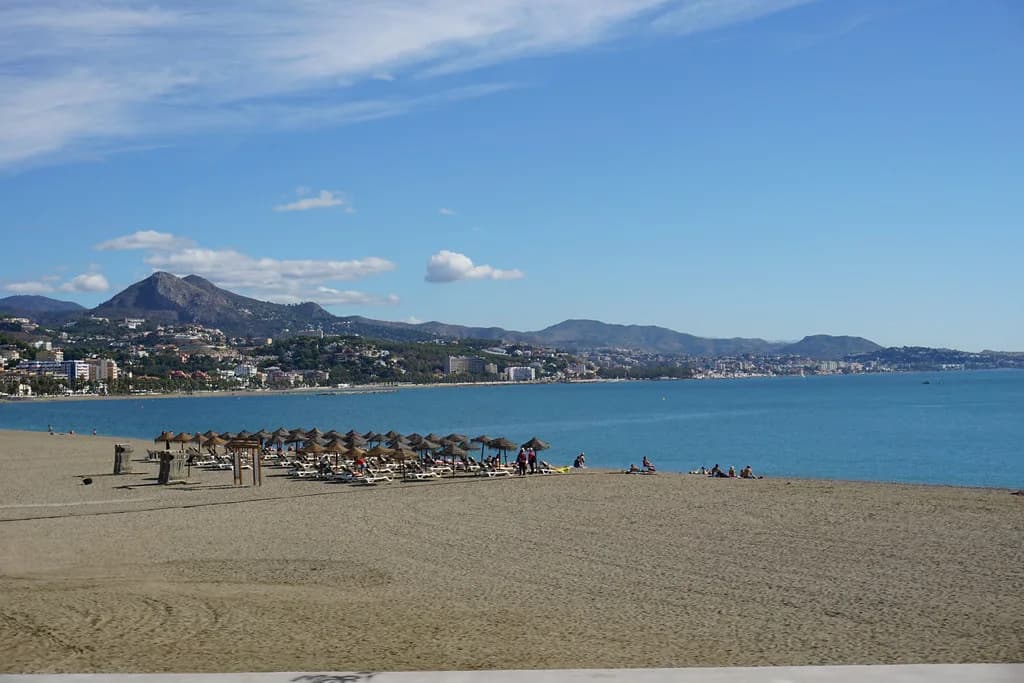
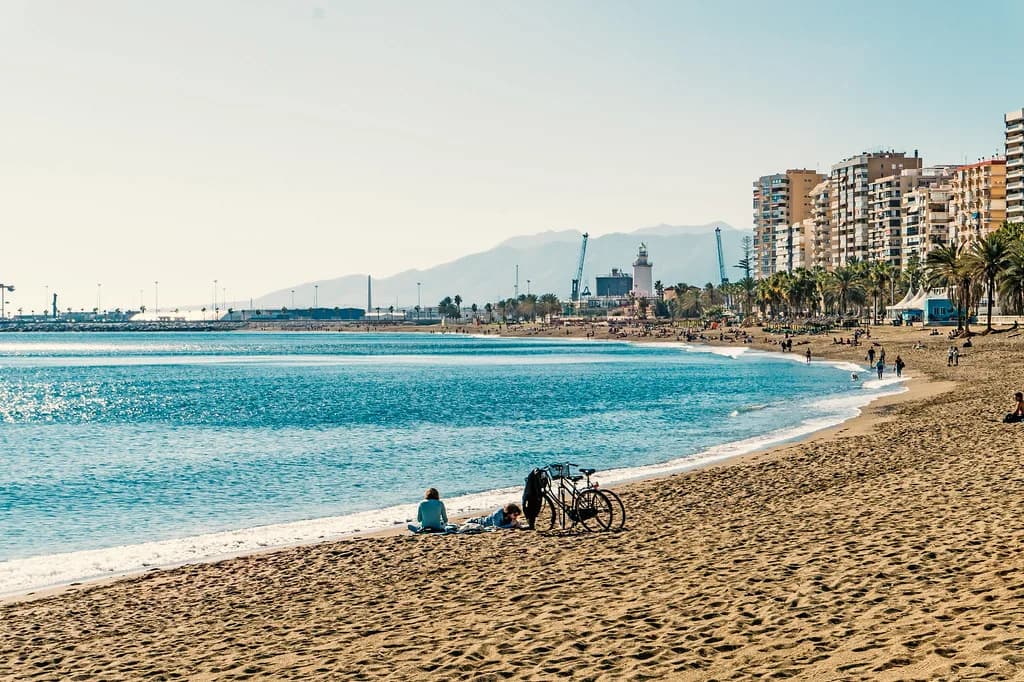
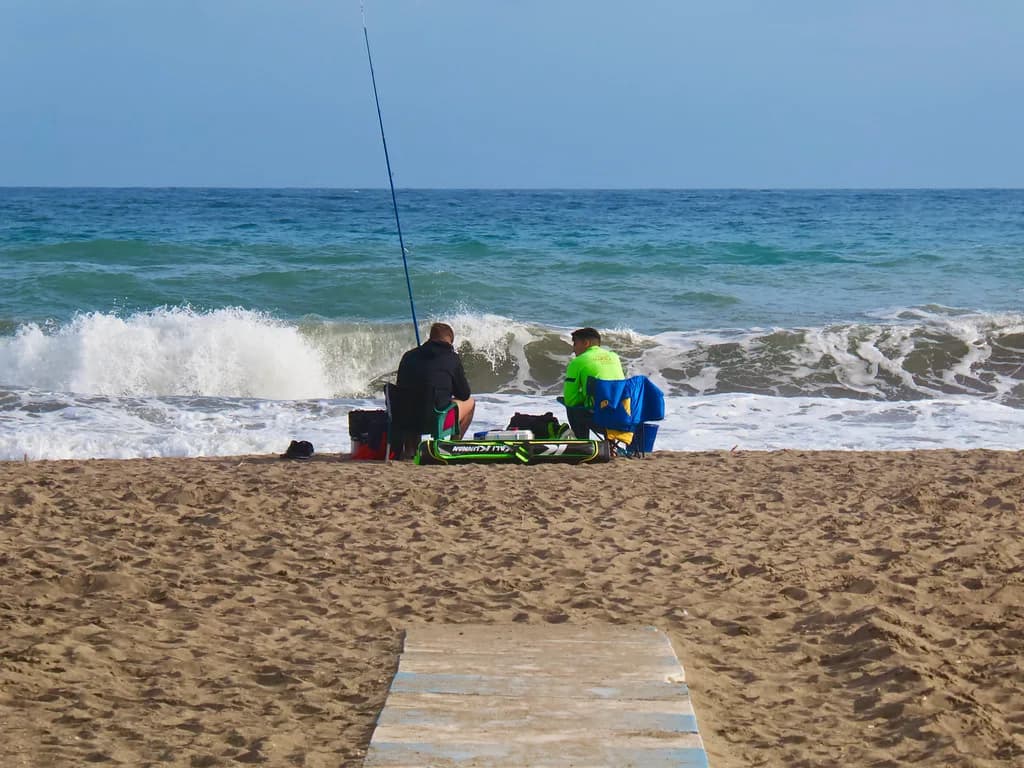
The sand is dark and coarser than the pale imported sand of some resort beaches, and the beach is a long, straight run of it rather than a cove. The tourism board describes moderate swells, so expect some movement in the water even on a calm-looking day. It is comfortable underfoot for walking but gets hot quickly in the middle of the afternoon.
The beach shelves steadily rather than dropping away sharply, which gives swimmers a reasonable run of shallow water before it deepens. Currents and swell vary with the weather, and flags on the day are the guide to follow; do not assume flat water because the beach sits in the city.
On windy days, the western end near the port buildings and Muelle Uno feels more sheltered, while the eastern half towards La Caleta is more open. The promenade side offers shade from palms and from the buildings in the late afternoon, which is where to head if you want to read rather than swim.
Facilities on the sand
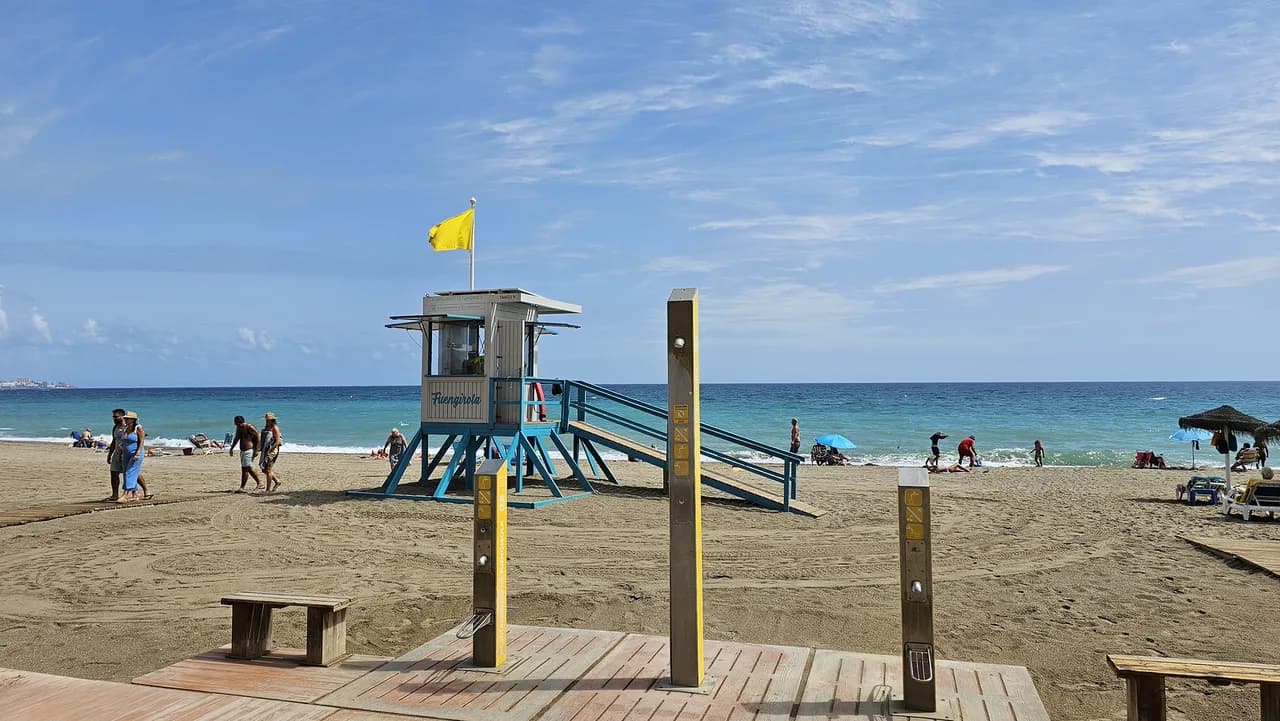
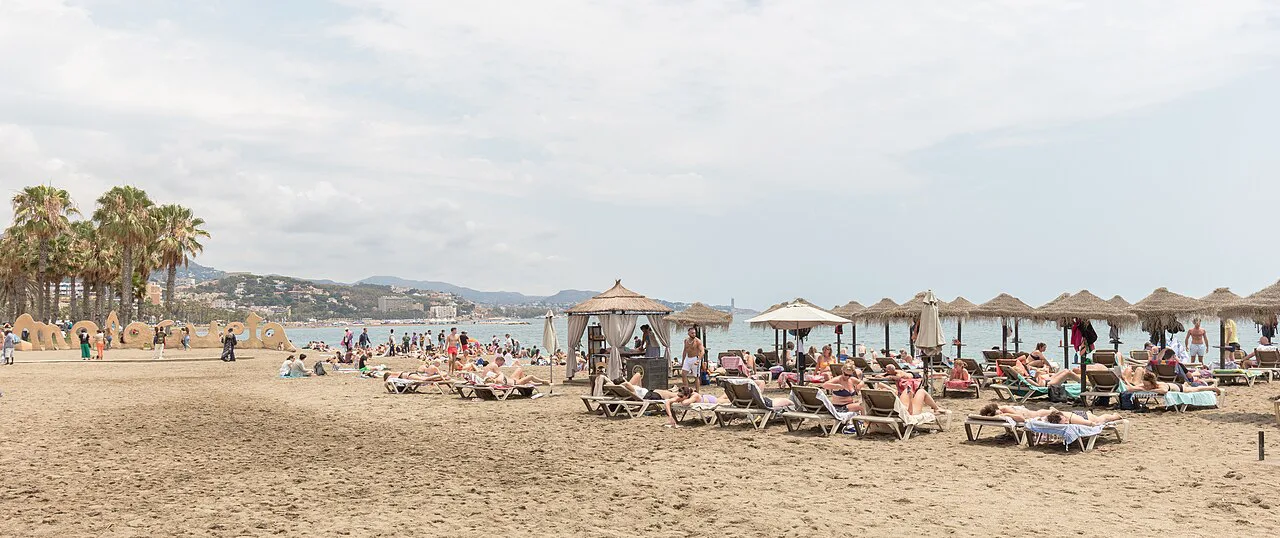
The beach is well set up for a city swim: toilets, showers, sunbeds and umbrellas for hire, a playground, an outdoor gym, and rental for bikes and scooters along the promenade. Shops, bars and restaurants line the back of the beach, so you can arrive with nothing but a towel and still eat properly.
Sunbed and umbrella rates are set by the beach operators and change from season to season, so ask at the stand before you settle rather than budgeting from an old figure. If you would rather not pay, the palm-lined promenade and the strip behind the sand give free shade at certain hours of the day.
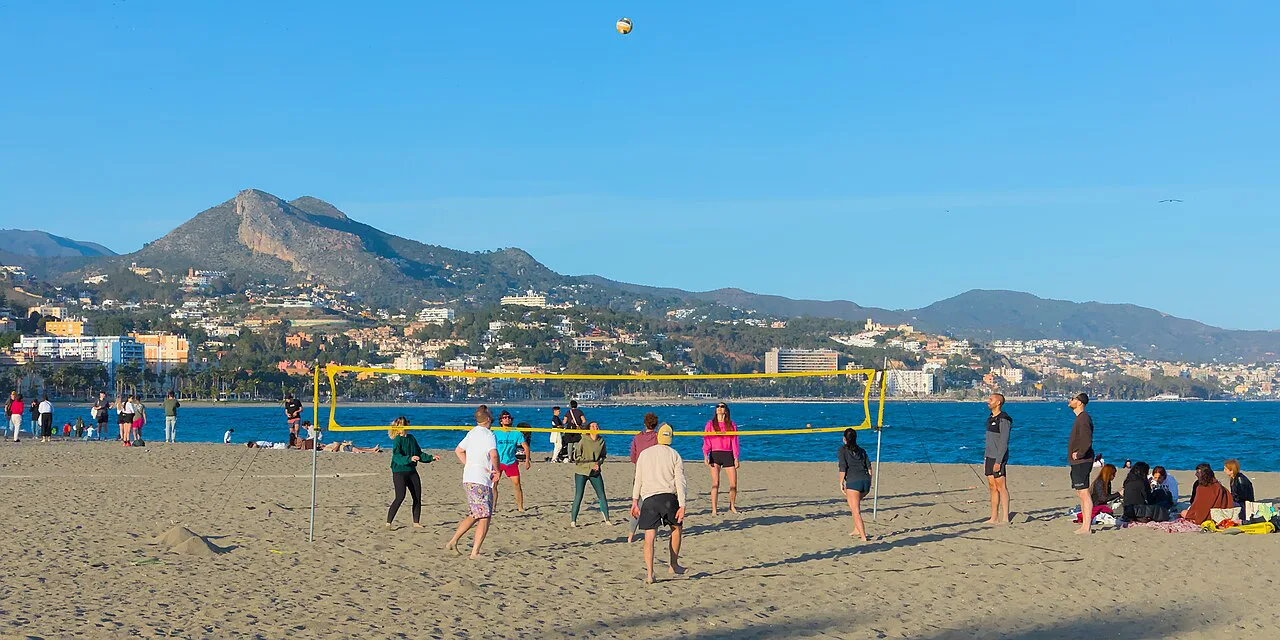
Families with small children get a playground and easy access to toilets and showers, which is rare for a beach this central. The outdoor gym and promenade also give older children and adults something to do when the water is too rough.
Beach bars and lunch
A run of chiringuitos and restaurants backs the beach, serving the fried fish, grilled sardines and cold beer that define a Málaga beach lunch. For a cheaper, more local meal, walk east to Pedregalejo and El Palo, where the fishing-quarter restaurants turn out espetos and seafood at prices below the city-centre seafront.
Book nothing and eat early: the seafront tables fill quickly from about 14:00 in summer, and the best spots look straight at the water. If you want a proper sit-down lunch, choose a restaurant on the promenade side and check the menu board before sitting down.
Lifeguards and flags
Lifeguards are on duty at La Malagueta, and the beach operates a flag system when conditions warrant it. Follow the flags and any instructions from the lifeguard team rather than judging the water by how it looks from the sand.
Jellyfish arrive in some summers along this coast, and local notices appear on the promenade when they do. If you are stung, speak to the lifeguards or a beach bar rather than treating it yourself with folklore.
How busy it gets and when to swim
La Malagueta is the city's most popular beach and fills in July and August, when locals and visitors share the sand from mid-morning onwards. May, June, September and October bring pleasant air temperatures with far more space on the beach.
Málaga's sea warms through the summer, reaching around 23°C in August, with May and September sitting in the high teens to low twenties. That is comfortable for most swimmers by late June, and bracing but doable for those used to British water in spring.
For a quieter swim, go early — the water is at its calmest and the promenade at its emptiest before 10:00 in summer. Late afternoon is the other good window, when the day-trippers leave and the light softens over the port.
Sea temperatures month by month
Water temperatures on this stretch of coast climb from around 16°C in January to 23°C in August, then fall back through September and October as the summer heat eases. The shoulder months of June and September are the sweet spot for most swimmers, with warm enough water and fewer people on the sand.
If you only swim in genuinely warm water, aim for July to early September. Outside that window, bring a rash vest for children and keep swims short rather than skipping the beach altogether.
Nearby beaches to combine
Walk east along the promenade to La Caleta, a fine-sand beach with clear shallow water that suits families, then continue to Pedregalejo and El Palo if you want the fishing-quarter atmosphere and cheaper seafood. Each is a short step further along the same seafront, so you can pick your spot by mood rather than transport.
Further east, El Peñón del Cuervo offers sand and pebbles, picnic areas with barbecues and a quieter day out, with free parking and a coastal path linking it back towards the city. It suits active walkers and families wanting a picnic rather than a promenade lunch.
If you are staying west of the city, Playa de la Misericordia is the other long urban beach worth knowing, stretching over two kilometres with a lively promenade behind it. It suits surfers and bodyboarders more than paddling families, and it gives you a second option when the city-centre beach is packed.
Where to stay
Staying in the old town or around Muelle Uno puts La Malagueta within walking distance and gives you the cathedral, the port and the evening restaurant scene on the doorstep. The trade-off is higher room rates and city noise, so light sleepers should ask for a room away from the seafront road.
Staying in Pedregalejo or El Palo puts you in the fishing neighbourhoods with a quieter beach and cheaper food, and you can still reach the city centre by local bus in around 15 to 20 minutes. Families with small children often prefer that end for the shallower water and the calmer evenings.
Plan Your Day at La Malagueta
La Malagueta rewards the traveller who wants a swim without a journey: arrive on foot from the old town, claim a spot near the Muelle Uno end if it is breezy, and use the showers and toilets before a late lunch at a chiringuito. For a calmer swim and better seafood, walk east to Pedregalejo. Check the sea temperature and beach flags on the day, and use the municipal bus operator's site for the latest bus times.
Frequently Asked Questions
Is La Malagueta worth visiting?
Yes, if you want a beach you can walk to from Málaga's old town. It is an urban beach, not a scenic cove, with dark sand, a palm-lined promenade, sunbeds, showers and beach bars, and the water is swimmable for much of the year. If you want a quieter, more scenic beach, walk east to La Caleta or Pedregalejo.
Can you swim at Malagueta beach?
Yes. The beach shelves steadily and lifeguards are on duty with a flag system in operation. Currents and swell change with the weather, and jellyfish appear in some summers, so follow the flags and any local notices on the promenade.
How do you get to La Malagueta from Málaga old town?
Walk south to the port and follow the seafront east; it takes about ten minutes at an easy pace. City buses run along the coastal road and taxis are short and metered, while the commuter train from the airport connects to the centre.
Are there sunbeds at Malagueta beach?
Yes, sunbeds and umbrellas are available for hire, along with toilets, showers, a playground and an outdoor gym. Rates are set by the beach operators and change with the season, so ask at the stand before you settle.
When is the best time to swim at La Malagueta?
July and August are the warmest months, with sea temperatures around 23°C, while May, June and September offer warm water and fewer people. Early morning is the quietest time on the sand and the calmest water.
What is the nicest beach near Málaga?
It depends what you want. La Malagueta is the most convenient, La Caleta is good for families with shallow water, and Pedregalejo and El Palo offer a quieter fishing-quarter atmosphere with cheaper seafood. Further east, El Peñón del Cuervo has picnic areas and a coastal path.
Sources
Beach notes for your next trip
Optional updates when we add or revise beach guides.
You might also like
Continue reading
More guides you'll find useful