Málaga Sea Temperature by Month: When to Swim
Málaga's sea averages about 22°C in July and September, so swimming runs from late spring well into autumn. See the figures and plan your beach day.
On this page
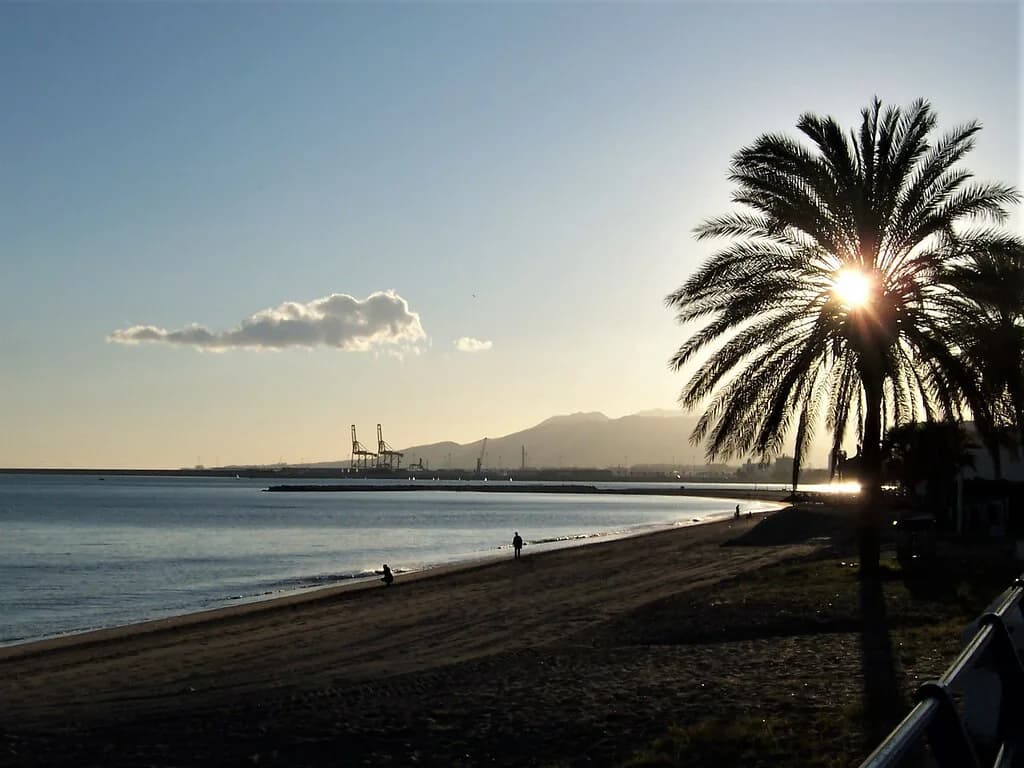
Málaga rewards swimmers for longer than its summer crowds suggest: the city's sea averages around 22°C in both July and September, so the water stays inviting on either side of the August peak. That makes the Costa del Sol capital a strong choice for travellers who want a city break and a proper swim on the same day, with the beach a short walk from the old town.
This guide works through the published decade averages for the sea, explains why the water can lag behind the air, and points you to the city beaches and neighbouring resorts where you can put the numbers to use. Figures are historical averages, not a forecast, so treat them as a planning baseline rather than a promise for any given morning. The full Malaga beaches collection covers the rest of the coastline if you want to spread your days further.
Why Málaga's sea feels warmer than the air suggests in spring
Air and water do not warm at the same speed. Málaga's July air averages 31°C by day while the sea averages 22.3°C, a gap that surprises first-time visitors who step off a hot promenade expecting bath-warm water. The shallows in front of the city beaches warm faster than deeper water, so children paddling happily at ankle depth can make adults wading out to chest height flinch.
The upshot is a swim season with a gentle start: the sea holds on to its cool spring temperature well into early summer, then lingers warm into autumn after the air has begun to cool. Plan the first proper swim of the year for June and the last for October, and you will rarely be disappointed.
Sea temperature by month: a season overview
Published decade averages put Málaga's sea at 22.3°C in July and 22.2°C in September, with individual years running from about 16°C to 27°C within those same months. The range matters more than the average: a single windy week can pull the surface temperature down several degrees, then a calm spell pushes it back up.
Broadly, the comfortable swimming window runs from June to October. Expect the warmest water in the second half of September and the early days of July, mid-season figures in June and August, and a steady cool-down through October as night temperatures fall.
Late spring (May–June): the first comfortable swims
By June the sea has usually climbed out of its winter chill, and the month brings the first genuinely comfortable swims of the year for most visitors. The payoff is a quieter waterfront: the city beaches are far less crowded in June than in August, and you can often find shade under a palm without staking a claim at dawn.
Treat early-season swims as short ones. Water in the high teens takes some getting used to, so walk in slowly, keep the first dip brief, and bring a towel that actually dries you rather than a thin travel one. A rash vest helps children stay in longer without shivering.
High summer (July–August): the warmest water of the year
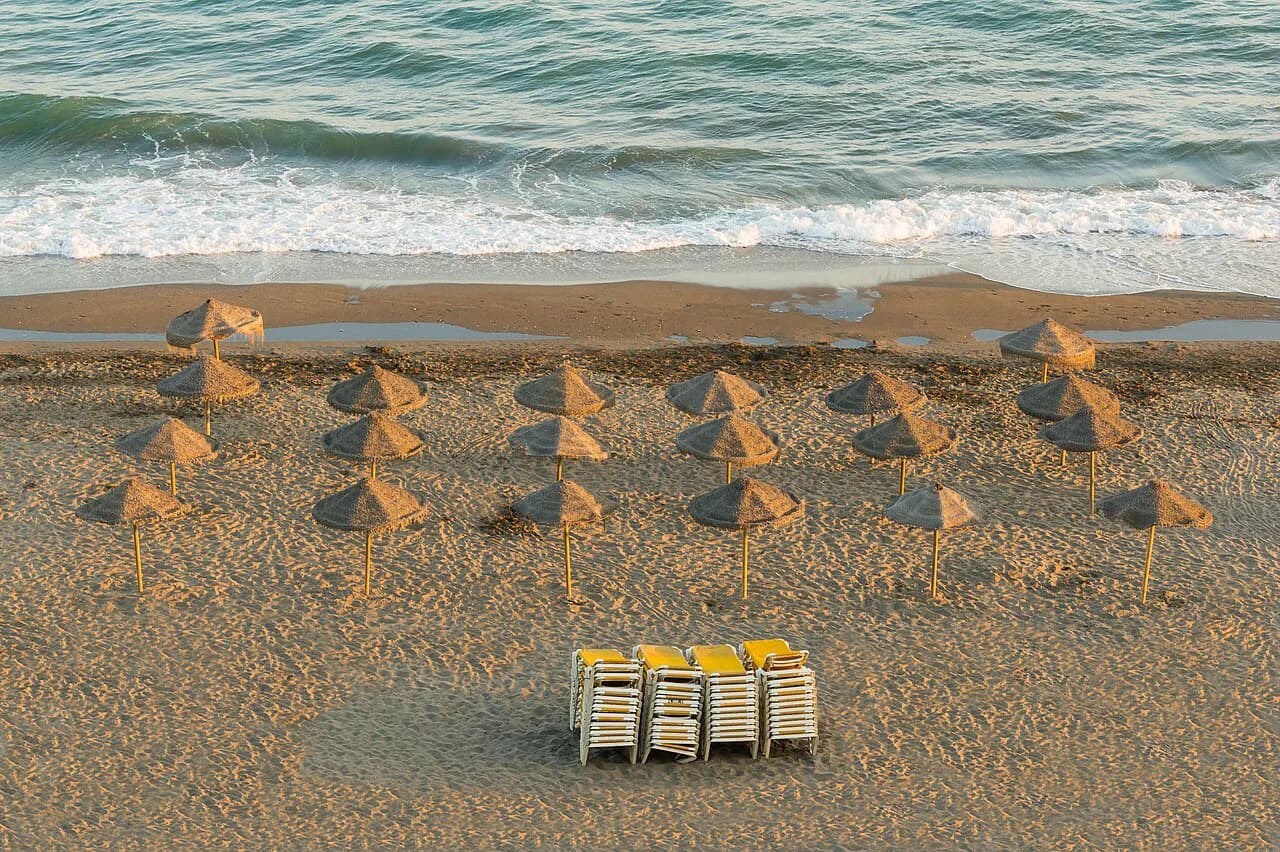
July and August deliver the most reliable swimming, with the sea averaging about 22°C and the warmest days of individual years reaching beyond 26°C. The catch is crowds: the city beaches fill early, sunbed rows are claimed by mid-morning, and the promenade restaurants along the eastern shore are busy at lunch.
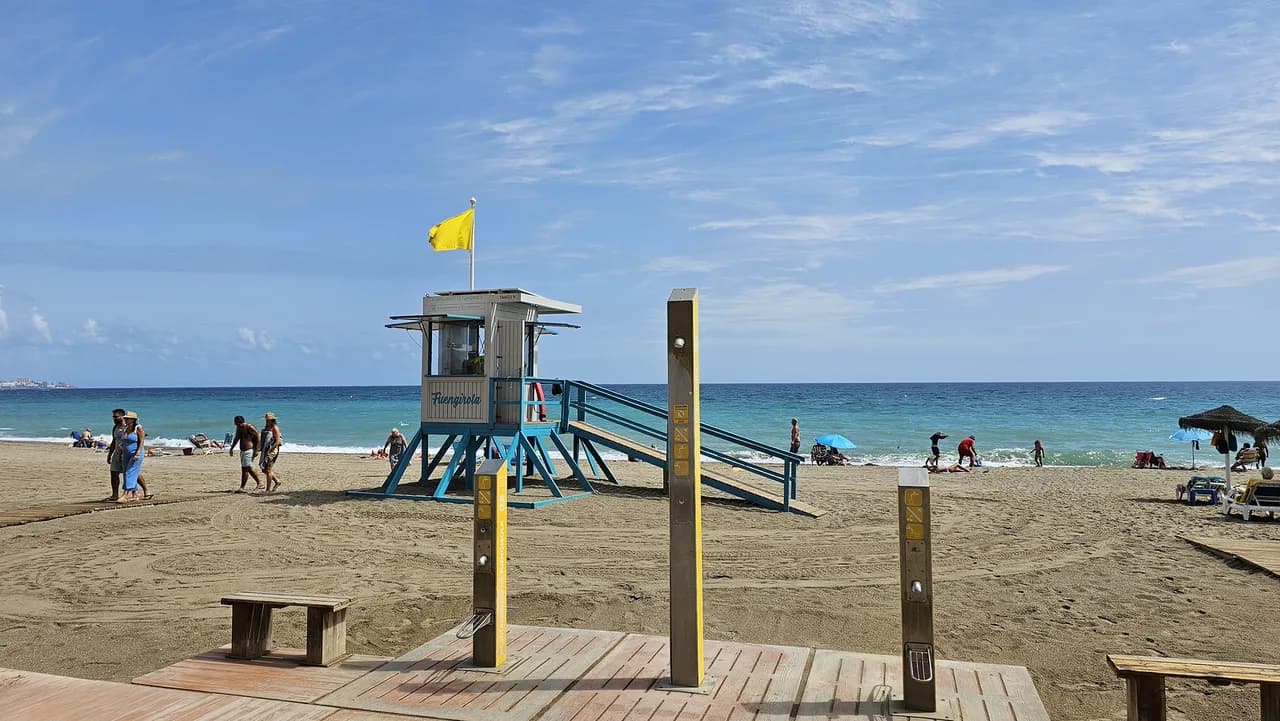
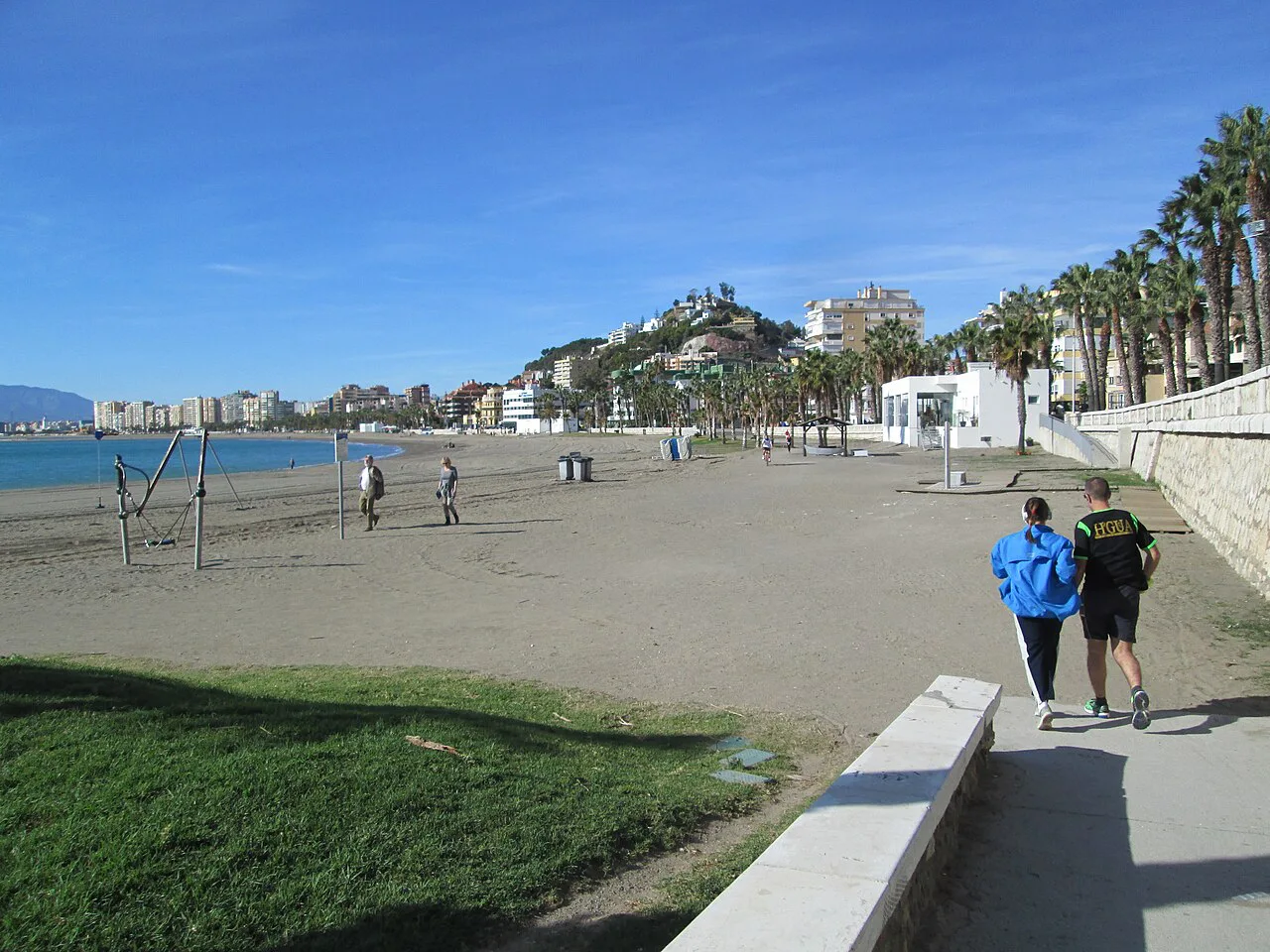
If you want warm water without the crush, aim for the first week of July, before Spanish holiday season peaks, or the last days of August. The Playa de la Malagueta, closest to the centre, suits travellers on foot, while Bajondillo Beach in Torremolinos is a straightforward train ride west and has a long, broad sweep of sand.
September: warm sea, quieter beaches
September is the sweet spot. The sea averages 22.2°C, essentially matching July, while air temperatures ease to about 28°C by day and 19°C at night and rain stays rare, with roughly two wet days across the month. The city's beaches empty as Spanish families return to school, and hotel rates generally soften too.
Use September for longer swims and lazier afternoons. Daylight still stretches to about twelve hours with 8.5 hours of sunshine on average, so a late-afternoon dip after a day of sightseeing is entirely realistic, and the water holds its heat well into the evening.
October and November: the tail end of the swimming season
October is the month when the sea finally starts to cool but often remains swimmable, particularly in the first half. The water is losing heat steadily as nights lengthen, so the difference between an early-October swim and a late-October one can be noticeable; sea-forecast.com publishes rolling daily figures for Málaga that show the current trend rather than a monthly average.
By November, most visitors have swapped swimming for walking, and the beaches return to local use. Cold-water swimmers will still find the sea manageable on calm, sunny days, but a brisk exit and a warm layer waiting on the sand make the difference between a bracing dip and an uncomfortable one.
Wind, swell and how conditions change the feel of the water
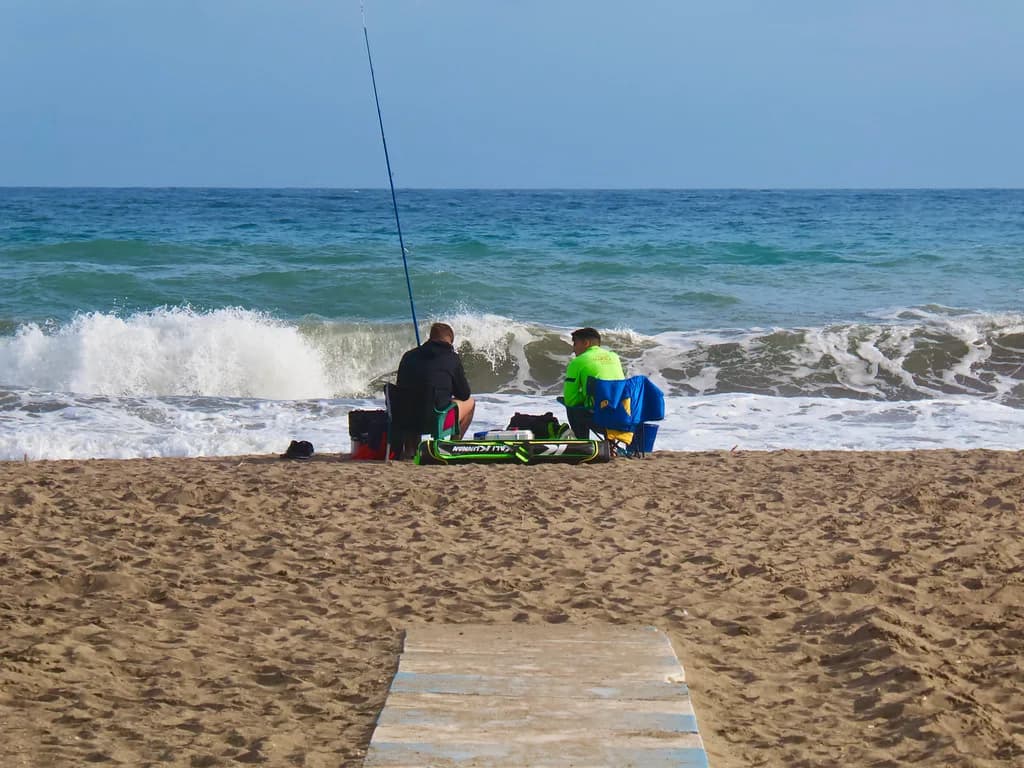
Málaga's city beaches sit in a bay, and published sea-state data for the port typically shows small waves of only a few tens of centimetres with light winds. That does not make every day a swimming day: an onshore breeze lifts chop quickly, and the surface can turn lively within an hour or two of a wind shift.
The seatemperature.info page for Málaga notes possible rip currents at the beach and describes the shoreline as pebble. Read the flags and any notices at the access points before you commit, and keep children within reach where the shingle shelves steeply into deeper water.
What to wear and bring for the sea temperature
For July to September, standard swimwear is enough and the main kit decisions are sun protection and shade. A UV top for long swims, a wide-brimmed hat and reef-safe sunscreen cover most days; the September UV index averages 7, which burns fair skin faster than the air temperature suggests.
In the shoulder months, a thin neoprene top or a 2 mm shorty wetsuit extends a swim from five minutes to twenty and costs little in luggage space. Bring a microfibre towel, a warm fleece for the walk back, and water shoes if you plan to swim at the pebble beach, where shingle gives way to stones at the waterline.
Nearby beaches with comparable water temperatures
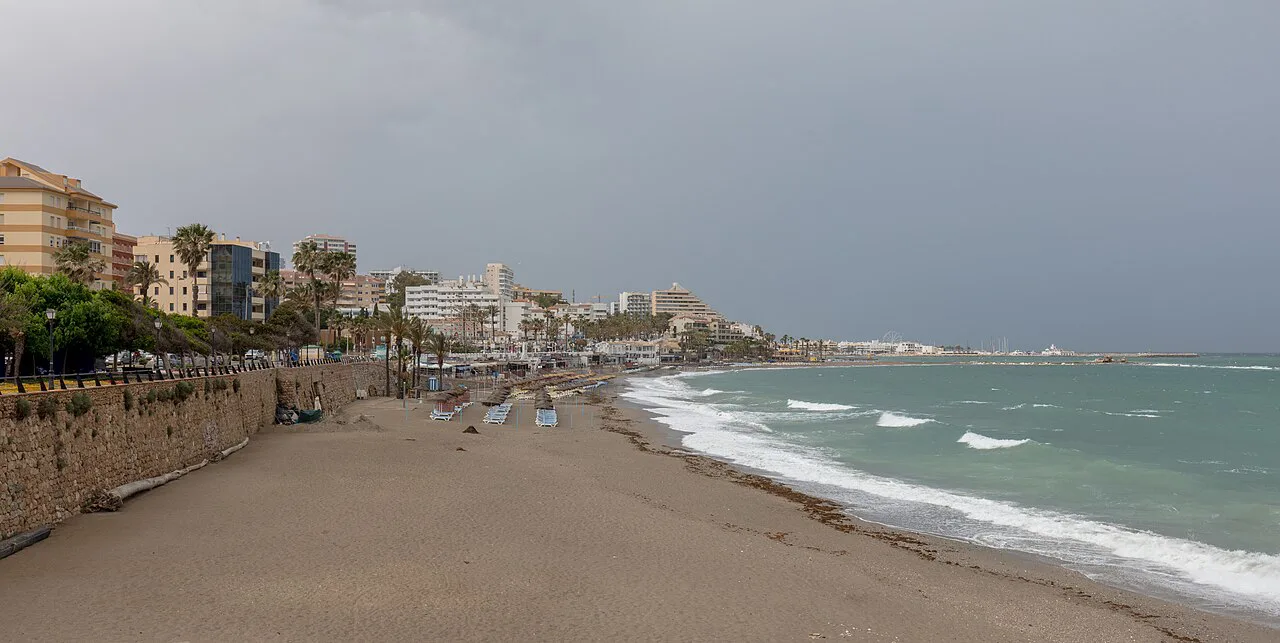
Temperatures along this stretch of coast move together, and published figures for neighbouring resorts sit within a few tenths of a degree of Málaga. Playa de la Misericordia, Guadalmar and Torremolinos all average around 22°C in September, so choosing between them is really a question of atmosphere and access rather than water. If you are weighing another Spanish city break against the Costa del Sol, the Alcúdia sea temperature guide makes the same month-by-month comparison for Mallorca.
East of the centre, Pedregalejo and El Palo combine a working fishing-village feel with small coves and seafood bars a few steps from the water, while El Dedo and El Candado further along the coast are quieter alternatives. West, the long sands of Torremolinos and Benalmádena Costa suit families who want space, and the Marbella beaches further along the coast offer a plusher version of the same warm sea.
Practical notes for planning your swim
Work backwards from the sea rather than the calendar: a late-June or mid-September trip gives you near-peak water temperatures with far more breathing room on the sand. If August is your only option, start early, claim shade before ten, and save the long swim for the cooler late afternoon.
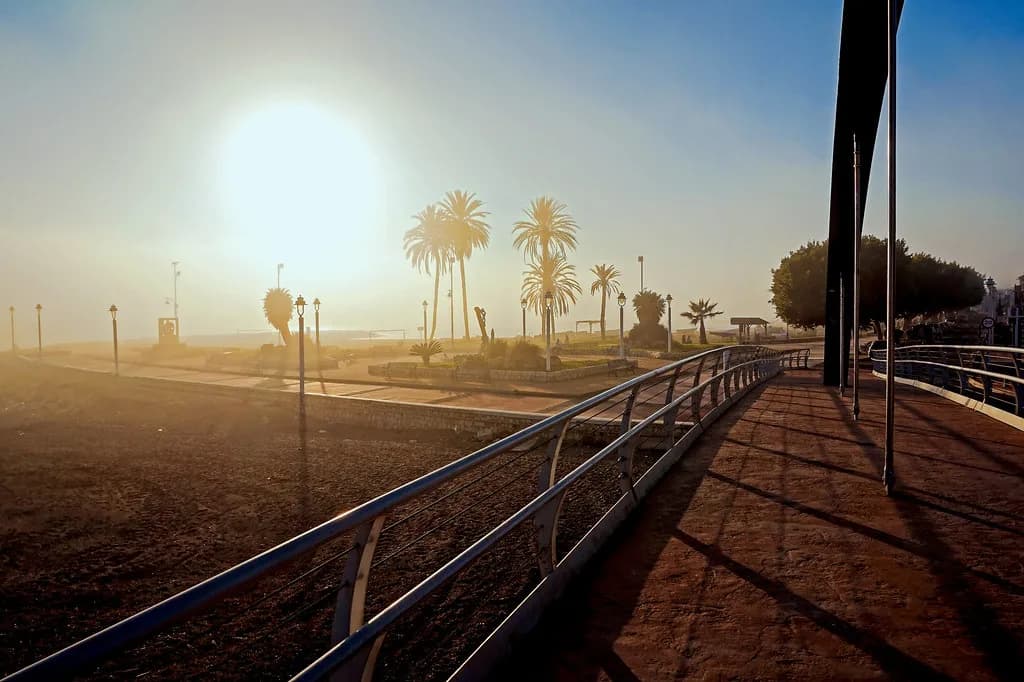
Keep a plan B for windy days. The eastern beaches around Pedregalejo curl slightly, offering a little more shelter from onshore breezes, while the broad central sands are more exposed. On days when the surface looks unsettled, a harbour walk or the shade of the city's palm-lined promenade is a sensible swap, and the water will usually settle again within a day.
Plan Your Swim
Málaga's sea is at its most inviting from late June to early October, with the best balance of warm water and calm beaches landing in September. Use the published averages as your baseline, check the daily sea state before you set out, and pick your beach by mood: Malagueta for convenience, Pedregalejo for character, Torremolinos for space.
Pack for the shoulder seasons as well as high summer, respect the flags on shingle beaches, and you will get more swimming days out of this coast than most visitors manage.
Frequently Asked Questions
Is the sea in Málaga warm enough to swim in May?
Late May usually brings the first comfortable swims, though the water is still climbing from its winter low and can feel cool on a windy day. Short dips with a towel and warm layer ready are the sensible approach early in the season.
What is the sea temperature in Málaga in October?
October starts close to the September average of about 22°C and cools steadily through the month as nights lengthen. The first half of October is generally the more reliable window for a comfortable swim, and daily figures show the current trend.
When is the sea warmest in Málaga?
The warmest water tends to arrive in the second half of September and stays high through early autumn, with July also averaging about 22°C. August is warm but crowded, so September offers a similar sea with far fewer people on the sand.
Is Málaga's sea warmer than other parts of Spain?
It sits broadly in line with the Costa del Sol and Costa Blanca rather than standing out as the warmest in Spain; nearby resorts such as Torremolinos and Guadalmar vary by only a few tenths of a degree. The Mediterranean coast overall runs warmer than the Atlantic north-west.
Do I need a wetsuit to swim in Málaga in winter?
Winter swimming is for hardy dippers rather than holiday swimmers, and the water is at its coldest then. A thin neoprene top makes short winter swims more comfortable, and checking the days ahead on a sea-forecast service helps you pick a calm, sunny window.
Sources
Beach notes for your next trip
Optional updates when we add or revise beach guides.
You might also like
Continue reading
More guides you'll find useful