Playa de la Misericordia, Málaga: Which Beach to Pick
Playa de la Misericordia is Málaga's long western city beach, with dark sand, a wide promenade and space for surfers and swimmers alike.
On this page
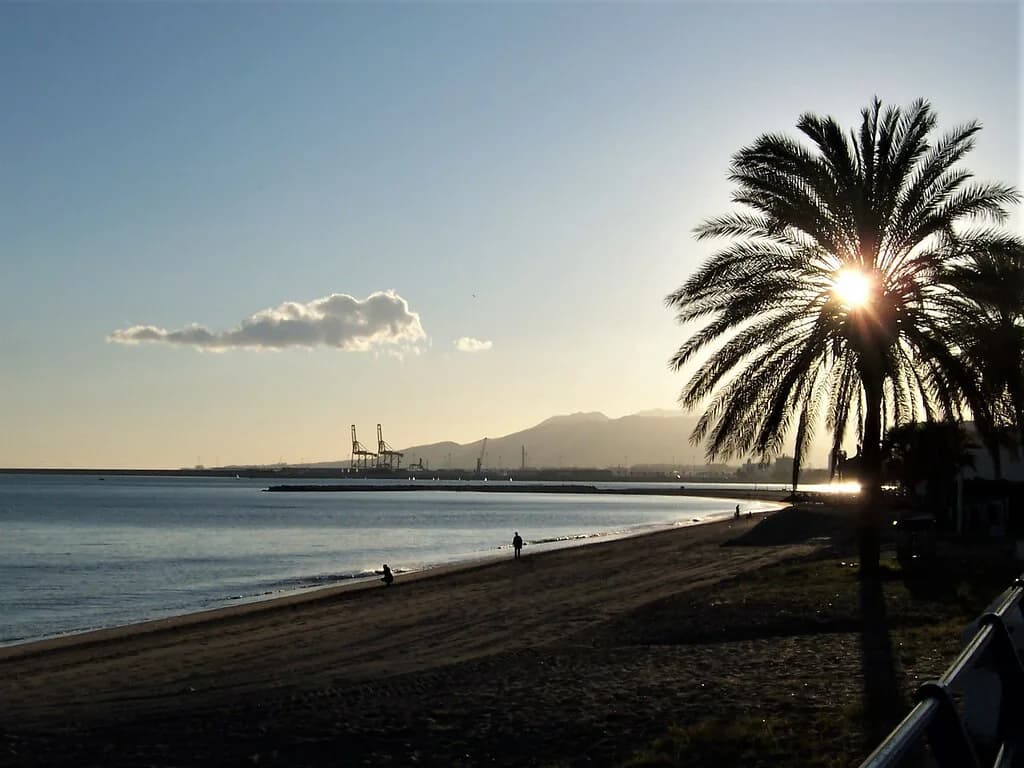
Playa de la Misericordia is the beach you choose when you want a proper stretch of sand without leaving Málaga. Laid along the city's western seafront, it runs for roughly two kilometres and is about thirty metres wide at its broadest, which gives it a spacious feel that the tighter central beaches cannot match. Promenade walkers, surfers, bodyboarders and families looking for breathing room all end up here.
The beach is part of a working city rather than a resort strip, and that shows in the mix of people on the sand and the pace of the seafront. If you are weighing up where to base yourself for a few days of sand and swimming, the wider Málaga Beaches picture puts this long western shore in context alongside the city's other urban options.
Where it is
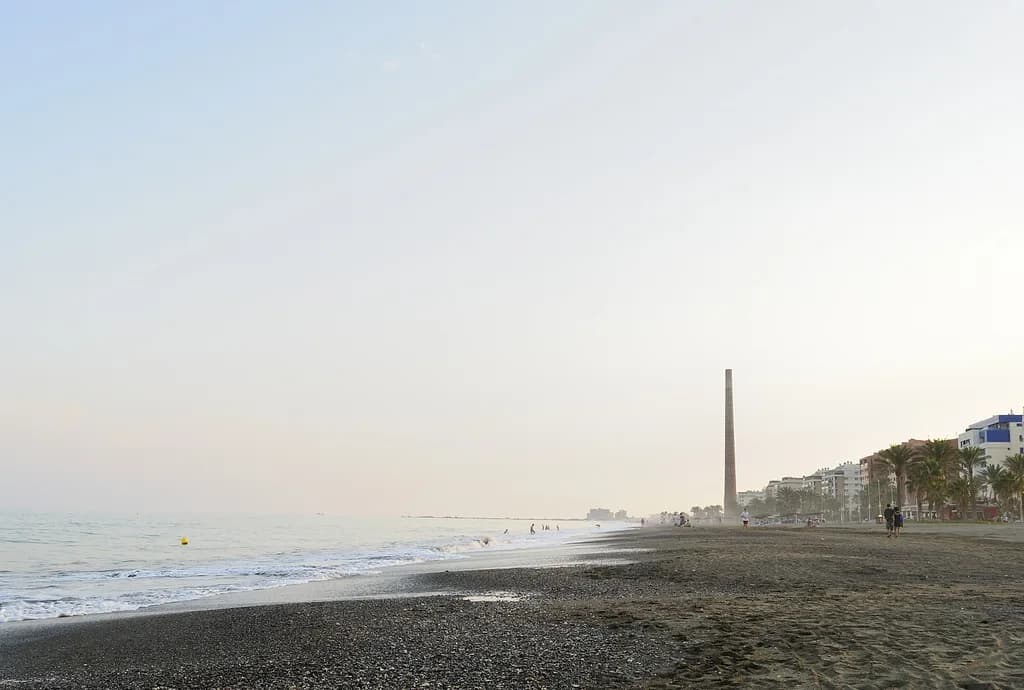
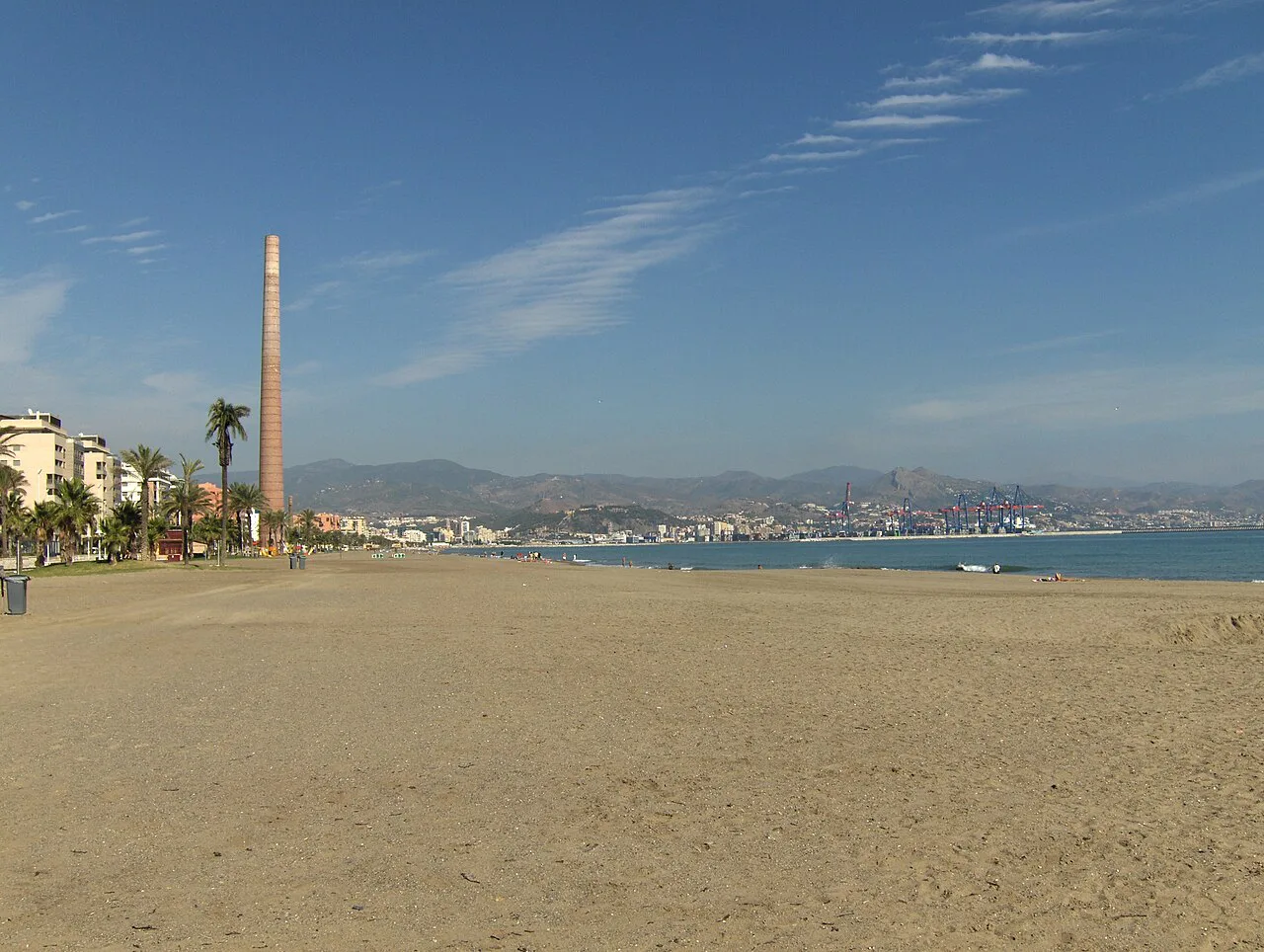
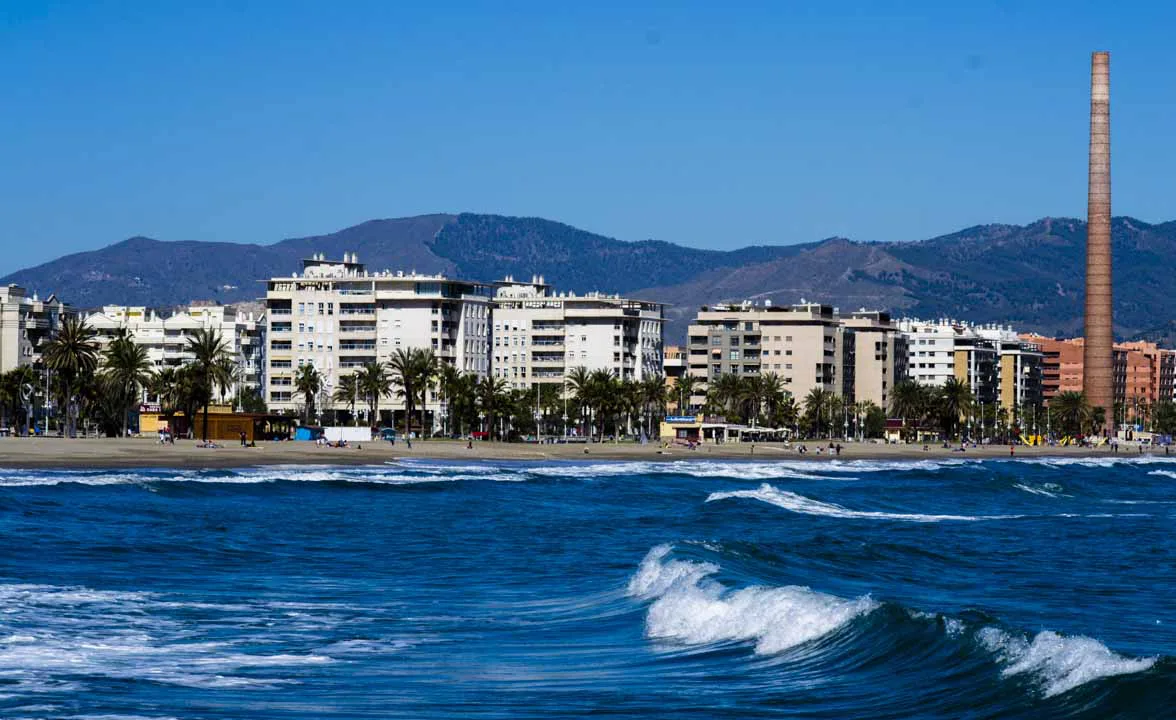
La Misericordia sits on Málaga's western seafront, a short ride or a brisk walk west of the old town and the port. The municipal listing measures it at approximately two thousand metres long and around thirty metres wide, so it reads as a long ribbon of dark sand rather than a compact cove. Look for the old industrial chimneys along the shoreline; they are the landmark that tells you you have arrived.
Because the beach faces the open Mediterranean on the city's western edge, it catches more of the swell than the sheltered eastern bays. That single fact shapes most decisions here: where you set up, whether you swim or watch, and whether you bring a board. It is also why the beach feels less like a paddling pool and more like a proper sea front.
Getting there
Walking from the centre along the western seafront is the simplest approach and keeps you on the promenade the whole way. The city bus network runs along the western corridor, so any service heading towards the western districts will put you within a short walk of the sand; the beach's own name is the stop to look for on the route map. For train arrivals, Málaga's commuter line links the airport and the coastal resorts to the city centre, from where you continue west by bus, taxi or on foot.
Parking on the surrounding streets is the realistic option if you drive, and it is street parking rather than a dedicated beach car park, so arrive earlier in the morning during July and August. The beach is long enough that walking a few blocks inland usually improves your chances of finding a space. Bring cash for any paid parking metres you encounter and check the signage where you leave the car.
The sand and the water
The sand is dark and fine, the kind that heats up quickly under the Andalusian sun, and the beach shelves gradually enough that most people can wade in comfortably. The water is the Mediterranean at its most straightforward: clear on calm days, with a bit of colour and chop when the wind picks up. Swimmers who like a proper depth will find it further out, while nervous bathers can stay in the shallows near the promenade.
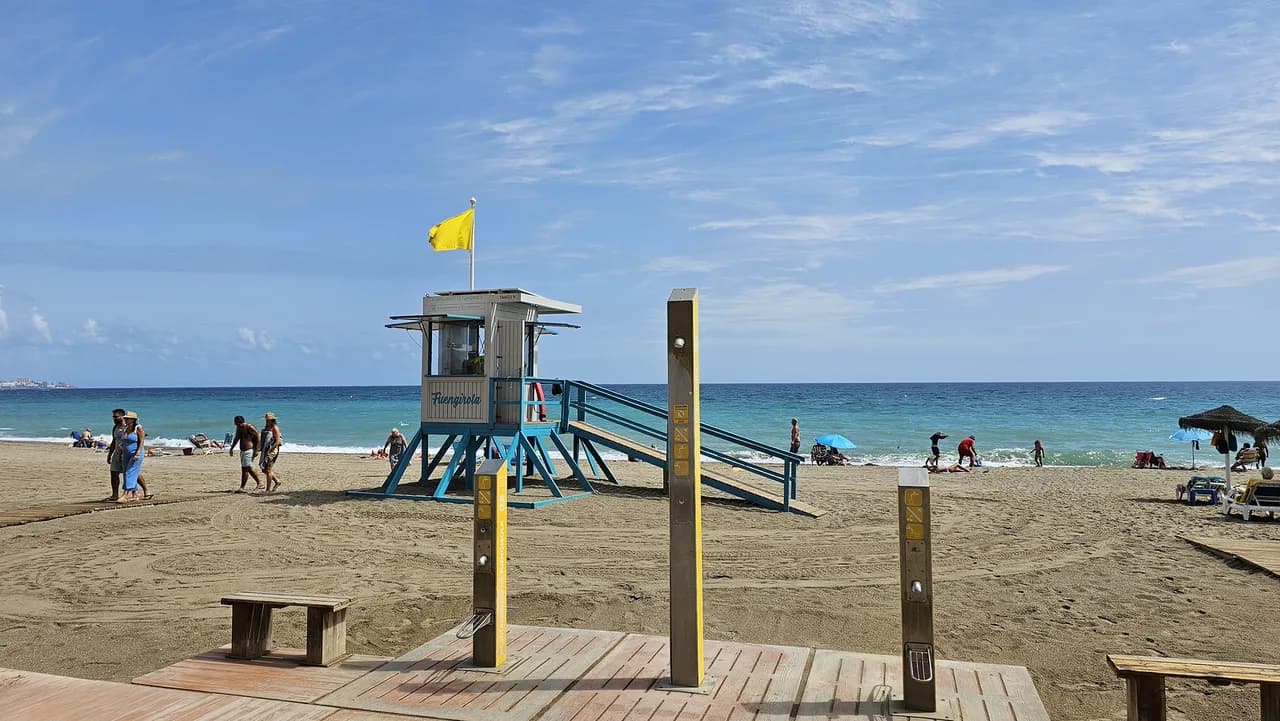
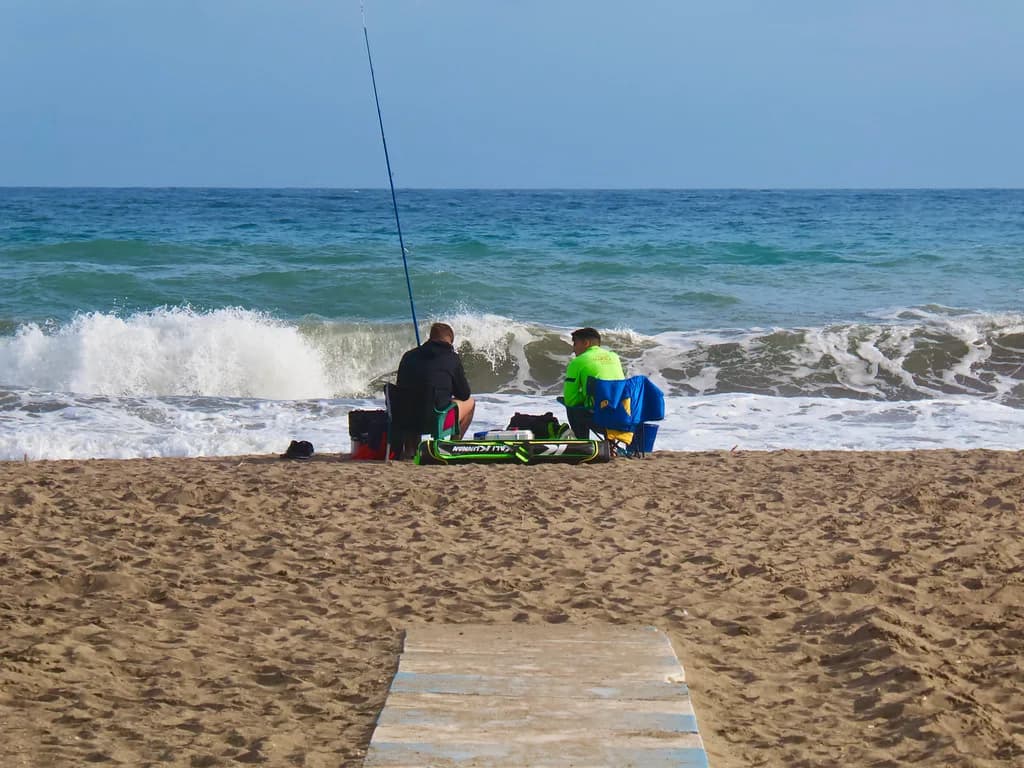
What sets La Misericordia apart from the central city beaches is the swell. The beach is known for the waves and chop that draw surfers and bodyboarders, which means the sea is not always the millpond that visitors expect from a city beach. Watch the flags and the other bathers before you commit, and keep small children close when the water is moving.
If you want to compare conditions with the calmer side of the city, the Malagueta Beach Guide covers the central sands where the water is generally flatter. The trade-off is straightforward: La Malagueta is closer to the old town and easier for a quick dip, while La Misericordia offers more space and more sea. If a long, spacious sweep of urban sand is what you are after, the best beaches in Tarifa show how far that idea stretches along the Andalusian coast.
Shelter, shade and wind
There is little natural shade on the open sand, so most people either rent a lounger and umbrella or bring their own. The promenade buildings and the beach bars give some relief at the back of the beach, and the western end tends to be quieter than the stretch nearest the city. On breezy days, setting up closer to the promenade wall cuts the wind without costing you the view.
The beach runs roughly east to west along the coast, so it is exposed to winds coming in off the sea and less sheltered than the coves further east. That exposure is exactly what the surfers want, but it also means you should bring a windbreak or a light layer if you plan to stay into the afternoon. A practical approach is to walk the promenade first, see where the wind is hitting, and then pick your spot.
Facilities
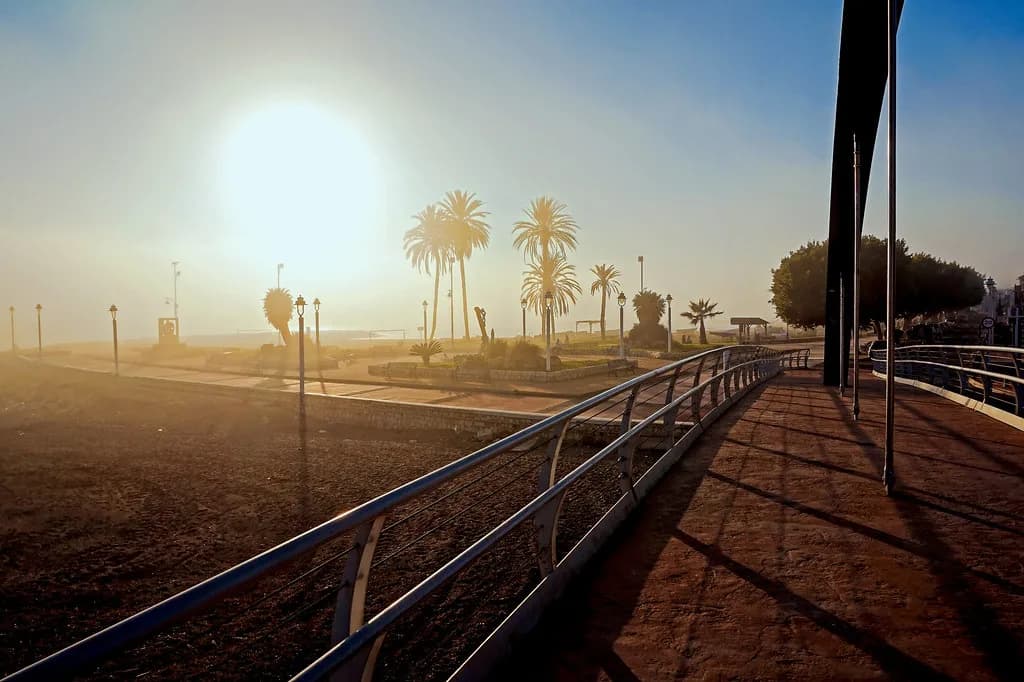
The promenade behind the beach is lined with restaurants and bars, and the beach itself has showers, restrooms and sports facilities, which makes it easy to spend a full day here without retreating to the city. La Térmica, the cultural centre at the western end, adds an indoor option if the weather turns or you want a break from the sun. The facilities are typical of a well-used urban beach rather than a resort, so expect function over polish.
The Costa del Sol tourism board lists La Misericordia among the best beaches on the coast and notes its Q for Quality award, a Spanish certification for beach services and facilities. That designation is a useful signal when you are choosing between city beaches, though it does not tell you about conditions on the day. Use it as a guide to the standard of facilities rather than a guarantee about the water.
Best time to go
The sea is at its warmest in July and August, when average water temperatures reach around 23°C, and it stays comfortable into September at about 22°C. June sits around 21°C, which is fine for a quick swim but bracing for a long one. May and October are cooler again, in the high teens, so they suit walkers and sunbathers more than serious swimmers.
July and August are also the busiest months, when the city's population swells and the beach fills up by mid-morning. If you want the same sand with fewer people, aim for late June or early September, when the water is still warm and the promenade is calmer. The trade-off is that some beach bars and seasonal services may run on reduced hours outside peak season.
Nearby beaches
La Malagueta is the obvious next stop, a kilometre-long beach within walking distance of the old town and the port. It is the most popular beach in the city and the easiest to combine with sightseeing, though it is also the most crowded. Compare the two in the Malagueta beach guide before you decide where to spend your main beach day.
Further east, Pedregalejo beach and El Palo beach are the city's fishing-district beaches, with small coves divided by breakwaters and a long tradition of seafood restaurants. Those beaches offer calmer water and a more local atmosphere, and they are an easy bus ride from the centre. For a full comparison of the city's sands, the wider guide to Malaga beaches covers the eastern options in detail.
Who it suits
Choose La Misericordia if you want space, a proper swim and the chance to watch surfers, or if you are travelling with a group that wants different things from one beach. It suits people who are happy to walk a little from the centre and who value a local atmosphere over a picture-postcard setting. Families with young children should be honest about the swell and pick their spot accordingly.
Choose La Malagueta instead if convenience matters more than space, since it is the closest beach to the old town and needs no planning. For a quieter, more traditional beach day, the eastern fishing beaches win on atmosphere. La Misericordia sits in the middle: more room than La Malagueta, more urban energy than Pedregalejo.
Plan Your Day at La Misericordia
La Misericordia rewards a little planning. Check the wind and the waves before you set out, pack shade and water, and accept that the sea here can be livelier than on the sheltered side of the city. The pay-off is a long, wide beach with room to breathe, a promenade for the evening and a genuine city feel.
If you are in Málaga for several days, split your beach time: one day on the central sands, one day here, and one on the eastern fishing beaches. That way you get the convenience, the space and the seafood without committing to a single spot. The sea temperatures and the crowds both peak in July and August, so late spring and early autumn give you the best balance.
Frequently Asked Questions
How long is Playa de la Misericordia?
Málaga city council's beach listing measures it at approximately two kilometres long and around thirty metres wide, making it one of the longest beaches in the city.
Is Playa de la Misericordia good for swimming?
It is a proper sea beach with a gradual entry, and the water can be calm on quiet days. Because it faces the open Mediterranean, it also catches swell that draws surfers, so check the flags and conditions before swimming, and keep an eye on children near the water.
How do you get to Playa de la Misericordia from Málaga city centre?
Walk west along the seafront promenade or take a city bus heading towards the western districts, where the beach's own stop puts you a short walk from the sand. Drivers will find street parking in the surrounding blocks.
When is the sea warmest at Playa de la Misericordia?
Average water temperatures peak in July and August at around 23°C and remain comfortable into September at roughly 22°C. June is around 21°C, and the sea is coolest from January to March.
Which is better, La Malagueta or La Misericordia?
La Malagueta is closer to the old town and easier for a quick dip, with flatter water, but it is busier. La Misericordia is longer, wider and more open to the swell, so it suits swimmers who like a bit of sea movement and anyone who wants more space.
Are there facilities at Playa de la Misericordia?
The beach has showers, restrooms and sports facilities, and the promenade behind it is lined with restaurants and bars. The Costa del Sol tourism board lists it with a Q for Quality award for its services.
Sources
Beach notes for your next trip
Optional updates when we add or revise beach guides.
You might also like
Continue reading
More guides you'll find useful