Best Beaches on the Costa del Sol: Where to Swim by Base
Plan a Costa del Sol beach day with picks from Nerja to Estepona, from Burriana and La Malagueta to La Carihuela and Cabopino, plus how to choose a base.
On this page
The Costa del Sol packs an unusual range of beach days into one stretch of Málaga province: town sands you can walk to from a museum, long family beaches behind a promenade, and coves reached down steps from a whitewashed old town. The coast runs roughly 150 km from Nerja in the east to Punta Chullera near Manilva in the west, and the two halves feel different. This guide works through the named beaches base by base, so you can match the sand to the town you are staying in.
East and west of Málaga: how the coast divides
Málaga city sits near the middle, and the resorts to its west draw the bigger crowds: Torremolinos, Benalmádena and Fuengirola were developed from the 1950s and 1960s and are linked to the city and airport by a commuter train. East of Málaga, the coast sees fewer visitors and has no big-name resorts, but the beaches are just as good and the inland white villages just as pretty. Choose west for easy rail connections and resort infrastructure, east for space and a more Spanish feel.
Nerja: Burriana Beach and the town's beaches
Nerja is the standout destination east of Málaga, with a pretty old town, plenty of restaurants and nightlife, and several beaches below the town. The one practical catch is access: the beaches generally sit at the bottom of slopes or flights of steps, which matters if anyone in your group has mobility issues. Pair a morning on the sand with the Nerja Caves or a walk in the Sierras de Tejeda, Almijara and Alhama natural park. If you are weighing up the east against the west, compare these with the wind-and-sand trade-offs of the Tarifa beaches before deciding where to base yourself.
Burriana Beach is the best known of the town's beaches and features on the provincial tourism board's list of the coast's best. Frigiliana, a hillside white village of about 3,000 people, is roughly ten minutes inland and makes an easy half-day before or after the beach. Treat Nerja as a place to stay a few nights rather than a single beach stop.
Torre del Mar: long, wide sand east of Málaga
Torre del Mar has some of the best beaches on the whole coast and, by common consent among the resort towns, the best east of Málaga: long, wide and clean. A 3 km promenade runs behind the sand with a dedicated bike path, so you can split the day between swimming and cycling. It is about 45 minutes from Málaga and noticeably quieter than Nerja, which suits a relaxing beach holiday without the crowds.
The town itself is plain but well kept, with a good choice of shops and restaurants, and Vélez-Málaga is about 15 minutes inland if you want churches, city walls and a hilltop fortress for a change of scene. Torre del Mar and Estepona are the two obvious bases if the beach is the main event.
Málaga city: La Malagueta and the urban beach day
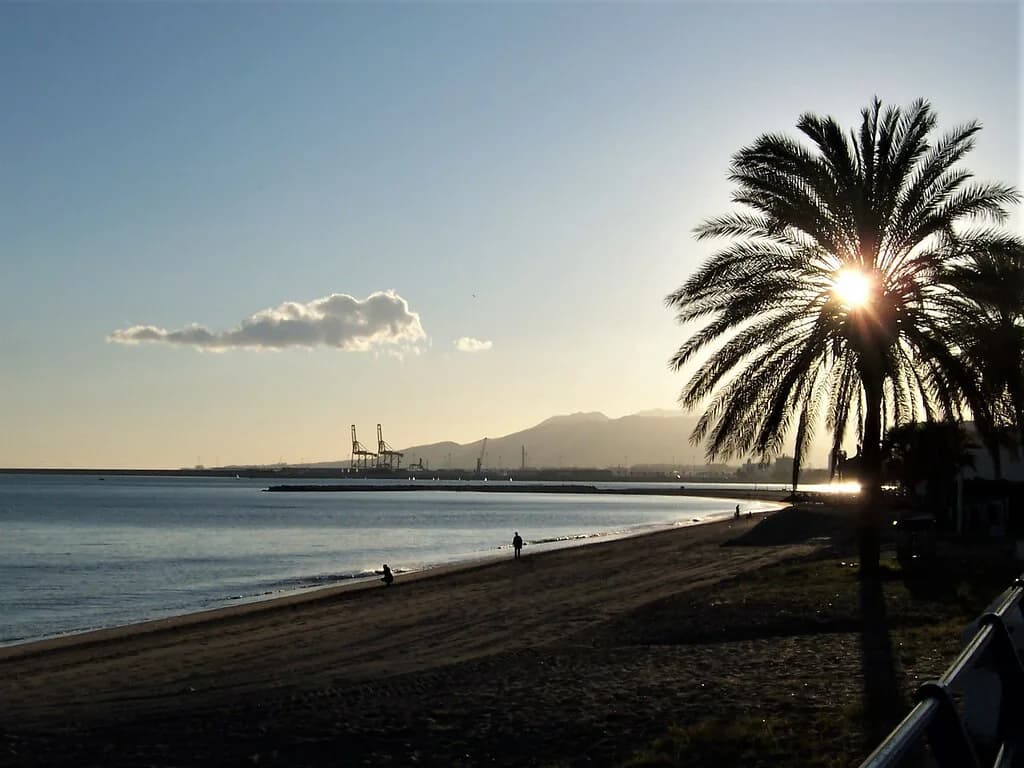
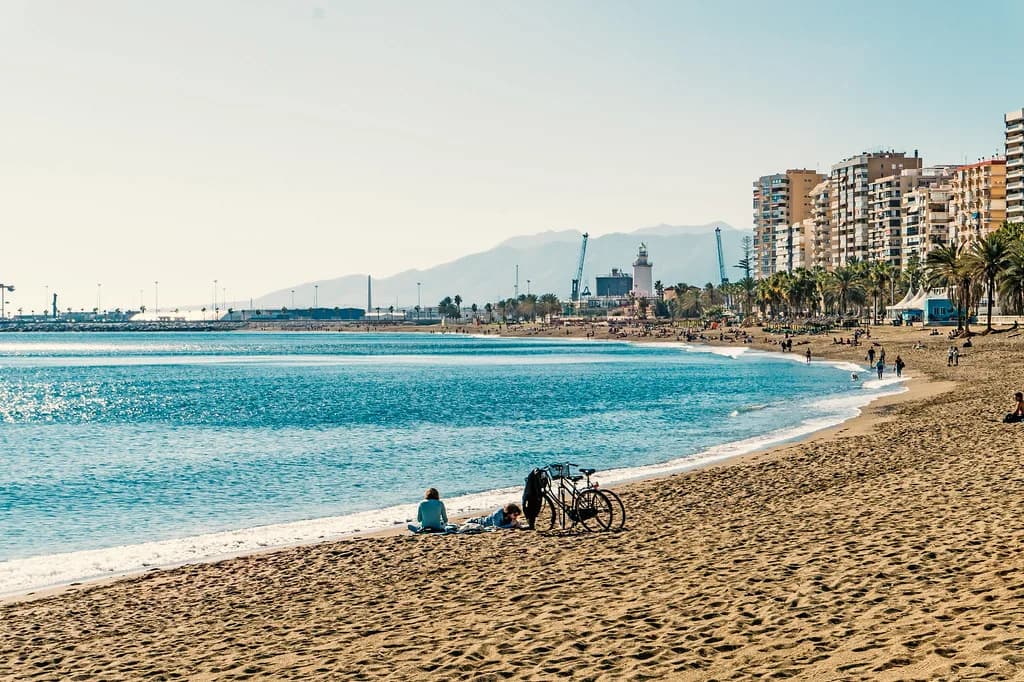
Málaga is the largest city on the coast and the one many visitors skip on the way to the resorts, yet it rewards a day or two: a one-towered cathedral, a Roman theatre, the Alcazaba and Gibralfaro castles, and views over the city and sea from the heights. La Malagueta, the city beach, puts sand within walking distance of the old town, port and museums, so you can swim in the morning and sightsee in the afternoon.
The city also works as the best base for day trips inland, including Granada's Alhambra by high-speed train, Córdoba by train and Ronda by bus. If you want one base with beach, culture and transport connections, Málaga is the practical choice. Our guide to Malaga beaches covers the city's shoreline in more depth.
Torremolinos: La Carihuela's two kilometres of sand
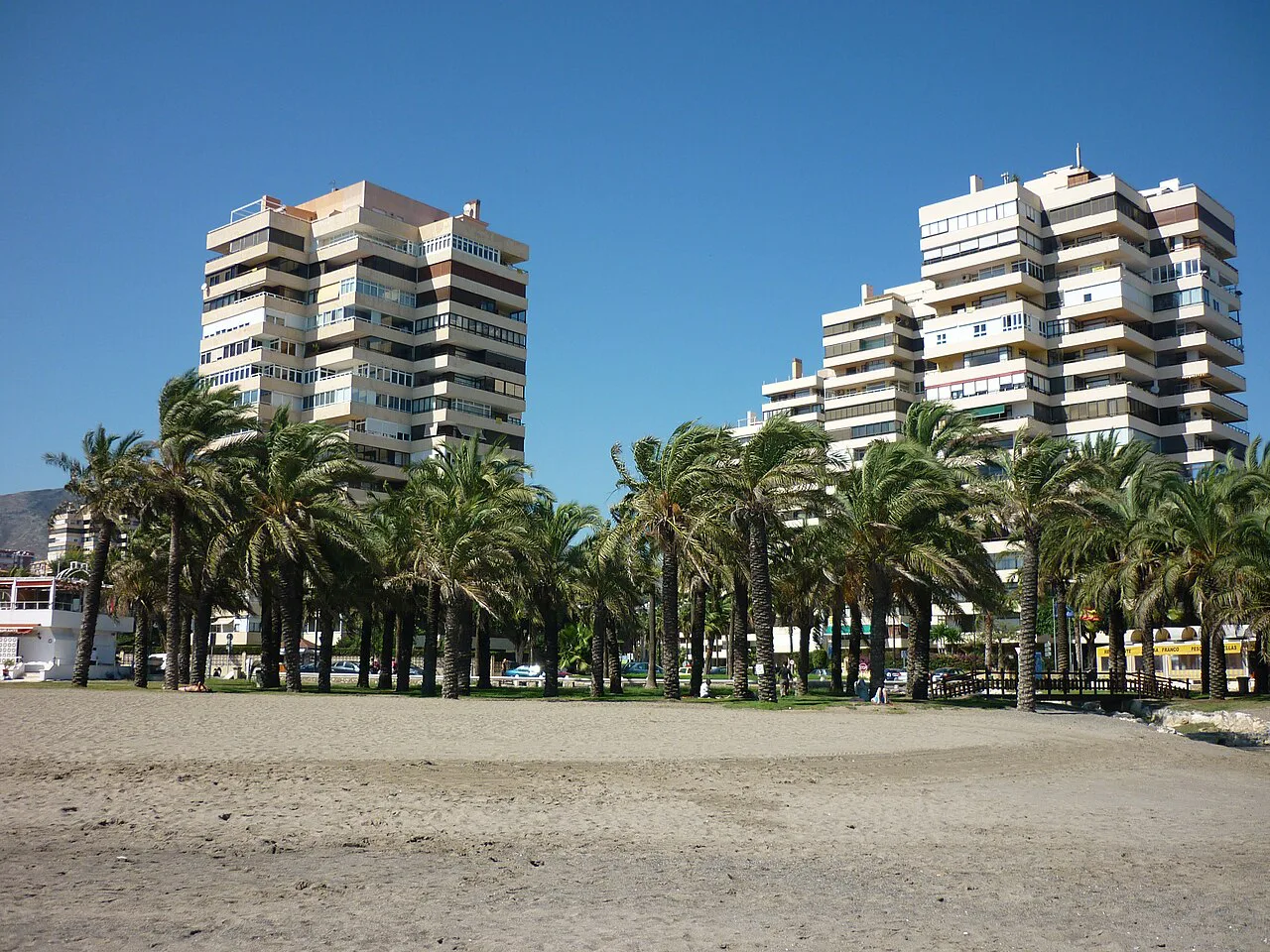
Torremolinos was the coast's first beach resort and remains its most visited, and the beach highlight is La Carihuela, a 2 km stretch lined with restaurants, bars and tourist shops. If your idea of a holiday is sitting in the sun and people-watching, it delivers; the town behind it is dominated by high-rises and has little of the Spanish character you find further along the coast.
The sensible use of Torremolinos is as a one-night stop before a flight from Málaga airport: hotels are plentiful and cheaper than in the city, the beaches are excellent, and the train or a taxi takes about 10 minutes. Beyond that, look west to Fuengirola or east to Torre del Mar.
Benalmádena and Fuengirola: family resort beaches
Benalmádena splits into three parts: Arroyo de la Miel with its old town and train station, the coast with its promenade and marina, and the white village of Benalmádena Pueblo about ten minutes inland. The coast is unashamedly family-oriented, with Sea Life, Selwo Marina, a cable car up Calamorro mountain, a butterfly park and the large Parque la Paloma. It is clean and easy, and the commuter train runs to Málaga in about 20 minutes from Arroyo de la Miel.
Fuengirola, the last stop on the train, feels more Spanish than either Torremolinos or Benalmádena, with busy streets and plazas, a superb seaside promenade and Sohail castle at its end. The beach and promenade make it the most relaxing of the big three western resorts, though there is little else to see in town. Los Boliches is the resort's own beach and appears on the coast's lists of the best.
Marbella: Cabopino, Artola and the old town
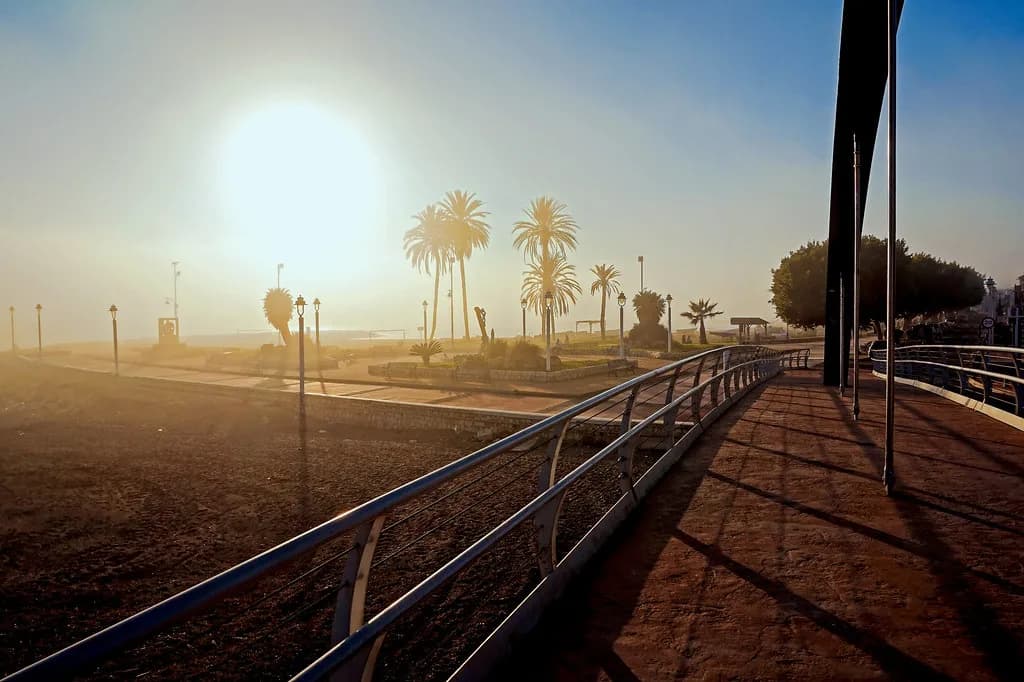
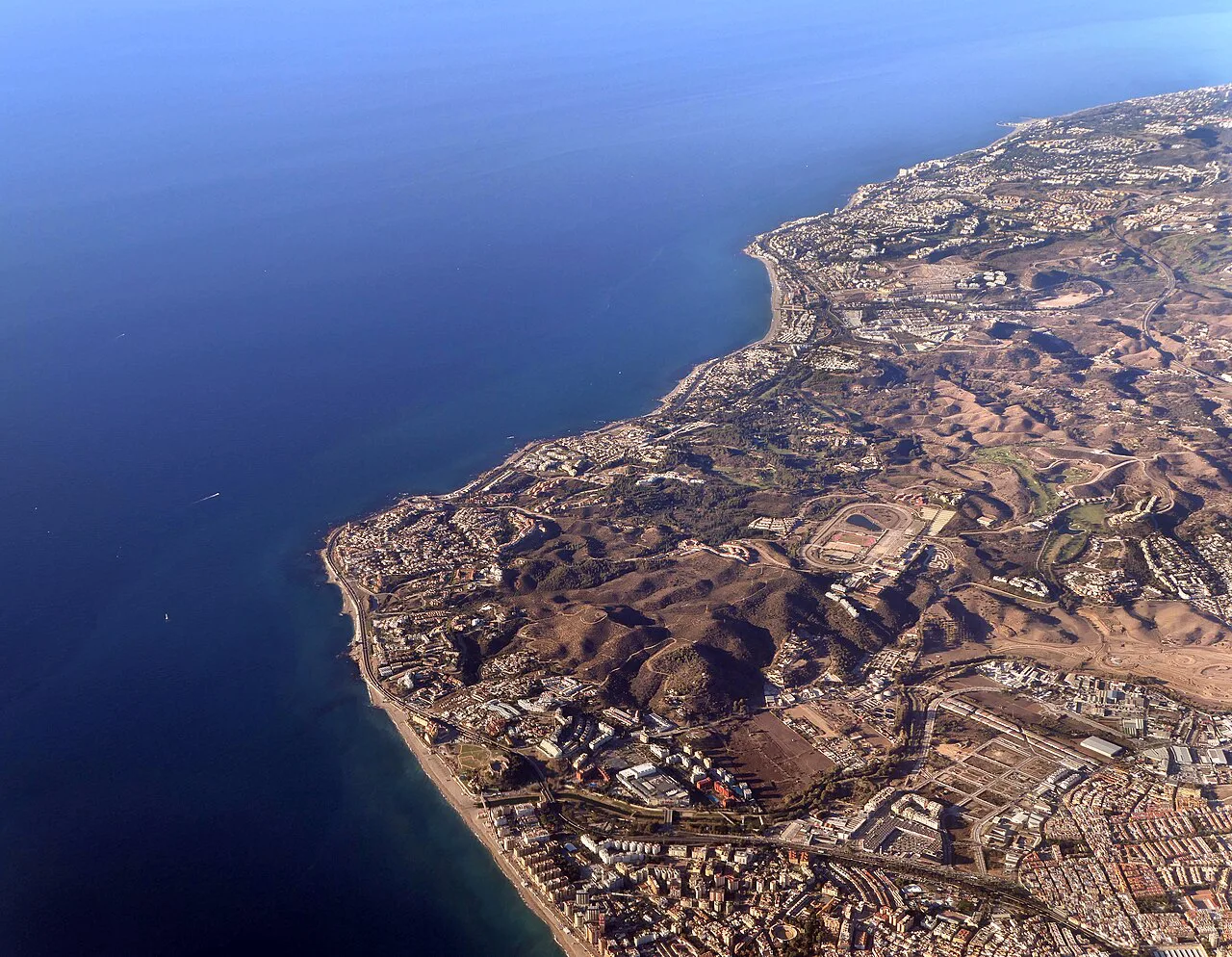
Marbella's old town is the most intact and interesting on the coast after Málaga, with churches, fountain plazas, old fortress walls and flower-lined lanes leading down to a long beach promenade. Cabopino and Artola, a short way east of town, appear on the provincial tourism board's list of the best beaches in the area. Stay in the town rather than Puerto Banús if you want to walk everywhere.
For a broader look at what the town and its neighbouring stretches of sand offer, our Marbella beaches guide is the natural next stop. The old town and promenade sit close enough to combine in a single afternoon.
Estepona: long sands and a planted promenade
Estepona, about 30 minutes down the coast from Marbella, is the pick for a beach-focused holiday west of Málaga city: long, wide sandy beaches and a pretty promenade that winds along the coast, described as a botanical garden of trees, shrubs and exotic flowers. The old town is smaller in attractions than Marbella's, but it is far prettier than those of the big western resorts and filled with colour-coded pots of flowers.
Calahonda, Bil-Bil and Calaceite: beaches to fold into a coastal day
Three further beaches named on the provincial tourism board's list are Calahonda and Calaceite, both on the stretch between Marbella and Nerja, and Bil-Bil at Benalmádena. They work best as additions to a day already built around a nearby base rather than as destinations in their own right. If you are staying at Benalmádena, Bil-Bil is an easy second swim after the main resort beach.
Getting around without a car
The Cercanías commuter line from Málaga is the practical spine for the western resorts: about 10 minutes to Torremolinos and 45 minutes to Fuengirola, the last stop, with Benalmádena in between. The service also connects the airport to the resorts in minutes, which makes a car-free beach holiday easy on that side of the city. East of Málaga, buses are the usual option, and the coast is less geared to rail.
Best time to go
July and August bring the heaviest crowds to the western resorts, and Torremolinos in particular fills with visitors from every corner of the globe. If you want the beaches at their emptiest, aim for the eastern coast around Torre del Mar, which stays quieter than Nerja even in high season. Spring and autumn give you the same sand with more room to spread out, though the sea is at its warmest later in the summer.
Nearby beaches and two-beach days
Good pairings follow the geography: Burriana with Frigiliana and the Nerja Caves, Torre del Mar with Vélez-Málaga inland, Málaga's La Malagueta with the Alcazaba and Gibralfaro, and La Carihuela with a train ride to Benalmádena or Fuengirola. Marbella's old town leads naturally down to the promenade for an afternoon swim. Build the day around one beach and one inland or old-town stop rather than trying to tick off the whole coast.
Practicalities: steps, shade and sea conditions
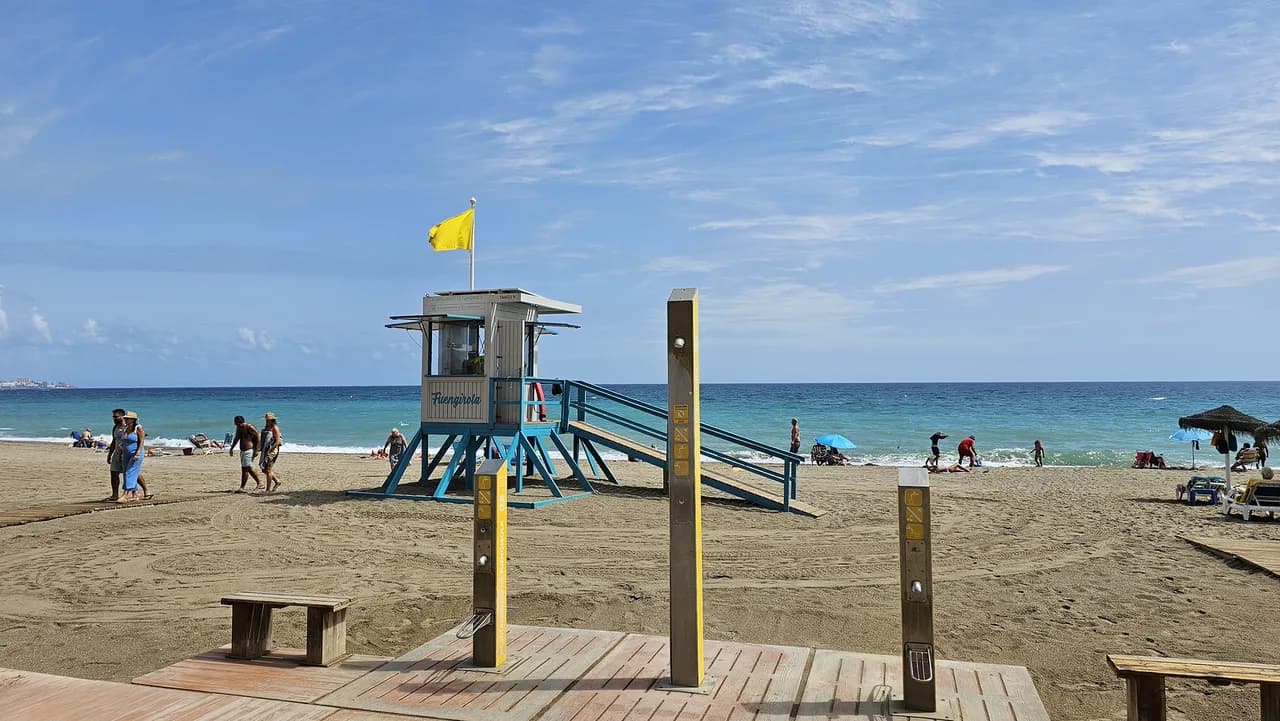
Access varies sharply along the coast: Nerja's beaches generally sit at the bottom of slopes or steps, while the western resort beaches and Torre del Mar's promenade are straightforward to reach. Bring shade if you plan a long day on the sand, and take sun cream and water seriously in high summer. Check the flag on the day before swimming and follow any advice from lifeguards where they are on duty.
Choosing your base
For history, culture and easy day trips, Málaga city is the strongest base. For a beautiful old town plus beaches, Marbella; for beaches, dining and nightlife with the best of the east, Nerja; for a relaxed beach holiday, Estepona or Torre del Mar. Mijas Pueblo, the prettiest white village on the coast, is worth a day trip rather than a base.
Plan Your Beach Day
The Costa del Sol rewards a little planning by base: pick east for quieter sand and a Spanish feel, west for resort convenience and the commuter train. Match the beach to your group, whether that means steps down to Burriana at Nerja or a flat promenade at Torre del Mar, and keep one inland village or old town for the afternoon. For fuller coverage of individual beaches, start with our guide to Malaga beaches.
Frequently Asked Questions
What are the best beaches in Costa del Sol?
The provincial tourism board lists Burriana, Cabopino and Artola, Calahonda, Calaceite, Bil-Bil and La Malagueta among the coast's best. Torre del Mar's long, wide sands are often singled out as the best east of Málaga, and La Carihuela at Torremolinos is the best-known western resort beach.
Where is the nicest part of Costa del Sol?
Marbella has the most intact old town after Málaga, and Estepona has the prettiest planted promenade and long sandy beaches. For culture and transport links, Málaga city is the most useful base on the coast.
Are the beaches east of Málaga quieter than those west of the city?
Yes, generally. The eastern resorts attract fewer visitors and have no big-name resorts, but the beaches are just as good and Torre del Mar in particular stays quieter than Nerja.
Which Costa del Sol beaches are easiest to reach without a car?
Torremolinos, Benalmádena and Fuengirola are on the commuter train from Málaga and the airport, with journeys of roughly 10 to 45 minutes. In Málaga city, La Malagueta sits within walking distance of the old town.
Do Nerja's beaches require walking down steps?
In general, yes: Nerja's beaches sit below the town and are reached by slopes or steps, which is worth weighing if anyone in your group has mobility issues.
Which resort is best for families?
Benalmádena is the most family-focused of the western resorts, with an aquarium, a sea life park, a cable car, a butterfly park and a large park, all within easy reach of the beach and the train.
Which Costa del Sol base suits a relaxing beach holiday?
Estepona and Torre del Mar are the two obvious picks: Estepona for long, wide sand and a botanical promenade, Torre del Mar for a 3 km promenade with a bike path and fewer crowds.
When is the coast busiest?
July and August bring the heaviest crowds, especially at Torremolinos. The eastern resorts around Torre del Mar stay quieter in peak season.
Sources
Beach notes for your next trip
Optional updates when we add or revise beach guides.
You might also like
Continue reading
More guides you'll find useful