Benalmádena Beaches: Where to Swim and How to Choose
Plan a beach day in Benalmádena: quiet coves, family stretches, the marina end and the sand between Bil-Bil castle and Las Gaviotas.
On this page
Benalmádena's appeal is variety within a short stretch of coast: you can spend the morning on a small sheltered cove and the afternoon on a broad family beach lined with bars. The resort's Costa strip runs to almost 10 km of beach, mixing quiet coves with family-focused sands, and the marina sits at its heart with more than a thousand moorings.
Choosing well comes down to three things: how far you want to walk from the train, whether you need space for children, and whether you want the buzz of the marina or a quieter end of the bay. The notes below group the shoreline by character rather than by any official ranking, because the best stretch depends entirely on the kind of beach day you are planning.
The shape of the coast
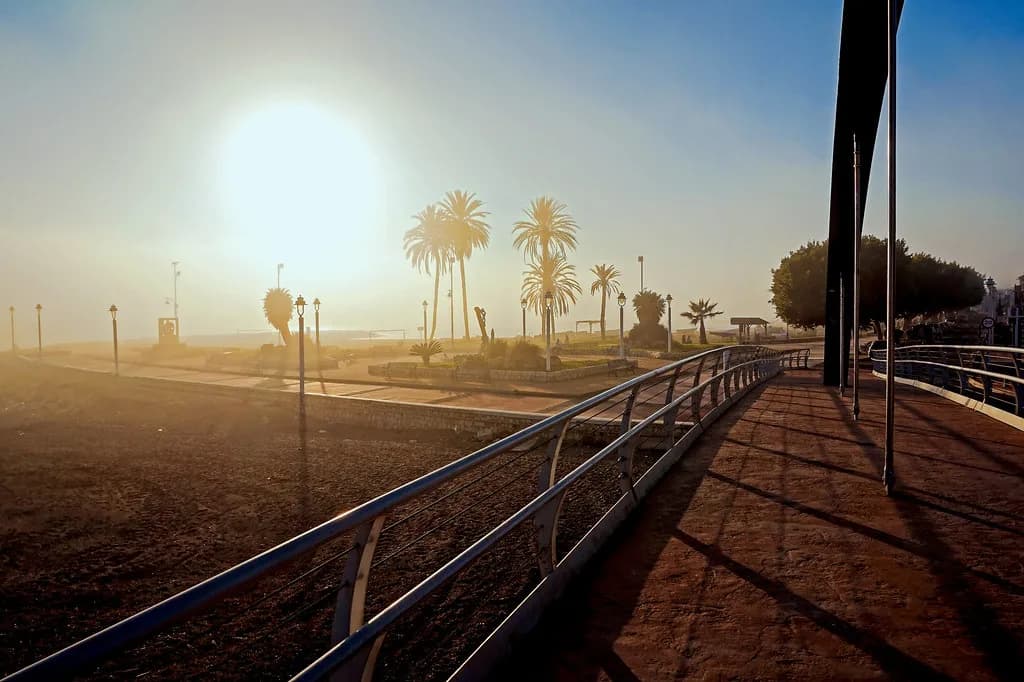
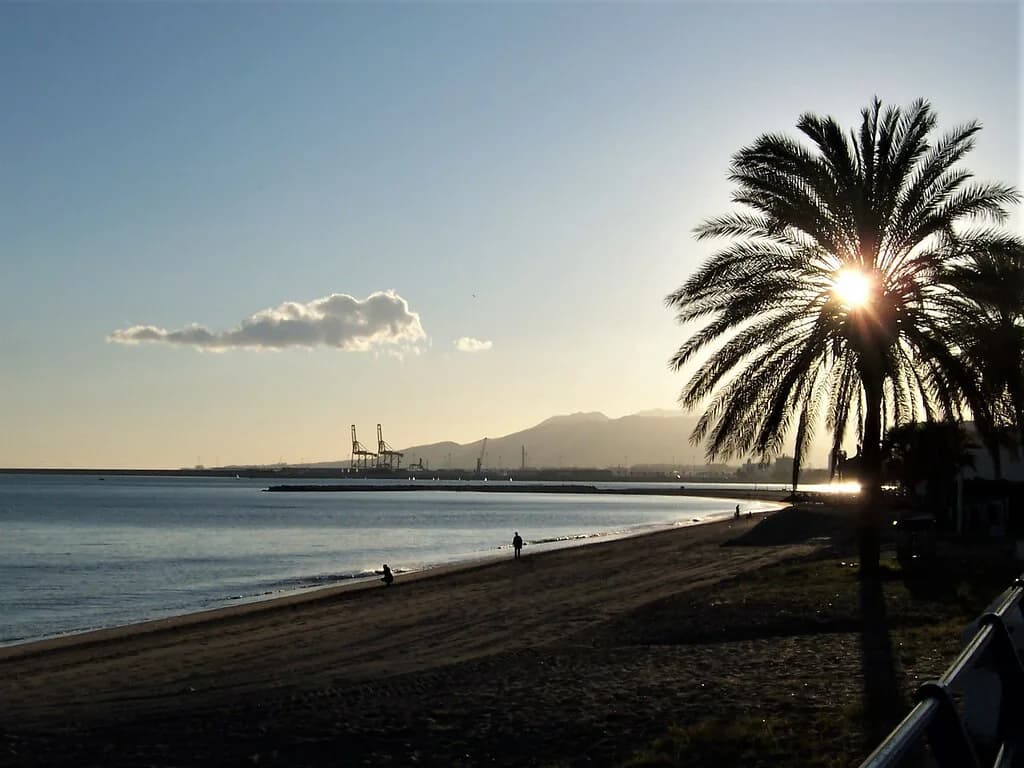
Benalmádena Costa is the beachfront half of the municipality, spread along the coast road between Torremolinos to the east and Fuengirola to the west, with Benalmádena Pueblo sitting uphill inland. The beaches form a near-continuous ribbon backed by the promenade, so you can walk between most of them without returning to the road.
Puerto Marina is the easiest landmark to navigate by: beaches east of it lean towards Torremolinos and Carihuela, while those west run on towards Fuengirola. Use the marina, the Bil-Bil castle and the Las Gaviotas area as your three anchors, then pick the sand between them that matches your day.
Because the promenade links the beaches, a common plan is to arrive by train at Benalmádena Costa, walk one direction along the front and take the bus or train back. That saves retracing your steps and lets you compare two or three stretches in a single afternoon.
The cove beaches
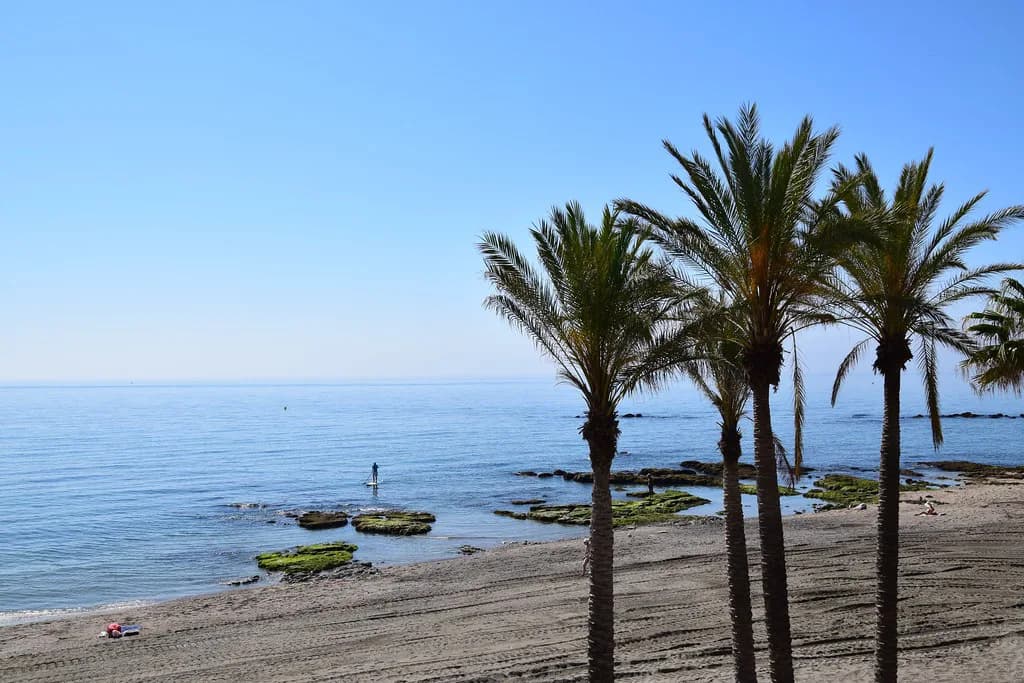
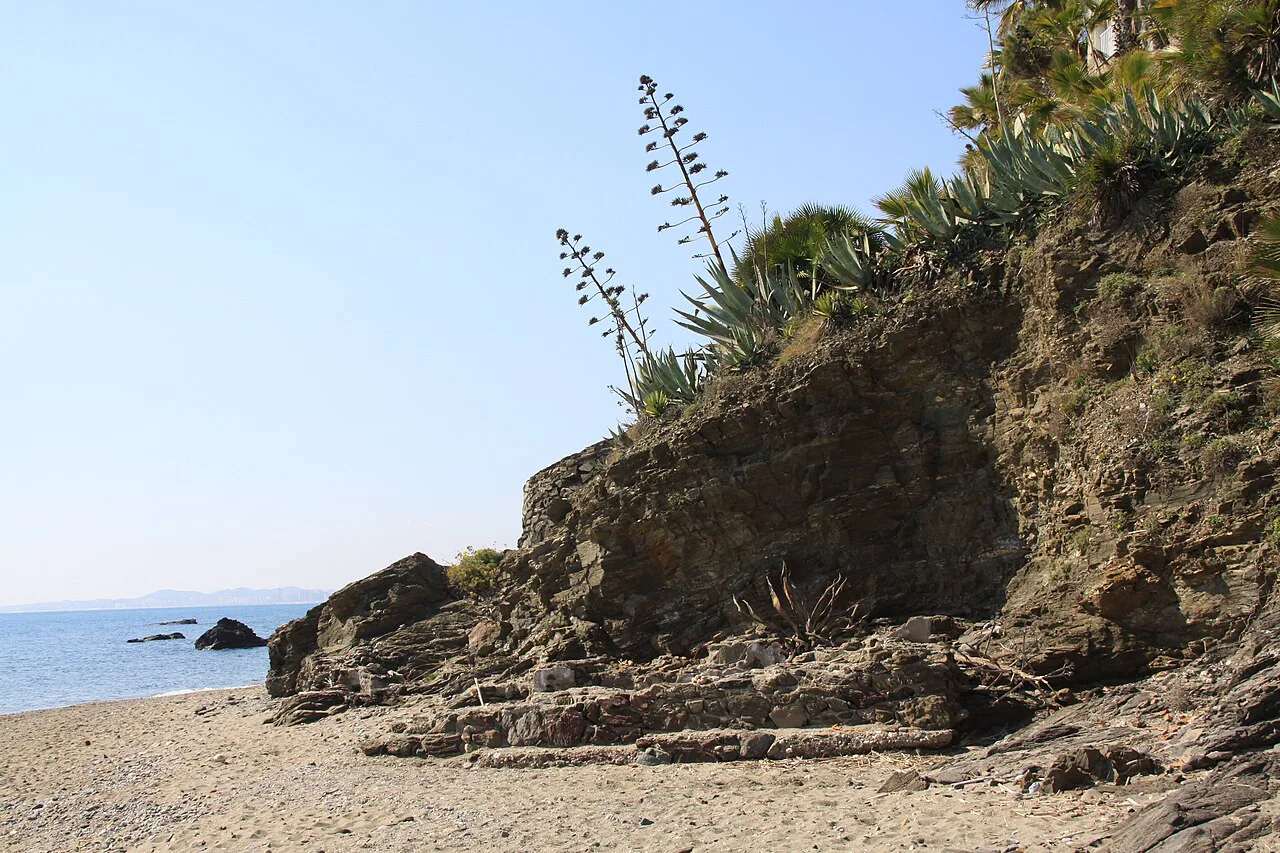
The smaller coves are where you head if you want to hear the water rather than the crowds. Benalmádena's shoreline includes quiet coves as well as the larger activity beaches, and the coves tend to sit at the edges of the built-up front where the promenade narrows.
These suit couples, quiet-seekers and anyone who wants to swim a short distance out without a wall of inflatables. Expect less shaded promenade immediately behind the sand, so bring your own shade if you plan to stay through the middle of the day, and plan on carrying your kit a little further from the nearest bar.
The family beaches
The family-focused beaches are the broad, activity-heavy stretches close to the marina and the main hotel strip, where the sand is widest and the promenade behind is at its busiest. These are the easiest beaches to combine with a full day out: ice cream, a walk to the marina and a short hop back to the hotel.
For children, the key advantages are space to spread out, a flat promenade for pushchairs and scooters, and plenty of places to retreat to when the sun gets too strong. The trade-off is noise and company: in high summer these stretches fill early, so claim your spot before mid-morning if you want room near the water.
Between Bil-Bil castle and the marina
The sand between Bil-Bil castle and the marina is the easy default for a first visit. It puts you within a short walk of the marina's bars, terraces and restaurants, and the castle itself, an Arabic-style building set in gardens, gives you a fixed landmark to walk back to.
Travellers who know the resort often name the beaches between Bil-Bil castle and the marina as a favourite stretch, alongside the Las Gaviotas area, which tells you this central band is the one people return to. If you only have one beach day in Benalmádena, start here and walk outwards until the sand suits you.
The Las Gaviotas end
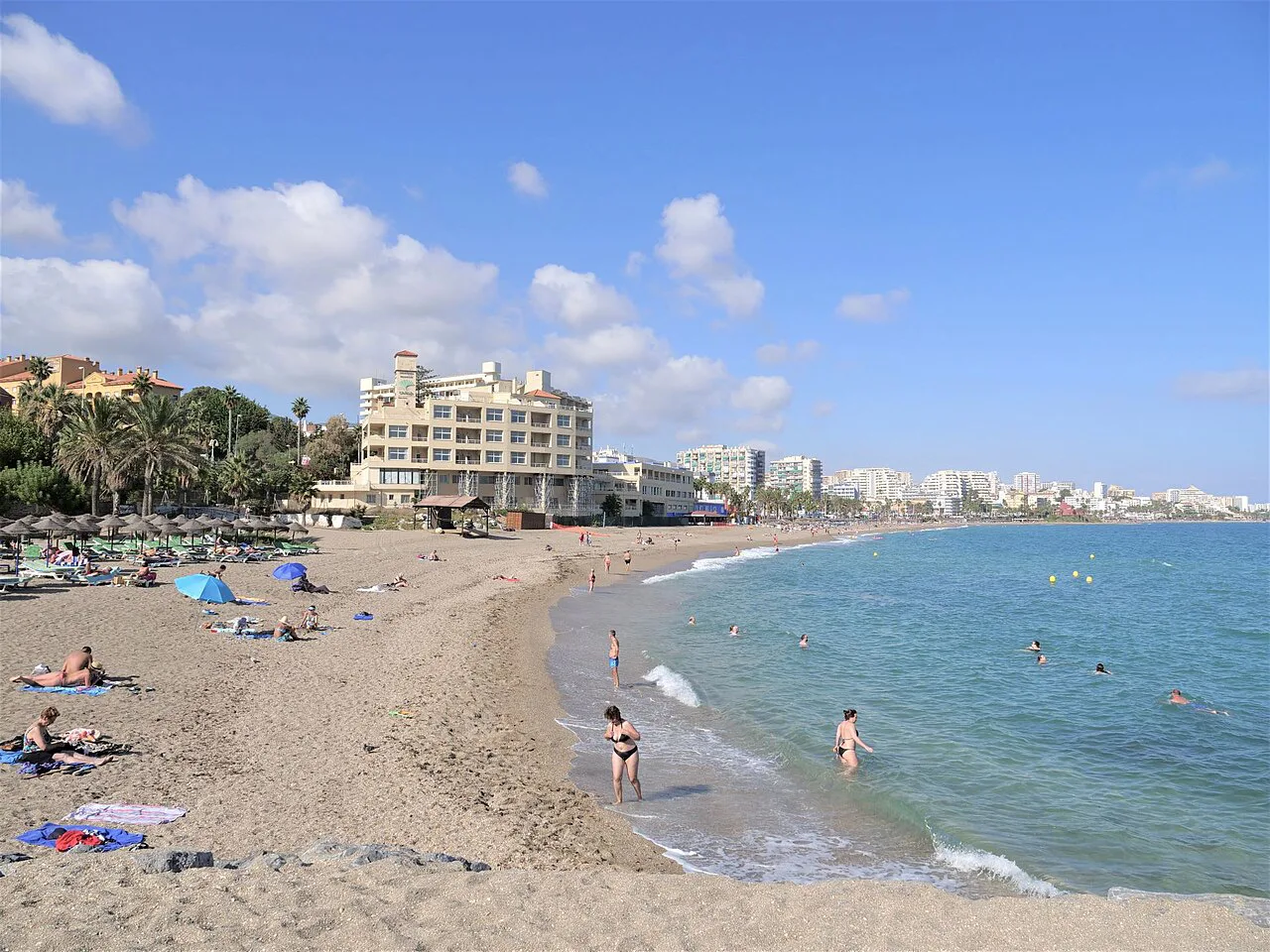
The Las Gaviotas stretch, at the western end of the Costa front towards Fuengirola, is the one locals and repeat visitors mention by name. It reads as a more residential, less packaged version of the resort, with the promenade running behind the sand and a cluster of bars nearby for a late lunch.
Pick this end if you want a beach day that feels like part of a neighbourhood rather than a resort. It also works well as a base for walking west along the front, with the option of continuing towards Fuengirola on foot or by bus when the afternoon heat eases.
The sand and the water
The Costa del Sol shoreline here is predominantly sand, with the water shelving gently enough near the main family beaches for paddling and short swims. Further along, small coves and rocky edges give snorkellers something to look at, though the entry can be steeper where the sand gives way to rock.
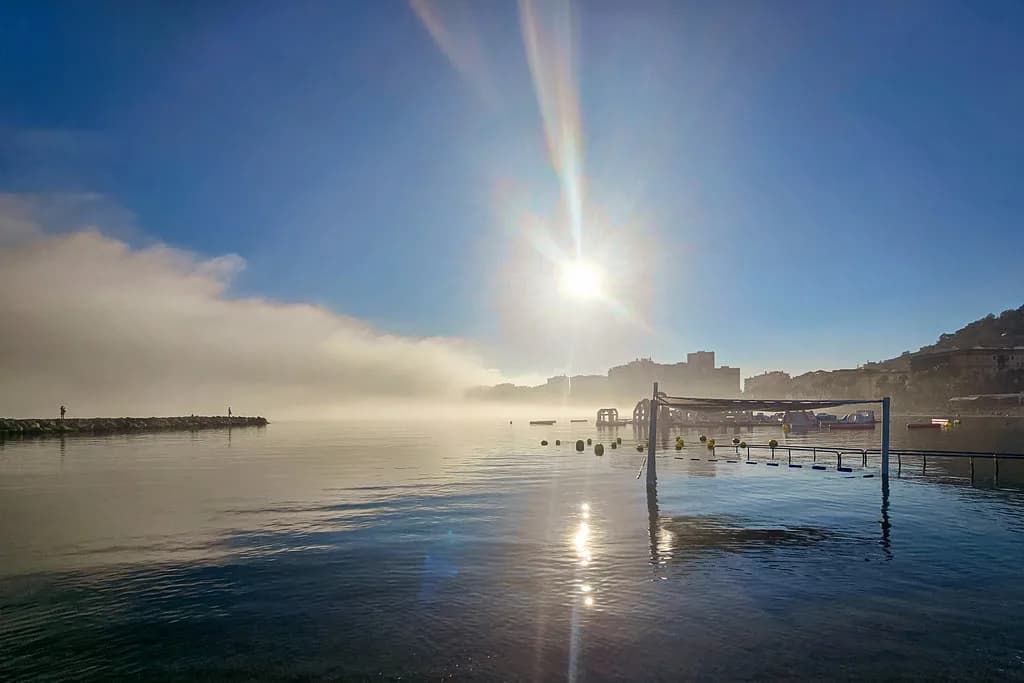
Shelter depends on the wind direction rather than the beach: the marina buildings and the headlands at either end of the bay break the breeze on windy days, while the open central stretches take the full fetch. On a breezy afternoon, walk to the cove ends and you will usually find calmer water than at the marina's edge.
In August the whole front is busy, with the central beaches and the marina end busiest of all. Mornings are noticeably quieter than afternoons, and the far ends of the promenade stay calmer throughout. If crowds bother you, plan your swim before eleven and save the walking for later.
Facilities
Facilities concentrate on the main family beaches and around Puerto Marina, where the promenade is lined with bars, restaurants and terraces. The marina area alone holds hundreds of bars and eating places, which makes it the obvious place to end a beach day.
Sunbed and parasol rental is common along the busiest stretches, and the price is set on the day, so ask at the kiosk before you settle. The quieter coves generally have less on offer, so carry water, snacks and your own shade if you plan to spend the afternoon away from the main front.
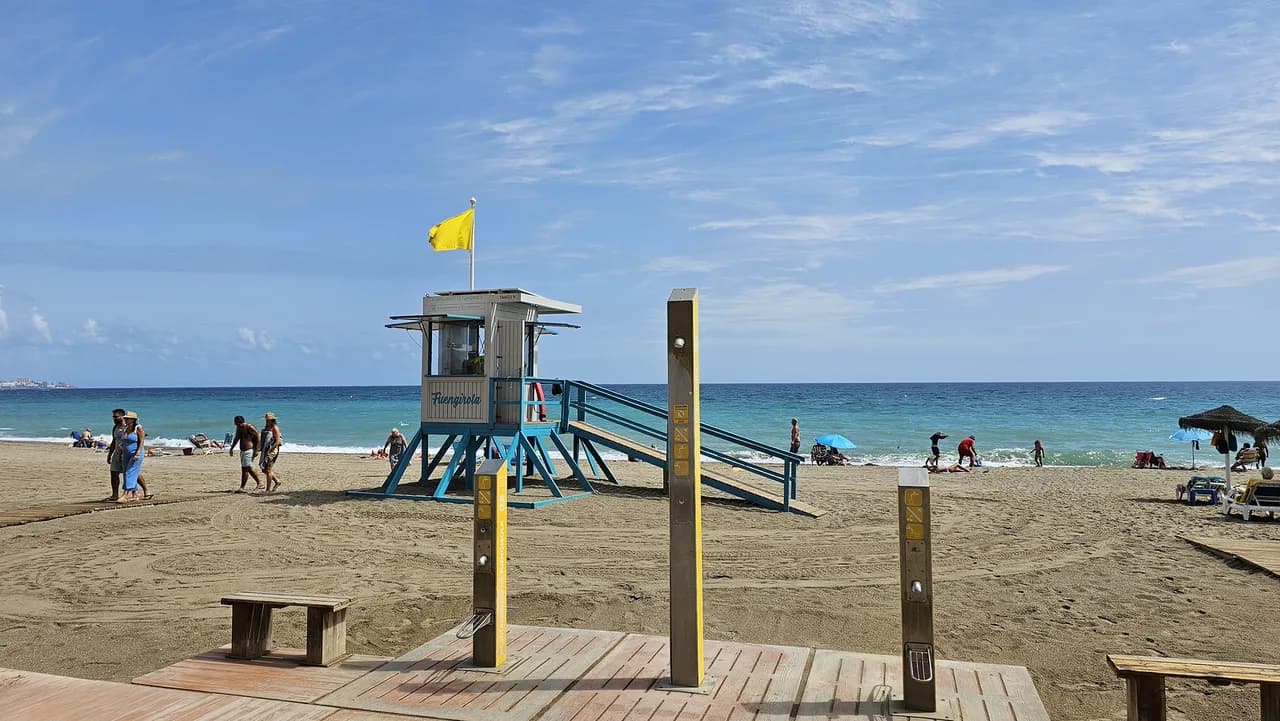
Swim within the flagged zones and follow whatever the lifeguards signal on the day; Benalmádena's main beaches are patrolled in the summer season, but flags change with conditions. Keep an eye out for jellyfish advisories posted on the promenade, and give rocky areas a wide berth when the sea is running high.
Getting there and getting around
The easiest car-free approach is the Cercanías commuter train from Málaga, which stops at Benalmádena Costa, a short walk from the beachfront. From the station, follow the slope down to the promenade and you can reach the marina end in well under half an hour on foot.
Local buses run along the coast road linking Torremolinos, Benalmádena Costa and Fuengirola, and they are handy for skipping the long walk back at the end of the day. Fares and timetables change, so check the bus company's own site or the station displays before you travel.
If you drive, parking near the promenade fills quickly in summer and charges vary by car park. Arrive early, or park further inland and walk down, which is often quicker than circling the seafront in August.
Best time to go
The swim season runs from late spring to early autumn, with the sea at its warmest in late summer. July and August are the busiest months and the ones to avoid if you dislike crowds; June and September give you warm water with noticeably more room on the sand.
Time your day around the sun rather than the clock: mornings are cooler and quieter, afternoons are hottest and busiest, and evenings bring the promenade to life. A common pattern is an early swim, a long lunch in the shade, then a late walk along the front to the marina.
Nearby beaches to combine
To the east, the walk or short bus ride towards Torremolinos brings you to the Carihuela and Bajondillo stretches, both longer and busier than Benalmádena's coves. They make an easy half-day extension if you want a change of scene without moving base, and the Torremolinos beaches are covered in more detail elsewhere. If you would rather head the other way along the coast, the beaches in Nerja offer a similarly compact cluster of coves and family sands to compare against.
To the west, Fuengirola's long beachfront and the Los Boliches end are within easy reach by train or bus and offer a bigger, more urban beach day. Further along the coast, the sands around Marbella and Puerto Banús reward a full day trip if you have the time.
Plan Your Beach Day
Start with the central sand between Bil-Bil castle and the marina if this is your first visit, then walk west towards Las Gaviotas or east towards Torremolinos as your mood and the crowds dictate. Carry water, your own shade for the coves, and shoes you can wear on and off the sand.
For a wider look at the coastline, compare these stretches with the Malaga beaches guide before you commit your days, since the province runs from small coves to long city sands. Ask at the kiosk about sunbed charges and check current fares and times for the train the evening before you travel.
Frequently Asked Questions
Which Costa is Benalmádena on?
Benalmádena sits on the Costa del Sol in Málaga province, between Torremolinos to the east and Fuengirola to the west. Its beachfront half, Benalmádena Costa, runs along the coast road and is linked by a promenade that passes Puerto Marina, the Bil-Bil castle and the Las Gaviotas area.
Which part of Benalmádena is best for beaches?
The central sand between Bil-Bil castle and the marina is the easiest choice for a first visit, with bars, restaurants and the promenade close at hand. Couples and quiet-seekers tend to prefer the smaller coves at the edges of the front, while families gravitate to the broad activity beaches near the marina.
Which Benalmádena beach is quietest?
The smaller coves at the ends of the built-up front are the quietest stretches, away from the marina buzz and the main family beaches. Whichever stretch you pick, mornings are markedly calmer than afternoons, especially in July and August.
Do you need a car to reach Benalmádena's beaches?
No. The Cercanías commuter train from Málaga stops at Benalmádena Costa, a short downhill walk from the promenade, and coastal buses link Torremolinos, Benalmádena Costa and Fuengirola. A car is only useful if you plan to explore beaches further along the coast.
When is the best time to swim in Benalmádena?
Late spring to early autumn is the swim season, with the warmest sea in late summer. June and September are the sweet spot for warm water with fewer people, while July and August are busiest and best tackled with an early start.
Sources
Beach notes for your next trip
Optional updates when we add or revise beach guides.
You might also like
Continue reading
More guides you'll find useful