Livorno Beaches: Which Coastal Spot to Choose
Plan a beach day around Livorno, from sandy Calambrone in the north to the rocky coves of Cala del Leone in the south, with access notes for each.
On this page
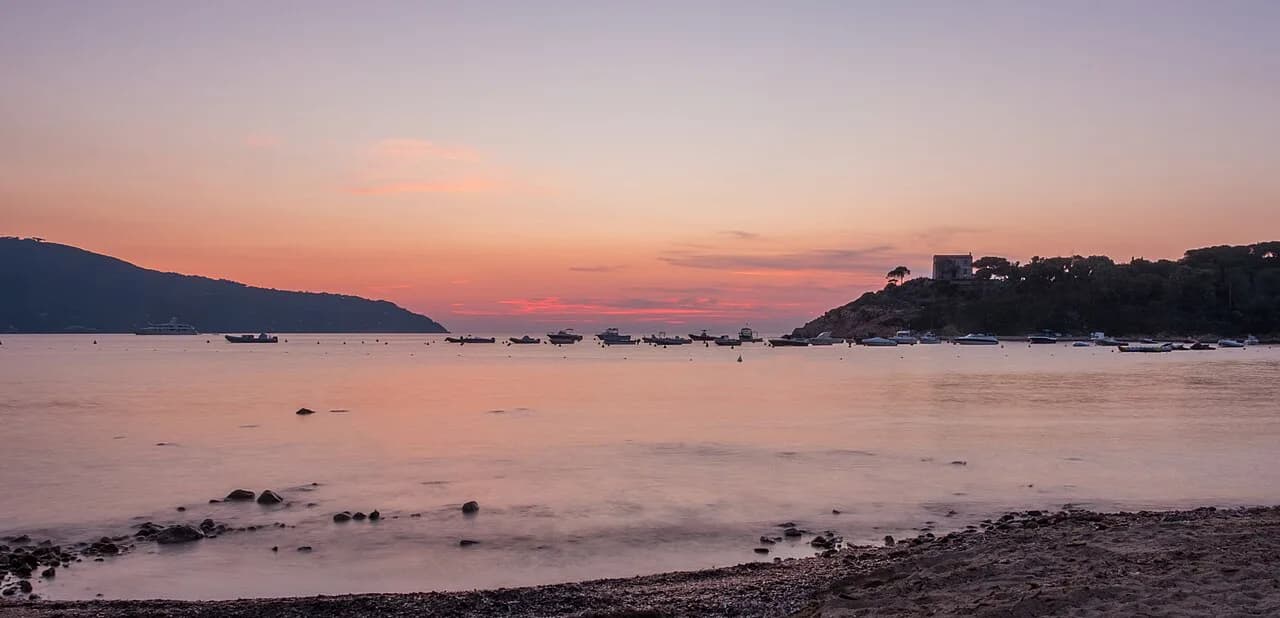
Livorno works well as a beach base because the coastline changes character within a few kilometres of the city. North of town the shore opens into sand with dunes at Calambrone, while south of the port it turns rocky and reef-like, with small coves tucked below the coastal road.
That split makes the choice straightforward. Families with small children and anyone who wants a long, roomy shoreline head north; snorkellers, strong swimmers and people who prefer a quiet cove over a lido head south. Each side carries its own footwear, parking and transport trade-offs, set out below. If you are weighing a different stretch of Italian coast, the same lido-versus-free-beach decision shapes a day at the beaches of Alghero.
Why Livorno works as a beach base
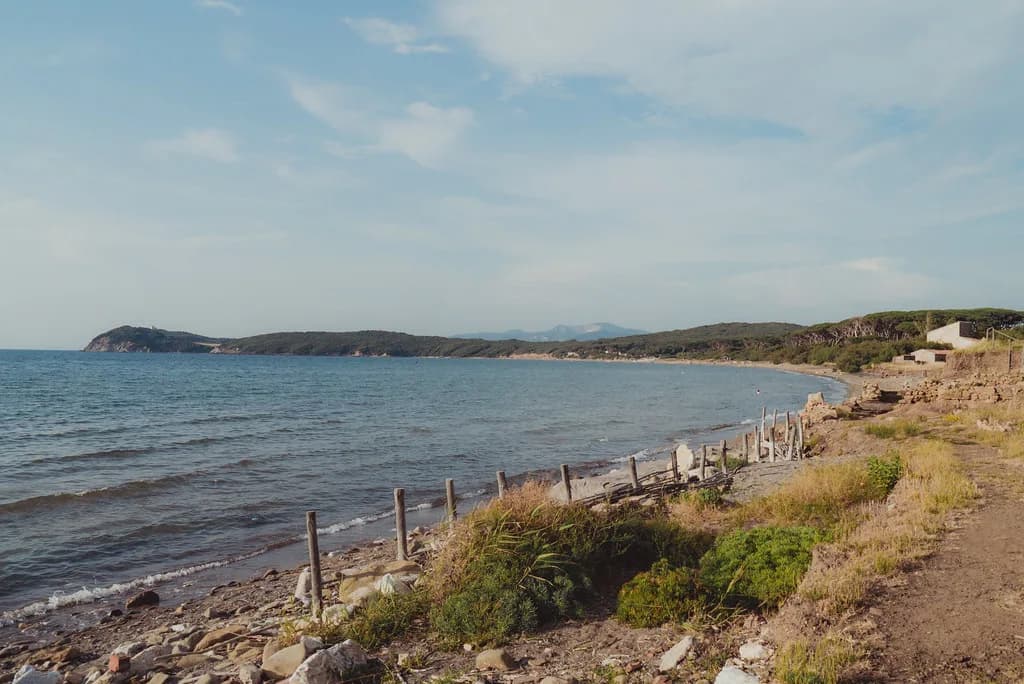
The city sits between two distinct stretches of coast. To the north, Calambrone lies in the northern suburbs with sand dunes and a straightforward entry into the water, which makes it the natural pick for a classic sand day. South of Livorno, the shoreline becomes small rocky beaches and coves, with Cala del Leone and Calignaia as the closest recognised stops.
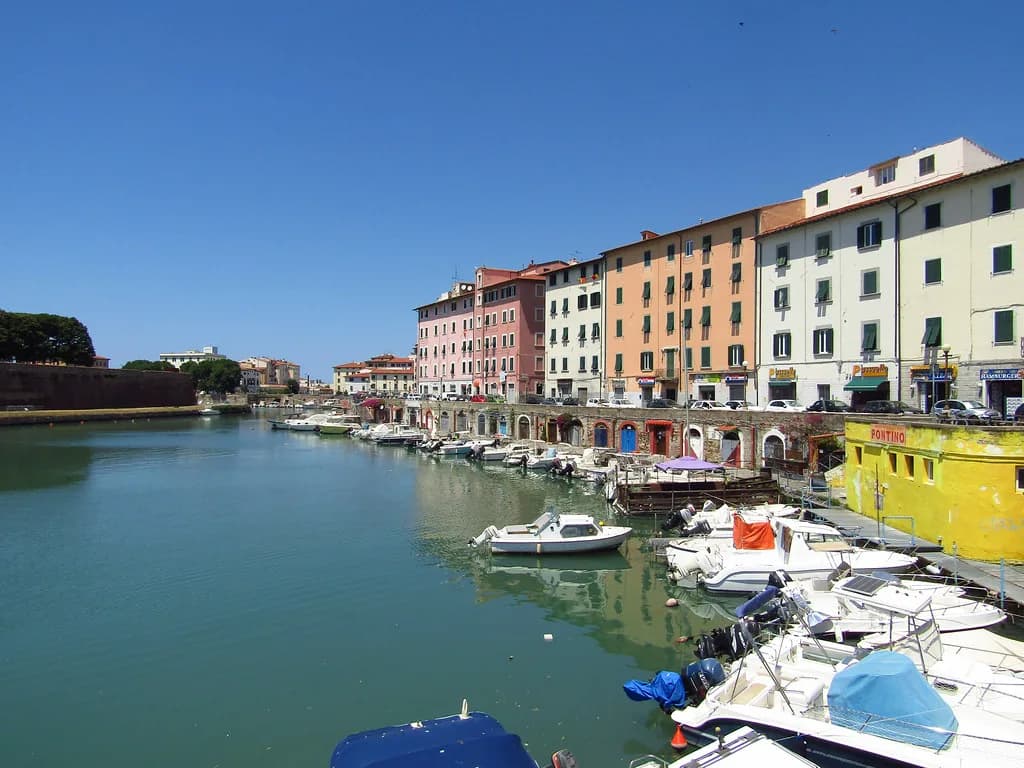
Treat Livorno as a hub rather than a single beach. The city waterfront itself is not the draw; the value is that you can choose sand in one direction and rock in the other without committing to a long transfer. That makes it a sensible base for a mixed group where some want to lie flat on sand and others want to swim over rocks.
Calambrone: sand, dunes and an easy entry to the water
Calambrone sits in Livorno's northern suburbs, where the beach is backed by dunes and the entry into the sea is gradual and uncomplicated. For a family with buckets and a toddler, that combination of open sand and an easy walk-in is the strongest argument for choosing this end of the coast. Parking and access arrangements are handled locally, so sort them out before you set off rather than leaving a space by the sand to luck.
The dunes give the beach a different feel from the tightly packed lido strips further north in Versilia. Bring your own shade if you want it, since a dune-backed shore offers little natural cover, and plan on carrying everything from the car or bus stop to your spot.
Cala del Leone: a small rocky beach south of town
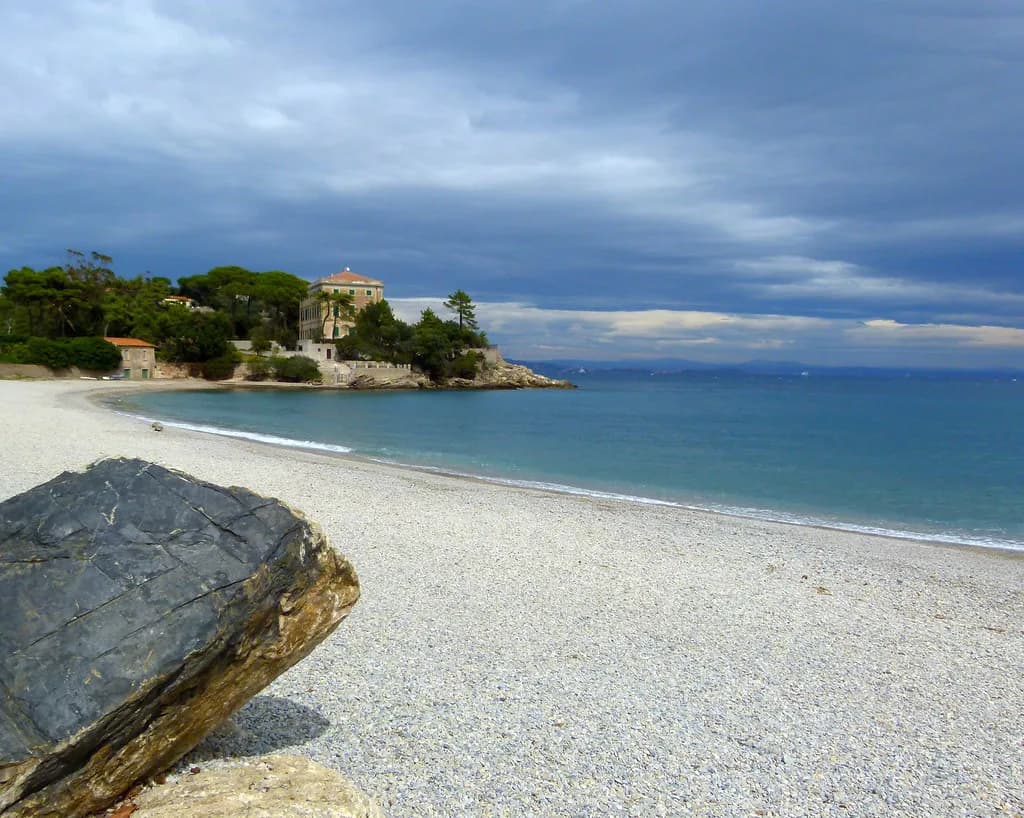
Cala del Leone is a small beach set among rocks south of Livorno, and the appeal is the setting rather than space. The water is clear and the cove is picturesque, which suits swimmers and snorkellers far better than families looking for a long stretch of sand to spread out on.
Because the beach is small and rocky, arrive with water shoes and a mat rather than expecting soft sand underfoot. Space is limited, so an early start gives you a better chance of a comfortable spot, and the surrounding rock is the reason to come rather than an obstacle.
Calignaia: the nearest good beach south of Livorno
Calignaia is described as the nearest good beach to the south of Livorno, and it sits in a gorge below the road bridge. The setting is unusual and the entry into the water is rock-based, which again points to water shoes and a confident swimmer rather than a paddling toddler.
Its proximity to the city makes it the obvious short-hop option if you have half a day rather than a full one. The trade-off is that the beach is small and the approach involves the road and bridge above, so it feels more urban than the coves further south.
The reef coast from Antignano down to Rosignano
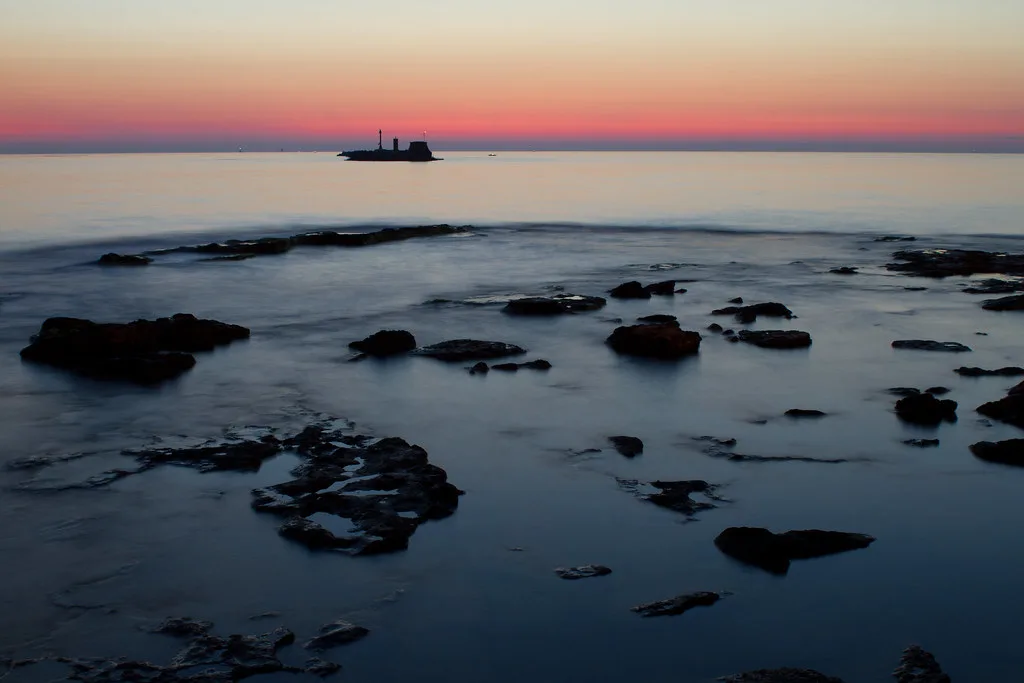
From Antignano down to Rosignano the waterfront is reef rather than sand. People climb onto the rock, lay out towels and snorkel in the water around the shelves, and the towns along this stretch have boardwalks with bars, gelato shops and restaurants behind the shore. Bring water shoes, or buy a pair from the vendors who sell them along the coast.
This is the stretch for snorkelling and for anyone who finds a lido row dull. The trade-off is comfort: rock is unforgiving to lie on and awkward to walk across barefoot, so a mat, shoes and a tolerance for uneven ground matter more here than a parasol.
Castiglioncello and Vada: pebbles and coarse sand by train
South of Rosignano the beach turns to small pebbles or coarse sand, with short beaches ending in rock barriers in the sea. Castiglioncello, Vada and Cecina are among the easiest of these to reach by public transport, since the towns sit on the coast or close to it and have stations on the Pisa–Grosseto line.
Further south towards Riotorto, public transport thins out and a car does the work. If you are relying on trains, keep your ambitions to the Castiglioncello and Vada stretch and treat the more southerly beaches as a separate, car-based day.
Getting there: bus, train, car and parking
For the northern sand, local buses serve the Livorno suburbs, but the timetables and fares are best confirmed with the local operator before you travel. For the southern coast, the train along the Pisa–Grosseto line is the realistic option for Castiglioncello, Vada and Cecina, and the stations put you within walking distance of the water in those towns.
A car gives you the coves between Livorno and Quercianella and the quieter southern beaches, but parking near the popular stretches fills early in summer. Wherever you park, expect to walk the last stretch to the sand or rock, so pack light and bring a bag you can carry.
The sand and the water: how quickly the seabed drops
The Tyrrhenian coast has a short shelf, which means the water deepens quickly compared with the long, shallow Adriatic beaches. Watch how far you have waded out and keep an eye on children, because the drop-off can arrive sooner than expected.
Currents vary along this coast. The beaches near Pisa and the Versilia stretch to the north are described as receiving strong currents, while the Rosignano to Riotorto stretch tends to be calmer in general. Treat that as a guide to the area's character, not a guarantee for any given day, and read the flags and local advice when you arrive.
Facilities: bathing establishments and spiagge libere
Italian beaches split between bathing establishments, which set out umbrellas and sunbeds and often provide changing rooms, showers and bars, and the spiaggia libera, the free stretch where you bring your own umbrella, towels and cooler. In Versilia, the stretch from Forte dei Marmi to Viareggio is largely taken over by establishments, with free beach found at Viareggio and Pietrasanta.
South of Livorno, the reef-and-rock beaches are mostly a bring-your-own affair, with the towns behind them supplying bars, gelato and restaurants. Decide before you go whether you want the convenience of a lido or the freedom of a free beach, because it changes what you pack and how early you need to arrive.
Best time to go: summer crowds and warmest sea
August is the busiest month, when Italian families take their holidays and coastal towns fill with rented apartments. The Versilia establishments largely close at the end of September, so late-season visitors see a quieter version of that coast.
For warmer sea and a livelier shore, aim for midsummer; for space and a calmer pace, the shoulder weeks either side suit better. Wherever you land, check the local bathing season with the Livorno tourist office, since services wind down outside it.
Nearby beaches to combine
Elba is the obvious add-on, with every type of beach from sand to pebble and good shelter from wind on the leeward sides. Marina di Campo's long sandy beach suits children, as do Fetovaia and Cavoli, and the island rewards anyone willing to chase the sheltered side of the day.
On the mainland, the Etruscan Coast bays of Baratti and Sterpaia are protected from the wind, and the long sandy beach at Marina di Alberese sits within the Maremma regional park. Cala Violina, north of Castiglione della Pescaia, is reached by a fifteen-minute walk through woodland.
Families: which beaches are protected from wind and swell
For small children, sand and shelter from the wind matter more than scenery. Calambrone's dunes and easy entry make it the simplest northern choice, while Marina di Pisa is protected from the open sea by large rock walls, which makes the beach-going experience more pleasant.
Further south, the bays of Baratti and Sterpaia are more protected from the wind and tend to have calmer water. Older children often prefer the rock pools and shelves around Castiglioncello, where climbing and exploring replace sandcastles.
Swimmers and snorkellers: where rock beats sand
The reef between Antignano and Rosignano is the best snorkelling ground near Livorno, with rock shelves and clear water to explore. Cala del Leone and Calignaia offer the same appeal in smaller, quieter packages, and water shoes make all the difference on the approach.
Strong swimmers get more from this coast than paddlers, given the short shelf and the currents described near Pisa and in Versilia. Go with a buddy, keep an eye on the flags, and save the open-water swims for days when the sea looks settled.
Blue Flag status along the Tuscan coast
Tuscany has a long list of Blue Flag beaches, awarded annually for environmental standards, water quality, management and safety services. The flag recognises a beach's environmental credentials rather than its sand, shelter or suitability for small children.
Treat the flag as one signal among several. For a Livorno day, pick by what you want from the water and the shore first, then look up the current national Blue Flag list published each year if the award matters to you.
Making a day of it from a Livorno cruise call
Cruise passengers report wanting a simple, relaxing beach day within easy reach of the port, and the northern sand at Calambrone is the least complicated option. The southern coves demand more time and a car or taxi, which is harder to fit around a port timetable.
Build in a buffer for the return leg and check your transport times before you leave the ship, since a missed connection is the main risk on a short call. A towel, water and cash for a bar lunch cover a half-day without overpacking.
Practical kit: water shoes, shade and cash
Water shoes are the single most useful item on this coast, given how much of the southern shoreline is rock and how quickly the seabed shelves. Pack a mat if you plan on the reef, and bring your own shade if you are heading for a spiaggia libera rather than a lido.
Carry cash for bars, gelato and any beach-side purchases, since small operators along the shore are not always set up for cards. A refillable bottle and high-factor sunscreen round out a kit that works on sand and rock alike.
Plan Your Visit
Choose north for sand, dunes and an easy walk into the water at Calambrone, and south for rock coves, reef snorkelling and quieter shores at Cala del Leone and Calignaia. For a longer run, the train along the Pisa–Grosseto line reaches Castiglioncello, Vada and Cecina without a car.
Pack water shoes, shade and cash, decide between a lido and a free beach before you set off, and leave the open-water swims for settled days. That is enough to make a Livorno beach day work whether you have a fortnight or a single cruise call.
Explore more Livorno beaches
Frequently Asked Questions
Which Livorno beach is easiest to reach without a car?
Calambrone is the simplest option on the northern side, served by local buses from the city, and the southern towns of Castiglioncello, Vada and Cecina are on the Pisa–Grosseto railway line. The coves directly south of Livorno are more easily reached by car or taxi.
Are Livorno beaches sandy or rocky?
Both. Calambrone in the north is sand with dunes and an easy entry into the water, while the coast south of Livorno towards Quercianella and Rosignano is rocky reef, with small coves such as Cala del Leone and Calignaia.
Which beach near Livorno is best for families with small children?
Calambrone suits families best, with open sand, dunes and a gradual entry into the sea. Marina di Pisa, further north, is protected by rock walls from the open sea, which makes it another comfortable choice for small children.
Can you reach Castiglioncello or Vada by train from Livorno?
Yes. Both towns sit on or near the coast and have stations on the Pisa–Grosseto line, which makes them among the easiest of the southern beaches to reach by public transport. Check the timetable with the train operator before you go.
Where can you snorkel near Livorno?
The reef between Antignano and Rosignano is the strongest snorkelling ground, with rock shelves and clear water. Cala del Leone and Calignaia offer smaller, quieter versions of the same rocky setting, and water shoes are essential.
Is Cala del Leone worth the trip south of Livorno?
It is worth it if you want a small, picturesque cove with clear water and rocky ground. It is less suitable for families wanting a long sandy beach, since space is limited and the shore is rock rather than sand.
Which Tuscan beaches near Livorno hold Blue Flag status?
Tuscany has many Blue Flag beaches, awarded annually for environmental standards, water quality, management and safety. Check the current national Blue Flag list for the specific beach you plan to visit, since the award is reviewed each year.
Is a Livorno beach day realistic from a cruise call?
Yes, if you keep it simple. The northern sand at Calambrone is the least complicated option from the port, while the southern coves need more time and a car or taxi. Build in a buffer for the return leg to the ship.
Sources
Beach notes for your next trip
Optional updates when we add or revise beach guides.
You might also like
Continue reading
More guides you'll find useful