Malaga Nude Beaches: Naturist Spots Near the City
Naturist beaches in and around Málaga, from the city's established nudist sands to the cove at Playamarina and the cliffs of Cantarriján.
On this page
Málaga is unusual among Spanish cities in having a long-established naturist beach within its own municipal boundary, which makes a clothing-free swim possible without a car or a full day out. Beyond the city, the Costa del Sol adds a designated nudist cove near Mijas and a cliff-backed reserve beach where the two beach restaurants mark the clothing-optional zone. The three suit different days: a quick city dip, a snorkelling cove, or a wilder outing that needs planning.
This guide covers each spot by base, with access, the character of the sand and water, published facilities and the etiquette that decides which stretch of beach you sit on. Sea temperatures are included so you can judge whether a May or October swim appeals.
How naturist beaches work on the Costa del Sol
Spanish beaches are public, and naturism is long established on stretches that locals and visitors have used that way for decades. Some are officially designated as naturist beaches; others are simply accepted nude zones within a longer beach. At Cantarriján the split is explicit: the area in front of the two beachside restaurants is clothing optional, while the section off to the side is fully naturist, as the beach guide sets out.
Etiquette is straightforward. Read the beach before you unpack: if everyone around you is nude, keep your own clothing off in that section; if you prefer to wear a swimsuit, choose the clothing-optional stretch or a neighbouring beach. Keep towels on the sand, don't photograph other people, and walk to the water rather than through occupied sunbathing areas. Families and mixed groups use these beaches, so behave as you would on any public beach.
Guadalmar: Málaga's own naturist beach
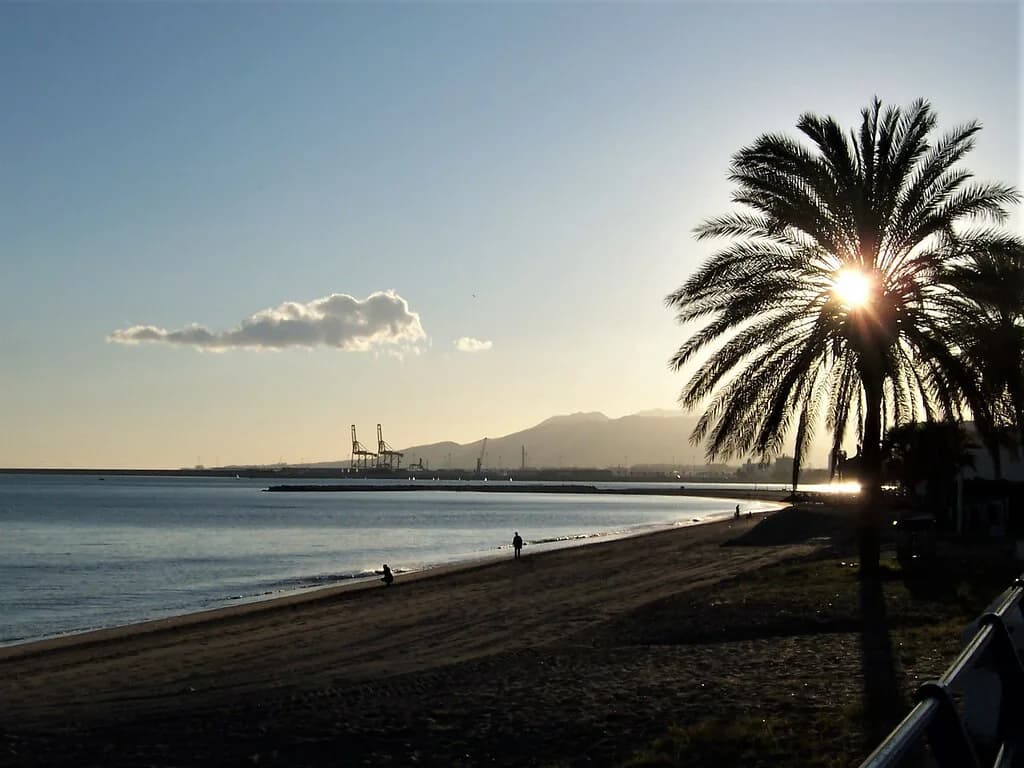
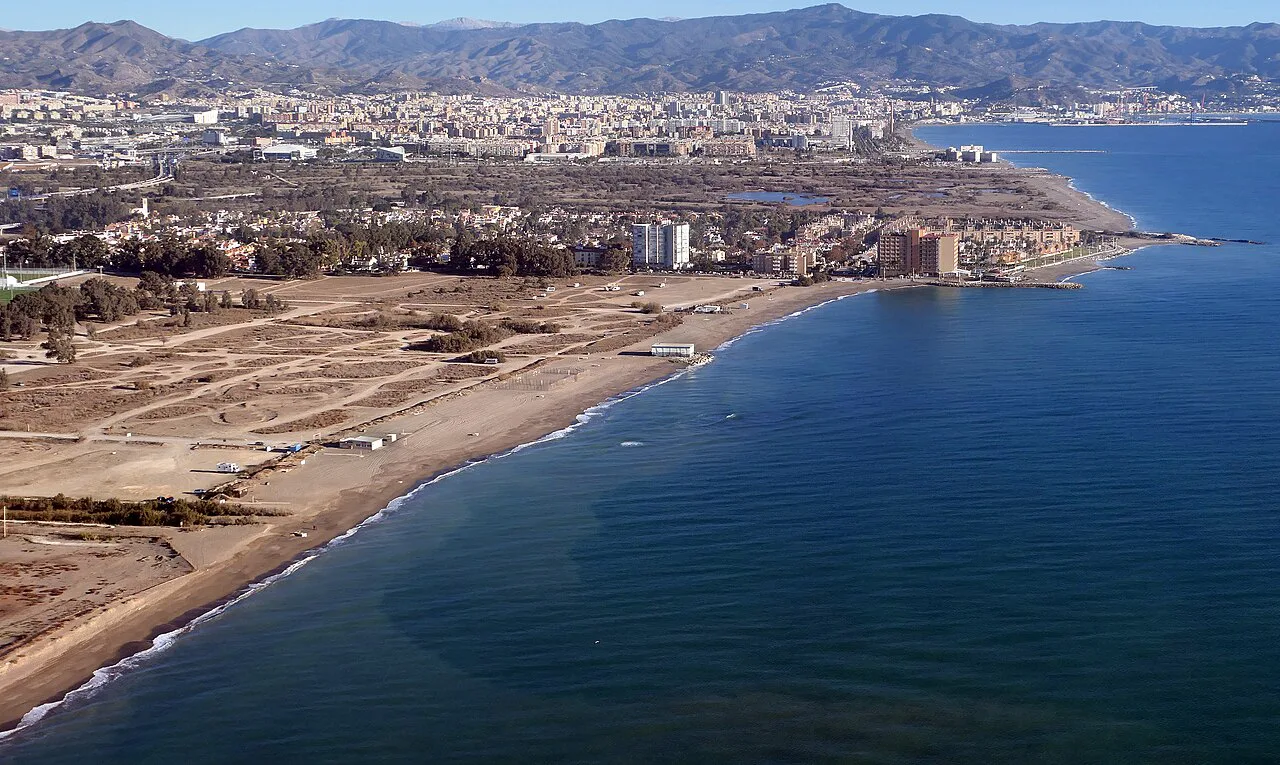
Guadalmar sits at the western edge of Málaga, roughly 3 km from the airport, and is the city's established nudist beach. That position makes it the obvious choice if you are staying in Málaga and want a naturist swim without a long transfer, or if you have a few hours before a flight.
The beach lies west of the Guadalhorce river mouth, beyond the built-up waterfront, and is reached from the city along the coastal road and promenade routes towards Torremolinos. Local buses run along that corridor and a taxi from the centre is short; if you drive, the approach roads serve the beach and airport area. Allow for a walk from the road to the sand whichever way you come.
Expect a broad, open beach rather than a cove, with the airport and its flight path nearby, so aircraft noise is part of the deal. The payoff is space and convenience: you can combine a naturist swim with a normal city day. Bring water and shade, because the developed seafront facilities thin out towards this end.
Playamarina near Mijas: a designated nudist cove
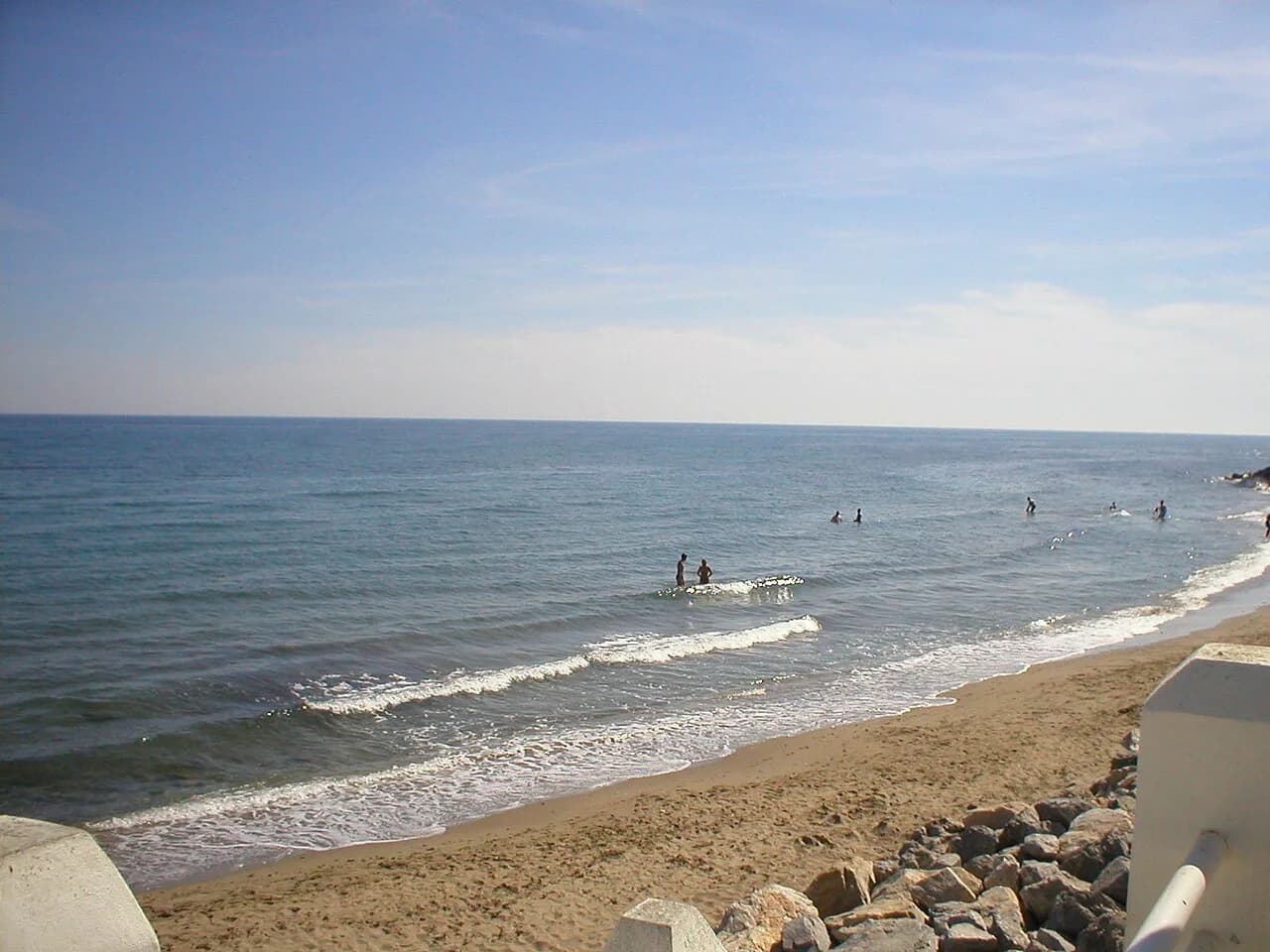
Playamarina, on the Mijas coast west of Málaga, opened as a naturist beach in 2012 and is a relatively narrow cove of about 400 metres, sandy with pebbles and a rocky seabed. That rock is why snorkellers like it: there is structure under the water rather than a flat sweep of sand, so pack a mask.
Because it is a designated naturist beach rather than a tolerated corner of a bigger resort strand, the whole cove follows naturist convention. It sits along the same coastal strip as Fuengirola beaches and the Mijas Costa resorts, so a car or the coastal train to Fuengirola followed by a local bus or taxi is the practical approach.
Footwear matters here: pebbles and rock make flip-flops uncomfortable at the water's edge, so take sandals you can wear into the shallows. The rocky bottom also means you should watch your footing rather than stride in quickly.
Cantarriján: clothing optional on one side, naturist on the other
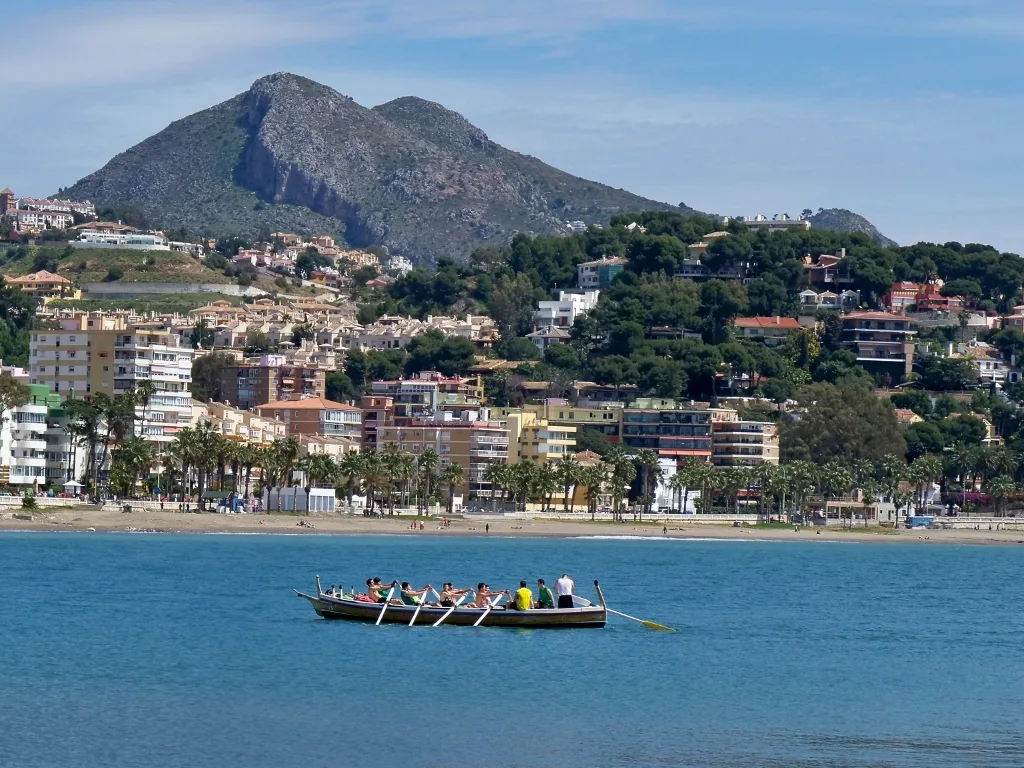
Cantarriján lies among the cliffs of the protected Maro-Cerro Gordo nature reserve, east of Málaga towards Nerja, and is one of Andalusia's best-known naturist beaches. The beach is divided by custom: clothing optional in front of the two beachside restaurants, fully naturist to the side. Pick your spot deliberately rather than dropping your towel at the first patch of sand.
The setting is a sand-and-pebble beach below steep cliffs, with clear water and abundant marine life that rewards snorkelling, and the guide notes sea snakes among the wildlife. There are toilets, showers, sunbeds, equipment rental and beach bars. That combination of facilities and protected water is rare on this coast.
Access is the trade-off. Parking is available near the beach, but access is restricted during the summer, when you either walk down or take the shuttle. The descent is steep enough that you should carry only what you need and wear secure footwear. For the wider picture on the city's sands, our Málaga Beaches guide sets out how the urban beaches compare, and the Nerja tourist office can explain the shuttle arrangements before you set out in July or August.
Getting there without a car
For the western beaches, the commuter train line from Málaga city and the airport links Torremolinos, Benalmádena and Fuengirola, with Fuengirola the last stop at about 45 minutes from the city and 35 from the airport. From there, local buses and taxis cover the Mijas coast, including Playamarina. Benalmádena beaches sit on the same line if you want a conventional beach day alongside the naturist one.
For Guadalmar, stay in Málaga and use the city's urban buses and the coastal promenade routes westward, or take a taxi for the last stretch. For the eastern beaches, Nerja is the base: buses connect it with Málaga, and Cantarriján and the Maro area are a short drive or taxi ride beyond the town. Without a car, the eastern cliffs need more planning, so treat Cantarriján as a taxi-and-shuttle day.
The sand and the water
The three beaches differ underfoot. Guadalmar is open sand on the city's western edge; Playamarina is sand with pebbles and a rocky seabed; Cantarriján is sand and pebbles below cliffs, with rock and marine life in the water. If you want to snorkel, head for the two rocky beaches; if you want a long barefoot walk, Guadalmar is the easier surface. If you are weighing other coasts for the same kind of trip, Menorca nude beaches offer cliff-backed coves with a comparable mix of sand and rock.
Water entry varies with the seabed. Sandy stretches let you wade gradually; pebble and rock entries at Playamarina and Cantarriján ask for care and suitable footwear. None of these beaches comes with a guarantee of calm conditions, so read the flags and watch how the water behaves before swimming out, particularly at the more exposed cliff beach.
Facilities as published
Playamarina is described as a narrow cove that is popular for snorkelling, with the beach's own character rather than a resort promenade behind it. Cantarriján has the fuller published list: toilets, showers, sunbeds, equipment rental and beach bars, split between the clothing-optional frontage and the naturist side.
Guadalmar sits in a quieter, more residential stretch of the city's coast, so plan on bringing your own water, food and shade rather than relying on a row of chiringuitos. If you want a beach bar lunch after your swim, the El Palo district further east is built around seafood chiringuitos and is a good pairing for the same day.
Best time to go
Málaga's sea is warmest in July, August and September, at roughly 22.8°C, 23.4°C and 21.7°C, with June around 20.8°C and October around 20.5°C. May sits near 18.3°C, which is bracing for a long swim but fine for a quick dip and sunbathing. July and August are the hottest and busiest months, with average air temperatures around 31°C.
Late September and early October give you warm water with thinner crowds, which suits the cliff beach at Cantarriján particularly well because the summer access restrictions ease. If you are set on July or August, go early in the day for parking and shade, and expect the naturist sections to fill up by midday.
Nearby beaches to combine
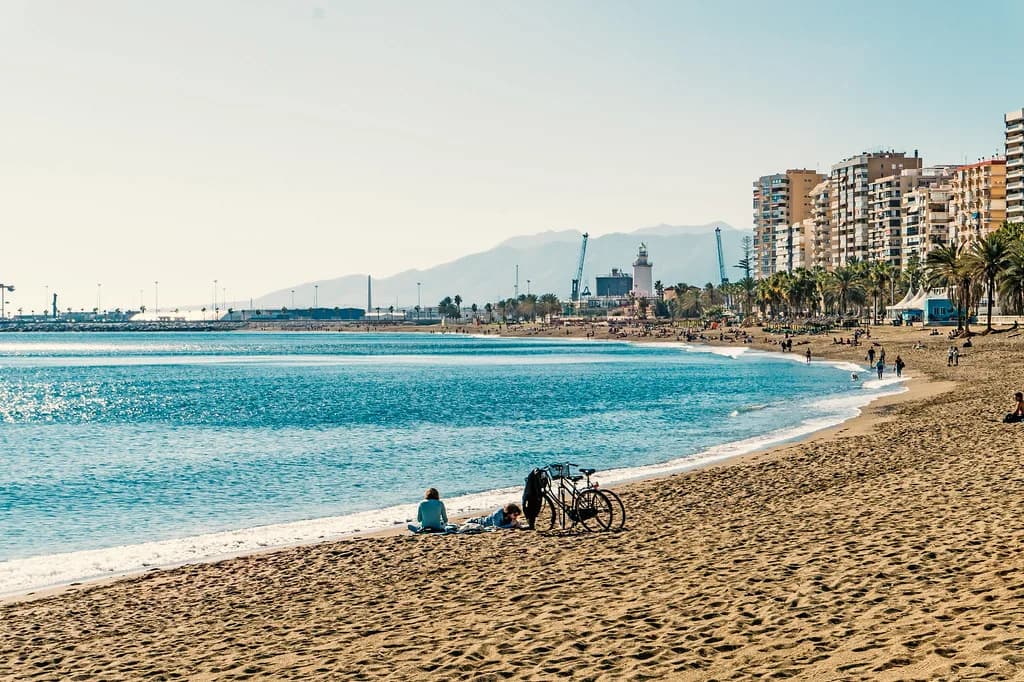
La Malagueta is the city's best-known urban beach, about a kilometre of dark sand a ten-minute walk from the old town along the promenade, with toilets, showers, sunloungers and umbrella rental at seven euros a day, a playground and lifeguards in season. It is the natural counterpart to Guadalmar if you want a conventional city beach in the same trip.
East of the city, the El Palo and Pedregalejo beaches form a chain of small coves divided by breakwaters, with shallow water and a long line of seafood restaurants, which makes them good for families and for lunch after a morning swim. Further west, Marbella beaches give you a polished promenade and the Puerto Banús marina if you want a contrast to the naturist coves.
Near Nerja, Burriana is the family beach: dark sand, very clean water with excellent clarity, free parking behind the beach, toilets, showers, sunbed rental, watersports, a playground and lifeguards in season. Pair it with a naturist morning at Cantarriján for a full day on the eastern coast.
Where to base yourself
For Guadalmar, base in Málaga city: you get the old town, the port and museums, and a naturist beach within a short bus or taxi ride. For Playamarina, Fuengirola or Benalmádena on the train line give you easy access to the Mijas coast without a car, and Malaga beach clubs and chiringuitos are within reach for evenings.
For Cantarriján, Nerja is the practical base: a pretty old town, plenty of restaurants, and the Maro cliffs and the naturist section a short drive away. Note that Nerja's beaches generally sit at the bottom of slopes or steps, which matters if anyone in your group has mobility issues.
Plan Your Naturist Beach Day
Choose Guadalmar for convenience from the city, Playamarina for a designated cove with a rocky seabed worth snorkelling, and Cantarriján when you want cliffs, clear water and the choice between clothing-optional and fully naturist sand. Match the beach to your base rather than zigzagging the coast, and take sandals, water and shade whichever you pick.
Before a summer trip to Cantarriján, confirm the access restrictions and shuttle arrangements with the Nerja tourist office, since the cliff road changes how the day works.
Frequently Asked Questions
Is nudism legal in Spain?
Naturism is long established in Spain and accepted on designated and traditionally nudist beaches, which are public spaces. On the Costa del Sol that means beaches such as Guadalmar in Málaga, the designated cove at Playamarina near Mijas, and the naturist section at Cantarriján. Follow local convention: nude where others are nude, swimsuits on clothing-optional stretches.
Has Málaga city got a beach?
Yes. La Malagueta is the best-known city beach, about a kilometre of dark sand roughly ten minutes' walk from the old town, and the city's western edge has the naturist beach at Guadalmar. That makes it possible to combine a city break with a nude swim without leaving the municipality.
Where is the nudist beach near Málaga airport?
Guadalmar, on the western edge of Málaga about 3 km from the airport. It is reached by local bus or taxi from the city, or along the coastal road towards Torremolinos. Expect an open beach with aircraft noise rather than a secluded cove.
Do you need a car to reach Cantarriján?
Not strictly, but it helps. Parking near the beach is available, yet access is restricted in summer, when visitors walk down or take a shuttle. Without a car, take a bus or taxi from Nerja and plan around the shuttle; confirm the arrangements with the Nerja tourist office.
What should you bring to a naturist beach?
Take water, shade, a towel to sit on and sandals for pebble or rock entries at Playamarina and Cantarriján. Snorkelling gear is worthwhile at both rocky beaches. Keep a swimsuit handy if you plan to move between the clothing-optional and naturist sections.
When is the sea warmest for swimming near Málaga?
July, August and September are warmest, at roughly 22.8°C, 23.4°C and 21.7°C. June and October are around 20.8°C and 20.5°C, comfortable for most swimmers. May is cooler at about 18.3°C, better for a quick dip than a long swim.
Sources
Beach notes for your next trip
Optional updates when we add or revise beach guides.
You might also like
Continue reading
More guides you'll find useful