Xi Beach, Kefalonia: Red Sand & Clay Baths Guide
Plan a day at Xi Beach in Kefalonia, where red sand meets shallow water and clay gullies. Beach bars, watersports and the quieter shoulder months.
On this page
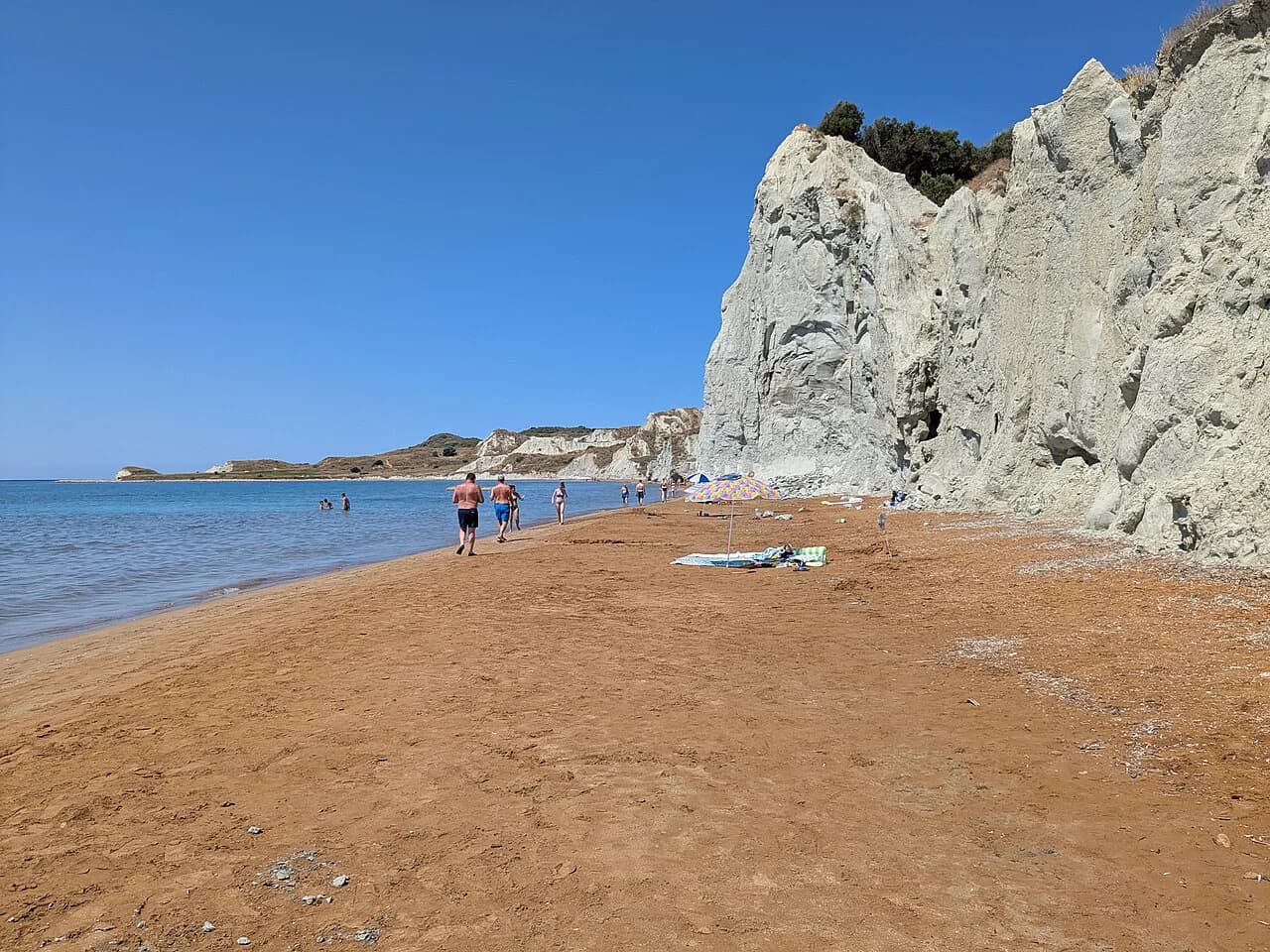
Xi Beach earns its reputation on two things you will not find on most Ionian strands: sand with a marked red-gold tone, and the mud-like clay that sits in gullies just off the shore. Bathers scoop it up and smear it over their skin before rinsing off in the shallows, which gives the beach its distinctive, slightly theatrical atmosphere.
It suits families with small children because the water stays shallow a long way out, and it suits anyone who wants a full-service beach day rather than a wild cove: bars, restaurants, umbrellas and watersports are all part of the package. If you want a proper swim, a quiet shoreline or a beach without commercial clutter, plan Xi as one half of a day and pair it with somewhere wilder.
Where Xi Beach sits on Kefalonia
Xi lies on the Paliki peninsula in the south-west of Kefalonia, close to the village of Mantzavinata and within easy reach of Lixouri. The peninsula is the lobe of land that faces Argostoli across the gulf, so Xi makes a natural beach stop if you are staying in Lixouri or exploring the island's western side.
Because it sits on the outer coast, Xi faces open water and gets a long sweep of daylight through the afternoon. That position is what makes the sunsets good and the sea breezes noticeable. Use the wider Kefalonia beaches guide to see how Xi fits between the northern sights and the southern sands.
Getting there
Most visitors reach Xi by road. From Argostoli the shortest route is the ferry across the gulf to Lixouri, then a drive west; alternatively you drive the long way round the bay. Either way, Xi sits a short drive from Lixouri and Mantzavinata, and a hire car gives you the most flexibility to arrive before the midday peak.
You can also drive in from Skala and the south-east of the island, which is how many repeat visitors tour the west coast. Allow a generous half-day for the round trip and combine Xi with a stop in Lixouri rather than treating it as a quick dip.
Public buses, boat trips and organised excursions may run seasonally from Lixouri and Argostoli; timetables and fares change from year to year, so ask the local tourist office in Lixouri or your accommodation for the current service before you rely on it. Parking arrangements at the beach itself are set locally, so check on arrival if you are driving.
The sand and the water
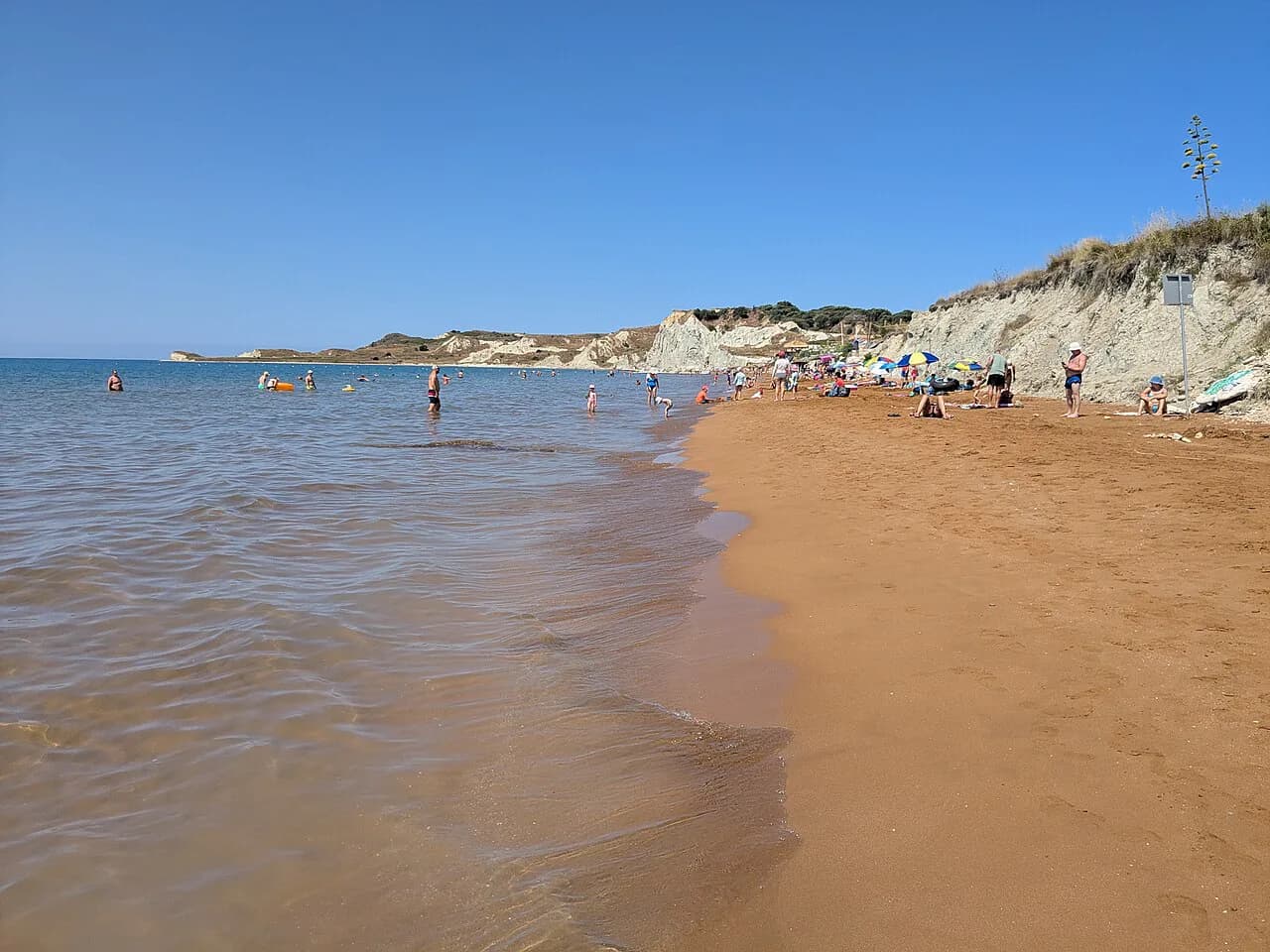
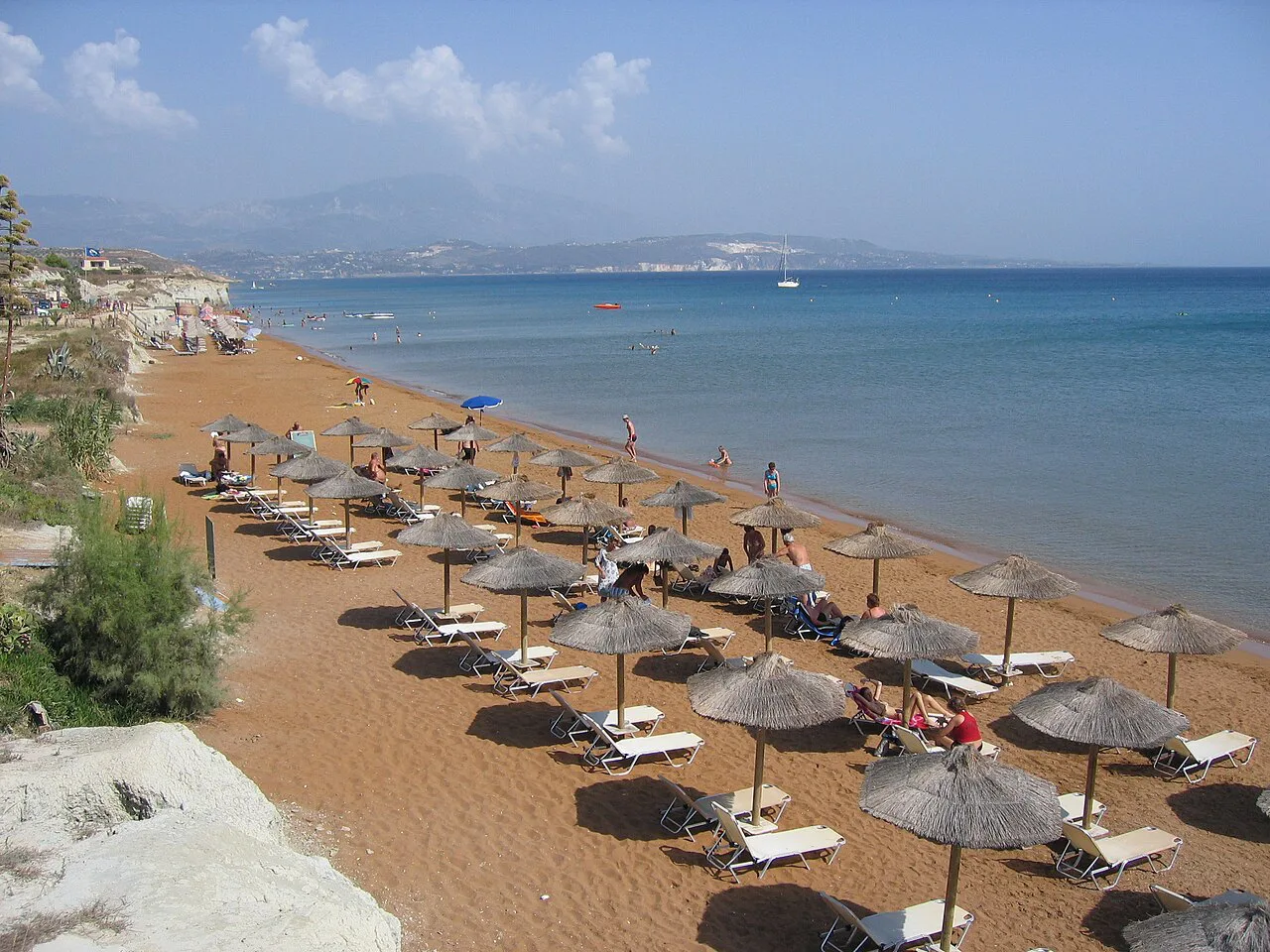
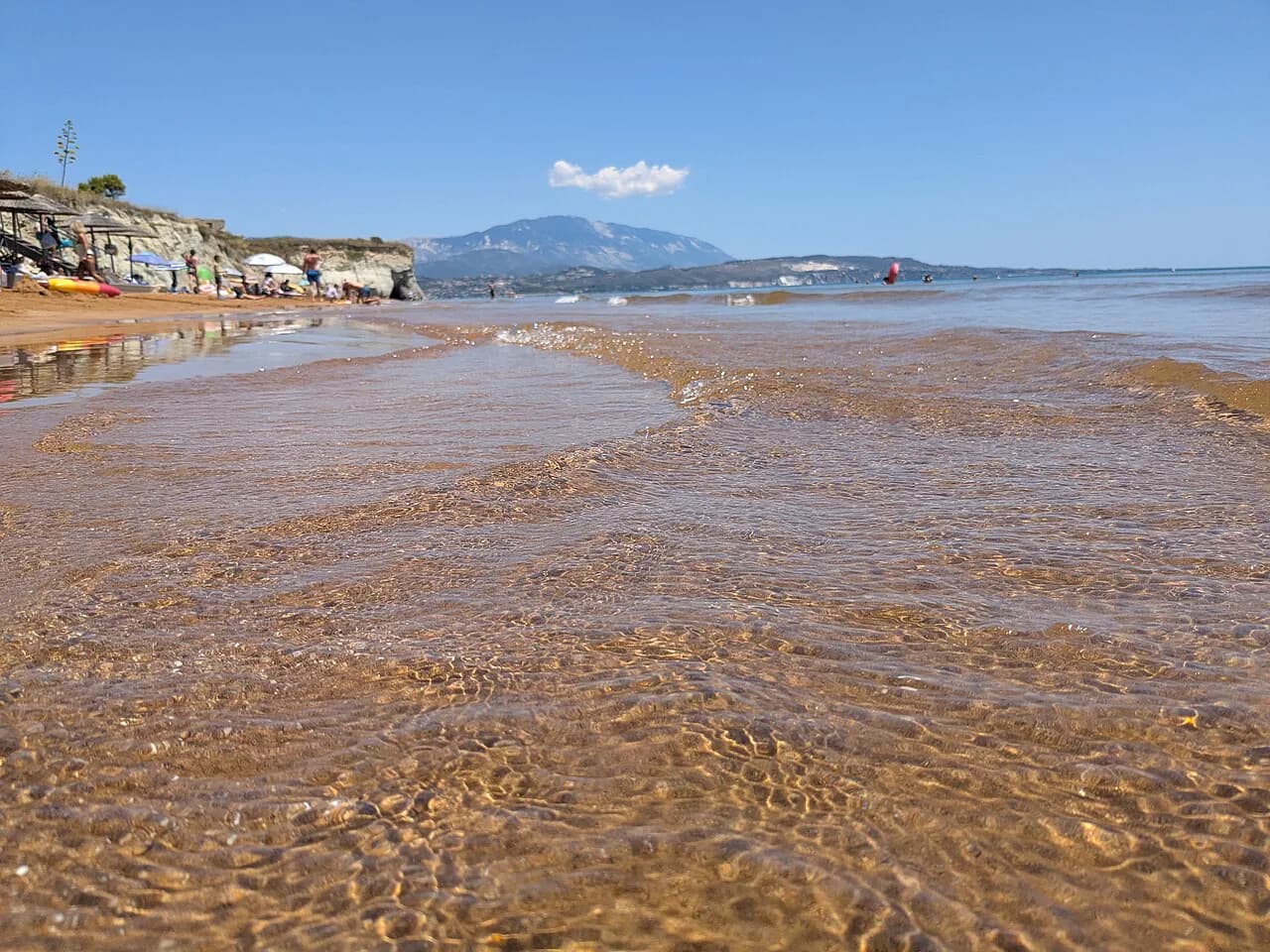
The beach is sand rather than shingle, with the warm red-orange colour that gives Xi its name in every brochure. The shelf is the defining feature: the water stays shallow for many metres offshore, so toddlers can paddle and nervous swimmers can stand well out from the tideline.
That long shallow run is wonderful for families and less rewarding for anyone who wants to swim lengths or dive. Swimmers should walk out further before striking off, and strong offshore breezes can make the surface choppy even when the water is shallow. Keep an eye on the flags and follow whatever the lifeguards on duty indicate.
The reviews are a reminder that Xi is a working resort beach rather than a pristine one, with some visitors describing a long, narrow strip and mixed impressions of the water. Set your expectations accordingly, and treat Xi as a convenient, characterful stop rather than a wilderness.
The clay gullies
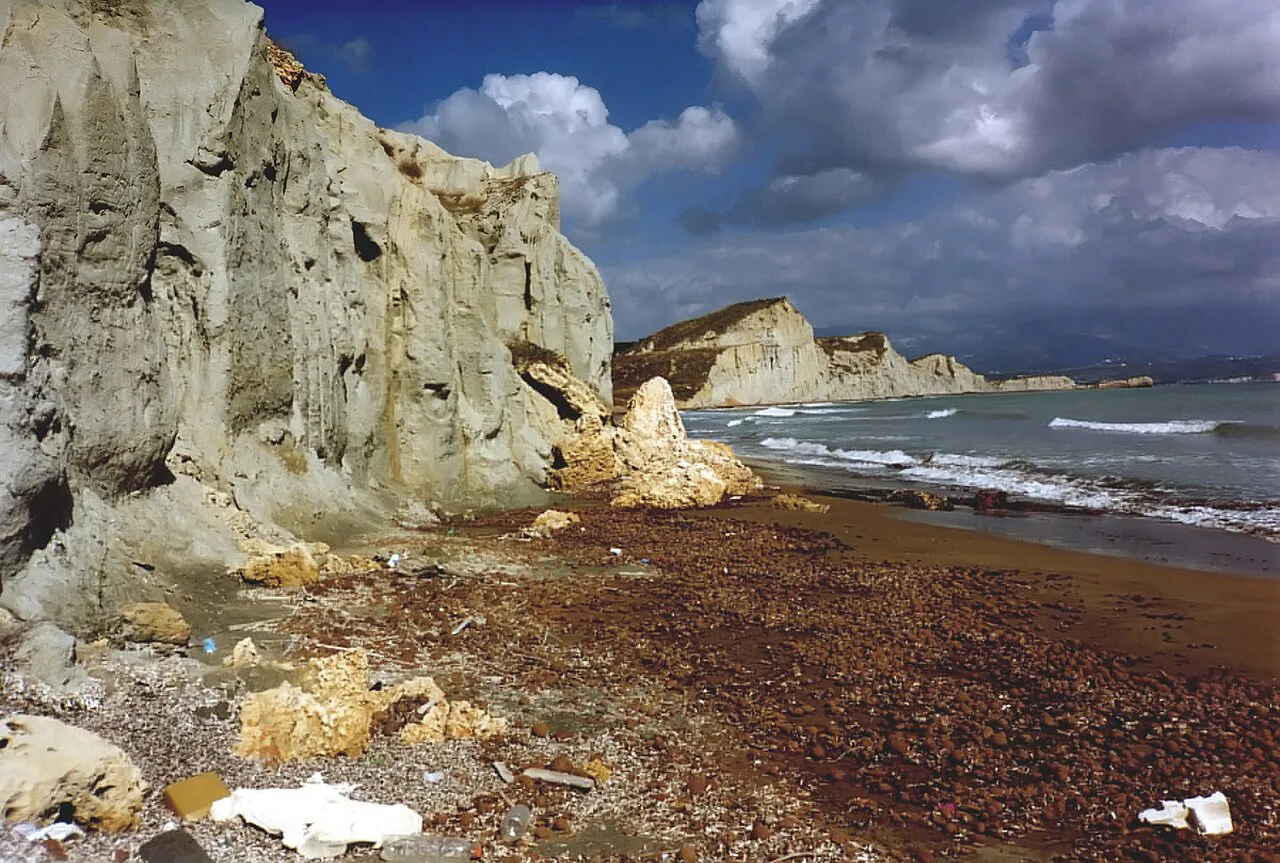
Just a few metres from the water's edge, long gullies cut into the sand are filled with a mud-like clay. Bathers scoop it out and cover their arms, legs and faces before rinsing in the sea, and small makeshift puddles form where the clay meets the water. It is the beach's signature ritual and the reason many people come.
The gullies are not stable ground. Their edges slump and small mudslides occur, so step carefully near the rims, keep small children back from the steepest sides, and do not stand directly beneath an overhanging bank. Treat the clay as a bit of fun rather than a treatment: any therapeutic reputation is folklore, and the pleasure is in the novelty.
Facilities
Xi is well equipped. Beach bars and restaurants line the sand, umbrellas and sunbeds are laid out for hire, and the beach has been awarded a Blue Flag. Watersports operators run jet skiing, water skiing and parasailing from the shore, and there is beach volleyball for anyone who prefers to stay dry.
Sunbed and umbrella prices are set by the individual operators and vary along the beach, so agree the rate before you settle. Reviewers have described some of the beach bars as pricey, which is worth knowing if you plan to spend the whole day eating and drinking on the sand.
Toilets, showers and changing facilities are typical of a developed Greek resort beach, but their availability and any charges are managed locally. Bring your own water, a towel for the clay and cash for small extras rather than assuming everything can be paid by card.
Wind and shelter
Xi faces the open sea on the peninsula's outer edge, so it takes the breeze head-on. On a calm day that means clear water and comfortable heat; on a windy one it means blowing sand, a choppier surface and umbrellas that need weighting down. Check the forecast before you commit to a full day.
The bars and tavernas behind the sand give some shelter from the wind, and the far ends of the beach tend to feel calmer than the busy central stretch. If the breeze is up, arrive early to claim a spot near the back of the beach and use the clay gullies when the sea gets lively.
Best time to go
The swim season runs roughly from late May to early October, with the warmest sea in July, August and early September. July and August are also the busiest weeks, when the central stretch fills with sunbeds and the bars are at their liveliest. Late May, June and September give warm water with far more room on the sand.
Xi is a popular excursion stop, so mornings are quieter than afternoons. If you want the clay gullies to yourself and a good choice of sunbeds, arrive early, swim and do the clay before lunch, then retreat to a taverna when the day-trippers arrive.
Nearby beaches to combine
Petani Beach, on the same peninsula, is the obvious second stop: a dramatic curving bay with pebbles and deep water that contrasts sharply with Xi's shallow shelf. Pair the two for a day that gives you both the family-friendly and the wild Ionian experience. Fteri beach, reached by boat, is another option for a wilder day out.
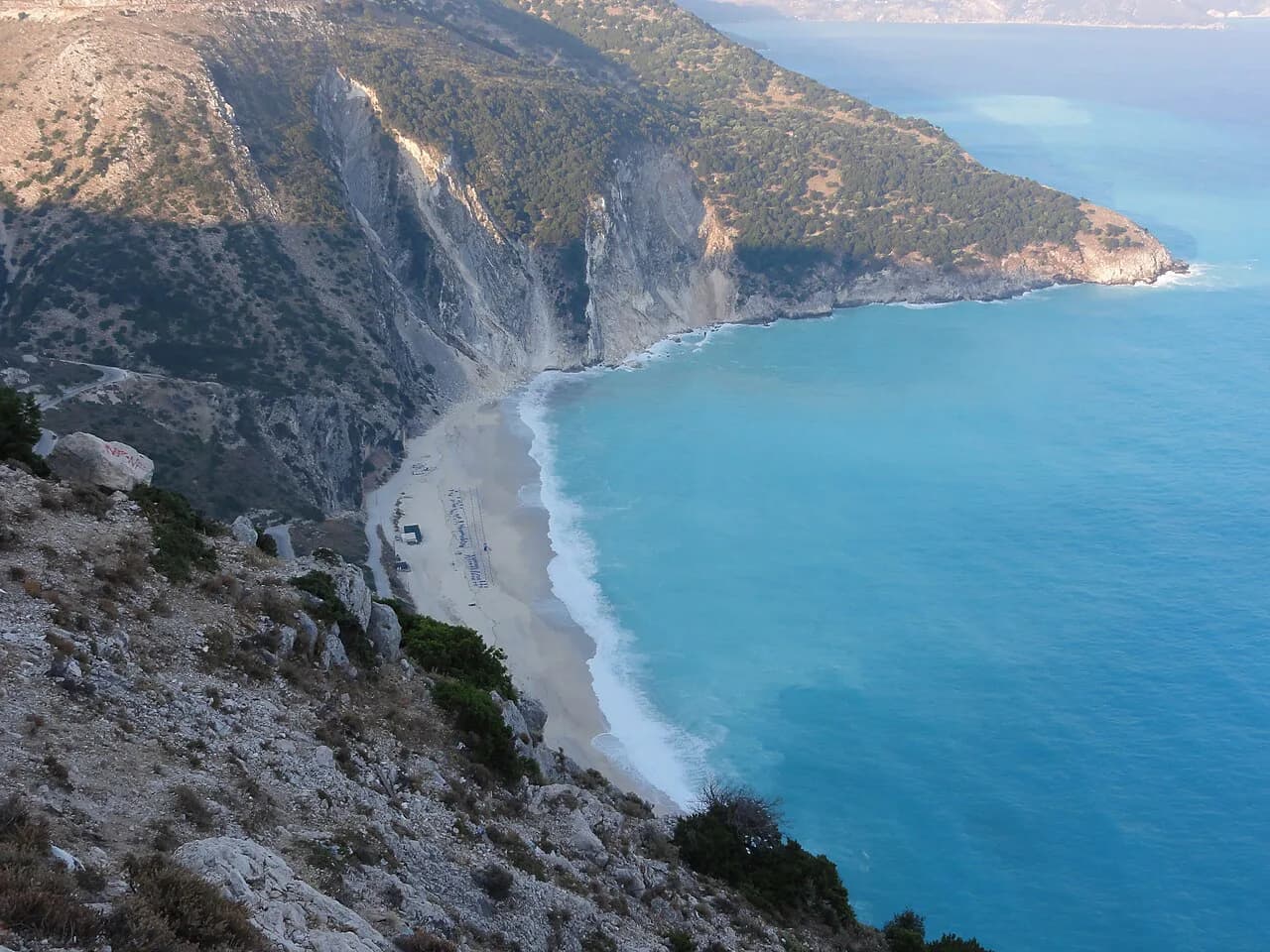
On the other side of the island, Myrtos beach is the classic white-pebble showstopper, and Antisamos beach near Sami offers a greener, more enclosed setting. Neither has Xi's clay or its shallow water, so choose according to whether you want spectacle or a gentle paddle.
Plan Your Xi Beach Day
Xi Beach is at its best as a half-day stop: arrive early, paddle in the shallow water, try the clay gullies and eat at one of the beach bars before the afternoon crowd builds. Families with small children will find the long shallow shelf forgiving, and watersports fans have plenty to keep them busy. If you are weighing up another Ionian stop with a similar mix of shallow water and family facilities, the beaches in Parga repay a comparison.
Bring cash for sunbeds, footwear for the clay edges and a windproof layer for breezy days. Check the Lixouri tourist office for current bus times if you are travelling without a car, and keep the rest of the day free for Petani or a drive back along the peninsula.
Frequently Asked Questions
Are there sandy beaches in Kefalonia?
Yes. Xi Beach on the Paliki peninsula is one of the island's notable sandy beaches, with a red-gold tone and a very shallow shelf. Much of the west coast is pebble or shingle, so Xi stands out for families who prefer sand underfoot.
Is Xi Beach good for families with small children?
It is well suited to young families. The water stays shallow for a long way offshore, there are beach bars and restaurants close at hand, and the sand is soft underfoot. Keep children away from the steep edges of the clay gullies, where the banks can slump.
What is the clay at Xi Beach used for?
Bathers scoop the mud-like clay from gullies near the waterline and smear it on their skin before rinsing off in the sea. It is a beach tradition rather than a proven treatment. Watch your footing near the gully edges, which can give way.
Can you reach Xi Beach without a car?
Seasonal buses and boat trips may operate from Lixouri and Argostoli, but services change from year to year. Ask the Lixouri tourist office or your accommodation for the current timetable and fares before you set out.
Which months are best for swimming at Xi Beach?
The sea is warmest from July to early September, though those are also the busiest weeks. Late May, June and September offer pleasant water with fewer people on the sand and a better choice of sunbeds.
Sources
Beach notes for your next trip
Optional updates when we add or revise beach guides.
You might also like
Continue reading
More guides you'll find useful