Emblisi Beach, Kefalonia: A Pebble Cove Near Fiskardo
Emblisi beach is a small white-pebble cove near Fiskardo in northern Kefalonia, with clear water for swimming and snorkelling. Here is how to plan a day there.
On this page
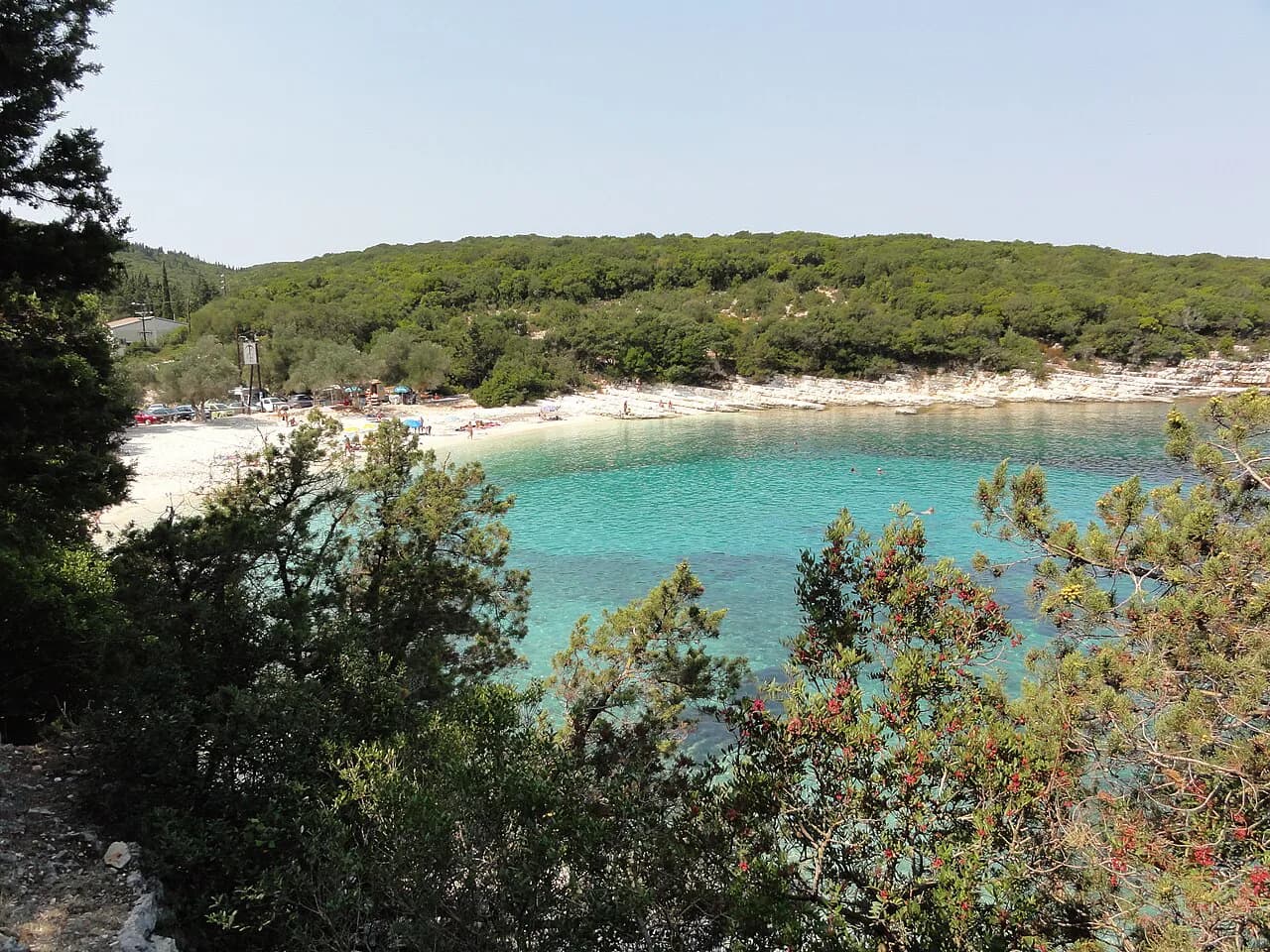
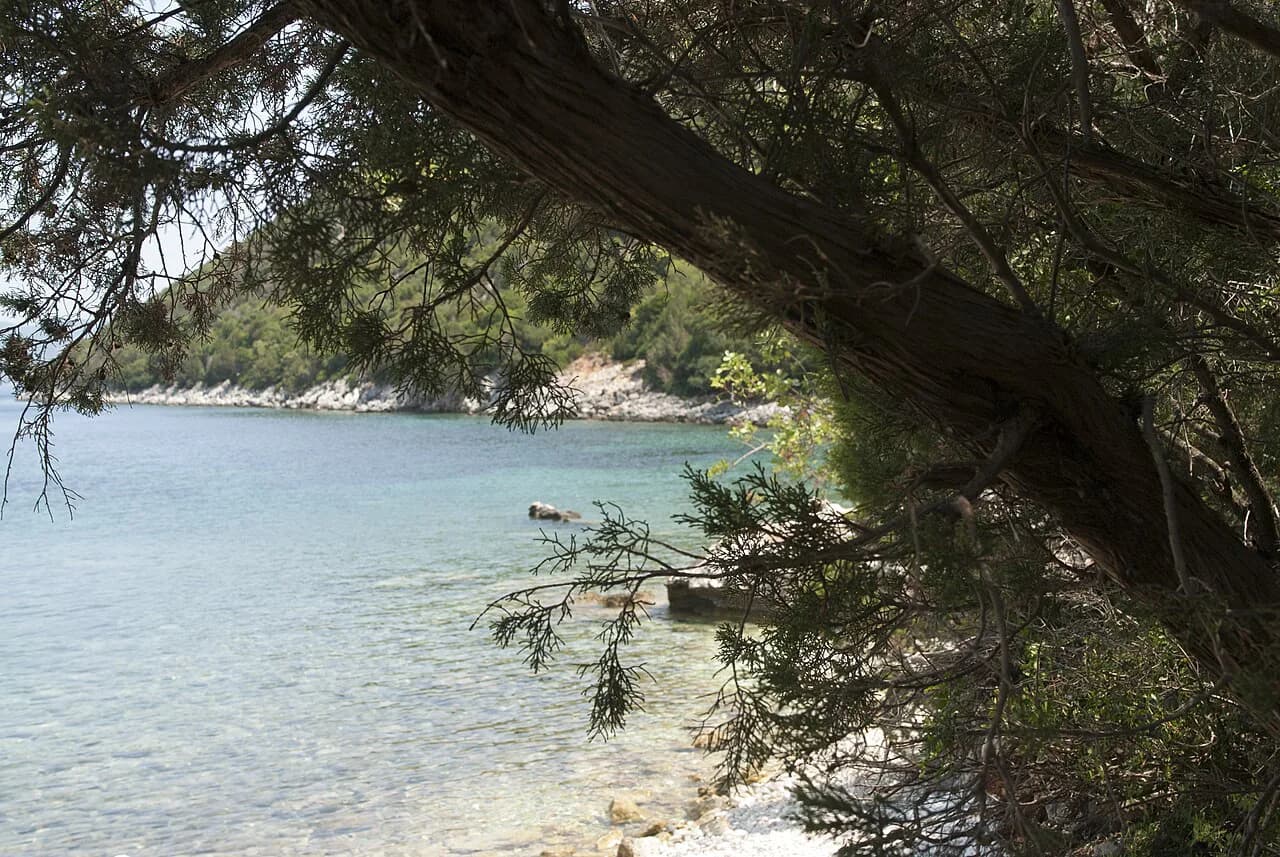
Emblisi earns its place on a Kefalonia itinerary because it does one thing very well: a small, enclosed white-pebble bay within easy reach of Fiskardo, where the water is clear enough for a mask and the rock walls give the cove a sense of privacy that the island's big-name beaches cannot match. It rewards travellers who want a proper swim and a couple of hours on the stones rather than a full day of lido sprawl.
Think of it as a half-day beach and build the rest of the day around it. Fiskardo's harbour is close enough for lunch afterwards, and the quieter coves of the northern tip sit on the same stretch of coast, so a morning here slots neatly into a loop of Kimilia, Dafnoudi and Foki. Families with very small children and anyone who needs soft sand underfoot should weigh the pebble footing before committing, and if soft sand is the priority, the beaches in Parga are worth comparing before booking.
Where Emblisi sits on the northern tip of Kefalonia
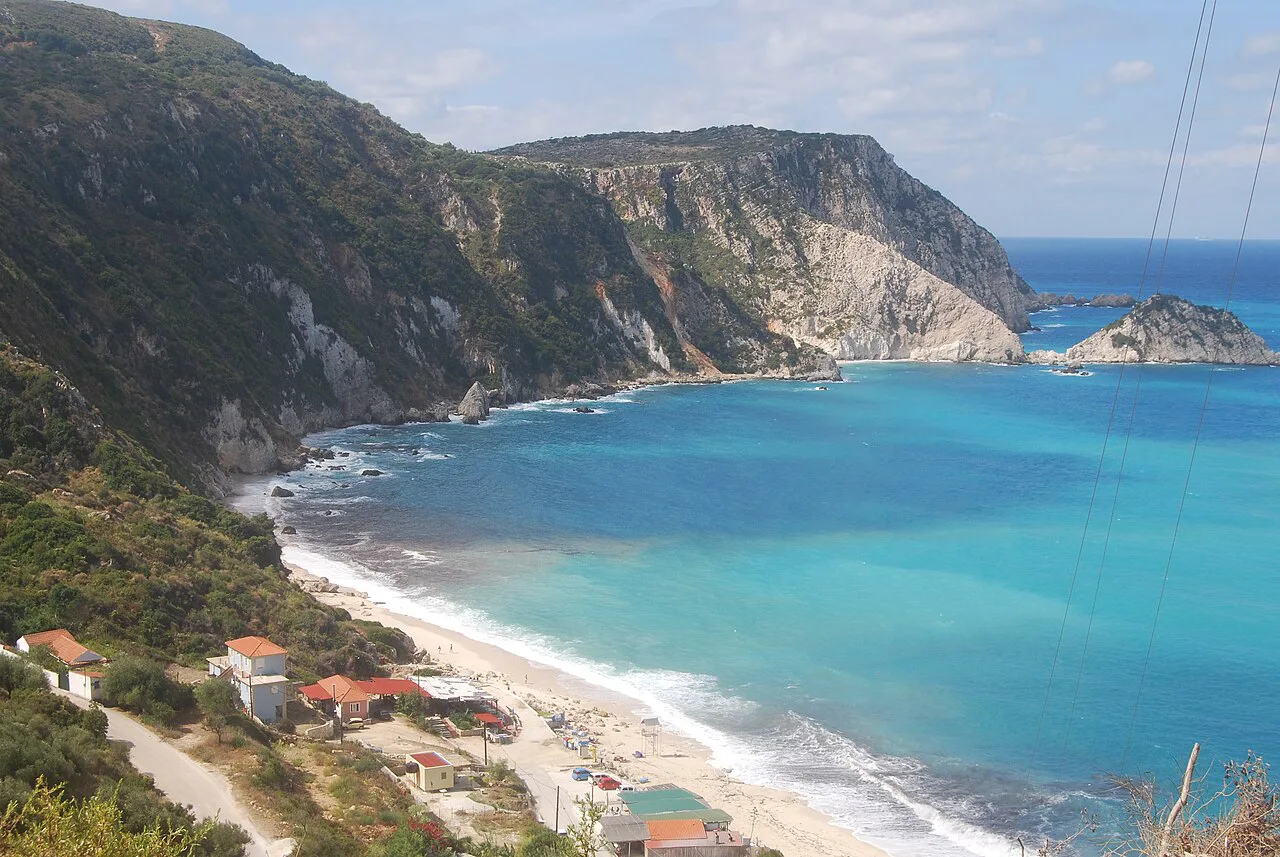
Emblisi lies on the northern tip of Kefalonia, a short distance from the harbour village of Fiskardo, which is the natural base for this end of the island. The bay sits below the road that runs along this coast, tucked between steep rocky ground on either side rather than strung out along an open shoreline. That compact shape is the key to how the beach behaves: it fills quickly, empties quickly and never feels like a long ribbon of sand.
You will see the name written both ways, Emblisi and Emplisi, on signs and in listings around Fiskardo; they refer to the same cove. If you are working out where to stay, Fiskardo puts you within a few minutes of the beach and gives you restaurants and boat hire for the evening. Base yourself further south and Emblisi becomes a detour rather than a default, which changes how much of the day it can realistically absorb.
Getting there from Fiskardo
The practical approach is by road from Fiskardo village, following the coastal lane north and then taking the turn down towards the bay. The final stretch descends to the beach, and the car park sits close to the water, which keeps the walk with bags and cool boxes short. Arrive early in high summer, because the parking area is small relative to the number of people the cove attracts by midday.
Across Kefalonia, the Greek National Tourism Organisation notes that most beaches can be reached by car, taxi or local bus, with some requiring a trail on foot to reach the shore. Emblisi is not one of the trail-access coves, but it is also not a place to rely on frequent public transport for, so a hire car gives you the most control over timing.
If you are exploring the island by car, the wider picture of road distances and which coast suits which kind of beach day is worth settling before booking accommodation. Our guide to Kefalonia beaches sets out the northern and southern options side by side, which helps you decide whether a Fiskardo base is right for the whole trip or just a couple of nights.
The pebbles and the water
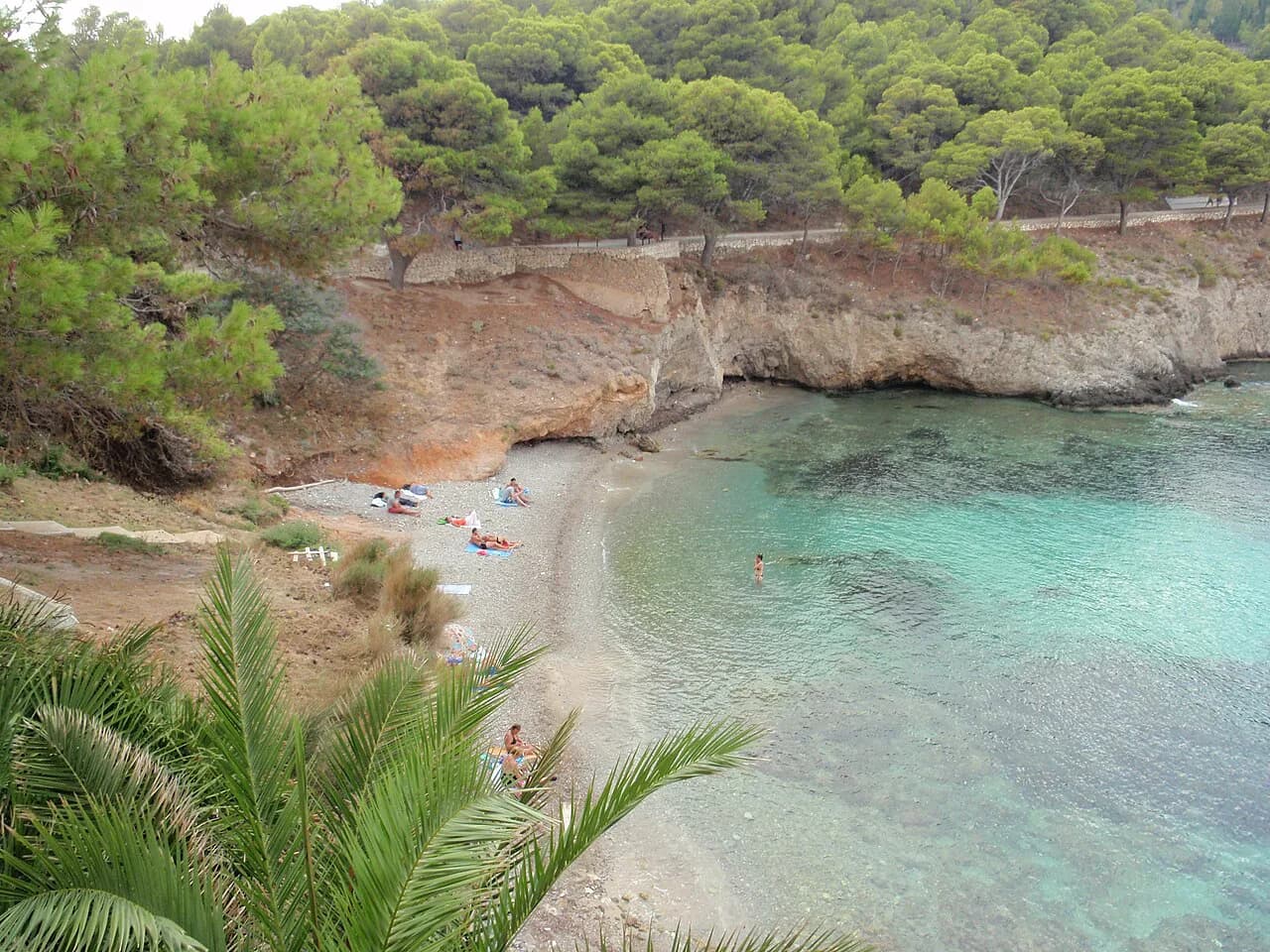
Emblisi is a white-pebble beach, not sand, and the stones run right to the waterline. That makes the bay clean underfoot in the sense that you are not carrying sand home, but it does mean the first steps into the sea are best taken in water shoes, particularly for children and anyone with sensitive feet. Bring footwear you can swim in rather than flip-flops that slide off in the shallows.
The cove is enclosed by steep rocky ground, and the water deepens away from the pebbles rather than shelving gently for metres. Strong swimmers get the best of it, with clear water that invites a mask and snorkel; nervous beginners and toddlers are better off close to the edge with an adult within arm's reach. Judge the day by the conditions in front of you rather than by photographs.
Because the bay is small, the character of the water changes with the wind and the boat traffic passing along this coast. Mornings tend to be glassier, which suits snorkelling and easy entry, while afternoons can pick up a chop. If clear water is the reason you came, plan your swim before lunch and treat the afternoon as sitting-and-reading time.
Shelter, shade and the rocks
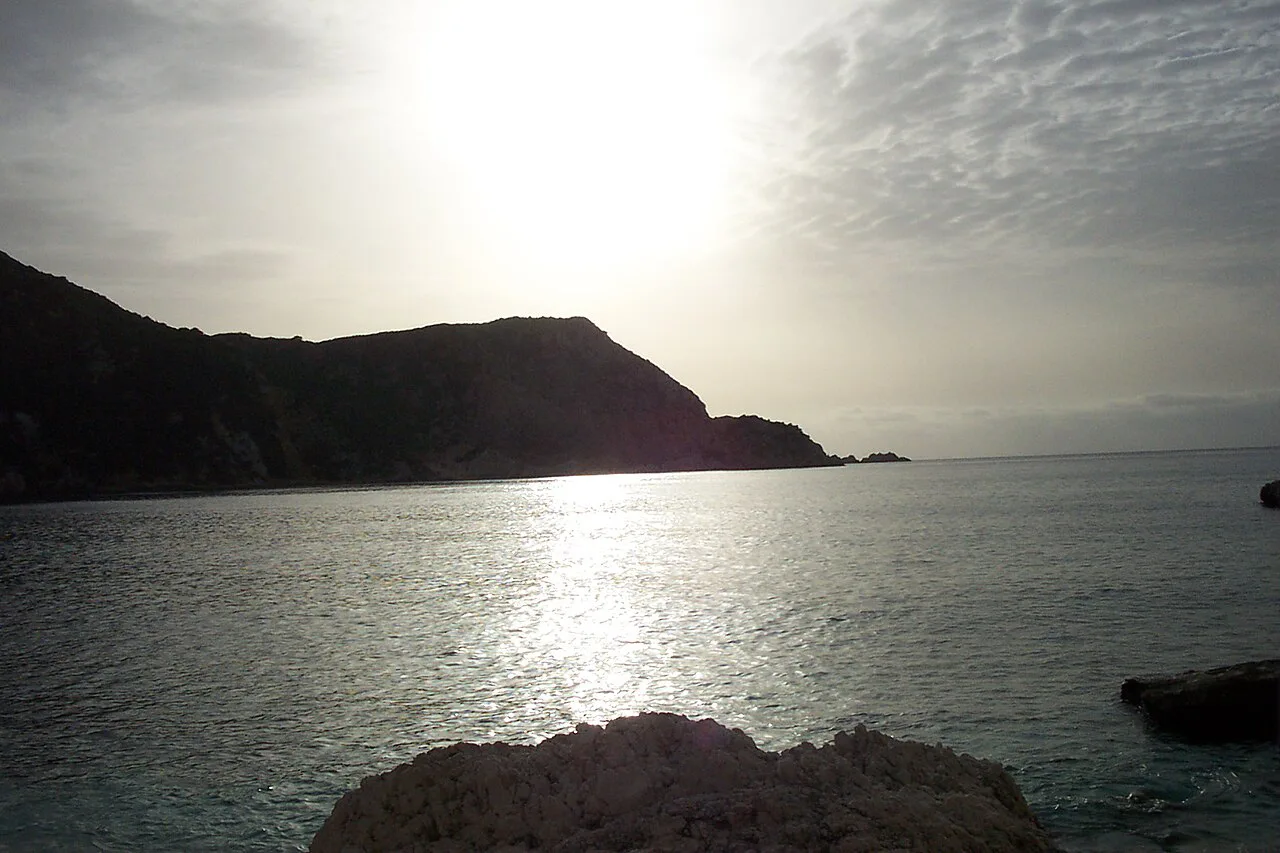
The rock walls at either end of the cove are the reason Emblisi feels calmer than an open beach on the same coast. They cut the swell from some directions, and they also throw shade across parts of the bay as the sun moves round, so you can chase or escape the shadow depending on the time of day. Sitting close to the rocks on the shaded side is the obvious move for anyone who burns easily.
Those same flanking rocks are what snorkellers come for: shelves and drop-offs within easy swimming distance of the pebbles, and a cave-like corner that rewards a torch and a bit of nerve. Explore with a buddy and stay aware of boat traffic in the middle of the bay. If you want a longer, more open swim, the larger beaches on the island offer a very different sort of day, as you will find at Myrtos Beach, Kefalonia, where the scale is on another level entirely.
Facilities on the beach
Emblisi is a small bay, and the practical setup is correspondingly modest: a taverna above the beach serves food and drinks, which is where most people head for a proper lunch or a cold coffee. Beyond that, plan as if you are self-sufficient, with your own water, hats and shade for the hours you intend to stay. The nearest full range of shops and services is in Fiskardo village.
A sun umbrella, a beach mat that copes with stones and a dry bag are worth the luggage space here. Water shoes double as snorkelling footwear, and a light long-sleeved top is more useful than a towel for the walk back up to the car. If you are travelling with a cool box, remember that the climb back from the beach at the end of the day is short but steep.
Crowds and timing
The cove is small enough that a modest number of cars can make it feel full. In July and August, aim to be on the pebbles by mid-morning, when the car park still has space and the best shaded spots near the rocks are free. Late morning to mid-afternoon is the pinch, and the beach thins out again as families head back to Fiskardo for the evening.
Outside the school holidays, Emblisi is a much easier proposition: you can arrive when you like and still find room to lay a towel away from other groups. May, June, September and early October give you warm sea and a calmer bay, with the caveat that some tavernas and boat operators on this part of the island keep shorter hours at the very edges of the season. The Greek National Tourism Organisation lists Emplisi among Kefalonia's unspoilt shores with natural shade, which matches its reputation as a quieter alternative to the island's headline beaches.
Best time to go
The Kefalonia beach season runs from April to October, with June to September as peak season and the warmest, most reliable sea for swimming. April and October can still give you pleasant days on the pebbles, but you will find more places closed along the coast, so build flexibility into your plans. For a beach this small, the shoulder months are the sweet spot: warm enough to swim, quiet enough to enjoy the bay.
Sea temperatures peak in late summer, which makes August the most comfortable month for long swims and snorkelling but also the busiest for parking and space on the stones. If you are heat-sensitive, choose early morning or late afternoon and use the middle of the day for the taverna, a boat trip or a drive. There is no booking system for this beach; you simply turn up and take your chances with the car park.
Nearby beaches to combine
The northern tip of Kefalonia rewards a slow loop rather than a single destination. Kimilia, Dafnoudi and Foki all sit on this stretch of coast and each offers a slightly different version of the same formula: pebbles or rock, clear water and varying amounts of shade. Pair Emblisi with one of them in the morning and keep the other for another day, rather than trying to tick off all four in a single afternoon.
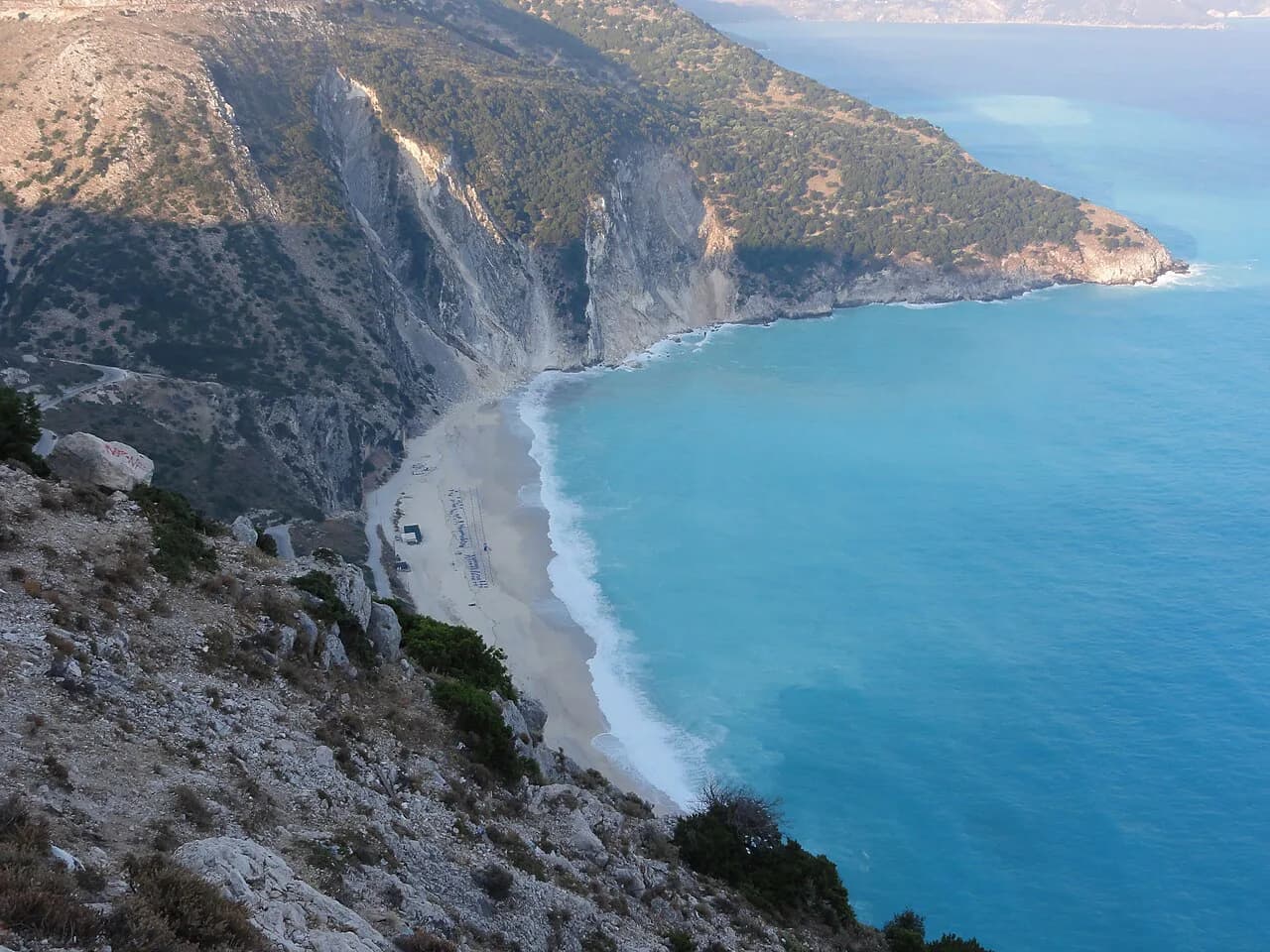
If you want a bigger, more dramatic beach for contrast, the west coast delivers it. Myrtos beach is the island's most photographed shore, with fine pebbles below massive cliffs and a winding road down to a substantial car park. It is a very different day out from Emblisi's intimate bay, and worth building in as a separate excursion rather than squeezing in after a morning swim.
Boat trips from the north coast often combine Fteri beach with other stops, and the water taxi from Zola runs as a short hop rather than a full day out. If that kind of boat-access day appeals, our guide to Fteri Beach, Kefalonia explains the taxi and hiking options and what to expect when you arrive.
Fiskardo after the beach
Fiskardo's harbour front is the obvious place to end the day, with restaurants serving seafood and a promenade that stays lively into the evening. Boat hire agencies line the waterfront too, so you can arrange a trip along the coast for another day without driving anywhere. Rinse off the salt, change out of your swimming things and take your time over a late lunch.
The village itself is one of the most photogenic in the Ionian Islands, with colourful buildings around the small harbour, and it works as a base for the whole northern coast rather than just a lunch stop. Book accommodation early for July and August, when the harbour fills with sailing traffic and the better rooms go first.
Plan Your Visit
Emblisi suits swimmers, snorkellers and couples who want a compact, sheltered bay within minutes of Fiskardo, and it rewards an early start far more than a long afternoon. Bring water shoes, your own shade and enough water for the hours you plan to stay, and treat the taverna as lunch rather than as a full beach service.
Check the current ferry and road options with the Fiskardo tourist office before you commit to a day trip from the south of the island, and keep a second northern cove in reserve in case the car park is full. Done that way, Emblisi is an easy, satisfying half-day that leaves the rest of the day for the harbour.
Frequently Asked Questions
Where is Emblisi beach in Kefalonia?
Emblisi, also written Emplisi, is a small white-pebble cove on the northern tip of Kefalonia, a short drive from the harbour village of Fiskardo. It sits below the coastal road in an enclosed bay between steep rocky ground, which is what gives it its sheltered feel.
How do you get to Emblisi beach from Fiskardo?
Drive or take a taxi north from Fiskardo village and follow the turn down to the bay, where a car park sits close to the beach. Arrive early in July and August because the parking area is small and fills quickly.
Is Emblisi beach sandy or pebbly?
It is a white-pebble beach with stones running down to the waterline, so water shoes make the first steps into the sea much more comfortable. Bring a mat rather than a thin towel if you plan to lie on the stones.
Is Emblisi beach good for snorkelling?
Yes. The rocky shelves at either end of the cove give snorkellers something to explore close to shore, and the enclosed shape keeps the bay manageable. Swim with a buddy and watch for boat traffic in the middle of the bay.
Are there sunbeds at Emblisi beach?
The beach is small and the practical setup is modest, with a taverna above the bay serving food and drinks. Plan to bring your own umbrella, mat and water for the hours you spend on the pebbles, and use Fiskardo for anything else you need.
Is Emblisi beach crowded in summer?
The cove is compact, so a relatively small number of visitors can make it feel busy. Mornings are calmer, and the beach thins out again as families head back to Fiskardo in the late afternoon.
Which other beaches near Emblisi are worth combining?
Kimilia, Dafnoudi and Foki all sit on the same stretch of northern coast and each gives you a slightly different version of the pebble-and-clear-water formula. Pair Emblisi with one of them for a morning, and save the others for another day.
When is the best time to swim at Emblisi beach?
The Kefalonia beach season runs from April to October, with June to September the warmest and busiest stretch. May, June and September give you warm sea with a quieter bay and more room in the car park.
Sources
Beach notes for your next trip
Optional updates when we add or revise beach guides.
You might also like
Continue reading
More guides you'll find useful