Petani Beach, Kefalonia: Sand, Swimming and Getting There
Plan a day at Petani beach on Kefalonia's Paliki peninsula: golden sand, clear water, tavernas and sunbeds, sunsets, and how it compares with Myrtos.
On this page
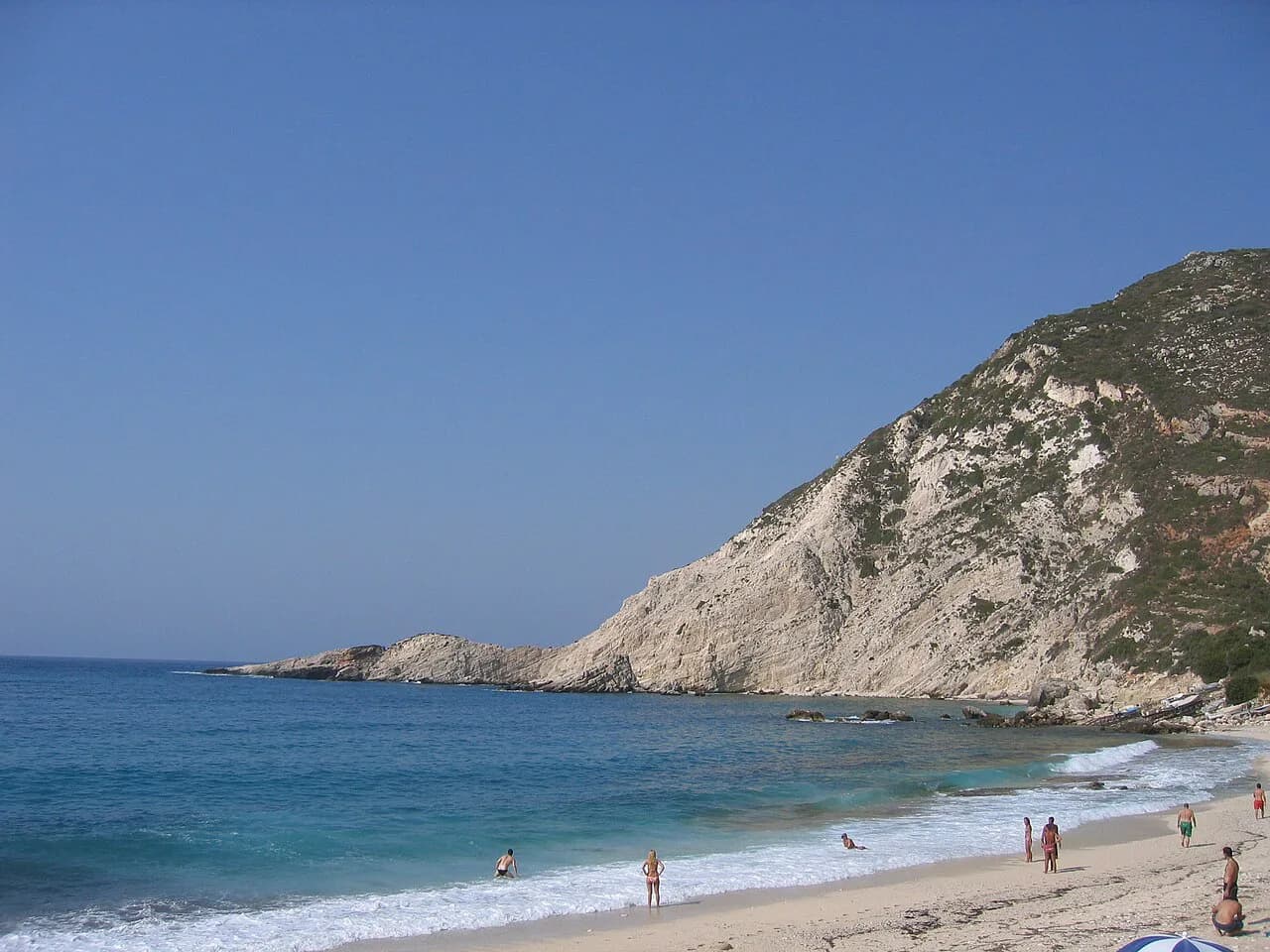
Petani beach earns its reputation on the Paliki peninsula with a broad ribbon of golden sand and water that shifts from turquoise shallows to deep blue further out. It suits travellers who want a proper beach day with tavernas and cafes within reach, plus swimmers and snorkellers who like rock formations at the edges of the sand.
The beach sits on the island's west coast in the Paliki area, 35 km from Argostoli according to the regional tourism page, which makes it a natural full-day trip rather than a quick dip. Come for the swimming and the sunset, and plan the drive around the cliffside approach.
Where Petani Sits on the Paliki Peninsula
Petani belongs to Paliki, the western lobe of Kefalonia that funnels down towards Lixouri, and the regional tourism listing places it 35 km from Argostoli. That puts it on the same coast as Myrtos, so the two headline beaches compete for the same day on many itineraries. Lixouri is the nearer base for the Paliki beaches, while Argostoli suits travellers who do not mind a longer there-and-back drive.
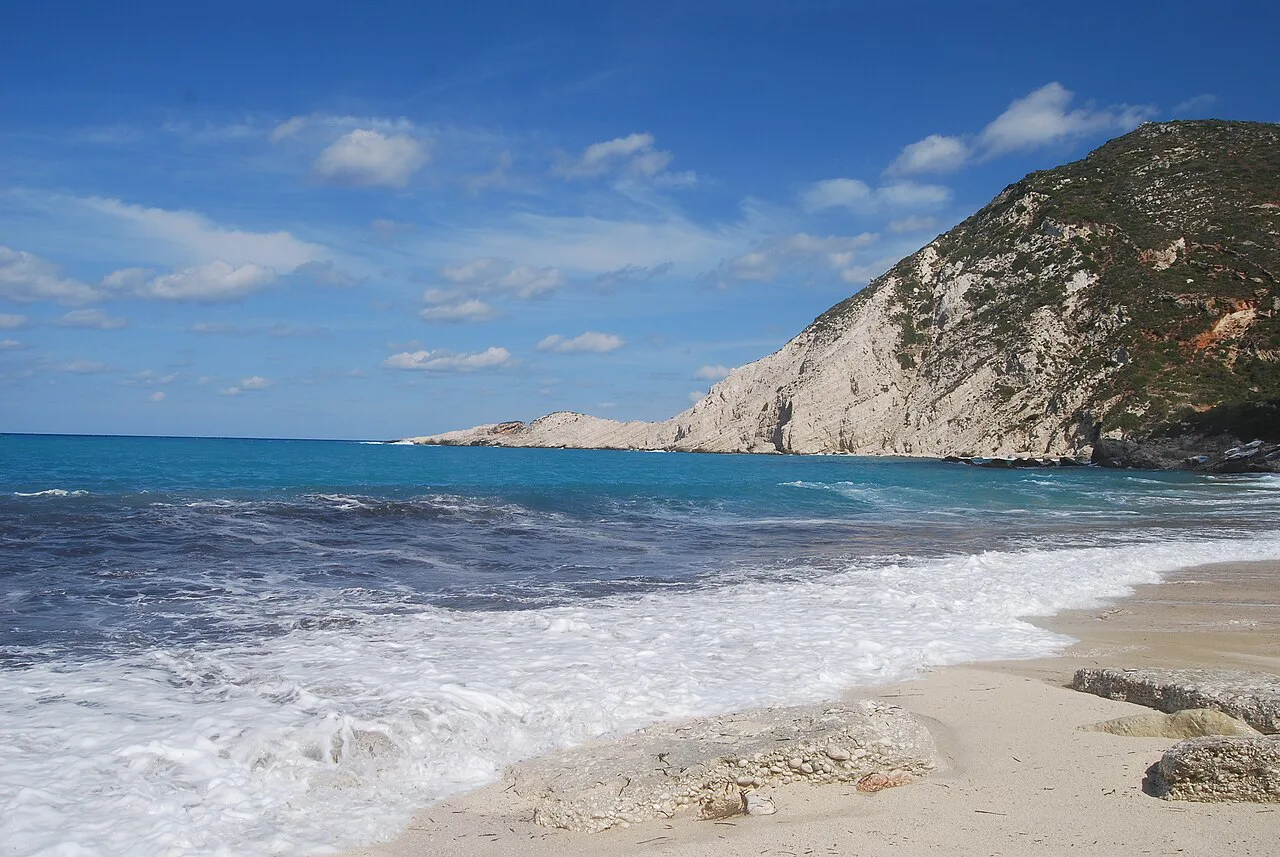
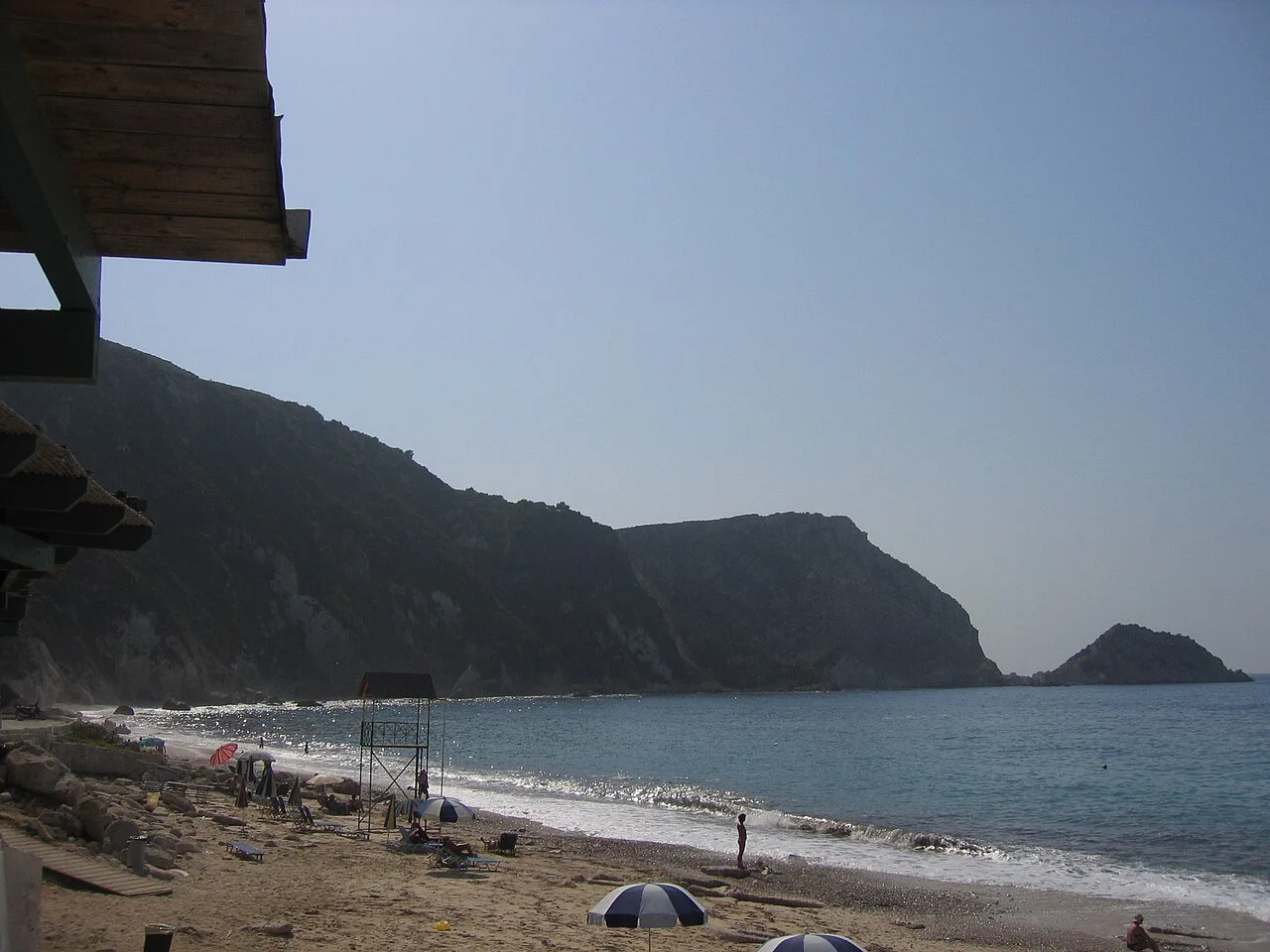
The setting is a west-facing bay with a long stretch of sand on one side and cliffs rising above the water on the other, giving views across Lixouri bay. Because the beach faces west, afternoon light is the reason many people time their visit late in the day rather than at midday.
Getting There from Argostoli and Lixouri
From Argostoli, treat Petani as a dedicated excursion built around the 35 km run into Paliki, and combine it with other stops on the peninsula rather than driving out and back for a single swim. From Lixouri, the beach is the obvious western anchor for a day that also takes in Xi or Lepeda on the way home.
The final approach is a winding coastal road above the beach, so allow extra time for slower driving and for pulling over to take in the view before you descend. Park at the beach and walk down rather than treating the roadside as a stopping point.
Public transport schedules and parking charges for Petani are not published in the material here, so ask the Argostoli or Lixouri tourist office for current bus times and any parking fee before you set out. Hiring a car gives you the most flexibility for combining Petani with the rest of Paliki.
The Sand and the Water
The beach is sandy, with a long stretch of golden sand on one side and cliffs on the other framing views over Lixouri bay. The water is clear and the shallows make the sandy end comfortable for swimming and for children who want to paddle near the shoreline.
Further out, the seabed drops away into the deep blue that gives Petani its postcard look, so weaker swimmers should stay over the sand rather than drifting towards the rocks. Pick your spot deliberately: the sand for easy entry, the rocky margins for snorkelling.
For a day that mixes easy swimming with a proper view, arrive in the morning for the sand and stay into the afternoon for the light. Sun cream, water and reef-safe footwear for the rocky sections make the day easier.
Rocks, Snorkelling and Diving
Petani is a strong choice for anyone who wants more than a paddle: the regional tourism page describes it as an excellent site for scuba diving, with sea dips possible from the large rocks. Snorkellers can work the rocky edges where the sand gives way to stone, while families keep to the sandy end.
Use the rocks for shade and for entry only where the surface is clear of swell, and keep an eye on the sea state before committing to a jump. The rocky shade is one of Petani's practical advantages on a hot afternoon.
Shade, Shelter and the Afternoon Sun
Petani faces west, so the beach takes direct sun through the afternoon and into the evening, with the cliffs and rocks offering the main natural shade. That orientation is why the sunset is such a draw, but it also means you want an umbrella or a shady rock for the middle of the day.
Wind direction matters more here than on a sheltered east-coast beach, so check the forecast before you commit to a long drive from Argostoli. Bring a windbreak if the day looks breezy and plan to swim earlier if the afternoon picks up.
Facilities: Tavernas, Cafes and Sunbeds
Petani is an organised beach: tavernas and cafes serve the sand, and umbrellas, sunbeds and showers are available for a comfortable day. That combination makes it easy to spend a full day without carrying everything you need.
Several restaurants sit near the beach, so lunch or a drink after a swim does not require moving the car. Check sunbed charges with the beach-set operator on the day, as rates change with the season.
How Busy It Gets and the Best Months to Swim
As one of Kefalonia's best-known beaches, Petani draws crowds in high summer, so an early arrival gives you the pick of the sand and a sunbed near the water. Late afternoon thins out as day-trippers head back towards Argostoli, which suits sunset-seekers.
The Ionian swim season runs from late spring into early autumn, with July and August the warmest and busiest months. June and September give warm sea with fewer people, which suits swimmers and snorkellers who want space over the rocks.
Timing the Sunset
Because Petani faces west, the sunset over the Ionian is part of the appeal, and the regional tourism page singles it out as something not to miss. Plan to stay after your swim and eat at one of the beach tavernas rather than driving back in the dark on the cliff road.
Bring a layer for the evening and a torch for the walk back to the car. If you are based in Argostoli, a sunset visit makes for a long day, so consider staying in Lixouri or Paliki instead.
Nearby Beaches to Combine
Petani shares its coast with Myrtos, the other famous white-sand beach on this side of the island, and the two make a natural either-or choice for a single day. Myrtos is the more dramatic setting, while Petani adds tavernas and cafes to the mix, and the Kefalonia beaches guide sets out the full comparison between Myrtos beach and Petani. If you are weighing up other Ionian stops, the guide to Parga beaches runs the same sand-versus-facilities comparison for that stretch of coast.
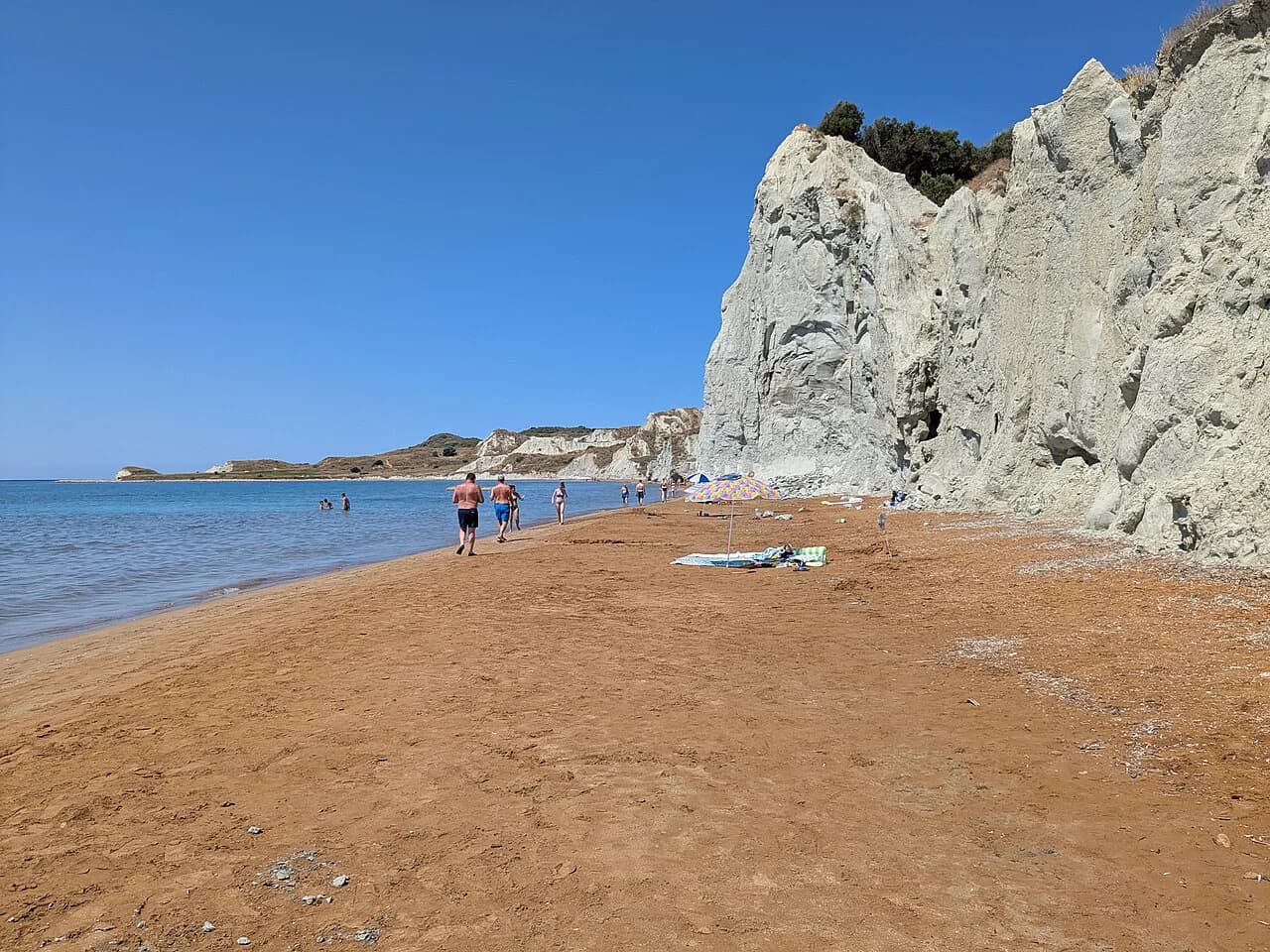
On the Paliki side, Xi with its reddish sand and shallow water and Lepeda near Lixouri are easy additions to a Petani day, and Megas Lakos sits further down the coast for a quieter stop. Pair Petani with one of these rather than trying to fit everything in.
Practical Kit and Trade-offs
Families with small children should head for the sandy end and the shallows, swimmers get the best of the clear water over sand, and snorkellers and divers should work the rocky margins. Quiet-seekers will prefer Petani outside July and August, or a late-afternoon arrival once the day-trippers leave.
Pack reef-safe sun cream, water, a hat and footwear for the rocks, and bring cash for sunbeds and tavernas. The trade-off is straightforward: Petani offers facilities and a famous sunset in exchange for crowds in high season.
If you want the big-sand drama without the tavernas, Myrtos is the alternative; if you want shallow water and a family-friendly swim, Xi and Lepeda are easier. For a quieter, wilder day, look at Fteri beach or Lourdas beach on the other side of the island.
Plan Your Petani Beach Day
Build your Petani day around the west-facing light: swim and snorkel in the morning, eat at a beach taverna, and stay for the sunset before driving back. Base yourself in Lixouri or Paliki if you want to combine Petani with Xi, Lepeda and Megas Lakos without a long return to Argostoli.
Ask the local tourist office for current bus times, parking charges and sunbed rates, then check the sea forecast before the 35 km drive from Argostoli. With the sand, the rocks and the sunset lined up, Petani earns its place on a Kefalonia itinerary.
Frequently Asked Questions
How far is Petani beach from Argostoli?
The regional tourism page gives the distance as 35 km from Argostoli, on the Paliki peninsula. Allow extra time for the winding coastal approach above the beach and for the return drive after sunset.
Is Petani beach good for snorkelling?
Yes. The beach has rocky margins alongside the sand where the water is clear, and the regional tourism page notes it as an excellent site for scuba diving with sea dips from the large rocks. Families should keep to the sandy end.
Which is better, Petani or Myrtos beach?
Myrtos is the more dramatic white-sand setting, while Petani adds tavernas, cafes and sunbeds for a full beach day. Choose Myrtos for the scenery and Petani if you want to eat and swim in the same place.
Is Petani beach good for sunset?
Yes. Petani faces west, and the regional tourism page names the sunset as a highlight. Stay after your swim and eat at a beach taverna rather than driving the cliff road in the dark.
When is the best time to swim at Petani beach?
Late spring to early autumn is the main swim season, with July and August the warmest and busiest. June and September give warm water with fewer people, which suits swimmers and snorkellers.
What facilities are at Petani beach?
Petani is an organised beach with tavernas, cafes, umbrellas, sunbeds and showers. Sunbed charges are set on the day, so check the rate when you arrive.
Sources
Beach notes for your next trip
Optional updates when we add or revise beach guides.
You might also like
Continue reading
More guides you'll find useful