Fteri Beach, Kefalonia: Water Taxi, Hike and What to Expect
Fteri Beach on Kefalonia is reached by a short water taxi from Zola or a steep cliff trail. Here is what the white-pebble cove is like and when to go.
On this page
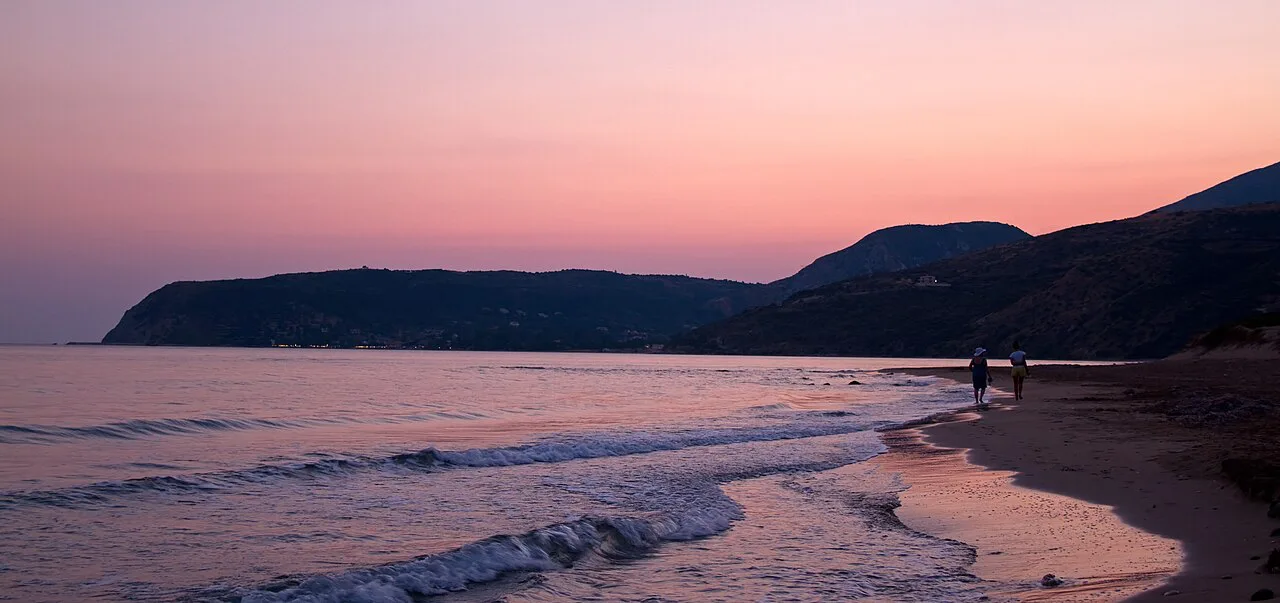
Fteri Beach earns its reputation the moment the cliffs come into view: a curve of white pebbles under towering limestone, with turquoise Ionian water so clear it looks retouched. The cove sits on Kefalonia's north-west coast near the small harbour village of Zola, and there is no road to it, which keeps the setting dramatic and the crowd self-selecting. It suits strong swimmers, hikers and photographers far better than families who want shade, toilets and a beach bar within reach.
Why Fteri Beach is worth the trip
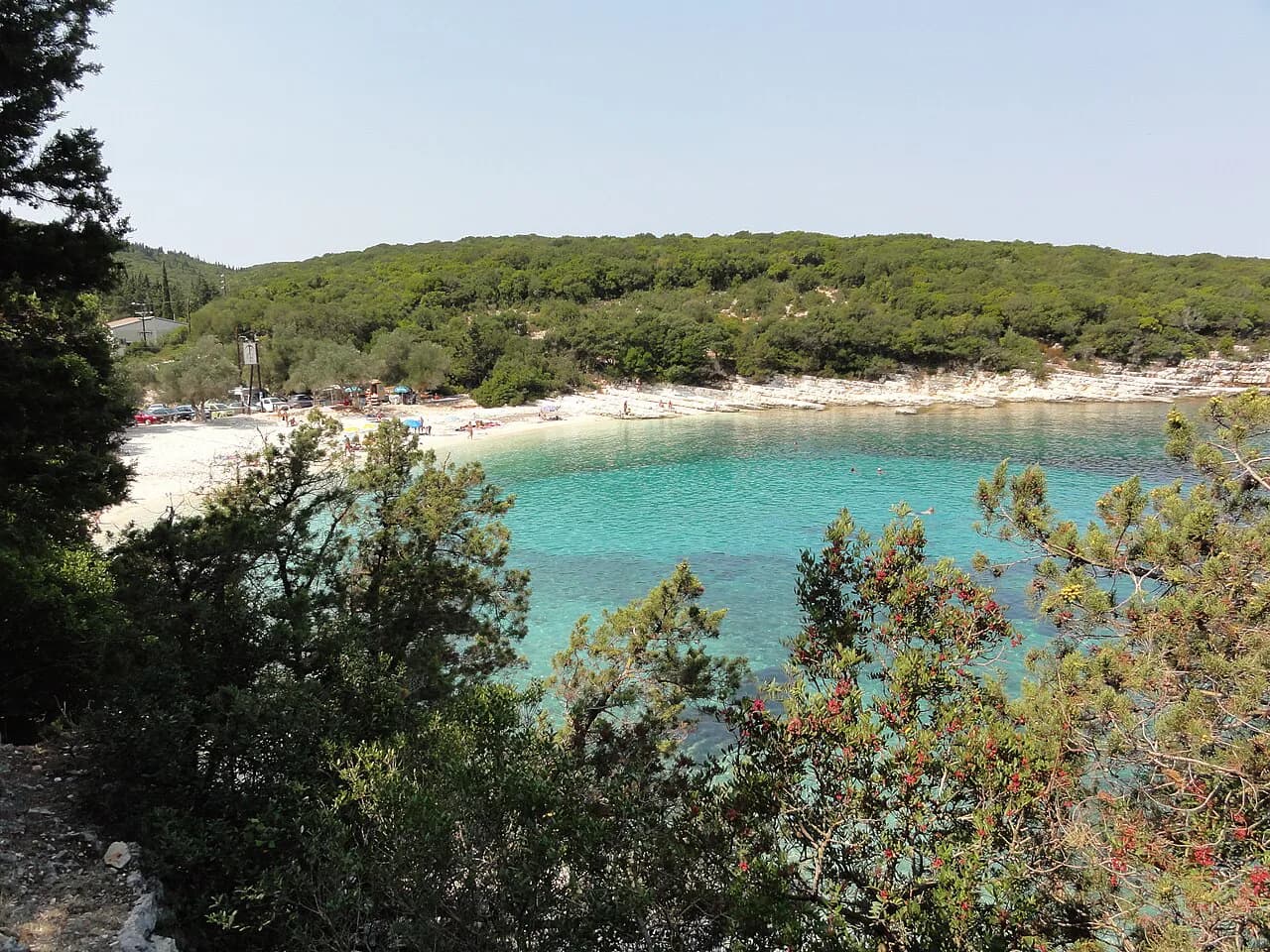
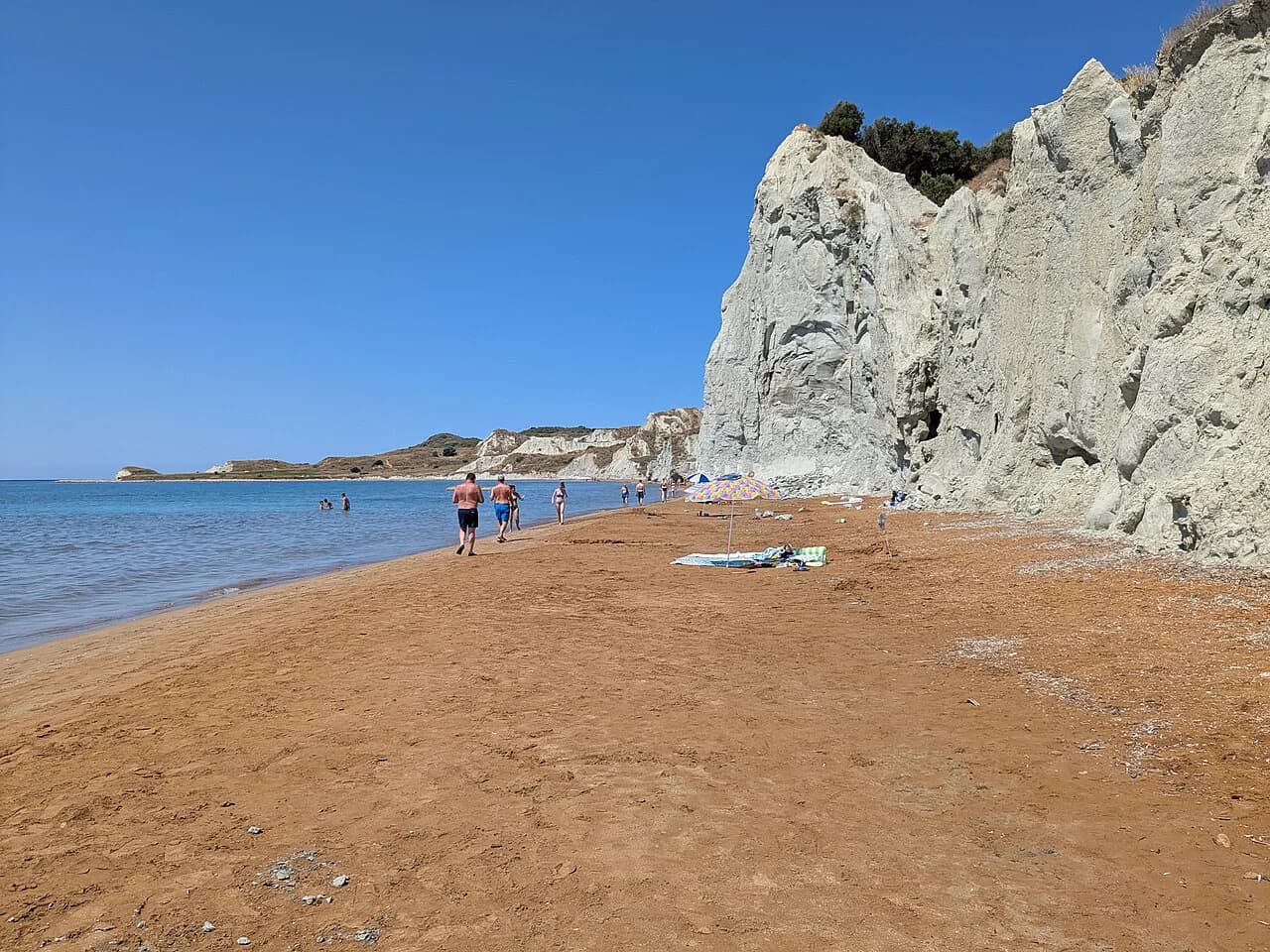
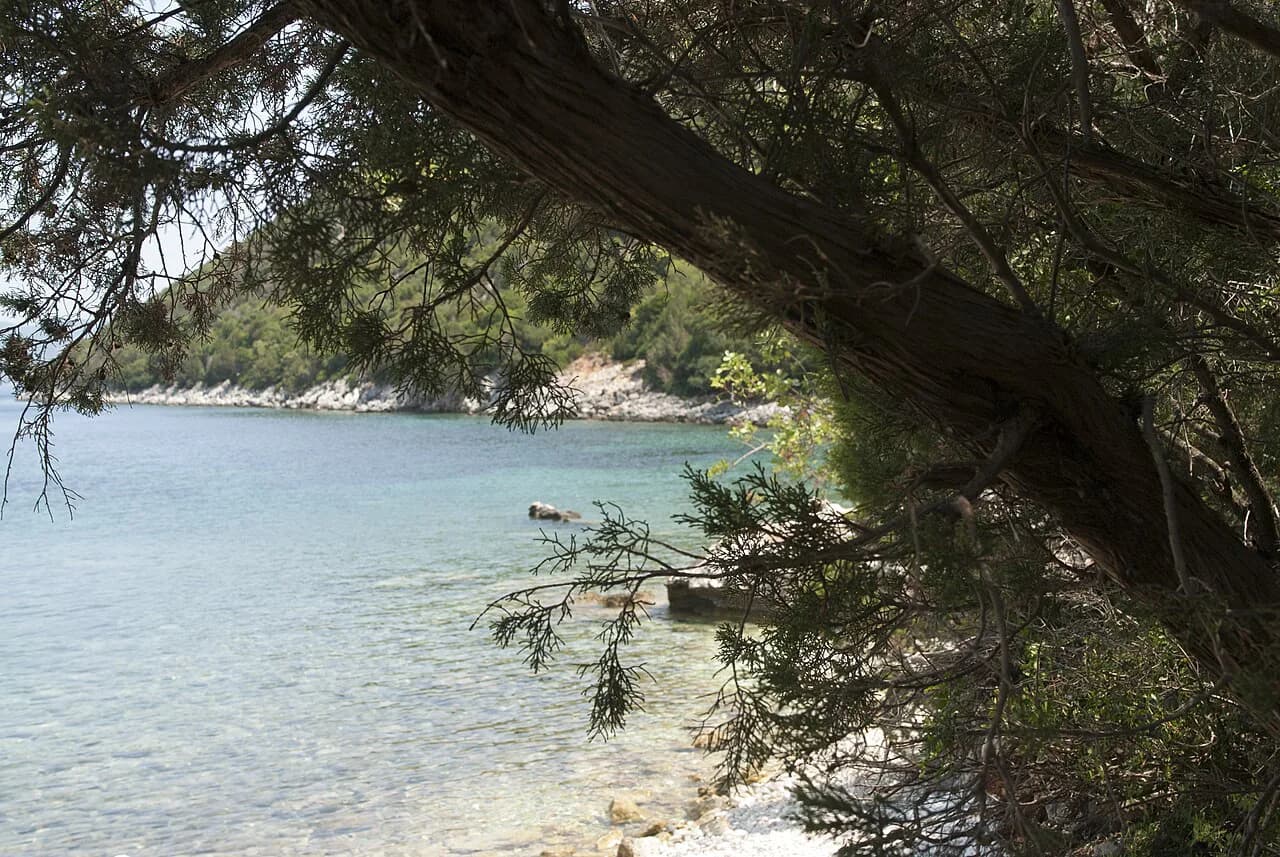
The appeal is the setting rather than the facilities. White cliffs curve around a stretch of white pebbles, meeting clear turquoise water, and a cave on the far left of the cove draws swimmers who are confident in open water. Because the cove is small and boat-accessible, it fills and empties through the day rather than holding one steady crowd.
Think about what you actually want from the day. Photographers get the best of the cliffs in morning light, when the white stone and blue water contrast hardest. Swimmers get the cave and deep, clear water off the pebbles. Anyone travelling with small children or a pushchair should look at the easier, car-accessible beaches on the island instead, because everything here arrives by boat or on your back.
Where Fteri Beach is
Fteri lies on the north-west side of Kefalonia, close to the harbour village of Zola and near Agia Kyriaki Beach. Both access routes start from that area: the water taxi leaves from Zola Harbour, and the walking trail begins near the village. With no road down to the shore, the cove has stayed free of car parks and the paraphernalia that comes with them.
Getting there by water taxi
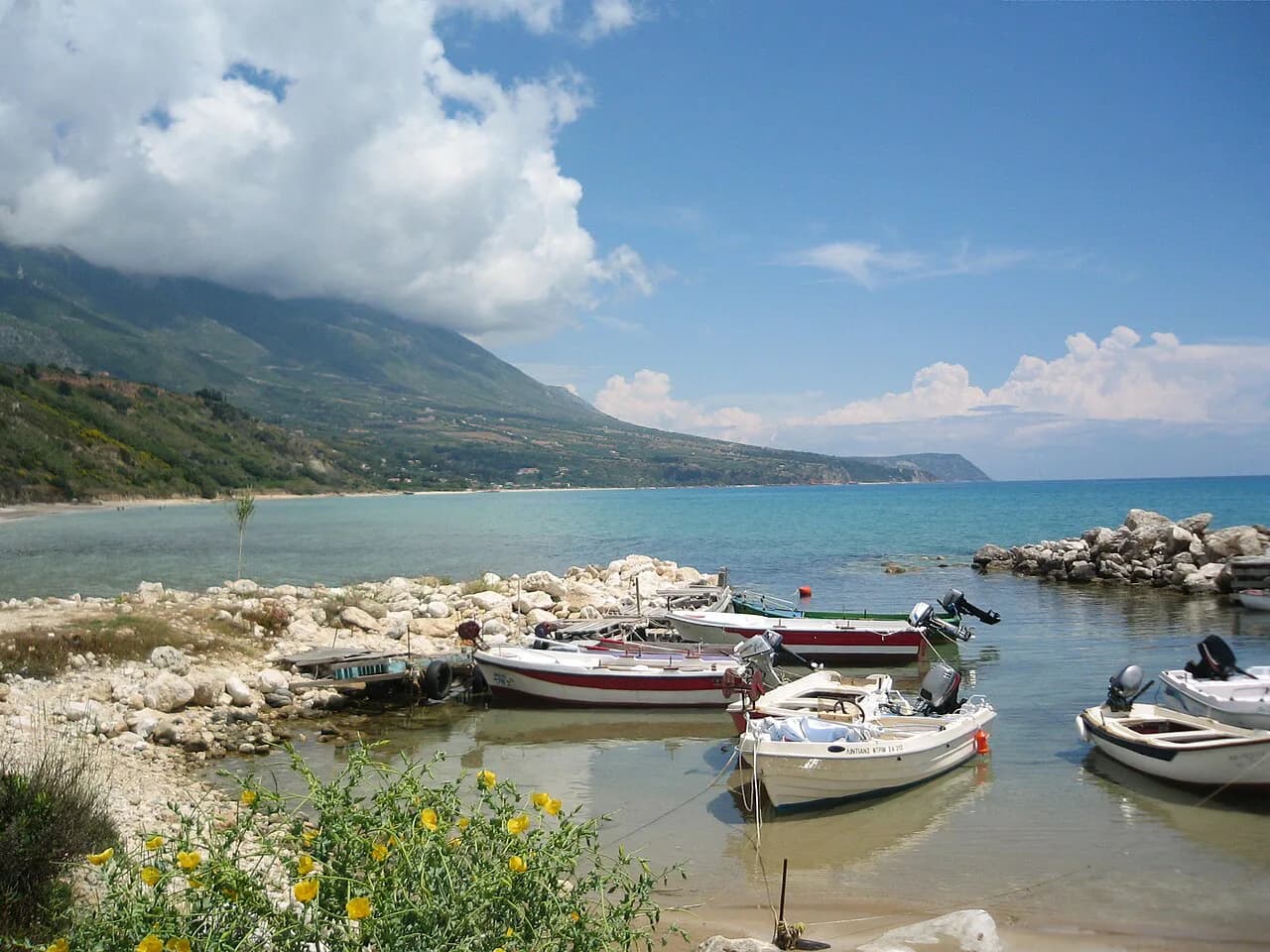
The simplest route is the water taxi from Zola Harbour, which crosses to Fteri in under ten minutes. You can pay by cash or card. Boats run from 1 June to 30 September, and you choose your return time when you buy, so decide how long you want on the pebbles before you board.
Fix your return time deliberately. Return boats fill up, and you cannot move your slot once it is booked, so a late-afternoon departure limits how long you can stay. If you are travelling as a large group in July or August, arrive at the harbour earlier than you think you need to, because a full boat will not squeeze you in.
The crossing doubles as a preview of the coast. On the way out you pass Kamari Beach, which looks inviting from the water and makes an easy second stop on another day. Some operators run multi-beach boat tours that pair Fteri with other stops, which suits anyone who would rather not manage the return-time logistics themselves.
Getting there on foot
The hiking route starts near Zola and drops through rocky, natural ground to the shore. Allow roughly 40 minutes down and closer to an hour back up, because the climb out is the demanding half. The path is uneven and easy to lose in places, so following a recorded route on a navigation app is worth the effort, and sturdy shoes beat flip-flops on the loose stone.
Start early in warmer months, both to avoid the midday heat on an exposed descent and to reach the cove before the first boatloads. Carry everything you need down with you, including water and food, and take it all back up again. If the climb out in full sun sounds punishing, the boat is the more sensible choice.
The beach itself
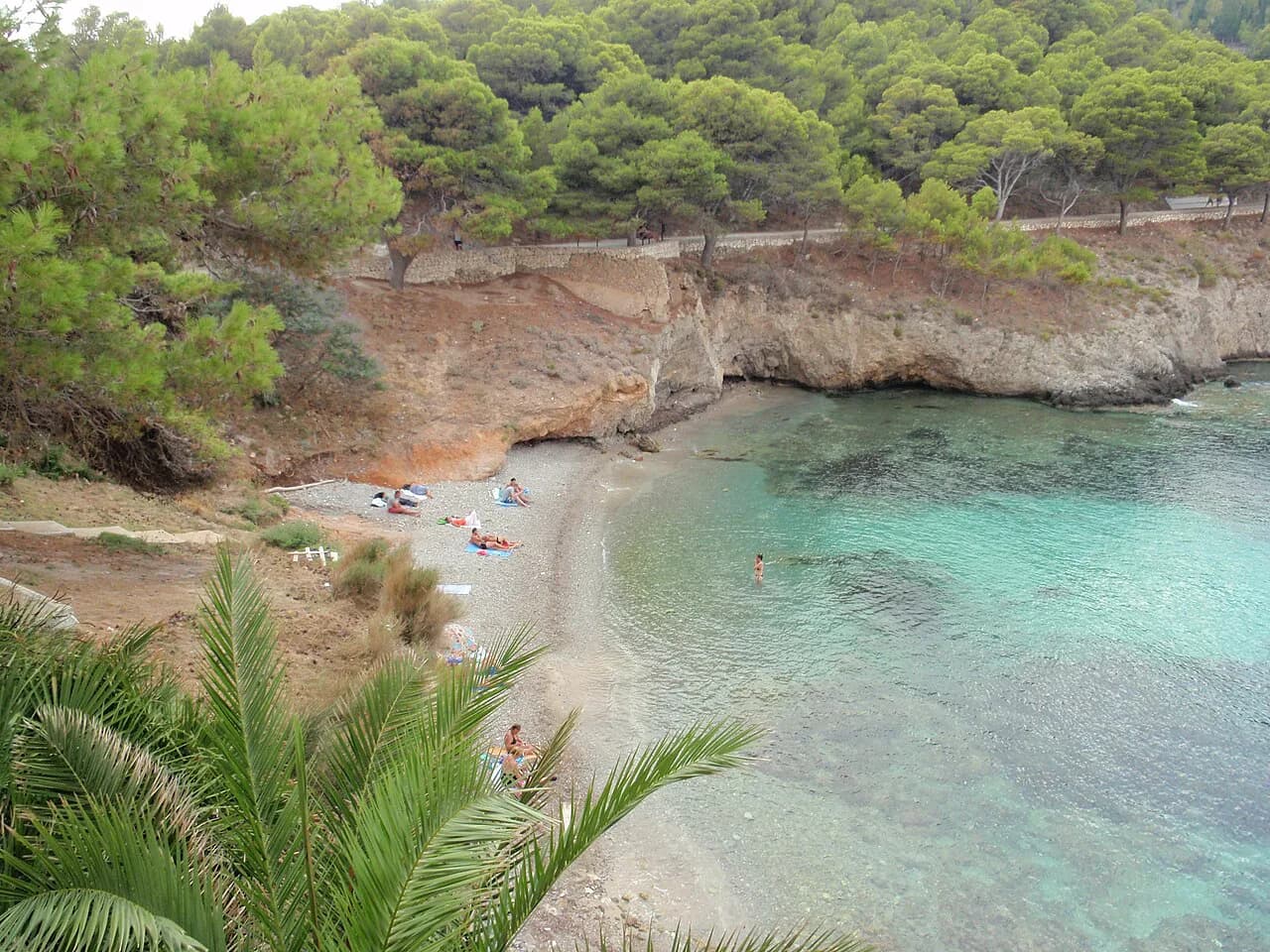
This is a pebble beach, not sand: white stones that reflect light and heat, and shift underfoot as you walk to the water. Water shoes make the shoreline and the swim entry much more comfortable. The cove curves below the cliffs, with the cave on the left as the focal point for swimmers.
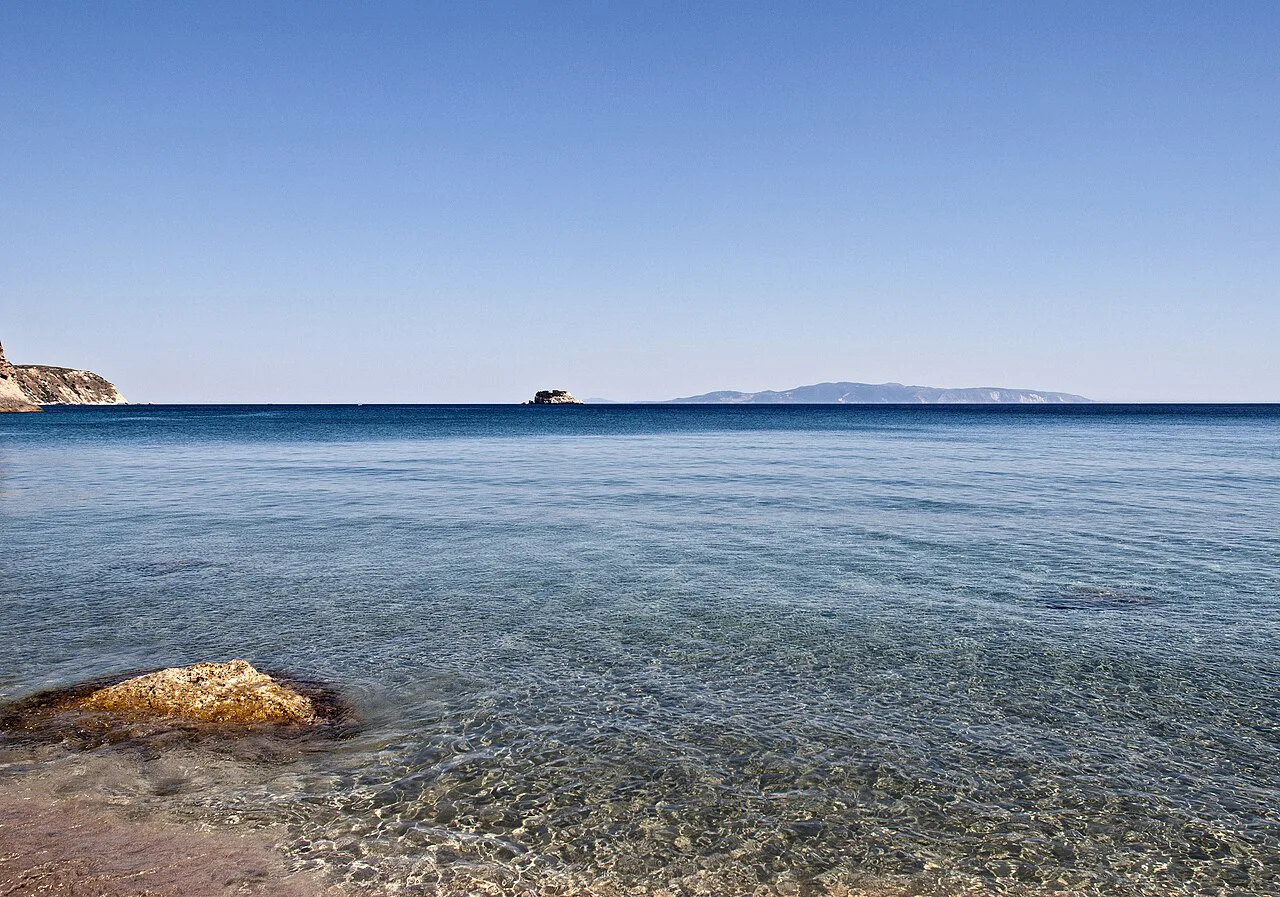
The water deepens off the pebbles and stays clear, which is why snorkellers and confident swimmers rate it and why non-swimmers should stay close to the shore. The white stones bounce sunlight back at you, so the cove feels hotter than the air temperature suggests. Bring more water than you would for a sandy beach and plan a midday retreat if you are hiking out.
Facilities and what to bring
There are no beach bars, no toilets and no organised umbrellas at Fteri, and shade is very limited. Treat the day as a self-sufficient outing: carry water, snacks, a towel and your own shade, whether that is a beach umbrella or a light shelter. If a proper lunch and a lounger matter to you, choose a different beach and visit Fteri as a morning excursion.
Crowds and timing
Fteri is no longer a secret. Famous enough to attract a steady rotation of boat taxis, it can feel fairly full by early afternoon even in June, and July and August are the busiest months of all. June and September are the sensible compromise: good weather with noticeably thinner crowds.
Arrive on the first boats of the day if you want the cove at its quietest. The beach is small, so the difference between the first crossing and the early-afternoon arrivals is significant. Plan your return for the late afternoon only if you are happy to share the pebbles with everyone else who had the same idea.
Best time to go
Air temperatures climb from around 23°C in May to 30°C in July and August before easing to 27°C in September, and the sea is at its most settled from June through October. That makes June and September the sweet spot for warm water without peak-season pressure. Mornings are cooler for the hike and calmer for swimming.
Wind direction changes the feel of the cove. Days when the wind blows from behind the beach out towards the water, or when there is barely any wind, give the clearest, most comfortable conditions. Check the forecast the evening before and shift your day if a strong onshore wind is due.
Nearby beaches to combine
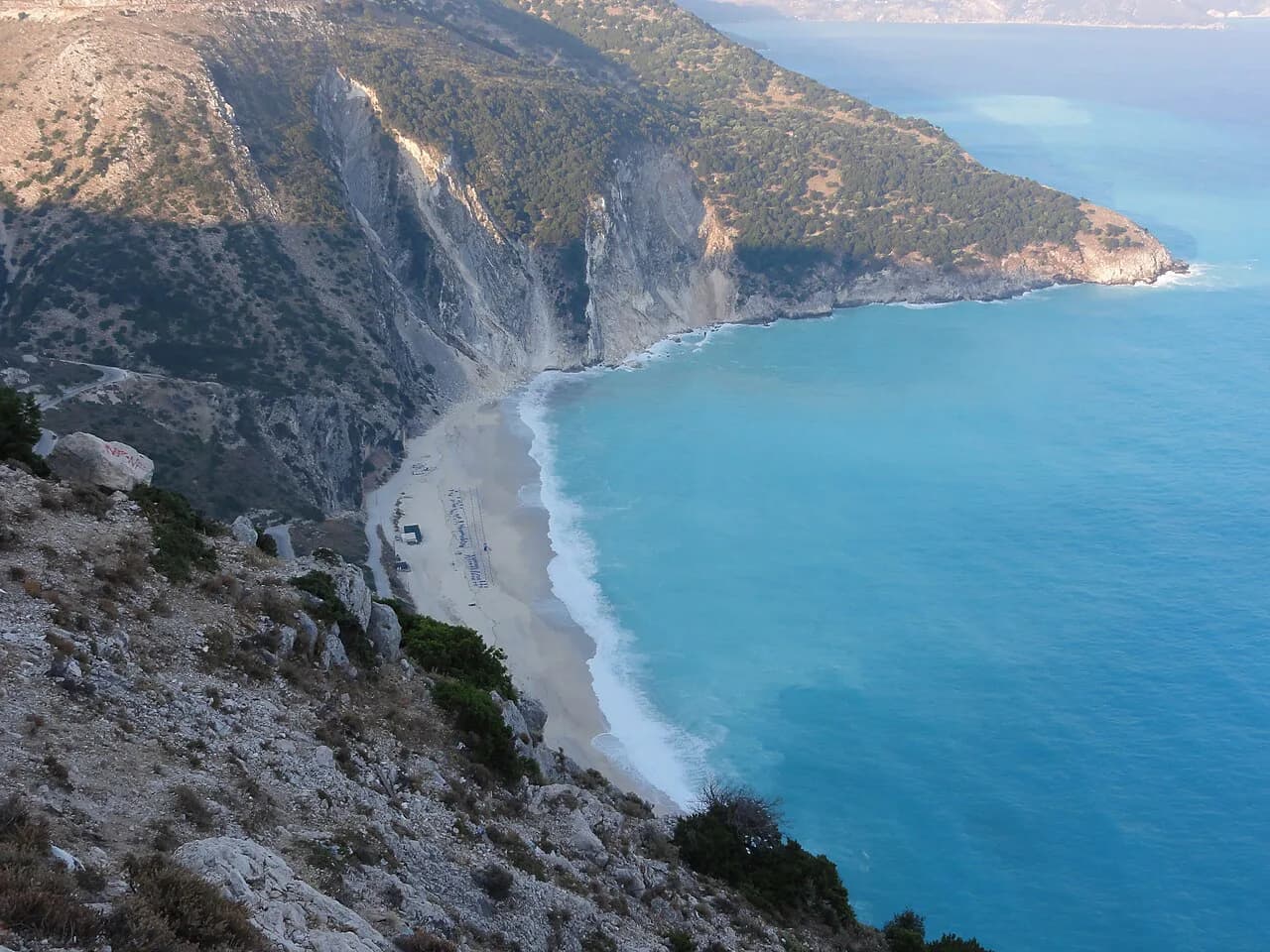
Agia Kyriaki sits near Zola Harbour and works well as a before-or-after stop on a water taxi day. Kamari Beach, passed on the crossing, is worth a separate visit. For the same dramatic cliff backdrop on a much larger scale, Myrtos Beach, Kefalonia is the obvious comparison, though it is a very different day out.
If you want car access and an easier setup, Antisamos beach on the east side of the island offers a sandy shoreline with organised facilities. Pick between the two by deciding whether you want adventure or convenience. For a full sweep of options across the island, the guide to Kefalonia beaches covers the rest. If you are comparing similar car-free coves elsewhere in Greece, the guide to the best beaches in Parga covers another stretch of Ionian coast worth weighing up.
Practical packing for a pebble cove
Pack for a beach with no services. Sturdy shoes for the trail, water shoes for the pebbles, a hat, high-factor sunscreen, plenty of water, food and your own shade cover the essentials. A dry bag keeps valuables safe if you swim into the cave, and a light layer helps on the boat crossing.
Can You Bring a Dog to Fteri Beach?
Fteri Beach sits on the northwestern side of Kefalonia, near the small harbor village of Zola, and it cannot be reached by car. That single fact shapes everything about bringing a dog here. Your two routes in are a water taxi from Zola Harbor, roughly a 10-minute boat ride costing €20 round trip, or a hike of about an hour each way along a trail that runs through trees and rocky sections. Neither option is a simple car-to-sand transfer, so the question of a dog really becomes a question about the journey rather than the destination.
The water taxi has fixed rules you will need to work around. Tickets are sold for a 10-minute crossing, payable by cash or card, and the service runs from June 1 through September 30. You must choose your return time when you buy your ticket, there is no changing that return time, and the return boats do fill up. The boats come and go all day, so a dog would be sharing a small vessel with other passengers on a set schedule rather than a private crossing you can adapt. Arriving with a large group is harder still — the advice is to turn up earlier, especially in July and August.
The hiking alternative is roughly a mile each way. The walk down typically takes around 40 minutes, while the return climb requires more energy than the descent, and the trail is uneven and rocky in places. It is described firmly as not a walk in flip-flops, with sturdy hiking shoes, water, a hat, sunglasses and sunscreen among the essentials, since the white pebbles reflect the sun and the heat is intense. The path is natural rather than marked and it is easy to get off course, which is why following a recorded route on Wikiloc is recommended. A dog on this trail means the same rocky footing and the same climb back out, in the same midday heat.
Once you are down, Fteri offers nothing in the way of facilities: no beach bars, no restrooms, no organized umbrellas, and very little shade. Everything you need has to be carried in and carried out, and the reminder to leave no trace — take everything back with you — applies to whatever your dog brings along too. The cove is a stretch of white pebbles mixed with sand meeting turquoise water, framed by white cliffs, and it is small enough that it goes from moderate to full by early afternoon as boat taxis keep arriving. Visiting fairly early in the morning is the way to enjoy it before the crowds build, and June and September are the compromise months with fewer people and excellent weather.
Do Dogs Have a Place on the Fteri Trail or Water Taxi?
For a dog owner weighing up the two routes to Fteri, the hike deserves the harder look. The trail starts near the village of Zola and runs through a rocky, natural landscape, with the walk down typically taking around 40 minutes. The descent is easier than the return climb, which requires more energy. The path is natural rather than marked and uneven and rocky in places, so sturdy hiking shoes are recommended over a walk in flip-flops. Those conditions matter for paws as much as boots: the return climb is the demanding half, so a dog needs to handle a steady, rocky ascent on the way out, not just a downhill descent on the way in. Starting early in the day is advised, especially during warmer months, to avoid the midday heat.
On the water, plan around the boat rather than the beach. The water taxi from Zola Harbor, near Agia Kyriaki Beach, is about a 10-minute ride and €20 round trip, payable by cash or card, running from June 1 through September 30. You must choose your return time when you buy your ticket, there is no changing your return time, and the return boats do fill up. Arriving with a dog means committing to that fixed schedule, and travelling in a group is easier if you arrive earlier, especially in July and August. None of the sources state a dog policy for the water taxi, so the ride itself should be treated as unconfirmed.
At the beach, preparation is what makes the difference. Fteri is remote, there are no facilities on the beach, and there is very little shade, so everything you need should be carried with you - water, snacks and shade among the recommended essentials. The white pebbles reflect the rays and the sun is intense, which is worth remembering for an animal on open stone. Leave no trace: take everything back with you, on the climb as well as the sand.
Plan Your Visit
Fteri rewards a bit of planning: book the water taxi with a return time that gives you enough hours, or set off early on the trail with proper shoes and a navigation app. Bring shade, water and water shoes, and aim for June, September or a morning slot to see the cove before the boats arrive.
Frequently Asked Questions
Can you drive to Fteri Beach?
No. There is no road to the beach. You either take the ten-minute water taxi from Zola Harbour or walk the cliff trail from near Zola, which takes roughly 40 minutes down and about an hour back up.
How much is the water taxi to Fteri Beach?
The return crossing runs from Zola Harbour and can be paid by cash or card; the fare is set out on the Fteri water taxi's own ticket page. Boats run from 1 June to 30 September, and you choose your return time when you buy the ticket.
How long is the boat ride to Fteri?
The crossing from Zola Harbour takes under ten minutes, so it is a short hop even for nervous passengers. You will pass Kamari Beach on the way.
Is there shade at Fteri Beach?
Very little. There is no organised shade and no beach bars or umbrellas, so bring your own cover if you plan to stay for several hours.
Is Fteri Beach sandy?
No, it is made up of white pebbles. Water shoes make walking and swimming entry much more comfortable.
How crowded does Fteri get?
Boat taxis rotate in through the day, and the small cove can feel fairly full by early afternoon. July and August are busiest; June, September and early mornings are quieter.
Sources
Beach notes for your next trip
Optional updates when we add or revise beach guides.
You might also like
Continue reading
More guides you'll find useful