Cefalù Beaches: Town Sand vs Hidden Coves and Alternatives
A practical guide to Cefalù's beaches, from the sandy town crescent to quiet coves and pebbly inlets nearby, with transport, sunbed costs and swim season.
On this page
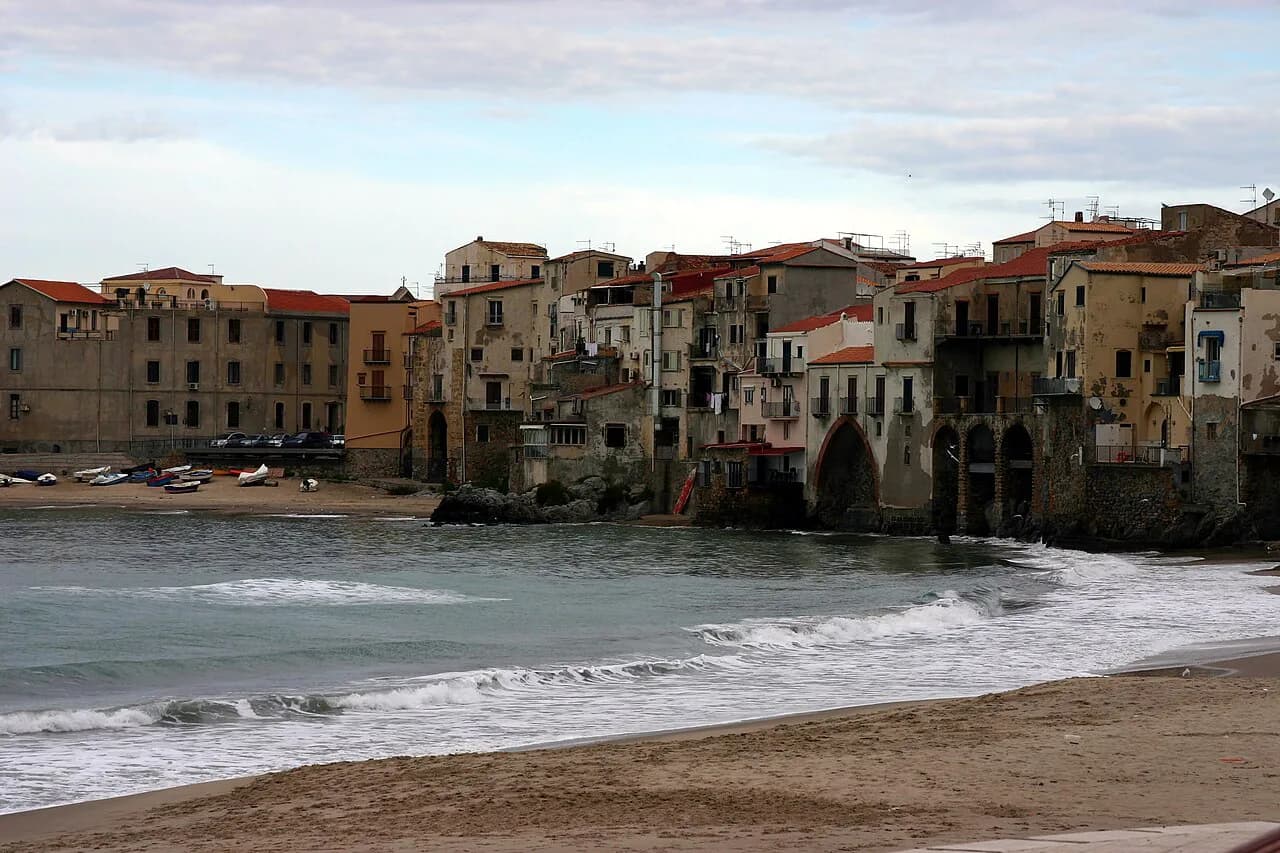
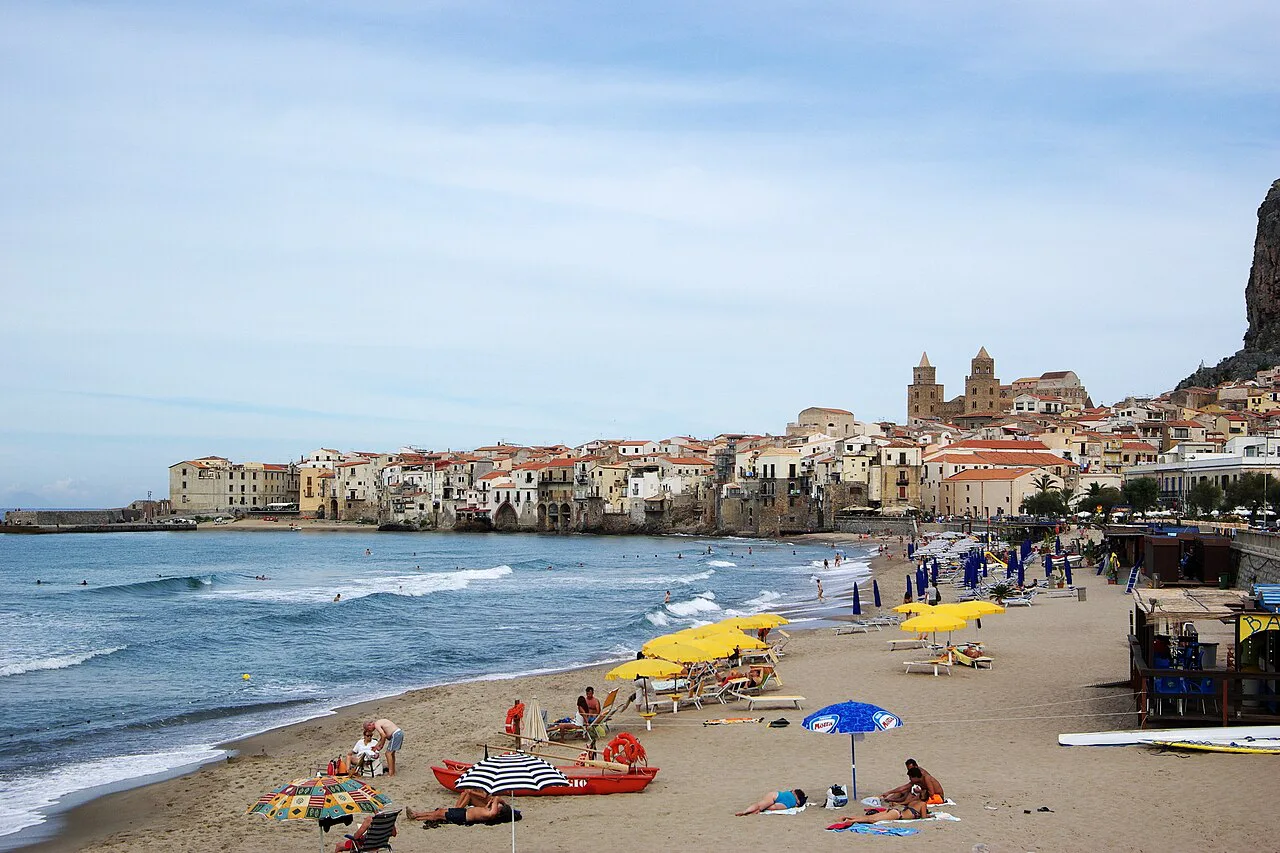
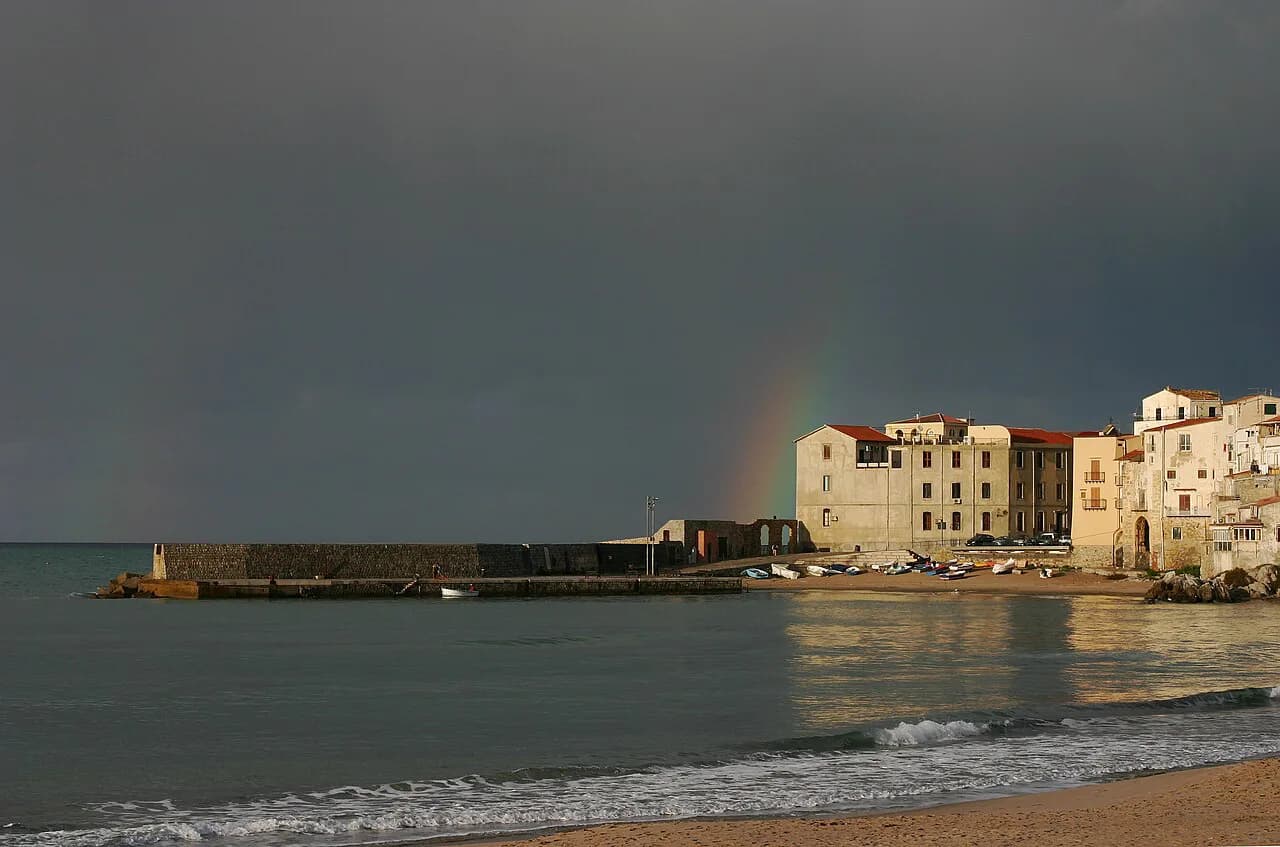
Cefalù's big draw is a golden sand crescent that sits directly beneath the old town, framed by the Duomo, the Rocca and a working fishing harbour. Few Sicilian towns combine a proper sandy beach with a historic centre you can walk in ten minutes, which is why the town fills with Italian holidaymakers through July and August. The trade-off is space: the free sand goes early, and the lidos take up much of the frontage.
Beyond the main beach, the coast west of town offers two very different days out. Kalura is a small pebbly cove reached by a steep stone staircase, while Mazzaforno is a quieter pale-sand stretch with clear water for snorkelling. If you want the sea without the crowd, these are where to head.
Why Cefalù's beaches draw a summer crowd
Sicily's coastline is largely rock and pebble, so a genuine sandy beach in a town centre is unusual and heavily used. Cefalù's crescent blends into the dusty browns and whites of the historic buildings behind it, and the shallow shelf makes it a realistic option for families with small children as well as swimmers.
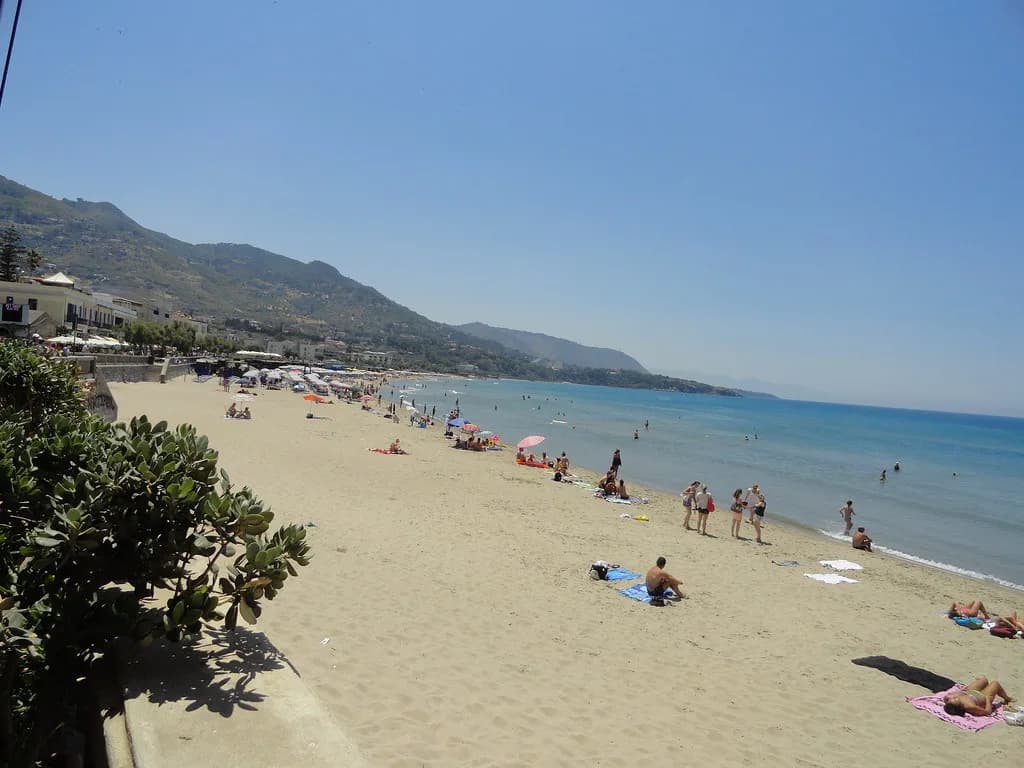
Come summer, the beach heaves under rows of colourful umbrellas and fills with both locals and holidaying Italians. The upside is atmosphere and easy access to bars and gelaterie; the downside is that a patch of free sand is contested. Aim for the earlier part of the morning if you are travelling as a group of more than two and want room to spread out.
Cefalù town beach: where the crescent sits
The town beach runs in a curve just east of the old town, backed by the seafront road and within a few minutes' walk of the Duomo and Corso Ruggero. You do not need a car or a bus to reach it if you are staying in the centre: it is the beach you see from the seafront promenade.
The obvious split is between the free stretches and the private lidos that occupy much of the sand. If you want a lounger and an umbrella without thinking about it, pick a lido; if you want to save money and do not mind an early start, aim for the open sand and treat the lido edges as your landmark.
Getting there: train, bus and parking
The simplest arrival from Palermo is the coastal regionale train, which covers the roughly 50 km in about an hour for around €5. Flying in means Palermo airport, then a bus via Palermo or a taxi if you are arriving late with luggage.
Cefalù is also just over an hour by train from Palermo, which makes it feasible as a day trip rather than a base. Drivers should expect the town centre to be tight and busy in summer; parking near the beach fills early, and the Kalura cove has hotel parking at €10 a day.
The sand and the water
The town beach is sand underfoot and shelves gently at first, which is why it suits paddling children and casual swimmers. It is the most sheltered option in town when the wind comes from the landward side, but it also takes the full weight of the summer crowd.
Water temperatures stay comfortable well into autumn: swimming generally holds from late May to early October, and the water off the town beach stays warm enough for a dip until the end of October, with some people going in during November. Conditions vary day to day, so watch the flags and the sea state on the morning you plan to swim.
Facilities on the town beach
The town beach works on a lido model: private operators rent two sun loungers and an umbrella for the day, and prices shift with the season. Expect up to €35 per day in high season on the lidos, and less outside peak weeks.
If you would rather not pay, the free sand is the alternative, but it comes with the early-morning scramble. Bring your own shade, water and a mat, because the open sections have no natural cover.
The old harbour and its small beach
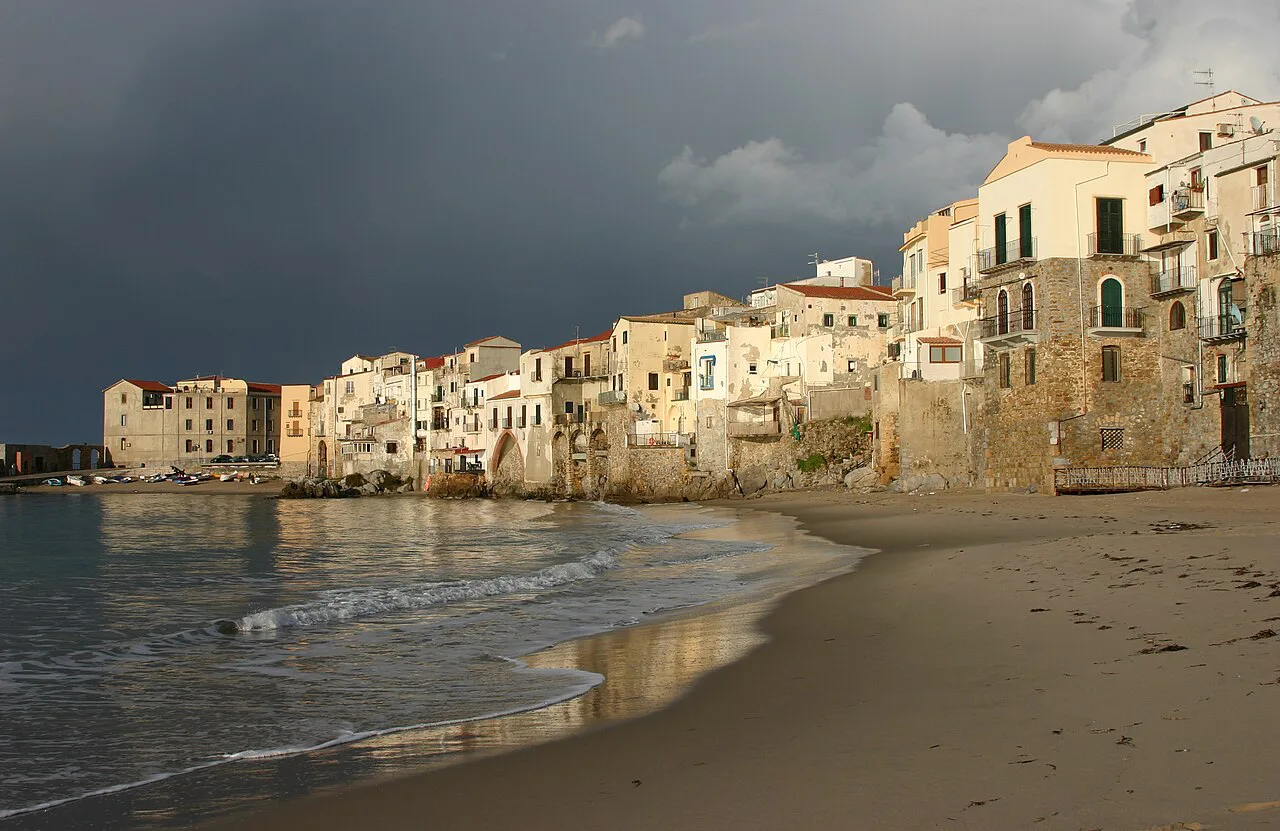
Walk through the old harbour gateway and out along the concrete walkway and you reach Spiaggia di Porto Vecchio, a small beach tucked beside the fishing boats. The concrete outcrop opposite becomes a late-afternoon gathering point, with locals fishing from the edge and children using the platform as a diving board.
This is more of an atmospheric stop than a full beach day: the water is deep off the platform, so it suits confident swimmers and photographers rather than toddlers. Combine it with a wander through the old town and a drink on the seafront.
Swimming holes near Bastione di Capo Marchiafava
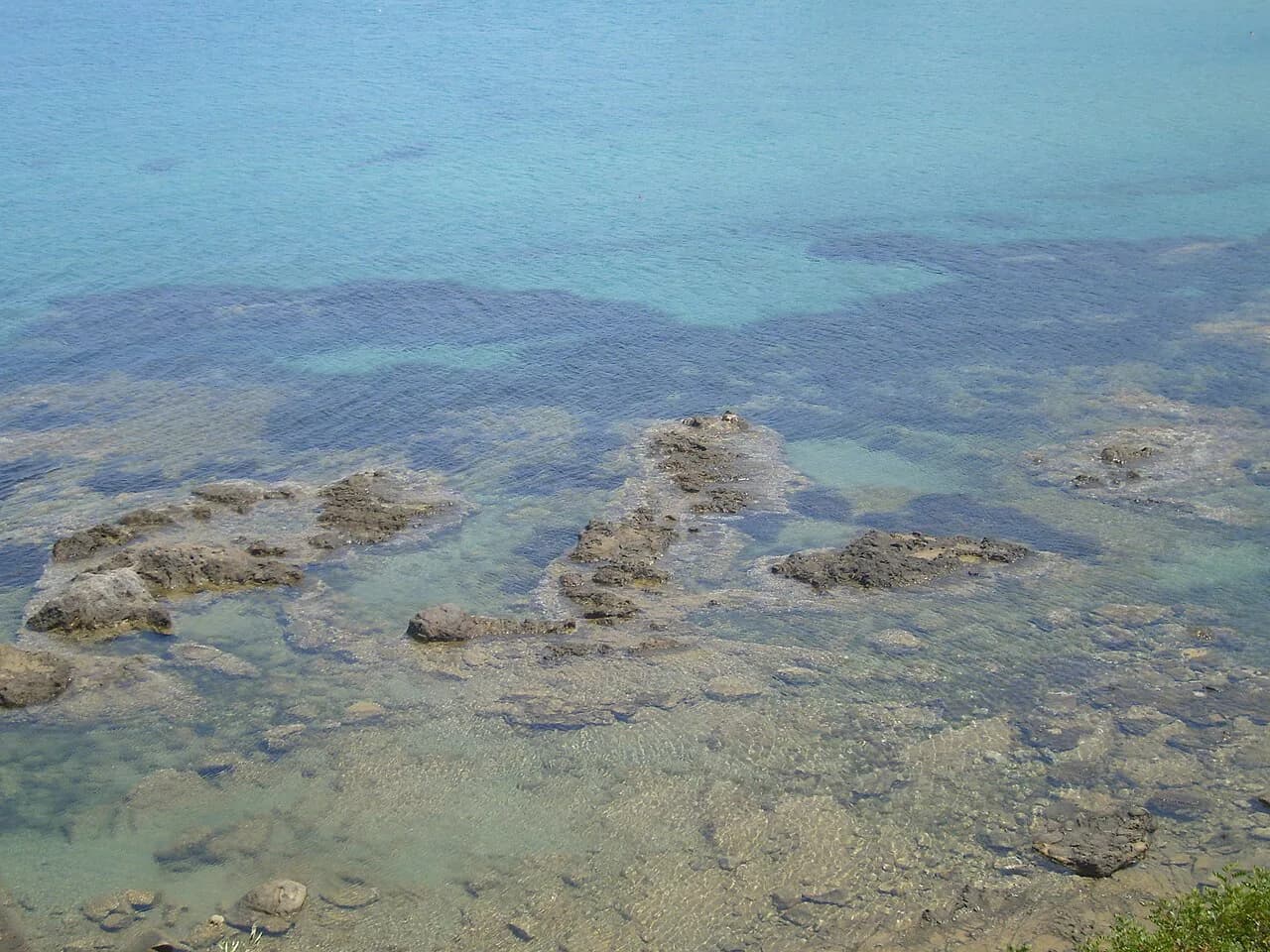
For a quieter dip, head to Bastione di Capo Marchiafava, where a viewing platform overlooks a couple of rock swimming holes. Even in high season these stay remarkably empty, often shared only with a few local bathers cooling off.
Access is over rock rather than sand, so bring shoes you can wear into the water and expect to lower yourself in rather than wade. Nearby, the Bastione Innovazione Cibo Cultura complex houses a digital museum and a restaurant, which makes a useful stop before or after a swim.
Spiaggia Kalura: pebbles, steps and sea shoes
West of town, Kalura is a small pebbly cove with a relaxed, tucked-away feel. It is reached by a steep stone staircase beside the Kalura Beach Hotel, and the stones make sea shoes genuinely useful for getting in and out.
Loungers are available for rent at €20 for two chairs and a parasol, so it is a cheaper lido than the town beach. The cove is best for couples and confident swimmers who want clear water and a bit of quiet rather than long shallows for small children.
Spiaggia di Mazzaforno: pale sand and snorkelling water
A few kilometres west of Cefalù, Mazzaforno is a quieter, lesser-known stretch of pale sand with clear water that suits swimming and snorkelling. It is backed by Mediterranean hills and reached via a long staircase near the Sporting Club, which keeps the numbers down.
The walk down is easy; the climb back up in midday heat is the real cost of the calm. Go early, carry water and wear shoes with grip, and treat it as a half-day rather than an all-day base.
Best time to go
August is the peak: the beach is at its busiest and the town fills with Italian holidaymakers. Spring and autumn are the calmer window, with warm water well into October and far more space on the free sand outside the August crush.
If you are in town during peak summer and want quiet, plan around the coves and rock swimming holes rather than the main crescent. Moving a few kilometres west changes the day entirely.
Nearby beaches to combine
Cefalù makes a workable base for the Tyrrhenian coast: Lo Zingaro nature reserve is about 1.5 hours away and offers some of Sicily's most dramatic shoreline walking, though the beaches there have no shops, so carry supplies. Further afield, Mondello near Palermo and San Vito Lo Capo on the Trapani coast are long-established sandy options if you are touring the island. If you are weighing up other bases on the island, it is worth comparing Cefalù with the Ancona beaches before committing to a week in one spot.
Within Cefalù itself, the Rocca of Cefalù above the town gives the best overview of the crescent before you commit to a spot, and the pebbly coves west of town reward a short detour when the main beach is packed.
Practicalities: shade, water and lunch hours
Bring your own shade if you are using the free sand, and carry more water than you think you need in July and August. Sicilian lunch hours are strict: many kitchens close by around 2pm and reopen around 7.30pm, so eat before the beach or plan an early dinner.
Footwear matters more than you might expect: trainers for the walk up La Rocca, sea shoes for Kalura's pebbles and the rock swimming holes. Sunscreen and a hat are not optional on an exposed crescent in high summer.
Plan Your Visit
Cefalù delivers a rare combination: real sand, a walkable old town and a swim season that stretches into late October. Use the town crescent for easy family days, the harbour and Bastione for a quick dip, and Kalura or Mazzaforno when you want space and clearer water.
Book lidos on arrival with the beach concession running each stretch of sand, and ask the Cefalù tourist office for the current price list before you commit to a week of loungers. The town rewards an early start more than any other beach decision you will make here.
Explore more Cefalù beaches
Frequently Asked Questions
Is Cefalù worth visiting for its beach?
Yes, if you want a genuine sand beach you can walk to from a historic centre. The crescent sits directly below the old town, close to the Duomo and the seafront promenade, and it blends into the browns and whites of the buildings behind it. It is also unusual for Sicily, where much of the coastline is rock and pebble. The compromise is crowding: the free sand fills early in summer, and the lidos take up much of the frontage, so an early start or a lido booking makes the day easier.
Which beach in Cefalù is best for families?
The town beach is the straightforward choice for families, because the sand shelves gently at first and everything you need is within a short walk. Kalura is pebbly, reached by a steep stone staircase beside the Kalura Beach Hotel, and sea shoes help underfoot, so it suits older children better than toddlers. Mazzaforno has pale sand and clear water for snorkelling but is accessed by a long staircase near the Sporting Club, and the climb back up in the heat is the real cost of its quieter mood.
How do you get to Cefalù from Palermo?
Take the coastal regionale train, which puts you within walking distance of the beach, and check the current timetable and fare with Trenitalia before you travel. Flying in means Palermo airport, then a bus via Palermo or a taxi if you arrive late with luggage. Driving works too, but the centre is tight in summer and parking near the beach fills early; the Kalura cove has hotel parking, charged per day.
How much does a sunbed cost on Cefalù beach?
Town beach lidos rent two sun loungers and an umbrella by the day, and rates rise sharply in high season. The lido operators publish their own price boards at each entrance, so compare a couple before you settle. Free sand is the alternative if you bring your own shade and arrive early, because space runs out quickly in July and August.
When is the sea warm enough to swim at Cefalù?
Swimming generally holds from late May to early October across Sicily, and the water off the town beach stays warm enough for a dip until the end of October, with some people going in during November. August is the busiest month on the sand. Spring and autumn give you warm water with far more space, which suits anyone who wants the swim without the crowd.
Are there quieter beaches near Cefalù in August?
Yes. Kalura, west of town, is a small pebbly cove reached by a steep stone staircase beside the Kalura Beach Hotel, and it keeps a relaxed, tucked-away feel. Mazzaforno, a few kilometres west, is a lesser-known pale-sand stretch with clear water for swimming and snorkelling, reached by a long staircase near the Sporting Club. Closer in, the rock swimming holes below Bastione di Capo Marchiafava stay remarkably empty even in high season.
What is the beach like at Spiaggia Kalura?
Kalura is a small pebbly cove with clear water and a hidden-away feel, reached by a steep stone staircase beside the Kalura Beach Hotel. Sea shoes make getting in and out much easier on the stones. Loungers are rented by the day for two chairs and a parasol, and the hotel charges for parking. It suits couples and confident swimmers after quiet water rather than families wanting long shallows.
Sources
Beach notes for your next trip
Optional updates when we add or revise beach guides.
You might also like
Continue reading
More guides you'll find useful