Playa de Bolonia, Tarifa: Beach Guide, Access and When to Go
Plan a beach day at Playa de Bolonia near Tarifa: wide white sand, a huge dune backdrop, how to reach it and when the Atlantic feels warmest.
On this page
Playa de Bolonia is the big-sky beach of the Costa de la Luz: a long, broad run of pale sand backed by a towering dune, with the Atlantic rolling in rather than lapping at the shore. It suits travellers who want space, wind and a sense of wilderness within a day trip of Tarifa, and who are happy to swim in waves rather than millpond water.
This guide covers the practical shape of a day here: the route south from Tarifa, what the sand and swell are like, where to sit when the wind picks up, and which months give the warmest sea. Use it to decide whether Bolonia is your beach for the day or a stop to combine with a quieter cove.
Where Playa de Bolonia is
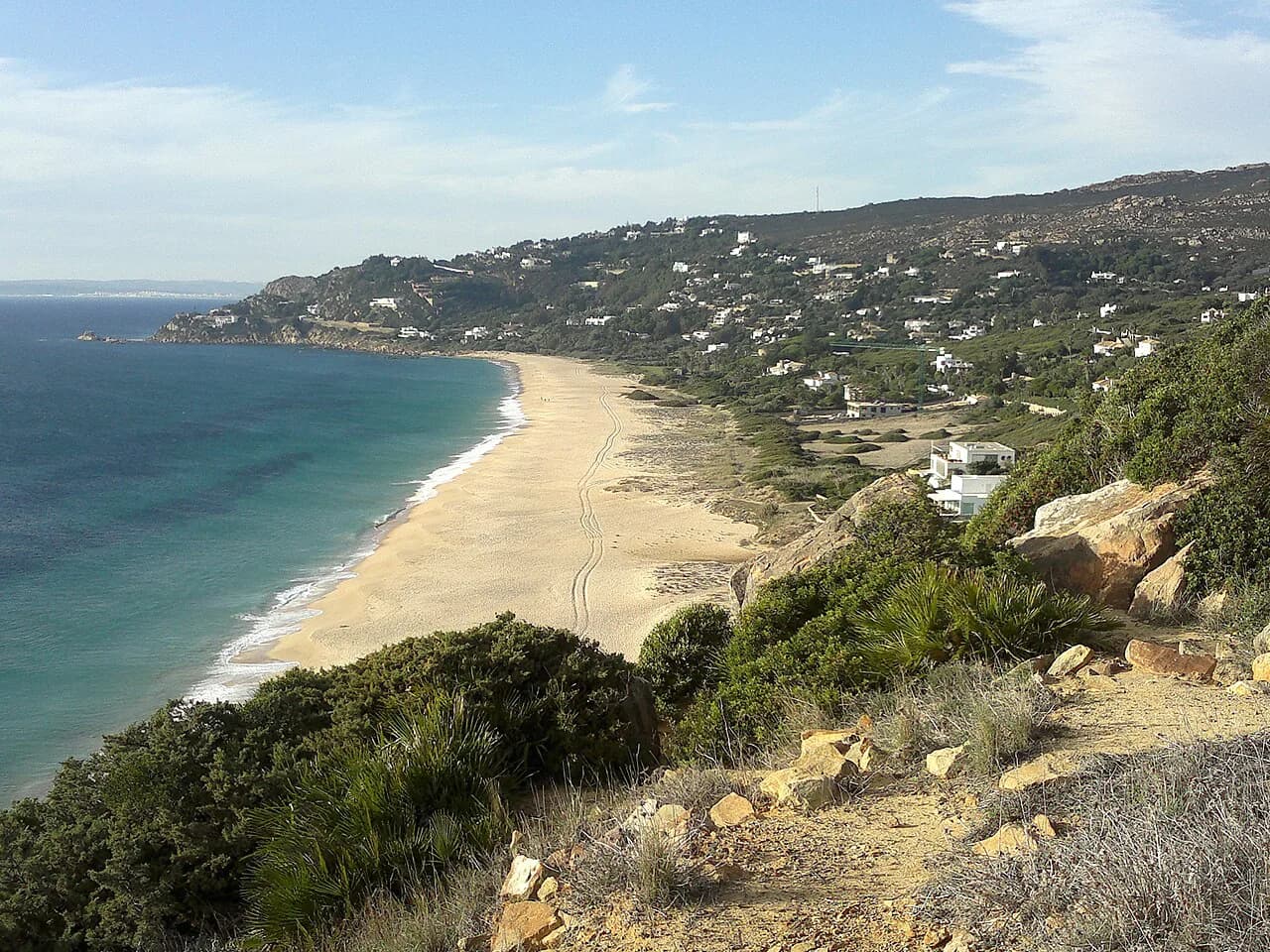
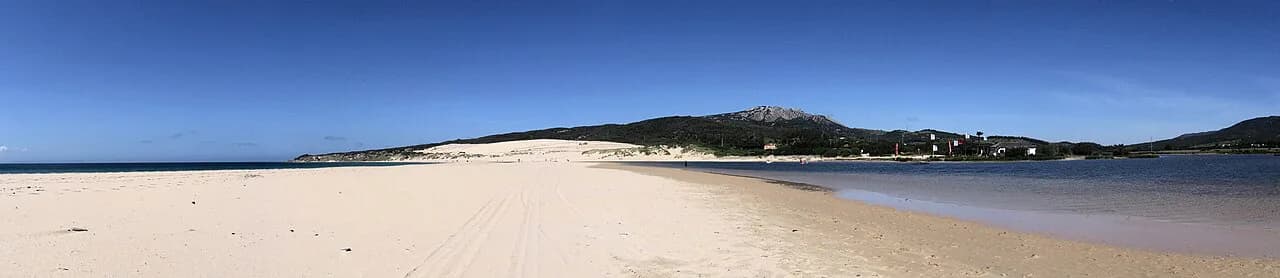
The beach sits on the Atlantic shore of Cádiz province in Andalusia, south of Tarifa, and is described as an unspoiled white-sand beach of Tarifa with its famous dune rising behind it. That southern position puts it on the same stretch of coast as the town but facing the full fetch of the Atlantic, which is what gives it its scale and its surf.
Because the beach lies beyond the town rather than inside it, the day has to be planned around transport: you either drive south with the car loaded for a long stay or commit to the bus in both directions. Treat the journey as part of the outing and arrive with water, shade and food already sorted.
Getting there from Tarifa
The usual approach is by road from Tarifa, following the coast south towards Bolonia; the beach and its dune are the landmark you aim for, and parking sits close to the sand at the village end. Driving gives you the flexibility to arrive early and to carry chairs, a windbreak and a cool box, which matters on a beach this exposed.
A bus serves the route, but timetables vary by season and company, so confirm the current schedule with the local bus company or the Tarifa tourist office before relying on it for the return leg. If you take the bus, plan your day around the departures you are given rather than counting on a late afternoon service.
The sand and the water
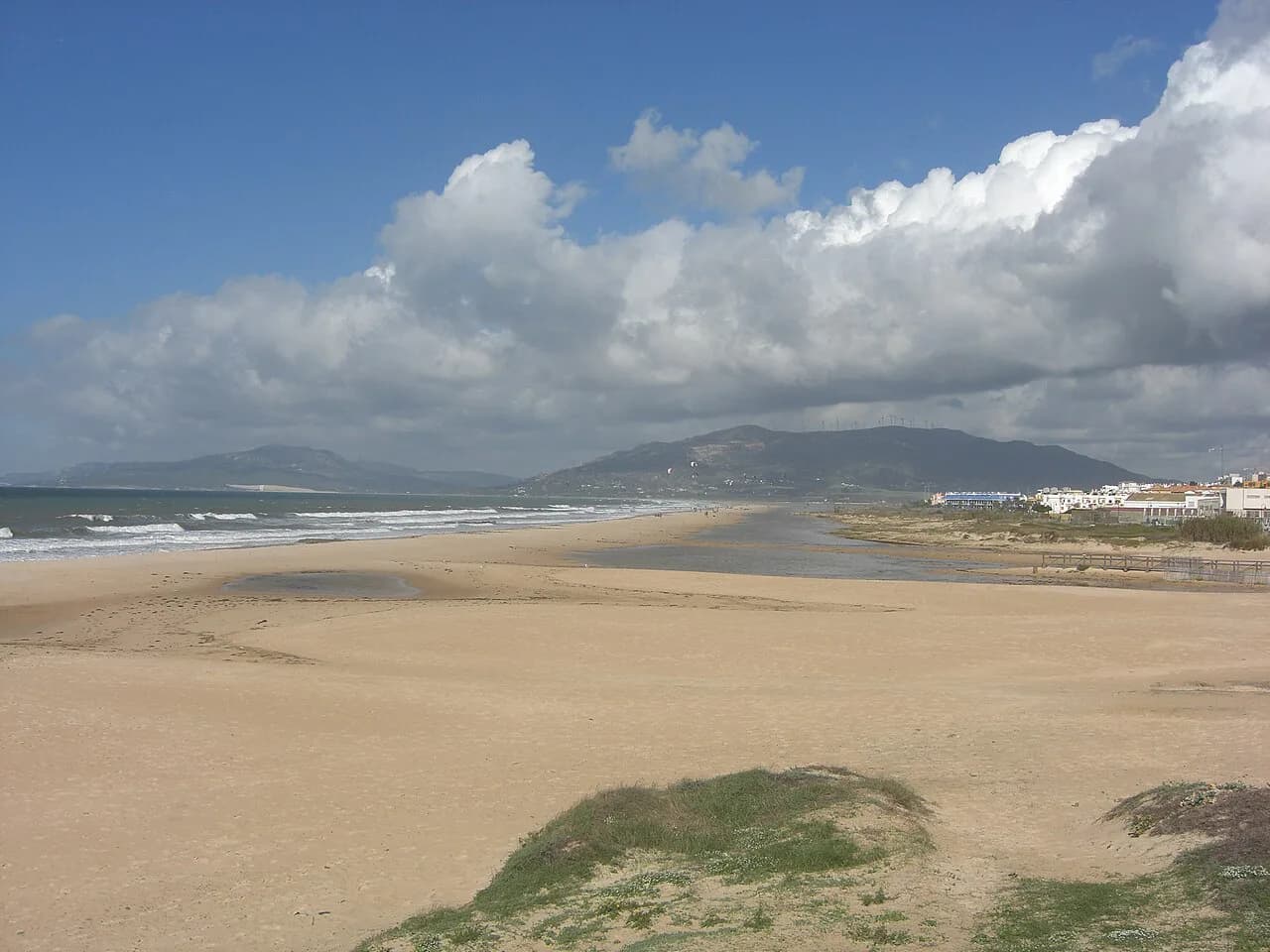
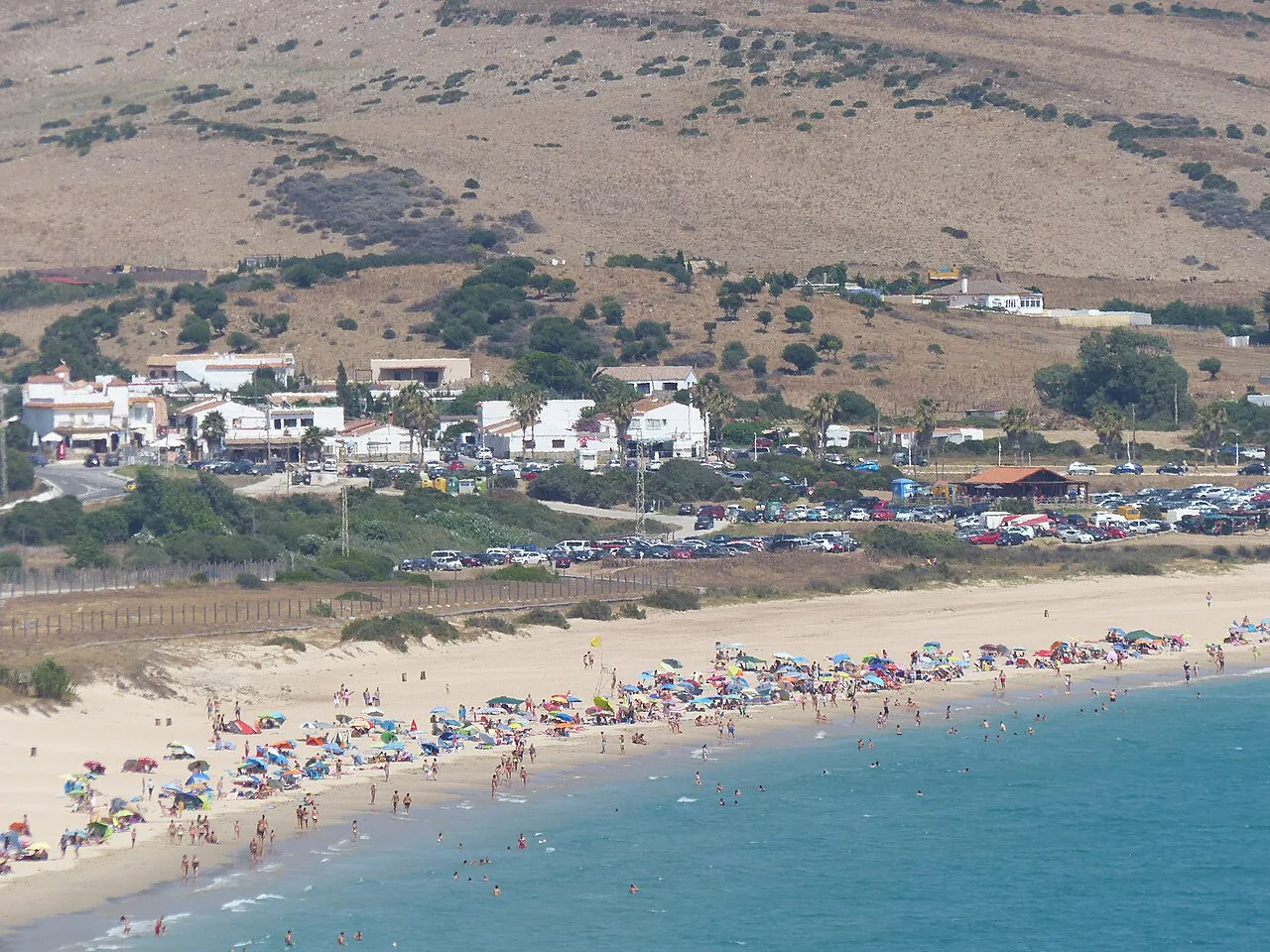
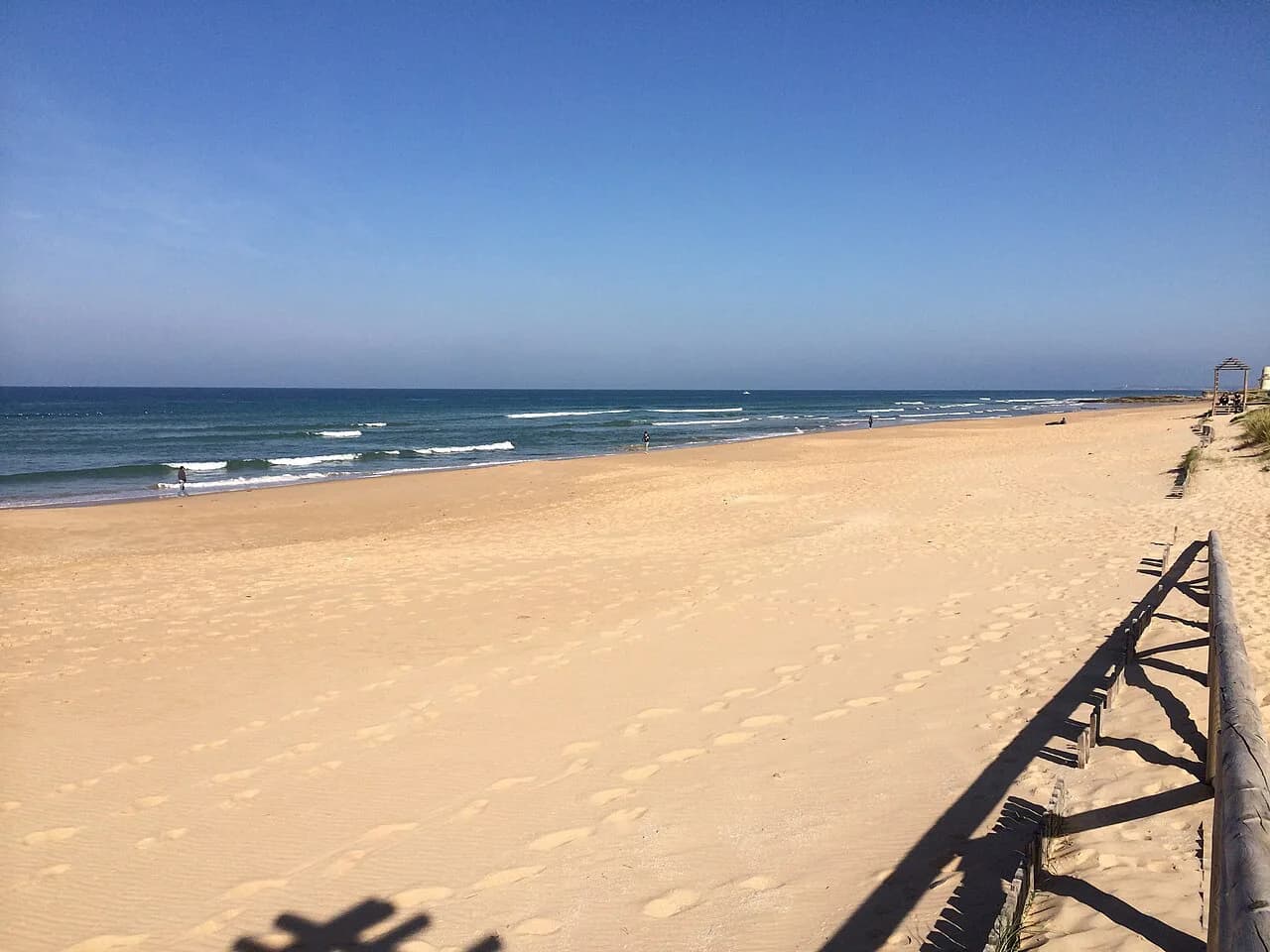
This is a wide, open beach of pale sand, and its size is the point: even on a busy summer afternoon you can walk away from the main entry point and find room. The dune behind it frames the whole view and gives the beach its distinctive look, with sand running back from the waterline into the protected backshore.
The water is Atlantic, so expect waves and a shelving shoreline rather than the still, shallow water of a Mediterranean cove. The beach is described among the most unspoiled and striking on the Spanish coast near Tarifa, which reflects exactly this combination of open ocean and undeveloped dune.
Swim within your comfort in the shore break, keep an eye on children at the water's edge, and follow whatever flag or notice is flying on the day. Surf and currents change with the swell, and the open position of the beach means it takes the full force of Atlantic weather.
Shelter and wind
Bolonia faces the Atlantic with almost nothing between it and the horizon, so wind is the single biggest factor in how comfortable your day feels. The levante, blowing from the east and off the land, tends to feel warm and drying, while the poniente comes in from the west across the water and brings cooler, damper air and more chop.
On a levante day, sit towards the dune side where the sand slopes up and gives some lee, and use a windbreak to stop sand drifting over your spot. On a poniente day the sea is livelier and the air cooler, so a layer for later and a spot further back from the waterline make more sense than setting up at the very edge.
Who it suits
Confident swimmers, walkers and anyone drawn to big landscapes get the most from Bolonia: the long beach is made for strolling, and the dune gives a reason to spend the afternoon away from your towel. Photographers and travellers who dislike crowded, built-up resorts will find the undeveloped setting the main attraction.
Families with small children should choose their pitch with care, staying close to the village end for easier access and setting up well back from the shore break so toddlers can play in dry sand. For calmer, smaller water, the coves and town beaches closer to Tarifa are the easier call, and you can compare them in the wider guide to Tarifa beaches. If you want to look further along the coast for gentler swimming, the beaches in Málaga offer a Mediterranean contrast.
Facilities
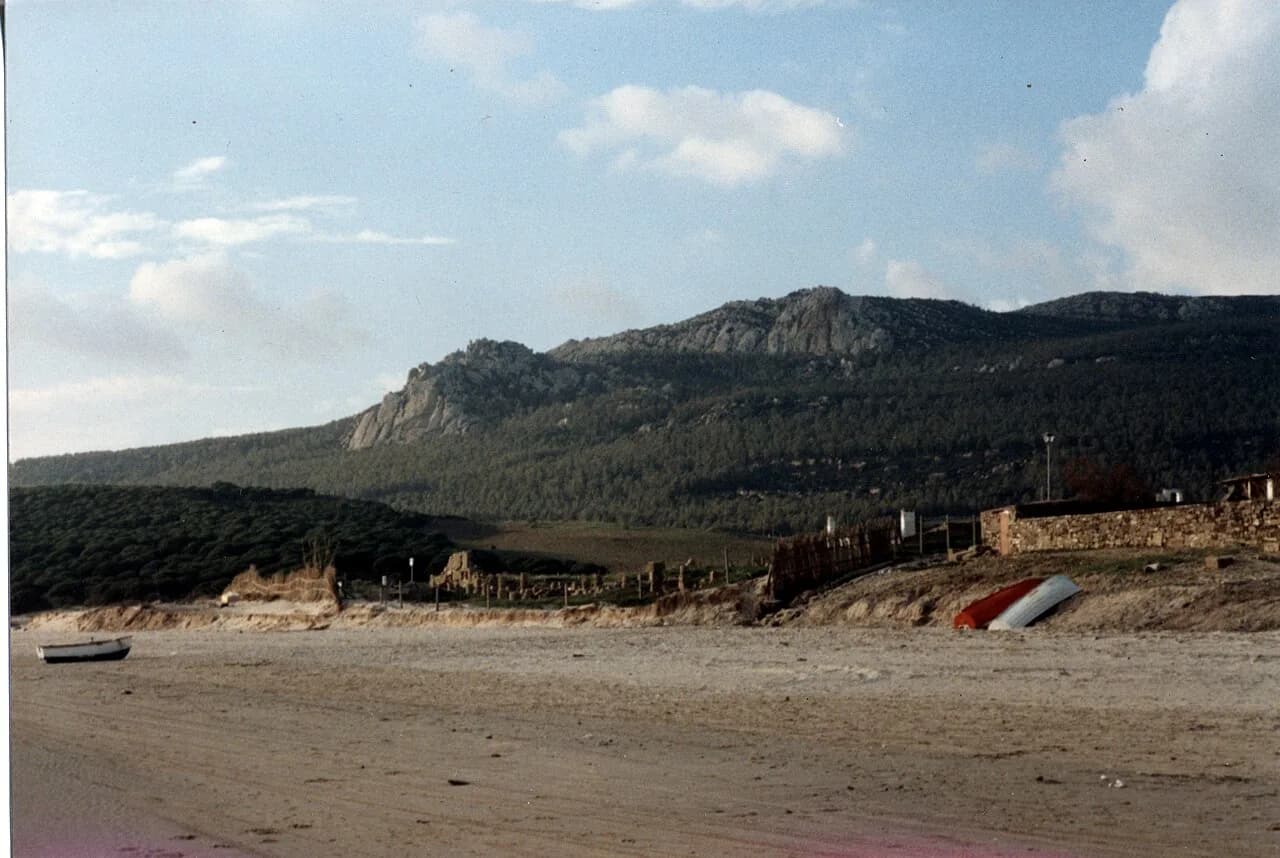
The village at the back of the beach is where you find bars and restaurants, which makes it straightforward to break the day for a proper lunch rather than carrying everything with you. Set-up varies along the sand, so walk the frontage before committing to a pitch if sunbeds, shade or a particular stretch matter to you.
Bring your own water, shade and cash as backup, and check current prices and dates with the Tarifa tourist office for what is operating at the time you travel, since seasonal services come and go. The dune behind the beach is a protected natural setting, so stay on the marked paths rather than scrambling up the sand.
Best time to go
The Costa de la Luz sea warms through the summer, with the most comfortable swimming generally from July into September, when the Atlantic loses its spring chill. June and September are the sweet spots for warm-enough water without peak-August crowds, though the wind can blow at any time of year.
August is the busiest month, and weekends bring Spanish day-trippers out from the towns along the coast, so arrive in the morning to secure parking and a good pitch. Weekdays outside peak season give you the space that makes Bolonia worth the drive in the first place.
Nearby beaches to combine
Bolonia works well as one half of a two-beach day. El Palmar beach, further up the coast towards Conil de la Frontera, is another long Atlantic sweep with a surf scene and a village behind the sand, and makes a natural contrast on a different day.
Closer to Tarifa itself, Playa de los Lances is the town's own long kitesurfing beach, convenient when you want to combine a swim with time in the town. Punta Paloma, on the same southern run as Bolonia, is the obvious stop to add if you are exploring the dune coast by car.
What to bring
Pack for wind and sun together: a windbreak, a good anchor for it, a wide-brimmed hat and high-factor sun cream, because shade on the open sand is limited to what you bring. Sandals that stay on in soft sand make the walk from parking to the waterline much easier.
Bring more water than you think you need and a cool bag for lunch if you plan to stay through the afternoon. A dry bag for phones and keys is worth the small weight on a beach where the shore break can catch you out.
Plan Your Visit
Bolonia rewards a bit of planning: go by car if you can, arrive early, and pick your spot according to which way the wind is blowing. Take the dune walk, swim within your limits in the Atlantic swell, and use the village for lunch rather than carrying everything onto the sand.
If you want calm water and a shorter trip, stay with the town beaches; if you want scale, space and surf, this is the beach to build your day around. Pair it with the rest of the coast using the guide to beaches around Tarifa.
Frequently Asked Questions
Is Playa de Bolonia worth visiting?
Yes, if you want a wide, undeveloped Atlantic beach with a large dune behind it rather than a small, sheltered cove. It suits walkers, photographers and confident swimmers, and it is less simple for toddlers when there is swell.
How do you get to Playa de Bolonia from Tarifa?
Most visitors drive south from Tarifa along the coast road, with parking near the village end of the beach. A bus also serves the route; ask the local bus operator or the Tarifa tourist office for the current timetable before you rely on it.
Does Playa de Bolonia have restaurants and hotels?
The village behind the beach has bars and restaurants, which makes a lunch stop easy. Book any accommodation directly with the property and confirm seasonal opening with them, since services along this coast vary through the year.
What are some beaches near Tarifa?
Playa de los Lances sits right by Tarifa town, Punta Paloma is on the same southern run as Bolonia, and El Palmar beach lies further north towards Conil de la Frontera. Each gives a different mix of shelter, surf and facilities.
When is the sea warmest at Playa de Bolonia?
The Atlantic is at its most comfortable from July into September, with June and September offering warm-enough water and fewer crowds than August. Wind can blow in any month, so plan your pitch around the forecast.
Sources
Beach notes for your next trip
Optional updates when we add or revise beach guides.
You might also like
Continue reading
More guides you'll find useful