Santa Maria di Leuca Beaches: Coves, Lidos and Sandy Stretches
Plan a beach day at Santa Maria di Leuca, from the rocky tip and the Ciolo canyon steps to sandy Felloniche and family-friendly Lido Azzurro.
On this page
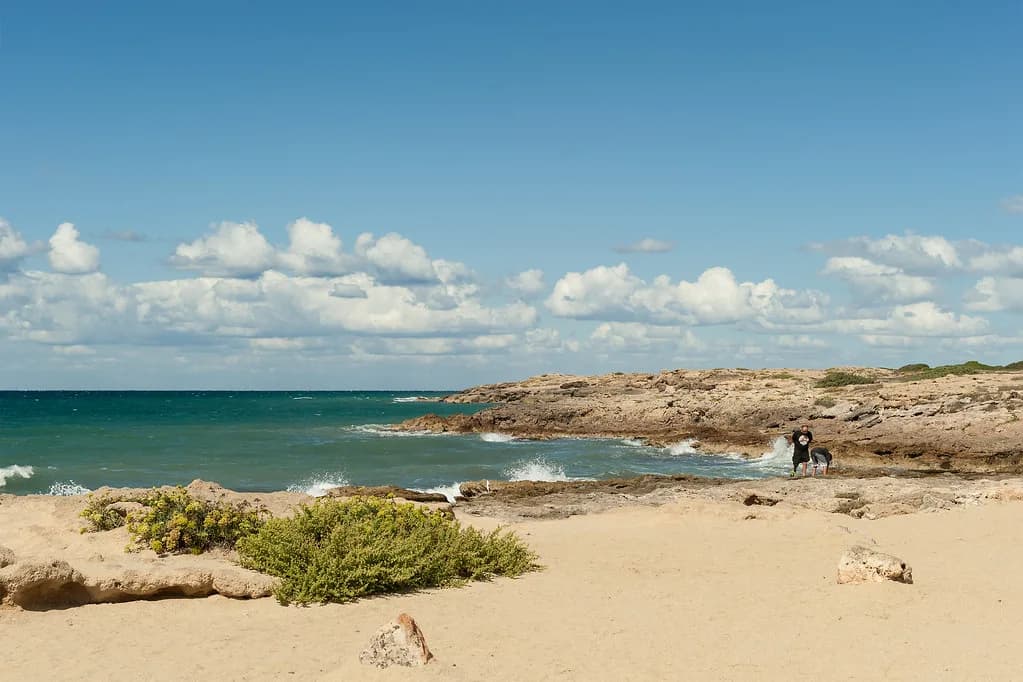
Santa Maria di Leuca is the point where the Adriatic Sea meets the Ionian Sea at Italy's heel, and that geography gives you two beaches in one trip. The coastline running east towards Otranto is rocky and dramatic, while the Ionian side towards Taranto opens into long, fine sandy beaches. Families with small children and anyone who wants a sunbed and a restaurant tend to gravitate to the sand; swimmers and scenery-seekers get the better photographs on the rock.
The town itself is compact enough to walk in an afternoon, with the lighthouse and the Basilica of Santa Maria de Finibus Terrae on the headland above the water, so a beach day here rarely needs much planning. Use Leuca as a base, pick a side of the cape for the morning, and you can be on the other coast by afternoon. The main decision is whether you want equipped sand, a wild cove, or a boat instead of a towel.
Where Santa Maria di Leuca sits and how the two coasts differ
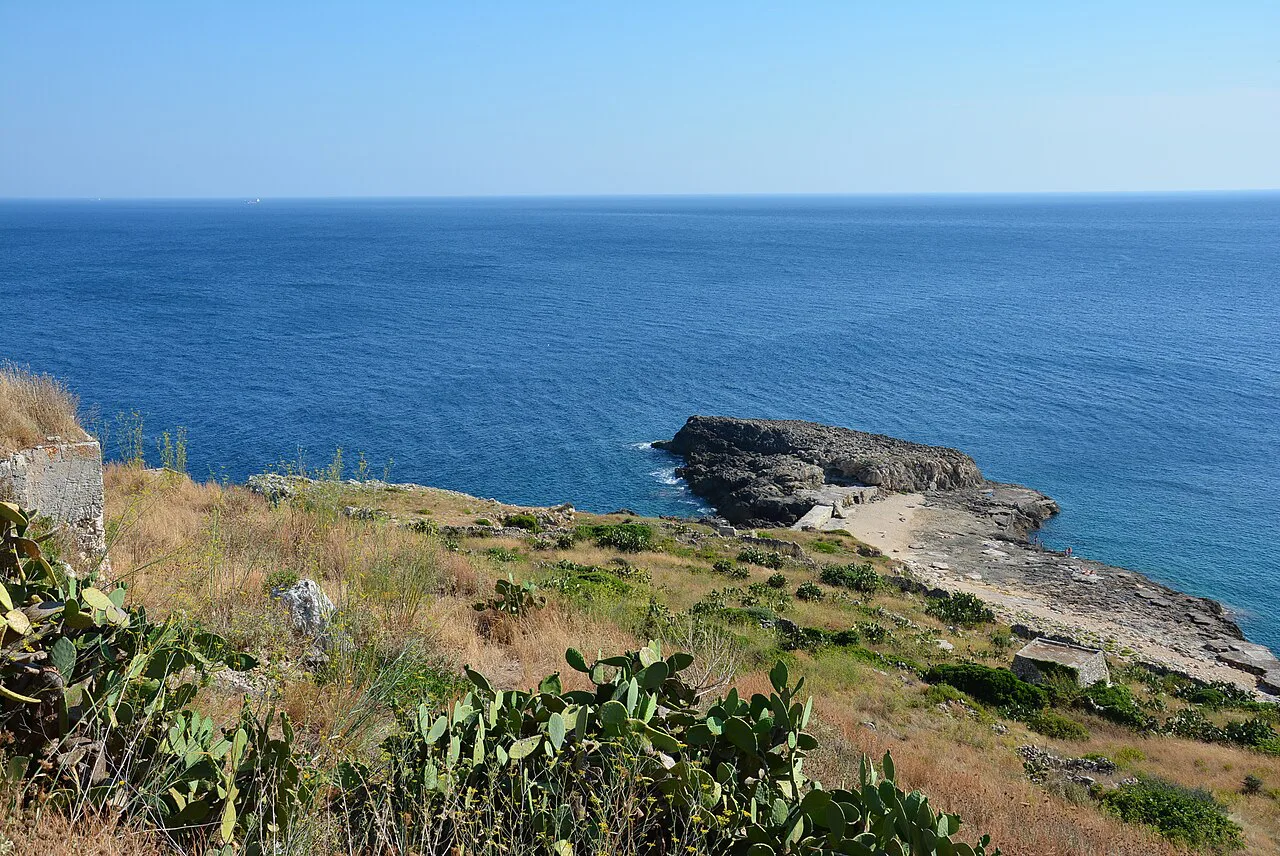
Leuca occupies the very southern tip of the Salento peninsula, marking the divide between the Adriatic and the Ionian. The Adriatic side, heading north-east towards Otranto, is the rockier of the two, with cliffs, sea caves and deep blue water close in. The Ionian side, curving west towards Gallipoli and Taranto, is where the fine sand and long beach stretches begin.
That split should shape your day more than any single beach name. If you want to swim off rocks and watch the water change colour, stay on the Adriatic side around Punta Meliso and Punta Ristola. If you want sand between your toes and a shallow entry for children, drive west. Comparing the wider selection of Lecce beaches helps if you plan to move around the province, and Bari beaches offer the same sand-versus-rock choice if you head further up the Adriatic coast.
Much of the coastline around the cape falls within the Costa Otranto-Santa Maria di Leuca and Bosco di Tricase regional nature park, established in 2006 to protect the habitat. Activities that could damage the landscape are prohibited across the protected area, so keep to paths and take litter away with you.
Lido Azzurro
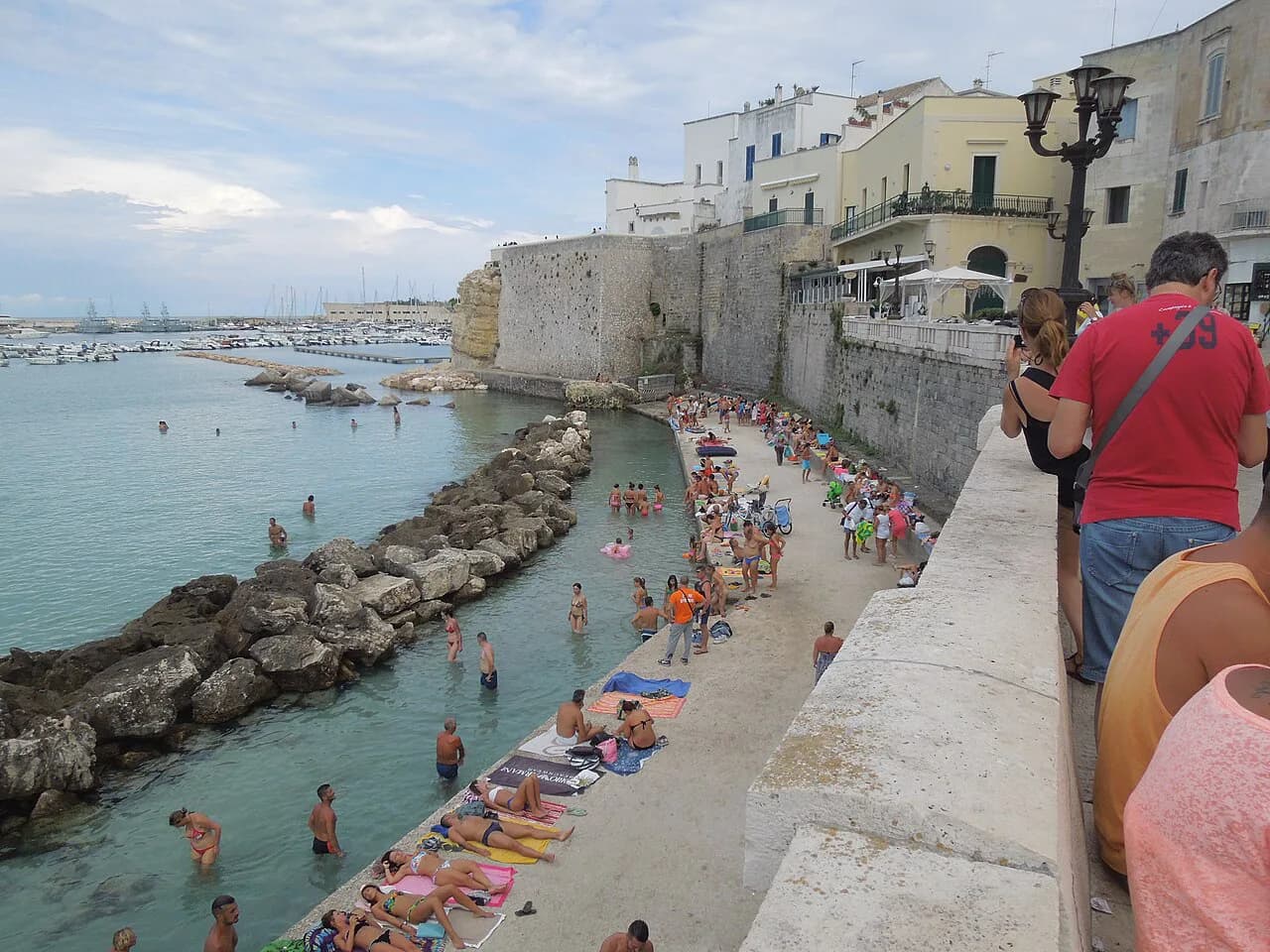
Lido Azzurro is the well-equipped option close to town, with shallow water that suits families with children. It is the sort of beach where you can settle in for a full day: restaurants and entertainment are part of the package, and a lido set-up means you are not carrying everything down a cliff.
Choose it when convenience matters more than solitude. The shallow entry is the reason to bring small children here rather than to the rocky points, and the presence of restaurants means you can eat without driving. Sunbed and umbrella charges are set by the individual lido, so ask at the entrance or through the booking page before you commit.
Canale del Ciolo
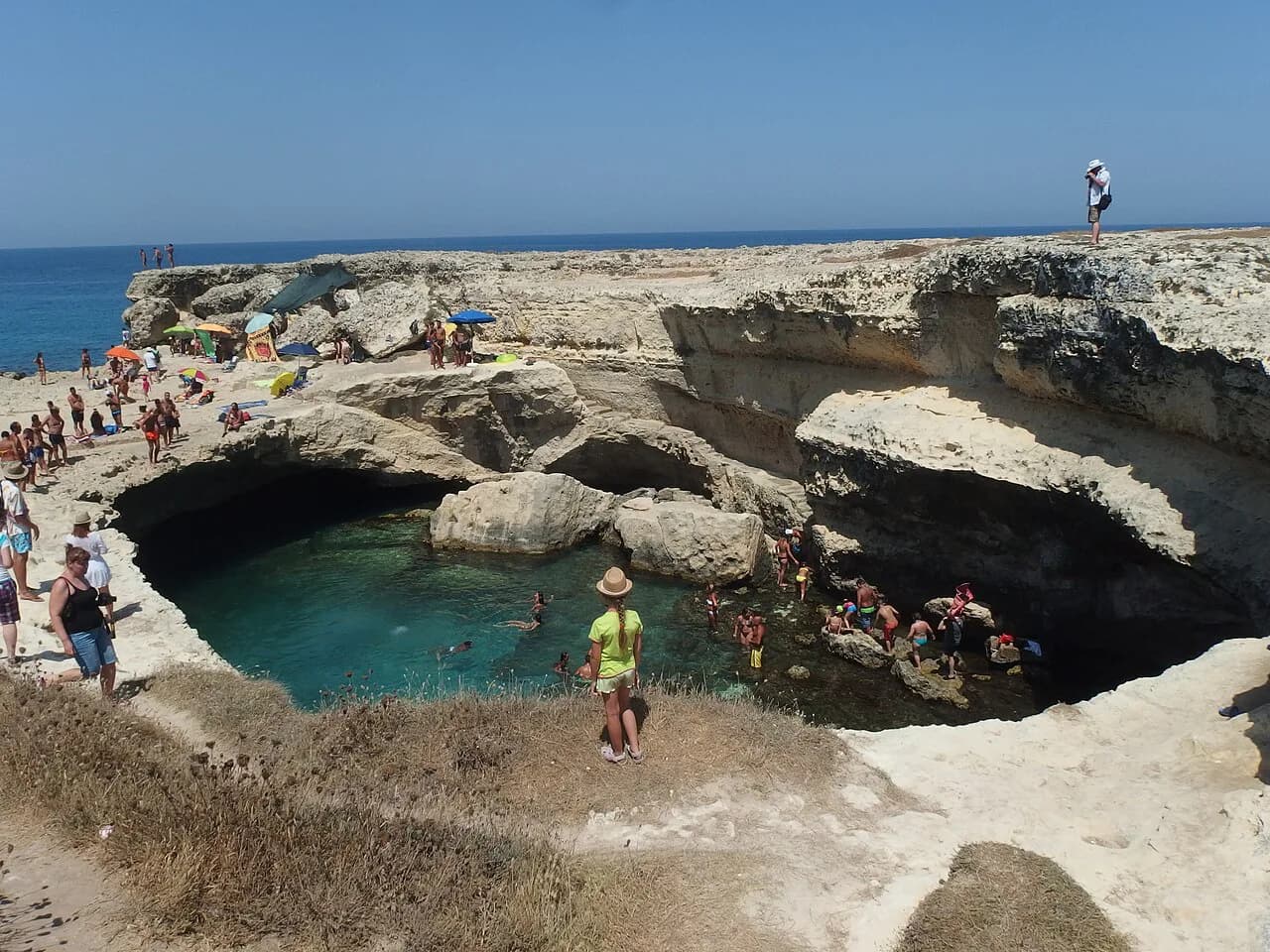
Canale del Ciolo is a small canyon with a tiny sandy beach at its foot, reached by a rather steep flight of steps. That descent is the real trade-off: it delivers one of the wildest, most photogenic spots on the coast, but it is hard work with a buggy, a cool box or a toddler in arms. Caves surround the cove, which is part of what makes the setting.
There are no services at Ciolo, so bring water, shade and everything you need for the hours you plan to stay. Travel light, wear shoes with grip for the steps, and treat the swim as a bonus rather than a guarantee. It suits confident walkers and photographers; families with very young children will find Lido Azzurro or the sandy Ionian beaches easier.
Felloniche and the sandy Ionian side
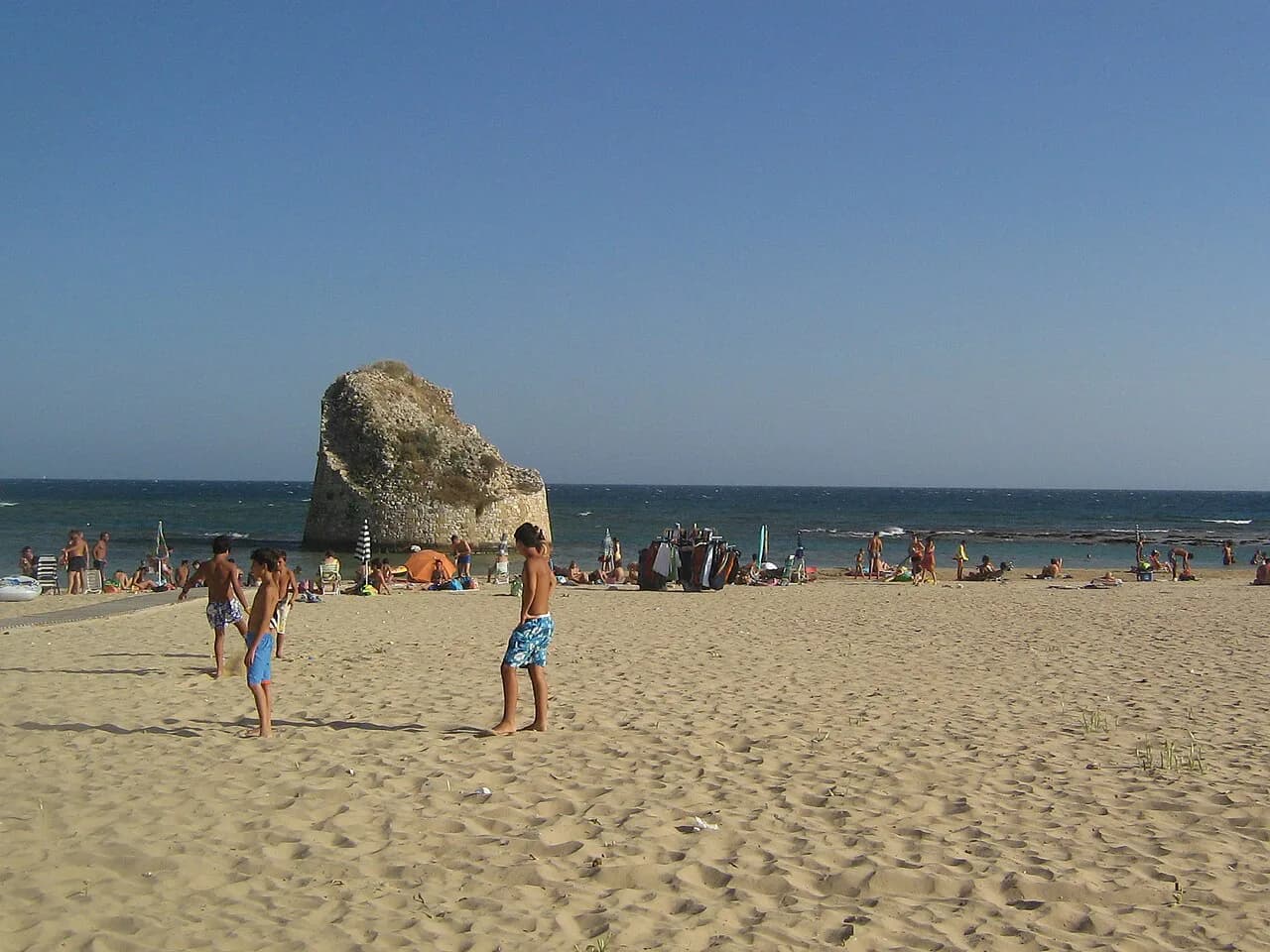
Felloniche is the beach people compare to the Maldives, with bright, clear water and soft sand on the Ionian coast west of Leuca. Services and restaurants are available, which makes it a practical middle ground between a fully equipped lido and a wild cove. It is a good default for mixed groups where some want to swim and others want to sit.
Further west along the same sandy run, Pescoluse is the other name to know when you want a long beach day rather than a small cove. Piccola Nautica, which runs cave trips from Leuca's port, lists it alongside Punta Ristola as a nearby destination worth combining with time in town. With children, favour the stretches where the water shelves gently and stay within the flagged zone.
If you are touring the Salento, Porto Cesareo beaches make a logical next stop on the Ionian side, with more sand and shallow water in the same vein. Plan the drive between them rather than trying to fit both coasts into one morning.
Getting there and getting around
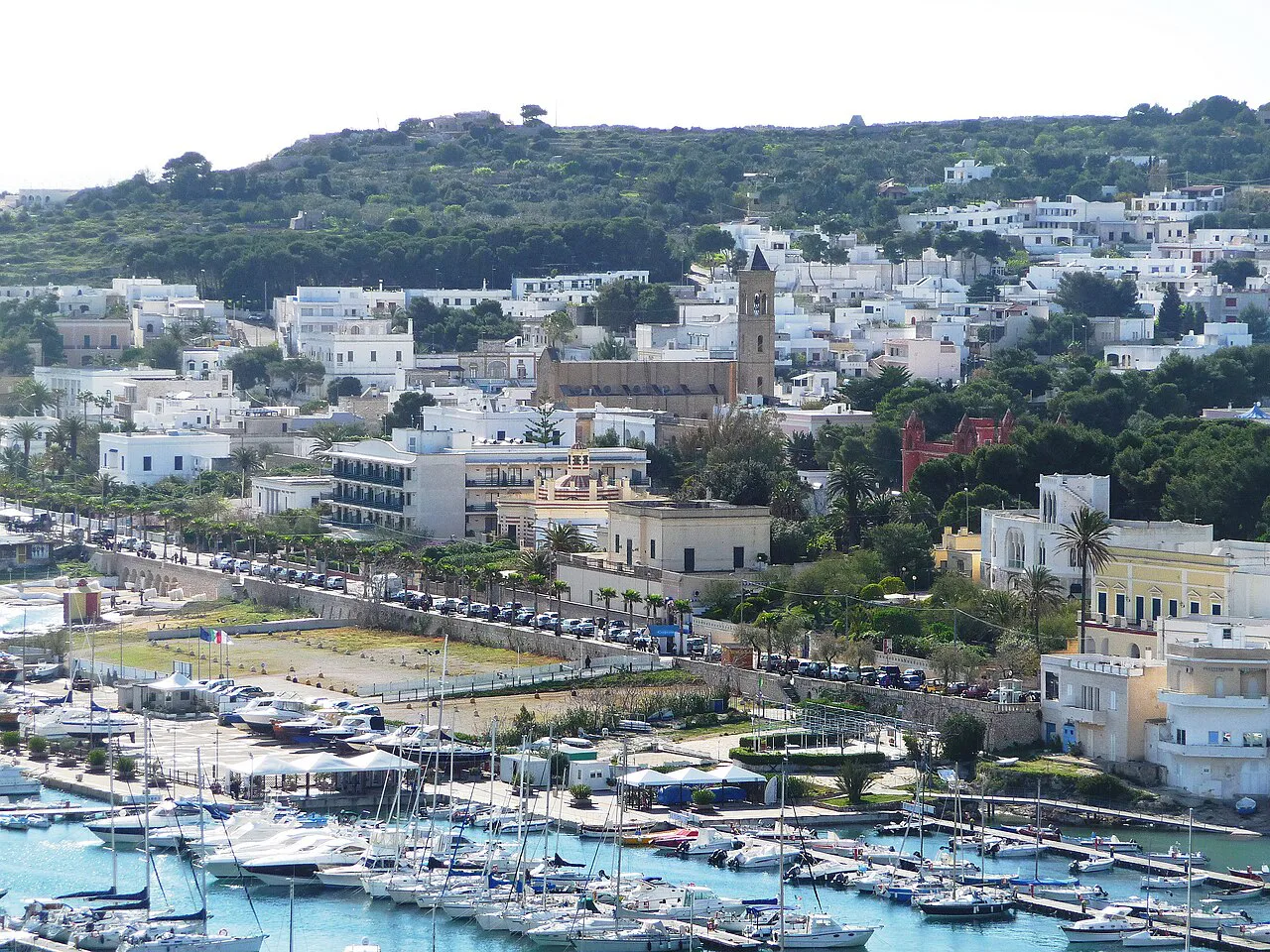
Leuca works as a base because everything in town is walkable: the port, the lighthouse, the basilica and the square above the water are all within a short stroll. Use the town for your accommodation and meals, then drive out to the beaches. The coastal roads split at the cape, so you choose your direction each morning rather than backtracking through town.
Parking is the practical constraint at the popular coves and lidos in high season. Arrive early rather than circling, and expect the Ciolo steps to add time to any visit. Public transport along this stretch of coast is limited, so a car gives you the flexibility to combine a rocky morning with a sandy afternoon.
Facilities on the beaches
Facilities fall into three clear tiers around Leuca. Lido Azzurro and Felloniche are the equipped choices, with restaurants and services on hand; Ciolo has no services at all; and the rocky points around Punta Meliso and Punta Ristola are scenery rather than set-up beaches. Match the tier to your group before you set off.
Online booking platforms list no bookable beach clubs in Santa Maria di Leuca itself, so reserve sunbeds directly with the lido you choose rather than counting on a digital booking being ready. That also gives you a chance to ask about umbrella rows, shade and access. Bring cash as a backup in case card machines are slow on a busy day.
Who each beach suits
Families with small children should head for Lido Azzurro for the shallow water and on-site restaurants. Felloniche and the sandy Ionian beaches suit mixed groups who want a long day of swimming and lounging with food nearby. Swimmers and snorkellers get more from the rocky Adriatic side, where the water deepens quickly and caves punctuate the coastline.
Quiet-seekers should accept that the accessible, serviced beaches are the busy ones in July and August, and that the wild coves reward effort with fewer people. Ciolo's steps filter the crowd but also rule out anyone with limited mobility. If you want both scenery and comfort, split the day: a rocky walk in the morning, a lido afternoon.
Snorkellers do best where rock meets water, particularly around the Punta Ristola headland and the cave entrances along the Adriatic side. Keep clear of boat traffic near the port and cave mouths, and use a buoyancy aid if you are not a strong swimmer.
Best time to go
The Salento swim season runs from late spring into early autumn, with the sea at its warmest from July through September. July and August are the busiest weeks, when Italian holidaymakers fill the lidos and the coast roads. June and September give you warm water with more space on the sand and shorter queues at the restaurants.
Whatever the month, check the sea state before you commit to a rocky beach — an onshore breeze changes the picture on the exposed points far more than on the sheltered Ionian sand. Ask your accommodation or the local tourist office about current conditions and any access restrictions on the day.
If you visit outside peak season, some lidos scale back their services, so check opening dates with the individual beach club before travelling out to it. The town itself stays lively enough for an evening walk to the lighthouse year-round.
Boat trips to the caves
The sea caves are the other reason to spend a day here rather than a straight beach stop. Boat tours leave from the port of Santa Maria di Leuca and last about three hours, exploring the narrow caves on the eastern coast before rounding the cape to the western side. The route takes in the Grotta della Vora and, on the far side, the Grotta delle Tre Porte.
Choose a morning departure if you also want beach time afterwards, and book ahead in high season. Larger caves such as the Grotta del Diavolo descend almost vertically into the earth, so follow the guide's instructions on when to look up and when to keep your hands inside the boat. Fares and departure times are set by Piccola Nautica, so confirm them when you book.
Land-based cave-hunting is possible too: the Grotta dei Giganti, the Grotta del Drago and the Porcinara Cave are among the named sites around the cape. Some sit on private or protected land, so stick to marked paths and viewpoints.
Nearby beaches to combine
Otranto beaches sit up the Adriatic coast and make a natural pairing with a Leuca morning, with their own mix of rock and sand. Baia dei Turchi, Otranto, is the headline name in that stretch, backed by pine woods and reached on foot. Combining the two means a longer drive but a fuller day.
For a different flavour, the Gallipoli beaches on the Ionian side offer Sant'Andrea island and Baia Verde, both well established for swimming and beach facilities. They make a sensible second base if you plan several days in the region. Torre dell'Orso is another option on the Adriatic side, with a long sandy bay that suits families.
Keep the geography in mind when planning: Leuca to Otranto and Leuca to Gallipoli pull in opposite directions, so pairing them in a single day involves a lot of driving. Pick one coast per day and let the other wait for your next visit.
Plan Your Visit
Treat Santa Maria di Leuca as a two-coast base and the planning gets simple. Equipped sand at Lido Azzurro for families, Felloniche and Pescoluse for long Ionian beach days, Ciolo for a wild cove if your group can manage the steps, and the rocky points and cave boat trips for everything else.
Book lido sunbeds and boat trips directly with Piccola Nautica before you travel, and check the day's sea conditions at the tourist office if you plan a rocky swim. Arrive early, carry water, and give yourself an evening for the lighthouse walk above the cape.
Frequently Asked Questions
Is Santa Maria di Leuca worth visiting for beaches?
Yes, mainly because the cape splits two coastlines. The Ionian side gives you sandy stretches such as Felloniche, while the Adriatic side offers rocky coves, caves and the steep-step Canale del Ciolo. It is a compact base for mixing beach days with boat trips.
What are the best beaches near Santa Maria di Leuca?
Lido Azzurro is the convenient equipped option near town, with shallow water for children. Felloniche and Pescoluse provide long sandy Ionian beaches, while Canale del Ciolo is the wild cove reached by a steep flight of steps. Choose by whether you want services, sand or scenery.
Is there a sandy beach at Santa Maria di Leuca?
The town's own waterfront is rocky, but sandy beaches are a short drive away on the Ionian side. Felloniche and Pescoluse are the best-known stretches, while Ciolo has a tiny sandy patch at the foot of its canyon. Lido Azzurro also has shallow water suited to families.
How do you get down to Canale del Ciolo?
Access is by a rather steep flight of steps down into the canyon. There are no services at the cove, so carry water and supplies and wear shoes with grip. It is not suitable for buggies or anyone who struggles with steps.
Can you visit the sea caves near Santa Maria di Leuca by boat?
Yes. Boat tours depart from the port of Santa Maria di Leuca and last about three hours, taking in caves on both sides of the cape, including the Grotta della Vora and the Grotta delle Tre Porte. Fares and departure times are set by the tour operator, so check current details when booking.
Sources
Beach notes for your next trip
Optional updates when we add or revise beach guides.
You might also like
Continue reading
More guides you'll find useful