Gallipoli Beaches Guide: Which Lecce Coast Spots to Choose
Gallipoli beaches range from busy Baia Verde lidos to the wild sands of Punta Pizzo. Compare sand, access and facilities for an easy beach day in Salento.
On this page
Gallipoli earns its place as a beach base because the Ionian coast changes character within a short drive of the old town: fine pale sand and busy lidos to the south, mixed sand and rock with pine woods behind it to the north. The town itself sits on an island joined to the mainland by a bridge, so you can walk from baroque alleys to a town beach in minutes and still reach wilder stretches by car.
This guide splits the coast by trip type rather than ranking it, because the right choice depends on whether you want a sunbed and a bar, a shaded picnic under pines, or rock to snorkel over. Families with small children, strong swimmers and quiet-seekers will each end up somewhere different.
Why Gallipoli works as a beach base
The old town occupies an island on the Ionian side of the Salento peninsula, with the beach coast running south towards Baia Verde and north towards Rivabella and Lido Conchiglie. That geography means you are never far from water, but the two directions feel quite different: the southern strip is the equipped, sociable end, while the northern coast mixes sandy stretches with rocky inlets and low pine forest.
Gallipoli's low-lying coast is known for long beaches of fine white sand, popular above all with families and water-sports enthusiasts, and the town pairs that with a dense historic centre of baroque churches and lanes. Staying in the old town gives you atmosphere and a walkable town beach; staying at Baia Verde puts you in the middle of the lido strip.
The sand and the water
South of town the beaches are predominantly sandy, with fine, pale grains that stay cool underfoot and shelve gently enough for paddling. Heading north the substrate becomes mixed, with sand interrupted by flat rock shelves and pebbles, and the water over rock is noticeably clearer and better for snorkelling.
Because the coast faces the Ionian, the direction of the wind decides your day: an onshore breeze builds chop on the open southern sands, while the northern coves and the pine-backed stretch at Rivabella offer more shelter. Bring swim shoes for the rocky sections and a windbreak if you plan to settle on the exposed Baia Verde sand.
Purità and the old town
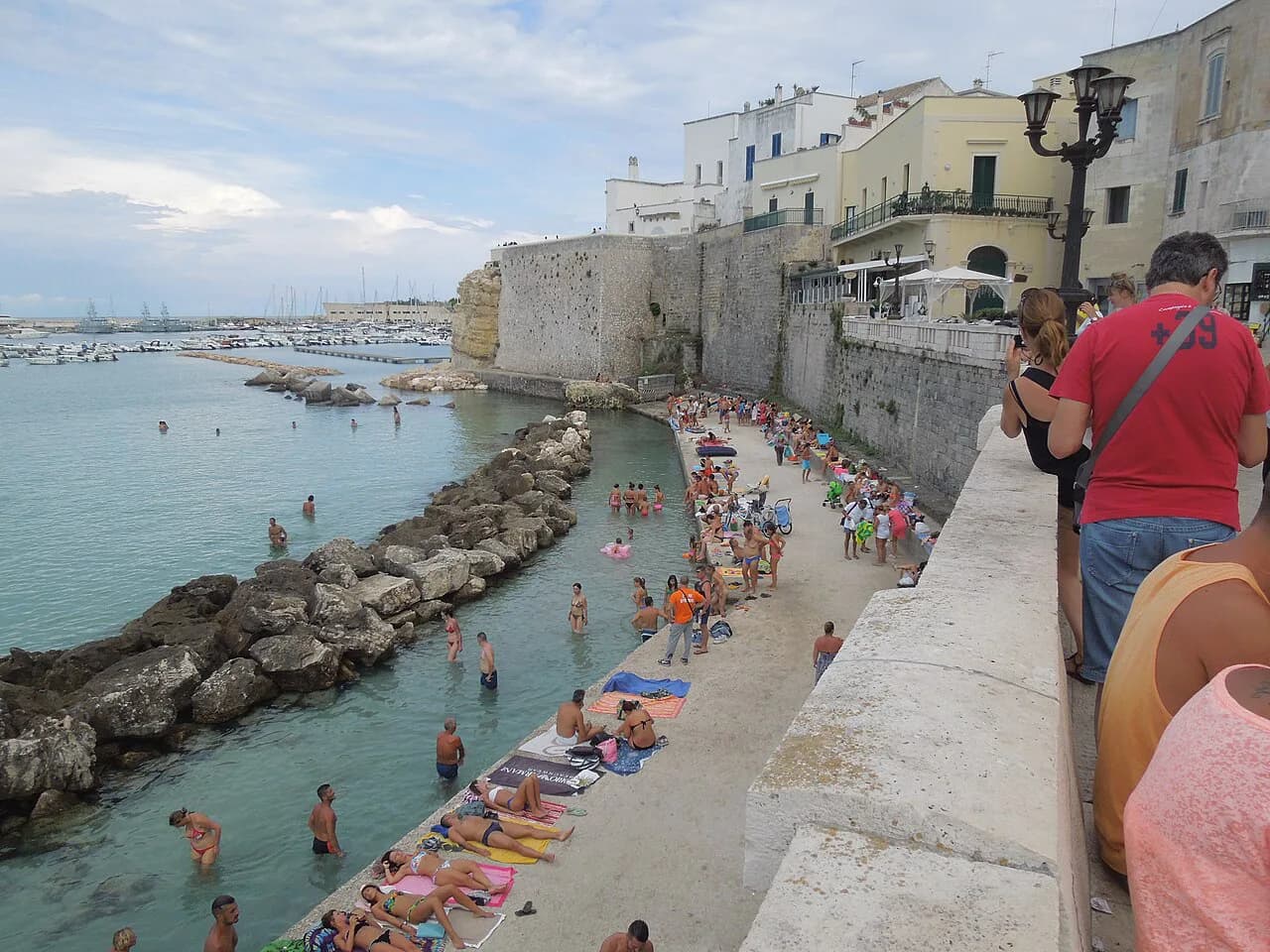
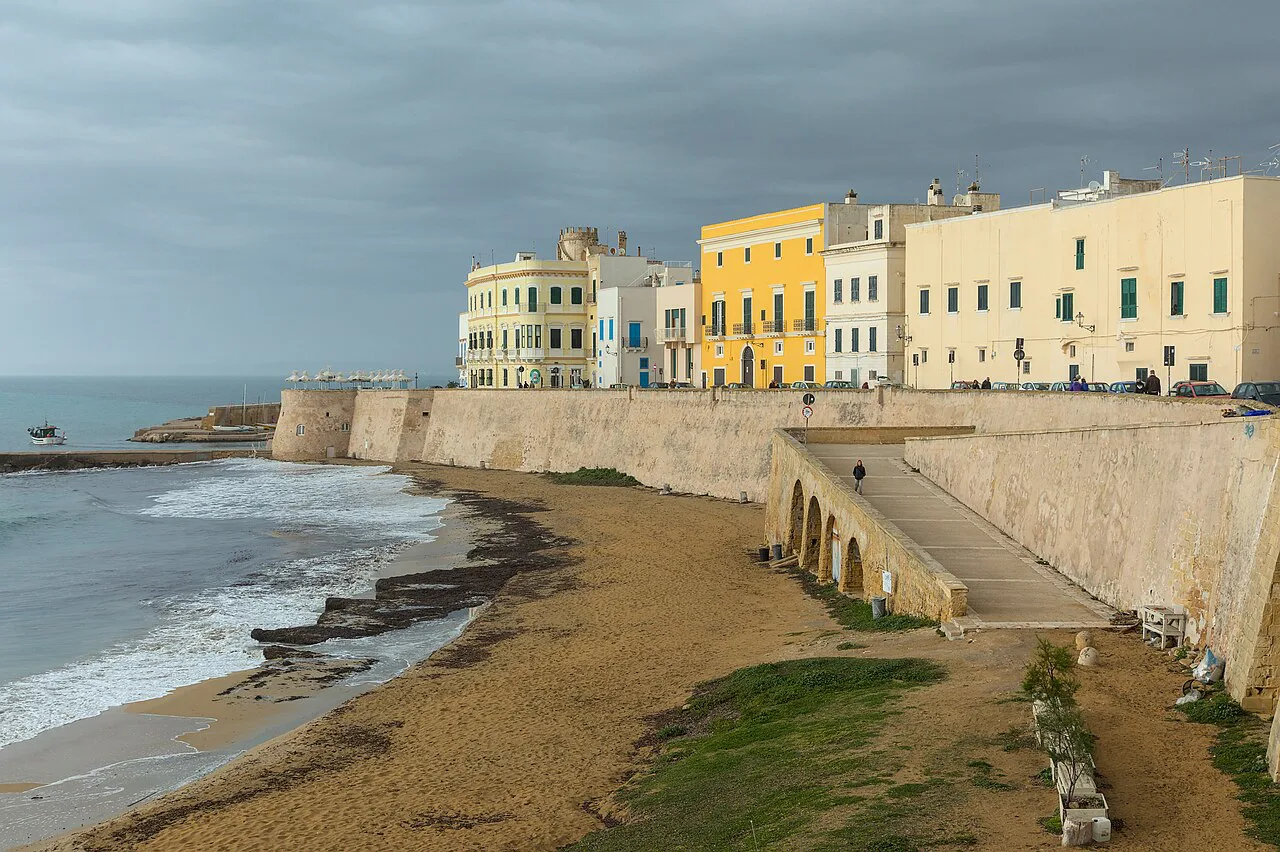
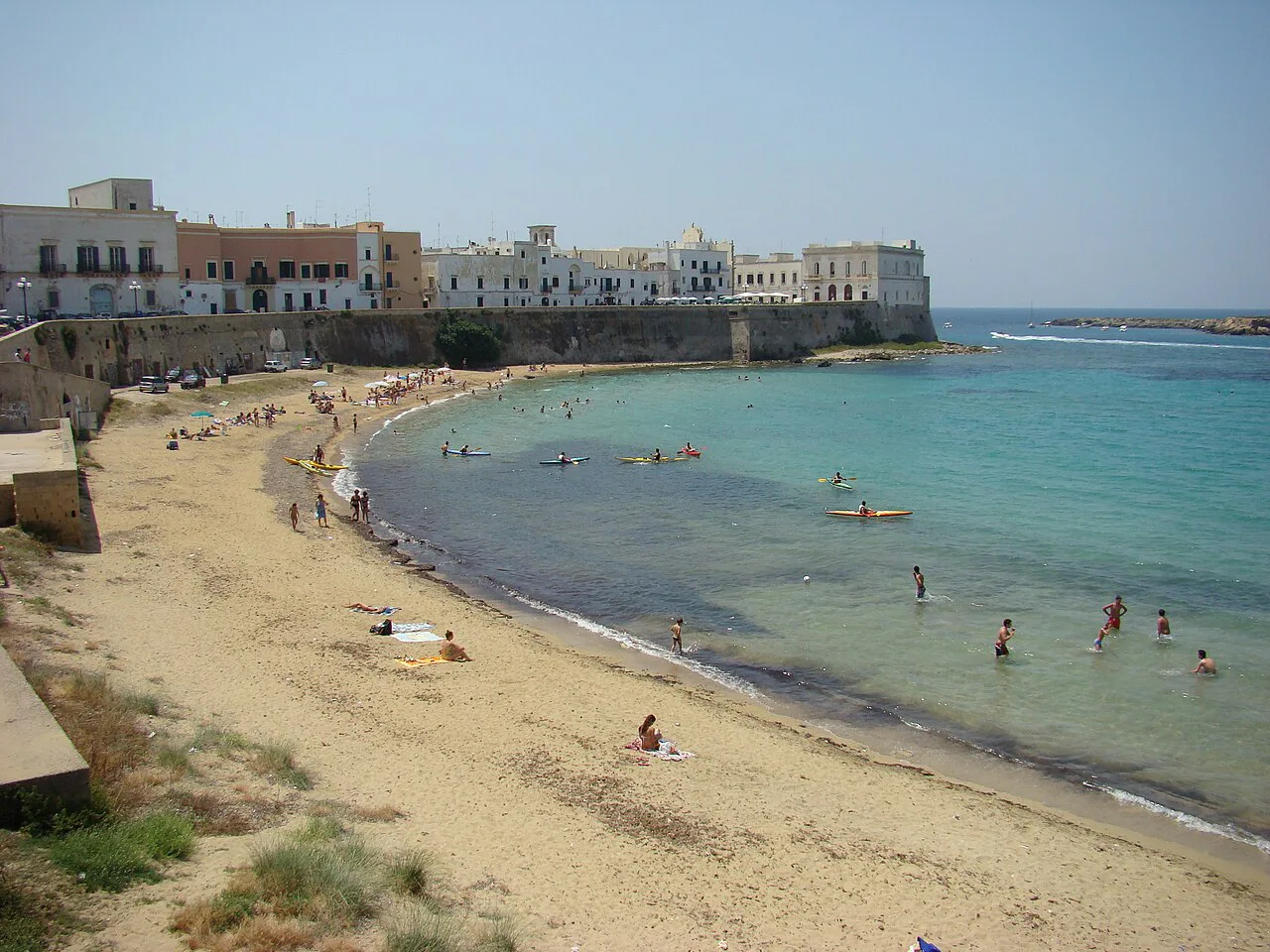
Purità is the town beach, a small sandy cove on the island facing Sant'Andrea island and the old harbour, reached on foot from the historic centre rather than by car. It is a traditional destination for locals, which gives it a different rhythm from the resort strip: busier in late afternoon and at weekends, with the town's bars and restaurants a short walk away.
Treat it as a swim-and-lunch stop rather than a full beach day. The setting is the appeal, with the castle walls and the bridge over the channel in view, and it suits anyone staying in the old town who wants a dip without driving.
Baia Verde
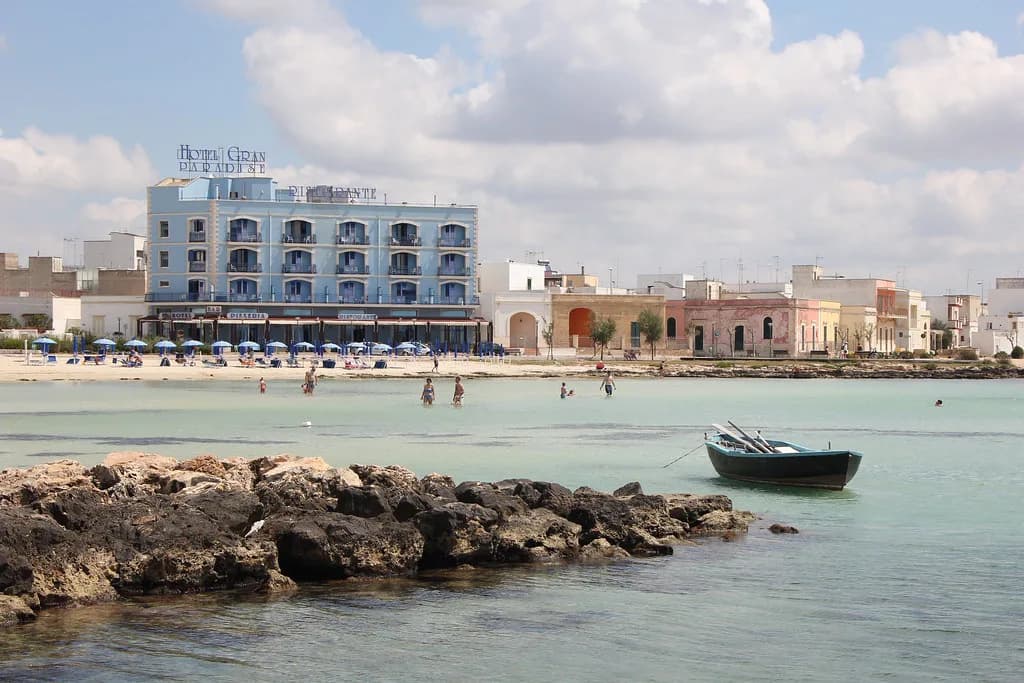
Baia Verde is the lido strip south of Gallipoli, a long sandy beach lined with beach clubs and bars, and it sets the tone for the town's summer nightlife. If you want a sunbed, a shaded pergola and a bar within a few steps of the water, this is the stretch to choose; if you want silence, look north instead.
The sand here is fine and pale, and the water deepens gradually, which makes the central sections comfortable for families who want to alternate swimming with sandcastle building. Arrive early in high summer, because the equipped frontage fills quickly and the public gaps between the clubs are the first to go.
Lido San Giovanni and Rivabella
North of town, Lido San Giovanni is one of the area's best-known bathing establishments and is popular with scuba divers and spear-fishers, while Rivabella is known for a beach backed by pine forest. That tree line matters: it gives the northern coast genuine shade, which the open southern sands lack.
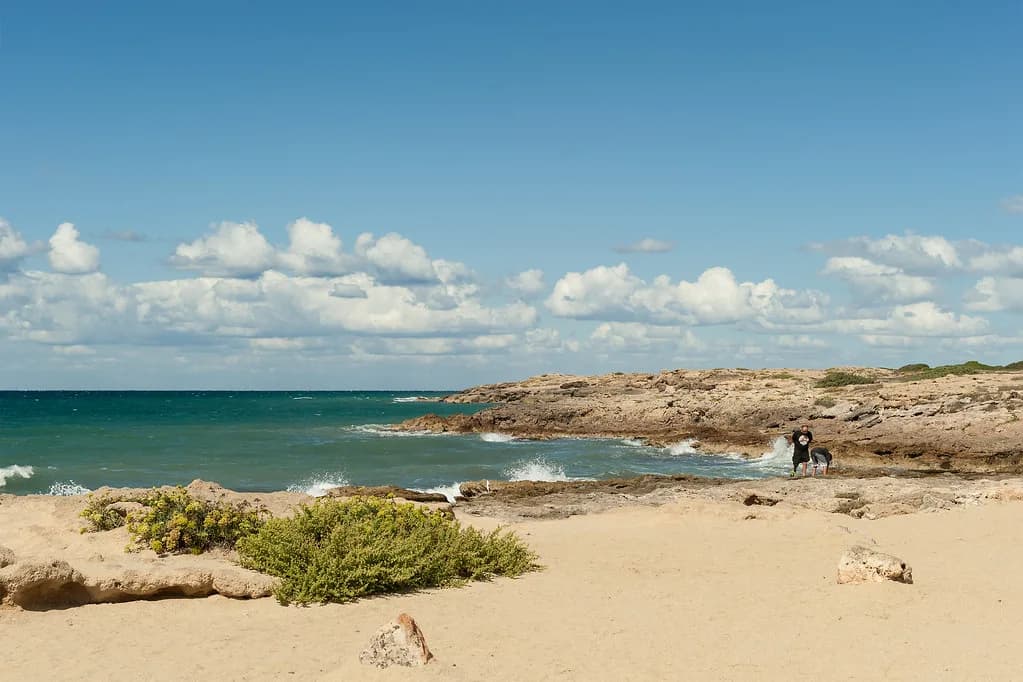
Between Rivabella and Gallipoli the road runs alongside rocky coastline with inlets and small coves, the wilder, quieter alternative to the lido strip. Park where the road allows and walk down to the rock shelves, but keep footwear on: these entries are uneven and not the place for barefoot paddling.
Lido Conchiglie
Lido Conchiglie is the next small settlement up the northern coast, with a shoreline that is partly rocky and partly sandy and well equipped, alongside a good number of public stretches. That mix makes it the most flexible of the northern options: you can rent a sunbed for the day or spread a towel on the sand without committing to a beach club.
Families tend to settle on the sandy sections, while swimmers and snorkellers head for the rock, where the water is clearer and the bottom more interesting. The trade-off is the walk down from the road and the mix of surfaces underfoot, so bring something to carry children's kit and shoes for the rocky parts.
Punta Pizzo and the wild southern end
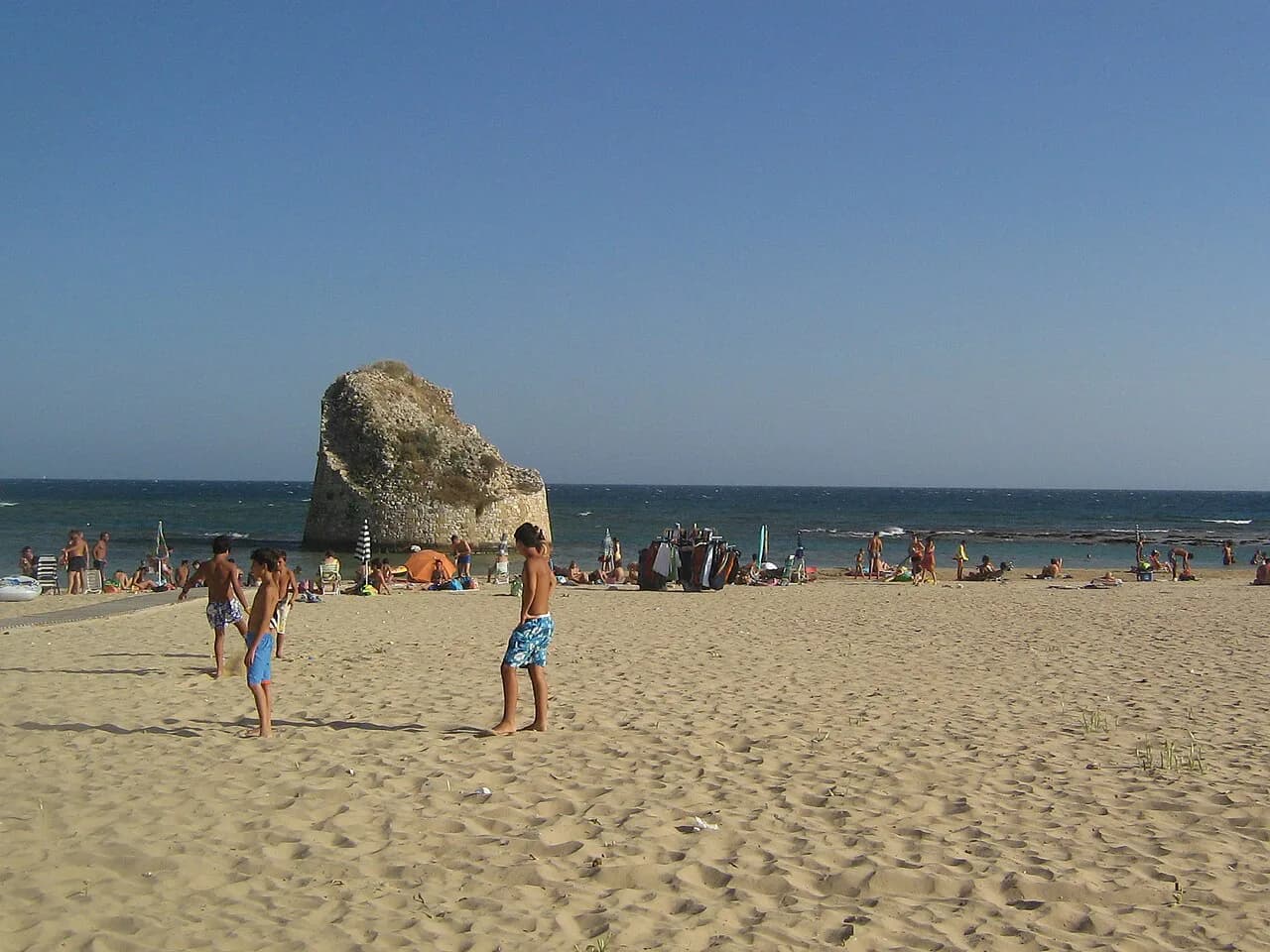
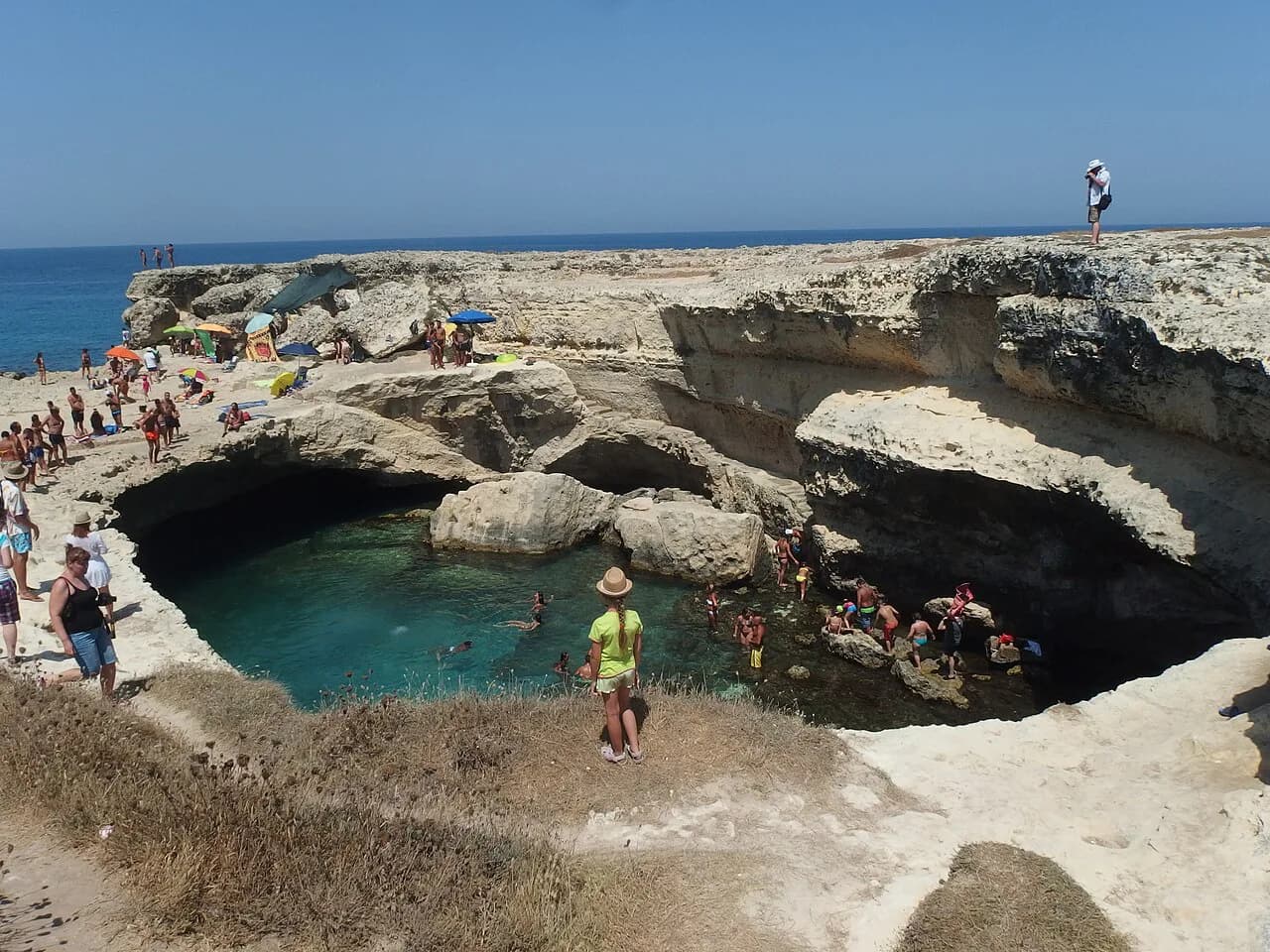
Punta Pizzo sits at the southern end of the coast, an area of Mediterranean scrub rich in rosemary, thyme, broom and mastic, with beaches that retain a wild and unspoilt character. The water is particularly transparent near the rocky shoreline, which rewards anyone willing to trade the lido for a towel on the sand.
Bring everything you need for the day. This is the end of the coast for quiet-seekers and snorkellers, not for anyone who wants a bar within reach, and the vegetation offers the only shade. A cooler, water and reef-safe sun cream make the difference here.
Getting there and getting around
Baia Verde lies south of Gallipoli along the coastal road and is the easiest lido strip to reach by car or local bus from the town centre. Heading north, the road towards Rivabella and Lido Conchiglie hugs the coast and gives access to the rocky coves in between, with parking along the roadside where it is permitted. Purità needs no transport at all if you are staying on the island: walk from the historic centre.
Ask your accommodation or the town's tourist office about current bus services, parking arrangements and any restricted sections of coast before you set out, since these change with the season. A car gives the most flexibility for combining the southern lidos with the wild Punta Pizzo end in a single day.
Facilities as published
The Gallipoli coast as a whole is a mixture of equipped beaches with bars and restaurants and free public stretches, and the beach listings mark which is which. Baia Verde and the northern lidos are where you find bars and equipped frontage, while the coves and the Punta Pizzo end are the natural, unbuilt alternative.
Families with small children should weigh equipped beaches against public sand: the lidos give you a bar, a toilet and a shaded spot, while the public stretches give you space and lower cost but no services at hand. Travel light to the wild end and carry water, since the nearest shop is back in town.
Who each beach suits
For families with small children, Baia Verde and the sandy parts of Lido Conchiglie are the simplest choices: fine sand, gradual depth and a bar nearby. Swimmers after deeper water and snorkellers over rock should head north towards Rivabella and the coves, or south to Punta Pizzo, where the transparent water over rock is the draw.
Quiet-seekers should skip the lido strip entirely and spend the day at Punta Pizzo or on the rocky inlets north of town. Anyone staying in the old town without a car gets Purità, which is small but genuinely local and a short walk from the lanes.
Best time to go
The Ionian off Salento is at its warmest from late June through September, with July and August the busiest and hottest months. August changes the feel of the lido beaches most: Baia Verde becomes crowded and evening-oriented, and the public gaps between the clubs fill early.
June and September give you warm water with more space on the sand, and the northern pine-backed stretch at Rivabella stays comfortable in the heat because of the shade. Whatever the month, watch the flags and any posted advisories on the day rather than assuming conditions, and ask at your accommodation about jellyfish reports along this coast.
Nearby beaches to combine
Santa Maria al Bagno and Porto Selvaggio lie further north along the Ionian coast, the latter a protected reserve of mixed rock and pebble shoreline within a pine wood. Both make a natural second day out from Gallipoli if you want to trade lidos for a wilder, more wooded coast.
South of Gallipoli, the sands around Torre San Giovanni and Torre Mozza continue the long, family-friendly beach pattern of this stretch of the Ionian. If you want to compare the whole region before committing, the wider selection of Salento beaches covers the Ionian and Adriatic sides side by side. For a city-based alternative to these resort sands, the best beaches in Bari make an easy comparison with the Salento coast.
Staying in Gallipoli or nearby
Staying on the old-town island puts baroque churches, seafood restaurants and the walkable Purità beach on your doorstep, but you will drive to reach the lido strip and the wild southern end. Staying at Baia Verde trades that atmosphere for beach-club convenience and nightlife, with the sand a short walk from most accommodation.
A middle option is the northern coast around Rivabella and Lido Conchiglie, where you get pine shade, a mix of public and equipped beach and a short drive into town for the evening. Book early for July and August, when the whole coast fills with Italian holidaymakers.
Plan Your Beach Day
Choose your stretch by the day you want: Baia Verde for a sunbed and a bar, Lido Conchiglie for a mix of sand and public beach, Rivabella for pine shade and rocky coves, Punta Pizzo for wild dunes and clear water over rock, and Purità for a walkable swim from the old town.
Pack swim shoes for the rocky sections, a windbreak for the exposed southern sand and water for the wild end, and ask the tourist office about seasonal buses and parking before you go. That is enough to plan a straightforward beach day on either side of the island.
Frequently Asked Questions
Are Gallipoli beaches sandy?
South of the old town, towards Baia Verde, the beaches are predominantly fine pale sand that shelves gently. Heading north towards Rivabella and Lido Conchiglie the shoreline turns mixed, with sand broken by flat rock shelves and pebbles, and the water over the rock is clearer. Bring swim shoes if you plan to explore the northern coves.
Which Gallipoli beach is best for families with small children?
Baia Verde and the sandy sections at Lido Conchiglie are the simplest choices, because the sand is fine, the water deepens gradually and bars and equipped frontage sit close by. Lido Conchiglie has the advantage of public stretches beside the equipped beach, so you can pick between renting a sunbed and spreading towels on the sand.
Can you swim at a beach in Gallipoli old town?
Yes. Purità is the town beach, a small sandy cove on the island facing Sant'Andrea island and the old harbour, reached on foot from the historic centre. It is a local spot rather than a resort beach, busiest in the late afternoon and at weekends, and best treated as a swim-and-lunch stop alongside a day in the old town.
What sea is Gallipoli on?
Gallipoli sits on the Ionian side of the Salento peninsula in Puglia, with its old town on an island joined to the mainland by a bridge. The coast runs south towards Baia Verde and the Punta Pizzo end, and north towards Rivabella and Lido Conchiglie, so both directions from town give you beach.
Sources
Beach notes for your next trip
Optional updates when we add or revise beach guides.
You might also like
Continue reading
More guides you'll find useful