Grotta della Poesia: Lecce Guide to Puglia's Sea Cave
Grotta della Poesia is a protected archaeological site near Roca Vecchia, not a swimming spot. Plan a trip from Lecce with tickets, parking and nearby beaches.
On this page
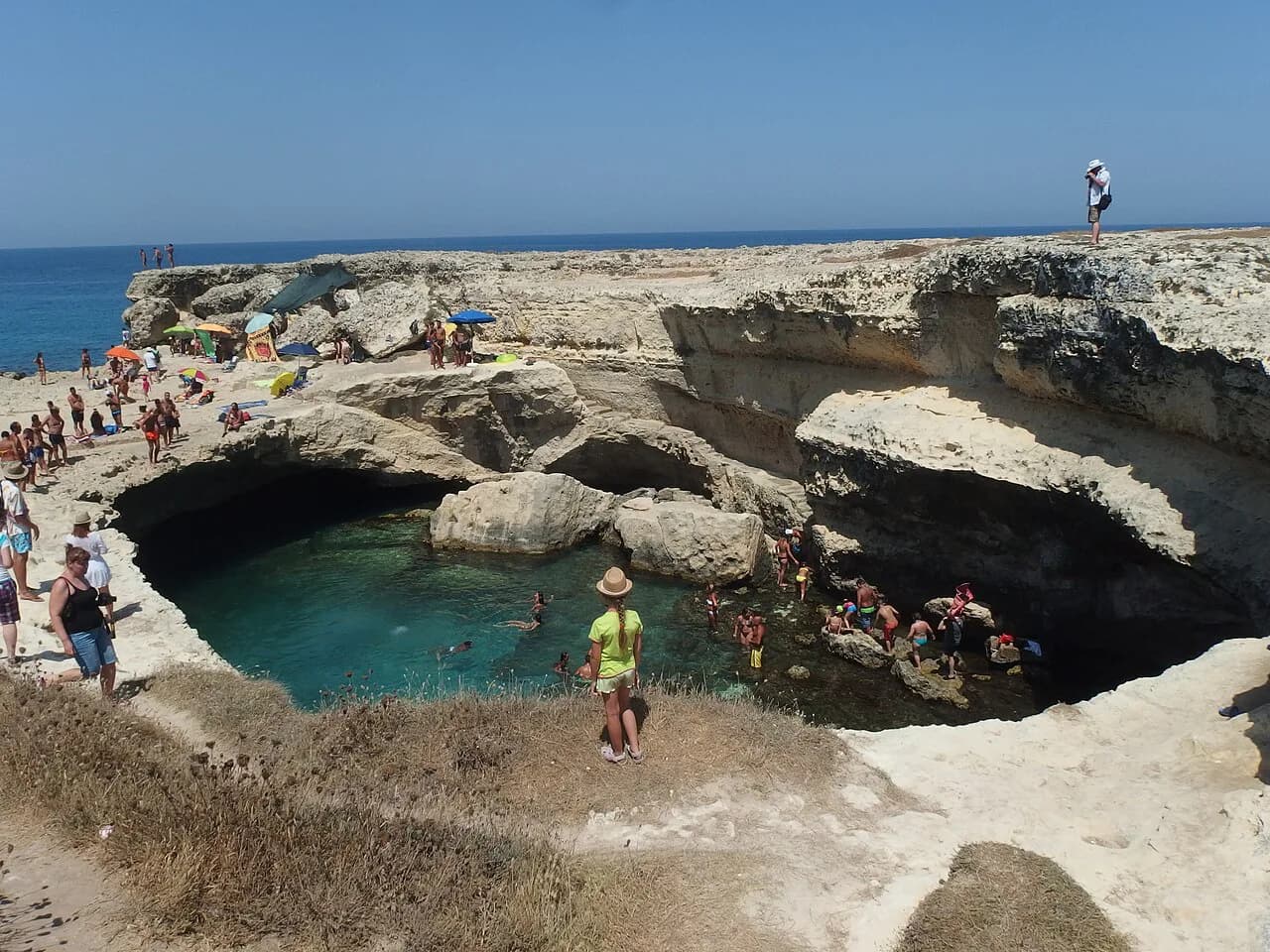
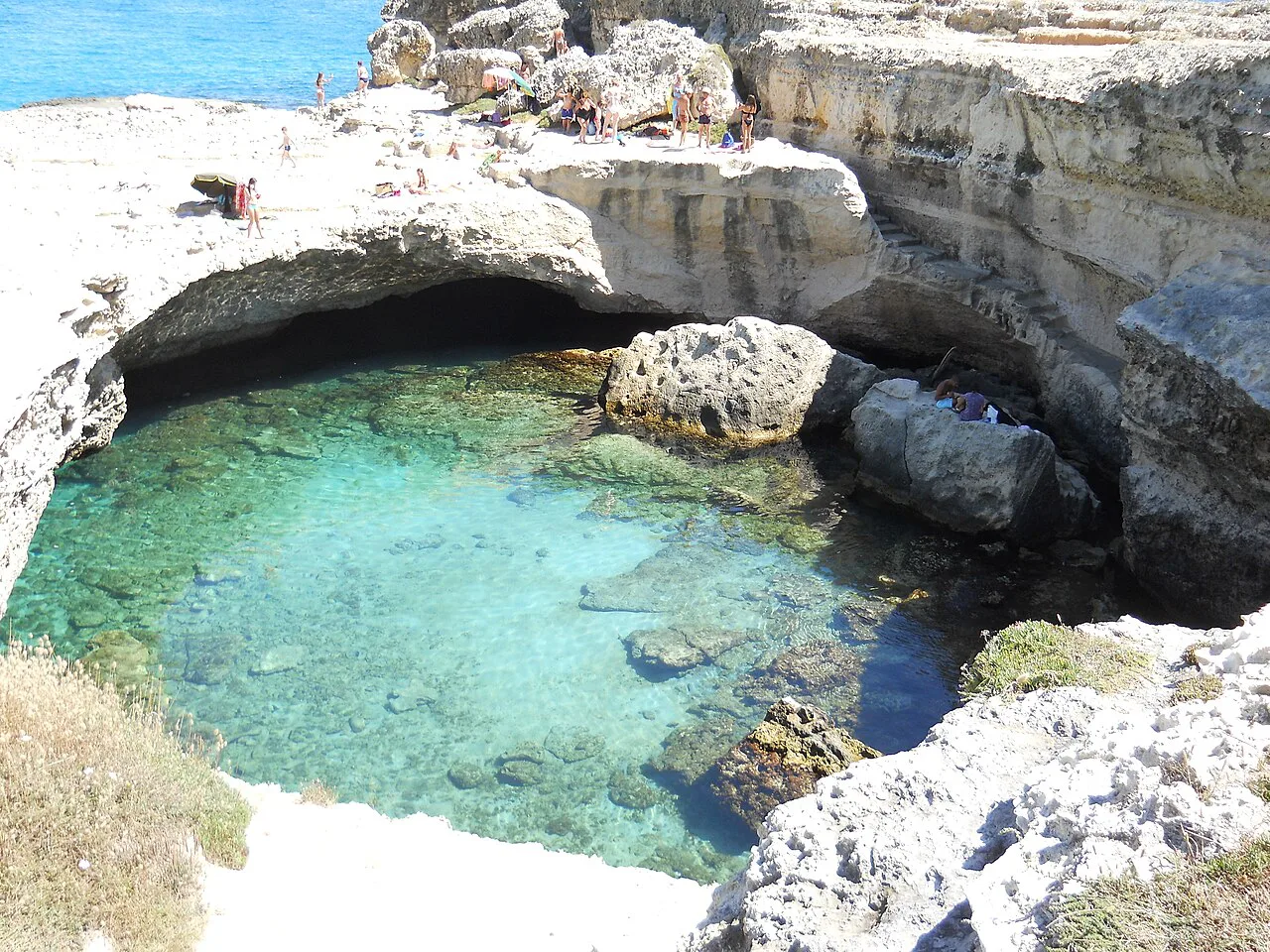
Grotta della Poesia is a natural limestone pool cut into the rocky shore at Roca Vecchia, and it rewards travellers who come for the archaeology rather than a dip. The appeal is the setting: a 3,500-year-old settlement on a flat, sea-washed outcrop, with the cave pool as its centrepiece. Since 2019 it has been gated, ticketed and protected, so plan a visit to look and learn rather than to swim.
If you had pictured yourself floating in that turquoise basin, the rules have changed and they are enforced in high season. Signs at the entrance set out the prohibition, the stairs down to the pool are blocked, and parasols are turned away at the gate. Read this before you build a beach day around it, then add a genuine swimming stop nearby.
Where Grotta della Poesia sits
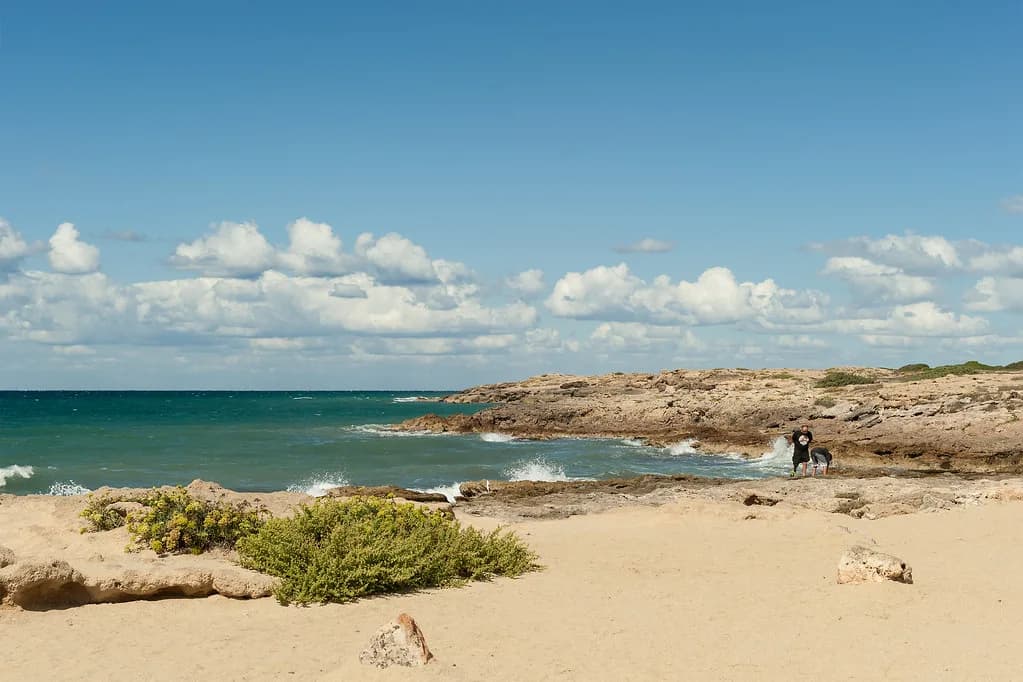
The site lies at Roca Vecchia, on the coast of the Melendugno municipality about 45 minutes by road from Lecce. It forms part of the wider Roca Vecchia archaeological area, a coastal strip of roughly thirty hectares that has been under excavation for decades.
The visit splits into two distinct halves. The first clusters around the Grotta della Poesia pool itself, together with the smaller Grotta della Poesia Piccola, the Madonna of Roca Vecchia tower and the fort built as part of Charles V's coastal defences. The second, larger area sits a short walk along the road and holds the foundations of Bronze Age fortifications and Messapic walls, with a lesser-known coastal path linking the two.
What happened in 2019
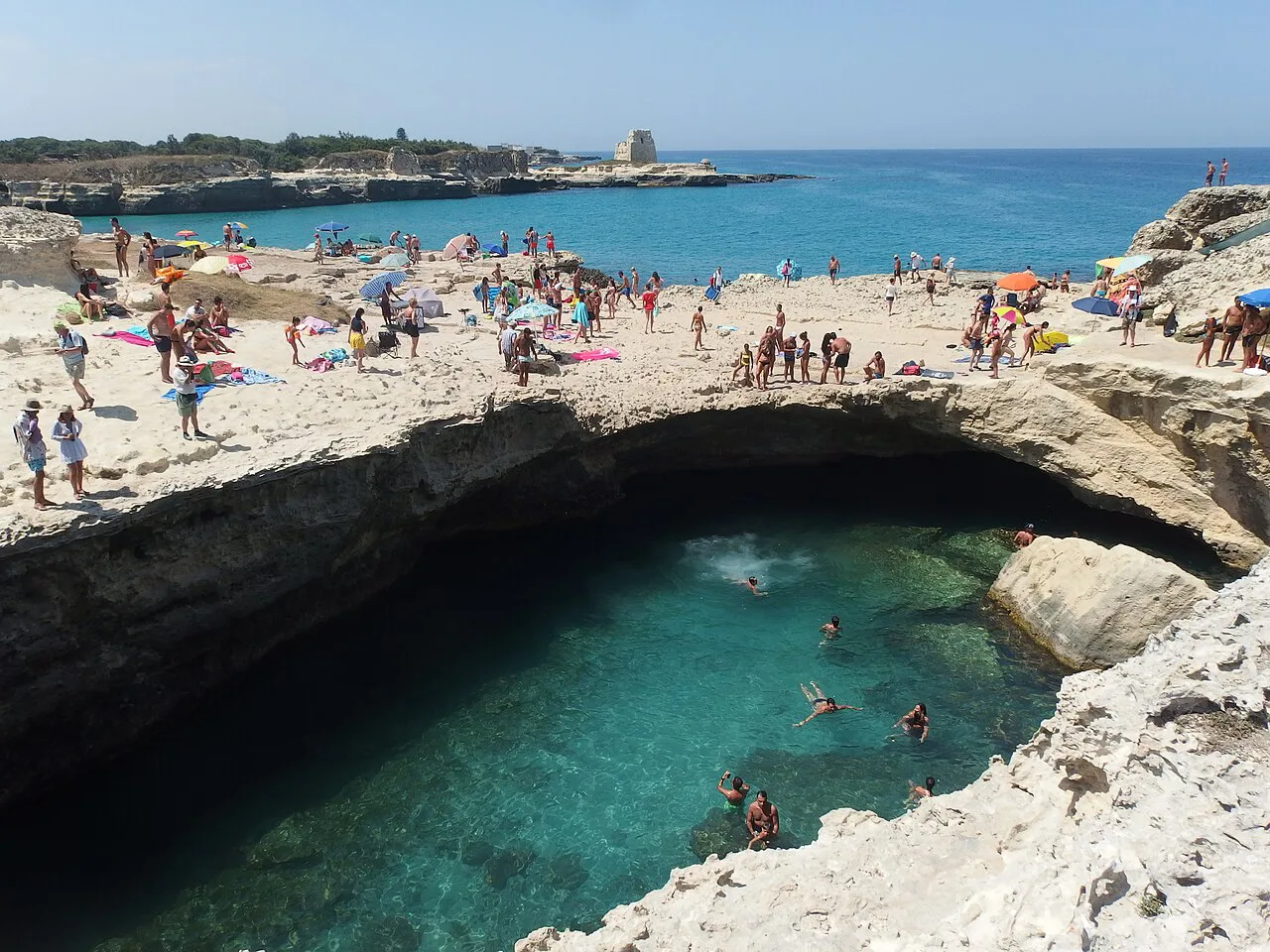
Crowds swimming and sunbathing in the soft limestone caused erosion, litter and graffiti, and the University of Salento team working here grew concerned about damage to a site of exceptional protohistoric importance. In 2019 the area was gated, ticketed and turned into a protected archaeological site for continued digs, research and visits. Swimming and sunbathing have been banned ever since.
The pool was created when a sea cave roof collapsed in 1983, exposing walls covered in inscriptions and etchings left by different civilisations over millennia. That discovery turned a stretch of anonymous rocky shore into one of Italy's most significant protohistoric locations, which is the reason the site is now managed rather than treated as a free swimming hole.
Getting there from Lecce
By car, allow around 45 minutes from Lecce along the coast road towards Melendugno and San Foca. A large designated gravel car park sits opposite the site, with payment machines that accept card, and the entrance and ticket desk are a short walk across the road.
That road is busy, so use the zebra crossing rather than cutting across, then bear right after crossing for the main entrance and ticket desk. If the car park is full, parking along the road beside it is the fallback. Bicycles are not allowed inside the archaeological site, so lock up outside if you arrive on two wheels.
Tickets and what they cover
Entry is inexpensive and includes both areas of the site plus a guided tour, which is worth taking because on-site signage is limited and the ruins can look unremarkable without context. Adults pay a standard rate, with reduced tickets for under-14s and over-65s and free entry for disabled visitors; buy at the machines or at the desk by the entrance.
There are information boards and QR codes around the site, plus an app to download, but a guide genuinely brings the place to life. Build your arrival around the guided-tour window if the history is the point of the trip for you.
Opening times by season
The Grotta della Poesia area is officially open from 10 May to 30 September, with hours that lengthen in midsummer and shorten again in September. The ticket office keeps the same seasonal window, which shapes the whole trip.
The Roca Vecchia section keeps different, mostly afternoon hours: weekends and public holidays late in the day from mid-May to June and through September, three afternoons a week in July, and every afternoon in August. Groups of five or more can ring ahead to arrange visits outside those times. In practice, arriving after the Roca Vecchia gates open is the way to see both halves and catch a guided tour in English, rather than turning up in the morning and finding only the first area accessible.
What you actually see
Start at the pool, a deep round basin of aquamarine water ringed by limestone, then look at the smaller Grotta della Poesia Piccola and the inscribed walls that prompted the original excavation. The tower of the Madonna of Roca Vecchia and the remains of Charles V's fort give the headland its shape and a sense of how long this coast has been defended.
Walk along the road to the second area for the Bronze Age fortifications and Messapic walls, or take the coastal trail that links the two. Allow an hour or so at the pool end and longer if you join a tour; the whole site rewards slow looking rather than a quick photo stop.
Rules on site
No swimming and no sunbathing, full stop. Parasols, deckchairs, food and drink are all banned inside the site, and drones need prior authorisation from the management. The stairs down to the pool are closed off and staff watch for visitors who arrive dressed for a swim.
Carry water and eat before or after your visit, since nothing can be consumed on site. Wear shoes with grip for the dusty limestone paths, and bring sun protection for the exposed outcrop, which has little natural shade.
Best time to go
High summer brings the longest opening hours but also the strongest heat, the most dust and the biggest crowds at the gate. Late spring and early October are kinder for walking the ruins, though the ticket office and enforced restrictions sit within the May to September window, so an out-of-season visit is a different proposition.
If you want both halves of the site and a guided tour in English, aim for a high-season afternoon arrival after the Roca Vecchia gates open. Morning visitors in midsummer see the pool area well but may find the second zone shut.
Nearby beaches to combine
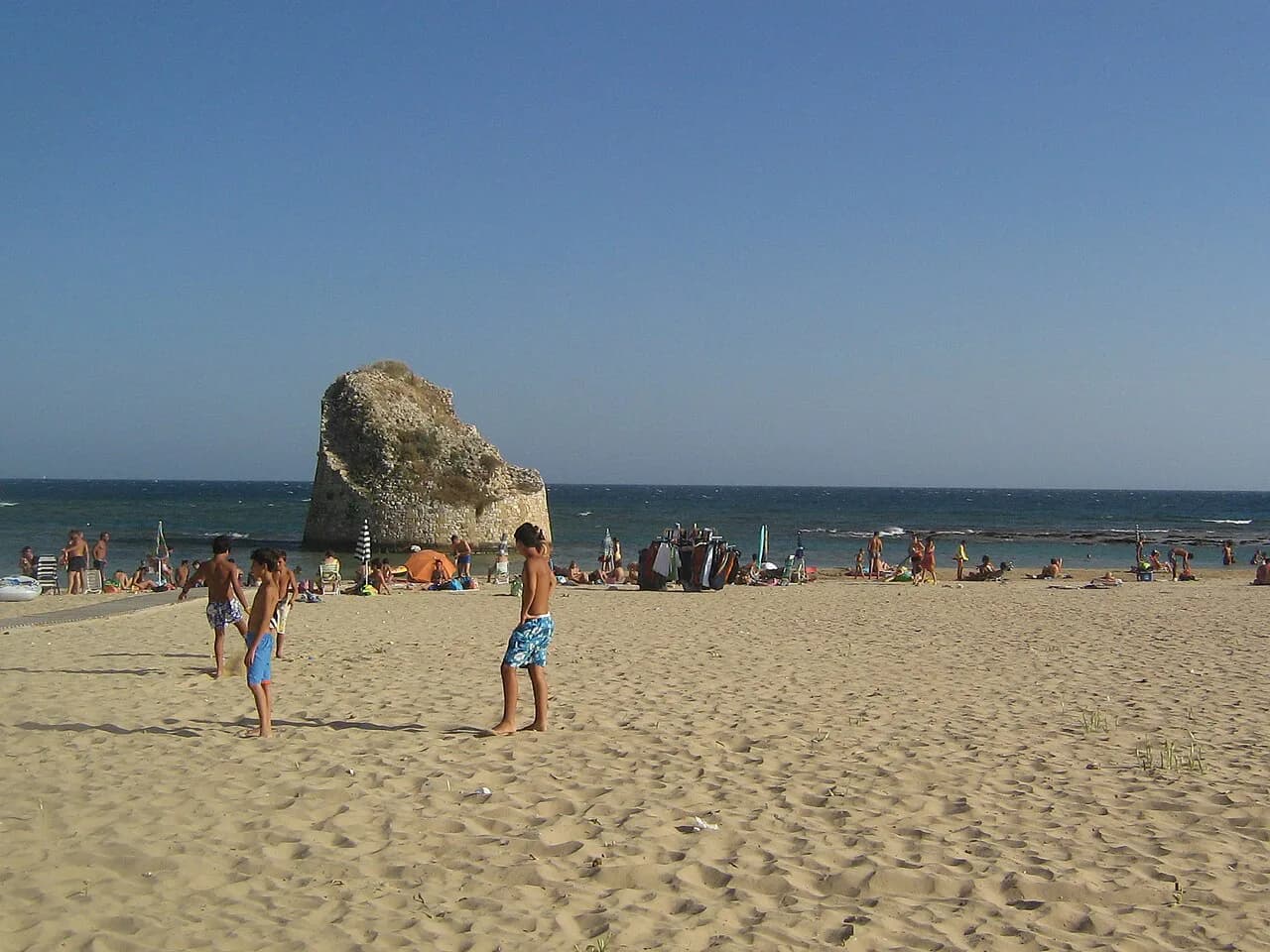
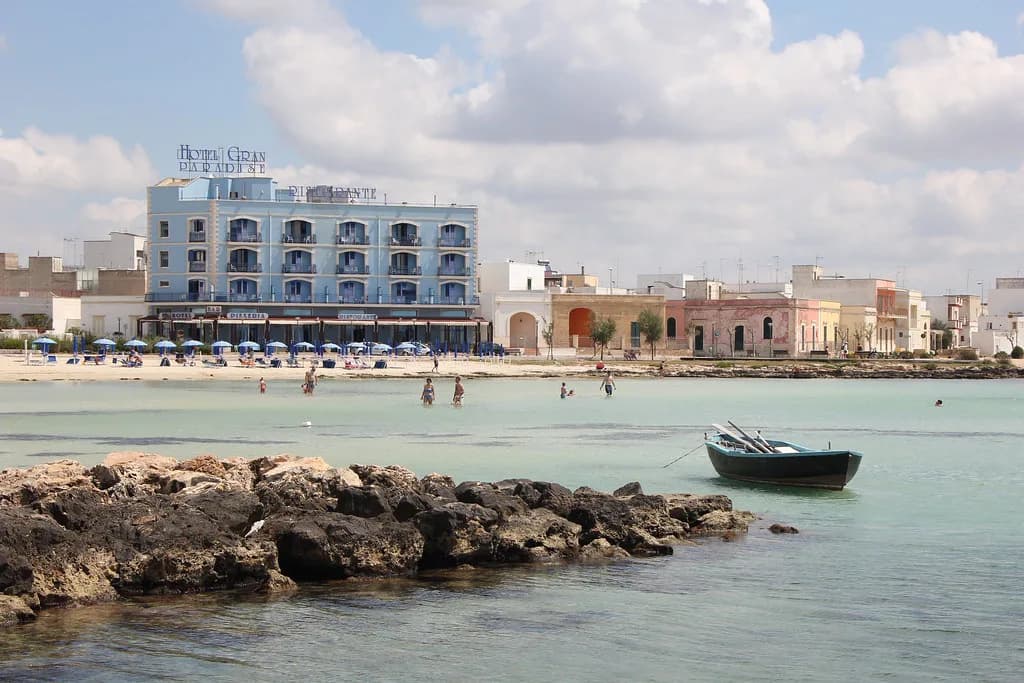
Torre dell'Orso, a short drive south, is the obvious pairing for a real swim after the ruins, with a sandy bay and shallow water at the northern end. The Melendugno coast around San Foca also has rocky platforms and small coves where you can spread a towel legally.
Further afield, the Lecce beaches stretch from the Adriatic coves north of Otranto down to the Ionian side. The white sands and dunes at Punta Prosciutto, near Porto Cesareo, make a good full beach day if you are basing yourself in Lecce for several nights. If you would rather stay in the city and still find sand, the Bari beaches are a useful comparison for a city-based beach day.
Who should skip it
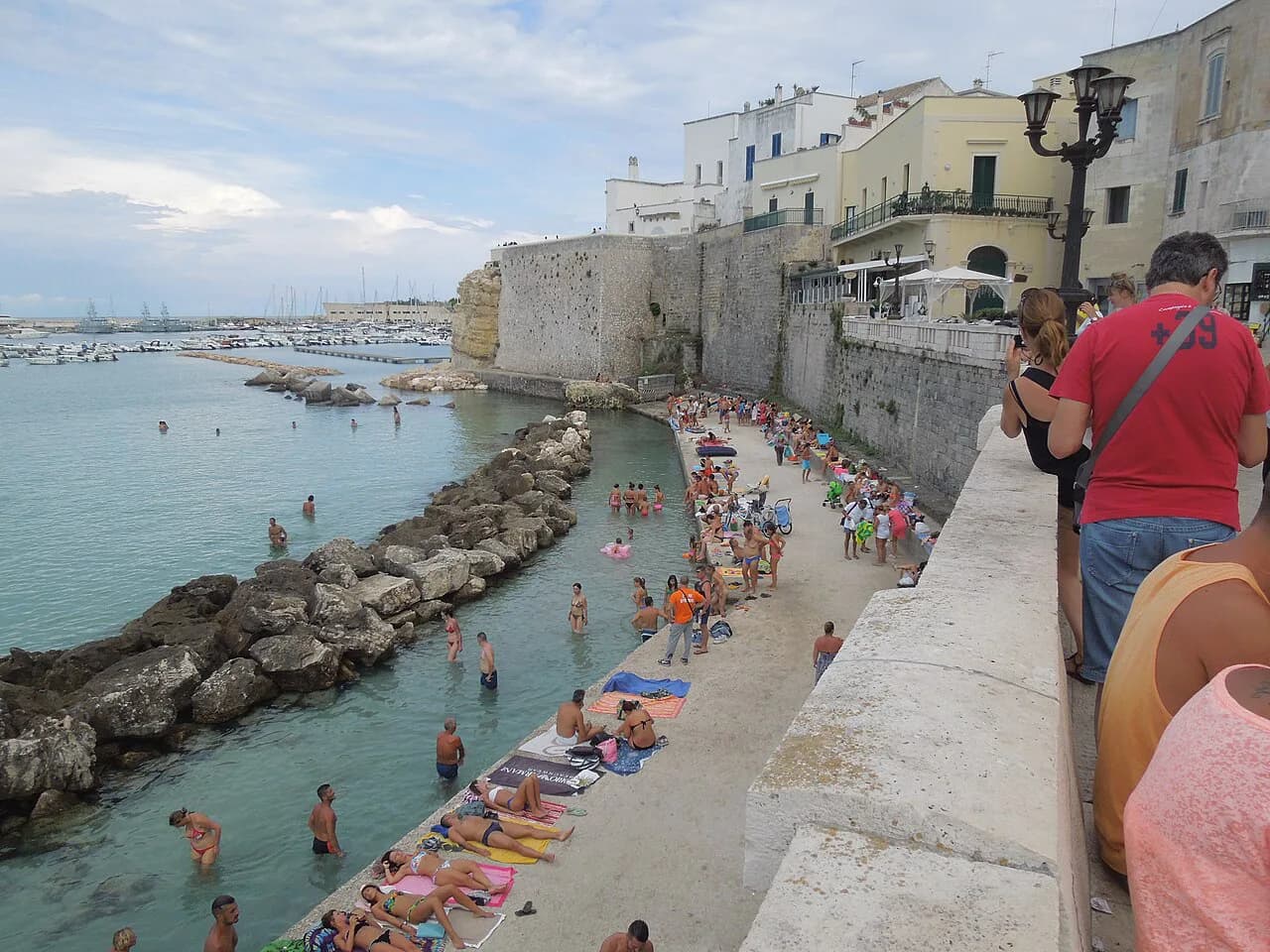
If your heart is set on swimming in the Cave of Poetry, skip it: the ban is enforced and there is no dipping in that basin in season. Head instead to Baia dei Turchi, Otranto, where a sandy cove and pine-backed path deliver the beach day you were after.
History-minded travellers, archaeology enthusiasts and anyone driving the Salento coast should still stop: an hour here adds 3,500 years of context to the beaches around it. Just bring a towel for later, not for the pool.
Plan Your Visit
Treat Grotta della Poesia as a cultural stop on a Salento beach day, not as the beach itself. Pair an afternoon visit with a swim at Torre dell'Orso or along the Melendugno coast, and you get both the pool's strange beauty and a proper dip.
Check the current opening hours before you set out, since the two halves of the site keep different schedules and the guided-tour times decide whether the ruins come alive.
Frequently Asked Questions
Can you swim in Grotta della Poesia?
No. Swimming and sunbathing have been banned since 2019, when the site was gated and turned into a protected archaeological area. In high season the stairs to the pool are blocked and parasols are refused at the gate. Swim instead at Torre dell'Orso or along the Melendugno coast.
How much does it cost to visit Grotta della Poesia?
Adults pay a standard ticket, with reduced rates for under-14s and over-65s and free entry for disabled visitors; the ticket covers both areas of the site and a guided tour. The current rate is listed in the Along Dusty Roads guide and at the ticket desk.
How do you get to Grotta della Poesia from Lecce?
Drive about 45 minutes along the coast road towards Melendugno and San Foca. A designated gravel car park sits opposite the entrance, with card-accepting payment machines and a zebra crossing over the busy road. Bicycles are not permitted inside the site.
What are the opening times for Grotta della Poesia?
The pool area opens from 10 May to 30 September, with longer summer hours and shorter September days. The Roca Vecchia ruins keep separate, mostly afternoon hours that vary by month. Arriving after the Roca Vecchia gates open lets you see both halves.
Is Grotta della Poesia worth visiting?
Yes if you care about archaeology: the 3,500-year-old settlement, inscribed walls and Charles V's fort reward a slow visit. No if you wanted a swimming hole, since the ban is enforced in season.
Where do you park for Grotta della Poesia?
In the large gravel car park opposite the site, where machines take card and issue a display ticket. If it is full, park along the road beside it and use the zebra crossing to reach the entrance.
Sources
Beach notes for your next trip
Optional updates when we add or revise beach guides.
You might also like
Continue reading
More guides you'll find useful