Fuerteventura Beaches Guide: Corralejo to Jandía Picks
Plan a Fuerteventura beach day around Corralejo, El Cotillo, Sotavento, Cofete and Caleta de Fuste, with access, sand, waves and facilities covered.
On this page
Fuerteventura rewards travellers who match the beach to the day. Trade winds shape the island, so an exposed strand can feel like a different place from a sheltered cove twenty minutes away. The beaches here also vary enormously in character, from a nine-kilometre dune-backed stretch by Corralejo to a wild Atlantic shoreline on the Jandía peninsula.
The practical split is north against south against east. Bases in Corralejo put the dunes and El Cotillo within easy reach, Caleta de Fuste offers the most enclosed bay on the island, and Morro Jable opens up the long southern beaches and the tidal lagoon at Sotavento. Choosing your coast first makes the rest of the planning straightforward. If you are weighing this island against its neighbours, the best beaches in Gran Canaria make a useful counterpoint to Fuerteventura's wilder strands.
Why Fuerteventura's Beaches Reward a Bit of Planning
Wind and tide do more to change a beach day here than anything else. Sotavento's lagoon fills and empties with the tide, and the experience changes radically between high and low water, so tide tables are worth a look before you set off for the day. On the west and north coasts, the Atlantic swell is stronger, and the sheltered south-east coves become the better option when the trade winds pick up.
Travel times matter too, because the island is longer than it looks. Committing to a base such as Corralejo, Caleta de Fuste or Morro Jable narrows your sensible day trips, and a car makes the wilder stretches genuinely reachable. The island has well-developed public transport, with routes and timetables published by Tiadhe at tiadhe.com, but services thin out on the remote southern tracks.
Grandes Playas de Corralejo: Dunes, Parking and Wind Sports
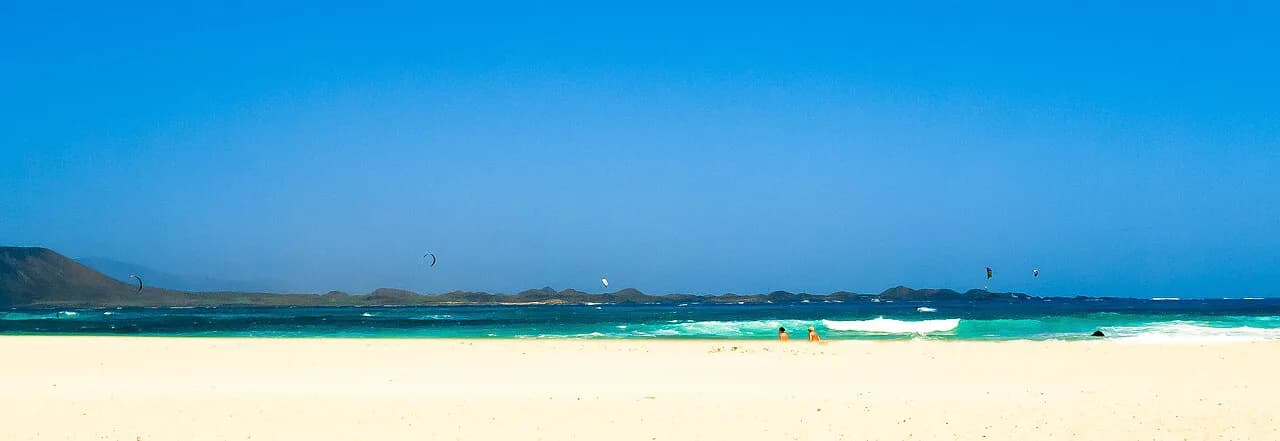
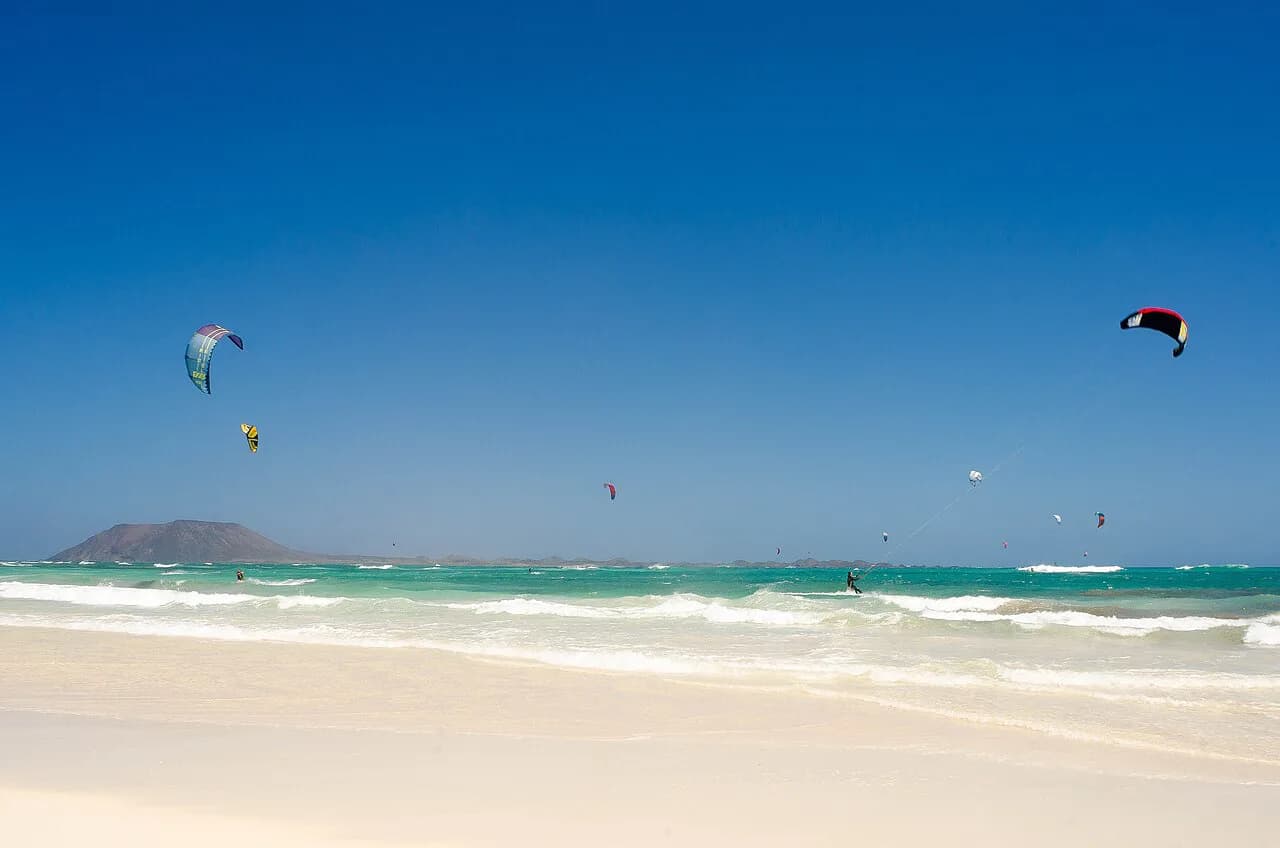
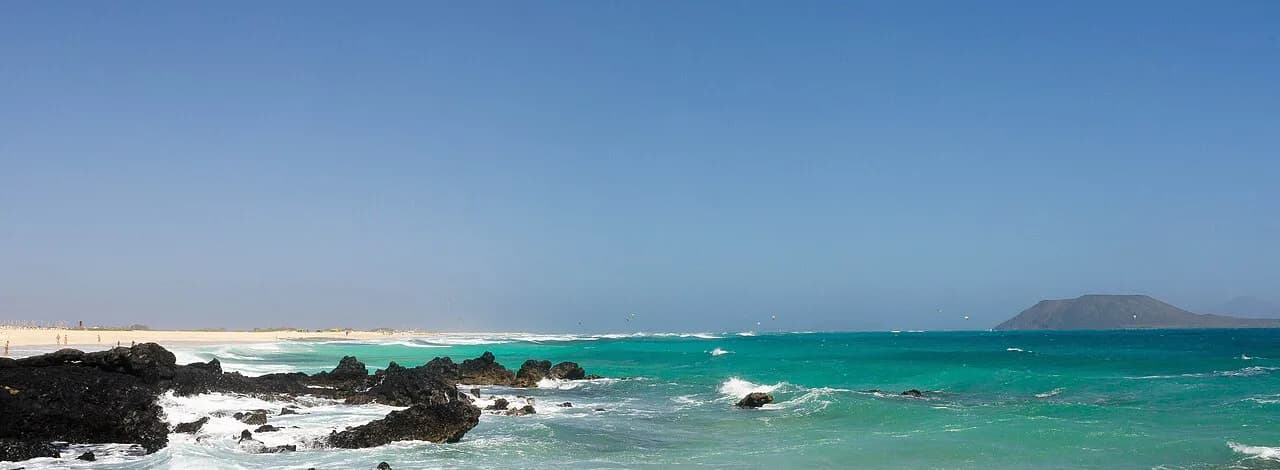
Nine kilometres of fine white sand run alongside the Dunas de Corralejo Natural Park, with Lobos Island on the horizon. The road passes right by the beach, and there are dedicated parking spaces along the main road, so you can leave the car and walk in through the dunes. Wind and wave conditions suit kitesurfing and surfing, and the stretch known as Flag Beach is the meeting point for kitesurfers.
For a quieter day, walk further along the shore away from the kite schools and you will find space of your own on this immense beach. Lifeguards and beach bars serve the strand, and the international kite festival usually takes place in November, with the daily programme published online. Corralejo itself makes an easy base for combining the dunes with the town's own beaches.
La Concha and Los Charcos at El Cotillo: Sheltered Pools and White Sand
La Concha sits on the north-west coast at El Cotillo, where a natural horseshoe-shaped reef breaks the Atlantic swell and creates a large pool of clear turquoise water over fine white sand. Parking is right by the beach and the village restaurants sit close to the sand, which makes it the most family-friendly beach on the island for small children. It suits couples and snorkellers as well, and the sunset from the village terraces is a reason to stay late.
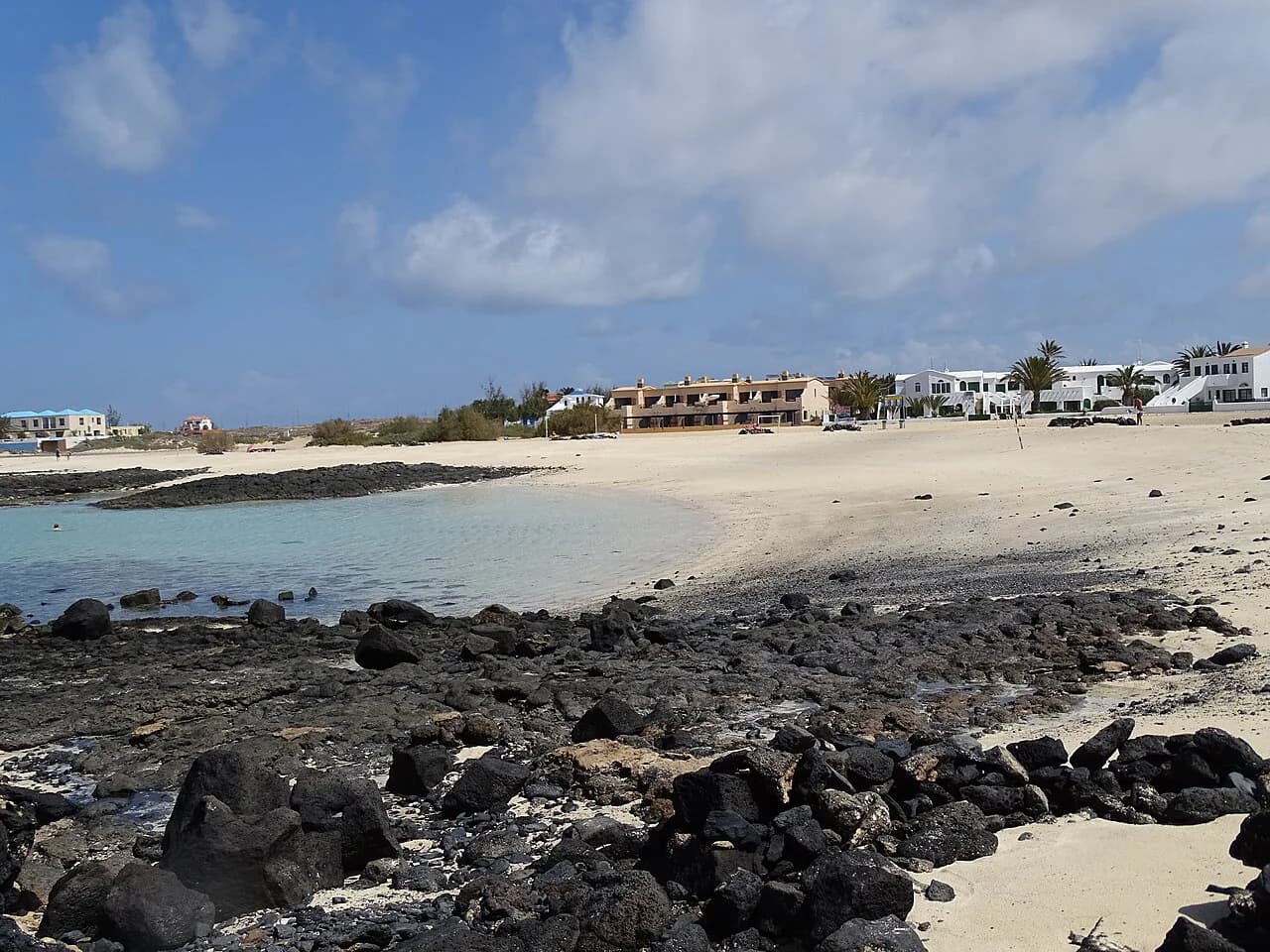
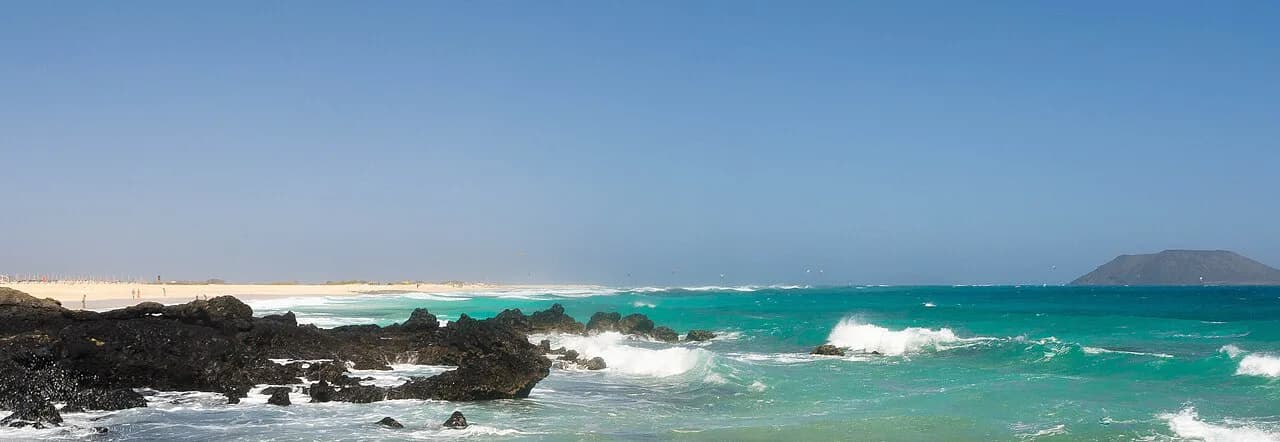
A short drive away, next to the Tostón lighthouse road, Los Charcos is a group of three coves where very white sand contrasts with black volcanic rock. The water is shallow and pool-like, and access is easy from the lighthouse road, though there are rocky patches at the entry, so water shoes help. Both beaches sit within easy reach of Corralejo, which makes them a sensible swap when the dunes are blowing.
Caleta de Fuste (Playa del Castillo): The Enclosed Bay
Caleta de Fuste's beach, Playa del Castillo, forms an almost enclosed bay, which makes it the most sheltered swimming spot on the island and a good choice for very young children, paddleboards and kayaks. Access is excellent, with ramps and a promenade, and the bay suits travellers with reduced mobility better than most. It draws a high level of occupancy, so arrive earlier in the day if you want space near the water.
A short walk north of the beach brings you to a natural volcanic pool with clear water, an easy add-on to a beach morning. The town itself is quiet, with the beach acting as its main draw. Because the bay is so sheltered, it works as a fallback on days when wind shuts down the northern strands.
Sotavento and Costa Calma: The Tidal Lagoon and Wind-Sport Schools
Playa de Sotavento de Jandía is really several beaches joined together, including La Barca and Risco del Paso, and its signature feature is a lagoon that forms at high tide. Inside the lagoon the water is flat, which is why windsurfing and kitesurfing schools of international standing operate here and why learners get on well. Outside the sandbank, the ocean swell and constant wind suit more advanced riders.
Access is easy, with large parking areas, sun loungers and equipment hire on hand. From Morro Jable the drive takes around 20 minutes, so even on a busy day there is room to spread out. Tide tables are the key planning tool: the lagoon is full at high water and drawn down at low tide, and the whole scene shifts accordingly.
Costa Calma, just up the coast, offers a wide golden beach with very calm water and plenty of access points, plus sun loungers, sailing schools and restaurants. A nudist section sits among the sand dunes. At the ends of the beach a thermal breeze usually builds, which beginners to wind sports often prefer to the more committed spots further south.
Playa del Matorral at Morro Jable: The Promenade Beach
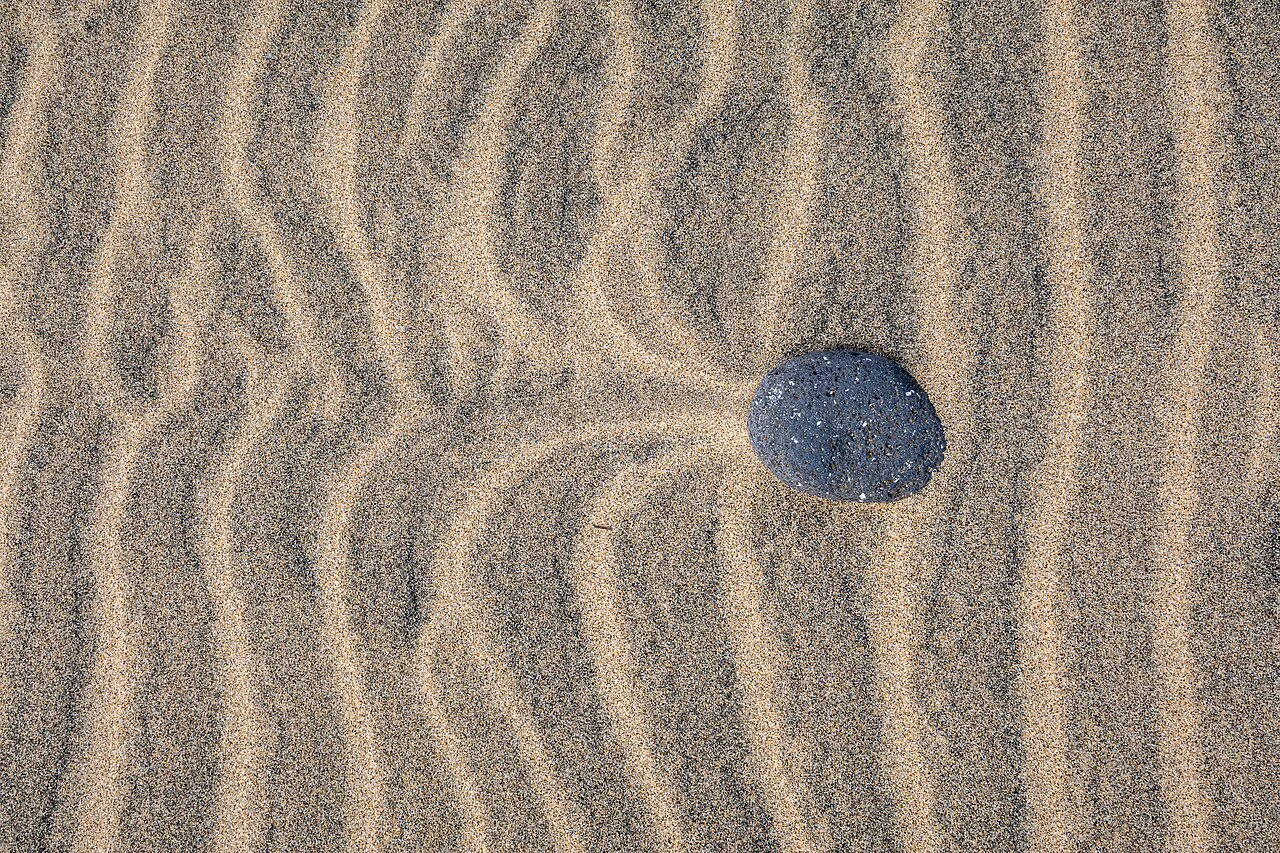
Playa del Matorral runs from Morro Jable village towards the lighthouse, with a very gradual entry into calm water. Multiple access points open off the promenade, and the beach carries the full set of facilities: sun loungers, parasols, beach bars, toilets and water sports. It is one of the busiest beaches on the island, which is exactly why families and walkers gravitate to it.
Behind the sand lies El Saladar de Jandía, a nature reserve that floods at high tide and draws birdwatchers. The long boulevard behind the beach has shops, cafés and restaurants, so a full day needs no planning beyond a towel. If you want the facilities without the crowd, walk north towards the village end and pick a gap between the sunbed rows.
Mal Nombre and Playa Esmeralda: The Sheltered South-East Coves
Mal Nombre, between Costa Calma and Morro Jable, tucks under a small cliff that gives it real shelter from the wind, and the water is exceptionally clear with very gentle waves. Access is easy from parking with a short slope down, and a beach bar and sun loungers serve the sand. Occupancy stays low to medium, which makes it a strong pick for couples and for anyone escaping a blustery day elsewhere.
Playa Esmeralda, near Costa Calma, splits into a north and a south section, both light, fine sand with calm water and a relaxed family atmosphere. A beach bar serves the cove and parking is close by, with occupancy usually medium. The rocky ends are where snorkellers head on calm days, since marine life gathers around the edges of the sand.
Cofete and the Jandía Peninsula: The Wild Strand
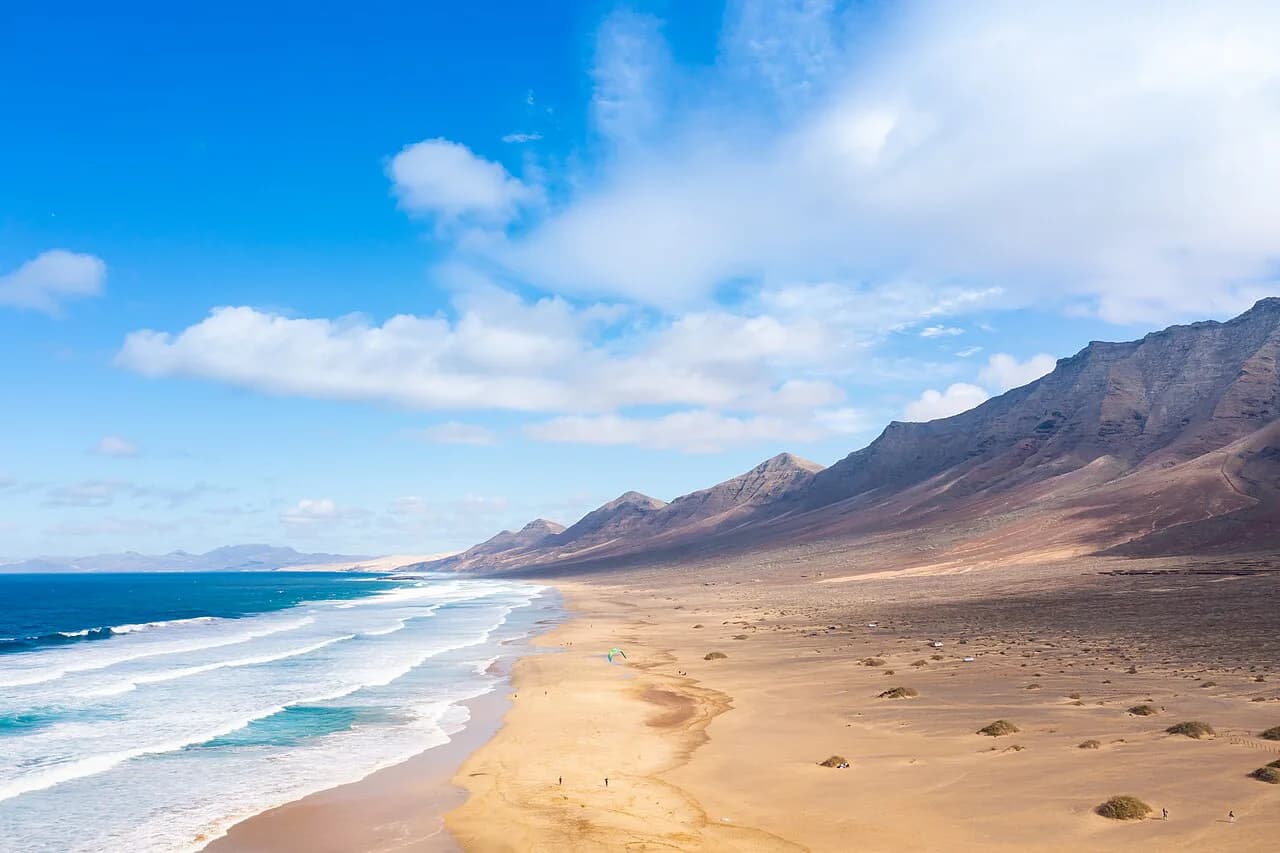
Cofete Beach, Fuerteventura's wildest shoreline, runs roughly 12 kilometres of fine golden sand beneath the mountains of the Jandía massif. The final approach is a dirt track, and a high vehicle or 4x4 gives more comfort and safety on the rougher sections. Parking sits next to the beach at the end of the road.
Atlantic waves hit this coast hard and the currents are strong, so treat Cofete as a walking and landscape beach rather than a swimming one. A bus runs from Morro Jable a couple of times a day, with the schedule published by Tiadhe. There are no bars, lifeguards or changing facilities, so bring water, food and sun cover, and leave time for the viewpoint halfway along the road.
At the northern end of the strand, a cluster of black-sand rocky beaches includes Playas Negras and Playa de Solapa, the latter known for hidden caves. Playa de Solapa is best visited away from high tide, which can limit exploration of the rocks. These coves add a wilder contrast to a day in Jandía Natural Park.
Gran Tarajal: Black Sand and Everyday Island Life
Gran Tarajal sits on the east coast in the municipality of Tuineje, a working town with a black volcanic beach right in the centre. The promenade holds traditional restaurants serving fresh fish, and the beach has gentle waves plus all the amenities of a town. It draws a medium level of occupancy and gives a slice of local life that the resort beaches do not.
The seafront is worth a slow walk, and quiet hiking trails run across the hills above town. For travellers based in the south or east, Gran Tarajal is an easy half-day that pairs well with a long lunch.
Majanicho and Lobos Island: Surf and a Boat Trip
Majanicho, a small fishing village between Corralejo and El Cotillo, has a mixed sand-and-rock beach and a wave that experienced surfers seek out. Access is along a dirt track, and there are no services, so bring what you need. Even without a board, the fishermen's cottages and the old-fashioned atmosphere make it a worthwhile stop.
Lobos Island from Corralejo is reached by boat in around 15 minutes, and its small cove has white sand and clear water with almost no waves. Visitor numbers are capped, and a free visitor permit is required, which you apply for online before travelling. There is a small restaurant on the island.
Getting Around: Car Versus Bus
A car gives you the most flexibility, especially for the dirt tracks to Cofete, Garcey and Majanicho, and rental terms on the island are generally straightforward. Fuel stations are spread across the main towns, and filling up before heading into the Jandía peninsula saves a detour. Parking at Grandes Playas and Sotavento is generous, while Cofete and Majanicho rely on informal trackside space.
The bus network covers the main settlements and is a realistic option for Corralejo, Caleta de Fuste, Costa Calma and Morro Jable. Tiadhe publishes all routes and timetables on its official site, so check the return times before you commit to a beach that leaves you dependent on one service. For a multi-beach trip, mixing a car for the remote days with buses for the resort days keeps costs down.
When to Go: Sea Temperatures, Wind and Crowds
The island's climate makes beach days possible throughout the year, but late spring to early autumn brings warmer temperatures and longer sunshine. July and August are the windiest months, which is ideal for wind sports and less comfortable for a quiet sunbathe on exposed strands. May, June, September and October often balance warm water with lighter crowds.
The sea warms gradually through the summer and holds its heat into autumn, which is why October can feel milder than the air temperature suggests. Winter swimming is for the hardy, and the northern beaches feel cooler when the wind is up. Pack a windproof layer and a light towel whatever the month, because conditions shift quickly on the coast.
Crowds concentrate around the resorts in the school holidays, when Grandes Playas, Caleta de Fuste and Playa del Matorral fill up. The wilder beaches stay quiet year-round, and the sheltered coves absorb visitors better than the open strands. Booking accommodation early in July and August pays off, since the island's hotel capacity is stretched in those weeks.
Choosing a Beach by Trip Type
Families with small children do best at La Concha, Caleta de Fuste and Costa Calma, where water is shallow and entry gradual. Swimmers who want a proper stretch of water should head to Playa del Matorral or Grandes Playas on a calm day, while snorkellers favour Playa Esmeralda and the rocky ends of the southern coves. Surfers and kitesurfers belong at Sotavento, Flag Beach at Corralejo or Majanicho.
Quiet-seekers should look at Esquinzo-Butihondo, Playa de Garcey and the black-sand coves at the north end of Cofete, all reached by dirt track and without services. Nudist areas are long established in the dunes at Corralejo, at Esquinzo and in parts of the Costa Calma dunes, and they sit alongside standard beaches. For everyday island life rather than resort comfort, Gran Tarajal is the obvious pick.
Plan Your Fuerteventura Beach Day
Start with your base and the forecast wind direction, then pick a coast: the sheltered north-west and south-east coves for blustery days, the open dunes and Jandía strands when the wind drops. Tide tables make the difference at Sotavento, and a high vehicle or a bus timetable determines whether Cofete is on the cards.
Pack water, shade and water shoes for the rocky entries, and treat swimming conditions with respect on the Atlantic-facing coasts. The tourist office in Corralejo can confirm local conditions and any access changes before you set out.
Frequently Asked Questions
Which Fuerteventura beaches are the least windy?
The south-east coves are the most reliable escape from the trade winds: Mal Nombre sits under a small cliff, Playa Esmeralda has calm water on both sides of its cove, and Caleta de Fuste's almost enclosed bay stays sheltered. La Concha at El Cotillo is protected by a natural reef, so it keeps calm water even when the north coast is blowing.
Do you need a 4x4 to reach Cofete?
Not strictly, but the approach is a long dirt track of around 20 kilometres and a high vehicle or 4x4 gives more comfort and safety on the rougher sections. Parking sits at the end of the road next to the beach. A bus also runs from Morro Jable a couple of times a day, with times published by Tiadhe.
Is Corralejo or Caleta de Fuste better for a beach holiday?
Corralejo suits travellers who want the dunes, the wind-sport scene at Flag Beach and easy reach of El Cotillo's sheltered coves, while Caleta de Fuste's enclosed bay is the better base for very young children and anyone who prefers a calm swim. Caleta de Fuste also has ramps and a promenade that make beach access straightforward.
Is the sea warm enough to swim in Fuerteventura?
The sea warms gradually through the summer and holds its heat into autumn, so late spring to early autumn is the comfortable window, with October often feeling milder than the air suggests. Winter swimming is for the hardy. Wind direction affects comfort as much as water temperature, so the sheltered coves are the better bet outside high summer.
When are Fuerteventura's beaches busiest?
Crowds concentrate around the resorts during school holidays, when Grandes Playas, Caleta de Fuste and Playa del Matorral fill up and the island's hotel capacity is stretched. July and August are also the windiest months, which suits wind sports but makes exposed strands less pleasant for sunbathing. The wilder beaches and dirt-track coves stay quiet year-round.
Where can you snorkel from the shore in Fuerteventura?
Playa Esmeralda has rocky ends where marine life gathers and is a good shore snorkel on calm days, and La Concha at El Cotillo suits snorkellers inside its reef pool. The rocky beaches at the north end of Cofete and the coves by the Tostón lighthouse are worth exploring with water shoes, though conditions there depend on the swell.
Sources
Beach notes for your next trip
Optional updates when we add or revise beach guides.
You might also like

Continue reading
More guides you'll find useful