Corralejo Nude Beach Guide: Naturism in the Dunes
Where naturism begins along the Corralejo dunes, what the sand and water are like, who the coves suit, and how to reach the quieter southern stretches.
On this page
The dunes south of Corralejo give you something rare in beach travel: kilometres of pale sand, a warm sea and enough space to spread out well beyond the next towel. Naturism here is long-established rather than signposted, concentrated in the sand sheets and small coves that run south of the resort. It suits walkers, sunbathers who want room, and couples or solo travellers comfortable with a clothing-optional crowd. If you are comparing coastlines for a naturist trip, Malaga Nude Beaches covers the equivalent decision on the Spanish mainland.
This is not a resort beach with a lido and a queue for loungers. The draw is the landscape itself, the shelter of the dunes and the freedom to pick a hollow far from anyone else. The trade-off is that you carry in what you need and accept wind as a real factor in how the day feels.
Where the naturist stretches begin
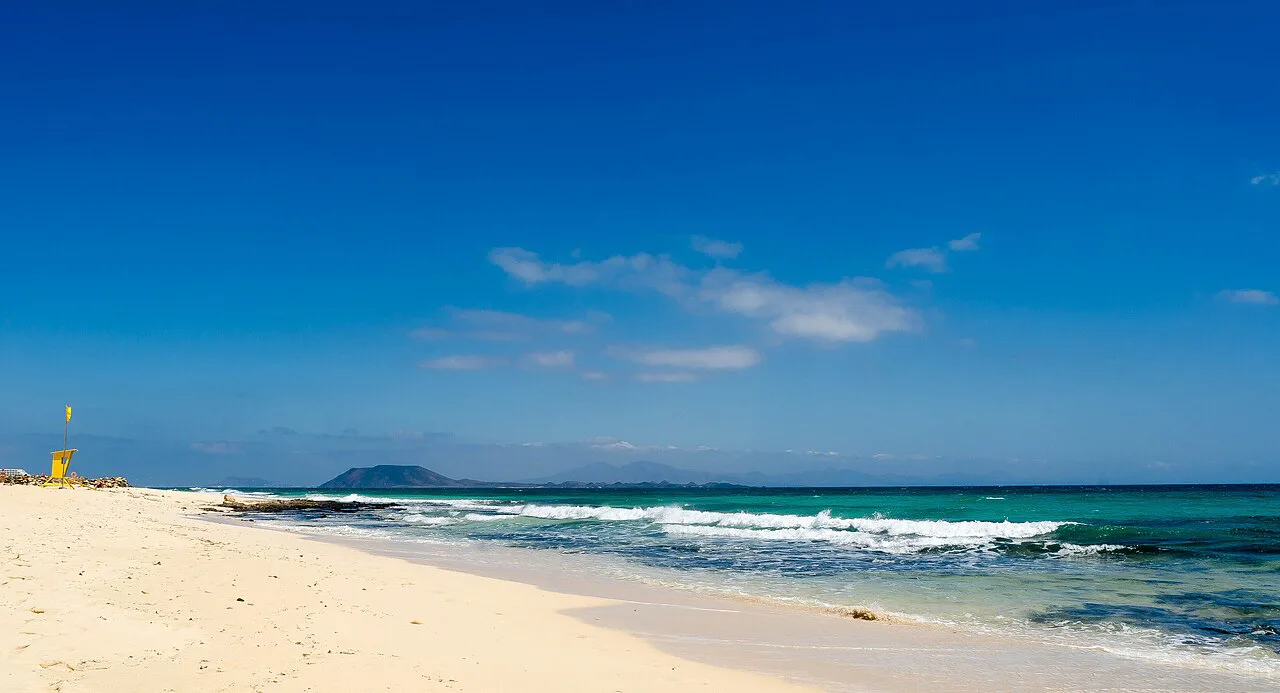
Corralejo's dune beaches, the Grandes Playas, run south from the edge of town for several kilometres. Naturism is mostly found from just south of the Oliva Beach Hotel and continues through the dunes toward the southern end of the park. The town end and the beaches closest to the resort are predominantly clothed and family-oriented.
Fuerteventura has no officially designated naturist beaches, so there is no boundary line or sign to cross. In practice, the southern coves and the deeper dunes are where clothing-optional bathing has long been the norm, while the northern stretches near the hotels are more mixed. Walk a little further south than the first tempting patch of sand and the atmosphere changes.
Visitors describe small coves toward the south end of the beach as the place for nude bathing in privacy, with the beaches becoming more family-friendly as you head north. That contrast is the single most useful thing to know when choosing where to lay your towel.
Getting there
The dunes sit within the Parque Natural de Corralejo, immediately south of town and reachable by road, on foot along the beach, or by the local bus that serves the resort strip. Drivers use the access roads off the main coast road and park at the informal sandy pull-offs and small car parks that serve the beach. Which bus line and how often it runs changes with the season, so the tourist office in Corralejo is the place to ask for the current service.
From any parking point, the walk to the water takes a few minutes over soft sand, longer if you head for the quieter southern stretches. The inland dunes stretch for almost two miles, so a long walk in either direction quickly removes you from the busiest patches. Wear shoes you can walk in and carry water, because soft sand under strong sun is more tiring than it looks.
If you are staying in Caleta de Fuste, the man-made town beaches there are not naturist, so reaching the dunes means a drive north or south. A hire car turns the dunes and El Cotillo into easy half-day trips; without one, plan around the bus and accept a longer walk in.
The sand and the water
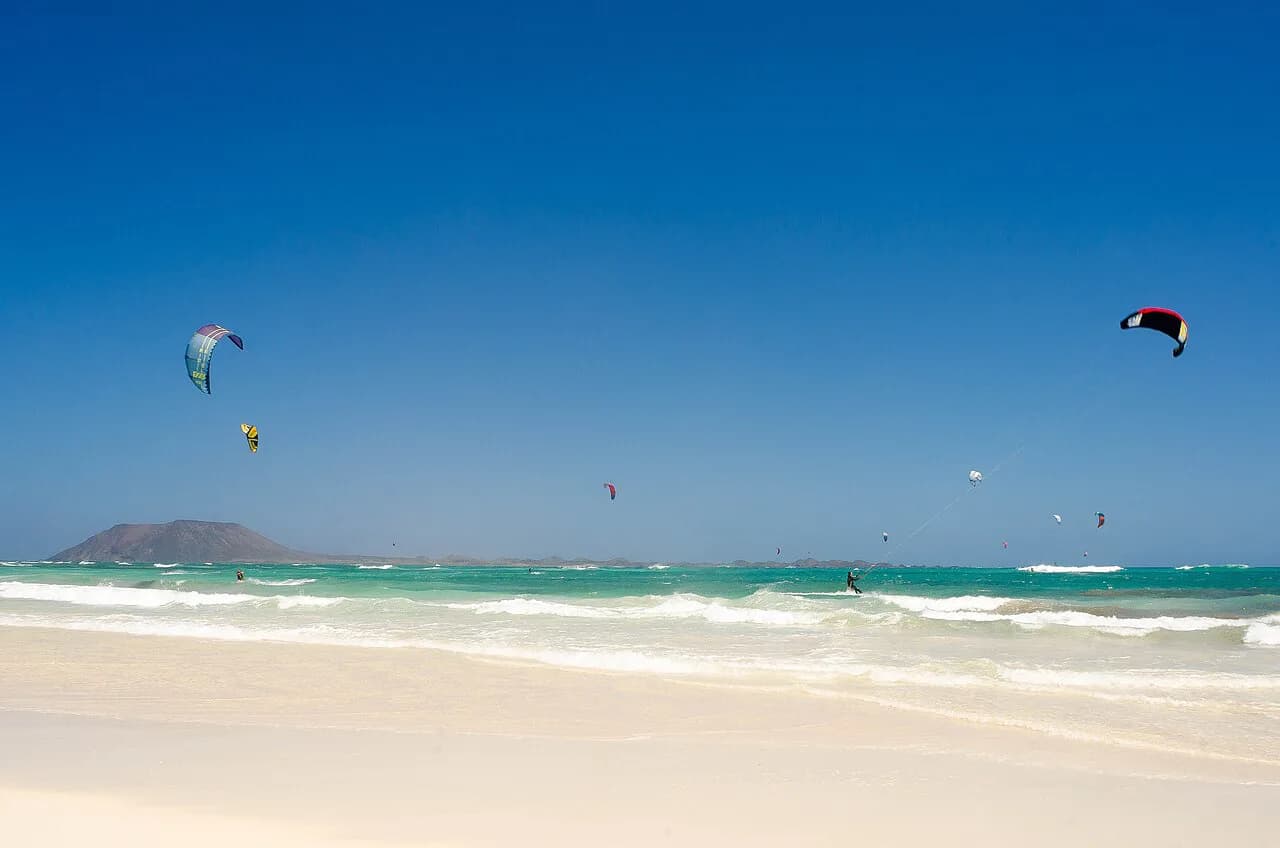
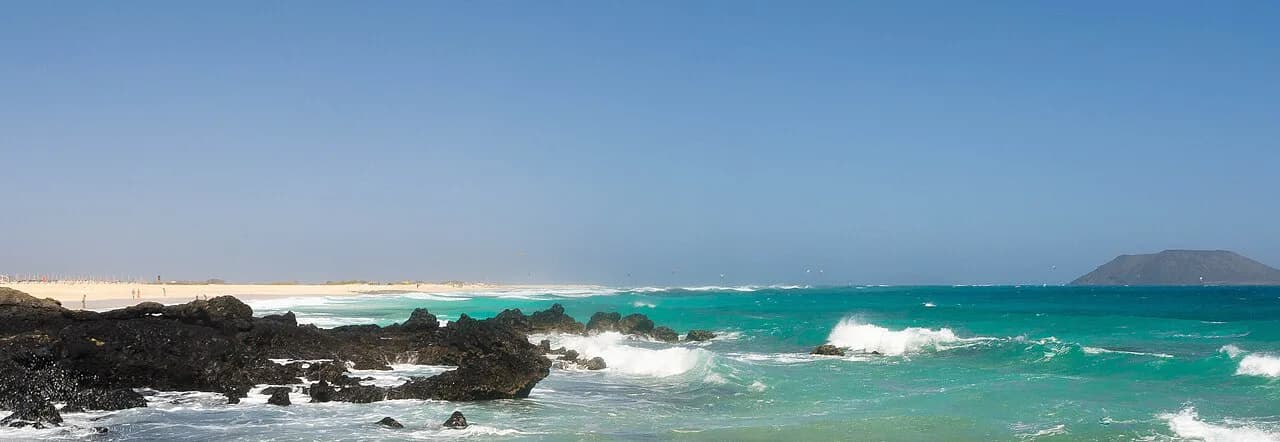
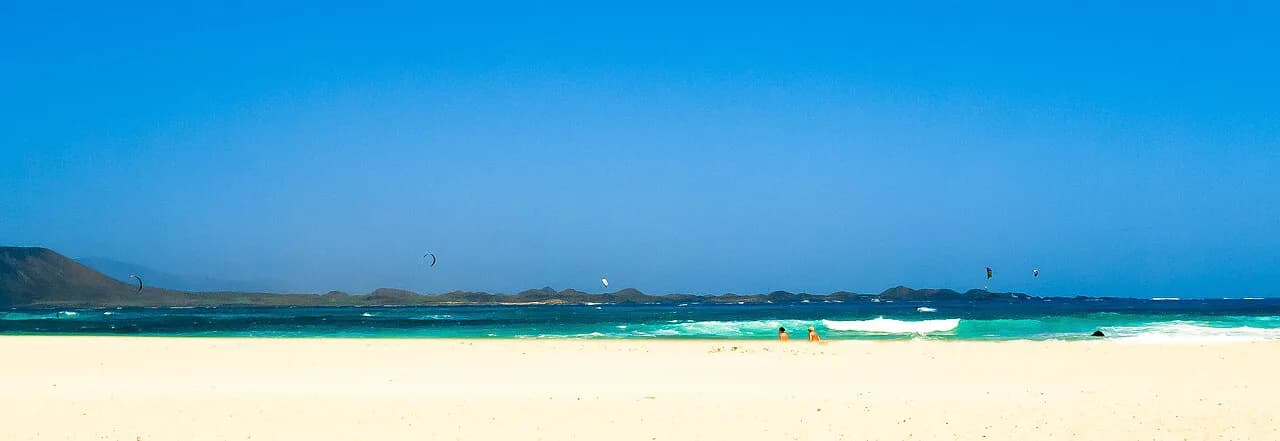
The beach is fine pale sand, backed by mobile dunes and open to the Atlantic. The water deepens gradually in most places, which makes the shoreline comfortable for paddling, but the exposure to ocean swell means conditions shift day to day. Watch the flags and never read a calm morning as a promise for the afternoon.
Wind is the defining feature of this coast and shapes how you use the beach. Visitors build stone circles and low walls near the water to create sun traps and screens, and you will find them scattered across the dunes. Claiming one of these hollows is the difference between a relaxing afternoon and a losing battle with flying sand.
Bring a windbreak or a low screen, weight it with bags, and set up just back from the waterline rather than on the open crest of a dune. The far side of a dune often gives more shelter than the shoreline itself. Morning tends to be calmer than late afternoon, so a beach day built around an early start works with the wind rather than against it.
Facilities along the dune beaches
The naturist beaches here generally have few or no facilities, so bring your own water, food, shade and anything else you need for the day. There are no lidos and no rows of sunbeds along the sand to fall back on.
Plan a day that does not depend on buying lunch on the sand: pack a proper picnic, plenty of water and a cool bag, and carry out everything you bring in. A light cover-up is useful for the walk back through the dunes and for any stop at a bar or restaurant near the road.
El Cotillo's lagoon beaches and Steps Beach
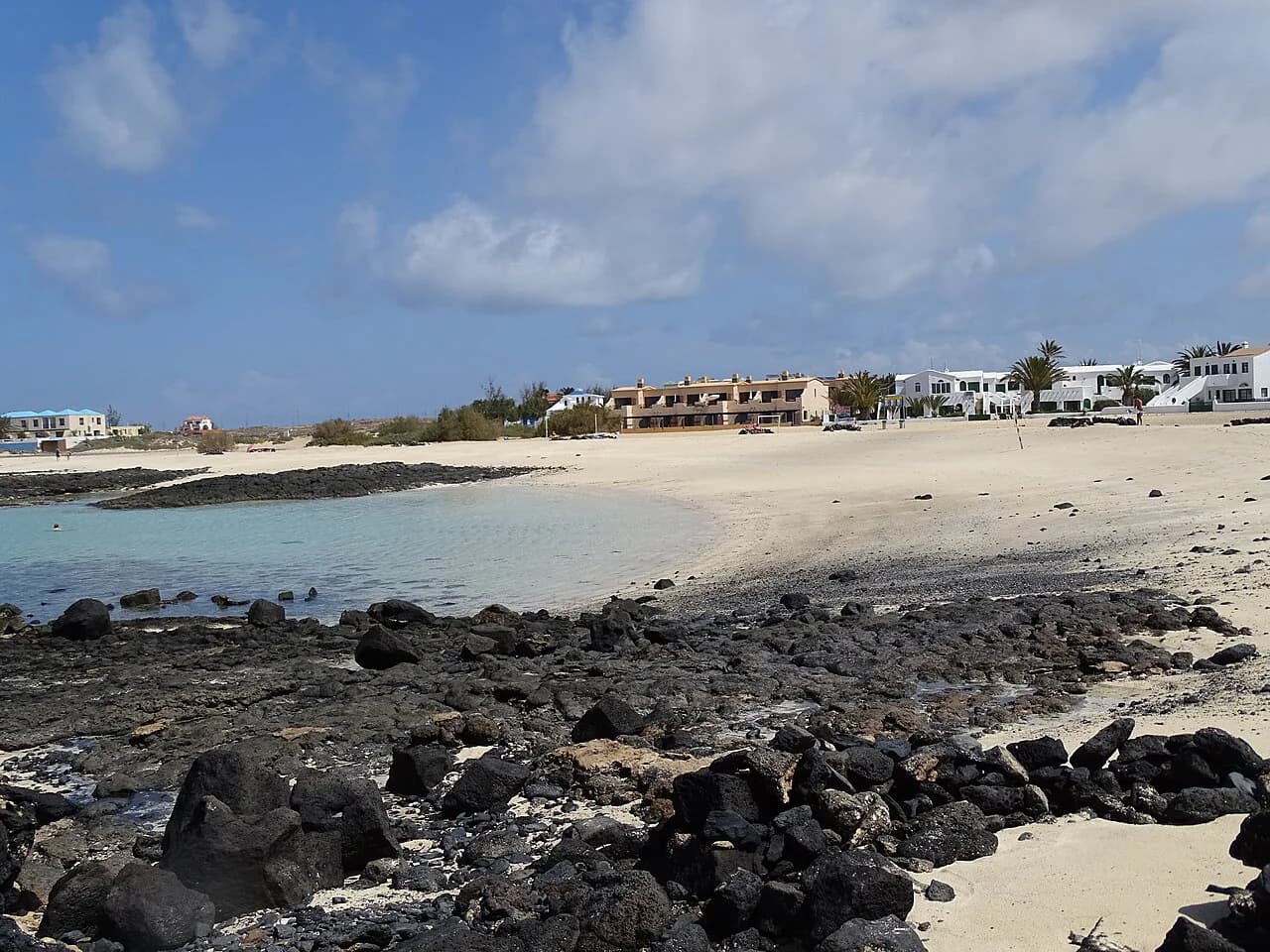
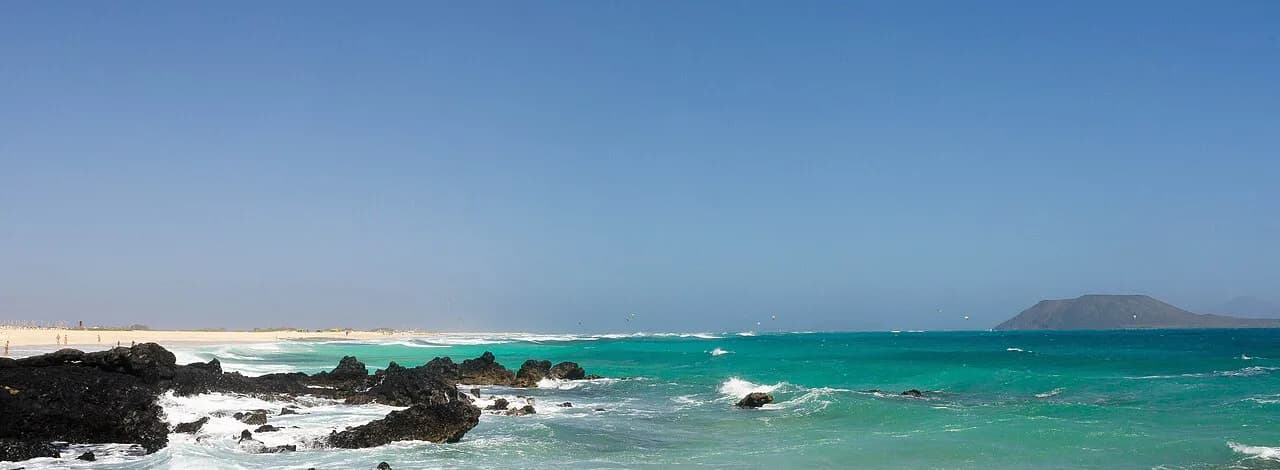
For a contrasting second day, head to the north coast around El Cotillo, where a chain of lagoon beaches begins at the northern edge of the village. Playa de la Concha is a mix of clothed and nude bathers, with the northern side often favoured by naturists, and the small coves continue past the lighthouse. The lagoons are calmer and shallower than the open dunes, which suits swimmers who prefer sheltered water.
Steps Beach, or Playa del Aguila, sits outside the village and is reached down several flights of stairs. It is rarely crowded, and naturists tend to gather away from the steps in either direction. The stairs make it a poor choice for anyone with limited mobility or a heavy cool bag, but the payoff is a quieter stretch of sand.
Piedra Playa, known as the surfer's beach, now sees naturists mainly at its far southern end. Pair it with a wander around El Cotillo's harbour and old town for a day that mixes beach time with a proper lunch.
Best time to go
The sea is at its most comfortable from late spring through early autumn, when the water warms enough for long swims without a wetsuit. July and August bring the biggest crowds and the strongest holiday atmosphere, and the El Cotillo lagoons see more clothed Spanish families during August. If you want space and warmth together, aim for June or September.
Spring and autumn bring pleasant air temperatures with more variable wind, while winter is for walkers and sunbathers rather than swimmers. Whatever the month, an early arrival gives you the calmest hours and the widest choice of sheltered hollows.
Nearby beaches to combine
Lobos Island from Corralejo makes a fine boat trip and a change of scene from the dunes, with its own small beaches and walking paths. Sailings are run by commercial operators from the harbour, and booking ahead in peak season is sensible.
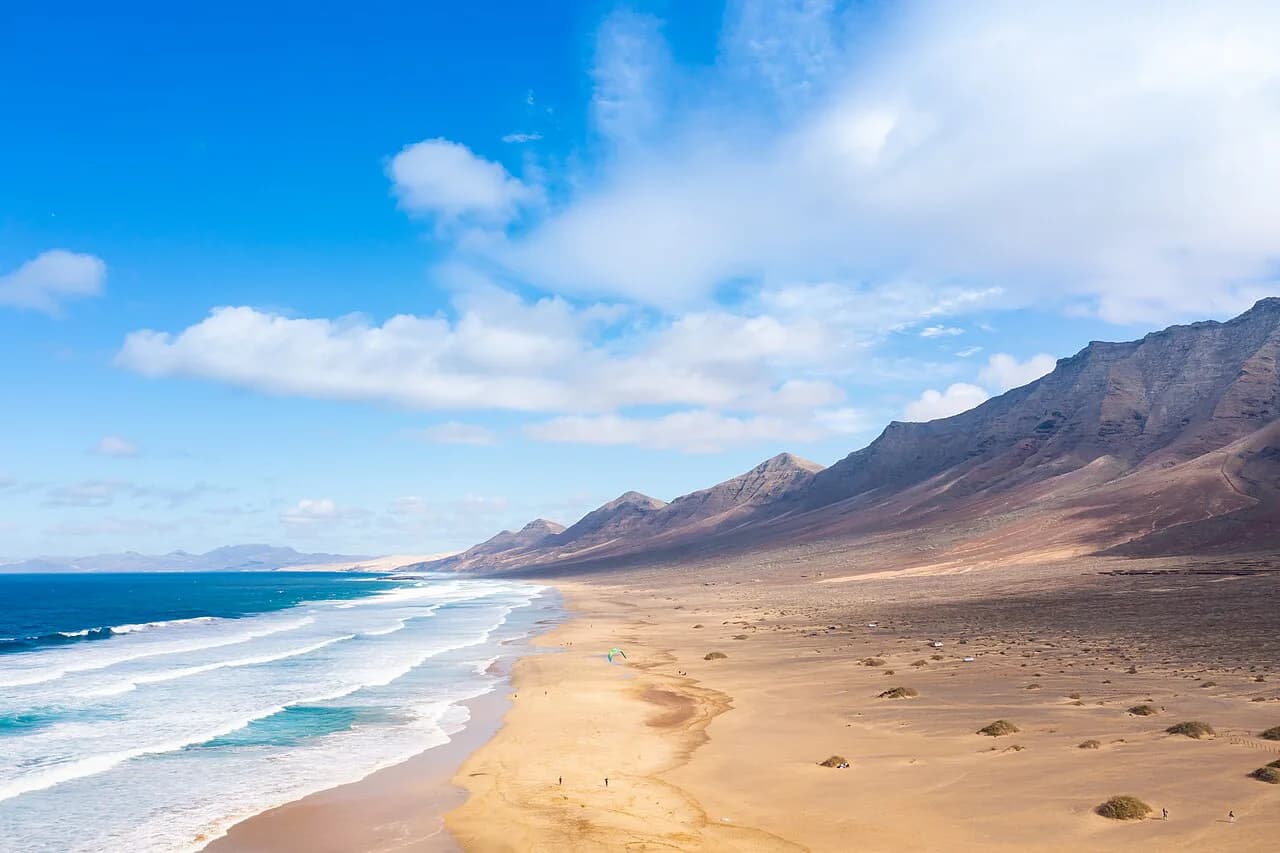
In the south, Sotavento beach and the long Jandia sands offer miles of white sand and warm turquoise water, with naturism established along much of the length. Further south again, Cofete beach is reached by a bumpy track from Morro Jable and is usually deserted, with a small bar in the village. Both suit a longer day out by car.
Naturist etiquette on the dunes
Spanish law allows public nudity in natural settings, and Fuerteventura has a long naturist tradition, but that does not mean every beach is primarily nude. Read the beach before you undress: if the nearest group is clothed, move further along until the company matches what you are looking for.
Give other people a few metres of space, keep conversation to a friendly greeting unless invited, and avoid photographing anyone without permission. Naturist beaches are family spaces, not exhibitionist ones, and the atmosphere depends on everyone treating them that way. Carry a sarong or T-shirt for bars and walkways.
Dogs on the Corralejo dune beaches
If you are visiting Corralejo with a dog, the dune beaches raise a specific question the naturist guides rarely answer: how a leashed companion fits into a clothing-optional setting. In practice the same geography applies to both. Naturism on the Corralejo Grandes Playas mostly starts just south of the Oliva Beach Hotel and stretches through the dunes down to the beaches next to the road at the southern end, so a dog walker heading south from the hotel end will cross into the naturist area. The small coves towards the south end are described as perfect for nudist bathing in complete privacy, which also makes them the quietest ground for a dog on a lead.
The dunes themselves are not only a shoreline. The sand stretches for almost 2 miles inland, and for most of that walk you are likely to be totally on your own, with stone circles near the sea made by beach users scattered along the way. For a dog this is open, quiet terrain, but it is also hard going: the same advice given to naturists walking inland applies to anyone with a dog, so take water with you, as the sand can be dehydrating. The town beaches, particularly those in Caleta de Fuste, are not naturist, and travel northwards through the Corralejo dunes and the beaches are more family-friendly.
Because there are no designated naturist beaches in Fuerteventura, there is no separate zone set aside for dogs either. Naturists and non-naturists generally co-exist quite happily on the island's beaches, and the same tolerance is what a dog owner should extend in return: keep the dog close among the stone circles and sheltered rock circles that people use as sun traps, and give bathers in the southern coves room. The one firm marker on the map remains the Oliva Beach Hotel, south of which the clothing-optional use of the dunes begins.
Plan Your Dunes Day
Build your Corralejo nude beach day around the southern stretches of the dunes, south of the Oliva Beach Hotel, with shoes, water, shade and a windbreak in the bag. Go early, pick a rock-ringed hollow back from the waterline, and leave the crowds behind as you walk.
For a second day, take the drive to El Cotillo for the lagoons and Steps Beach, where the water is more sheltered and the atmosphere more village than resort. Ask the Corralejo tourist office about the current bus service if you are travelling without a car.
Frequently Asked Questions
Where is the nude beach in Corralejo?
Naturism is long-established along the Grandes Playas south of Corralejo, mainly from just south of the Oliva Beach Hotel through the dunes toward the southern end of the natural park. The town end and the beaches nearest the resort are predominantly clothed, so walk south to find the clothing-optional stretches.
Are there facilities on the Corralejo dune beaches?
Very little. The naturist dune beaches generally have no lidos, sunbeds or beach bars, so bring drinking water, food, a sunshade and a windbreak, and carry your rubbish out with you. A light cover-up is handy for the walk back and for stops near the road.
When is the best time to visit the Corralejo dunes?
Late spring through early autumn gives the warmest sea for swimming, with June and September offering warmth without the August peak. Whatever the month, mornings are usually calmer and quieter, and a windbreak makes the afternoon more comfortable.
What is the etiquette on a naturist beach in Fuerteventura?
Spanish law permits public nudity in natural settings, and the dunes are a long-established clothing-optional area, but not every group there is nude. Give others space, do not photograph anyone without asking, keep behaviour family-friendly, and take a sarong for bars and walkways.
Can I combine the Corralejo dunes with another naturist beach?
Yes. El Cotillo's lagoon beaches, including Playa de la Concha and Steps Beach, make a contrasting second day with more sheltered water. In the south, Sotavento and Cofete offer long stretches of sand with established naturist use, best reached by car.
Sources
Beach notes for your next trip
Optional updates when we add or revise beach guides.
You might also like

Continue reading
More guides you'll find useful