Corralejo Dunes: Grandes Playas Beach Guide from Corralejo
Plan a beach day on the Corralejo dunes: Grandes Playas sand, zucco windbreaks, bus and road access, current cautions and the best months to go.
On this page
The Corralejo dunes are the reason to give this stretch of Fuerteventura a full day rather than a quick photo stop: near-white sand, turquoise water and a red and black volcanic backdrop all inside one protected park. The beaches suit walkers who want space, surfers and kitesurfers heading for the recognised wind zones, and anyone content to carry their own shade and water. Swimmers need to read the conditions carefully, because the open Atlantic here comes with currents.
The beaches are part of the Dunas de Corralejo Natural Park, so plan around park rules rather than resort expectations. For the wider choice of sand in and around town, see the Corralejo beaches guide before committing your day.
Where the dunes sit and who they suit
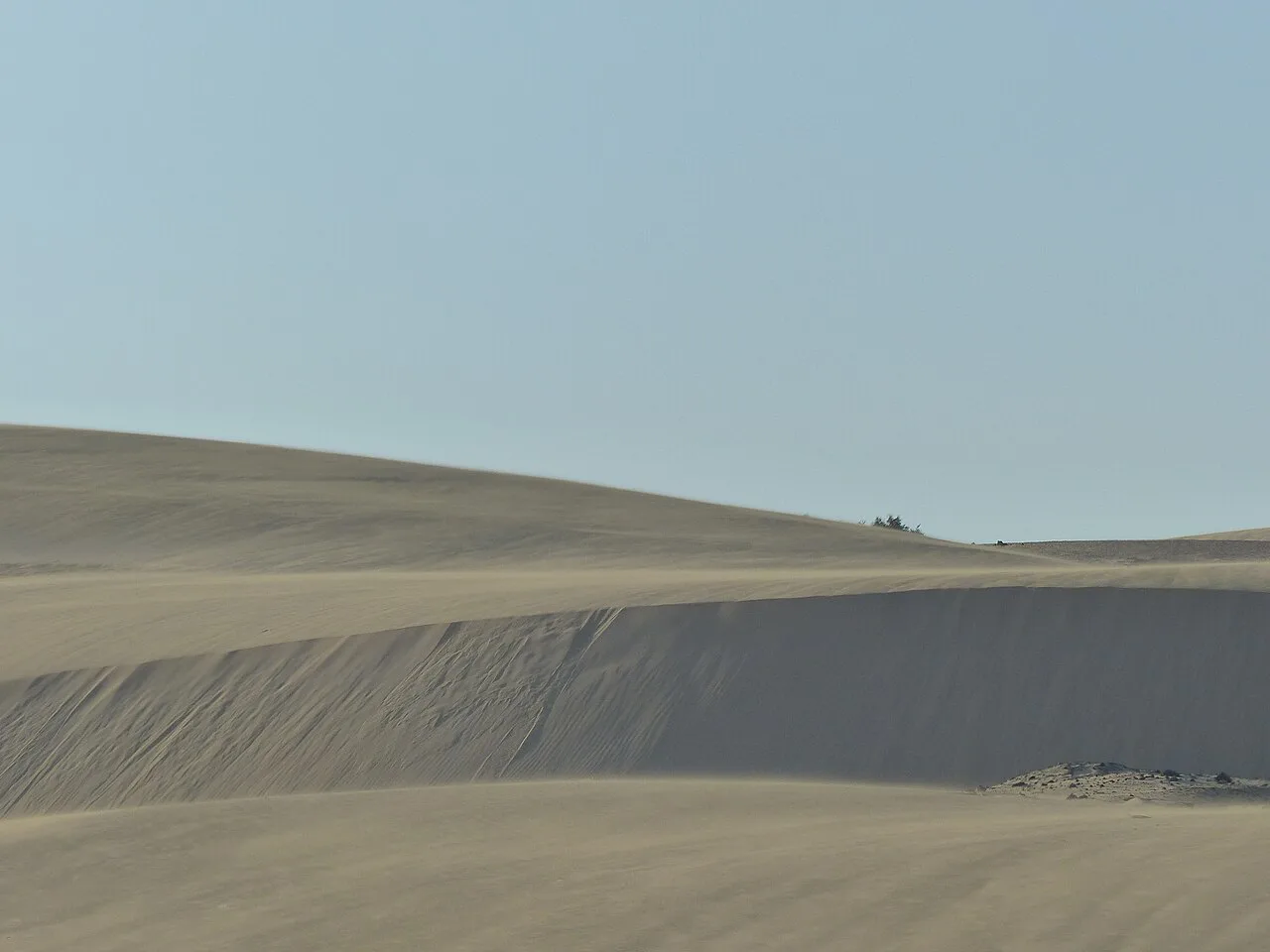
The Parque Natural de Corralejo covers roughly 24 km² of shifting dunes, beach and volcanic ground east of Corralejo town, and the beaches within it are known locally as the Grandes Playas. That coastline runs for about 10 km and is made up of a series of smaller beaches rather than one continuous strand. Montaña Roja, a 314 m volcano, anchors the southern end of the park and gives the area its most recognisable landmark.
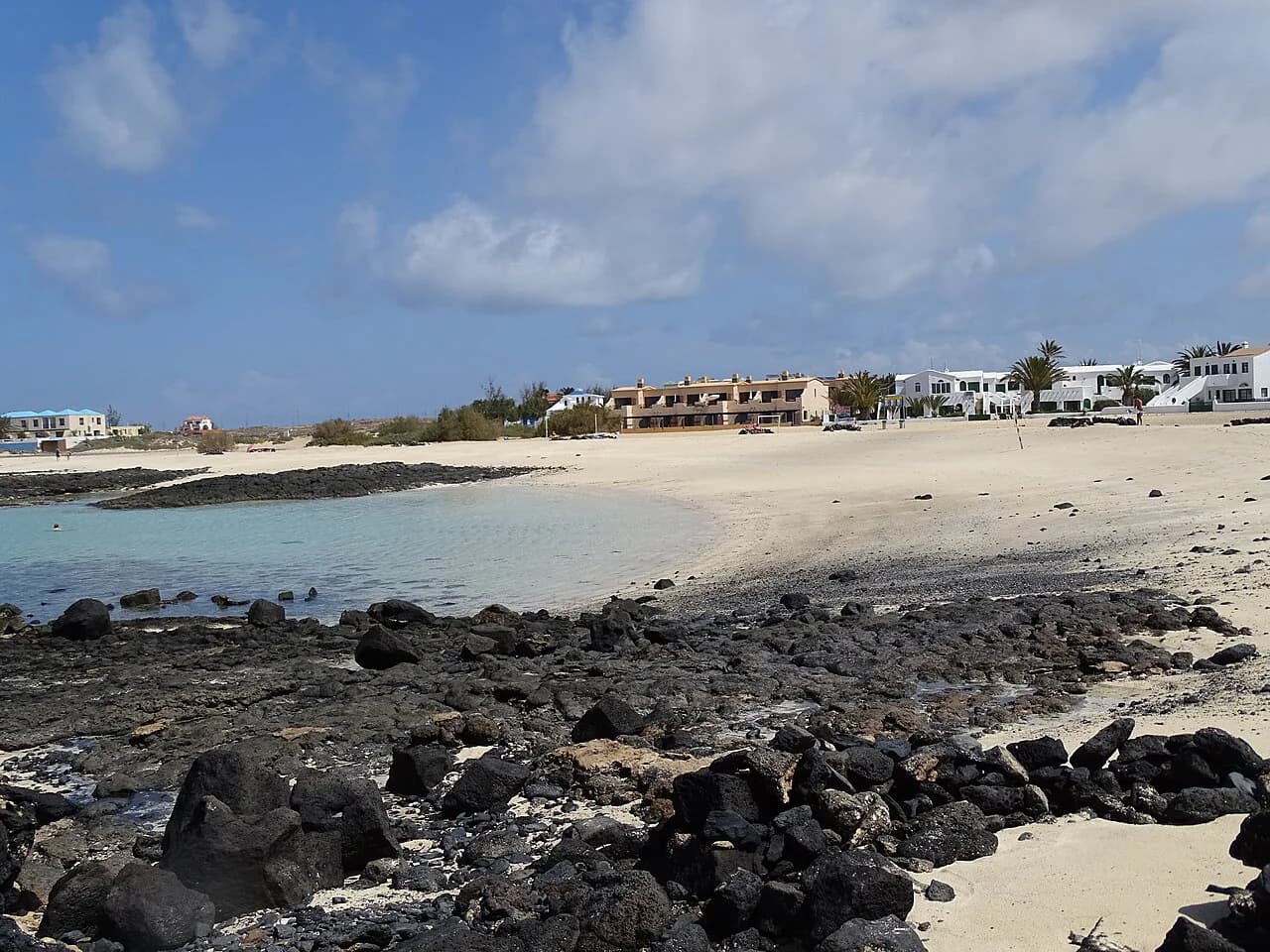
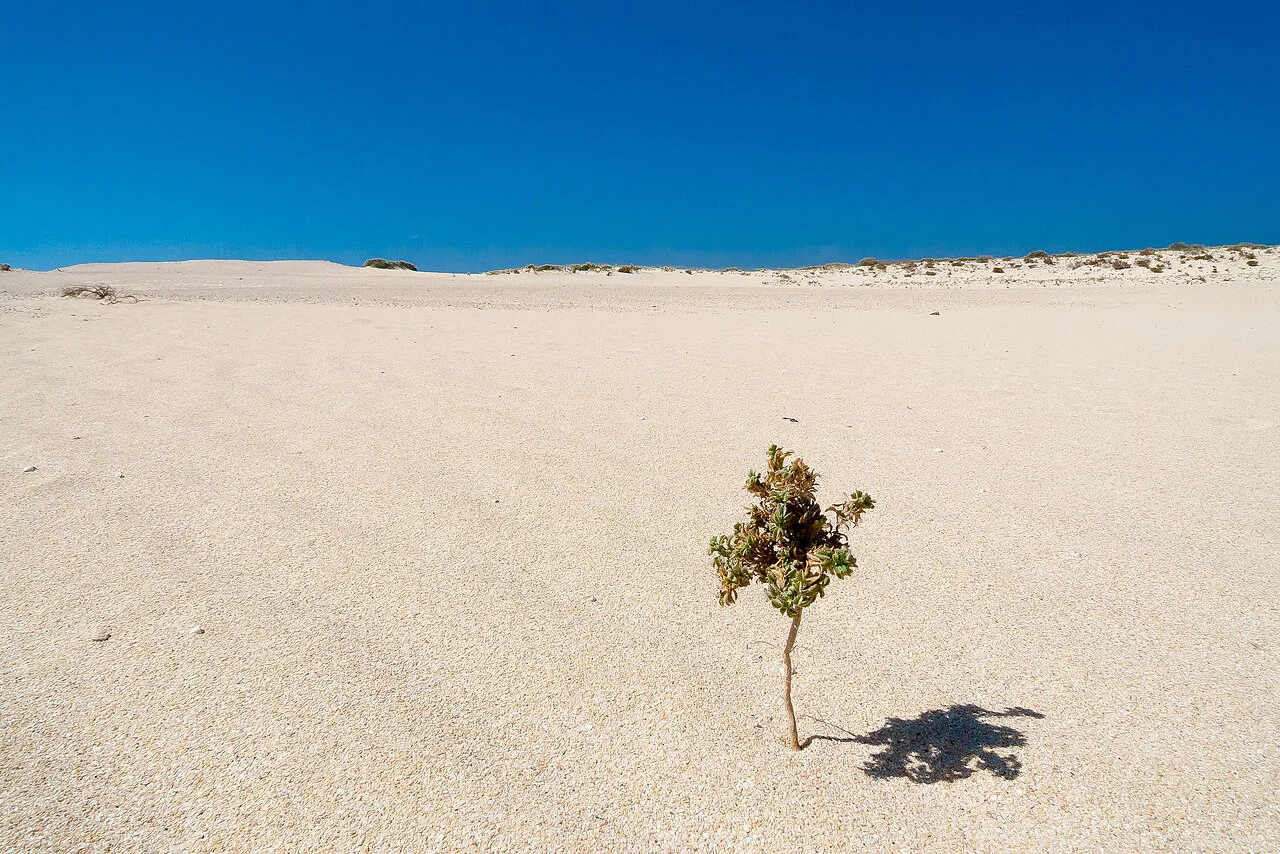
The sand is pale and largely free of rocks, and the water shows the clear turquoise colour the area is known for. The grains are formed from the shells of marine creatures rather than Saharan sand carried on the wind. Families with small children and anyone wanting a lido-style beach day are better served closer to town, while this coast rewards those who bring their own kit and accept a wilder setting.
Getting there from Corralejo
Walking from the centre of Corralejo to the dunes takes around 1½ to 2 hours, which is realistic in cooler hours but hard work with beach gear in the middle of the day. Cycling is a quicker option, and taxis or hotel shuttle services cover the distance for those without a car. Local bus line 6 stops at the dunes, and Tiadhe, the bus company that runs the route, publishes the timetable so you can see which stop works for your accommodation.
By road, access is via the FV-1, the coast road that runs through the park. Drivers should slow for pedestrians and watch for sand drifting across the surface, which changes the grip under your tyres. The road carries a steady flow of beach traffic in peak weeks, so leaving earlier in the morning makes the whole trip easier.
Once in the park there is no scope for improvisation behind the wheel: driving off the FV-1 is strictly forbidden, even in a four-wheel drive, and the dunes themselves are protected ground. The Visit Fuerteventura page on the Corralejo Natural Park is a useful primer on the landscape before you set out. Treat the road as the only vehicular artery and plan your beach choice around the parking you can find.
Parking along the FV-1
Parking is a matter of kilometres of roadside spaces along the FV-1 rather than a formal car park with a barrier. The stretches nearest the most popular areas, Flag Beach in particular, fill up first, so arriving early or accepting a slightly longer walk pays off. Even in peak season you can usually find a spot somewhere along the road and a place on the sand.
Because the sand shifts, pull fully clear of the carriageway and avoid parking where the surface looks soft or freshly drifted. Bring water and sun cream from town, since cover is limited once you are out among the dunes. If you are combining the dunes with a boat trip, the Lobos Island from Corralejo ferries leave from the harbour and fit neatly into a second day rather than the same one.
The sand and the water
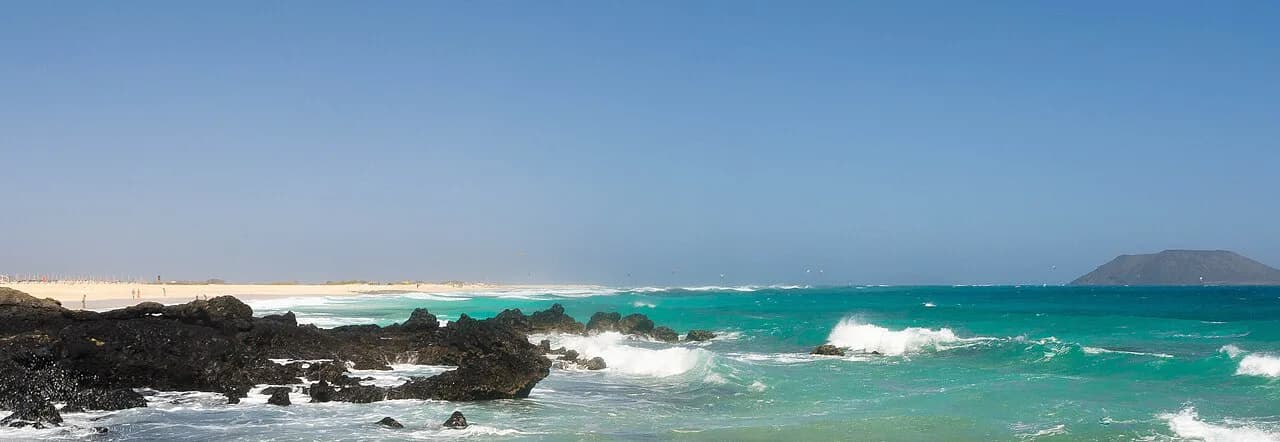
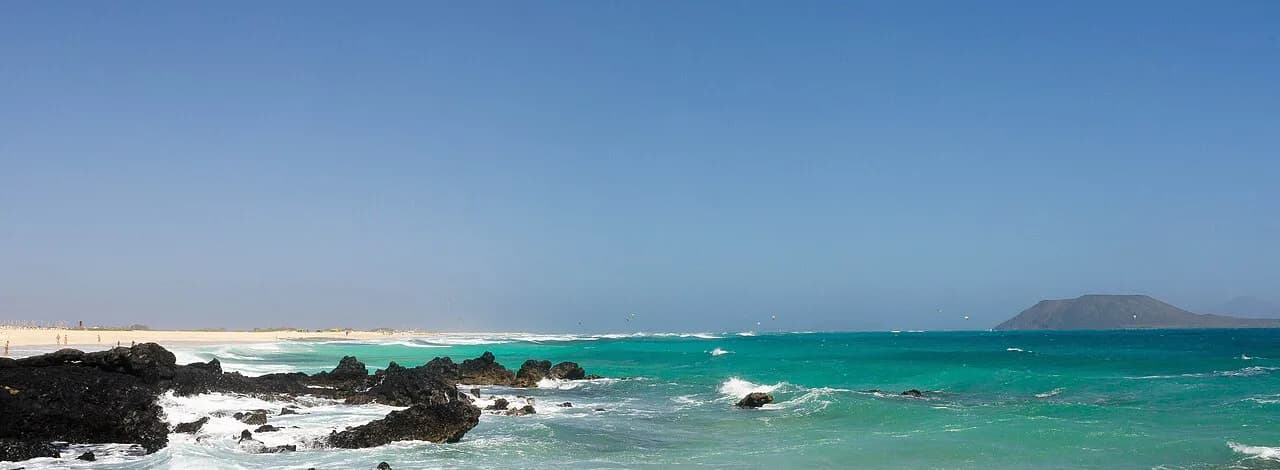
The Grandes Playas offer pale sand with few rocks and clear turquoise water, and the scale means you can usually find your own patch even when the access points are busy. That said, this is exposed Atlantic coast: the park's beaches are reported to have strong currents and rip tides, along with a small ratio of lifeguards to beach-goers. Watch the flags and ask at your accommodation about conditions before committing to a long swim.
Shelter is limited and the wind is a near-constant feature, which is part of why the coast draws watersports rather than sunbathers alone. Bring a wind layer even on a hot day, and keep an eye on children and inflatables near the water's edge. Readers heading south later in the trip can compare conditions with Playa de Sotavento de Jandía, where the wind is equally part of the appeal.
Finding shelter in the zuccos
Scattered along the beaches are semi-circular stone shelters known as zuccos, built to take the edge off the wind and give a little privacy. They are the obvious choice on a breezy day, and they are often occupied by nudists, especially towards the southern end of the dunes. Etiquette is straightforward: give occupied shelters a wide berth and take the next free one rather than settling close by.
Away from the zuccos, shade is scarce across the park, so a beach umbrella or a windbreak of your own is worth the carry. Set up with the wind at your back and you will last far longer on the sand. If the wind is strong enough to lift umbrellas, move into a zucco or retreat to the sheltered side of the dunes.
Facilities and what to bring
Chiringuitos, toilets and showers are dotted along the beaches, and a few areas offer sun-loungers and umbrellas for hire. Availability of these facilities changes with concession arrangements, so sort out your own shade and water before you leave town rather than relying on hiring on the day. A bar at the last hotel before the beach is open to the public and makes a reliable fallback for a drink.
The park has very little natural cover, so pack sun cream, plenty of water, footwear that copes with hot sand and something to sit on. Cash is useful for small purchases, though you should not count on any particular outlet being open. For a more conventional beach day with everything on hand, the beaches around Corralejo town are the easier choice.
Watersports at Flag Beach and El Medano
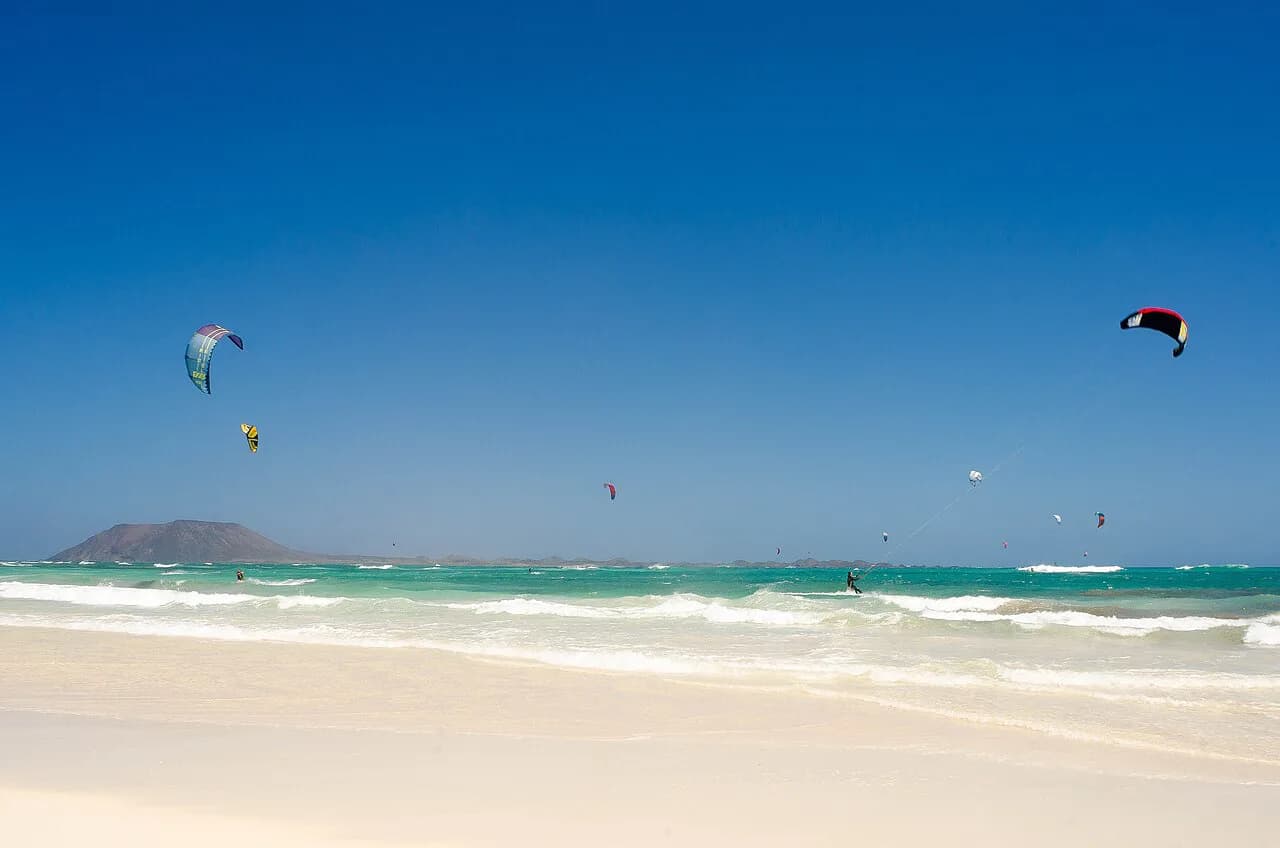
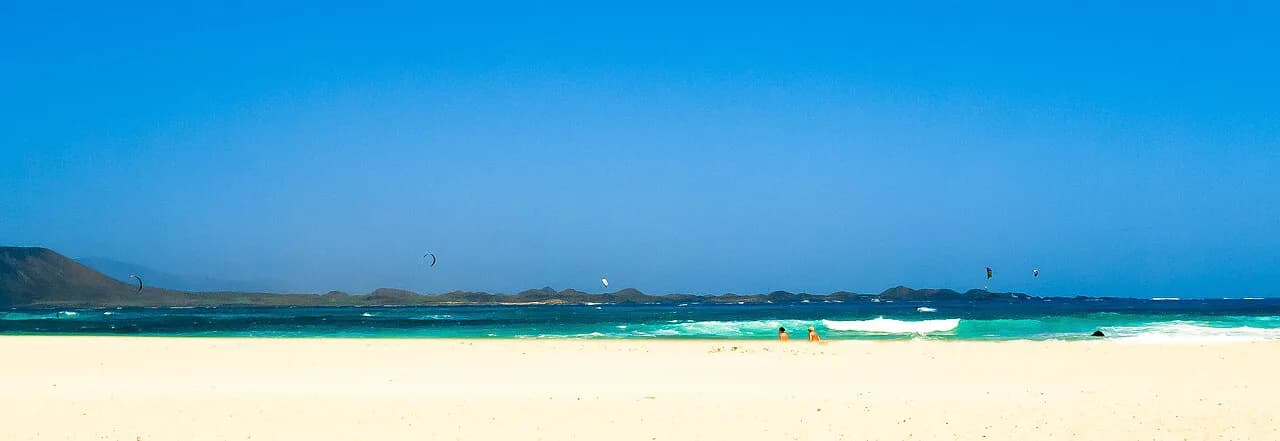
Flag Beach is the best-known surf spot in the area, while the El Medano stretch draws windsurfers and kitesurfers. The combination of steady wind and open water makes this coast excellent for board sports and much less suited to a relaxed family swim. If you are learning, book with a school that knows the local conditions and follow their guidance on where to launch.
For spectators, the show is free: settle on the sand with a wind layer and watch the kites and sails work the water. Keep clear of launch and landing zones, and keep children well back from lines and boards. The same wind that makes the sport possible will sand-blast your picnic, so pick your spot with care.
Best time to go
Fuerteventura's sea is at its most comfortable for long swims in the warmer months, and the park is at its busiest in the peak summer weeks and around school holidays. Spring and autumn give warm sand and water with more room at the parking pull-ins. Whatever the month, the wind is the variable that decides your day, so build in a plan B; if you would rather weigh up the same trade-off on another Canary island, the black-sand beaches in La Palma and the sheltered coves of the Gran Canaria beaches guide offer useful contrasts.
Every November since 1987 the park has hosted a weekend kite festival, with flyers arriving from around the world to compete and join in. It is a spectacle worth planning around, but the exact weekend shifts each year, so look up the current edition through the local tourist office before booking travel. Outside festival weekends, the dunes return to their usual rhythm of walkers, surfers and quiet stretches of sand.
Walking up Montaña Roja
Montaña Roja rises 314 m at the southern end of the park and gives 360-degree views over the dunes, the coast and the volcanic ground behind. The climb is best done early or late in the day with proper footwear and water, since the path is exposed and the sand hot. On a clear day it is the best photography spot in the park.
Allow time for the descent and keep to marked paths, because the dunes and their plant life are protected. The park is also a Special Protection Area for Birds, home to the Houbara Bustard and other species, so keep noise down and bin anything you carry in. A short climb adds a real dimension to a beach day without needing a car move.
Nearby beaches and day-plan combinations
The Grandes Playas are best treated as one long beach day with a choice of access points rather than a checklist of separate beaches. Flag Beach suits board sports, the quieter stretches to the south suit walkers and those using the zuccos, and the whole run is easy to combine on foot or by short drives along the FV-1. Pick one stretch, settle in and let the day slow down.
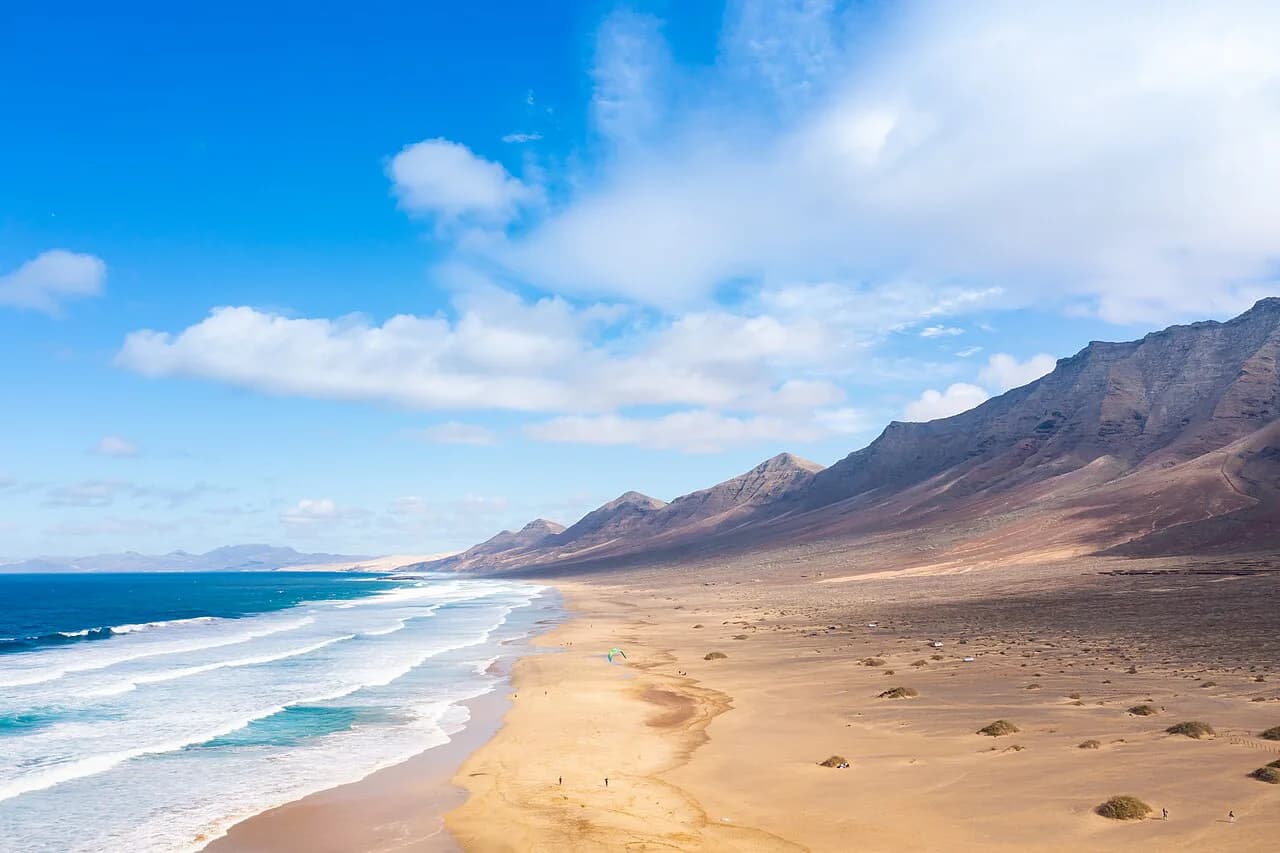
For a change of scene, the Isla de Lobos ferries run from Corralejo harbour and pair well with an afternoon back in town. Farther afield, Cofete Beach, Fuerteventura offers a remote, road-in adventure on the Jandía peninsula if you have a second day to spare. Check ferry and excursion times before you build a tight plan.
Plan your beach day on the dunes
Choose your access point first: bus line 6, a taxi, a hotel shuttle, a bike or the FV-1 by car, then decide between the surf zone at Flag Beach and a quieter patch further south. Carry shade, water and a wind layer, and treat the currents as the main thing to manage on the day.
Aim for a spring or autumn visit if you want space, and check the November kite festival weekend with the local tourist office if that is the draw. Read the flags, respect the no-driving rule on the dunes and the marked paths, and the Grandes Playas will deliver one of the best beach days on the island.
Frequently Asked Questions
Can you walk on the Corralejo sand dunes?
You can walk to the dunes from Corralejo town in around 1½ to 2 hours, and you can walk around the accessible edges of the sand. The park's regulations ask visitors to stay on marked paths, which protects the plants and birds that survive in the shifting sand. Carry water and footwear that copes with hot sand, and keep to the routes other walkers use.
Is there a bus from Corralejo to the sand dunes?
Yes, local bus line 6 serves the dunes, run by Tiadhe, which publishes the route and stops. It is the simplest car-free option if the walking route does not appeal. Check the route map against where you are staying before you set out, and have a taxi or shuttle as a fallback for the return.
Is the sea safe for swimming at the Corralejo dunes?
The beaches along the Grandes Playas are open Atlantic coast, and the park's beaches are reported to have strong currents and rip tides, with a small ratio of lifeguards to beach-goers. That does not rule out a dip, but it does mean watching the flags, avoiding inflatables in an offshore wind, and asking at your accommodation about conditions on the day.
What is there to be careful of at the Corralejo dunes?
The main things to manage are the currents, the wind and the sun. Shade is scarce across the park, so bring your own cover, plenty of water and sun cream, and a wind layer even on a hot day. Driving off the FV-1 is strictly forbidden, including in a four-wheel drive, and staying on marked paths protects the dunes.
How far are the dunes from Corralejo town?
The park begins just east of town, and walking from the centre takes around 1½ to 2 hours. Cycling, a taxi, a hotel shuttle or bus line 6 all shorten the trip. Once inside the park, the beaches are spread along roughly 10 km of coast, so pick your access point with the stretch you want in mind.
When is the kite festival in the Corralejo natural park?
The park has hosted a weekend kite festival every November since 1987, with flyers arriving from around the world. The exact weekend shifts from year to year, so look up the current edition through the local tourist office before booking travel around it. Outside festival weekends, the dunes are given over to walkers, surfers and quiet stretches of sand.
Sources
Beach notes for your next trip
Optional updates when we add or revise beach guides.
You might also like
Continue reading
More guides you'll find useful